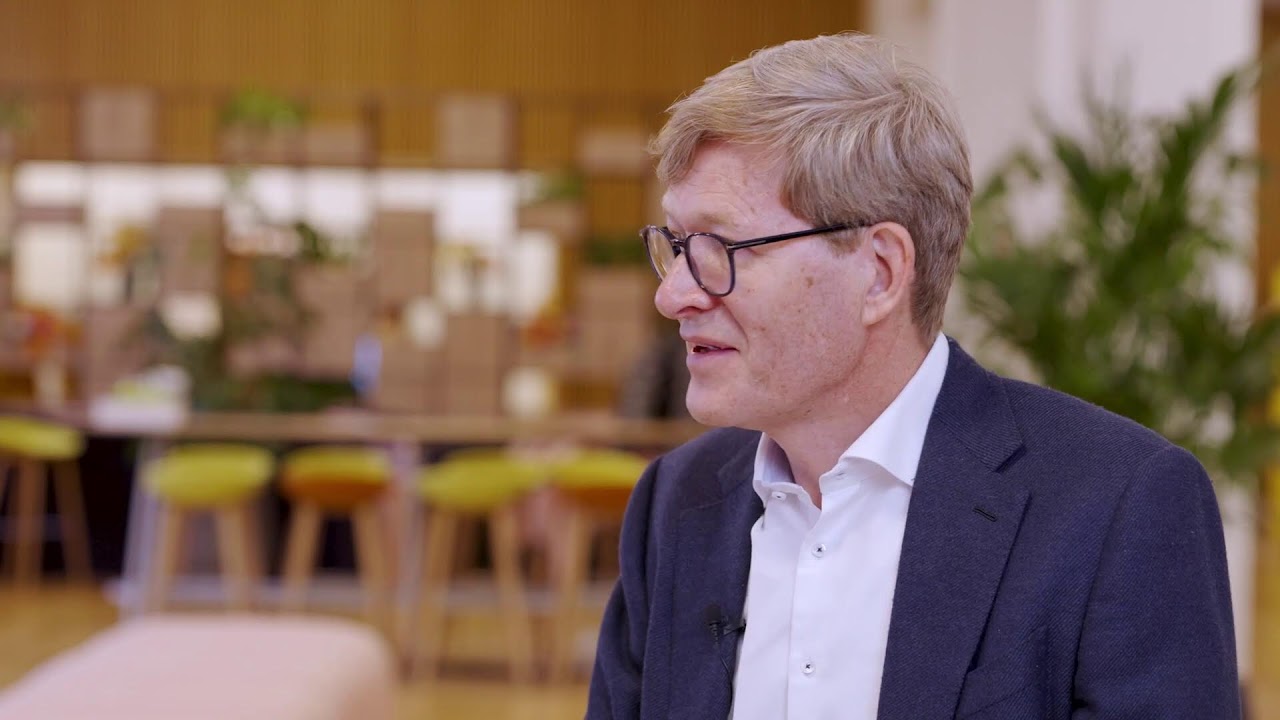
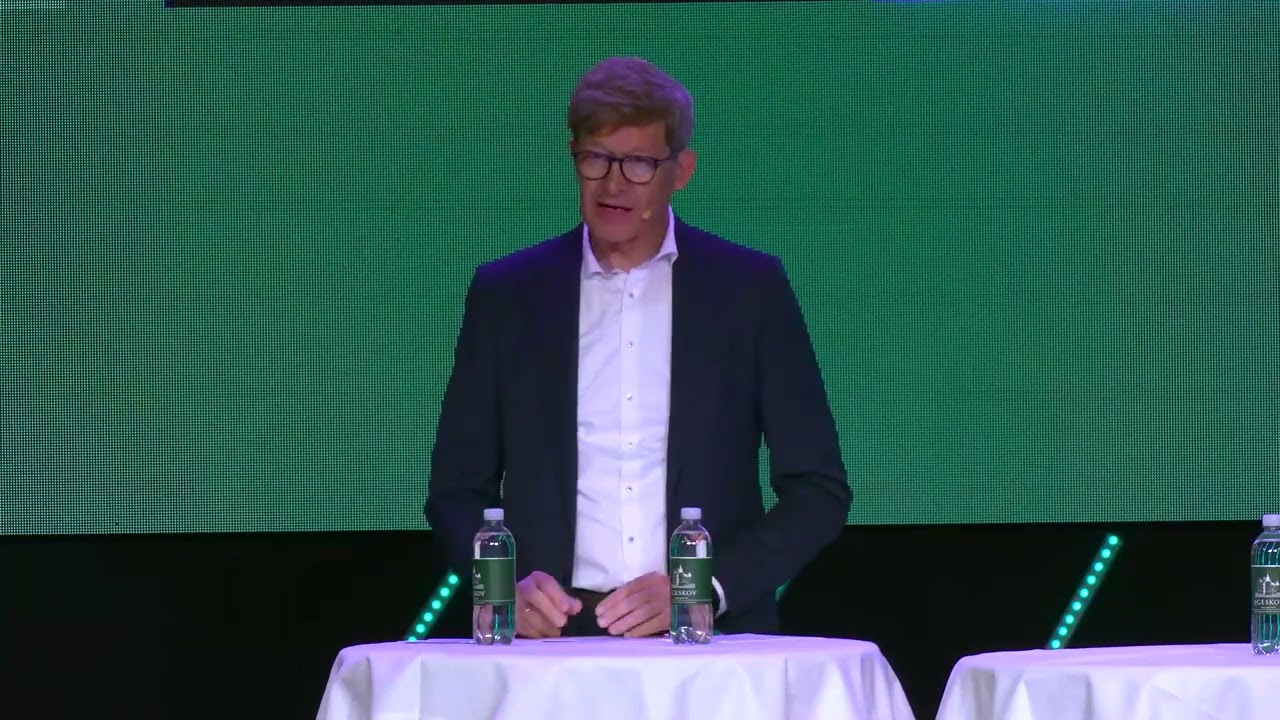
In a Yahoo Finance interview, LEGO Group CEO Niels B. Christiansen outlines the company’s record‑year results despite a post‑pandemic decline in the global toy market. He explains how LEGO captured market share by leveraging a strong brand portfolio, strategic partnerships (Formula 1, Nike), and a focus on digital experiences. Christiansen discusses the broader market slowdown, attributing it to reduced growth after the pandemic and competition for children’s attention from electronic devices, while noting inflation‑driven cautious consumer spending. He details LEGO’s supply‑chain strategy of producing close to key markets—Europe from Europe, Asia‑Pacific locally, and the Americas from Mexico—while preparing a new full‑range factory in Virginia slated for H1 2027. Potential U.S. tariffs on Mexican imports are acknowledged, but he stresses the company’s ability to absorb shocks and its long‑term pricing philosophy. The CEO confirms ongoing retail expansion, now at 1,069 stores with 80‑85 new openings planned, and describes the stores as experiential brand hubs rather than pure sales points. Finally, he offers a light‑hearted tip that LEGO sets come with instructions and encourages consumers to try building them.
Chapters
TranscriptAuto-generated · 10 min
The LEGO Group out with its latest results. Let's bring in Niels B. Christiansen, LEGO Group CEO. Niels, always nice to get some time with you. You're calling it a record year for the company. What are some of your top takeaways?
It's, it's been a fantastic year. We've been able to outgrow what was kind of a relatively flat or even slightly declining toy market. So we've taken share across the board. So in a lot of markets throughout the world. So I think It's really the brand that stands super, super strong. It's the portfolio that has resonated really well with a lot of different consumer groups. And we've been able to activate that, I think, around a lot of different locations worldwide. So a lot of things have gone really well.
Niels, you're the second executive in the space I've talked to in the past 2 weeks that has called attention to a declining toy market. Why is that the case? What's happening in, for example, the United States?
It's, you know, it actually— we had a toy market that during the pandemic actually grew, and then it's had a relatively tough time coming out of that. Last year, we saw a decline between 6% and 7% globally, but also decline in the US. And then it actually has stabilized a bit, I think, through 2024. So it actually ended exactly like we called it. And I have hopes that it would find its way back to Probably low growth in the coming years. But, but I think it has been slightly improving, although you can say a flat market is not, is not overly exciting. And, and we've, we've delivered our results by actually taking share in that market.
Is it, you know, kids are using more electronic devices or is it consumers? Look, I mean, I look in the US, Niels, and consumers have been hit with a lot of inflation. Are they still spending cautiously?
Yeah, it's hard to say. I think there's probably different elements. Definitely, there's an element of, we see it's a fight for kids' time in the sense, and older kids spend more time digitally. That's not a new trend, but it's going on and something that we are working with. And we're also trying to be, of course, as relevant as possible also on digital with games and a lot of good digital experiences. But there's also probably something around this this fact that the market was growing quite a bit and then for a period now it's growing a little bit less. And coming out of the pandemic, I think ourselves and other players in the industry maybe had to up our level of innovation, now coming back in offices and being able to do so. And I think 2024 was a good example of us actually providing some really exciting stuff. And that's what it takes, I think, to get the market back to growth.
When I walk down the aisles of a Target, a Walmart, even I think I find your products in Kohl's here in the United States.
Yeah, that's true.
Why do you think consumers are reaching for what you are selling, LEGO bricks? Because you're calling out here that you're gaining market share. Why are they choosing your offerings compared to, let's say, a doll or a figurine from some of your competitors?
Yeah, I think, yeah, I mean, it is about who provides the most exciting, the most probably, I mean, the most exciting play experience. And I think we've been, uh, we've been quite successful also in tapping into the things that really matter. So the brand stands, I would say, super relevant right now. It's, uh, you know, right now we have, uh, we've just launched our, our strategic partnership with Formula 1, and we see a lot of engagement around kids and teens, even adults around, around Formula 1. We have, uh, we have a strategic partnership with Nike that we will open up for later in the year that caters for the for the interest around older kids and teens also around sports and all kinds of different things around sports. So it's about who actually managed to be relevant, to really be around the things that resonates really well. And I think we had a good run for that in 2024, and I'm quite excited of what's in backlog for '25 as well.
Your results, Niels, come at a time, record results for the company, at a time where the stock market's under pressure, investors are concerned about tariffs and trade. I mean, your company is global. You know, how concerned are you about a global trade war? And then how does that impact a business like LEGO Group?
Yeah, it's, I mean, overall, I think important just to understand our supply chain setup in the sense that we tend to produce products as close to markets, as close to consumers as possible. So we serve Europe from Europe, we serve Asia Pacific from Asia Pacific, and we serve the Americas and North America within North America. Primarily out of Mexico right now. We have a packing facility in Virginia and we are building a factory in Virginia, but we are not shipping our products around the globe in that sense. So it's not like things done in China or Europe needs to be sold in the US. It's primarily North America for North America. But if there would be, and there aren't right now, but if there would be tariffs from the US towards Mexico, that would impact us. Of course, it would probably not be the biggest issue we have because I think really this relevance we just talked about being using this strong financial position to invest into the future to be on the topics that really resonates. I think that's my priority number one. And then we would have to, if tariffs would be there and we get to know whatever level they would be at, we will deem whether they will be permanent or more of temporary nature. Then I think we would sit down and figure out how do we react to that in a way that has the typical long-term perspective of the LEGO Group that makes sure that we would not try not to destroy the momentum we have and investing ahead and be relevant, because that is the really important thing. And we'll try to find a way to deal with that, just like we've dealt with the inflation after COVID, with the high prices on gas and raw materials for us. So it's not the first time we would see a disruption. There would be an impact, but I think we would be in a position to cope with that.
Does this put you, in terms of reactions, does this put you, or do you need to raise prices on LEGO bricks?
Yeah, it would really depend. It would depend on how it happens, what would be the percentage, would it be temporary or more of permanent nature? So we would have to— we would actually have to look at that when the situation is there. What we would do is we would think long-term on it. We really act around making sure that we would not lose the momentum we have going forward. So it's hard to say exactly how we would react.
I was talking to another consumer products CEO yesterday, Niels. It was the CEO of Newell Rubbermaid. Rubbermaid make Rubbermaid bowls, Graco baby products. Now, they have a plant in Mexico. And I think he is inclined to potentially shut that plant down if these tariffs go into effect. Now, you've been expanding your capacity in Mexico. I mean, would tariffs make you rethink your, I guess, approach to Mexico operations?
No, I don't think so. We have a strong factory in Mexico. We're building one in the US. So as we grow in the US, the capacity we would need by '27, '28 and forward, a lot of that we will fulfill out of the factory we're building in Virginia. But I think it would be— that would be how we would grow into the future. And we would definitely continue manufacturing in Mexico and we'll build on top in the US.
The US plant in Virginia, I believe, when does that open, and what exactly will it be making?
It will open in '27, first half of 2027, and it will be making the full range of LEGO sets and bricks.
When, you know, in terms of US manufacturing, are you more inclined, given everything going on in the world, to double down on the US? I mean, are you already thinking beyond 2027 and saying, hey, guys and members of my team, You know, where else can we put a plant in the US to reduce our manufacturing risk?
Well, I think, you know, for now we plan this kind of with a 10-year horizon and, and with the US factory in Virginia coming on stream in 2027, we will have capacity to grow for quite a while. So, so we will, we will have the time to see how things settle, whether or not there will be tariffs or whatever they will be, and how, how also to learn how manufacturing in the US as we grow that, that actually looks. So that's a decision, I think, to be taken some years out. Right now, we are super focused on getting the factory built, getting it up and running, and start building LEGO sets in the US.
Are you still opening stores this year?
Yes, we are.
What's the size of the footprint now? I mean, it feels like I've been tracking your store openings. I mean, the last time I think we talked, you were around 1,000 stores.
Yeah, right now we sit at 1,069 as we speak and plan to open 80, 85 new stores also next year.
What's the play with the retail stores? I see them online, Niels. I mean, these are pretty fancy-looking shops.
Yeah, no, they're really nice stores and they're stores that we invest a lot in the stores and also in upgrading the stores so we can really give this amazing LEGO experience when you get in there. So it's actually less about the transaction as such. It's more an opportunity for us to have consumers and kids really experience the brand, everything we can do. You can come there and play, come there, get a good experience, and then hopefully that helps excite about the brand. It helps to showcase what we have in stock, and hopefully we get on wishlists also by doing that. So it's really important for us and for the brand.
Lastly, Niels, you know, we like to have a little fun here at Yahoo Finance. So let me put this question to you. I see a lot of complicated LEGO sets when I go to the stores. And even at my advanced age, I'm like, I don't know if I could put these together. How do I go upon putting some of these complicated sets together? Do I just look at the box? Are there instructions? Like, what's the secret hack here?
Yeah, no, there are instructions. I'm actually sure you would be capable. It would— it may take a little bit extra time in the beginning, but I think when you get onto it, you might get really hooked. So I can only say you should try.
When I was a kid, Niels, I used to just look at the box. But, you know, I think I've lost a lot of patience, so I'm going to have to follow those instructions. Well, look forward to continuing to follow your journey here in 2025. LEGO Group CEO Niels B. Christiansen, we'll talk to you soon.