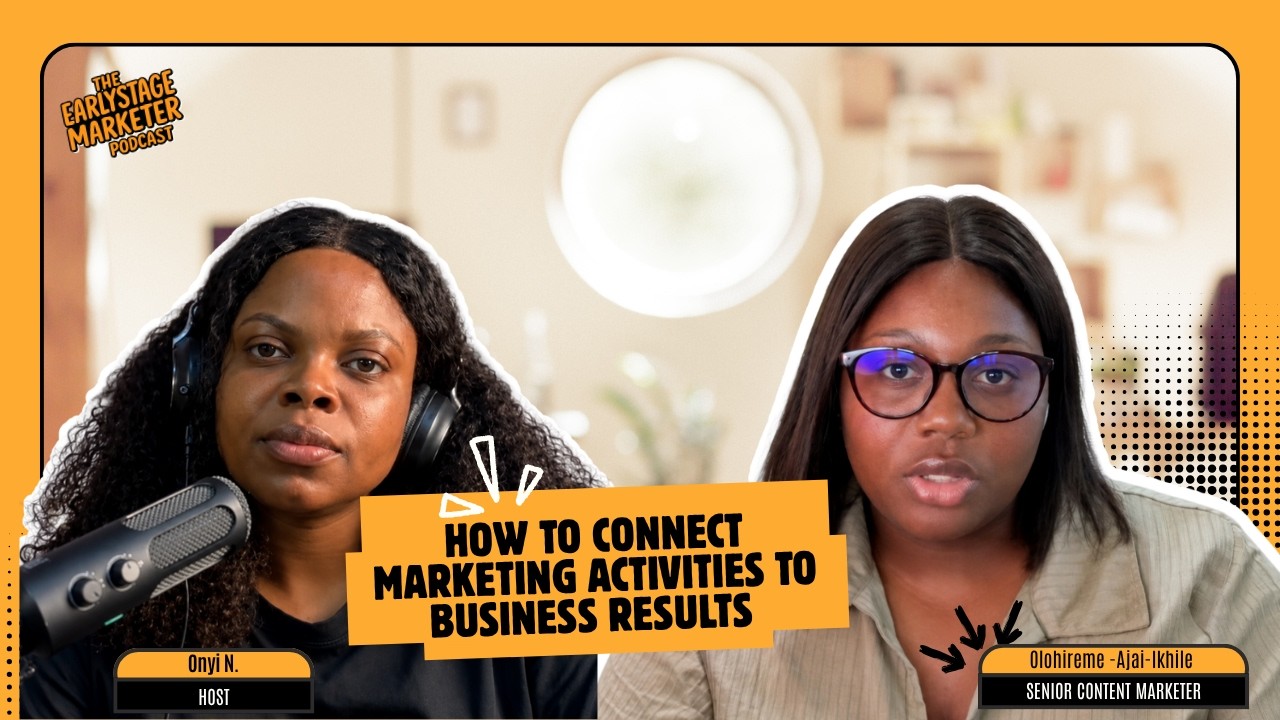
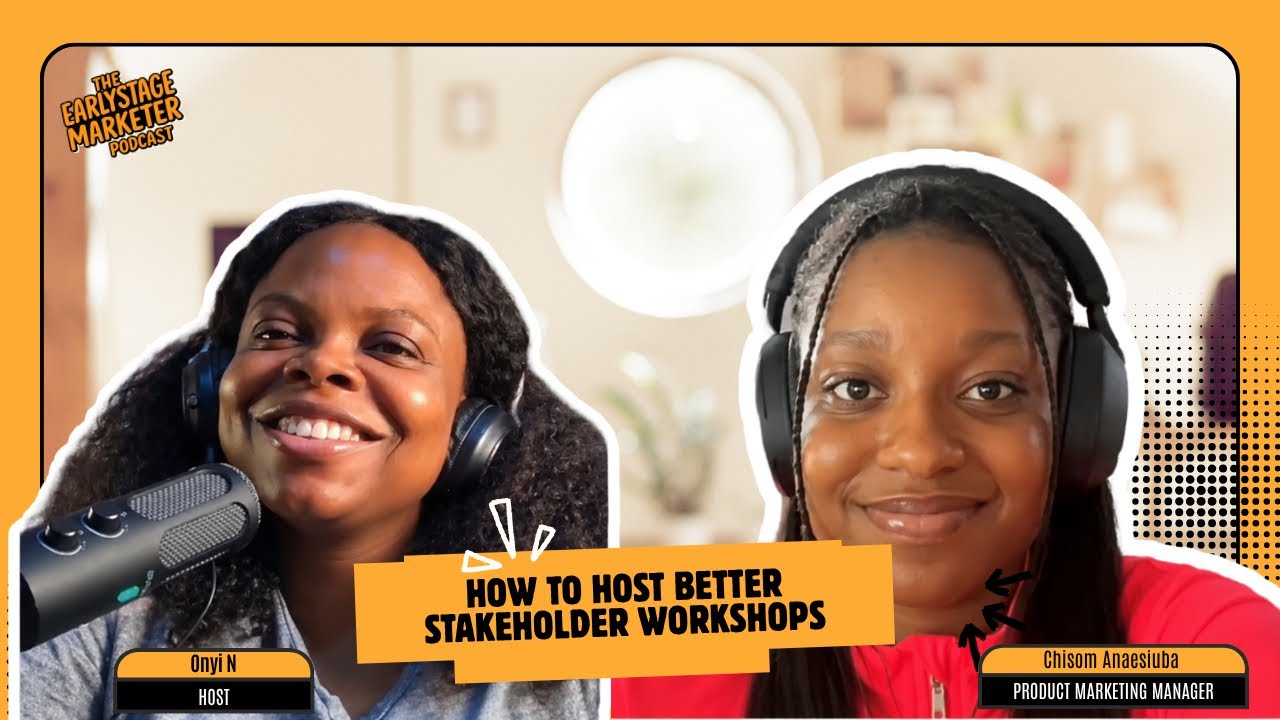
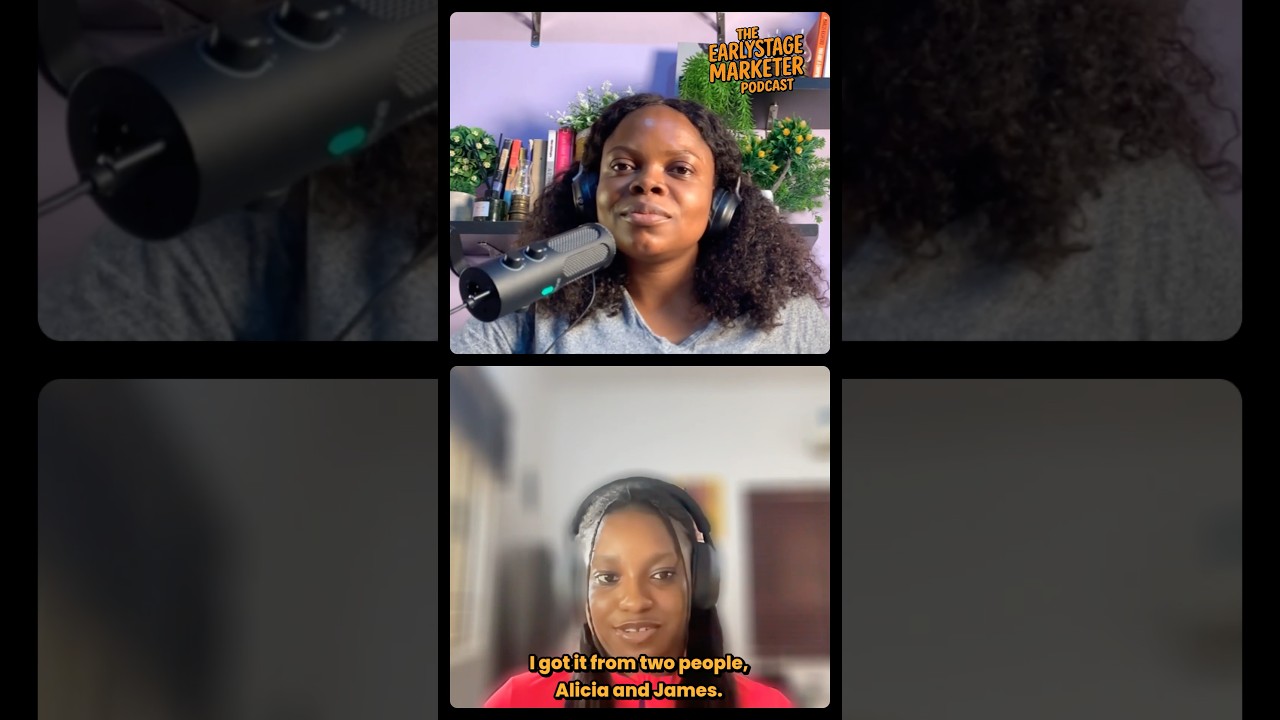
In this episode of the Early Stage Marketer Podcast, host Onyi N discusses with guest Amos how subtle verbal abuse in the workplace can silently erode an employee’s self‑confidence. Onyi highlights that indirect insults—such as being called a “monkey” or receiving nuanced, non‑direct criticism—often go unnoticed until confidence has already deteriorated, leading to second‑guessing and reduced assertiveness. The conversation then shifts to the observed gender confidence gap, noting that men often display higher confidence levels than women in similar situations. Amos shares his personal process for rebuilding belief in himself, emphasizing a “do it afraid” mindset: deliberately taking on scary tasks (e.g., public speaking) despite fear, and using each successful experience to build a track record. He explains that repeated risk‑taking and the accumulation of achievements create a feedback loop that strengthens confidence over time. The episode concludes with a call to listeners to reflect on these insights, subscribe, comment, and share the podcast.
Chapters
What makes this kind of people, you know, so let me just be plain. It's actually even better someone comes and calls you idiot. You're an idiot, you're a fool. You can see the verbal abuse straight on. Now there are those that do it, let's say, in a nuanced way. They are not outrightly calling you an idiot, but they are actually being verbally abusive. And the problem is you don't notice it on time. But what happens is those words begin to creep into your psyche. It begins to erode your self-confidence. And what makes this kind of situation very dangerous is you don't even know what's happening because they are not straight. You know, I've actually had a friend who once worked in a place where they called her monkey, and I'm like, why are you in that kind of place? So it's actually better you're in that kind of place, they'll call you a monkey, be like, hold up, I'm done, you walk out, than people who abuse you in the not so straightforward manner. And you never know, but you notice that one day you wake up, you're not as confident, You're not that outspoken, you're second-guessing yourself. Thank you for that, Amos. I, I love that. Then in our previous conversation, you know, you said something I equally like. You said that the biggest lessons, right, or the biggest lesson you learned in this situation was to believe in yourself. Okay, so what I really want to talk about is, what's that process of believing in yourself? So I don't know, so usually this starts say guys tend to believe in them. Like, males usually have a higher confidence quotient, if there's anything like that, compared to women, right? In fact, I was talking with someone a few days ago and I was like, oh, I used to struggle with seeing myself in this light.
And this—
I can't relate. The thing is, I actually have more years of experience than this person. He's a guy just like you, but he couldn't relate. And then it showed me again that there is a disparity between you know, men confidence and then women and confidence. So I don't know if you're one of these people who are in— who have confidence inborn, but if you aren't, I just want to know what's that process of, you know, getting to that point where you're like, no, I'm— I actually have value, I believe in myself, I don't have to put up with this. So what's just that process where you, you know, arrived at believing in yourself? Yeah, okay, okay.
I think this is going to be very interesting. Um, I'll talk about myself first and probably try to drop maybe advice or so. But for me, believing in myself, it's— I don't want to say inborn, but it's been, you know, I've been practicing from young. And it's a sense of— there are a lot of times I do things that are very scary. I'm going to talk about like public speaking, for example. I usually use that. Yeah, someone is inviting me Come and get the mic, come and speak on something and everything. I am literally like shy, scared, extremely nervous, shaky, shaky. But the craziest thing about it is that like, I'll probably be the one to first volunteer. Okay, let me come at this in some cases regardless, and I'll still walk, collect it, and probably once I start, because I mean the old nervousness and like tension and everything sort of goes. So my confidence is more of like Do it afraid. I think that's the best way. So over time, I've done a lot of things that I mean, if if I start talking about them now, you'd be like, oh, these things are wild. Remember when I left my main job, what I studied in school to just go all into marketing? That being able to like do a lot of things afraid, like take a lot of risk that over time I'm sort of like, okay, yes, because I've done that, I can now do this. That talks about okay, because you have a track record, that means. Regardless of the fact that you were scared, you did this.
Thank you for listening to the Early Stage Marketer Podcast. I hope today's story gave you something to reflect on or even something to try in your own work. If you enjoyed it, please subscribe, leave a comment, and share it with someone who might find this helpful. See you next time.