The Devil Wears Prompts | Cathy Hackl on the Brand You No Longer Control

Cathy Hackl explains how generative AI is reshaping brands and personal reputation. LLMs surface people based on the density and quality of their indexed content, not keywords. Agentic commerce lets AI agents bypass search entirely, while spatial AI will demand 3D brand assets and immersive experiences.
Chapters
So it's a really interesting moment for brands. I know a lot of brands are really scared, but it's also a huge opportunity, right? I think you could get away with it, you know, in the last year, year and a half because people were experimenting. A lot of brands like jumped and used the tools to create ads and like, and no one was— I mean, the Coca-Cola thing, that was kind of like a flooding.
People were really upset.
I think we're getting to that point where especially younger audiences, and we're going to talk about this, do not want it, do not want the slop. So the one that LLMs are pulling all of that, They're gonna be pulling on associating words, right? Is Sandy Carter associated with AI agents, right? Those sorts of things. Is this doctor associated with specific procedure? How often is it associated? When I have talked a lot about trust, a lot of things are still word of mouth in the physical world or even on social if you're talking to, you know, to actual humans. But it is also a lot about who is recommended, right? I think therein lies the question is how do you start to get recommended by an Well, hello, hello, hello, and welcome to the AI Marketing Companion.
I'm Sandy Carter, and I'm going to be your host today. And I have to say, today is one of my favorite guests. We have a dec— a guest who spent over a decade being early. Isn't that pretty amazing? She was calling the metaverse before most boardrooms could even spell it. And she's been right enough that even USA Today named her one of the best predictors of tech behavior in the world. Meet Cathy Hackl. Hey, Cathy.
Hello, everyone. Excited to be here.
She is the CEO of Future Dynamics. She is the co-founder of Journey, and she's a futurist and resident at Nokia and an advisor to BCG. She's guided Nike and Walmart and Louis Vuitton and Estée Lauder through what comes next, and Newsweek named her one of its top AI visionaries. She's also a number one voice on LinkedIn and spatial AI, which is super interesting. But here's why she's on the show. She doesn't just predict the tech, the technology. She's also built a powerful, recognizable personal brand while doing it. So today, while we're gonna talk about what happens to both kinds of brands, companies and personal, now that AI sits in between you sometimes with your customers and everyone you're trying to reach, I wanna hear Cathy's perspective on what she thinks comes next. So Cathy, welcome, welcome, welcome.
Well, excited to be here, Sandy, and I cannot wait for this conversation.
I know this is gonna, I think this is gonna be a really good one. Um, and you and I were chatting, fewer than 10% of sources have, uh, cited, rank in Google's top 10 for their question today. So it's quite fascinating how quickly things are moving to GEO away from search. And so if a buyer never sees your homepage, let's say an agent's buying for them, where does brand equity come in? Live now? Is it your product? Is it your citation or is it something else completely different?
I think we're going into an era where it's a combination of things, right? Because it depends on what it is that you're searching for. I recently was talking to a doctor last week and he was like, where did you find me? And I was literally like, via LLM.
Wow.
So he felt really proud of the little agency he had hired to help him with that. Cuz he was like, oh, that's great. So I think more, I don't think everyone is doing it that way. Let's be honest. Like not everyone in the world is using an LLM all A lot of people are, everyone yet. So no, I don't think everyone is looking for things on, you know, through, through AI, but a lot of us are. And if you are using Google, it is giving you recommendations via AI, right? So I think for brands, their equity lies in several things. I think one of them is trust, and I think that's a topic you and I have talked a lot about. Trust. A lot of things are still word of mouth in the physical world, or even on social, if you're talking to, you know, to actual humans. But it is also a lot about who is recommended, right? I think therein lies the question is how do you start to get recommended by AI? And I've been doing a lot of thinking about this in, in, in, in specific cases. And it also, it almost feels like it's like a new game of density, like dense information about your brand or your service if you're a doctor or something, and the procedure that you are known for or the product that you sell, right? So. I think it's about kind of like having a lot of dense information out there that aligns your name, right? Or your service with something specific so that when the LLMs are pulling all of that, they're gonna be pulling on associating words, right? Is Sandy Carter associated with AI agents, right? Those sorts of things. Is this doctor associated with specific procedure? How often is it associated and who, what sources right within, within the space of that validate this kind of, this kind of like density. So it's almost like a new game of density. It's not even like keyword, it's more like, I don't know, it's a really interesting thing.
You know, I was talking to, to a large brand. I almost said them out loud because they're one of my favorite retail brands. And they were telling me they had to relearn how a customer buys when they buy through LLM because they were saying, you know, when they just search on Google, it was, hey, want to buy a red dress, or they go to their site and they're looking, searching for red dress. But when they go into an LLM, they were telling me they're searching on, hey, I'm going to be in a wedding in Texas in August, and they're expecting the LLM to pull up dresses that are going to be cool. And so if your description doesn't also change from like what you have to search on, then you also aren't going to be reaching the customers too. And I'm sure with all the work you've done with retailers, this is really hot for you as well.
Absolutely. And I think also as people get more savy with AI beyond just asking the question and they're actually using agents and starting to create more projects. Like I, like I'm overflowing with Claude projects at this point, right? And when I'm doing that, I'm creating context, I'm creating history memory, right? Within these sorts of things. So it starts to remember. So if I go and write, I need a cool dress for a wedding in Texas, by this point, because I have created that memory within the LLM, it knows, you know, it knows kind of what, what are my favorite colors, what matches my skin. So it's a really interesting moment for brands. I know a lot of brands are really scared, but it's also a huge opportunity, right? That's what the exciting part is, especially for like smaller brands or like more boutique-y brands. My gosh, is this an amazing opportunity?
I think it is incredible. And in fact, this morning I was talking to a client in Brazil and they haven't made that jump yet. Still Brazil is optimizing on SEO. And so we were talking about with this brand, what an opportunity now for them to be first in the Brazilian Portuguese use language to do that piece of work to where they show up number one. I mean, they, it might be like their, you know, Amazon moment right now. Really cool one, right? But now let's talk about your personal brand. So your name now shows up a search result inside of a model. When someone asks an AI who should they hire to speak on spatial computing, what actually decides if Cathy comes up? And can I as a person manage that or is it just out of my control?
Here's, I'm, I have two thoughts here. I think that a lot of the work that folks like myself and you and other folks like Brian Solis, we put in a lot of work through the years talking to media, writing. I mean, and I don't think we realized we were doing, we were doing it, you know, because yes, you want to have social proof and you want to be out there. I didn't really think I was doing this for an LLM, right? To be, to be quoted, like to be searching up in a search. Now in hindsight, I'm like, I'm glad I did all of that. I'm glad I never held back because then You know, there's a myriad of places that cite all of us. So obviously the LLM is gonna look at that and be like, okay, this person has, you know, the dense information on the specific subject. They have, uh, you know, the sources where they're showing up are reputable sources, right? They're gonna be pulling from all these sorts of things. So it was interesting because it, and I know we're gonna get to this at some point, it's like, can you build that today? Yes and no. There's ways to hack the system and we can talk about those. But I think I, I wasn't doing it for that, but in hindsight, I'm glad I did so much of it because now there's no way to like, to not see it. And, and I had a friend the other day actually call me. He was like, hey, I was prepping for something. We were doing a joint meeting and he was talking to Claude about me and he's like, Claude really likes you. Claude was so, and not in a sycophantic way. It was really funny. And I was like, oh, that's really positive.
I love.
I love that that's how the LLMs are seeing me because the coverage, the press coverage, all that stuff, like most of the stuff is super positive, right? If it weren't negative, if your, on the other side, reputation was very negative and you had never had a chance to clean that up in back in the day when you could actually do more of that, then, you know, things would be very different. So I don't know. I, I think it's, it's really interesting that many of us put so much work into it and now that's getting indexed, right? It's also where you show up. You know, it's, it's interesting. I was hearing someone talk the other day about hacking AI and LLMs and showing up and how they're doing it via press release. Get this via press release and you can actually do some amazing stuff just when you were thinking the press release is dead, right? Yeah. Because PR people are like, oh, it's dead. But no one's seeing it. Well, you know what? The LLM is gonna pull that from PR Newswire in all the different places, whether it is, you know, WUSA or whatever, wherever this is getting indexed, Yahoo News, and it's gonna have a higher authority and it's gonna associate your your name with a density of, of, of words or subject matters. So I was like, wow, that's so interesting. As, as a former PR person, I was like, that is such an interesting way to hack the system.
It really is. And you know what's fascinating? Cause I just took on this new CEO role with Equis.
Congratulations, by the way. We're super excited.
Thank you. And the interesting thing was I didn't even know that Business Insider picked it up off of my LinkedIn post. And so the other day someone was searching on me and he sent me a note and he said, wow, congrats on this great Business Insider thing. I was like, I didn't even know that existed. He goes, well, go search Claude and it's the first thing that comes up about you, which was fascinating because I hadn't even seen it myself. Now it had only been out for 2 days, but still I had not seen it. So I thought that was interesting. So let's move on now. So, you know, if you think about LinkedIn. Now, I just saw a bunch of reports that came out that said the amount of AI slop— and if you don't know what AI slop is, it's just stuff you create with, with an LLM and you just kind of post it. It's not your own thought leadership. You're not debating. You're not using it as a thought partner. You're just kind of posting it out there. But this slop tax is coming up a lot. And I love the commercial that JPMorgan Chase has about, you know, you get into an autonomous car, it takes a wrong turn. You go to the coffee shop, it puts sugar in your coffee when you don't want it. But then you go into the Chase Morgan Stanley branch and you're greeted by a human and you're, you know, you're loved on and you're helped. And Equinox and Armand Briz, lots of companies now are running these openly anti-AI campaigns. So in May, someone spotted what looked like AI copy on a Nike product page. He admitted that they, they did use AI and they hadn't caught it and it really traveled around. So What does, if you're a business, let's just talk about a business first. What does that AI slop moment cost? Is it just a bad news cycle or is real trust broken?
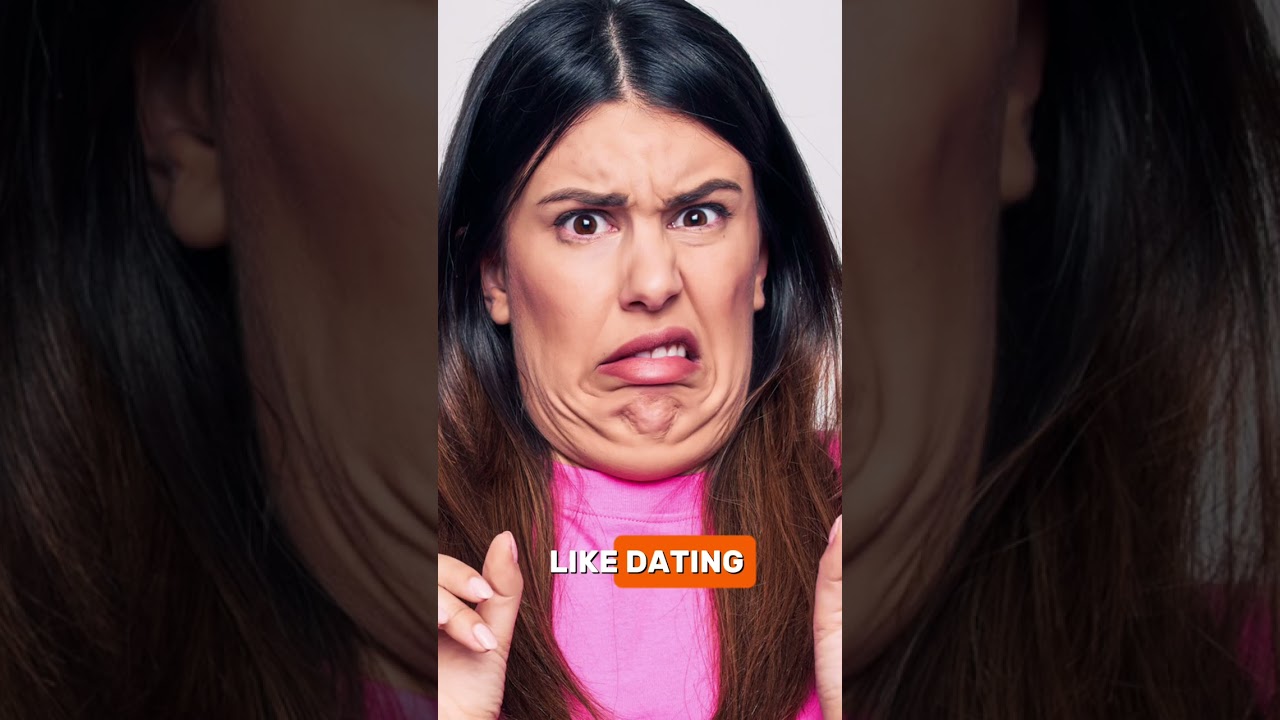
I think people are getting less and less tolerant of the slop. I think you could get away with it, you know, in the last year, year and a half, cuz people were experimenting. A lot of brands like jumped and used the tools to create ads and like, and no one was, I mean, the Coca-Cola thing, that was kind of like upsetting. People were really upset. I think we're getting to that point where especially younger audiences, and we're gonna talk about this, do not want it, do not want the slop. They, they do not care for it. And yeah, like if the brand's touching that, they, they really, they find it, they get the ick. Like, you know, the word ick from like dating, but they, the consumer can get the ick from people overusing AI in a way that is not, you know, beneficial. Like, you know, the, the saying was like, you, you're feeling you're get, you're being sold to.
Yeah.
Like with so much AI slop, it's like, you obviously just want my money. You don't really care about me as a consumer, if this is beneficial to me. There was also a lot of data that came out. I think it was last week about the amount. This is crazy. The amount of fake, um, you know, the AI influencer thing, but the amount of fake doctors, uh, and fake health influencers selling supplements. And I was like, that is scary. And I was like, out of the supplements I've bought lately, did I ever click on a link of a human that I didn't know. And I was like, maybe once or twice I did click on something, didn't buy it, but I'm like, that's scary because that has a massive implication for us as consumers and humans. And it's because they're sell, sell, sell. Right.
And you know, what's really fascinating is I think it was, it was either the Wall Street Journal or Washington Post who did a whole story about this company that was one person. And it was like, OpenAI's prediction about the one-person, you know, multimillionaire company is here. And it turned out that this was AI slop. He was making medical claims he shouldn't have been. But then, you know, major, major reporting units are picking it up. So, and look at us, we're still talking about that Nike mistake.
Yeah.
So it's kind of fascinating, you know? So, you know, I'm on LinkedIn a lot. I know you are too. If, if a post of mine reads like a machine wrote it, what have I lost? And do I lose the benefit of the doubt on everything else I've written? And is credibility now like a style question rather than a substance question?
I think it's a taste question. I think taste is the word, right? That comes out. It is all over Cannes. Do you lose all credibility? No, I don't think so. I think. Many of us at some point tested the tools, right? We might have used it to post, you know, I think there were a lot of moments where people were testing things. Now, if everything you post, and you and I have pretty active people that follow us on LinkedIn and audiences and people that are really tracking and really find valuable what we're sharing. I feel like if they feel like everything is AI generated and it's slop, their, their desire to learn from us or to know what we're thinking will diminish, right? So I think that's where people need to be very careful. That being said, there are great ways to automate social if you're on vacation, right? So I think it's, it's not either or, right? I was on a 2-week vacation with my family, focused on my kids and my friends. And you know, I, I used a tool, uh, gosh, what it's called? It's a video tool. I can't remember. Opus Clip. And I used it. I loaded a whole bunch of my talks and I said, look, I'm going to be on vacation. I don't want to be on social. I'm taking a social media break, but I still want to keep things active and share my thought leadership. So what? I used it, it did the clips, it posted them for me. So it's still me and it's still my voice, but I'm using AI to gen— to like automate that while I'm on vacation. I don't think there's anything wrong with that. If everything you're creating is not you, it's not your thought leadership, it's always AI, and you can always— there's always tells, right? I think you do lose the credibility. So it's like, I think about being smart as a person also, but also understanding taste and credibility and what is the cost benefit at the end of the day for any person, company. What is the cost benefit here?
So, you know, a lot of executives I talk to, they say, oh, the young audience, they're fine with AI content. And I think the audience themselves say, look, we're not. And that gap is actually widening. Why are smart people like— these are smart executives. Why, why are they getting this wrong?
I think it's the pressure. It's like part of the pressure. You know, if you're, if you're a publicly traded company, it's like pressure from the shareholders, right? But if not, it might be pressure from your board or pressure to use AI. AI. AI everywhere, right? It's like, if you don't use AI, like, and say it 100 times during your call, which the calls are happening right now, it's like, you know, I feel like they felt immensely pressured to use it and that disconnected them from reality because if they sat down at dinner with their grandkids or the children in their lives, I mean, I've got 3 Gen Alpha kids and you've got, you know, you've got like, you know, like the kids in their, in their, their 20s and stuff. But I feel if you sit down with them, like my kids are all like, ew, Gross, mom. No, don't use it. Like my oldest daughter is really like very much not into AI. She's like, I think it's bad for the environment. I think it takes creativity away. My son who's a musician, he's, you know, he's a great mind. He's like, I don't wanna use it. He'll get mad if, if one of the, like on a playlist, if one of the songs that comes up is AI, it's not my fault if Spotify is feeding me some AI songs in there. Like, right. So I think there is this disconnect. What I have tried to do with my kids is sit down and be like, It doesn't have to only be slop. It can be extremely useful for managing your finances in a private way, right? Or, uh, figuring out what to do here or how to plan a trip. Like there's ways to use AI that are not slop and are not necessarily becoming that negative force. So, so yeah, I think, I think the, and I think they're also hearing, the younger kids are hearing like AI's gonna take all your jobs, right? I think the narrative has slowly changed, but I think they've heard that too. So I don't fault young people for being like, I have the ick, right? Like, I don't want AI in my life. This was interesting. I was talking to a friend of mine who's a teacher at a high school, a boarding school, and I sent her this thing where a professor, a teacher, had hidden in white text saying, if you are writing, you know, include the word Madagascar in a very silly way in this answer in white. So of course the kids that, you know, that didn't really like read through it or that just copy-pasted it. And put it into the LLM ended up showing, uh, like the word Madagascar in there, which had nothing to do with the assignment, right? So it was his way of catching them. So 32 outta 35 kids failed it because they cut it. They, they literally didn't even look at the, at, uh, what they produced with, with AI. So, so I think it's that. That being said, I always go back to the opportunity, Sandy, and you know me, this is a wonderful moment also for these kids and teachers to also do a lot more oral exams. I know that's very cumbersome, but that's gonna give these kids also, it's gonna push them to become better speakers. So it's, it's also like, where in lies, what's the challenge? Where in lies the opportunity? Yeah.
You know what was fascinating? I did one of these podcasts with my daughter and she told me she and her friends got together and she said she knew there was a problem when she asked one of her friends, well, what do you think about this particular topic that was happening? And her friend said, I don't know, give me a second, went to her phone. Typed it into ChatGPT and gave her that answer. And Cassie, my daughter, was like, well, I don't really want to know what Chat— I can do that myself. Like, what do you think about it? And anyway, this group of girls decided that they were gonna have this little club or little, little group that was going to make sure that they didn't lose their creativity, lose their critical thinking, and just default to AI, which I thought was pretty awesome. But it's interesting how many, how many people this is happening to. So now when we think about it, and this is kind of exciting, and I did this with Open Claw, the buyer is now an agent. So agentic shopping is going from 19% to 46%. Think about that, 19% to 46% by the end of the year. So, you know, people say persuasion is out, selectability is in. So what is the emotional equity and what does that buy you now? And does an agent care if your brand is loved or has that brand following. What do you think?
It's interesting. So back in like 2020, 2021, I co-wrote an article with our friend Tamara, Tamara McCleary. Yeah. Amazing woman. She's doing amazing work in AI. Um, and the whole idea and the premise was marketing to robots. Way beyond early. Once again, I'm early. 2020. Wow. 2021 or 2020, marketing to robots. I said, you know, it's marketing, marketing to robots, to consumers. Like it was a kind of like something like that is like, But we were at that point, we were limited. We weren't thinking LLMs, we were thinking more Alexas and, you know, more like these types of agents. Well, these types of speakers and, and sorts of AIs, right? That we, we weren't really thinking LLMs and agents, but in hindsight, I'm like, wow, that was really ahead of its time. We were already thinking like that communication direct from the brand to the consumer, there's gonna be a, a middleman of sorts, and it's gonna be AI, and eventually it's just gonna be me talking to my, my, my AI, and then It's going to deliver whatever it thinks is best for me because it's going to know me really well. So I think for brands, there is that challenge, right? Of like in agentic commerce, how do I become the, you know, the Chanel? How do I become the Ferrari? So I don't know. Here's where I'm of two minds. I think in the future we're heading into, we're still going to live in a world where there's space for the Kia and for the Ferrari. And, you know, I'm not, not trying to be mean to Kia. No, like Kias are great. But you know, there's Ferraris and there's Kias. I think we're still gonna have that. What's gonna determine that? I think in some cases it's gonna be like, like actual human craftsmanship. It's gonna be certain things that are not replaceable by AI. Other brands, it might just be a lot of like, you know, a lot of the same and it's just gonna depend. So I don't know with agentic commerce because it is so early. I think it's still, you know, it's still, it's still so new, right? Even though the numbers are expanding, but. I don't know. What do you think, Sandy? I'm curious to hear what you think as well.
Well, I do think it's going to be really fascinating. I just had one customer tell me that they had priced something at $9.99 because, you know, for a human there's like a $10 barrier, right? And so they had priced it at $9.99, but an agent doesn't care. It doesn't have that, like that invisible wall that goes up. And so, you know, I do think though that brands that are loved, that are really, really loved, I think will still do well. I think that word of mouth is not going to go away. I think it might become word of mouth and LLM of mouth, if you would. But I do think that that love of brands is going to be something that is sustainable because, you know, Kathy, you and I talk and I'm like, oh, I love this. And you're like, oh, I love that. And that, that weighs a lot for me. I might reject something that an LLM tells me if I hear you or someone I respect say I I love this.
Yeah. Like I remember there was like a makeup thing that I recommended to you and you loved it. That's the sort of stuff, right? You cannot replace that because like an actual human wore the makeup. The agent cannot put the makeup on.
Yes.
That's right. They don't know.
So true. So, so true.
So yeah, I think it's part of that too. I will say when we're talking about agentic commerce, I'm, I'm concerned about the continued, like some, some states are like enacting laws against dynamic pricing that pretty much use algorithms and AI to like price things depending on which credit card you're using, where you're based, what you've paid before. I don't think that's fair, right? I, that bothers me knowing that if I ask for a, you know, an Uber, I'm gonna get charged more if I use an Amex than if I use something else and depending on where I'm going as opposed to the person next to me. So that is something in agentic commerce that I think is eventually gonna have to be solved because like states like New York are starting to say, we do not want dynamic pricing, right? So, So I don't know, from a Genta Commerce perspective, I wonder how that's gonna pan out in the States, but also internationally.
Yeah, that'll be interesting. And even for people, you know, I mean, I got a call this morning and someone said, ooh, I had my agent go out and shortlist speakers and you were number 1 on the list. And I was like, oh wow, that's fascinating. So then agent shortlisted me on a speaker list. And I hear this the same about advisors and even people looking for hires. What do you think makes a person selectable to a machine without turning us all into structured data?
That, that makes me a little sad. You know, not, not, I'm happy for you. No, no, I'm not. Don't, I don't mean it that way. I mean, it's because we are becoming only data, right? If, if the places that we go to search for these things are not colleagues, right? And it's only online and it's only LLMs in this case, then yeah, we become the data that we've laid down. The bricks that we've laid before digitally, right? So I, I don't know. I still, I still, I still have to believe that the majority of jobs, especially in today's like job market, come from the people that you know, right? I still have to believe that a lot of it comes from, you know, personally getting recommended rather than applying online. And some people get very lucky, right? But, but I still think that human relationships at the end of the day are incredibly important. If I'm looking to hire an agent, I don't really care cuz it's just an agent, right? But I'm looking to hire a human to be part of my sales team, my BD team, my marketing team. I still want someone that knows how to do their job. So, you know, that's, that's where I, where I'm kind of like feeling a little uncomfortable. And I also, I also think the fact that more and more companies when they're in the hiring process are using AI to interview people before they even get it to a human. I get it, but that, that just makes it feel so impersonal. Right? I don't know. There's a part of me that feels like there's great uses of AI, and this is probably not one of them because at the end of the day, you want someone that's gonna be committed to your company that wants to work at your company.
Okay. Well, wow. This has gone by, you know, really super fast. And I do wanna get in a question about Spatial.
Mm-hmm.
Because if we think about, you know, one of your comments is AI has left the chat window and has gone to the physical world. So if that's the case, uh, when the interface now is spatial AI, what is the new unit of creativity and is a logo even still doing the work?
I think the logo's gonna have to come alive. The logo's gonna have to be much more interactive, much more immersive. I think we, we come across the word interactive and immersive more and more often now, experiential even. I think it's gonna change. What I will tell people is I don't think your phone's gonna be replaced in the next 2 years, 3 years, like, but you're gonna see a barrage of new hardware coming out because in order to get a Gentech that becomes embodied into physical AI, you need new models and new architectures. You can't just do it with LLMs, right? So these new models and new architectures are gonna use a lot of different data. Some of the data is physical world data, and that's gonna come through AirPods with cameras, glasses, pendants, speakers, like a lot of speakers with cameras, like a lot of different things that you're gonna see thrown at us. So that then changes the interface, right? The interface stops being just our phones, the rectangle. Tangles in our hands and our walls, and it becomes what's in front of us, what we hear. So it will change, I think, a lot of things. And I think for brands, it's gonna have them think about— it, it, it's gonna have them think if you're like a retail brand, like what is the experience in store once you have these new devices on, right? A lot of them think of like, how is it when they're shopping on the app? Well, when the app actually leaves the phone in the chat window and is in the physical world, what is that shopping experience? Even if I'm not at the store. So it's gonna make things much more experiential. It's, it's sporting events are gonna become even much more experiential. So they in some ways are gonna have to think more 3D and less 2D. Uh, that's something I've been, you know, and, and there's actually like words that we've been using industry for a lot, industry for a long time, going from storytelling to story living and story doing, right? Where you're an active participant. So I think things like that. I also think for brands in the spatial, as we go into that spatial era, gaming To me, continues to be a great place to learn about new consumer behavior, how they value virtual, virtual goods, virtual assets, virtual currencies. I was reading something that was saying like Roblox is worth more than the Argentinian peso. I was like, wow, okay. That says a lot about Argentinian currency, but also the value assigned to a, through the digital currency inside Roblox. So. So yeah, I think that there are playgrounds, there are places, aren't like places that brands can go to kind of get more experiential, more 3D.
That's, that's super interesting. And you know, one of the things that I found, I live right now in Phoenix and ASU, Arizona State University is here. And I don't know if you knew this, I didn't, but their stadium, their football stadium is a spatial AI stadium. So they actually have sensors in all the seats. They have a sound or noise meter. They can actually tell, like if someone gets down on the field and they have a vote, they can actually data-wise who gets the most hand claps, that sort of thing. They can move the seats, they can have smells coming in. It's quite fascinating where I think all of, you know, all of this is going. And this is just a college, not just, but is a college stadium, you know? Now what happens to me as a brand when a convincing version of me can appear anywhere, right? I like, I have a voice clone of myself now. And actually it's pretty darn good. How do you think that that impacts my personal brand?
It was interesting cuz what was it like a year and a half ago whenever Sora came out, I think all of us jumped into Sora and like Sora's gone. Sora was OpenAI's video, video model. I think a lot, like it's gone and a lot of us jumped in. I cloned myself, I did the videos. It was great. Did I feel that was the genu— the right way to go for my audience?
No.
Like I feel like my audience wants still to hear from me. Uh, for some people it works really well. Some other people that might be on Instagram and they're doing certain things, it might work really well for them. I don't think it works necessarily well for people like in more in the B2B side. B2B, I think still requires a human. B2C possibly depends on what you're doing. So I don't know. I think it depends on your audience, depends on the type of content you put out as a creator, an influencer, or business person. So it'll depend. So if I'm the CEO of a company, should I be using my AI CEO? Probably not, right? If the AI CEO is giving me, you know, is talking to the market, that is not a good idea. Yeah. So. So I think it'll depend on what it is and where you play and the authenticity, right? If you tell me, you know, this is, this is AI generated for X reason, X, Y, or Z, I think that there's, there's places to do that. I still think, I still think we are humans living in a human world. Even if my agent does shopping for me, if I am turning to someone for advice or a human, if I'm turning to human for advice or I'm turning to, you know, someone for like career advice or something like that, I still want that to be a human, right? So I don't know. I think there's something lost there. And, and, you know, and AI-generated humans are getting more, better and better, but yeah, but the, that's why I think the craftsmanship, the in-person, I, I think we're seeing, especially in, in the dating tech space, we're seeing that push against AI apps and more in-person. And I continue to think that people will continue to invest in live sports. I mean, the World Cup, if they showed us anything, is like, live sports is alive and well, I still think we as humans invest in human-to-human presence and human interaction.
Yeah, it was interesting you mentioned the World Cup. And you know, FIFA and Intel created the avatars of every single player. And you saw that being used for officiating where they were. But now, I don't know if you just saw, they sent one of the avatars to an event for a player. And the avatar is trained on his victory dance, on his Yeah, on his, you know, what he says and all that. And I did an interview of them for Forbes and it was quite fascinating because I'm waiting to hear how it did, not just being used for officiating, but going beyond that. Is it actually going to work? Okay, Cathy, we're down to the last minute mark here. So I just have a couple of quick questions. One thing, you're a CMO. What should you stop doing before fourth quarter?
I think you should stop trying to implement AI. Without understanding the ROI. I think a lot of CMOs are already kind of getting that, but I do think you should take creators more seriously and take gaming much more seriously.
Yeah, creators had a moment at Cannes, and then, you know, Time came out with the top 100 creators. So you are right, creators are there today. Now, and this is a question my daughter just asked me, she goes, Mom, you've already been building your brand, you just chatted about that, forever, like forever is what she thinks, right? Infinity I've been here, but let's say I I was starting today and I didn't have a brand, could I build that reputation today? And what would I do differently because of where we are today?
I think you could, at this point, you can still build a reputation today. And I've seen it on Instagram with a lot of different people that are pretty new. The good thing is you do have a lot of new tools that make it easier to edit, to publish, to automate. Like, that's amazing. Like, I remember when editing a video used to be, oh my goodness, the bane of my existence. Now it's so much easier, you know? So I think there are tools that make it easier. I also think you can shoot everything on your phone. The quality is great. So there's a lot of advantages. That being said, it might still be very hard depending on what it is and who your audience is, right? If your audience is supposed to be CEOs and executives in Fortune 100s like you and me have, that is, I think, a lot harder, a lot harder to build. Yeah. Because it's just gonna be a lot harder. But if your audience is more of mass consumer or you're a travel influencer or whatever, like it's might still be, it might still be very, very feasible. So yeah, so I'm, yeah, I'm kind of like half glass, half glass, you know, glass half full here.
Well, this is awesome, Cathy. You have given CMOs and actually every personal marketeer out there, solopreneurs, et cetera, some great things to think about in this new area. Tell us where people can find you and what you're working on next.
Absolutely. So LinkedIn, definitely Cathy Hackl, C-A-T-H-Y-H-A-C-K-L. LinkedIn is one of my top places. Instagram is also where I have a lot of fun. And so find me there. I have a Substack, Hackle Futures. I also run a WhatsApp channel. So if you reach out to me on LinkedIn, happy to add you to that WhatsApp channel. And yeah, just find me across social. What am I working on? I will tell you this, Sandy, I think for a long time I scurried away. That's the word. I was scared and I scurried away from from the word creator, not even influencer, 'cause I mean, whatever, but like the idea of creator. And, and I think after Cannes, I realized, you know what, I am a B2B creator. I'm still an executive. I still, you know, work for my own company and, and advise other companies. I'm already, I'm still a tech executive, but I'm also a B2B creator, right? So I feel like this moment has given us license as well to be like, no, this is who I am as well. And I shouldn't be scared to say that I am a creator. So major props to folks like Shira Lazar, like our friend who is in the Time 100. And other friends who I think gave me, you know, helped me get the courage to be like, no, you know what? I'm a tech executive, but I'm also a B2B creator. So working on, working on that.
Oh, that's really cool. Awesome. Well, thank you, Cathy, for joining us today, and thank you to everybody out there who's listening to the AI Marketing Companion. We'll have more and more great stuff coming up for you, and next time I will see you there. Talk soon.