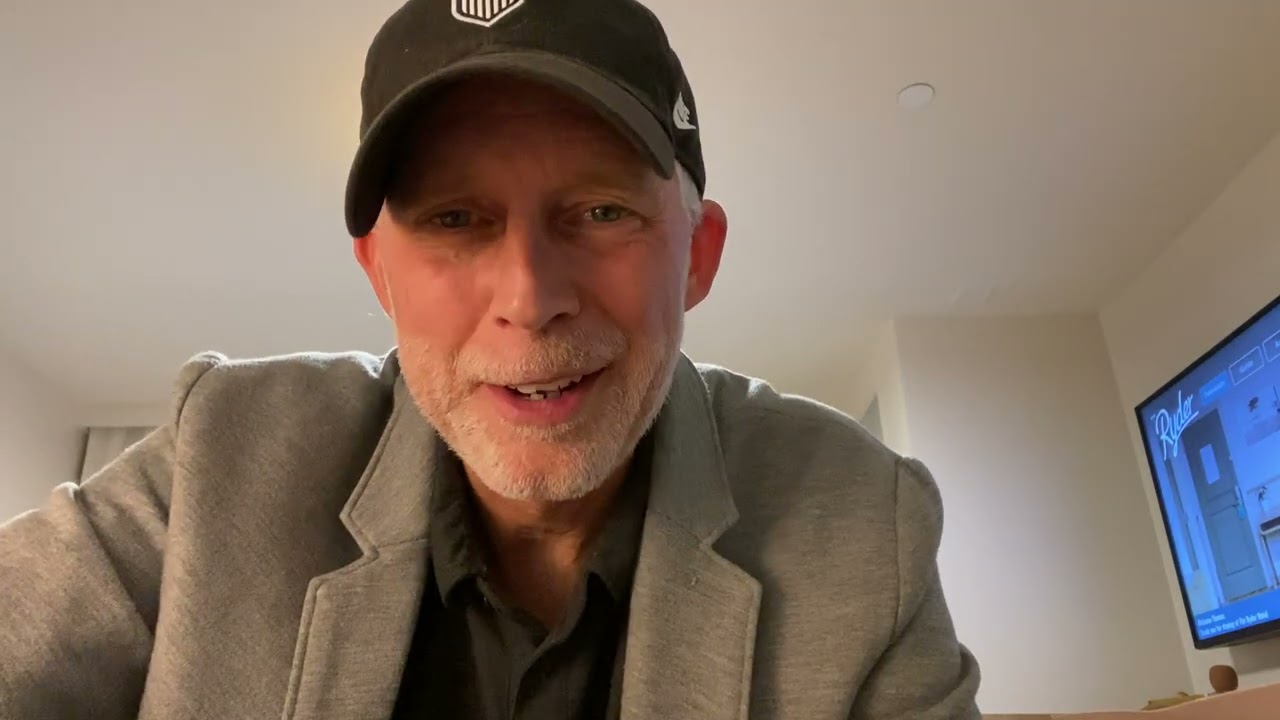
In this brief motivational monologue recorded in Charleston, South Carolina on November 2nd, the speaker reflects on having just finished reading Annie Duke’s Thinking in Bets, which introduces the concept of “Ulysses contracts.” Drawing on the myth of Odysseus (Ulysses) binding himself to a ship’s helm to resist the sirens, the speaker explains how pre‑commitment devices can help people avoid decisions that conflict with their long‑term goals. Practical illustrations include reducing junk‑food availability at home and physically disconnecting or hiding a computer to curb digital distraction. The talk concludes with a challenge to the audience: identify personal impulses and create their own Ulysses contracts, making undesirable choices harder to act on, thereby improving self‑control and well‑being.
Chapters
Good evening, everyone. Here's your moment of yes for Wednesday, November 2nd, right? Wednesday, November 2nd. I just got to Charleston, South Carolina. I'm here tonight, tomorrow, fly back tomorrow night. And I just finished on the flight here, finished Annie Duke's book Thinking in Bets. She is a retired World Series of Poker champion and now a psychologist who talks about the psychology of poker and how that applies to our real life. She talks about this idea in this book. She calls them Ulysses contracts. Ulysses, actually from Odysseus, from, from The Odyssey, the book The Odyssey. Ulysses being, you know, being the hero. And there's the part in The Odyssey where Ulysses is sailing past the sirens. Remember the island where the sirens are? And the sirens would seduce all the boats and all the sailors by their siren song. So he knows this ahead of time. So what does he do? He instructs his crew to tie his hand to the wheel, and no matter what he says, do not untie him from the wheel. And as a result of that, when he is tempted, and even though he's screwing at— screwing— screaming at his crew members to let him go, they don't. They sail past the sirens into safety, right? So it's this idea of what do we need to do? What can we do to make it more difficult to make the decisions that we know aren't good for us? So, you know, the example would be is if you are a junk food, you know, craver like myself, the less junk food you have in your house, the easier it's going to be or the harder it's going to be to actually give in to those temptations. Right? Bryan Johnson uses the example of when he's done with his computer for the day, he disconnects it, powers it down, turns off the internet in the house, and hides his computer like in an upper part of his closet. So if he is going to give in to the temptation, he knows it's a lot of effort and work to get back onto the internet. So we can do these things because we understand our impulses. Right? We understand our impulses so that we can build in things that make it more difficult to give in to those impulses. So long story, your moment of yes for today is what impulses do you have that you might want to try creating a Ulysses contract with, right? The more difficult you make it, the more you're going to be able to manage those cravings or those choices that ultimately aren't your best. So there you have it, guys. That's your moment of yes for today. Have an awesome day.