Tomer Molovinsky breaks down Jonah Berger's six principles from Contagious for coffee shops: social currency through VIP perks, triggers like weather-based promos, emotions via Instagram-worthy items, public visibility in packaging and signage, practical value in app deals, and stories about origins or standout menu items. Examples include Tikka Shack, Chip City, and Kirby Coffee.
Chapters
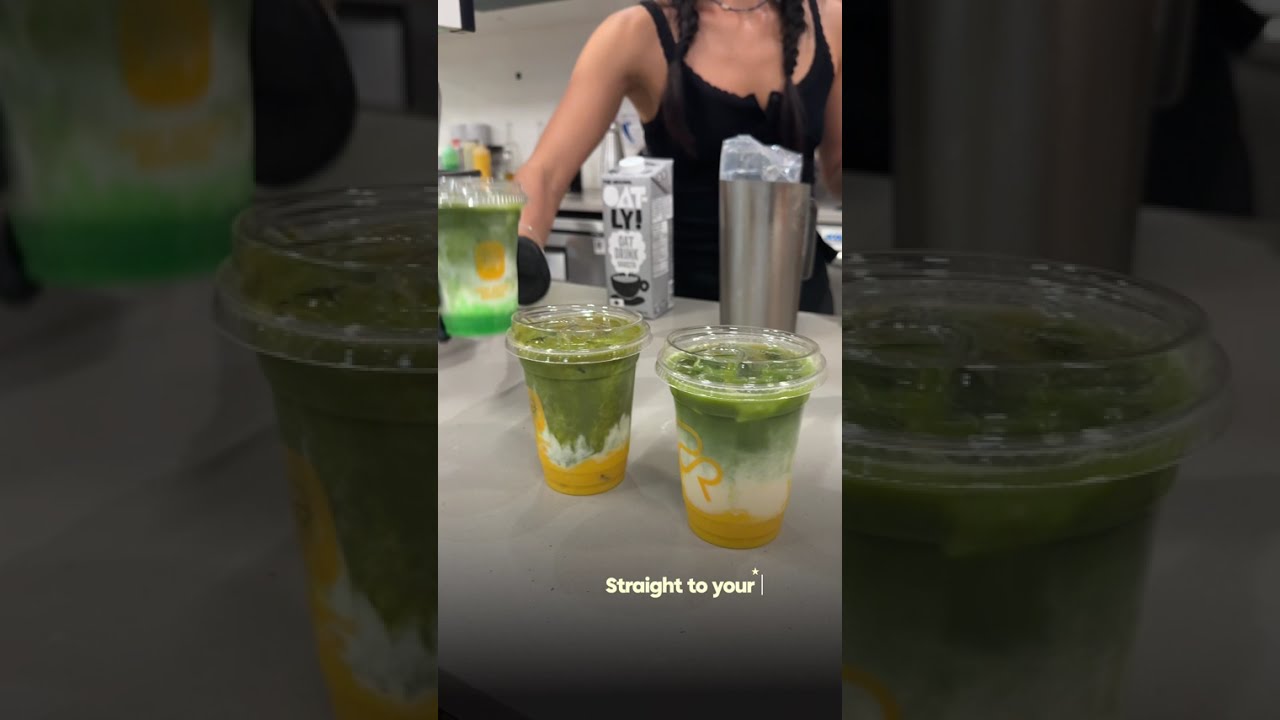
It's no secret that word of mouth marketing is the mecca of all marketing for cafes and restaurants and just businesses in general. But the question is, like, how do you get people to talk about your product? So actually, Jonah Berger, who's a professor at Wharton, wrote this book Contagious, and he analyzed why ideas spread. And he came up with six basic principles. And the great news is we can apply those principles to your store, and it's really easy, and it really can be done on a shoestring budget. So let's jump right in. The first principle that Jonah Berger lays out in his book Contagious is this concept of social currency. And social currency is anything that makes me look good, like me, the person sharing it, so it can make me look smart or in the know. And so I remember back to when I learned about Uber for the first time at a cocktail party. I was living in Washington, D.C. at the time. Cabs in D.C. were pretty bad. You had to pay cash. It just wasn't a good experience. And then all of a sudden, told someone told me about this. They picked me up. I just ordered from the app. I didn't need cash. They dropped me off. Oh, there's a bottle of water there too. Oh, my God, it was great. I must have told 15 other people, like, you got to do Uber for the longest time. Because I felt cool telling them, like, this was an amazing product. And I wanted people to know you can do the same thing. So ways that we've seen our coffee shops do this, we have subscriptions, let's say, in per diem, and you can actually scope it to certain marketing groups. So let's say you have influencers or VIPs, and you want to do a special subscription with some special discount that you know they get certain perks. Well, you can do that, or you can put up, like, custom banners or send push notifications just to specific marketing groups, like your top spenders. Give them some sort of promo, let them know they're an insider. These. These are all things that make me feel cool, that make me want to share more of your stuff online and on social. The second principle that Jonah Berger lays out in his book Contagious is this idea of triggers. Triggers are natural cues in the environment that remind people of your product. So think peanut butter and jelly. It's hard to think about peanut butter without the jelly. So you can apply this to your store as well. One way to do it is by day of week tied to your menu, right? Taco Tuesday being the most popular. We have A store, Tikka Shack, they have a tikka Tuesday and hey, they're fans. Whenever it's Tuesday, they know to order and they're getting a special deal on Tuesday. Chip City does bogo Wednesdays with their cookies and it's super successful. Another thing you can do is weather based, tie it to a drink. Hey, it's really, it's getting really hot outside. Get our iced matcha latte. Right? So anytime that it's getting really hot out, I start thinking about your iced matcha latte. We have an ice cream shop in Denver that does this the other way around. They do this for ice cream. The colder it gets, the more points you get. And so I know when it's getting really cold in Denver. Hey, if I go to Josh and John's now, I'm going to get 5x points. How cool is that? Another way is time of day. Obviously it's getting towards the end of the day. You need that little pick me up. Great time to remind people of like a happy hour or something like that that you're offering and way to get them in. Then obviously holidays or like, you know, sort of like event based things like back to school. How can you kind of stick yourself in the situation? And when people think about that event, they're going to naturally veer towards you. So here are just a few ideas but like there's plenty out there. The third principle that Jonah Berger lays out in his book Contagious are emotions. So not all emotions are going to drive people to share. Obviously if I'm sad, I won't, but certain ones will. One of those is awe. Think about like that drink that just looks amazing. It's like you captured a picture of it right at that perfect time where the milk is hitting the coffee and you know, it's just like made for Instagram. The same can be said for certain dishes when they're bought out, when they're plated in the right way, and obviously through your storytelling too, you can do this. So if you're a coffee roaster and you source your beans from a certain place, we have a store that we work with in Chicago, Kirby Coffee, the founder's from Cameroon, they source their beans from there. So obviously they're telling a deep and personal story that resonates with the people that go to their stores. So another way that you can spark emotions is through amusement. We've mentioned coffee doughs before. They're really good at this. I have one of their mugs right here. It's a subtle reminder. You know, but they put this on all their coffee sleeves too, and it really resonates with a lot of their crowd. You know, this quirky messaging, quirky signage that in today's world is just gold for social media. The fourth principle that Jonah Berger lays out in his book Contagious is the idea of making things public. So obviously you owning a restaurant or a coffee shop, you can do this within your own four walls. On the exterior of those walls with signage, you can do this on your packaging, whether it's to go bags, coffee cups, what have you. And so that's one way to do it. And then another way is, let's say when you launch a mobile app, then it can be all your digital channels, let's say the homepage of your website. We generally recommend to people to make that have a clear CTA that drives to your app download page to make it really easy for people to download your app. Sending out emails, getting the word out there on social, updating your Google listing with your app landing page as well. These are all ways to make your app public and in a sense to help you spread the word about what you're doing. The fifth principle that Jonah Berger lays out in his book Contagious is the idea of practical value. And so this says that I'm going to share things that are either going to help you save time or money, because that's going to make me look helpful and smart. And so this is really applicable to an app where, you know, obviously when you're downloading someone's app, the whole concept there is that you can order ahead and skip the line, right? You don't have to come to the register, order and then wait the 10 minutes for your coffee. Especially relevant when I'm on my way to work. And so that's one way to do it. And then on the money side, you can do app only deals, right? This is going to trigger me and let me know that when I use the app I'm going to get these special perks. So we offer, you can do like double points in the app. Or as I mentioned before, Chip City, they run a bogo deal every Wednesday in their app. The key is to make these seem like tips as opposed to like marketing slogans. The final principle that Jonah Berger lays out in his book Contagious is the idea of stories. And that us as human beings, we don't just share ads, we share narratives, right? So this can be like your origin story. I mentioned Jenny from CoffeeDoughs. She always prefaces that they started out in 88 square feet in the hair salon. That's something that I'd want to share with people like, hey, check out this amazing brand. And like they started in a hair salon. Oh my God. So that's one way to do it. There are other ways, obviously, like menu items. Jonah Berger talks about this hundred dollar steak and cheese that some steakhouse offered and that really helped to spread the buzz. And I've heard of chefs putting out $100 chickens. My brother's restaurant had a $300 cocktail. These all don't have to be like high priced items, but what are the things that are gonna be tied to like popular culture and really make people feel a little bit different and like cool for sharing whatever it is about you that's worth sharing. So that's a wrap for today's video and summarizing Jonah Berger's book Contagious and how you can apply this to your coffee shop and restaurant to help viral ideas spread. So this all starts with social currency and the fact that people share things that make them look good and smart and in the know. Getting into triggers and think peanut butter and jelly, right? People talk about things that are cued by the environment or by their routine emotions. Staying away from the negative stuff, thinking awe and amusement. You know, if you make me laugh, there's a high likelihood that I'm going to share it. Then getting into like the public domain, the more visible a product is, the more likely I'm going to share it. So think both your website, think social media and then think within the four walls of your store. Practical value. So this comes down to most people, they, you know, want to hear things that are going to save them either time or money. And. And then I'm going to share things that'll help you do that because again, it makes me look and feel good. And then stories. So people don't share facts, they share narratives. Great story is one that kind of is like acts like a trojan horse for your brand story. So that's it.