Iraq-Turkey Energy Relations

In this Persian‑language interview, energy analyst Omid Shokri discusses the prospect of re‑opening the Kirkuk‑Ceyhan oil pipeline, which could allow Turkey to replace Iranian crude with Iraqi oil. He explains that the pipeline’s design capacity is about one million barrels per day and evaluates whether Iraq’s current export infrastructure can handle that volume. Shokri outlines Iraq’s production targets—reaching 6 million bpd in the near term and 10 million bpd in the longer term—highlighting OPEC’s recent quota of 113,000 bpd for Iraq and the country’s plans to exceed it. He emphasizes the role of foreign investors and advanced technology in expanding Iraq’s oil sector, noting that lower extraction costs and improved recovery techniques make the country attractive to international oil companies. The conversation also covers the broader market impact: a higher Iraqi output and a revived pipeline could increase regional supply, potentially stabilising or lowering oil prices in the medium term, while also reducing reliance on Iranian crude for Turkey. Throughout, Shokri conveys a cautiously optimistic view of Iraq’s capacity to boost production and of the pipeline’s strategic importance for both nations.
More from Dr.



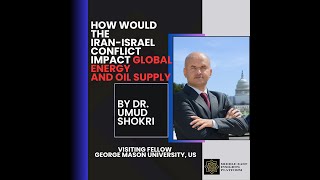
Episode 52: Impact of Iran Israel Conflict on Global Oil and Energy Supply | Dr. Umud Shokri


Yemen’s Houthi rebels attack a US-owned ship in the Gulf of Aden with bomb-carrying drone