Russia’s Gazprom cuts off gas supplies to Latvia
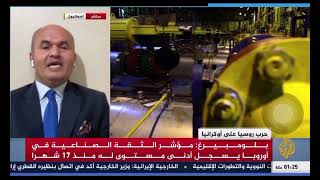
In this Arabic‑language interview, Omid Shokri, a senior energy‑studies fellow at the Middle East Institute in Washington, joins the host (Speaker A) from Istanbul to analyse the geopolitical and energy‑security implications of Russia’s recent decision to curtail gas supplies to Latvia. Shokri argues that the timing of Russia’s invasion of Ukraine was deliberately chosen because Europe remains heavily dependent on Russian gas and oil, with few short‑ or medium‑term alternatives. He explains that the European Commission has recently secured a 15 % cut in gas and energy consumption across the EU, but many member states initially resisted the measure. As winter approaches, Shokri warns that the EU’s voluntary cuts may be insufficient and that more stringent demand‑reduction policies could be required, especially for gas‑intensive economies such as Germany. He then discusses the limited capacity of the LNG market to replace Russian pipeline gas. While the United States and Australia are already supplying LNG at near‑maximum output, further increases are unlikely in the short term. Negotiations are under way with other potential suppliers – Nigeria, Algeria and additional African nations – but these would require new import infrastructure in Europe. Shokri concludes with a brief update on the ground situation in the Russia‑Ukraine war, noting intense fighting along the Dnipro River in the southern oblasts of Zaporizhzhia, Mykolaiv and Kherson, the Ukrainian government’s warning that the south will become the most dangerous front in the coming month, and the launch of the “Ukrainian Grain Deal” shipments from Odesa to Istanbul. Overall, the interview links the energy‑security crisis caused by Gazprom’s supply cuts to broader geopolitical dynamics, highlighting the EU’s policy response, the constraints of LNG diversification, and the ongoing military developments that affect grain exports and regional stability.
Chapters
More from Dr.



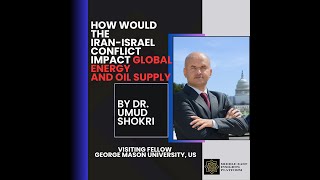
Episode 52: Impact of Iran Israel Conflict on Global Oil and Energy Supply | Dr. Umud Shokri

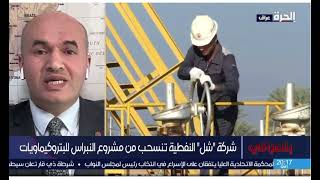


Yemen’s Houthi rebels attack a US-owned ship in the Gulf of Aden with bomb-carrying drone