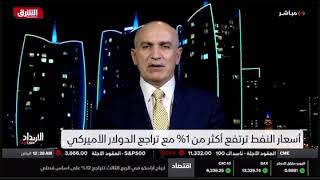
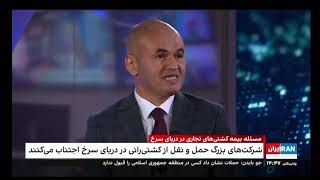
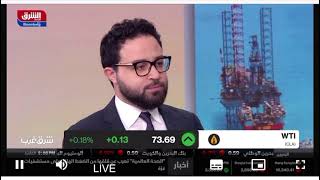
In a televised Arabic interview, host Speaker A engages with two experts: Dr. Omid Shokri, a Washington‑based foreign‑policy and energy‑geopolitics advisor, and Dr. Kovend Sherwani, an Erbil‑based oil‑economics professor at Salahaddin University. The discussion opens with recent OPEC+ decisions, noting a collective cut of 2 million barrels per day, including a 570,000‑bpd reduction by Saudi Arabia, aimed at stabilising global oil markets. Dr. Shokri explains the historic dollar‑petroleum relationship, emphasizing that oil is priced in U.S. dollars, so fluctuations in oil prices affect dollar reserves and vice‑versa. He outlines possible future price drivers: a potential Iran nuclear agreement that could flood the market and lower prices, and geopolitical shocks such as drone attacks on Gulf facilities that would spike prices. Turning to Iraq, Dr. Sherwani details the country’s recent windfall: estimated oil‑related revenues of $96 billion for 2022, with $76 billion actually collected and a budget deficit of $20 billion that was fully covered, leaving a potential cash surplus of up to $20 billion. However, political instability and delays in forming a new government under Prime Minister Mohammed Shia al‑Sudani postponed the 2022 budget, limiting the ability to channel these funds into public services. He notes Iraq’s oil‑dependent economy (≈93 % of revenue) and the need to allocate the surplus toward infrastructure, agriculture, industry, petrochemicals, and natural‑gas development, as well as to combat corruption and improve fiscal management. Both experts agree that the current high oil price environment offers a narrow window for Iraq and other OPEC+ members to diversify their economies, invest in energy transition, and strengthen national security. They anticipate upcoming climate summits (e.g., in Egypt) to shape future fossil‑fuel policies, underscoring the urgency for Iraq to reform its budget, invest in non‑oil sectors, and manage its newfound cash reserves responsibly.
Chapters
ننقش هذا الموضوع بمزيد من التفصيل مع ضيوفنا معي من واشنطن عبر زومة الدكتور أوميد شكري مستشار السياسة الخارجية والجغرافية السياسية للطاقة ومعي عبر الأقمار الصناعية من أربيل دكتور كوفيند شيرواني الخبير أيضا في الاقتصاديات اقتصادية الطاقة والنفط وأستاذ الاقتصاد في جامعة صلاح الدين أهلا وسهلا بكم ضيفي الكريمين مرحبا بكم ضيفي الكريمين أبدأ معك دكتور شكري من واشنطن مبدئيا أو بداية في هذا الملف نريد أن نفهم كيف من الممكن أن يتأثر أو تتأثر أسعار النفط في الأيام المقبلة مع المعطيات المختلفة. الآن نحن ننتظر أو نترقب قرارات الفيدرالية التي من الممكن أن تصدر غدا ولا أحد يدري كيف ستكون. أيضا هناك الأصيين داخلة في معادلة النفط وفي أسعار قررت أوبكي بلاس أيضا لها علاقة لكن مدى عن مستقبل النفط في الأيام القادمة من حيث الأسعار.
أشكركم على استضافتي وتحياتي لزميلي من العراق وتحياتي لكم أيضا تعلمون كما ذكرت بالفعل في تقريركم عقب أخر قمة أخذت لمجموعة أوبيك بلس كان هناك خفض للإنتاج بمليوني برميل يوميا وذلك بهدف تحقيق الاستقرار والتحكم في الدايناميكيات العالمية للنفط والمملكة العربية السعودية قامت بخفض خمسمائة وسبعين ألف برميل يوميا من إنتاجها. لا بد أن أقول إجابة على سؤالك منذ السبعينات نستطيع أن نرى أن هناك ارتباط في نظام البيتر دولار و كافة أن مستهلكي الطاقة يستخدمون الدولار الأمريكي في تقويم سلعة النفط وبيعها وشرائها وبالتالي نرى أن الدول المصادرة للنفط أصبحت مرتبطة بأي زيادة في أسعار النفط نرى أن هناك رتبات سلبية عندما تنخفض أسعار النفط ومخزونتها من الدولار نرى أننا حاليا هناك محاولة لموازنة السوق شهدنا ما يحدث في ليبيا وفنزويلا وكذلك أيضا ما يمكن أن يحدث بين إيران والغرب فيما يتعلق بالاتفاق النووي الإيراني لو أن هذا الاتفاق تم توقيعه وإيران بدأت تدخل إلى السوق سنرى أن هناك تخمة في المعروض من النفط في السوق وربما يكون هناك انخفاض لأسعار النفط وفي هذا الشأن فإن منظمة أوبك بلس والمملكة العربية السعودية تحديدا وروسيا أيضا يحاولون جميعا أن يحافظوا على توازن في السوق وضماني أنه خلال فترة أشتاء وربيع يكون هناك اتزان في الأسعار وهذه فترة قصيرة بالطبع لأننا نرغب في موازنة الأسواق في هذه الفترة ولابد أن يتم تحقيق الاستقرار بهذه المنظومة ومنظمة أوبك بلس تسعى للحفاظ على سعر برميل النفط حول ثمانين أو تسعين دولار وحتى لو وقعت أي هجمات إرهابية بالطائرات المسيرة على مصادر النفط في دول الخليج سنرى ارتفاعا كبيرا في أسعار النفط وهذا بتأكيد يمثل خلالا في المصالح الاقتصادية للصين وغيرها والأمن الطاقة على المستوى العالمي.
دكتور روبينز أسمح لي أن أنتقل إلى ضيفي في أربيل لنتحدث أيضا معه حول هذا الموضوع. أهلا وسهلا بك معنا دكتور كوفيند. نتزال الآن العراق استفاد بشكل كبير من هذه الأسعار القياسية للنفط في الفترة الماضية. ودخلت مليارات جديدة إلى الخزينة العراقية. في الفترة الماضية كان هناك ظروف سياسية صعبة. الآن استلم المجلس الوزراء الجديد زمام الأمور السيد محمد شيعة الآن يرأس الحكومة وهناك المزيد من الأوضاع الإيجابية في العراق كيف يمكن أن يستفيد العراق من هذه المليارات التي استفادها أيضا من أسعار النفطة الجيدة في فترة ماضية
إنتحياتي لقناة الشرق والمشاهدين لكارم ولغيفك الكريم دكتور أميت العراق الثاني أكبر منتج في مجموعة الأوبك ينتج حوالي ويصدر 3.3 مليون برميل يوميا وكانت الفائدة واضحة من ارتفاع سعر النفط حيث كانت الموازن المقدرة 96 مليار دولار لعام 2022 وإيرادات 76 مليار مع عجز 20 مليار دولار لكن ما حصل هو أنه إلى نهاية شهر أكتوبر تجاوزت الإيرادات هذا الرقم وبالتالي أصبح العراق في غير حاجة للاقتراف وتغطيت العجز المتوقع بالكامل مع احتمال حصول فائض في المغزونات النقدية قد تصل إلى 20 مليار في نهاية العام الحالي لكن للأسف كما جاء في التقرير الذي ذكرتموه أن الأزمة السياسية في العراق وتأخر تشكيل الحكومة الجديدة برئاسة السيد محمد شيعة السوداني أدى إلى تأخير إقرار قانون الموازنة العام 2022 مع اقتراب نهاية السنة. هذا يعني أن الإقطاعات المختلفة للدولة لم تستفد بشكل جيد من تراكم هذه العوائد التي وصلت بالخزين الاحتياطي إلى 80 مليار دولار مع 130 طن من الذهب وبالتالي أصبح من الصعوبة الاستفادة منها لكن للآن يتم التحضير لموازنة عام 2023 التي نأمل أن تحقق الفائدة المرجوة خاصة في الجزء الاستثماري من الموازنة الذي يخدم قطاعات الخدمات وأصلاح البناء التحتية وتشجيع مفاصل الاقتصاد الأخرى غير النفط. أعود
مرة أخرى لك يا دكتور أميد يعني نتساءل عن هذه الفائدة أو عن الدول التي تعتمد بشكل كبير على النفط في بداخلها مثل العراق مثلا هي أيضا إما أن تستفيد أو تتضرر من هذا التذبد في أسعار النفط كيف يمكن أن نشرح هذا الموضوع بشكل سهل وبسيط
نعم، أشكرك على هذا السؤال فائع كما أوضح زميلي بالفعل أن منظمة أوبيك بلس ومن بينها العراق تعتمد على صادرات النفط لتحقيق عوائدها وفي قطر نرى أيضا صادرات للغاز الطبيعي المساهل وهناك دول أخرى تصدر النفط والغاز إجمالاً هذه الدول هي دول منتجة لأنفط وطاقة وتأثرت سلباً بجائحة كورونا وكان هناك أيضاً أزمة الطاقة وأسعار النفط التي انخفضت كثيراً إذن أفضل فرصة لدول مجلس تعاون خليجي وأعضاء منظمة أول بلاس للتعافي من أثار جائحة كورونا هي هذه الفرصة هذه فرصتهم أيضاً لهم لتنويع اقتصادهم ومصادر دخلهم والاستثمار في البنية الخاصة بالطاقة وعمليات الانتقال في الطاقة وتعزيز البنية التحتية لديهم وبالتالي لو ضخوا استثمارات كبيرة في قطاعات غير نفطية سنرى على بداية العشرين العامة المقبلة أن النفط سيفقد حصته في الاقتصاد العالمي. ساعتها يمكن لدول مثل العراق وغيرها من أعضاء من النظام الطويك بلاس أن يتمكنوا من تنويع مصادر وموارد اقتصادهم وبالتالي يعززون من أمنهم القومي وأمن الطاقة لديهم في السنوات المقبلة. شاهدنا من قبل كيف أنه كان هناك قمة المناخ ونرى أننا خلال الأسبوعين المقبلين ستعقد قمة المناخ في مصر والدول سوف تنظر في مسألة الوقود الأحفري وأمن الطاقة وهتلك أفضل فرصة لتلك الدول أن مثل العراق أيضا أن تنوع اقتصادها إلى الدكتور كوفيند
مرة أخرى اسمح لي دكتور شكري يعني العراق الآن يمر بهذه الأوضاع الاقتصادية الجيدة دعنا نقول وأيضا بدأت تتحسن الأوضاع السياسية أيضا سيد سوداني أشار إلى أن هناك بعض الأهداف التي يريد أن يحققها مثل استرداد المبالغ المنهوبة أيضا الإصلاح ومكافحة الفساد لكن من وجهة نظرك، ما هو الأولوية الأولى بالاهتمام الآن في ظل هذا الوضع الاقتصادي الجيد؟
شكرا جزيلا حقيقة. أريد أن أضيف إلى ما قال زميلي الدكتور أميد أن الفرصة الآن سانحة للدول النفطية لتعتمد اقتصادها ريعي على النفط. وخاصة العراق أكثر من 93% من الاقتصاد والإرادات تعتمد على النفط. فهذه الفرصة سانحة مع توفر هذه الوفرة النقدية في تنشيط القطاعات الاقتصادية الأخرى الزراعة والصناعة وغيرها. أيضاً من المهم تنشيط التنمية المستدامة حتى في قطاع النفط عن طريق تنشيط البصناعات الفتروكيميائية والمصافي وكذلك استثمار الغاز الطبيعي. هذا سينمي الإرادات الحالية من النفط. بالنسبة للحكومة الجديدة. الآن هي في وضع جيد. تحصل على دعم سياسي داخلي جيد. ودعم سياسي خارجي أيضا قوي جدا. مع وجود وفرة نقدية. وكذلك من العملة بالدولار. وكذلك بالذهب. فهذه فرصة سانحة. لكن المهم إذا كان المهم أن تكون الإرادات كبيرة. فالأهم هو كيفية إدارة هذه الموارد. بما يخدم الشعب ويحقق له
الرفاهية والعيش بكرمة. الشكل الأمثل. المؤمنة الكبيرة الأساسية. إنتهى وقتي دكتور كوفيند شيرواني الخبير في اقتصاديات الطاقة والنفط. وأستاذ الاقتصاد في جامعة صلاح الدين. كنت معي من أربيل. شكرا جزيلا لك. أيضا الشكر لضيفي من واشنطن الدكتور أميد. شكري مستشار السياسة الخارجية والجغرافية السياسية للطاقة. شكرا جزيلا لكما. الملف الثاني أيضا انتهى. نقف اياكم