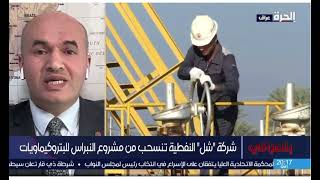
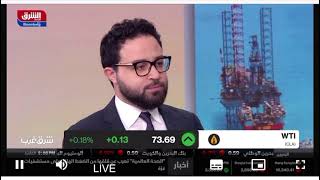
In a Zoom‑based panel hosted in Arabic, the moderator welcomes Dr. Omid Shokri, a foreign‑policy and geopolitical‑energy advisor based in Washington, and Dr. Abdullah Baeshan, an economist from Riyadh. The conversation centers on the Biden administration’s decision to release an additional 10 million barrels from the United States Strategic Petroleum Reserve (SPR) in November, a move prompted by OPEC+ production cuts and a perceived shortfall of roughly 1.8 million barrels in U.S. crude inventories. Dr. Shokri explains that the SPR draw is a short‑term tool to stabilise U.S. domestic markets but is insufficient to rebalance European markets, emphasizing the need for coordinated action between the United States, OPEC, and OPEC+. Dr. Baeshan distinguishes between strategic reserves held by consuming nations (used only in crises) and the commercial reserves of oil‑producing countries, arguing that the U.S. release blurs the line between economic policy and political signaling. He highlights how the dollar’s dominance in oil trade, the interplay of taxes, and currency strength shape price formation, and notes that the U.S. oil sector is largely private‑company‑driven, unlike the state‑controlled OPEC+ members. Both experts discuss the broader geopolitical context: the upcoming U.S. elections, OPEC+’s focus on protecting member revenues, and the way the SPR release may be used by the Biden administration to demonstrate decisive action while limiting options for further price control. They agree that the current energy crisis is accelerating Gulf states’ diversification away from oil and spurring investment in clean‑energy technologies (electric vehicles, hydrogen, solar, battery storage). The panel also examines demand elasticity, noting that oil demand has become increasingly inelastic due to macro‑economic headwinds (China’s slowdown, European political uncertainty, higher interest rates). Dr. Baeshan stresses that without addressing the price‑setting mechanism—particularly the dollar’s role—any supply‑side measures will have limited impact on global oil prices. In closing, the participants reaffirm that while the SPR draw offers temporary relief for U.S. consumers, longer‑term stability will depend on coordinated international policy, continued diversification of energy sources, and reforms to the pricing architecture that currently privileges the dollar and entrenches market volatility.
Chapters
ورحبوا بضيوفي في هذا الملف عبر تطبيق زوم من واشنطن دكتور أميد شكري مستشار السياسة الخارجية والجغرافية السياسية للثقة والمستشار في مركز دراسات دول الخليج العربي من الرياض ورحب بالدكتور عبد الله بعشن الخبير الاقتصادي أهلا بكما أبدأ النقاش مع الدكتور أميد من واشنطن. دكتور هل السحب من الاحتياط الأمريكي كفيل بعدم ارتفاع أسعار النفط في الولايات المتحدة. هذا بالنظر إلى أن الولايات المتحدة هي بالأساس تعاني من نقص في مخزونات الخام. وحتى التقارير تتحدث على أن هذا النقص هو بمعدل مليون وثمانمائة ألف برميل.
شكرا على الاستضافة منذ سبتمبر كانت قد طلبت إدارة بايدن من الأوبك زيادة الانتاج ولكن بعد رفض ذلك قررت إدارة بايدن أن تستخدم المخزون الاستراتيجي ولكن طبعا هذا لا يكفي من أجل تحقيق التوازن في الأسواق الأوروبية هو حل على المدى القصير في السوق المحلي الأمريكي وهنا الرئيس بايدن وإدارة بايدن بحاجة إلى التعاون مع الأوبيك والأوبيك بلاس من أجل تحقيق هذا التوازن. وإلا لن يكون سهلا على المستهلك الأمريكي أن يشعر بهذا التوازن.
نعم دكتور عبدالله من المملكة العربية السعودية. المملكة اعتبرت الساحب الأمريكي من احتياطية النفط الاستراتيجية قرارا سياديا. لكن كيف يؤثر هذا القرار؟ نتحدث هنا عن تحرير عشرة ملايين برميل نفط أمريكي. كيف يمكن أن يؤثر على الدول المنتجة للنفط؟
بسال خير الحقيقة شكراً على سؤالك هذا لأنه اللغط الآن المستمر أو ما يحصل من نفرز الحقيقة في مطبخ السياسة هو نتيجة في الواقع البعض البفاهيم الاقتصادية أول حاجة عندما أتكلم عن الاحتياط هناك فرق بين الاحتياط الاستراتيجي في الدول والاحتياط الذي تملكه الدول المنتجة الاحتياط الاستراتيجي هو الاستخدامه في الأوقات الأزمات وبالتالي حتى وجوده هو وجود وقتي وليس وجود عكس الاحتياط الموجود بالنسبة للدول المنتجة للنفط أو أي بوات أخرى فهو عملية دعم الإنتاج فهذا الحقيقة قد يكون أحد الأمور التي بدأت فيها نوع من اللغة في الواقع أعتقد أنه لو بعدها قليل عن السياسة ولكن للأسف أصبح القرار الاقتصادي مخلوط بالسياسة كما تكرم الدكتور شكري وقد يكون عملية التعاون هو الأقرب ولكن في هذه الظروف لا أعتقد هناك بادرة أمل في التعاون بين جميع دول العالم دعينا أقول وليس الدول المنتجة والولايات المتحدة فبالتالي بالنسبة للواقع الاقتصادي لو رجعنا لديك الحقيقة لأول مرة في عملية دورة اقتصادية كاملة وقد تستمر للأربعة السنوات القادمة بين عملية تضخم توقع إنكباش قوة الدولار الامريكي وعندما نتكلم عن قوة العملة التي تسيطر على 80% من التجارة الدولية للنفط والبواد الخام هذا عنصر مهم في عملية التسعير وفي عملية ارتفاع السعر أو الخفاض السعر بالإضافة إلى عملية كذلك الولايات المتحدة أغلب من ينتج النفط فيها هي الشركات .بعكس الدول المنتجة للنفط اوبت و اوبت بلس فهي الحقيقة الدول من يملك ويمكن حتى يتساءل البعض لماذا لم تكن الولايات المتحدة من ضمن هذه المجموعة حتى يكون القرار في نوع من التوازن أو نوع من التعاون كما تكرم الدكتور شكري لأن النفط ملكية تختلف بين أوبكس بلاكس والولايات المتحدة فإذن العالم الحقيقي وأنا أعتقد دول أوبكس نعم دكتور والدول المتجهة هي تحاول الحقيقة أن تصل إلى سعر مستقر أو سعر عادي يرضي البايع ويرضي البشتري وقد يصل إلى عملية الاستدامة ولو ان الاستدامة الحقيقة بالنسبة للعرض والطلب لا يمكن أن تكون في عالم متذبذب وعالم الضبابية فيه لا
زالت غير واضحة نعم دكتور أميد ما يقوله أيضا دكتور عبدالله واتفقتم عليه نقطة اختلاط الموضوع إذا كان النفطي أو الاقتصادي بالسياسة. أبعد هذا القرار على العلاقات الأمريكية ودول المنطقة. إلى أين يمكن أن تأخذها؟
في الواقع إن الأوبك بلاس أظهرت إنه في السنة الماضية وهذه السنة هذه المنظمة أظهرت إنها تنظر في مصالحها الخاصة في أسواق الطاقة نعرف إن المملكة العربية السعودية روسيا الدول الخليجية لديها أو تتأثر بالأسعار العامة للنفط وبعد قرار الرئيس بايدن باستخدام المخزون الاستراتيجي تعرفون ان هناك حملة انتخابية الان قد بدأت في الولايات المتحدة الامريكية وبالتالي هنا التدخل بين السياسة والاقتصاد وتريد ادارة بايدن تخفيض سعر الوقود طبعا في الولايات المتحدة الامريكية أمريكية. ولكن لم يعد هناك الكثير من الخيارات على الطاولة بالنسبة لإدارة الرئيس بايدن. كل الدول المنتجة للنفط أيضا يهمها أن تزيد من ربحها في الأسواق. ونعرف إذن أن هذه الأسعار يعني وهذه الأزمة الأزمة الطاقة هي فرصة لدول الخليج لتحسن من وضعها الاقتصادي الذي تأثر بالجائحة نفس الشيء يطبق على روسيا التي تحاول أن يعني تواجه هذه العقوبات المفروضة عليها من خلال جني الأرباح من بيع النفط وبالتالي نرى هذا التداخل بين هذه المصالح ولكن مصالح دولة معينة قد تكون مغايرة تماما لمصالح
دولة أخرى. نعم يعني التداخل في المصالح كما يقول دكتور أميد دكتور عبد الله. ولكن كل دولة لها مصلحتها الخاصة. لكن القرار الأمريكي أو الخطوة التي اتخذتها واشنطن هل من خلالها فعلا أو من خلال خطوات أخرى يمكن أن تتمكن الإدارة الأمريكية من تقليص نفوذ المنظمة في سوق الطاقة أم ذلك بعيد؟ في
الواقع أول حاجة أدعي إلى التفق مع الدكتور الشقي في خاتمته أن المصالح طبعا تقدم في كل الدول ومنها الولايات المتحدة ومصالحها كما أشار وتكرم هناك انتخابات رفاهية شعبها والانتخابات قد تكون أهم شيء لكن كذلك عندما ننظر إلى الموضوع من الزاوية الاقتصادية البحثة وخاصة أن البرنامج يتكلم عن اقتصاد فنحن نتكلم عن تسعير تسعير النفط أو تسعير المواد هو يعتمد على ثلاث شرايح فيعتمد على الخامة البرسل إلى الدول المستهلكة بالإضافة إليه عملية الضرائب وعملية قوة العملة الذي يتعامل بها لو عملة النفط عملة الدول المنتجة لو وجدت هناك اختلاف ولن تجد هذا الاختلاف الكبير الموجود فالمولدات المتحدة الحقيقة هي المستفيدة كذلك تريد أن تستفيد بالإضافة إلى الحفاظ على مصالحها وحفاظ على مصالح شعبها كذلك على دعم عملتها فأصبحت عملتها هي المسيطرة فإذن مصالح الولايات المتحدة بلغة الاقتصاد هي مصالح مضاعفة أو قيمة مضافة فهي تسعى الآن إلى عدم خسران هذه القيمة المضافة بالإضافة إلى عملية فيما يتعلق أنا أعتقد بالشلعة الرئيسية رغم أن أخطاء تاري لم تبدأ الآن أو نتيجة للعوامل التي ظهرت الآن سواء بالنسبة لحرب أوكراليا أو عملية البقاطعة أو غيره من عملياتها أو كذلك حتى أزمة الكورونا العملية بدأت عندما بدأ العالم يتوجه إلى البحث عن مصادر بديلة للنفط ولكن أهمى العملية الإستثبارات في النفط لأن جميع المصانع وجميع الطائرات جاهزة للنفط فعندما تريد أن تتروع إلى بُخرج آخر أو منتج آخر يجب أن يكون الأجهزة المستخدمة جاهزة لهذا الشيء فالعملية عملية تغير بدأ يقتنع العالم بأهمية النفط وأعتقد دول الخليج والمملكة العربية السعودية بالذات هي كذلك رأت بالنسبة لعملية الأسواق والنظرة المستقبلية بدأت تنوع دخلها فلم تعد تعتمد على النفط كأنصف مؤثر ولكن كعنصر إضافي فإذن ليس بهذا العيب أن يقال أن الدول الخليج أو الدول المصدرة للنفط تزيد من ثرواتها فالثروة حق كما يقول للآخرين فحق للدول الأخرى نعم دكتور
أميد ما التحديات اليوم الجديدة التي يفرضها سوق الطاقة العالمية في ظل هذه التوترات الواضحة ما بين إدارة الرئيس الأمريكي جو بايدن والدول المنتجة للنفط بعد هذا القرار تحديدا
صحيح هذا سؤال جيد في هذه الأزمة أزمة الطاقة باتت كل دولة تفهم أهمية تنويع مصادر الطاقة والتحول نحو مصادر طاقة مختلفة السنة الماضية وهذه السنة كل مستهلك بات يشعر بأهمية الطاقة وتحول الطاقة أيضاً وللإجابة عن سؤالك صحيح إن هذا التوتر موجود بين الأوبك بلاس والمستهلكين للطاقة مثل الصين والولايات المتحدة الأمريكية وأنا متأكدة من أن أوبك بلاس يعني تتبع هذه المصالح الدولية وتحاول أن توازن في الانتاج من أجل تخطي أي حواجز قد يفردها شكل الطلب من السوق وهذه فرصة للولايات المتحدة الأمريكية والدول الأوروبية للاستثمار في التحول في الطاقة في السيارات الكهربائية في الهيدروجين في مصادر الطاقة البديلة وكما قال زميلنا من المملكة العربية السعودية صحيح إن المملكة وقطر والإمارات باتت تركز على التنويع اقتصادياتها وعدم الاعتماد حصرا على النفط نعرف أنهم يركزون اليوم على الطاقة النظيفة على مصادر مختلفة للطاقة ما زالت تشكل فقط 12% من سوق الطاقة ولكن لا بأس بذلك هي فرصة جيدة للتحول نحو مصادر طاقة جديدة التركيز على التكنولوجيا المتطورة وهي موجودة بين أيدي بعض الدول الغنية في الصين أيضا علينا أيضا أن نراقب ما سيحصل في الصين في مجال الابتكار في أسواق الطاقة والاستثمار في الطاقة المتجددة مثل الشمس
والاستخدام البطاريات أيضا نعم دكتور عبدالله وبرأيكم أيضا ما مستقبل سوق النفط العالمي وأيضا تأثره سواء بقرارات أوبك بلاس أو بقرارات واشنطن لرد على قرار المجموعة. هل تتفقون مع قاله الدكتور أميد فيما يخص كما ذكرت أيضا في البداية تنويع الاقتصادات. أيضا الاعتماد على التكنولوجيا والطاقة المتجددة. لكن في دل كل ذلك مستقبل الطاقة ومستقبل النفط تحديدا.
في الواقع اتفق مع الدكتور أبيد أول حاجة من ناحية ما حدثنا الحقيقة عن مرونة الطلب وهو أساسيات الاقتصاد فالآن في الوقت الحاضر الطلب غير مرن لماذا غير مرن كما تكرّب الدكتور أبيد وأشرت أنا في البداية عملية التوقع للركود عملية الشبداون في ثاني أكبر اقتصاد عالمي في الصين عملية الجو سياسي في منطقة أوروبا فإذن مرورة الطلب الآن صعبة فمرورة الطلب كذلك مع عملية إتخاذ البنوك المركزية رفع الفائدة أضافة إلى مرورة الطلب الخروج بنوك فلكي تستطيع تجعل من الطلب مرن بلغة الاقتصاد لأن العرض ليس لديه مشكلة العرض كما تكرمتي يا أختي الكريمة دول الخليج أو دول المنتجة للنفط زادت من نفطها قبل ثلاثة أو أربعة شهور ثم عادت مرة أخرى هي لم تعد نتيجة لعملية مصالح أو عملية الاحتكار هي عادت لأن المرورة الطلب أصبحت أصعب فإذن بالتالي أنا أعتقد لسؤالك الأول الذي لم أجاوب عليه هو عملية التسحب من الاحتياطي كذلك هي عملية إذا لم يكن معالجة مرورة الطلب مع إمكانية العرض المتوفرة العرض ليس لديه مشكلة ومع عملية المراجعة في الأسعار وخاصة عنصر الرئيسي عنصر العملة وسيطرتها الآن على عملات العالم الذي أصبحت تفقر الدول الفقيرة والدول متوسطة الدخل وخاصة إبريقيا ومنطقة الشرق الأوسط وبعض دول أوروبا الحقيقة بكل آسف فإذا المشكلة في عملية تركيبة السعر لأي سلعة استراتيجية
يحتاجها العالم. شكرا جزيلا دكتور عبدالله بعشن الخبير الاقتصادي من الرياض كنت معنا. شكرا أيضا لضيفي من واشنطن الدكتور أميد شكري مستشار السياسة الخارجية والجغرافية السياسية للطاقة والمستشار أيضا في مركز دراسات دول الخليج العربي. شكرا لكم.