UAE companies explore production of sustainable aviation fuel with BP
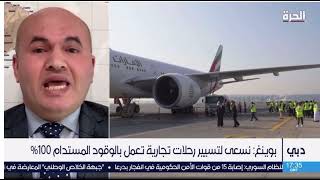
In this Arabic‑language interview recorded in Washington, host Speaker A speaks with Dr. Omid Shokri, a George Mason University academic specializing in global energy markets, energy security, and geopolitical risk. Dr. Shokri explains that Emirates recently operated a flight in which one of its engines was powered entirely by sustainable aviation fuel (SAF), marking a symbolic first step for the airline and the UAE’s aviation sector. He links the flight to the UAE’s broader low‑carbon agenda, including an upcoming climate summit in November, a national plan to produce low‑carbon oil and gas, and significant financial resources to attract advanced technologies. The conversation then turns to the economic barrier: analysts estimate SAF costs are currently about three times higher than conventional jet fuel, which could impede rapid adoption. Dr. Shokri argues that while cost is a challenge, the UAE’s fiscal strength and its focus on renewable energy and hydrogen can help bridge the gap. He discusses the timeline for a full transition to SAF, noting that global reports such as BP’s 2023 Energy Outlook highlight growing emphasis on low‑carbon derivatives in China, the United States, and Saudi Arabia, and that coordinated international effort could accelerate the shift over the coming years. The interview concludes with a summary of the key challenges—high cost, technology deployment, and coordinated policy—and an optimistic view that the UAE, together with other major economies, can drive the energy transition forward.
Chapters
More from Dr.



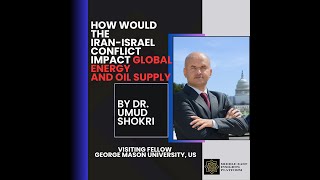
Episode 52: Impact of Iran Israel Conflict on Global Oil and Energy Supply | Dr. Umud Shokri
Yemen’s Houthi rebels attack a US-owned ship in the Gulf of Aden with bomb-carrying drone