LIKS Prize - Lesson 4
Gever Tully, founder of Tinkering School, leads a bilingual workshop on building Rube Goldberg machines with cardboard prototypes. He demonstrates cutting techniques, alignment tricks, and the philosophy of making things work with what you have, while student teams present their designs and receive feedback.
Chapters
¿Qué onda, Anita?
¿Cómo estás? Hola, Adolfo, ya los extrañaba. Ya quería que fuera jueves para venir a ver aquí a mis tinkers iguayas, a Lickspries.
Yo también estaba emocionado. Hemos tenido muchos lives esta semana y pues muy contentos de tener aquí nuestros tinkers. Tenemos algunas sorpresas y muy contentos de tenerles un gran invitado el día de hoy. Y pues muy contento como siempre, Anita.
Hoy venimos con muchas sorpresas, la verdad. Tenemos a unos pequeñines y unos, a unos tinkers grandes y unos tinkers pequeños por acá.
Muy bien, aquí lo estoy viendo, aquí a todos los tinkers en el backstage.
Desde aquí están ahí muy sentaditos.
Súper, muy bien, pues. Qué emoción, qué emoción. Hoy vamos a hablar de prototipaje, ¿verdad?
Sí, hoy nos toca prototipado. Si quieres, voy poniendo la presentación para que todos podamos empezar a ver y no perder más tiempo, porque seguro ya están ansiosos de que empecemos.
Padrísimo, Anita, pues el escenario es tuyo.
Pues fíjense que recordando, yo siempre es lo mismo de siempre, pero les voy a recordar por algún perdido que ande por ahí, estamos haciendo Estamos haciendo para la Goldberg Machine, digo, para el reto de Licks Prize una Goldberg Machine. Ya lo iba a decir al revés, como Yoda. Y bueno, pues lo que vamos a estar haciendo, si quieres ponle siguiente, Adolfo, lo que vamos a estar haciendo en el video que nos estamos inspirando es en este video que vimos, que hemos estado viendo todas las semanas de OK Go. ¿Se acuerdan? ¿Se acuerdan de OK Go? Para quien no se acuerde qué es una Goldberg Machine, siguiente. Es un mecanismo de máquinas simples que básicamente se compone de diferentes máquinas y hace, y pueden, y pueden hacer el diseño que ustedes quieran. Algo como esto, por ejemplo. Siguiente. Y pues esta es la lección 4, la Lesson 4, que es nuestra lección de prototipado. Y para esta lección vamos a tener a alguien que Adolfo admira muchísimo. Yo también lo admiro, pero lo conocía gracias a que Adolfo me lo presentó. Entonces quiero que Adolfo más bien platique de quién es el invitado de esta semana. Primero cuéntanos de qué es esta lección y de qué es nuestro, digo, de qué es esta lección y quién es nuestro invitado.
OK, perfecto. OK, Anita, pues vamos a cambiar a inglés. Thank you very much. We are so excited to have a great guest today. We have our guest today. He's so special for us. He's a huge friend for, for Lix. He's from San Francisco. He is right now in San Francisco in United States. And well, Garrett Tully is an American writer, speaker, educator, entrepreneur, and computer scientist. He is the founder of the Brightworks School, Tinkering School, the nonprofit Institute for Applied Tinkering, and educational kitmaker Tinkering Labs. His more recent work centers around the concept of students learning through building projects. He has delivered multiple TED Talks on his work, published the book 50 Dangerous Things You Should Let Your Children Do, and has contributed articles for many online media outlets. So welcome, Gever. How are you?
I'm going to put it here. Wait, wait, wait.
Yes, I think, I think you are mute.
Unmute.
Unmute. Hola.
Hi, Iver.
How are you?
So excited to have you here today. I'm not in San Francisco today. I'm on Mars.
Oh, you are on Mars. Okay.
I'm on Mars. Really? Okay.
Can you do it? Wow.
It's a great pleasure to be here today to talk a little bit about my project and a little bit about how we built it. So I'm very excited to see projects from your students and to get a chance to talk to them about how we went from idea through prototype all the way to a real product.
So cool, super. So we are going to make great things today.
Yes, so that's why today I have 3, 3 people, 3 little persons, 3 thinkers that are here today with us. I'm going to add them in the stream because they are going to show you and talk a little about the project that they are doing. And the project that they are doing are, uh, are about the Goldman Machin. And if you guys don't know how to say something in English or need to speak in Spanish, speak in Spanish, hablen español si necesitan, speak in Spanish if you need, and I can translate for you. Puedo traducirlo para ustedes. Y después comenzamos. Then we can start. So first I'm going to show the idea. They made a little They made sketches because they still have a lot of time to end the Bulbarmachine. So I'm going to show the first video that is from— can you put the next slide, Adolf, please? From Regina and Uriel Mendez. You can put it, please. So they make this prototype from Can you play again?
Yes, a great machine. Yes.
So Uri and Regis, can you— nos pueden decir más acerca de qué es lo que les ha gustado, qué han hecho, qué piezas implementaron en su roller machine? Están en mute. Lo pueden decir en español o en inglés, como quieran. Do you need help? Yeah. ¿Qué es lo que más te ha gustado de hacer una Goldberg Machine? A mí lo que más me gustó fue que a mí me gusta más muchas cosas, y bueno, yo pienso mucho en muchas cosas, así que también mi papá me ayudó, y así que eso es lo que me gusta mucho también, hacerlo en familia. A mí lo que me gustó pues es que me gustan mucho las máquinas. A mí como que me gustan un poquito las máquinas y me quedé como de, eso puede ser como una máquina, y eso es lo que me gustó. They are saying that they have been experimenting a lot. They are happy using different machines that they never thought that they can use. And the question that I ask is for them is that What is the thing that you like the most about this project? So they tell me that the machines, that they are learning a lot around that. So now—
Felicidades, Uri. Felicidades, Regis.
Felicidades.
Gracias.
Keep exploring.
Now it's time for Garo Team. This is the entire family. They are building their own machine. So let's see their video. Sorry if we are a little slow, but like, it's the technology. That is not our video. Oh no, no, no, that is other video. This is your drone, right? The number one. Yes. So please tell me from the prototype one, what is the things that you like the most, uh, uh, Garo Video, your team, what is the things that you like the most from doing this? Well, at the end, the correct video. Well, the, the plan is to make a rover machine using the basic machines, okay? And we, we want to use, uh, recycle, recycle, recycle materials, okay? Like bottles or boxes. Um, can you help me please? Okay, uh, well, recycle materials so as to being able to display and to show Sofía and the rest of the family how a simple machine works. And at the same time, we are— this is an activity that is helping us to have to pass time together because we are— we have a lot of activities. So yes, basically it's a display of the machines, but at the same time it's a family activity. Perfect, thank you a lot for sharing your ideas and everything.
I just don't know if Biller wants to say something. Do you want to say something, Biller?
Oh, just that I'm impressed with how complicated these machines are, and these ideas are big. So I very much appreciate getting a glimpse into what you've been working on.
Yes. Sophie wants to say something. Yes, go ahead, Sophie.
They can, she can find a lot of things in their house that they can use for the machine. So Sophia is excited to find like another purpose to the different materials that they have in home.
We have a philosophy here at Tinkering School which is, helps us when we're trying to build something new, we always say make it work with what you have. Like, we don't need to go to the store and get something new. There's something here around us that we can make it work. And so I love Sophie's idea of find the thing at your house that helps you finish the machine.
Exactly.
Super. I'm gonna translate that together because I think it's so important. Entonces lo que dijo Geber es que siempre hay que hacer que las cosas funcionen con lo que tengamos al alcance. Hacer que las cosas funcionen. Probablemente hay unos que queremos hacer grandes cosas, pero hay que hacer que las cosas funcionen como Isabel dice que sí, hacer que las cosas funcionen con los materiales que tenemos a nuestro alcance. Súper, súper, Gilbert. Thank you. And I think we have the break from Isabel, right, Ana?
Yes, now it's Isabel. Hola, Isa, ¿cómo estás? Oye, vamos a enseñar tu dibujo. We are going to share her draw. She make a draw about the idea of her Go-Go Machine. And Isabel, dinos qué es lo que más te ha gustado. Me ha gustado entrar al Sprite porque Me gusta hacer inventos. Me gustan hacer cosas que me gustan. Y ya. So he's saying that He likes to do because he's like learning by playing, by learning.
Yeah, we're learning by playing. Of course, the best way to learn.
Yes, yes, yes. So now, kids, we are going to put you here down in the, in the backstage, but you are going to still hear. So at the end, you can think about questions for Geber, and we can ask some questions here to Geber so he can give us the class about prototyping.
Ah, great.
Super.
All right, thank you so much for sharing those projects.
And thank you, Isabel. Thank you, Garra Team. Thank you, Uri and Regis. Stay here if you have any questions. Um, we will have— um, do you have something else to share with us?
No, no, it's time for Geber. So now I'm going also backstage. If you have, uh, if you need something ever, just tell us and we are here down backstage.
Fantastic.
Super, thank you very much. As always, welcome to your home and hello to Mars.
And Adolfo, just let me know if I need to pause. Sometimes I get talking and I just go, and if you need me to pause and you can explain something, so yeah, of course, of course.
Of course, if I think we need to translate something, I, I will go live.
Yeah, perfect.
Super, thank you very much. So excited.
Well, um, hello everybody at, uh, at LIX. I'm very excited to be here to share with you a project I've been working on, uh, since the beginning of summer, and, um, something that I think you might think is very interesting because it started from very simple prototypes and now is a giant project that fills a whole room. So first I'll show you, um, I am in a cave and, uh, it's, it's called a lava tube, which is part of a volcano where a volcano makes a pipe with lava flowing through it Sometimes the lava will drain out and leave this perfect tube as a big, uh, cave, and then as the cave gets older, the roof will collapse and let the sunlight in. And that's where I am, is in a model of a lava tube. So that's a big idea—volcanoes making pipes. And what you see now are the robots that are in this lava tube, because this lava tube is on Mars. And these robots are working on Mars to build habitats for astronauts when they get to Mars. And I think my robots are awake. If I ask them to turn— I think they'll turn. Come on, robots. I'll ask one of my friends here in the room to let— please let Onion know that the robots are live. Is there anyone in the room with me? Ah, everybody has left. There it goes. Yay! And let's see if we can get them there. So what this is, is students at their laptops in various places around California controlling these robots from where they are, and the robots can Stop, stop. Oh, the robots can stop. Stop. No. Yes, here she comes. Now come to me and let's see if they come to me. Come to me. Come, come, come. There we go. So there's, uh, when we're working on Mars, um, in using machines, the time that it takes to send a command to this machine can be, uh, many, many, many minutes because Mars is so far away. So it takes a long time sometimes for the robots to respond. But this robot, you can see, is, is pretty complicated. It has a big arm in the front and a camera and all kinds of motors and things to drive the wheels. And, and, um, if we look inside, uh, of this robot, I'm just going to open it. I've never tried to open one one-handed, so Give me one moment. There we go. Oh, I almost have it. There it is. So if we look inside of this robot—
oh, almost.
There we go. Ta-da! We can see there's computers and a battery and all kinds of electronics. Crazy stuff inside. And the thing that's kind of interesting about this project, including building this giant lava tube, is that we started with cardboard and tape. And I'm going to show you how that started and show you some of the early computers. I'm going to say goodbye to my robot friends. We'll see you later. And over here in the side of the lava tube is a secret door, and I can come out of this door and we can see outside here, and you can see that the lava tube is just made out of boards. And over here is a workstation where we repair all the robots. And over here is an area that we call manufacturing. It's where we assembled all of our robots. And if I get this set up right— Yes, hello, welcome to manufacturing. One of the things that's interesting about back here is we have all trays of parts for repairing the robots. Here's cameras and various kinds of connectors and spare wooden pieces for replacements. Extra cables. And up here on this shelf is all of the prototypes that we made as we were getting to the final design that would be a robot that was good enough to work on Mars. So I thought I would show you one of our very first prototypes. So this is, um, this is made out of cardboard, and, uh, parts of it are just cut with a knife. So, um, but you can see that it's just held together with tape. This is regular, uh, paper tape. Here in the States we call it masking tape, but sometimes it's called painter's tape. That was what they called it in Barcelona. And it's just an easy-to-use tape. It's not any kind of fancy tape. In fact, any tape will work. So let me grab one of the working robots too so that we can see it up close here.
I—
let's see. Ah, Spoon, come with me. Look who I found. So this is Spoon. Each robot has a name and like a license plate, and they're named All of their names are kind of silly. They're a little bit of a joke. But you can see Spoon is a lot bigger than the cardboard robot that we started with, the prototype that we started with. This is just a lot bigger than this. So how did we get here and how did we start? I'll show you, I'll show you how we started. I'm going to go put Spoon back in the— or let Spoon go back to the crater and show you how we started figuring out how to build a robot because none of us had ever made a robot like this before. So we started with scraps of cardboard. So I just have a piece of cardboard that I cut off of a box. Get this turned. Oh, this camera is having a little trouble. You know, Adolfo, I think I'm going to go to one camera because this other camera is moving so is having so much trouble.
Okay, so which one do you want? I'm gonna go with this camera that I'm talking into.
Okay, yeah, so great. And we'll save bandwidth here in this one. Okay, let's see. Oh, and you can see my work area now. Excellent, excellent, excelente. So when we started to figure out how to make a robot, we started by playing with cardboard and just holding pieces of cardboard to— well, really, we started with our hands. You know, our hands are our best prototyping tools because we can shape things in, like, in our imagination by holding our hands in different positions and kind of imagining what we're holding. And by putting our hands like that, we, uh, we get a better understanding of what it is we're trying to build, and we can help get the idea to be clearer in our own minds. So I always say, build it first in your imagination, then in your hands, then start cutting cardboard. So, um, so let's cut some cardboard, and I want to show you a couple of, um, just a couple of little tricks that I use when I'm starting to prototype something. Uh, the first one, the first trick that I really love is to cut the cardboard without cutting all the way through it so that we can get a nice bend in the corner of what might be the shape of our robot. And I'll just show you what I mean because sometimes describing things is not as good as showing. Okay. So I just have a straight piece of plastic. It has inches on this side, but we all think in centimeters up here. So let's imagine that I know I want the back of my robot to be about that tall. So this is going to be the bottom, and then the roof of the robot is going to go forward from here. So if I make this cut, and instead of cutting all the way through, I cut just part of the way through— I just cut part of the way through— now I can bend it and it stays connected, and I have this little hinge. So all of a sudden, in looking at this robot, I can, instead of thinking in my mind that it's just going to be a box and be straight vertical on the end, I can imagine it with a little bit of a bend. Ah, Garo team, yes, that looks amazing. Okay, so now I can think if this is the back of my robot, the front of my robot is going to be somewhere here. And I'm not even measuring, like in my very first prototype It's— I'm just kind of playing with the idea, and so I— maybe I'll make 4 or 5 of these. Isabelle, that looks perfect! Yes, good job! So now my robot has a back and a roof, and now I'm going to have a front. And just for fun, Our robot doesn't really look quite like a car. It's more of a robot. But if we were going to make something like a car for on Mars— Anna has got it. Yes, perfect. Now we want to bend for the— this is going to be the windshield of the car, the window that we look forward through. So if I draw on this— and say, uh, I'll even put a— I'll draw a little steering wheel in here and put my astronaut in the driver's seat. So now I have my astronaut, uh, driving, and we can see the windshield, but now we need the hood of the car, the front of the car, to come out. And for that to work, the cardboard has to bend the other way. So I turn it over and bend it the other way. Ta-da! So now my car is starting to look something like a car. Okay, so now obviously I'm missing the bottom of my car. Isabel, did you have a question? I think Isabel might have had a question.
Isabel, tienes una pregunta? Sí, sí quieres quitar tu— ahí está. If you want in Spanish or English.
How can I not cut myself with the cutter?
Ah, Isabel, my hearing is not so good.
Maybe Adolfo, can you help me? Can you repeat the question, Isabel, please?
Yeah.
He wants, he wants to know how not to, to get hurt with the cutter.
Ah, yes, let's talk about that for a second.
Great question, Isabel.
Yeah, very good question, Isabel. So I show you a couple of techniques I use to keep my fingers safe. Um, when I am not using the knife, the blade is always put away. So I can't get cut by that, right? So that's a first important one. As soon as I put the blade out, in my mind I'm always reminding myself the blade is out, the blade is out. So I hold on to it and, and keep control of that sharp part. So if I want to make a cut, the first thing I'm going to figure out is how to hold what I'm cutting and how I'm going to make the cut. So if, if I was going to cut a little part of a circle out of this cardboard— oh, I got to put my blade away— I mark the circle that I want to cut first. I'm just going to cut the corner. There we go. So by using the inside of my tape, I have this nice line to follow, and I want to cut this. So now I have to figure out how to hold it. Should I hold it by this tiny little corner where I don't have very much to hang on to, and I'm gonna have to cut very close to my fingers? I don't think so. I think I'm gonna turn this around so that I I have a good strong place to put my whole hand and I don't have to be so close to where I'm cutting. And then when I'm cutting— whoops— when I'm cutting, I like to hold the knife not way back here where it's hard to keep track of the sharp end. I like to cut— I like to hold down here and then when I'm cutting, and this is really important, when I'm cutting, I'm only looking at where I'm cutting. If someone in the room talks to me, I finish cutting, put the knife away, and then turn and talk to them. But when we're working with a tool, our eyes and our mind is only on what we're doing. Don't look away to see if somebody is watching. Doesn't matter. I'm just cutting this piece of cardboard. That is my whole world. So when I cut, I go, and now my hand is starting to have to turn in a way that doesn't feel very comfortable, so I stop, move my cardboard get another grip and finish my cut. And now— oh, I didn't quite cut all the way through. I can fix that. And I go slow and I end up with something that has a very nice cut. And I'll tell you, It takes practice. You know, I have cut a lot of cardboard in my life, and what is great about cutting cardboard is you get better at it the more that you do. So cutting cardboard becomes easier and easier the more you practice. Okay, okay, thank you.
Did Gaber answer your question, Isabel?
Yes, thanks. Okay, so we have here our Mars car with our astronaut in it, and I think there's something missing from my Mars car, which is I, I have the front. Maybe I need to put, uh, little headlights on the front of my car so that I remember which part is the front. And here's my license plate. My license plate is a personalized license plate. It says Licks. And then here's the back of my car, but my car doesn't have anything on the bottom. I don't have a— I don't have the underneath part of my car. So I just take another scrap of cardboard. This is the one I cut the circle out of. And if I play with it— there we go— if I play with it, well, that doesn't look quite right. And if it's too far out, that doesn't look like a car. But somewhere right about there is maybe a car. So where is that line? That line is right after the circle. So I just need like one— I sometimes use my finger to measure. I just need one little width of my finger to remember where that spot is. And it's okay if I'm going a little fast for you. I'm, I'm trying to show how all the parts come together. Yeah. Yeah, you'll have plenty of time to— to—
yeah, the video will be recorded, so no worries.
Okay, great. So now, remembering that it was one finger past the edge of this curve, I just make a line, cut this line And I find a place where I can hold it and keep everything safe, keep my fingers back from the edge where the cutting is happening. And just a couple of light, easy passes, and all of a sudden we've cut through. Put the knife away. And, oh, I think we're almost at a car. So now let's add tape to hold the bottom of the car to the top of the car. And when I'm using tape, I like to use my tape— if you look, let's see which is a good one to show. If you look at this one, you can see that all the pieces of tape are cut at the ends to to make nice, clean, straight edges because remember this is a prototype and when we look at it we want to see the thing we're imagining and not get distracted by— where's a bad prototype? I pretty much made my kids, but you can see this one just has a lot of tape stuck to it And when you look at it, you're sort of distracted by the tape. But if we make the tape nice, then when we look at it, we see the shape of the machine, of the prototype. So let's try that, and I'll show you how I do it. So this is our work table, and you can see it's got like glue and scratches, and we we do a lot of work over here, but there's often little pieces of tape stuck on here because when we need a piece of tape that looks nice, we take off a longer piece of tape and then we start cutting it. So we can just cut through the tape to get a nice clean edge. I know this seems like a funny thing to fixate on, but it makes our models look so much better. That, um, now I'm using the bottom of the car to figure out how much tape I need. I need from here to here, so I'll just cut this piece of tape, and now I have this perfect piece of tape. So we call this precision taping. I don't know how to say that in Spanish, but I bet it sounds cool in Spanish. Precision taping. This is the way NASA puts tape on things. Often when NASA is building a new, like, Martian lander or satellite, in the design for it, they'll say exactly how many millimeters of tape to use. So now I've got my piece of tape, I've taped it to one side, and then because it's nice and attached here, it makes it very easy for me to line up the other piece and tape the two together. And now I have a very professional-looking piece of tape. This is good tape. And then now we'll just put the tape on the back. And to do that, I measure again how much tape am I going to need. I'm going to need this much tape. And then tape it to one side and then the other. That's always my rule. Don't try to tape both things at once, just do one side and then the other. So I get the tape on here, that's nice and easy, and I don't have to hold everything together. And then I wrap the tape around the corner and I get a very nice joint. Where everything comes together. And now I have a car for Mars driven by an astronaut. What's missing? I need something to close in the sides of my car. I need something so that, um, there's a— there's an actual shape to the car. And so I get one more scrap of cardboard. These are all flaps from, uh, boxes, you know. It's like I just cut the flap off, and so I, I collect these when we get boxes. I cut all the flaps off, usually from Amazon. Okay, so now I have this complex shape of the outline of my car, and I need to somehow cut that out of cardboard. Well, I think the easy way to do it is just to lay my cardboard down— and I mean lay my car down on top of the other piece of cardboard— and I'm going to line it up right at the front and at the bottom. So that's a I don't need to make that cut. That nice long straight edge I'll get. And then I am going to hold this nice and steady and mark all along the outside of the Martian vehicle, and I end up with an outline for my car. Looks good, huh? Claro! Ah, Isabel's car is coming along. Look, you have an astronaut in your car! Okay, so now I'm gonna cut out The side of my car. Ana, are you saying something?
No, no, I'm just laughing about my car. My car, I need to make a lot of prototypes. That's a good thing. More prototypes, the more, the more prototypes I do, the more, the more I learn. Because now I made a disaster.
Oh, good, good. Yeah. You know, one of the things we like at Tinkering School is when we make mistakes because we learn more when something goes wrong than when it goes right. When it goes right, we just move on and start working on the next thing in the project. But when something goes wrong, we have to stop and figure out why. And it turns out that's when our brains learn the most. So yeah, we need to learn from our mistakes, right? Yes, mistakes are good.
We learn by mistakes, and we need to have a lot of perseverance. Yes, like the rover from Mars.
Yes, we talk a lot about the Perseverance rover here at, here at the Mars Project. We're very excited Okay, so I now have the outside of my car. Adolfo, I haven't been keeping track of time. Are we doing okay? We have like 10 minutes left.
Okay, okay. And we have a question from Max. Asks, that is, how can he align the carton good?
How? Ask me again.
Max is asking, how can I align good the carton?
The cardboard? Yeah, yeah. Um, so I guess there's a couple of tricks for that, for, for keeping everything in alignment. Um, The first one is when you're cutting your piece of cardboard off of the box, if you look really closely here, let's see if I can show it. Yeah, do you see where I made a little mistake when I was cutting? So that's just because I was cutting and I stopped and then I started cutting again, but this edge was cut by a machine and is very straight. So I sort of keep track of which edges are nice and straight and which edges are maybe a little bit strange, a little bit funny, because I cut them in a hurry. And the straight ones, when we're making alignment, um, are the, you know, sometimes we call that the reference point. It's the, oh, this edge is straight and I'm going to use it to keep everything else in alignment. And so when, because I have to cut another one here, I have this nice straight edge cut by a machine and another piece of cardboard that has a nice straight edge cut by a machine, I can line these up and just hold that edge straight so that the sides are nice and, and perfect. And now, now I'm not going to let this piece of cardboard move, and it's going to be what we call the template for the next, um, for the other side of the car. So if I mark this and cut it out, I'll get another one that's just exactly the same as the one I started with. So now I have two sides for my car and they're the same. Okay, so I think because, uh, we're getting close to our time, I better put one of these sides on the car. And maybe this is also a question. Ah, how can I put the wheels on? That's a really good question. Um, I always look for something round, and the tape— I often make wheels that are the same size as the inside of the tape because I always have the tape in the workshop. Um, but sometimes you can find like a little, uh, a can or a jar or a lid from a jar that's the right size. So this is just a little smaller than the tape, so if I needed a smaller wheel, um, so let me just put this piece of tape on. I'll make a quick wheel too, and then we can look at that. Um, where did my tape go? I just— oh, it's right here in front of me. Okay, uh, can someone let Anya know that she can get out of a robot? The person that was helping me with the robot, uh, was wondering if she still had to stay in the robot. And now I'm going to tape the side onto my robot. I'm just going to put tape on this one edge so we can work on a wheel. And here's an interesting thing: I didn't cut this tape the right length, and I'm just going to fix it because I can make it look nice. And this is like a very be very careful and concentrate on what you're doing, but I'm pulling on the tape to keep it tight and then gently using the knife to cut off the part of the tape I don't want. And now I have a perfect corner. Isabelle has got some cardboard tube, maybe for wheels. Nice, nice. And now I need one more piece of tape just to hold this roof on in place. And, um, yes, David, the cap of a bottle. I'm going to use this piece of tape in a way that I don't usually do it, just so that we can work on a wheel for a second. So I'm just using it there. It's clearly wrong. It's just a reminder to myself that I'm going to replace that later. So now we're going to make a quick wheel, and to do that, I just get another scrap of cardboard using my tape, and this time I'm going to make a full circle to make my wheel. Cutting circles is another one that takes a little bit of practice. It can be hard sometimes to keep the knife going around in the circle, and what I always say is we just go slow. We cut a little bit— whoops, lock my blade— we cut a little bit and then we turn and we cut a little bit more. We turn and we cut a little bit more. We turn, and in just a little while, I'm gonna have to go all the way around one more time because I'm not cutting quite all the way through my cardboard. So we go around twice and We have a wheel. Looks like one little part of it didn't quite get cut. I can see it from the back right there. Okay, ta-da! Look at that wheel, it's so round. And now we can figure out where on my Mars car the wheel would go. Maybe right about there. Yeah, maybe right there. So I'm going to try taping this wheel from the back just to give it a place, and I'll turn this so you can see. And then you'll see an interesting problem that happens when we tape something from the back. Because this is on the inside, I don't need the tape to look perfect, and I'm just folding the tape in half so it'll go into the corner. Taping it in there. So that looks pretty good, but it has this problem. It's kind of a, it's kind of a floppy wheel. Oh, Isabel, yeah, I see you, you, you, you are all making such great progress on your cars. So So now I would make 4 more wheels, put the other side on. But you can see now we have something we can hold in our hands and really imagine what it would be like if it was made and sitting on Mars. And just like these prototypes helped us figure out how we were going to mount the motors where we were going to put all the electronics and how it was all going to fit together. And then on top here is a place for— up on top, we had to figure out where to mount the arm so that it could dig in Mars. So Send spoon away. Um, so that thinking about how to make something— once you have your cardboard prototype, you'll start to look at it and realize, uh, oh, I forgot where I'm gonna put the arm on this new Mars car. You know, I need a place to put that, and this roof is maybe too, like, too much of an angle. I need this roof to be flatter. So I start taking some tape off and cutting a new piece of cardboard that has a flat roof. But if anybody would like to chat now before we, just before we run out of time, I could take some questions. And yeah, yeah, and maybe Freddy's prototypes.
I'm gonna share the last things that Yuri and Regis are doing. Isabel is still working, Sophie too.
So look at your wheels, Isabel! Those look great! And Caro, yes, Caro, you're, you're at the same part in the project as me. You have one side Uh, oh yeah, you have an astronaut. Hold your astronaut up closer to the, uh, camera. Ah, she didn't hear me. It's okay. Hey, Anna's got an astronaut too, nice. Yuri has an astronaut. Ah, Isabel has two, nice. That's fantastic.
I'm sorry. Uri, Regis, Isabel, Sophie, do you have any questions for Geber or tinkers that are—
We have a new tinker here. We have a new tinker. Also Marcelo, I'm going to add Marcelo because he is the one that is the one— Yes, Marcelo.
Hola Marcelo.
Hola, ¿cómo estás?
Muy bien, ¿y tú? So Marcelo, when we showed one of the videos of the Gabber Machine, we made a mistake because we showed another video from another person, and that video is from Marcelo. Marcelo, can we show your video? Yes. Okay, so let me put your video. I have your video, so maybe you can, you can say to us what was the experience of the video, okay?
Ah, yes, Marcelo has built a complicated machine. The ball goes down, it hits the wall. Ah, I like how the last domino jumps across the gap and lands on the other table. Yes, super, Marcelo.
So, um, I don't know if you have any ideas to share in order for the tinkers to make the golden machine. Do you have any ideas that you can share with us?
Yes, it was Frustrating thinking the dominos. I have like 20 times shrunk intentos, attempts, and it's frustrating in some ways, and it was very fun. I think about doing in a more— in more space, room with more space. In a bigger room? Yeah, in a bigger room. And it was very fun, cool, and frustrating.
Yeah, so, um, I— when we're working with dominoes, it seems like I always accidentally bump the table or something and the dominoes fall over while we're working. Yes. Yeah, so we learned, uh, we always put the dominoes up last We get everything else set up and then go in and put all the dominoes in.
Yeah, yeah, super. Thank you, Marcelo. Thank you for sharing with us.
Yeah, and super, super progress on all the prototypes. I've loved watching all the Mars cars coming together.
I think Uriel, do you have any questions for, for Debra?
Yes, we have one. Okay. Uri, which tools can you recommend us to have in a Tinker Space?
Oh, Uri, say again, I lost the audio.
Tools. Which tools can you recommend us to have in a Tinker Space?
Oh, which tools, yeah. Let's see, so when we're working with wood, we have We have a saw we call the chop saw, a saw that you— has a whirling, you know, the saw is spinning like this and you pull it down into the wood. We have the chop saw. We use a lot of clamps to hold things together. We use a lot of screws. Mars is built out of wood and screw— you know, pieces of wood that are screwed together. And, uh, and then at the workshop tables, uh, let me go show you another workstation. It has all the tools on it. It's where we do all our robot repairs. So that's this station. Let's see, can you see? And it has spare parts, it has all the little attachments that we use when we're working on different parts of the robot. That fit into these very specialized screwdrivers that take different attachments. Where's my camera? There it is. So we put, we put whatever tool we need in the end here, and then we can unscrew or put something together. And we keep all those little tools just on a magnet so that you can just reach up and use it and then put it back. And you can see down here we charge all the batteries for the robots. Something I really like is the robots are made out of a very certain kind of bolt, little tiny bolt, which is really fun to work with. And my crew is here getting ready to do Mars for some students. We always have a knife, a tool for cutting things, and these knives are fun because they close up and they say they protect their blades. And gosh, so many different tools. This is all the robots getting ready to go to Mars and work with the students who are going to be on Mars today. And yeah, so I guess the answer, Yuri, is that we have a lot of different tools here at Tinkering School for the different kinds of work we do. Yeah, Anna has a great collection of tools. And I see some Raspberry Pis up there. I have some Raspberry Pis here.
Soldering tool here, so I— if I can do something with my— with electronics, painting, I don't know.
We have a challenge for you. Maybe for the next lesson you can make a makerspace in your room and you can share with us your some pictures of your, of your Makerspace. Okay, yeah, super. Thank you, Isabel. Do you have another question, or Sophie?
Oh, Isabel, Isabel, what is on the roof of your car? What is on the roof? You can put your vlog there. Super, thank you, Isabel. That's great, that's great. Excellent.
Well, and Team Garo, Team Garo, Sophie, do you want to share with us? Wow. Ah, yes.
Yeah, that's really super. Yeah, thank you very much.
And I think we have one question. I think it's an important question. When all our Tinkers, when we started this school year, we sent to all our Tinkers the book from Sir Ken Robinson, The Element. And here is a question, and someone is asking you that what is your element if you do so many things ever?
Yeah, what is my element? Um, you know, I think to answer this question I have to grab one more tool from my workshop, my very favorite tool. Okay, super.
Go ahead. I, I'm having so much fun, Adolfo. What about you? A lot. Like, I think I need to make a lot of prototypes because look at that. That looks great.
This is my notebook, and this one is only like 3 weeks old. You can see where I'm in my notebook. So, and my My notebook is the place where my ideas start, and I start by doodling. Sometimes they look beautiful, they look very— like they're very easy to understand. Sometimes they're silly, you know, I just make, you know, marionette Sometimes I think only I can look at it and know what I was thinking. Like, it's just for me. It's not for the world. It's just for me to explain something to myself, you know, to try out an idea. And there are sometimes days when I don't I don't get to think in pictures, which is my favorite way to think. I have to make words. And sometimes I get to, I get to do my— I think maybe my favorite is the mixture of words and pictures. We were just starting to talk about how to build the caves, and, and it was one of these projects where at the beginning of the cave, we just couldn't quite figure out how to start. And so we all in our notebooks have drawings that just show like little bits of detail and trying to think through one little aspect. And then all of a sudden we started and the caves existed, you know.
So one of our past lessons was about a design journal. So thinkers, um, Gabri is showing us the importance to to write down all your ideas in order to make those ideas come true.
And I have— yeah, and then I get to look back and remember, uh, I get to remember who I was then and what I— how I was thinking. So if I look at my journal from, you know, 6 months ago, I remember sort of what was important to me then. So, um, yeah, anyway, I think this is my, my element, is, uh, that I believe in my ideas. And, and even when other people don't understand it, I keep working on the idea until, and until other people can be as passionate about it as I am. Super.
Thank you for sharing this. I think with these sessions, what I learned is that sometimes we think that prototypes cannot look good, but with this session, we saw that prototypes can look good. And the question is, when do you think is the moment that you have to pass from prototype to build a real project?
Oh, that's a really good question because, um, I think, I think you're always prototyping. This is a very good prototype. Okay, it does almost everything it needs to do, but these, this new latest generation has only been in the cave for 2 weeks and we have a huge list of things that we would like to change. We have a new— so this is the prototype for the new generation.
Okay, I like that idea. We are always prototyping. Yeah, Regis is sharing with us her science journal.
Oh yes, these are fantastic. Can you show me something inside? You have a drawing or some notes? It's okay. Yeah, mine is like fantastic. I put a little— yeah, a lot of notes. Adults make a lot of notes. And, um, yeah, try to move myself away from making notes and make more diagrams. And yeah, good notes, Isabel. Those are so good. Yeah. And Uri and Regis, so good. Thank you for sharing your notebooks, everybody. Yes, I love— Thank you, thank you. Ah, fantastic, Sophie.
Okay, well, um, Anna, I don't know if you have any questions.
I think it's all for, uh, for, uh, for Gever. Thank you so much for being here. We appreciate like all the time that you take for being here. We learn a lot. I learn a lot now. So we are going to say goodbye so we can put the thinkers here and say goodbye to you. And don't go, whoever you can, you can let.
I think, I think maybe you can say about Perhaps our Tinkering School Adventures partnership may be coming true sometime.
Well, I think maybe in another conversation, we'll— I'll present some of the big Adventures projects where you can see the prototype go to be something huge, not something you can hold in your hands, but something you climb into. I say adiós, amigos, amigas, mi compadres.
And Giovanna is asking if you will be in another session with us.
Oh, I had so much fun. I think so. I think so.
I'll come back. Super. As always, thank you very much. Hope to see you in Mexico.
Okay. Bye, everybody. Together.
Tinkers, don't go because I have some announcements to make. ¿Están listos para los anuncios? Muchas gracias por estar aquí. Vamos a cambiar tantito a español porque les tengo algunos anuncios. Muchas gracias a nuestras estrellas de hoy: Isabel, Uri, Garo, Reyes, todos ustedes. Y pues además, bueno, vamos a compartir hoy con ustedes algunos de los vídeos que estuvimos viendo de la sesión pasada. Como saben, cada sesión les llega, pues tienen que mandar las evidencias de lo que hicieron, y aquí puse algunos vídeos. Ahora sí me impresionaron, me mandaron muchísimos, entonces puse algunos, no necesariamente ni puse ni los mejores ni los más bonitos, no, puse, agarré, dije random de quién envió, va a salir un video de ellos. Entonces todos están impresionantes. Entonces si siguen mandando videos así como Regina, como Uri, como Isabel, como el equipo Garo, este, como Sofí, pueden tener oportunidad de aparecer aquí, o también pueden tener una oportunidad de salir sus videos aquí. Es solamente si lo siguen enviando, y así es como lo estoy haciendo, todo es random. Entonces este es el video de Regina, este es el de Ana Isabela.
Wow, y yo quiero aprovechar para felicitar también a Sofía y a Garroteam porque nos demuestran que trabajando en equipo podemos lograr grandes cosas. Sofía, ¿qué opinas al respecto de trabajar en equipo? ¿Nos quieres compartir? ¿Estás en mute, Sofí?
Si quieres yo la quito. A ver, déjame le quito el mute. Ya te quité el mute. No, creo que no se pueden. No se puede. Ahí está Sofí. Listo, Sofí. Okay, es que me gusta estar en equipo porque puedo estar con mi mamá, con mi papá y con mi hermana, y me gusta convivir con mi familia.
Wow, padrísimo, Sofí, me encanta. Muchas gracias a toda tu familia por hacer un gran equipo y por apoyarte en todo momento.
Muchas gracias. Gracias a ustedes. Felicidades, Sophie. Gracias. Vamos a seguir viendo entonces los otros que nos enviaron sus canciones con battle.
Wow, ahí está Ana Fernanda.
A ver, de Ana Fernanda. No me vayan a haber roto una copa. A ver, comenten acá a la derecha si alguien rompió un vaso sin querer o una copa.
Padrísimo, Anafer.
Ana, ¿es Ana Fernanda o es Ana y Fernanda? Ana Fernanda, no sé cuál de las dos es, pero Ana Fernanda fue el que me lo envió y su hermana no sé. Pero ahí que nos comenten, que nos comenten.
¿No está Frida? ¡Guau!
Hicieron un mix. ¡Guau!
Está muy padre. Hola, soy Mateo de Mier León, de segundo de secundaria acá, y esta es mi melodía para Licks Prize. Espero que les haya gustado y eso es todo.
Súper padrísimo, Mateo. ¿Se dan cuenta? En Mateo, en el video de Mateo hay diferentes copas con diferente cantidad de agua y cada vaso genera un sonido diferente. Padrísimo.
Bueno, el siguiente que tiene una segunda parte, me mandó una segunda El bonus track. Wow, yo no entiendo cómo le hacen, yo no pude hacer eso.
Mira, Marcelo, aquí te manda felicidades Silvia Carrillo. Este, aquí también nos dice Nico que si te puedes suscribir a su canal. Hace ratito nos compartió, vamos a compartir el canal de Nico.
Nico, este, que quiere que me suscribí, pero voy a checar y me suscribo de nuevo. Bueno, no me puedo suscribir de nuevo, pero sí de todos mis demás canales.
Sigan a Nico en Tutoriales con Nico. Espero tengas muchos seguidores, Nico.
Tutoriales con Nico.
A ver, vamos a seguir los videos de Goldrum Machine en tus Tutoriales con Nico, vale, Nico. Aquí, por ejemplo, ya nos están contestando quién rompió vasos.
A ver.
Aquí a Lucía, una disculpa papás si rompieron la vajilla, pero bueno, de los errores se aprende.
Este, aquí mientras les voy contando qué es lo que van a tener que hacer para que en última hora, ya sé que los amigos andan muy presionados a última hora preguntándome qué tenían que enviar, qué tenían que enviar, eso me andan preguntando, sí me doy cuenta. Me van a tener que enviar, bueno, para los que no se han registrado, este es el link de registro. Creo que ya está de más decirlo, pero bueno, es el link de registro. Siguiente. Y bueno, para esta lección lo que van a tener, el entregable de la siguiente lección va a ser de evidencia lo que hicimos hoy con Geber, sale, el prototipo, ya sea del carrito o de una nave espacial o de lo que ustedes quieran. Pero un prototipo, preferentemente lo que hicimos hoy con Geber. Si deciden hacer otros, está bien. Acuérdense que esto siempre como más es mejor, pero si hacen uno está bien. Entonces aquí manden sus carritos, las fotos de sus carritos, y las compartimos en la siguiente sesión. La siguiente sesión también voy a tener un invitado especial, y me encantó invitar a 3 personitas, 4 personitas. Entonces ya lo vamos a estar haciendo así, así que Prepárense para estar siendo invitados, invitadas. Entonces bueno, ya ahorita tuvimos a Uri, a Reggie, a Regis.
Ay, ya no te escuchamos, Anita. ¿Ustedes me escuchan, Uriel? Sí, a ti no te escuchamos, Anita. A ver, regresa Anita, estás en mute Anita. Detalles técnicos, pero bueno, en lo que Anita resuelve su detalle técnico, Uriel, regista.
Listo. Muchas gracias a Uri, Isabel y al equipo Garo, Sophie, por estar aquí, y ya saben que bueno, así como ellos, ahora ya los invitamos a ellos, y las siguientes veces vamos a dar la oportunidad a más familias.
Padrísimo, muy bien. Pues muchas gracias, Uri, Regis, Sofí, Isabel. Muchas gracias por enseñarnos que lo imposible es posible. Felicidades por sus proyectos, y también muchas gracias a sus papás por ayudarnos en todos los detalles técnicos. Súper bien iluminados, muy buena producción la de cada uno de ustedes. Saludos, despídense.
Bye bye, que estén bien. Ay, espera, no se van ellos, ¿verdad? Nada más para ponerles el link donde tienen que enviar las evidencias, por favor. Este es el link donde tienen que enviar las evidencias para que lo suban, tomen screenshot, guárdenlo. Ya me la sé. Y acuérdense que la fecha límite para enviar toda la Goldbermatch es el 27 de octubre. El link para toda la Goldbermatch es este: bit.ly/lixpricefinal. Ese es el link, este es el link final. No suban en el otro, en el otro ya al final suban. Bueno, si quieren también, pero suben este más bien. Entonces pues esos son todos los anuncios de hoy. No sé si tengas Creo que sí tenemos un anuncio más. También el anuncio de la asesoría, el de la asesoría. Tenemos cada 15 días por Meet una sesión. Esta semana no tuvimos porque la semana pasada sí tuvimos, pero la siguiente semana es una sesión de asesoría que es de 6:30 a 7:30 el miércoles. Entonces yo les voy a mandar con la sesión del link porque aquí no les puedo poner de Meet porque es público y esto va a ser privado, ¿no? Entonces les voy a mandar la sesión de Meet ya que se acerque el día, por ahí del martes, les mando la liga para la asesoría, ¿sale?
Padrísimo, aquí está, próximo miércoles 14 de octubre de 6:30 a 7:30.
Padrísimo, gracias Adolfo. Y la segunda, y la, siempre dices segunda, la cuarta pista para esta lección es Es que creen que ya lo vieron, pues obviamente usar una caja o cardboard porque me inspiré de la sesión de hoy. Y pues les digo que para su Goldberg Machine los invito a usar una caja o algo que tenga cartón.
Padrísimo, muy bien. Se ve que sí ponen atención porque ya nos preguntó aquí Lucía M. R. O., que que si no había pista, aquí están las pistas. Padrísimo. Y bueno, pues nos vemos el siguiente jueves. Pero antes de terminar, queremos contestar aquí algunas preguntas que nos están haciendo. Aquí Luis Daniel ya nos dijo que ya les debe una copa. Con mucho gusto, cuando podamos hacer un brindis, les damos la copa del brindis. Gracias a ti, Nico. Gracias por subir la Goldringer Machine. Un gusto. Los que quieran compartir cosas, saben que este espacio es para ustedes, thinkers. También hay que suscribirnos al canal de Fútbol con Max, todos suscribirse al canal de Fútbol con Max y al de Tutoriales con Nico. Padrísimo, con mucho gusto, Rosa, Rosa y familia. Muchas gracias a ustedes por darnos cuenta que podemos hacer un gran equipo. Un gusto, Luis Daniel. Recuerden que el X Prize, como nos demostró Sofía, como nos como nos demostró Anafery Frida, podemos trabajar en familia para hacer grandes proyectos. Recuerden que buscamos también esta parte de la integración en familia. También aquí nos pregunta Paola que si su hija no ha enviado evidencias, ¿cómo quiere? ¿Puede seguir participando? Sin problema, puede seguir participando, correcto, Anita.
Sí, sí, sí, pueden seguir participando, solamente que pues yo voy a invitar a los que me estén enviando evidencias. Padrísimo, padrísimo. Muy bien, pues este Pues también recordarles, voy a recordarles de algo que llamamos Licks Field Trip. No sé si quieras platicarlo, Adolfo.
Con gusto. Pues nada más para hacerles el recordatorio, para los que nos acompañaron ayer en nuestra sesión de Licks Field Trips para nuestro viaje a Florida, les enviamos la grabación de la sesión que tuvimos ayer. La sesión de ayer Fue por Google Meet porque esta experiencia únicamente es para los tinkers y wix de LIX. Entonces, para los que no pudieron entrar a la sesión y no les llegó el correo porque no se registraron, pueden consultar a sus amigos para que les llegue, para que les puedan compartir la grabación, la presentación, y puedan ser parte de este viaje a Florida, vale. Y creo que perdí a Anita, se nos perdió Anita, pero bueno, aquí yo concluyo. Como siempre, familias, tinkers, wayaks, muchísimas gracias. Aquí Giovanna nos dice que ama esto, es una locura, pero es genial. Muchísimas gracias, Giovanna, por estar aquí con nosotros el día de hoy. Muchas gracias, tinkers, muchas gracias, wayaks. Felicidades por el proyecto que hicieron el día de hoy. Recuerden compartirnos todo lo que hicieron el día de hoy. Disfruten. Si entraron un poquito tarde, recuerden que todas las grabaciones de Licks Prize y todas las grabaciones que hacemos a través de Facebook y YouTube siempre quedan grabadas para que puedan regresar, puedan volver a ver y puedan ver todos los detalles que compartimos en cada una de las sesiones. Y bueno, muchísimas gracias a todos. Como siempre, un gusto. Saludos desde las oficinas centrales de Licks. Y será un gusto verlos pronto. Saludos a todos, bye bye.
More from Adolfo
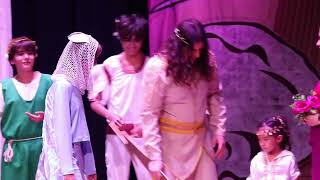
🎭 Hércules El Musical de Disney interpretada por la compañía de Teatro LIKS.CO. Función 1.
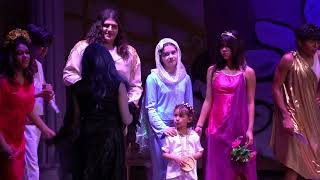
🎭 Hércules El Musical de Disney interpretada por la compañía de Teatro LIKS.CO. Función 2.
🎭 Hércules El Musical de Disney interpretada por la compañía de Teatro LIKS.CO. Función 3.
🎭 Hércules El Musical de Disney interpretada por la compañía de Teatro LIKS.CO. Función 4.
👾 Bloque 2: Genius Hours LIKS NextPlay presentado por KidZania en alianza con Colegios México Nuevo.