LIKS Prize -Lesson5

In this live, bilingual (Spanish‑English) session of the LIKS Prize program, host Ana introduces Lesson 5, which focuses on the six simple machines (inclined plane, wedge, screw, lever, wheel‑and‑axle, pulley) as the foundational elements for the students’ ongoing Rube‑Goldberg‑style construction project. The lesson features a guest presenter, civil engineer and green associate Vanessa, who explains each simple machine, gives construction‑industry examples, and engages the child participants (the “thinkers”) in identifying real‑world instances of the machines in everyday life and on construction sites. The class watches an OK Go video that illustrates the six machines, then proceeds through a guided discussion where the kids name and demonstrate examples (e.g., concrete mixers for wheel‑and‑axle, ramps for inclined planes, wedges for doors, drills for screws, pulleys in cranes, levers in seesaws and excavators). Vanessa reinforces how these machines combine to create the larger Goldberg machine the students are building, and encourages them to document their work. The session also covers logistical details: the final video deadline (Oct 27), evidence‑submission link (licks.com.mx/prize), upcoming session dates, and a preview of a future lesson with host Adolfo. The tone is enthusiastic, supportive, and instructional, aiming to deepen the children’s understanding of physics concepts while fostering teamwork and creativity.
Chapters
My global position systems are vocally addressed. They say the Nile used to run from east to west. They say the Nile used to run from east to west. I find what I hear, those voices.
¡Hola Tinkers y Guayaks! ¿Cómo están? Ya estamos en vivo otra vez de nuevo para otro episodio de Leaks Prize. Estoy muy feliz, ya saben que primero empezamos dando los avisos en español y después la clase continúa en inglés. Y estoy muy feliz porque tengo a varios invitaditos y a una invitada muy especial detrás de cámaras. Pero primero les voy a platicar pues de lo que viene hoy y vamos a recordar un poquito de lo que ha pasado en las semanas pasadas. Ya saben que pues todas las semanas tenemos que construir algo que se llama la Goldberg Machine. Estamos construyendo nuestra Goldberg Machine, que ya falta muy, muy poco para la entrega final, que es el 27 de octubre, y Pues próximamente el 29 de octubre vamos a ver aquí todos sus, pues sí, todos sus experimentos, todos sus trabajos, sus inventos. Y si no se acordaban qué estábamos haciendo, pues vimos un video ejemplo las semanas pasadas de este grupo que se llama OK Go, donde este grupo pues hace una Goldberg Machine que está increíble. Y a partir de este video es que nos inspiramos para crearla. Si no se acuerdan qué es una Goldberg Machine, una Goldberg Machine es una serie de máquinas simples. Y esto lo quiero recordar y recalcar hoy más que nunca. Hoy vamos a ver, yo creo que el tema más importante alrededor de lo que estamos construyendo, que son las máquinas simples. Y qué mejor que nos lo explique una persona que se dedica a esto al 100%, que lo ha estudiado, y que son las simple machines en inglés, las máquinas simples. Entonces hoy en nuestra lección número 5 vamos a tener el challenge de ver simple machines. Entonces vamos a construir, pues ya la estamos construyendo con nuestra Golden Machine, pero vamos a ver exactamente qué son las máquinas simples. Pero antes de pensar y antes que les presente, we are going to switch to English because we're going to see the video of OK Go, the ones that built the, the, the Goldberg machine first, and then I will continue to, to show you who is our guest and all the thinkers that are in the background looking this amazing video. But first, let's see this, um, this video that it's really, really good to explain what is a simple machine. Vamos a ver el video.
All right dudes, I think we should get into the fundamentals that make our video really work. We've got 6 concepts here on the table. 6 things, just small variations on these, and you could make our whole video.
Wow, they look so simple.
Si lo están escuchando, pues gracias, no tengo que traducir.
Simple machine is the term that engineers and scientists give to these 6 objects. They're used to move things around or hold them in place. First, we have the inclined plane. An inclined plane is a sloped surface that makes it easier to move objects.
This simple machine is called a wedge. A wedge is a V-shaped object for driving things apart, holding things in place.
Déjenme ver si sé qué pasa con estos problemitas técnicos. De nuevo lo voy a volver. Ah, ya vi qué fue. Listo, perfecto. Dicen que se dejó de escuchar. Vamos a escucharlo. Perdonen por las dificultades técnicas, siempre pasa.
So when you analyze a chain reaction machine in our music video, or really any mechanical device, it turns out that it's always just these 6 simple machines, one after the next. Let's go back and watch the video and see if we can pick some of those out.
Right at the beginning of the video, both the car and the pool ball are rolling down inclined planes. This golf club swinging is a lever. This can is hanging from a pulley.
This candlestick is a screw.
Here's a wheel and axle. Check out the green and white ball. It's held in place by a wedge. Now we challenge you to go back, watch the whole video, and find as many simple machines as you can. They go by pretty quickly.
Good luck. Muy bien, pues como pudimos ver en el video, aquí pues usamos todo el tiempo máquinas simples.
Me voy a regresar un poquito aquí. We've got 6 concepts here on the table, 6 things. Just small variations on these and you could make our whole video.
Ah, that makes sense.
Simple machine is the term that engineers and scientists give to these 6 objects. They're used to move things around or hold them in place. First we have the inclined plane. An inclined plane is a sloped surface that makes it easier to move things.
This simple machine is called a wedge. A wedge is a V-shaped object for driving things apart or holding things in place. Here's a simple machine you already know: a screw. A screw is technically an inclined plane wrapped around a cylinder. A screw is generally used to lift materials or hold them together. This is called a lever.
A lever is any rigid object or bar that rests on a fixed point called a fulcrum.
Here's another one you all know. Most likely you even used it today. This is the wheel and axle, or basically a wheel that spins around a post. It's that same machine that we all use for our bikes and our cars, our skateboards and our scooters.
Then this last one is called a pulley. A pulley is a rope that goes around a wheel and axle. This allows us to change the direction that the rope is pulling in.
So when you analyze a chain reaction machine Listo, pues ahora sí ya pudimos ver todas las máquinas simples a través de— I'm sorry, I forget that I'm speaking English. So after looking at this, we see that we had a lot of machines, and with all these simple machines, we can make all our Goldberg machine. But I'm not going to talk about this because for this video, for this experience, we have Annie a guest, and this guest is an engineer, but it's a woman engineer, and I love that. I'm going to present today Vanessa. Vanessa is a civil engineer and lead green associate with experience in the construction and energy sectors in Canada, Mexico, and Colombia, currently working at GS Energy, a company dedicated to generate energy efficiency in buildings. She's currently working— she's currently president of the Together for Business Equality Network and is part of social and environmental communities. She studied an MBA at the Pade Business School, and she did a study exchange at Université Laval in Quebec, Canada. She likes mountain biking, trail run, rescuing dogs, cats, hiking, and street arts. So I'm going to present my dear friend Vanessa.
She is here.
Hi, Vanessa!
Hello! Nice. It's very nice to be here with you and everyone.
Thank you, Vane. I'm going to present you also the thinkers. The thinkers are the kids that are in the background, and these thinkers are the ones that are going to be with you the whole challenge. So they can be— you can ask them questions if you want to ask them questions. They are going to be here with you. Hi! Hello! So we have— a ver, let's see. Hello! Mira, y su hermana, Hannah y Nicolás, saluden. Hola. Emilio.
Hola. Y Leo.
Chicos, pero en lo que Vanessa nos da su plática, si quieres, Vanes, comparte la pantalla. Vamos a estar aquí abajo y los voy a ir poniendo de repente a uno por uno mientras tú estás dando su plática. Así que muy atentos, muchachines, para que de repente estén saliendo a pantalla.
Ok, ahora aquí ya estoy compartiendo mi pantalla.
Lista. Listo, muy bien. Entonces te dejo, los micrófonos son tuyos. And let's Start.
Okay, so thank you very much for being here. I'm very, very happy to, to be with you today and be able to teach you about the 6 simple machines. As Anna already explained, I am a civil engineer, so I worked in, in construction where these 6 simple machines are very much used. So I'm gonna— first I want to ask you, what do you think the simple machines are? Does anyone know?
A ver, aquí te pongo a Diego. Diego, do you know what's a simple machine? No one here? No?
Yes, we know what is a simple machine. Simple machine.
Oh, great.
Only use two parts or something like that?
Yes, yes. Well, a simple machine is, um, let's say it's a small machine that does more work with less energy. So, um, simple machines as I said, make work easier, have few moving parts, so this is why they are simple, and also thanks to this they can change the amount of force or its direction. So does anyone know how many— well, I already said how much simple machines there are, but do you know the names of these simple machines? And what they do. So if you want to say one in Spanish, you can, you can say that as well. Sorry, yes, that's one. Who can— who, who wants to say another one? Okay, so I'll go to the slide where we have the 6 machines. So these are the 6 simple machines. So we have first the wheel and axle, which we see in bicycles, for example, which we have also the inclined plane. Which we see in ramps, for instance. Wedge, that we see in axes, knives. Or we also have the screw that we see in small devices that we use for drilling or attaching things. We also have the pulley that we have to lift things up, and we also have the lever, which is basically like a seesaw, but we're going to see it applied in more engineering aspects. So I know that you're in process of building a Goldberg machine. So, I know these 6 simple machines are gonna be very useful because, as Ana said, that machine is a set of very, a very big amount of small machines or simple machines working all together. So, now I'm gonna explain each of these simple machines and its use specifically in the construction sector. So every time you, you see one of these, you're gonna— in a construction site, you're gonna remember where these simple machines are and how these simple machines work. So the first machine is a wheel and axle. So have you seen any of these, um, things on the street maybe, or in a construction site?
When the cement— when the— when the cement put in a place.
Exactly.
The truck of cement, it is like rotate.
Exactly, very, very well. So This is one example, or these are two examples actually, of how this simple machine, which is the wheel and axle, can work. So as you said, it rotates, it rotates, it's a wheel rotating around on an axle. And in this case, in the construction site, we can see, for example, the mixers, which are these trucks that mix the concrete or the cement. And also, actually, like, of course, the wheels of this truck are another simple example of the wheel and axle. So I would like to ask you, does any one of you has a wheel and axle, an example? Does anyone of you have— has one of those?
I remember that I asked them to bring something, so maybe if you have your examples here, please share with Vanessa. Don't be— no sé, no les dé pena, los veo muy penosos. I have a wheel. Okay.
Is a pulley or a polea?
That's—
the pulley is another simple machine that you put a cord and you go like pull and the polea rotate.
Yeah, exactly. That is another type of rotation that we're gonna see.
We need something like like a, like a flag.
Yeah, so the— like, this wheel and axle maybe act a bit similar to the pulley, but the difference is that the pulley that we're gonna see at the end of the presentation, the pulley works by pulling. That's why it's called pulley, uh, um, a string that will help you to lift things up, whilst the wheel and axle is just like a system of a wheel rotating thanks to its configuration on the— in the axis. So that's the difference. So here we see an example of a wheel and axle. Now we're going to the inclined plane. So this is something that is very, very simple. It's just like, uh, like a ramp, and in construction it is very, very useful. Of course, I, I guess you've seen this type of ramps or inclined planes where construction workers use this in order to be able to transport the construction materials in an easier way. So do you— does any of you have an example of an inclined plane right here?
No one?
Yes?
Yeah, I saw, I saw a clip playing when my father, my father, yeah, her, her, no, his his, uh, coche.
Yes, that's good.
When his car, um, pop the, the wheel, uh, like, uh, like, uh, el que jala los coches. Yes, put in a ramp and then goes to the, the reparation station.
Yeah, exactly. So that's another very good example of an inclined plane. So you see that it makes the transportation of an object easier. So very good. Does any one of you have any questions? Okay, so let's go.
Hello, I am Valentina.
So let's go to the wedge. Um, as you see here, we have like the wedge is the same, it's just like a, let's say, like a triangle. It has a triangle shape and it can be like very, very thin, such as the, the axe or the, the knives, for instance, that can help us to cut and separate an object in two, as we see in the first example. And we can also use this wedge to hold an object. In this example, we have the construction site in which we want to separate this load from the ground.
Like a barrier.
Yes, let's say like like a barrier, and it works like to separate two objects but holding them. Another example, another simple example, is when you— I don't know if you've seen in your homes maybe that your parents put a wedge like holding the door so it doesn't close. That's a very simple sample of a wedge. So this second image that we see at the bottom is another example of— it's the same wedge as your— the one that your parents use to hold the door. It's just that here, in this case, we, we're using it for construction purposes, but it is the same. Okay, so I don't know if you have any other examples. Of a wedge.
Yes, uh, when, when with a sierra, uh, you, you can cut a metal to do things like, uh, a sierra to cut metal to do things like construct houses or, or put, put like a repisa Yes, exactly.
So, so what a wedge does is exactly that, like it has a very efficient shape that makes you split an object in, in two parts, or to hold something such as a door. Yes. So let's go to the next simple machine, which is a screw. Uh, so can you see in these two images where the screw, uh, is?
See both images?
Yeah.
So which, which, uh, or where is the screw in this, uh, two, uh, like a The taladro. Yes, exactly, the drill.
The spiral is in the, in the, in the punta. When you press a button, it's like— exactly, a hole in the, in the, in the wall or in any place you want.
Exactly, very, very well explained. So basically, you explained everything a screw does. It helps you to attach or drill objects. In this case, in this specific cases of construction, we have two drills. One is a domestic drill, let's say, the one that your parents use to attach or drill holes in order to hang, hang things up, for instance. Or we have the very, very giant drill that is used to drill the ground and build the foundations of a building, which is the second case. You see, like, this is also screw, but it's like very, very, very big. So every time you see a drill, you will remember that it's a screw. Have you seen any of these giant screws?
I saw them.
Yeah, when I pass, uh, when I, uh, go to, to Puerto Vallarta, uh, when in, in, in car, uh, I saw the the drill doing like a hole for putting tubes, tuberías.
Okay, yeah, exactly, that's correct. So let's go to the next one, which is the pulley that we were talking about when we talked about the wheel and the axle. So now, now that you see these images, can you please tell me which is the difference between this pulley and the axle? Oh, sorry, and the wheel and axle.
Me?
Any one of you, like, as you—
the axle is this machine now, the, the that pulls the, the orange. And the difference is the first one, uh, pulled by, by a machinery, and second one, uh, pulled by humans.
Humans to, to paint something or to clean, I think.
Exactly, yeah. So If you see here, the string rotates, so like on a wheel. So here we have a wheel and a string rotating on that wheel, and what it helps you is to lift things, like very, very heavy things up, and also it can help you to lift people up. So as you said, uh, in this example of the image at the— on the bottom of the page, we have—
yes, another example.
Sorry, can I say another example?
Yeah, for sure.
Yeah, another example is when, uh, in the past, uh, it doesn't exist the, the cars or the the, the domar a caballo, or the machineries. Uh, in the past, uh, you like put a cord with, uh, with things and you like pull, I see, pull and go to the, to the top for, for construct a thing, or, or for like, uh, cubetas for with, with water.
Yes, exactly. Yeah, that's where you have like water wells and you put the core so you can, you can get water. That's a very, very good example. And I don't know if you've seen this, um, like the, the crane that we see in the image of the, at the bottom. Have you seen, seen any of these cranes?
Yeah, uh, I saw, I saw them many times when I go to Mexico City. They, they have a this, uh, uh, grúa crane for put ladrillos pesados.
Exactly. So imagine if we didn't have pulleys. Can you imagine How would the workers, uh, could like lift things up to build up like very, very high-rise buildings? It would be impossible. So that's why I say that these simple machines are small machines that do more work with less energy, as you can see here. Also, we have the example at the bottom of the page of workers painting, or also sometimes they do this but for cleaning the high-rise buildings. So imagine if this didn't exist.
I think the crane have pulleys because they have like pull and the the pulling when rotates the cord, like do like this pull with— Exactly, like a piñata.
Exactly, a piñata is another example of a pulling. That's a very, very good example.
Or like a flag to put—
When you pull up the flag, it's also a very good example, very Good. So here, yeah, so where you can see the pulley here in the crane, in the grua.
Yes.
Do—
can you see it?
Yeah.
Okay, so it's like at the top of the container, right?
Yes.
Okay, so do you have any questions about Anything we've seen so far? No. Okay, perfect. So let's go to the next sample. The next simple machine is the lever, which is called lever because it's used to leverage you to move things. We also have a— yes. Okay, so first I want to ask you if you have a lever in your hands right now.
Yes.
Sorry, yes, yes. Okay, so can you give me an example of a lever?
Yes. Which is example of the letters? This is video.
No, a ver, a ver.
Es que mira, ya puso él su imagen. Si te sales antes de tu presentación, ya a ver.
Ah, guau.
Cuando muy bien, si yo la tengo así y le pongo esta, mírenlo igual, pero si la llevo una más a esta, esta pesa más. Pero si le pongo a esta otra, pesa lo mismo.
Okay, perfect. That's a very, very good example of a lever. And I'm going back to our presentation. There is a body part that you have that is actually, actually a lever. Do you know which part is that? Knee. Yes.
I think it's the legs and the espalda. When you do this to, uh, you, este, the stirrups for to touch your feet, like two legs.
Yes, that can be a very good example. A very— another very simple example, simple example that is actually where they got the idea from to build up this machine that we see here. Is our arm, you know, like the arm.
It's like the leg too.
Exactly, yeah, the leg also that you told me.
Contract, contract.
Exactly, so you use this to lift things up. Imagine you didn't have this, um, access to, to get things up. It would be very, very hard. So this is another example of a lever. And in construction, um, I guess you've seen this type of machines that are used to excavate. So this is another example of simple machines installed in a big machine, uh, in order to make work easier. So can you imagine what would happen If we didn't have an excavator such as the one we see in the picture, we can live in a house.
Oh, we, we can't, uh, construct things without, uh, how do you say, excavator, or because, uh, or the tourists is, is and they'll be flying everywhere.
Exactly.
So, yeah, yeah, okay.
Yes.
So, sorry, I couldn't hear you. Okay, so do you see the crane in the image at the bottom of the page? The grúa, the crane?
Yes. Yes.
Okay, so here, could you please explain me how the lever works? Does any of you know where's the lever?
The excavating machine or the grúa?
No, in the grúa, the crane.
I think he has like a pulley too because they have a contraction by— they have a peso for the levant. You do a force for levanting things like a piñata, the same example. Because without force we can't give up the things to the mountain or in a building.
Okay, yeah, so here as you said in a crane, in the grúa in Spanish for us to understand better, we have two types of simple machines. We have the pulley as we saw in the last example, you remember? As you said, the pulley on one extreme of the arm of the grúa, of the crane, and on the other side of the crane, we have a counterweight, contrapeso, right? We see these blocks that what are doing is what Leo showed us, is like pulling things up, helping to pull things up.
The contrapeso is the force for moving, for give up the things, because without the contrapeso has force. In Spanish is like masa.
Exactly, the mass. Yeah, exactly. Very well explained. So You're very, very good. Um, I don't know if you have any more examples of a lever.
Uh, a catapulta.
Exactly. Yeah, that's a very good example.
Another one lever, but I have an example of a pulley. Yeah, here I have another one here.
Okay, I want to see it. Sorry. Wow, that's an amazing pulley.
Yes, we use it, we do force here.
Oh, okay. Yeah, that's a very, very good example. So we have the pulley that also works in a crane. That's very good. Um, who is missing to present their examples of the simple machines? I would like I would really like to see them.
We have a wedge.
Yes, aha, that's very good. That's a wedge. Another one?
I have more examples. Diego was here but he left, like he was late. And I don't know, but Diego has one example.
Okay, so another example, for instance, are the scissors. Oh, also the lever. Yeah, they work as a lever or also as a wedge because they also have like this—
they contract.
Exactly. So we also have the scissors. Uh-huh, exactly. So Here you have the wedge, and like in the— on the metal side, you have the wedge, and you also have the lever. That's right. Yeah, you also have—
when you do force for pulling, for open the scissors.
Exactly. Yeah, so these are the stickers. Yes, this is our Yeah, so that is a wheel and an axle, the one that are showing this pretty girl. So this is the, the wheel and axle. Very good. You have the, the screw.
Anita, I have another example of the wedge.
Yeah, yeah, exactly. That's another very, very well example of a screw that, as we said before, is not only for drilling but also for attaching things, right? Such as the light bulbs.
Oh, the tornillos. Exactly, that in English, these are screws for that things like, for attaching, I don't know, like hamacas or a "me cate for put di ropa." Exactly.
So that's— you're very, very, very smart. I'm impressed about all of you. I don't know if you have any questions, any comments, or do you want to say any more examples to us about any of the 6 simple machines? I'm gonna put the slide so you can remember. Do you have any more examples that you want to share with us?
Chicos, preguntas para Vane? Questions for Vane? Yes, Nico?
I have an example of a lever.
Yes.
De sube y baja.
Exactly, that's a very good example. In English it's a seesaw. Seesaw.
Yeah, I don't know it.
That's very good.
And Leo has a really good example. He made it. So you made it at home, Leo? Yes, you made it.
That's beautiful and very, very well done with basic things. So you know, like, from basic objects, you can build up basic or simple machines, and with the simple machines you can build up very complex machines. So thank you very much. I really, really enjoyed the, the presentation, and I hope this can work very good for you so you can be— build up a very, very nice machine.
Oh, in my rover machine I have a ramp.
Oh, nice! And you can use the other, the other 5 simple machines in that and integrate them into the, the machine. So now do you have all the, the concepts that you need in order to build your your machines? Do you have them? Are these clear?
If you have time, Evane, I have some of them. They, they send me their videos of their woven machine, so we can see what they have done with the— with this amazing project. It's only 3 videos if you have time. Like, thank you so much for time.
You—
it was amazing. It was a really good class. Leo, your example was really good. Uh, let me show you the examples of them because they made really good videos.
Okay, let us—
let's see. Wow! Wow! And this is not the final result, they just send me like their advances. I think they're doing a great work. That's amazing. And this is Diego building his prototype. He's not the maker, he's not the Goldberg machine, but it was really nice to see him working. But he left, I don't know where is he, he left. Let me show you Leo. Leo is a great future engineer, like look, like look at him.
1, 2, 3. Wow! Hace que un elevador suba, pero no se activa con las manos, se activa como si fuera un fantasma.
Y la tienes fácil de poner en vivo. Qué bueno, en lo que despedimos. A ver, la tienes ahí. Wow, estoy muy impresionada, Leo.
Ok, entonces ya podemos hablar en español.
Aquí pues es lo que Leo nos presenta, creo que está padre. ¡Qué lindo!
¡Qué hermoso!
Impresionada.
¡Sí!
¡Guau! A ver, espérate Leo, no hagas nada de spam. Ya lo estoy poniendo en grandote. ¡Guau! No se está viendo, no se está viendo. Mamá, que está moviendo la cámara.
A ver, va de nuevo.
Sí, ponla ahí. Ahí se ve. Sí, ándale, ahí sí se ve. Esto sí fue una sorpresa para mí. Tinker, como se está viendo, no lo teníamos preparado.
Wow.
Wow. Estoy, mamá de Leo, dale un abrazo de mi parte. Estoy impresionante. Estoy impresionada, hasta se me acaban las ganas de hablar inglés. Muy bien, Leo, sigan trabajando así, de verdad están aprendiendo muchísimo, están jugando pero también aprendiendo muchísimo. Oigan, mamá, perdón, ¿Vane?
Nada más Tengo una pregunta: ¿todos quieren ser ingenieros e ingenieras?
Me, me, muy bien. Yo una pequeña parte porque lo demás no quiero ser científico y astrónomo.
Ah, OK, también, también es muy, muy chévere.
Muy valiosas.
Yo querría ser una gimnasta. Y yo veterinaria.
También está muy bien. Todas las profesiones son muy lindas mientras las amemos, ¿verdad? Pues bueno, muchas gracias, de verdad me divertí muchísimo. Espero que les haya servido mucho para su máquina. Y pues bueno, supongo o que en la despedida ya pueda hablar en español. Si no, pues, hablo inglés. Bueno, espero— ¿Lo disfrutaron?
Sí, súper.
Bueno, pues me alegra mucho. Entonces ya cada vez que vean algo de construcción van a ver una máquina simple. Entonces, que les vaya muy bien con sus proyectos y Que les quede muy, muy chévere su máquina, vale.
Gracias.
Bueno, chao.
Muchísimas gracias, Vane.
Y nos estamos viendo.
Invertencia aquí, solo se nos va Vane y pues adiós. Yo voy a continuar con ustedes, los voy a poner aquí abajo tantito, me voy a quedar, me voy a quedar con la presentación. Oigan, Leo, es que me sorprendiste.
¡Guau!
De verdad, todos los que están viendo, escríbanle mis mil felicitaciones a Leo. Les voy a enseñar también fotos de— creo que me veo gigante, me veo muy gigante. Voy a cambiar la presentación a no verme tan gigante. Es que ahora estoy yo solita, ya no tengo tanta gente detrás de cámaras, entonces me toca hacer la de producción y de todo. Pero bueno, aquí tenemos por ejemplo a Caro. Armando la semana pasada armó su su prototipo. Miren qué bonito prototipo hizo Caro. Y la verdad es que me encanta enseñar a todas las niñas y a todos los niños, bueno, tinkers y wayaks, que están creando cosas fabulosas. Por ejemplo, miren el carrito que hizo Paula Sofía. Aquí también vemos a Frida y a su hermana y su papá. Sí, tu papá, ¿verdad? Sí, este, construyendo su Prototipo, ya vimos el prototipo también de Nikwijana, también ya vimos, bueno, en la Government Team también ya vimos a Diego que estuvo la semana pasada muy activo, muy interesado haciendo su prototipo. ¡Que se nos fue! ¡Se nos fue Diego! Diego, si nos escuchas, ¿por qué te fuiste? Espero que puedas regresar. Y bueno, al final, at the end, let me share the conclusions with you.
How—
let's think how we can combine the simple machines to make our vulgar machine. How— where do we see the simple machines used in everyday life? What can we conclude and learn from this challenge? And where do we see examples of forces and motions in this activity? If you want to share with me now one of these answers, share with me here in the comments of you kids that you are here, the thinkers that are here. Yes, Nico?
We could combine simple machines I imagine we can combine two in this case. When we are going to construct a thing but with a, with a sotano, we have to escape with a— that is a simple machine.
How do you name it?
The—
which one?
What?
Which one?
When I grow up, when escape.
Ah, la pala. Which? No, I don't know.
Well, there is a simple machine, the escape, the excavator, and a grúa. When you construct a very tall construction.
Perfect, that's a perfect example. Also, for example, you see that Leo merged his project with this, like, um, I don't know, with this car— no, with the train that is doing this. That's also a simple machine. All the, the, all the Goldberg machine basically is built by basic, by simple So I think we are going to see all these combined simple machines in our project, and this is exactly what we are going to do for our next challenge. The next challenge, we are going to see, uh, a, a photo. We're going to send a photo of your, of the simple machines that you are using in your Volvo machine. Did you understand? You need to—
yes, send—
van a subir la evidencia aquí al link que les estoy poniendo aquí de una foto de dónde están usando una máquina simple en su proyecto. Sale. Entonces, esto es lo que van a hacer. ¿Me entendieron? ¿Me expliqué? ¿Tienen preguntas?
Miss, ¿puedo contestar la segunda pregunta de cuando presentaste la anterior presentación?
Claro, claro, claro, claro, contéstenlo.
También, este, casi en la actualidad, ya ves que las poleas se usan para izar la bandera. A veces en algunos sitios militares izan la bandera a diario con una polea, cuando jalas la, como la bandera tiene, está conectada a la red, se sube. Entonces creo que es diariamente usando la polea.
Ah, claro, exacto. Es muy buena forma de también de ser el ejemplo. Muy bien. ¿Alguien de ustedes, de Emilio, Leo, Frida, quieren decir un ejemplo de lo que, donde más se pueden combinar una máquina Stimples? Si quieren decir algo antes de irnos, porque ya nos estamos viendo porque ya se nos acabó nuestra hora.
Sí, yo tengo un ejemplo.
A ver, dímelo.
De cuando vas a escalar una montaña falsa, te agarran con una polea.
Perfecto, perfecto. Bueno, Y antes de irnos, les voy a— ¿Quién más? ¿Emilio? Emilio, ¿qué pasó?
Pues yo creo que todos vamos a hacer esto al principio de nuestra máquina, que es usar una rampa para impulsar pelotas o algo que caiga. Yo creo que esa va a ser la primera parte de muchas de nuestras máquinas.
Exacto, exacto. Entonces Pues bueno, al final pues todos estamos usando máquinas simples, nos damos cuenta, ¿no? Estamos usando máquinas simples en nuestro proyecto. Y pues espero que les haya gustado mucho esta sesión. Déjenme, se me trabó mi presentación, ya no sé por qué no se ve, pero les voy a decir nada más, lo único que me falta decirles es que nos vemos el siguiente jueves a la misma hora en el mismo lugar. Muchísimas gracias por haber venido hoy. Recuerden que hay que subir aquí a la página. Déjenme ver si ya se destrabó mi presentación. Recuerden que hay que subir la evidencia. Ya se destrabó. Hay que subir la evidencia de esta sesión, que es una foto de una polea, una foto de alguna de las máquinas simples que usaron, una foto de, no sé, algo que estén usando que sea una máquina simple, ¿sale? Entonces nos vemos el siguiente jueves. Hoy no les voy a, hoy no les traigo, hoy no les traigo el, ¿cómo se llama? Hoy no tenemos una, ¿cómo se llama? Una, una clue, porque se las voy a dejar para que vean la última clue, porque ya nos queda una, una clue for this lesson. Entonces para esta esta lección solamente nos queda una pista. Yo ya bien pocha hablando inglés y español. Para esta lección solamente nos queda una pista, entonces la quiero dejar para la siguiente sesión que vamos a tener algo súper divertido con Adolfo. Nos va a esperar para hacer una sesión solamente con Adolfo. Vamos a tener una sesión súper padre. Entonces bueno, nos vemos la siguiente semana. Sí, sí pueden ver, decir lo que tú quieras.
Ah, es que quiero agradecerles por la, cuando yo estuve todavía no aquí, que presentaron mi canal. Eso lo agradezco muchísimo.
¡Ay, súper! ¡Qué padre! ¿Cómo se llama tu canal?
Se llama Tutoriales con Nico, es de muchos tutoriales sobre origami y cocina.
Tutoriales con Nico. ¡Ah, tú eres Tutoriales con Nico! ¡Claro! Pues muchas felicidades, Nico, muchas, muchas felicidades por lo que estás haciendo. Y solamente tengo una cosa más antes antes de irnos, sigan explorando, sigan explorando. Muchas gracias por acompañarme hoy, me ayudaron en mi clase. Hoy tuve a unos acompañantes y a Vane, que la verdad lo hizo genial. Muchas gracias. Y pues me voy a despedir de ustedes también bailando con una canción, como al principio, la de Spaceman, porque es del espacio, ¿verdad?
¡Adiós!
¿Tienes una pregunta? A ver, dime, dime, dime.
La pregunta la tenemos bastantes, o al menos muchas personas, ¿no?
A ver, dime.
¿Nos tenemos que esperar para todas las pistas para poder empezar a hacer por completo nuestra Goldbird Machine?
No, no, ya muchos lo están haciendo.
No tienen que estar todas las pistas en la máquina.
No, no, no tienen que estar. Oigan, no me acordaba de algo súper importante. Les tenía que enseñar algo y yo aquí como si nada. Les hice una página web, les hice una página web porque hay todas esas dudas y dije, les tengo que decir todo esto que les tengo que enseñar, pero con una página web. Y esta página se las hice especialmente a ustedes para enseñárselas hoy. Ya se me andaba olvidando con la emoción. Gracias por recordarme. Miren, se van a meter, les voy a poner el link, se llama entran a Licks, perdón, entran a licks.co/prize o licks.com.mx/prize. Aquí les estoy poniendo el link, ya lo tienen, ya lo tienen todos. Este es el link, este es el link, licks.com.mx/prize. Y ahí van a ver todo acerca del proyecto. Van a poder ver esta página que me inspiré mucho en hacerla. Aquí viene en qué etapa estamos. Estamos en la etapa de septiembre-octubre, que es Build a Goldberg Machine. Después viene lo que es un Leaks Prize, porque mucha gente, aunque no lo crean, todavía está perdida y todavía no sabe qué es Leaks Prize. Entonces ya les digo que pues es una serie de eventos que es una serie de sesiones, de lecciones, y al final hay un reto. Y que nos vemos todos los jueves a las 4:30 PM. La siguiente semana les tengo una buena noticia, porque la siguiente semana la vamos a poner la hora un poquito antes en su horario de clases, para que en su horario de clases puedan— yo estoy diciendo, yo pedí permiso para que que lo hiciéramos en horario de clases y que no tuvieran que venir después. A ver si me dejan, yo les mando un correo, pero lo que tengo entendido es que en horario de clases vamos a hacer las siguientes sesiones. Entonces va a estar muy divertido, va a ser como cuando estaban en la escuela y lo sacaban como a la conferencia de alguien, así va a ser, ¿no? Así, porque va a estar muy padre, porque Adolfo nos está preparando una sesión muy divertida y justo Si tienen dudas de todo lo de World Read Machine, aquí pueden ver, por ejemplo, la lección 1. Pueden volver a ver el vídeo si le pican a este botón, o la presentación. O la lección 2, aquí pueden enviar las evidencias de la lección 2 y ver otra vez, este, el vídeo de la lección 2 o la presentación. Y así de cada lección hasta la de hoy, que es esta, aquí pueden enviar las evidencias verlo, de la presentación. Entonces, de verdad, esta página que les estoy poniendo aquí ya es la más importante. Hasta aquí dice: send your final video antes de las 2 PM del 27 de octubre. O sea, si ustedes ahorita ya hicieron su video final, pues ese puede ser el video final. Entonces pueden ir, o pueden ir enviándolo junto con otras evidencias, ¿no? Entonces aquí ya les puse en www.lixprice.com.mx/price. Ahí se pueden meter para ver toda la información así de Lixprice. Por ahí puse los proyectos de algunos de ustedes que me han enviado, y así voy a seguir poniendo proyectos de algunos. Y aquí ya próximamente pues van a ir viendo las etapas que vamos teniendo. Ahorita no van a ver nada de las otras etapas porque pues apenas vamos en la GoPro Machine, no, porque no hay otra etapa. Entonces Es muy importante que estén en esta página. Si no, de todas maneras sus amigos ya tienen el link. Recuerden, esta es la página donde hay que meterse. Entonces nos vemos la siguiente semana porque ya me pasé por 5 minutos. Muchas gracias a todos ustedes que están ahí atrás, a Nico, a Leo, a Emilio, a Frida. Nos estamos viendo y vamos a despedirnos con una canción. Ayúdenme bailando.
Adios!
More from Adolfo
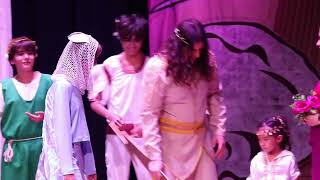
🎭 Hércules El Musical de Disney interpretada por la compañía de Teatro LIKS.CO. Función 1.

🎭 Hércules El Musical de Disney interpretada por la compañía de Teatro LIKS.CO. Función 2.
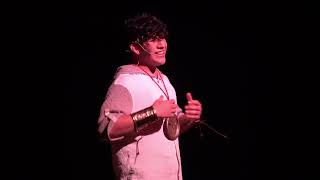
🎭 Hércules El Musical de Disney interpretada por la compañía de Teatro LIKS.CO. Función 3.

🎭 Hércules El Musical de Disney interpretada por la compañía de Teatro LIKS.CO. Función 4.

👾 Bloque 2: Genius Hours LIKS NextPlay presentado por KidZania en alianza con Colegios México Nuevo.