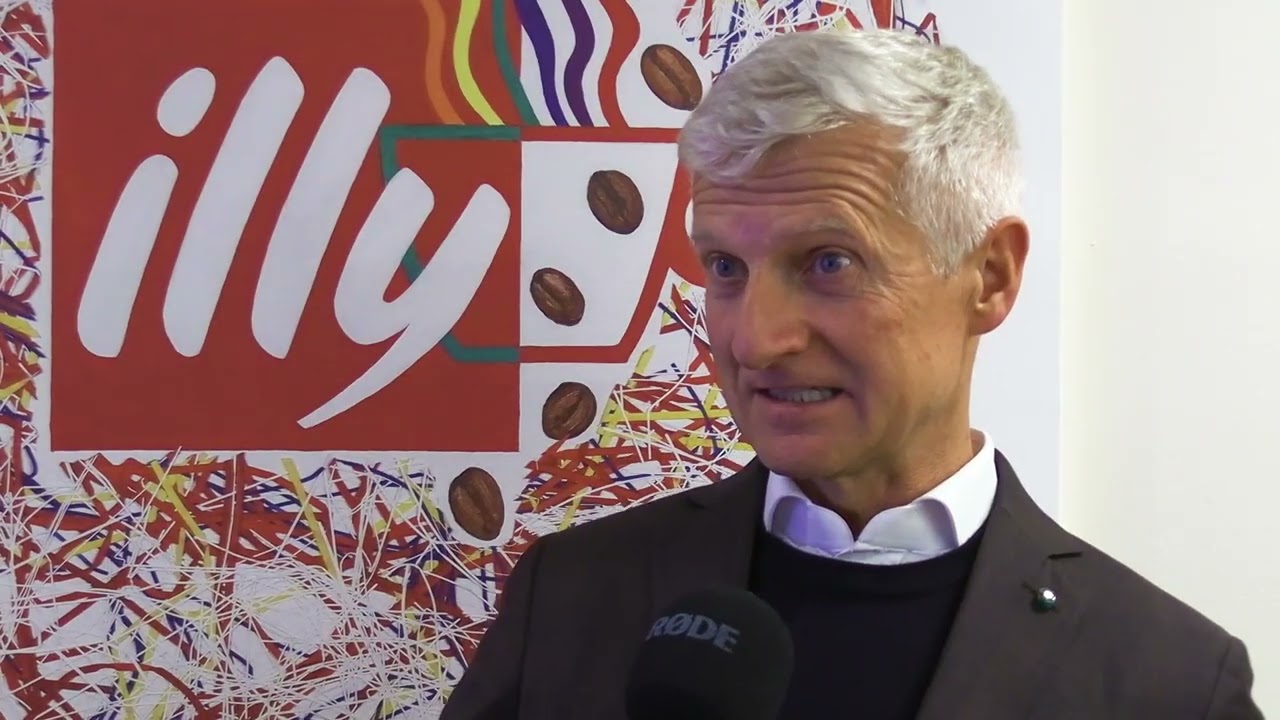
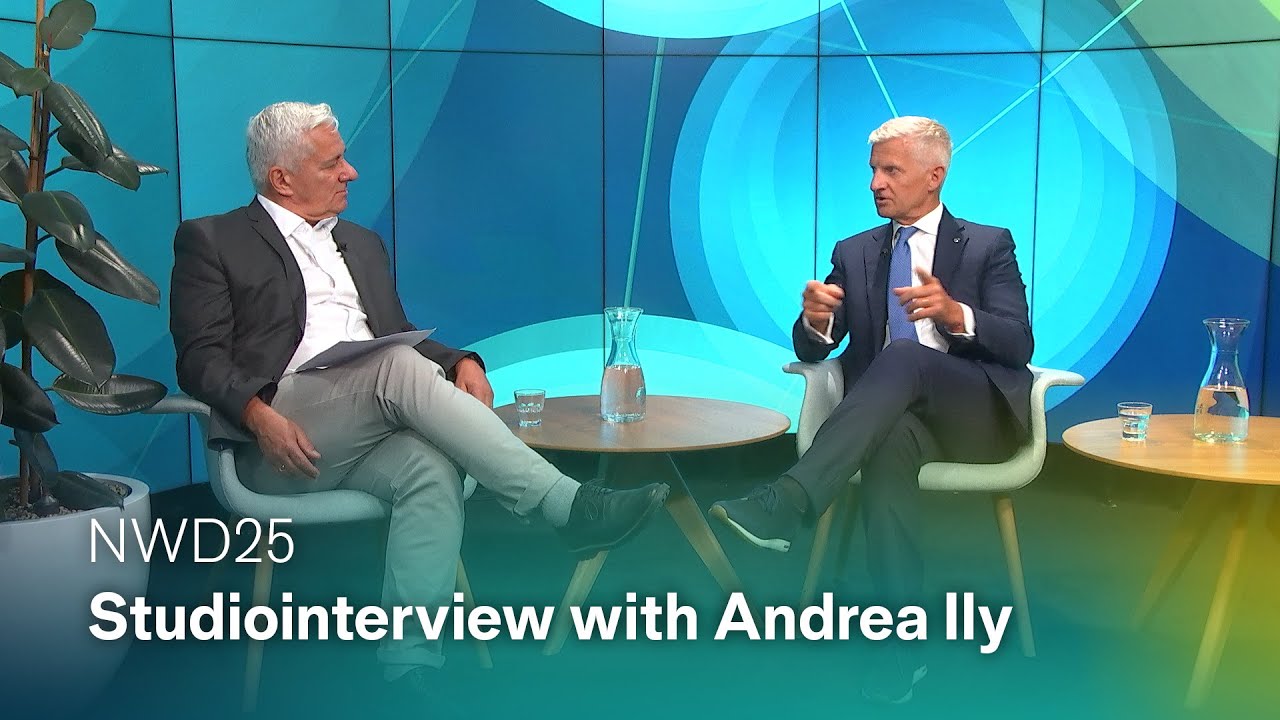
In this interview, Andrea Illy, Chairman and CEO of Illy Caffè, discusses the transformation of coffee over the past two decades from a basic commodity to a specialty product with an Italian heritage, mirroring the evolution seen in wine. He notes that home espresso consumption is moving toward higher quality, driven by the rise of single‑serve capsule systems that originated in the 1980s U.S. market and have spurred a growing share of espresso‑based drinks. Illy highlights China as the next major espresso market, experiencing double‑digit growth and projected to rank among the world’s top five coffee markets within the next 20‑25 years. Illy’s own research forecasts that, maintaining a 2% compound annual growth rate, global coffee demand will require a 50% increase in production by 2030, a challenge compounded by climate‑change‑induced regional yield losses. To address quality at home, Illy outlines the Italian “4 M’s” – blend (miscela), machine, and the operator’s hand – and introduces the Hyper Espresso system, a next‑generation portioning technology that delivers bar‑level espresso from a compact home machine.
Chapters
TranscriptAuto-generated · 5 min
As the culture of curated coffee continues to sweep the globe, who better to talk to about where coffee trends are heading than Andrea Illy, Chairman and CEO of Illy Caffè, the 3rd generation of the family-run Italian espresso business. Andrea, thank you so much for being with us today. Good morning. I'm a huge espresso drinker. I love my espresso in the morning. And at home, we went from the clunky espresso maker to now the tiny little single-pod capsules. What's the next trend in the home espresso trend?
Well, in the last 20 years, coffee underwent a sort of revolution from a pure commodity, which was the typical energy drink for any kind of work, into something much more noble, which is a specialty for coffee lovers with a strong Italian heritage, by the way. So we can expect that this evolution and trading up continues into excellence. So that means that I expect to have better and better qualities, similar to what happened in wines, you know.
Right.
More, better, let's say, refinement in the terroir, the places, the ecological niche where the coffee comes from, the differentiation in the agronomical practices, further improvement in the preparation.
And do you think more people will also be bringing it into the home?
Yeah, yeah, yeah. More and more, correct? You see, you see this trend already. Yes, but it will be more. More and more.
How much has the single brew coffee capsules upset the espresso market?
As a matter of fact, the specialty coffee, which is the origin of this movement, is kind of triggered by espresso and espresso-based drinks. It started, let's say, at the beginning of the '80s here in the United States. together with some Italian importers, captained by Illy and the Specialty Coffee Association. And there has been always this ambivalence between espresso-based drinks and, let's say, filter coffee.
Right.
The good news is that espresso-based drinks are growing, are dramatically picking up in terms of market share. So you see more and more.
Where's the next big espresso market? Do the Chinese drink espresso?
Yes, the Chinese are growing dynamically. It's probably the market which is growing the most, double digits since so many years. Still small, but you can expect that in the space of a generation, let's say 20, 25 years, China will become one of the top 5 coffee markets in the world.
So interesting, which leads me to my next question about the exclusive research Illy has done looking into the supply and demand. You have some research that shows by the year 2030, the demand will far outweigh the supply. Is that correct? Correct?
Well, yes, the coffee, thanks to this, let's say, improved positiveness, thanks to more pleasure, more health, and more sustainability, gets more consumption, better consumer response. So the compound average growth rate is higher than it used to be, is now above 2%. And if we extrapolate this 2% compound average growth rate in the next 15 years, we will need by 2030 to produce an extra 50% of the current crop. So adding one country like Brazil and Vietnam altogether, which will be huge production, and it's not sure— we are not sure where this production will come from because, yes, there is still room for further improving productivity. Right. But there is also the climate change, which is cutting off systematically in one region or the other the coffee production due to the adverse effects either of droughts, floods, Or too high temperatures.
Which could, of course—
This is the question mark.
Right. The question mark. It could raise the prices. I have one question, though, for you being the espresso expert. Tell us how to prepare the perfect cup of espresso for you. Does that start with grinding the beans right there, or do you like—
Well, there are the so-called 4 M's in Italy, which is the blend, miscela. Then you have the machine. Then you need the blend and the hand of the operator. So there's 4 parts. Unless you use a sophisticated portioning system like our Hyper Espresso, which is the next-generation espresso system, which allows you to get the same quality that you have in a, in a bar with— from a bartender with a professional machine at home with a tiny machine.
Right. Wonderful. 4 steps. I got to learn the steps. Andrea Illy, thank you so much.