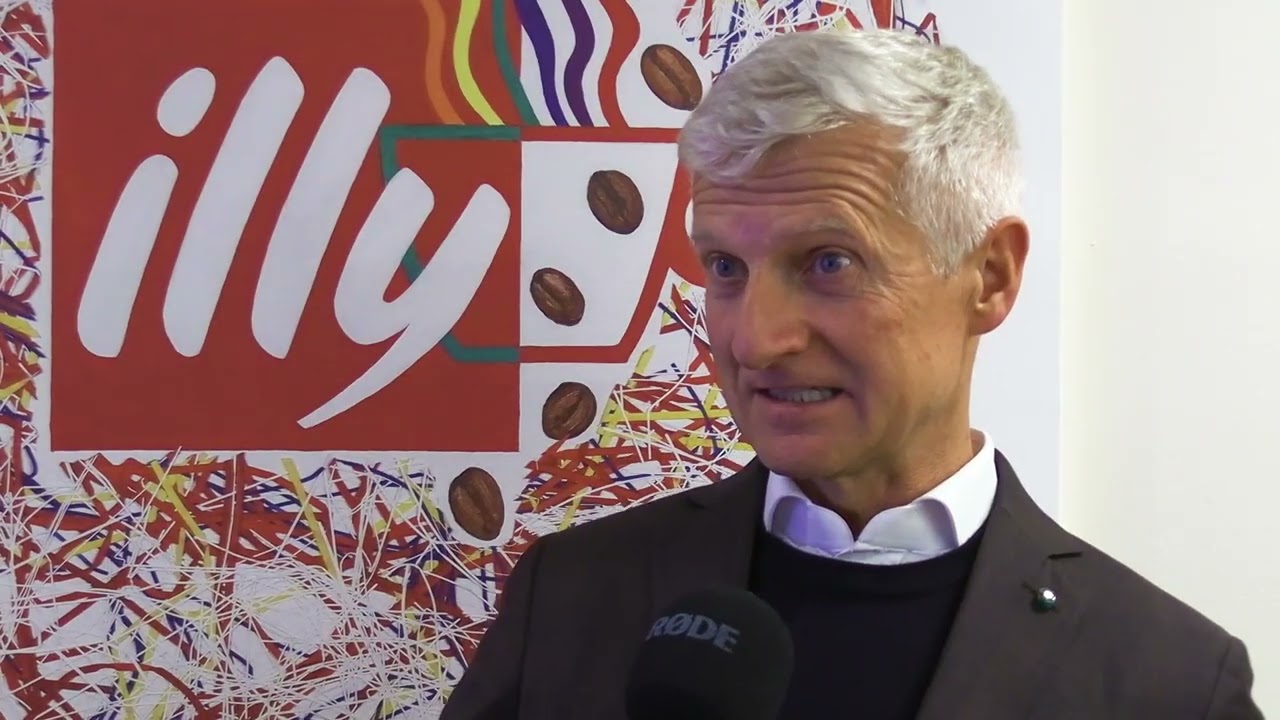
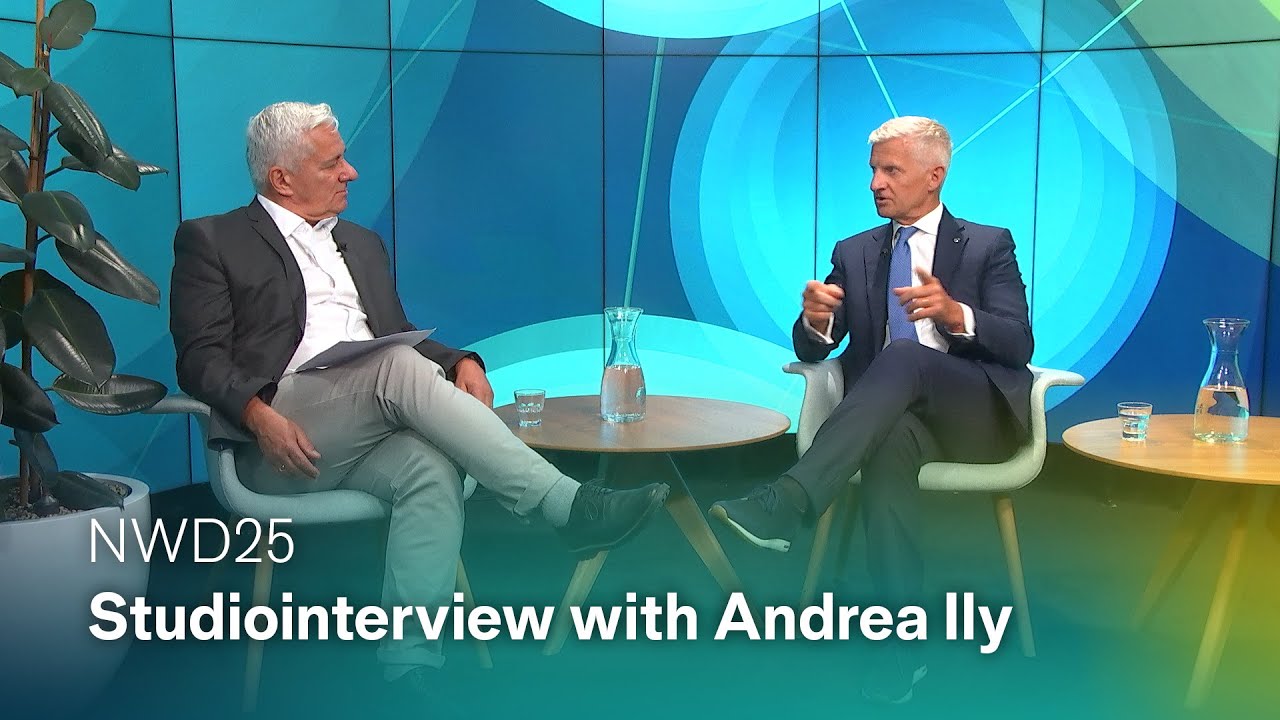
In a Bloomberg interview, Illy Caffè chairman Andrea Illy explains why coffee prices are volatile and why a price decline later in 2024 is uncertain. He cites extreme weather in Brazil (excessive rain) and Vietnam (drought) as the primary climate drivers that threaten the two largest coffee‑producing regions, reducing supply and pushing a higher price baseline. Illy notes the typical arbitrage between Arabica and Robusta, with Arabica trading about 25% above Robusta, and describes how blend ratios shift—more Arabica when overall prices fall and more Robusta when they rise—though current market conditions keep Arabica dominant for premium products. He emphasizes that global coffee supply and demand are roughly balanced over the long term, but low stock levels and climate‑induced supply unreliability are creating upward pressure on prices, potentially ending the multi‑year deflationary trend in agricultural commodities. Finally, Illy outlines Illy’s cold‑brew line, launched in 2020 and expanded in 2022, highlighting strong consumer response, especially among younger customers, and the brand’s commitment to using its single‑blend Arabica recipe to ensure consistent taste across hot and cold formats.
Chapters
TranscriptAuto-generated · 7 min
Bloomberg Audio Studios podcasts, radio news.
Well, the cost of a cup of coffee is on the rise as extreme weather hits global coffee supplies in Brazil and Vietnam. But our next guest says that a respite is on the way for Java lovers. He expects prices to actually fall this year. And joining us now I'm thrilled to say we have Andrea Illy. He is Illy Caffè chairman. Illy Caffè, of course, is an Italian coffee company specializing in espresso. Great to have you with me. So you said in late March that you expect a decline in coffee prices coming in the second half of 2024. In late May, is that still your view?
I cannot say that I expect because the market is becoming more and more unpredictable. In the past, the trend was similar that in this season, the prices were coming down. But there are many reasons to sustain a higher price because more and more financial markets rely upon triggers for price surges. And in this case, climate that you mentioned is the main one, particularly excessive rains in Brazil and drought in Vietnam, which are the 2 most important coffee-producing countries.
It's interesting. I mean, when you think about sort of the volatility that we've seen, it's really been focused— my understanding is on Robusta prices. I know that Illy uses Arabica beans, but how has what we're seeing with Robusta translated over into the type of beans that you actually use?
Usually there is an arbitrage between Arabica and Robusta, which makes the Arabica price at least 25% higher than Robusta, which also reflects a higher quality in the cup for some reason, which are probably linked specifically to the offer and demand. Robusta coffee is used for a certain type of industry like instant coffee and some more, let's say, entry-level coffees in the market, which probably, let's say, did not decide to replace Robusta coffee with Arabica, although there is a price advantage. So, yeah, it's quite unique as a dynamic in the market. It didn't happen in the past.
Well, you touch on what I've been wondering. For those who perhaps use the Robusta beans, I mean, how easy is it to actually switch to using a different type of less expensive bean, or is that sort of impossible in this environment?
Well, what typically happens is the opposite phenomenon, that because Arabica coffee is the more premium, when the prices, the market prices are lower, the percentage of Arabica coffee used in blends increases so that you can, let's say, They have a better consumer, let's say, response. And when the cost goes up, then you use more Robusta, which is cheaper. This time is not what is happening now, probably because for certain kind of preparation, like I already mentioned, instant coffee, Robusta is more important.
And so, I mean, looking into the future, like you said, it's been difficult to predict with confidence about where prices are going to actually go. What does the actual supply-demand look like? It feels like a lot of this is playing out on the supply side rather than the demand side, so to speak.
Supply and demand is in balance. And balance means that one year might be a little deficit, the year after is a little surplus. And if you make the average, you are more or less in balance. Stocks levels as a consequence of this unstable dynamic are low. And this is a significant, let's say, driver for price increases. But in the background, there is climate change because there is the expectation, and not only for coffee, that yes, climate change definitely impacts coffee agriculture and that there is less reliability in the supply. And this, let's say, commands probably a higher baseline We will be able to understand if the baseline, which used to be maybe $1 until 15 years ago, then it moved up to $1.20, then $1.50. Now probably the baseline is more around $1.80. But we will need the statistics maybe a few months or years down the road to really understand if as a consequence of climate change expectation, the baseline increases. which would completely revert the multiannual deflationary trend of all agricultural commodities.
And of course, I mean, it's not just coffee that we're seeing this— coffee beans. You're also seeing the effects of climate change and just extreme weather in the likes of cocoa, for example, has been a big, big story this year. So that's sort of the, the macro look, the broad brushstrokes industry look. I want to talk a little bit about your business because You think about your first ready-to-drink cold brew. You introduced that back in 2020. You expanded that line in 2022 with more products. Really curious to hear how that line is doing relative to hot coffee.
Well, really good. So cold brew is very fashionable. There is a strong response, particularly from younger generations. It's also a good way to drink more coffee summertime. Our effort is extremely disciplined because Illy is famous for the Illy blend, because the best possible quality can be only, only one. So this is why Illy offers only one blend, the only roaster in the world with that strategy. And the cold brew is based on the exact Illy blend that you can enjoy freshly brewed espresso or cappuccino in wherever in the market. And matching also the taste profile. This has been the big, the big effort. And we are happy with the quality that we, let's say, reached in terms of taste consistency. And now we expect that for this market to grow.
All right. I have to say, I drink a lot of coffee and almost 90% of it is cold brew. So there's some anecdote there. Andrea, really enjoyed this conversation. Appreciate you joining us. That, of course, is Andrea Illy of Illy Caffè.