Who Is Spencer Smith?
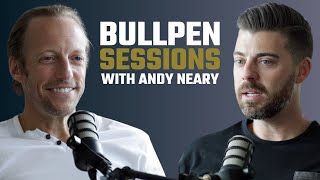
Andy Neary interviews Spencer Smith, a prominent figure in employee benefits and stop-loss insurance. Smith wakes at 5:30 AM, follows a six-day weightlifting split, eats meat-forward and low-carb, and recently started tracking glucose spikes with a continuous monitor. He credits mentors Eric Templin and his father, and tells early-career advisors to play the long game.
Chapters
Hey. Hey. Welcome back to Bullpen Sessions. I am beyond excited to have the man, the myth, the legend, Spencer Smith. Join me. If you're in the benefit space and you don't know who Spencer Smith is by now, pretty sure you might be living under a rock. This man is synonymous with the words stop, loss. But my goal in today's episode was to do an entire episode with Spencer without using the word stop, loss. You're actually going to get to know Spencer very well, what makes him tick, what he implies as far as discipline, drive goes every week to exercise to his diet, to make sure he's showing up as his best version of himself, and what it means to be a loving father and a husband. So I'm excited for you to get to know Spencer. We all know him as self funded with Spencer. But today, I promise you, you're going to see a lot that you may not know about this man and you're going to love it. All right, let's dive in.
Hey.
Hey.
Welcome to the Bullpen Sessions podcast, a podcast for driven insurance professionals who are looking to reach their full potential in their insurance careers. This is the place where we help motivated insurance professionals build the right mindset and tools to create more credibility with their target prospects. I'm your host, Andy Neary, former professional athlete turned insurance industry advisor. Each week you will learn tips and strategies to help you execute a clear prospecting game plan every single week. Clarity creates action. When you're clear, you're confident. When you're confident, you're consistent. When you're consistent, you are unstoppable. All right, let's dive into today's episode.
Spencer, welcome. Hey. How is it to be the guest in your own studio?
Well, I'll tell you, Annie, it is weird that the white wall is behind me. I don't think I've literally ever sat with a white wall behind me. So. Kind of hard to get used to. But let's give it a shot.
We're have some fun now. It is my goal to go through this entire episode without saying two words, stop and loss. At least not back to back.
Okay, so they can be in the same.
They can be in the same sentence, just not back to back. How does that sound?
Stop trying to make me say that I've lost my train of thought. Andy. Yeah, Something effect that will allow.
Yeah, absolutely. No, let's start here, man. I want people to get to know Spencer Smith because obviously if you're in the benefit space now, if I say, who do you think of when you think of stop loss. And I just said it. People are going to say Spencer Smith. So talk to me a little bit about rituals. You know, you look at your typical day. What are you doing from a day to day perspective from rituals and habits to make sure you know, you're, you're a business professional, a father, a husband. What are you doing to make sure you show up as your best every day?
So I get up at the same time every day. I found that actually ensuring that I rise at the same time, which is 5:30. I just get up every time, same day, have coffee every morning before the family gets up. That's my me time where it's quiet in the house, it's dark, just having a cup of coffee and then take my daughter to school. Go to work in the day with a workout almost every single day. I like to work out at the end of the day because I feel like it diffuses whatever's built up. You know, some people love the morning workout and I think there's obviously merits to that. I would rather start my day, start working and then end my day when I want to and allow that pressure valve to be part of it. And exercise specifically, weightlifting is my pressure valve. Plus headphones, heavy metal, like that's my jam. It's all that aggression is out. And then I feel like I can transition into home life and being a dad and husband and I'm a better version of myself once I've done that. And then try to go to bed at 9:30. My wife gives me a hard time because I fall asleep really early compared to her. But man, I just to do what I do.
Like you fall asleep with a drop of a hat.
I can fall asleep like that. Yeah. Well, yeah. I'm turning into my dad and I'm falling asleep on the couch during a TV show. I can't get through 10 minutes of a show we pick before, you know, so it's like for. It's part of being 40s.
Oh yeah.
Welcome to.
Amy makes fun of me. She's like, dude, I could be playing the trumpet in the same room and fall asleep.
Yeah. And sitting up. I used to think it was astonishing that a man could fall asleep sitting up. I do it all the time now. Yeah.
So okay. You got 30 minutes to work out.
Yeah.
I want to know two things.
Okay.
What's the go to workout.
Okay.
And what's playing in your headphones?
Oh, that's the second one is easy. It's about the heaviest metal you can possibly like. We're talking tool oh, tools. I don't even listen to tool working out because it's not heavy.
Not.
Oh wow.
I could name some bands going anthrax.
No, like, what are we doing here?
We're going like meshuggah, if you ever heard of meshuggah. Like I could name you bands and you're gonna go, who the hell is that? So I won't even bother but think.
Like, are we literally talking?
I'll send you a song. Yeah, like we'll start our work out tonight with a meshuggah song. And you'll go. If you can get through 30 seconds, I'd be surprised. Okay, so that, that's your answer, the music. I'm a six day a week split. I used to do a push pull split with a heavy and light day for upper and lower body. Now I'm six days a week of a specific body part. So whether that's quads, whether that's hamstrings, arms, you name it. So whatever that day is, it's really easy because you only work out that muscle group that day. So I'll have about a 10 minute warmup. I follow exactly the same warmup I've been following over a decade that I learned when I was doing CrossFit back in the day. Dynamic mobility, moving, mobility, warmup. Just to ensure that I don't hurt myself. And then I'll go right into that body part is. And probably three to four exercises or so per body part. Maybe an ab, maybe air dying where I might get a Tabata.
Yeah.
In. But it's. If you want me to do in 30 minutes, I can get it done in 30 minutes. Easy go. Yeah.
No, I love that. It's, it's a non negotiable. Right. I mean that's, that's something I think.
People don't talk about enough, especially exercise. I'm going to ask you a couple questions here about your diet too because I know you practice that as well. But I think there's a lot of people who look at what you're doing six days a week and, and I have people ask me the same thing and it's like, how do you get up and do that every day? And I don't have a good answer. I just say I do it.
Yeah.
It's a non negotiable.
How could you not do it? Yeah. I'm a big belief. If you are able bodied and you are healthy enough to do it, if you're not doing it, it's actually a disservice to Whatever you think your creator is really, really believe that. And so I look at other people I've seen at the gym where people that have, you know, some sort of physical limitation. There's a couple folks with down syndrome that go to the gym. I go to, they're there. What excuse do I have not to be there? And that's really the way 100% it's a privilege to go to the gym. I truly believe that. But it's so much a part of who I am now, Andy, that and especially I'm 41. I mentioned being in the 40s. If I don't move, I feel worse.
Yeah.
So if I keep moving, I'm a big believer too. If you just keep moving, father time, it's harder for him to catch up. So you just keep moving. So I feel better, look better, of course, as a component of it. And my life is better. So why would I stop doing that?
Well, you and I talked offline. You and your wife often work out together. Maybe not the same workout, but you're at the gym together and you made a comment about couples that work out, work out. Talk to me about that, number one, how has that impacted your relationship with her? But two, you have two children, daughter and a son. What kind of example do you think that's setting for them?
Yeah, great questions. I'll answer kind of in order. I'm also a believer that there has to be sort of balance between the partners in a relationship. And so let's say one, maybe the husband or the wife, whoever, pick one adamant worker, outer or lifter, and they stay in great shape into their 40s and 50s. The other one, for whatever reason, lets themselves go. And now you've got this disparity between the two. And not even just about looks, but the quality of life, how they feel physically, their habits, that can create a rift between people. Right. Because there's such an imbalance between the two. And so she was a cheerleader in college, I was a soccer player in college. We've picked up and now we found things that we can do together, though, like you said, we don't always work out. Exactly. Together. But now it's an accountability partner. It truly is. And so, you know, we're always like, hey, you going to the gym today? What time? Right. Maybe we'll meet up, maybe we don't. But it's never, hey, I know she's going to do something fitness wise. And I almost feel obligated to her if she's doing everything she can to look great for Me. And that's part of a marriage. I gotta do that same thing too. How do I not do that if she's putting in the effort? And I think women too, and she's a stay at home mom. So, like, you think about the pressures that women have to look good as they age. Like, I'm just trying to support her and everything I can too, that she goes to that psychological thing of about to be 40 here next year. And I understand what that's like. And so I want to be a supportive husband in and of the same. And the last question you had was about kids. My parents were not weightlifters. They were not fit. They let life get to them. They had some bad habits. My father's still with us, my mother's not. My mother's end of her life was a result of her probably not so great choices, the way she took care of herself or didn't take care of herself. So for me, what example do I want to be for my kids? I want fitness to be a part of their life that they see. Mom and dad are always at the gym, and it may be annoying sometimes to them, but I want that instilled in them. I mean, I talk to my son, who's 3, about protein every single day. Like, dude, you got to eat your protein. So you get big like daddy. And so he's always like, daddy, does this have protein in it? Just those little things. Like, I want to be a father that sets the example. And I don't know how they'll react. I don't know how they'll respond when they're, you know, acting under their own volition and cognition. But I hope that they see what we do, and ultimately that shapes them.
Yes. Yeah, yeah. No, I like that. It's funny because I think about Amy. We don't have kids, but at the end of the day, she, she.
We don't.
We don't work out together. She's more of a walker. She does a lot more of that stuff than, than I like to be at the gym lifting weight. But I still find myself at the end of the day because of programming from the past. I'll ask her, like, is it okay if I go to the gym? And she's like, stop asking. Like, go do your thing.
Yeah, yeah, yeah.
And I. At the end of the day, I look at that as a blessing, as having a spouse who's like, dude, yeah, you go do what you got to do, man.
Yeah, yeah. And the walking. I mean, like, it doesn't even matter what Form I actually, I did have a post about the couples that work out. Work out?
Yeah.
And it doesn't matter. One might be in a Pilates, one may be into walking, one may weightlifting, one swimming, who cares? And it's not we're holding each other to an unreasonable standard affection. It's just the best version of ourselves that we can be for one another is the goal.
When I've been in relationships in the past where the other person kind of made you feel, made me feel guilty that I was working out because if you're working out, we're not spending time together. And I would let that guilt keep me from the gym, sure. But then I realized I'm like, no, I'm going so I can be the best version of me for you. So you may view this as selfish, but I'm doing it because if I don't, you don't want to deal with that person.
I have two things to say to that. One, I do believe you should fill your cup first. I think you're a better human being if your cup is filled first. Better father, better husband, everything. The other thing is, I think sometimes people will guilt you into not doing something because you're holding up a mirror to them and their habits. And they're, they're unwilling for whatever reason to put in the same level of effort, so they want to bring you down 100%, as sad as that sounds. And that's pretty probably a part of what they were doing.
I couldn't agree more. Let's talk about diet, man. I know you're also a big believer in that. What are some of the daily practices that you try to abide by or follow from a nutritional standpoint?
Really simple, Honestly, Andy. I mean, I think people overthink diet, so I've gone all the way full carnivore before. I'm mostly low to very low carbohydrates, so let's call it under 50 grams or so a day. Very simple meat based diet. So lots of steak, lots of hamburgers, ground beef, lots of eggs, occasional chicken, although I don't really love chicken, but it's a, it's a lot of red meat and then occasional vegetable. I started to get into Greek yogurt. I found that I like Greek yogurt, which is surprising. But it's very simple. I probably don't eat more than 10 to 12 foods in any given week. It's a very routine, regimented, repeatable, almost probably, dare I say boring diet. But I don't, I don't find it that way because I view feud as fuel.
Yeah.
I think as long as it's satiating, as long as you enjoy it, as long as you feel good. I want things that make me feel that I don't need this crazy variety or try all the desserts or. Because if I feel like then that's a bad food for me to eat. And so I'd rather feel good than have this taste bud, you know, stimulus and the dopamine and all that.
It's funny you bring up the same foods throughout the week. I, I eat the same breakfast, same lunch every day when I'm at home. And Amy and I laugh because we go get groceries again, we're not shopping for kids. It's just for us too. But we look at a refrigerator, it's like just a repeat of the same foods everywhere because we eat the same stuff quite often. How do you do this on the road now? Because you're with Pareto and I know with your rolling Pareto you're traveling a lot. How do you ensure you keep the exercise going and the diet, especially when you're on the road?
So I am a little bit less focused on the core quality of nutrition as I am the macros when I travel. And so what I mean by that is, let's say I know I want to get protein and fat in, but the best I can do to get protein and fat in is a piece of beef jerky or some pistachios or some almonds or hey, you go to a convenience store in a airport, guess what? You can get two hard boiled eggs in a package. Right?
Are you, are you a hard boiled egg at the airport guy?
Convenience, it's super convenient. And an egg is an egg, right? An egg is an egg. So, you know, one ingredient and so single ingredient foods as much as possible. But I say that to say like I don't know the source of the beef jerky. Right. I don't, you know, I try to look at what are the ingredients besides the beef. Right. And then limit those ingredients. But it's a big picture thing, compromise to be had. There's going to be some trade offs but if I can control those variables as much as possible, I'm okay with it because traveling is a one to two day event and I'm going to be back home and I can reset as soon as.
You know, it's funny you brought that up. It just made me think. I was down in Florida a couple weeks ago and I was flying out of Tampa airport to come home and I, I'm like, I hate, I hate when I have to eat dinner at the airport. I don't like that being the choice. So I went into one of the convenience areas and they had a salad, chicken with some stuff. It was like 40 grams of protein. I bought a bag of Archer beef jerky because of all the options there, Archer was the one that seemed to have the least.
Worst, Right?
Yeah. The best ingredients.
Yeah.
And then I got two hard boiled eggs. I'm like, like this little dinner right here is like 70 grams of protein. I'm like, this is perfect.
Yeah. Well, and that's what I think some people will use the excuse of like, oh, it's at a convenience store or it's packaged and you can't find good food. It's like, no, do you have to know where to look? And you have to be able to read a basic ingredient list and a nutritional value list. If you can do that, you can make good choices in almost any setting.
And I give a lot of credit to Amy, my girlfriend, for this because I am a guy who'd be like, it's almonds. How can you mess up almonds? But if you go read the package, right, and you're like, oh, wow, it's almonds with all these oils. Interesting.
Yeah.
So I've had to be. I've gotten really good at reading labels. Like we go grocery shopping at Trader Joe's and we love it because you get dry roasted almonds. Literally the ingredients are dry roasted almonds. You get almond butter, ingredients are dry roasted almonds. Like there's nothing else in there. And I think that is a very important thing about diet, that you think, well, the food is healthy, but it's also how it's made.
Well, and that's what I think some people don't consider exactly what you're describing, which is what oil is being used when they cook my steak in the kitchen. Okay. So I've started to have to figure those things out. Right. And so whether I control the way that it's prepared, I ask the question. And. Or like you said, you pick something that doesn't have an oil as an example because you know that's going to cause some distress or you want to avoid those things. You want to know the biggest reason why I think the carnivore diet works out is because it's a pure elimination diet. If you eat just meat, guess what else you're not eating? Anything else? Sugar, high fructose corn syrup, canola oil, whatever. So I think people realize that Oh, I didn't realize how bad I felt until I removed every other variable but one.
Yeah.
And all those things are wreaking havoc on the inside.
Well, that's why I, you know, and I see people going to the conferences. We got a lot of conferences in the industry. Right. If I were to give any advice from a diet perspective, because, you know, the two things you probably see the most when you go out and you're on the road is poor eating habits and too much alcohol. Right.
Yes.
And so the, the diet part, I say listen, if you go into a steakhouse, because we love to do that in this industry.
Just get a protein, get a vegetable and maybe a potato and try to see if you can get rid of the oils. Like can you cook it without the oil?
Exactly.
You can't mess that up.
Yep.
And, and then on the alcohol side, we were talking about this offline. Limit the alcohol. And if you need to, you and I talked about the old club soda with the lime. I will grab a club soda with a lime so it looks like I have a drink because I would get sick of so many people being what are you not drinking tonight? Because then they don't even ask.
They don't ask because they don't even know. You can't tell the difference in that. And a gin and soda as an example. Right. And that is my go to, let's say I know drinking will be a part of a night. I already know going in, I'm going to Irish goodbye. At some point before it gets same.
Here, I will bow out. You'll never know I left out and.
You don't know I left. But I also know in between, let's say I want to limit it to two or three drinks. And really that's kind of my maximum is three drinks over the course of hours. Then it has to include something in between. You know, one, it's to, you know, has a facade of look like you're drinking so you don't have to answer those questions. Two, you're rehydrating yourself in between those drinks. And I'm at the point, man, where I can almost just say f alcohol I legis. And it's if it does very little good anymore. I understand the social lubricant and it gets let you de stress and relax. But man, the trade offs are almost too big at this point.
So I had to go alcohol free for about six months when I had my stomach issues.
Oh yes. Yeah.
And the biggest takeaway was I didn't miss it.
But I Brought it back.
Yeah.
But now today, like, I don't drink between Sunday night and Thursday night. Okay, no alcohol. It's just kind of a rule I live by because here's what it's created. Now I'm not a guy either because I do that I have four drinks on Saturday, but that, that beer for dinner on Saturday now becomes a reward.
Ah, yeah.
I like, I enjoy it. So I'm like, it's my Saturday dinner beer.
What's cool that you brought that up? I read a. Literally yesterday, a Twitter thread. This guy was breaking down Alus Huxley, who wrote Brave New World, and he was saying one of the things that he forewarned like a hundred years ago was that we'd get to a point where life was so good that rewards came without effort. And his whole opinion was like, you don't get a reward unless you put forth the effort and it actually feels empty. Or it's actually worse. You feel worse that you got rewarded when you put no work in at all. So I can understand why taking it away than making it a reward because you earned it.
Yep.
Now it's more satisfying as 100%.
100%, man.
I couldn't agree one, it doesn't. We were talking about blood sugar offline, man. You and I both.
Yeah. I was going to ask you about. You're wearing a glucose monitor right now.
You had Chris Hamilton on. I don't know when the order will come out, but you had him on for this session as well. And Chris actually was on my podcast last week. And we go, hey, similar to this, throw out the agenda of insurance. What do we want to talk about? What do you and I relate to? And so we got really heavy into fitness and stuff as well. He pre planned to bring me a cgm, so continuous glucose monitor. Because he's a. He's a personal health hacker. Like Chris is always testing himself as concierge doctor, everything. He's like, try it. I promise you you'll find some things out. And what I find out, alcohol destroys my blood sugar, plummets my blood sugar, and then super sharp rebound. But overnight it dipped into the 40s, which is extremely low. And it was the very first night I had this thing on. I had one gin and soda with dinner. Had a pretty much a zero carb day unintentionally. And I just, I woke up and go, wow, did I die for five minutes in the middle of the night.
According to my glucose monitor, I was in a coma.
I wasn't wearing a heart rate monitor. But maybe I died. But that was a little bit eye opening, man. And then the other side of that is we were talking kind of picking things at an airport or convenience store when you don't have the ability to go eat what you want. I one day I had, didn't have a chance to get lunch. I had an appointment, had to get to. I stopped and got protein bars. Dude, I might as well had a giant king size Snickers bar. It took me into like the 190s. Those are literally the only two times in a 10 day period I was out of range. And that was like, okay, now I see what these things do to my body. Maybe I do my best to eliminate them all together. If that's what's happening every time.
Yeah. No, two things. We, Amy and I wore a glucose monitor a while back to test it too. And two real eye opening things. First one was we eat something we call congee for breakfast. So it's jasmine rice. You cook it, put cinnamon nutmeg in it. And then I add protein powder, almond butter, almonds and blueberries. So it's like an oatmeal, but it's not oatmeal, it's made of jasmine rice. And then I used to eat, throw bananas in there. And so the first time I ate congee with the blood glucose monitor. Oh, don't tell me I gotta stop eating congee. Like, no way. So all I did the next day was take the banana out.
Steady, steady.
I'm like, you got to be kidding me. It was the banana. So I stopped eating bananasaemic. I think people don't realize how high. And I had the same experience you had with the alcohol. I had a beer for lunch on a Saturday. I was wearing the glucose monitor. I'd run about seven miles that morning. I don't eat a lot of carbs and mine just down into the 40s, same thing. And I've actually had three events in my life where I've blacked out. Really scary events where I was like, what's going on? And I realize now because of that glucose monitor, I'm like, wait a second. All of those events coincided with working out, not eating a lot or eating low carbs and alcohol. And I guarantee the alcohol sent my blood sugar so low I had those.
Yeah, I think it is the combination. Because I think in a normal day, if I hadn't been zero carb and even my dinner again, unintentionally, Right. But I just try to avoid, especially at restaurants when the options are really Terrible. Yeah, like, all right, I'll go with a green vegetable or something instead. And so probably insufficient energy source coupled with alcohol then disrupted the sleep, which I'm sure played into it as well. And so it just. These are data points, man.
Hey. Hey. Quick announcement. If you are an insurance professional looking to optimize the way you prospect and generate leads and you find yourself intrigued by LinkedIn but just don't know where to start, I want to talk to you about the Social Media Sales Academy. Listen, the idea of diving into the social media and putting yourself out there can be daunting and the fear of presenting your best self online is real. But let's face it, the traditional methods of prospecting are failing you and it is time for a change. Who is the Social Media Sales Academy for? If you are a driven insurance professional looking to grow your revenue but strapped for time, you're looking for a more efficient way to prospect and you are just watching others have success on the platform and you want to have the same success. I want to talk to you over six weeks. You are going to learn directly from me the ins and outs of LinkedIn using our proprietary playbook, the LinkedIn Diamond Playbook. By joining the academy, you are going to learn how to create a prospect friendly LinkedIn profile, how to find your ideal prospects and send connection requests that actually get accepted. You're going to learn how to post content that engages and attracts your ideal prospect.
You'll learn how to show up on.
Video with confidence and you're going to learn how to send direct messages that turn connections into sales conversations. If this sounds like something you know you need to do, I want you to go to completegameconsulting.com academy. That is completegameconsulting.com Academy. You'll jump on a call with us, see if it's a fit for you and we'll get you enrolled. The next class starts on May 1st. I hope to talk to you soon.
But you know what it is man? It's a, it's trying to be a student of the game. And that's something I think when I, I got to, I get to sit in a position right now as a coach and trainer. I work with a lot of great people, studying people and I love working. There's, there's, there's definitely one thing that separates the best advisors in this game from everybody else. And the, the best are students of the game, not just with insurance. Everything they do. You talk about Chris Hamilton being a health junkie trying to hack things like people like that are just students of the game of life.
Well, I think one of the best compliments I got here recently, somebody said like, you are just infinitely curious. And I think I go, yeah, I kind of am. And I think that's why I ended up in the point I am in life because I just love to ask questions. I like to understand. I like.
Yeah.
I like to challenge notions that I think are incorrect. And it's ultimately what I'm trying to do is seek truth. And I think if you seek truth and you seek knowledge, it's very difficult to have a bad outcome as a result of that.
How do you so switching to profession quick here. You've built a hell of a brand, man, in the industry. Nobody there's, there's not a person, again I say the two words we're going to avoid today that doesn't think of you.
Yeah.
With that brand, how have you been able to remain humble? Because I think for a lot of people in this industry, I admire people who are humble. I admire people who try to stay. Like when you know Chris Hamilton, same kind of guy. Right. He's very, had had a ton of success, but he's very humble. And we are in an industry where it's easy to quickly become your biggest fan.
Sure.
What do you do to make sure you remain humble? And now you've built this brand recognition you've built.
Well, I would say I use humor so I could answer this in third person. Well, this is what Spencer Smith does, but I'm not going to do that. Dude. I grew up in a blue collar household. I grew up where like it was almost I despise people that bragged. I thought it was grotesque. When somebody is successful and had to brag about it, it's like you're not really successful then if you got to go tell people how successful you are. So I just thought, man, if you just do the right work. Yes. It's kind of weird that I'm always on camera and I'm always on social media and you know, Nathaniel's help obviously makes it look like we're ever present. But why should that change who I am? I am a huge, huge advocate of if you meet me, I want you to meet the person that you presumed you were going to meet.
Yeah.
Otherwise I'm faking it or creating a character and set aside Tom Broker, which is obviously a character, but I just want people to like, know me.
Yeah.
And when you think about authenticity or I was thinking about this because I'm going to go speak at sire here soon about building a personal brand. And I actually think it's finding your voice. Personal brand sounds kind of like, oh, it's curated and I've made this my brand.
Yeah.
Like, no, it's your voice.
Yeah.
If you can be who you are in front of people and be the same person, whether it's public or private, like, I don't have to think about it. I don't have to remember what I said. I don't remember how to act. And so if people happen to like that. Awesome. Then they like me and I get to keep being me. And I'm not going to change that. And I don't need to be audacious. I don't need to have an ego about any of those things.
Yeah, no, I love that you said that. I think it's something that, again, separates the best. They don't get too high on their own supply.
Yeah.
When things, when. Now it appears that I just. People use the word celebrity in this industry. I'm like, there's no celebrities. There's people doing their job.
Yeah.
And, and I think that your background makes it easy for you.
Sure.
To, to have that attitude. And it's, it's, it's, it's inspiring.
It's an age thing too, man. You know, like in your four, like, I had enough life experience to know what's really important and what's not. And so if six months from now, nobody cares about what I post anymore and it goes away, I can accept that and I can still have a happy, healthy life. I think when you look at the influencer culture, especially with very young people, they're so quick to pretend they're way more famous than they are more successful, or take a picture in front of a rented Ferrari so they can build their coaching program. And you're like, you're 22. You've never built a business other than that coaching business. What do you know? Right. Or is it of appearance that you've curated to trick people or hoodwink people? And I just, I didn't want to do that flash in the pan type.
Well, and you said, you said something I think is important to fall back on. And I've had people use this word for me. And I want to, I want to say this now from a place where it sounds like I'm bragging, but I want to say it in specific way. I've had people say, you know, who are looking at our coaching and training, and they'll go ask somebody else their opinion of me or whatever. And they'll be. Yeah, yeah. He said you were legit. And I don't take that from a talent perspective. What that means to me is if I'm being called legit, it means I am the person I'm showing up as.
Well, you earned it. You put in the work, man. I mean, how long you've been building this business?
Three years.
Okay. But before that, your coaching business, like.
I mean, until it was a side hustle for maybe two. Two more years before that.
Yeah, but did you show up every day?
I appreciate it, but so do you. I mean, but. But that's the point. Yeah, it's.
It's.
You said something that's very important. The person we. We build most relationships today, virtually first I want to know the guy I meet or the woman I meet in person someday at that conference is exactly who I saw, who I've been seeing online for the last two years.
Yeah, absolutely, man. I could not agree more. And it's just one of those things that you don't care necessarily what people are saying about you behind your back, but you hope that if they met you and you were genuine and you're nice.
Yeah.
Whatever vision they had of you in their head first, that it was equated to who you were and that they leave that meeting, go, oh, he's cool. Like, I hope that people. If somebody said he's cool.
Yeah.
Or he's a nice guy. Like, if those. If they said those things about me, I'd be super elated that I was absolutely. Yeah.
Let's.
Let's wrap up talking about a couple things.
I'm interested.
What are we working at? We're working out guns today. Arms or Deltas?
We're doing shoulders and arms today.
That's where we're really going.
Sun's out.
Guns out.
Guns out. I did bring a tank top.
We're gonna do your. We're gonna do your warm up. And my workout. Okay.
All right.
I just lost my train of thought.
Talked about the tank top.
We look back on your career. You've been in the insurance industry how long?
Insurance industry. In total, 16 years.
Okay.
Yeah.
Who are some of the mentors?
That's a great question.
That have shaped who you are today.
Call them out by name, probably. One of my very first mentors was Eric Templin. Eric Templin works for Brown and Brown's like one of their practice leaders. I learned how to sell from him and he took me under his wing to teach me self funding, so. And that other word phrase that we Won't talk about that.
I wouldn't be crop boss, right?
Crop.
Crop boss.
Yeah. I wouldn't be who I am in a career without him. And then I would actually say my dad is probably the best example of a man that I've had presented to me. So my father as an example of what to be and like every father, imperfect. So some things not to do too. That was the very first mentor I had. But I think just career wise, probably Eric Templin's really the main one.
Yeah. Is he here in dfw?
He is. He's here in Dallas. We tend stay in touch every once in a while and it's kind of fun because he will. I'll text and say, hey, I'm doing this or this. And he's like, he couldn't be happier. But he also is almost like he. He kind of told me that it would happen. Right.
He.
He knew what I was capable of.
Yeah.
And I think he's one of the first people to see that as well. Cool.
Yeah. That's awesome, man. So when you're not listening to Tool or Anthrax or what's the other one?
Meshuggah.
Meshuggah. What are you listening to in podcasts these days? Books. Reading.
You know, the Rogan podcast is the one I consume most consistently just because it's almost a break. I mean it really is a mental break. And I listen to a lot of his more comedic focused episodes. But then I look at to him as like the gold standard of any podcast industry ever.
If you're model somebody. Model.
Model that. Right. Model that variety style show and be able to have an expert in history on one day and a comic on the next day. I think that's just super cool. I actually, believe it or not, I don't listen just to heavy metal though. I just created a podcast or not a music playlist that has been Howard that has Pearl Jam. I called it in the feels because it's like these songs that had some sort of emotional attachment to you say Pearl Jam.
I go instantly to high school.
That was my high school. Right. So Pearl Jam. Bands like that, that have an emotional component to it that are a little more soft and relaxing. I'll tell you this, and you understand this because you're a coach. You do a lot of presenting. Most of the time in my car, I'm practicing some talk track or I'm practicing an answer to a sales question, challenging myself to be better at that. And so I'll have my headphones in. So I don't look like a crazy person. And I'm literally like, you're talking to.
Somebody on the phone.
I'll pretend. You know what's really weird? And I probably don't say this. I'll sometimes pretend be interviewed. And it's like, well, if this question came up, what would I say? Oh. If I found myself in a setting where it's like, how the hell did you get here? And so. And so is interviewing you. How would you answer this question? It's almost like preparing for a future.
Event that I don't take people a lot in the car without coaching them.
Okay.
Like, I'm just coaching somebody. Some person out there.
Yeah, no, totally. I think it's practice, man. You. You're an athlete, too, so practice makes perfect. What are you doing when nobody else is watching? Like, I'm just constantly trying to find a way that I can be just a little bit better.
Yeah.
And so I'll use the car as an opportunity to do.
Yeah.
That's awesome. I love that I got to share this, because I don't know how this happened, but it's happened over the last couple of weeks. So. We lived in Colorado for nine years. Colorado has a lot of bluegrass music, so I love that kind of, like, the. The fiddle and the kind of music, you know, I've been digesting a lot lately on Spotify. John Denver.
Oh, yeah.
Like, the music. Like, his kind of music. When I'm driving, sun setting, like, it's like the perfect music just to relax.
Well, you know, Ben Howard, I heard him say this on one of those tiny desk concerts. He said, a song is a gesture. And so what he means by that is it's like it's a moment in time. If I play this song this way right now, it's. That's played one time exactly that way right now. It's a gesture to you. So sometimes I think songs are a gesture in a moment, and it's like, oh, this thing is happening. I'm driving here. It's this time of day.
The song's perfect for the moment.
The song is perfect for that moment.
That's a great way of putting it. I love that last question, man.
Yeah.
So you've been in the industry said 16 years.
Two things I want to ask you. Number one being where you are today. What are you most proud of?
I think I'm proud of the relationships I've built where I've never really done anybody wrong that I know of. I haven't burned any bridges. I haven't said F you to anybody, even though I probably wanted to at some point in my life, I think it's just trying to conduct myself consistently with integrity. And so the relationships I built and some of them are very long standing relationships, those are the things that probably I value the most.
Awesome. Now, our audience includes a lot of young advisors. If you look at our podcast audience, for example, mostly men, which is not a surprise in this industry. But you know, ages 28, 40.
Yeah.
Probably younger in their career. What advice would you give an advisor today? Maybe she or he's been in it for two or three years, starting to feel a little burnt out. Maybe it's not what they thought it was going to be or they're not getting the help they wanted. What advice would you give them to get back on track?
Well, one, I think just understanding that it's a really long game. The reason why we're having this conversation in our 40s and having this experience, success we've had and talking about fitness is because we never stopped and we just kept going. Right. And so like it's easy for me to say, I've done this at this point in my career, 25 year old me would go, well, what the hell's taking so long? Right? So I get that you want it to happen overnight. It's not going to happen overnight. I think the other thing to just consider is that every single piece of knowledge that you ever wanted is out there at your fingertips if you're willing to put in the effort. And so that consistency is not just staying committed and showing up every day, but it's the effort that you put in to get there. I would say that's the single equalizer in the world is how much effort you're willing to put in. And if you are, you know, putting in the effort on a consistent basis, you will be undeniable if your time horizon is long enough.
I love that, man. Well, it's been an honor, man, to have you on the show. It has been absolutely impressive to watch what you've done.
Thanks, man. Well, thanks for hosting me in my studio too.
Knowing what you knowing you're a Rogan fan, maybe we have a day where we see 3 hours self funded with Spencer podcast.
I told that to Nathaniel last week. I'm like, I want one of those podcasts where we just go in and go, we're going to talk.
As long as we possibly drinking, smoking cigars, just chatting.
Yes, please, let's do it.
No. Well, thank you, man. It's been, it's been great.
It's my pleasure. Thanks, Andy.
That's all we got for today's episode.
Of the Bullpen Sessions podcast. One thing that would really help us both and other new potential listeners is for you to rate this show and and leave a comment in itunes, Stitcher, or wherever you tune in to listen to the show. Also, make sure to link up with us@completegameconsulting.com on social media. And please share this podcast with anyone who you think might enjoy it. Until next time. Remember, clarity creates confidence.
Confidence creates consistency.
Consistency makes you unstoppable.
More from Andy

Stop living in the gray of maybe! Your job in sales is to get a clear yes or no


How elite producers use “validation” to give prospects the confidence to hire them.

The Transition, every great sales leader goes through: Stop being the hero and develop heroes.




