Why You Need to Stop Being a Sales Manager and Start Coaching
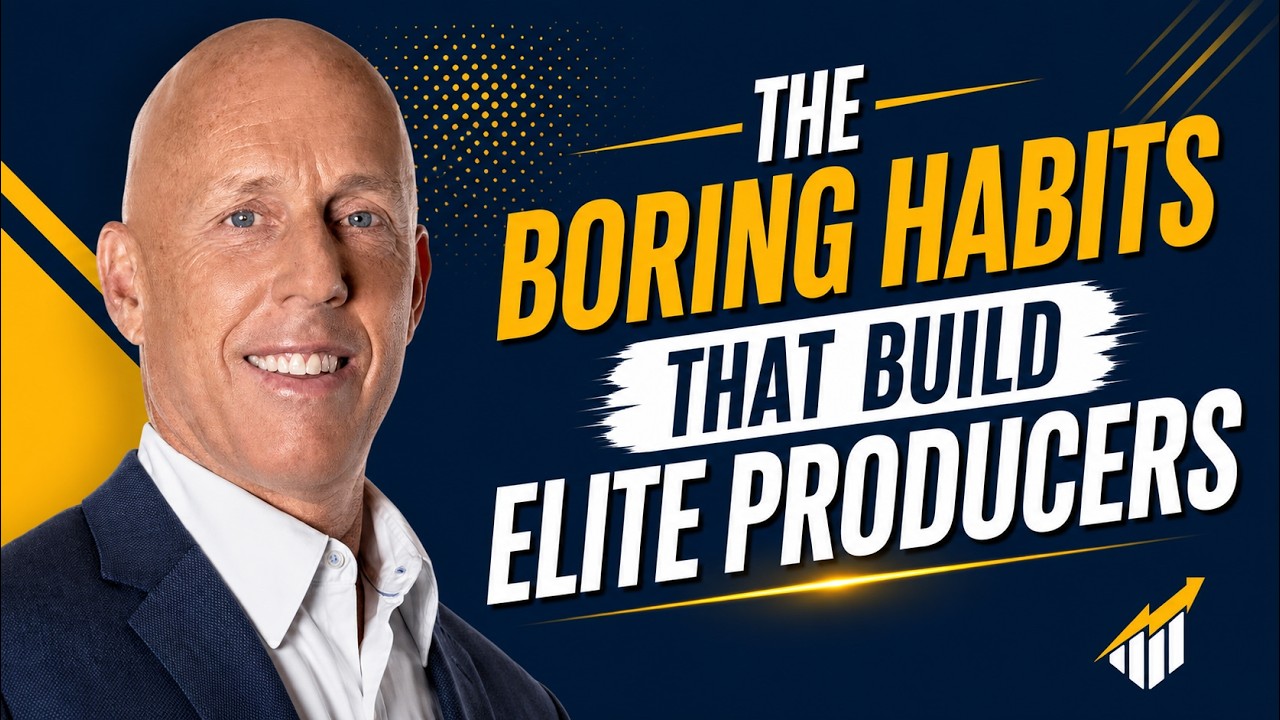
Dan Michelini, VP of Sales at Acrisure, argues that insurance sales managers need to shift from oversight to coaching. He shares daily habits like activity metrics and morning routines, and explains why consultative selling and personalized mentorship matter more than traditional management.
Chapters
You know, it's, it's a bit of a cliché, but, you know, it's really kind of, you know, control what you can control, right? And, and don't get, you know, too worked up about things that, that you can't control.
Hey, hey, welcome back to the Accelerate Your Insurance Sales Podcast. Andy Neary here, CEO and founder of Complete Game Consulting. Today, I am joined by Dan Michelini, Vice President of Sales at Accrasure. Dan is head of sales out west, overseeing financial services ranging from commercial insurance, employee benefits, personal insurance, and cybersecurity protection. By developing a tech-enabled platform, he and Accrasure have revolutionized how employers manage their financial needs, resulting in increased efficiency and client satisfaction. Dan, welcome to the show.
Glad to be here. Thanks for, thanks for having me. Looking forward to, uh, to chatting.
Yeah, no, we had a— I enjoyed our first conversation offline. And if you're watching, uh, the, the episode today on YouTube, Dan is on the road joining us from Naperville, Illinois, which is not your headquarters. You are out west in California. Um, but Dan, let's just start with the question I love to ask everybody. You know, most of us did not get in this industry by design. It did— for, for most of us, it found us. How did you end up Yeah, great question.
And I certainly fit that profile. You know, did my undergraduate work at the University of Notre Dame and I'm going to give away a little bit around my age because I accepted a job with Arthur Andersen's consulting division. And between the time I accepted the job and I started 6 months later, it was then Andersen Consulting and then ultimately became Accenture about, I don't know, 10, 15 years later. And I started my career, was literally coding, again, giving away my age a little bit, COBOL II and DBII in the telecommunications industry. Did that for a couple of years, headed back to California, went to business school at Cal. And then after that, actually went back to the Arthur Andersen side of the house in their consulting division and then did a variety, did that for a few years, did a little bit of private equity venture capital. And that led to—
Yeah.
Kind of 3 different early-stage tech startups. And then, you know, woke up one day and, you know, had a wife, 3 kids, was traveling like crazy, and just kind of felt like I wanted to do something where I had a little bit more control and flexibility and really wanted to build something on my own. And a high school classmate had started an agency. You know, about 15 years prior and was looking to expand. And, you know, initially, I was like, you know, I'm not going to go sell insurance. You know, that just was never on my radar. But when I took a little bit closer look at the industry, there were a lot of components to it that, you know, I thought were pretty interesting in terms of, you know, ability to really kind of build a business. I think at that point, it was transitioning a little bit. Starting from kind of just a pure product sale to a little bit more of a consultative, solutions-oriented sale. So, ultimately, jumped into it, kind of started our own thing. It kind of looked like a franchise, but it really wasn't. But built our own team and I mean, I was 37 years old at the time, so didn't Didn't grow up thinking I wanted to get into the insurance industry. And then ultimately, you know, really kind of started to build an agency with the type of people that I wanted to, you know, frankly compete with on a daily basis and did that for about, you know, gosh, 14 years and then ultimately sold to Accrasure where I remain today.
Yeah, I definitely want to talk to you about that because you were president and CEO at Felice and had a successful acquisition to AccraSure. And I've had a lot of peers in the industry who have also had that same successful acquisition to AccraSure. So, I definitely want to get your thoughts on that. But a couple of things I'd like to unpack. So, Notre Dame grad, as you can see, I'm wearing a Wisconsin shirt today. Big game coming up. They kick off this year at Lambeau. Do you think it's even going to be close?
You know, look at Notre Dame has struggled in the early season with Marcus Freeman. So, you know, candidly, and I'm typically pretty biased, but objectively, I think Notre Dame's the better team. But, you know, you never know what can happen in the first game of a year. And, you know, I think Luke Fickell's a great coach. They've certainly struggled a little bit, but, you know, the whole The whole environment around college sports is so weird right now with NIL and the transfer portal. And so, you know, I have not tracked kind of what Wisconsin has done since the end of last season. But, you know, Wisconsin usually plays kind of tough, hard-nosed Midwestern football. So I was actually at the game with my wife, you know, a few years ago when they played at Soldier Field.
Mm-hmm.
You know, and Notre Dame ended up winning by, you know, a couple of touchdowns, but they were losing in the 4th quarter, if you remember that game. And then they had a couple of turnovers and, you know, ended up kind of pulling away. But, uh, um, you know, it'll be, it'll be a great, a great game against, you know, 2 good programs and obviously, uh, a venue that doesn't host a lot of college football games.
So, and a great venue, right? Lambeau Field. Yeah, I've been, um, I've been a struggling Badger fan, I must admit. I mean, when they, when they hired Fickell, I think it surprised people. But it was always also like, holy crap, we just got Luke Fickell. And it's, uh, it hasn't materialized into this. It's almost— it's a similar feeling when Nebraska hired Scott Frost. It was like, okay, Nebraska's coming back, they're here. I felt the same way. And it's just like, man, it just hasn't worked out that way. I think part— you know, you go back to the whole NIL thing, Dan. I feel like schools have to make a choice. Are you gonna play the NIL game or not?
Yep.
And I, I think Wisconsin hasn't fully committed to that, which is why you're seeing some of the better athletes— like, we just lost the best basketball player they had to Duke because Duke shelled out 7 figures for the guy. You can't, can't compete with that.
So no, you can't. And, and, you know, the purist in me doesn't, you know, uh, doesn't like it. You know, I used, I used to think a scholarship and free room and board was, uh, you know, a pretty good deal. But, uh, it's, it's pretty insane right now. And, and you're right. I mean, It's so driven by NIL. If you're not going to be competitive there, I mean, you look at Dabo Swinney, right? He kind of tried to stay away from the transfer portal and all that stuff and didn't work. And so he's kind of engaging now just as a means of survival. So yeah, it's, I don't know, they need some more guardrails in the college sports environment to kind of maintain some parity. Yeah, for sure.
I think this thing with the quarterback at Texas Tech, Sorsby, is really opening eyes. Here's a guy who blatantly gambled on his own team and NCAA said, okay, that's fine. And I think that's making people wake up.
Yeah.
Well, we could talk sports this whole show if we wanted to, but it is an insurance podcast. So, one other thing I would love to— I always ask the guests when they come on the show, what's one thing most people don't know about you? And you had mentioned that you're a big Ryan Holiday fan and a big believer and follower of Stoicism, which got the book. I've got one of Ryan's daily journals here. What is it about Stoicism that resonates with you?
It's a bit of a cliché, but it's really kind of control what you can control, right? And don't get too worked up about things that you can't control. And that's helped me as a leader and kind of disseminating that to my team. I remember a couple of years ago, I've got my morning routine that I kind of do every morning, and one part of it is the daily don't Daily Stoic email, you know, and it's a one-minute read, right? But I always find it kind of, you know, sets me up for the day, right? And then, you know, I introduced it to, you know, literally my whole team and, you know, and not all of them embraced it, but a lot of them did. And, you know, and we'll have, you know, if there's something that particularly resonates with somebody or resonates with a situation that we're dealing with, you know, there'll be some interaction. in the morning about it. But, you know, it really just— my, you know, one of my sons actually introduced me to it over, you know, COVID. And so, you know, I've— I just feel like it kind of puts me in the right mind frame to go about my day, both, you know, professionally and personally. And I've just really enjoyed it. I think Ryan Holiday does a, you know, a fantastic job with it. And, you know, written some good books that are, you know, to me meaningful and easy to read, you know, and I kind of like easy-to-read books, to be honest with you. So, yeah, it's just, you know, it's just kind of part of my daily routine to kind of put me in the right mindset to attack the day.
Well, I'm going to ask you about your morning routine here towards the end of the show because I do want to dive into that because I get excited about that stuff. You know, it's funny you brought up The remaining calm, remaining consistent. You know, every year I choose a word that I kind of want to define the year for me. And this year was wisdom. And one of the things I think that defines wisdom as a leader is being calm amidst the chaos. And I'm sure that's something you had to learn when you were leading police and now Akershire as a president, CEO, West Coast sales leader. You probably have to remain calm. You have to be the calm in the storm.
Yeah.
storm when you have producers you're dealing with that probably are all over the place emotionally when it comes to sales because it's so easy to do. Sure.
Yeah. And it's, you know, I always— 100%, right? And it's, you know, you— when you're in a production role, right? I mean, it is chaos and you lose some deals where you're like, How did I lose this deal? Right? And and you kind of have to just show that, you know, stay calm and show the grit and the resilience that you know are required to you know stay true to your habits and your behaviors and and be consistent. And you know you can't get overly you know frustrated when you lose a deal, just like you know you can't get too full of hubris when when you win a deal because you know I've I always tell a story. 5 years ago, we hired a young kid and it came to him because he was fresh out of college, year or 2 out of college, and he was selling kind of high-net-worth life insurance. And I don't even know how he got me on the phone because I usually just avoid those things. But happenstance, we started talking and by the end of a 30-minute conversation, I said, look, There's 2 things that I'm very certain of right now. Number one, I'm not buying life insurance from you, but number two, I want to hire you and can give you a better platform to build a book of business with a recurring revenue model. And I think you would be fantastic at it. And we were able to hire him and he came on and I vividly remember he was probably 2 years into it. Every day, the kid's got a plan. He's a hard worker. He was having some success. He was experiencing some failures and he was going after a big deal and he did everything right. He brought the right people in and we all kind of collectively worked at it. And it was one of those where we thought, okay, we're in a really good position. Didn't get it. And it was his first one where he was like, oh, God, how did we not get that? And he was really frustrated. And I just said, look, You're going to be in this industry a long time and that's going to happen, right? But the flip side is you're going to win some deals that you're like, I didn't think I was going to win it. And literally, like 2 months later, he was working on a deal. It wasn't as big of a deal. Got to a final presentation, met with the CFO, and the CFO tells him, look, I've been with this individual for 10 years. He's my guy. He's actually one of my closest friends. He's a competitor, but he's a very close friend of mine, and he's really good at this. And the young guy said, you know what, I know who he is, and he's really, really good. But who do you think is going to work harder for you? A guy like me who's been in the industry for just a few years and I'm building my book of business, or a guy who's already made it? And he kind of left him with that. 2 days later— 2 days later, the guy called him up and he said, you're my guy.
Wow.
And so, you know, it works both ways. But you're right, you kind of have to stay even, you know. I mean, that's kind of a life lesson, right? Not just in business, but don't get too high, don't get too low, whether it's your personal life, your athletic life, you know, whatever, your professional life. And just stay consistent to your values and to your habits and behaviors. And ultimately, This is a business that I really believe is pretty binary, right? If you come in and you have, as a producer, if you've got the daily habits and behaviors and you're consistent with them and every day you wake up and you've got a plan, you'll be successful in this business. We're not curing cancer or we're not— you don't need to be the smartest guy in the room, right? You need to Have a focus on your clients, and you need to understand how to approach your clients and prospects and make it a bigger conversation than— we call it kind of above-the-line conversation, right? Don't just talk your insurance products. Understand their business, how different risk management strategies impact their business. But if you stay true to and consistent with the right behaviors and habits, you're going to You could be very successful in this business.
There were so many nuggets in the last 3 minutes. I hope everybody heard. This advisor you referenced, I mean, it's so easy to take a loss, especially early in your career, as devastating. I think a lot of producers take it personally. I know I did when I got in. Every loss was somehow personal.
Oh, it used to drive me crazy.
But big wins, it's also easy to become your own biggest fan. And you got to be careful of that too. And I love what I hope any advisor who's still new in their insurance career listening to this heard was how that young man used his inexperience and sold it as an advantage rather than a disadvantage. That's phenomenal.
Yeah. No, he's a— and he's just continued to be one of our best. You know, I always say if I could hire 10 Alexes a year, we'd be in really great shape.
I'd be curious, Dan, because you came from another industry, and I always love, you know, when somebody does come from another industry who gets a chance to see how that said other industry has operated as compared to insurance. You coming from a consulting background at a very large organization into the insurance industry, which at the time you came in was still very transactional. Was there anything that surprised you because you came from the consulting world into selling insurance?
Well, it—
Or did you see big differences maybe coming from a consulting background and into what you were doing day to day in the insurance world?
Yeah, I think you hit it right on the nose there. I was surprised at how transactional it was, right? So, I came into the industry, you know, I had I had had a fair amount of success in my career and had made some pretty good money. We had taken a company public. And I mean, I felt like, okay, I had a good network, right? And I came in trying to take a little bit of a different approach, less transactional, more consultative. And there wasn't a huge appetite for it. It's like, well, what are the rates? Right. You know, and, you know, so that was a little bit surprising. You know, I mean, I go back, you know, and I tell, I tell, you know, all of, you know, probably they're probably sick of hearing it. But, you know, this was before, you know, kind of LinkedIn was a thing. And, you know, and, you know, there was a lot of cold calling. And so I was 37 years old and, you know, for the first 6 months, The last thing I did every day was I had a list of 100 companies I was calling the next day, 100. And I was— you talk about habits and behaviors— every day, every day. And you make 100 cold calls, if you get 10 connects, that's a good day. And of those 10, if you can get 3 or 4 people to actually engage in a conversation. And it was frustrating because I was— I'd had some success in my career. And I mean, I remember vividly a couple of times driving home at 7 o'clock at night in San Francisco Bay Area traffic, literally like tears, like, what did I do? I got a wife and 3 kids. This was crazy. What a stupid career decision. But about 3 months after I just kind of going back to how this business works, like 3 months after I started, I got a connect. It was actually my father-in-law had brought me— it was Father's Day and we were together and he had brought me the top 20 employers in Sonoma County. He lived up in Sonoma County. And some of these were companies that we weren't going to get, but added them into my list. And so, I called this company, one of the companies I called, and I get a connect and she's talking with me and she's like, yeah, we're not really— and at the time, this was a 300-life company. And at that point, I knew a little bit about insurance. So, she's like, yeah, let's meet. We'd love to talk. And over the next— it was a 30-day sales cycle. Literally, after 30 days, they signed a B of R over to us, right? And I was like, you get one of those wins, you get some confidence, and all of a sudden, your pitch becomes a little bit more confident, right? And you're like, you've got a data point, a proof point that, okay, yeah, what I'm selling actually does resonate. Maybe I need to adjust how I'm selling it. But you get some of those wins and it starts to give you— I mean, a month later, I sold a company a small deal. It wasn't a big deal, but the controller is somebody that 25 years later, she has become like this crazy successful rent-a-CFO, right? Every time she brings on a new client, She calls us, then she gives us the business. And I mean, we're talking millions of dollars in revenue over the last 20-plus years of deals that she's referred to us. So, again, kind of just goes back to stay consistent, right? And you've got to have some grit and some resilience to— you said stay calm in the face of chaos and couldn't agree more with that.
Well, I think your advice too around sales activity is important for everybody to hear. If you're complaining about your sales, nearly 100% of the time, it's because you're not doing enough activity. Sales is purely a numbers game. And if you ever want to look at— if you ever are looking at your pipeline, it is not as full as you want it to be. You're feeling like things are slowing down. Go back 90 days and I can guarantee it correlates with a lack of activity.
Yep.
There's nothing sexy about this game.
No, it's not. And you look at like if you go back and hindsight's always 20/20, but I look at our best hires and they're the ones that they know, look, you're going to lose business. Company's going to get acquired. They're going to go out of business. They're going to hire a new CFO that's got a 20-year relationship with one of your competitors. And so, if you want to grow your business, you've got to add new logos every year, right? Because look, if you can get to a retention rate of 90%, 92%, 94%, okay, that's great. And some years it's going to be higher and some years it's going to be lower. But again, it just gets back to that consistency and having that activity. And that activity changes, right? Once you build a big book, you've got a lot of referenceable clients and you've got a network and you can get referrals that way. But you still have to, you know, I mean, I remember earlier in my career, right? You know, I coached all my kids, you know, sports teams. And, you know, it's amazing the number of, you know, opportunities I got from parents of kids that I coached. They're like, oh, this guy's a pretty decent coach, seems like a good guy. What do you do? You know, hey, you know what, my company, and, you know, or, you know, networking groups, or, you know, you're Your church or whatever it might be. And again, not that I was never out there, here's my business card, but you develop those relationships and a level of trust with people and they start asking you. So, yeah, the activity is, again, that kind of goes back to my point around it's a pretty binary business. If you have the right habits, the right behaviors, you're doing them on a consistent basis, You're going to generate activity and you're going to win business.
Yeah, it's funny. I talk to a lot of producers who have a fear of sounding salesy and therefore they don't generate sales. And my advice is to them, if you believe in what you sell and you believe it helps people, you have an obligation to tell people. And I think everybody has a network. They just don't realize it. In your case, you're coaching, you're out in the community. If you're willing to look people in the eye and say, listen, I know what you do, I know who you are, and I know we can help you, you will generate activity. You have to let go of that, I don't want to sound salesy. And you can't assume they know what you do and are going to ask to talk to you. You have to tell people you can help them.
Yep. Yep.
So, I'd love to know from you, Dan, because you've been a successful producer, also a successful sales leader. This might be a 2-part question. What would be your advice to a young producer today who is striving to become that, let's call it, 7-figure producer? And what advice would you give to a new, maybe younger sales leader who's just starting to mentor others and lead a sales team? What would be your advice?
Yeah, you know, for a, for a new producer and, you know, I just hired one. And he's younger. He's been in a sales position, not in our industry, for the last couple of years, got referred to me. And what I told him was he's going to join a team of 10 client advisors, 10 producers with varying levels of experience and expertise. Some of them are small group specialists, some of them are complex risk, mid-large group.
Right.
So, he's got a built-in kind of tribe, if you will, and mentors. And I look at all of our— myself included, how I learned the business is I set up meetings and then I brought somebody in and I listened.
Yeah.
How do they articulate our value proposition? How do they answer questions, overcome objections? How do they kind of ask questions around the business? that aren't specifically directly related to insurance per se. So, again, you've got to come in with, and I probably have said this 10 times in the 30 minutes we've been on this call, but you got to have a plan. We'll help you establish that plan, but you got to have a plan that you stick to. The other thing that I told this new hire is you've got to be the most energetic person on our team.
Right.
You've got to bring in positive energy every single day because that's going to resonate not only with our team, but it's going to resonate when you're talking to prospects as well. They're going to understand it. You know, going back to this kid Alex, this kid's energy is infectious, right? I mean, it's, it's, it's so good and, and so effective, not only internally with his colleagues, you know. So, you get some of these grizzled veterans, guys like, you know, my age, and, you know, We know this industry, the average age of your producer is not 30, right? It's closer to 60, right? And so, you know, sometimes we need that jolt of energy, right?
Yeah.
And, and so, you know, come in with a plan, execute on that plan every single day, bring a high level of energy, and be more of a listener than a talker, right? Both internally, you know, you've got a wealth of experience on this team that is very willing to mentor you. train and develop you, but also when you're talking to prospects, right? And you're going to ask questions and listen, right? Don't— you know, we all, you know, you get on the phone with a prospect and first thing you want to do is talk about how great we are. Here's what we do, and we do this and we do that and everything.
And it's like the old capabilities slide.
Exactly. You know, ask some questions, get them talking, right? Learn a little bit about them personally, about what some of their challenges are, and then kind of weave in some of the things that we do. But we always feel like, oh my God, I've got 3 minutes before to make an impression. And that's kind of back to the transactional. And so, that would be my advice. From a sales manager perspective, I'm big on servant leadership, right? And so, to me, it's like, how can I help You, right? What support and resources do you need to be successful, right? And that's going to vary by producer. Sometimes it's like, hey, organizationally, we need to get better. You know, we need to incorporate and build out more AI capabilities, right? You know, others, you know, younger producers, you know, hey, I'm struggling, you know, with how do we, you know, I'm struggling getting our value proposition or I'm struggling with, you know, what Questions to ask, right? And to me, there's a big differentiation between being a sales manager and coaching individuals. Sales manager, you're tracking activity. How many calls did they make? How many meetings did they set up? Ultimately, the ultimate barometer is how much business did you sell? But that's kind of the management side of it. To me, the coaching side of it is really much more important. In terms of the underlying reasons for why they're struggling or why they're being successful and coaching them through that. And so, to me, that's a lot of one-on-one stuff. It's a lot of— I always say we have an obligation to create an environment and put an infrastructure in place where our advisors, our new advisors can be successful. And so, you know, I think, I think the coaching is more important for a young sales manager than the, you know, the management component to it.
I love that you said that because there is definitely a big difference between a sales manager and a sales leader. And a leader is a coach and a leader recognizes a manager is the one tracking activity and then beating people over the head with a stick when they don't meet that activity. Whereas a leader is meeting people where they are because not all producers are the same and coaching each producer, every team of producers. is made up of a bunch of extroverts and then introverts, and they need to be coached differently. And so I love that you said that. That's great advice. And, and the same thing true for a producer. An underappreciated skill of a new producer who comes in with that positive infectious energy is you can actually reignite, rekindle the veterans and their excitement for what they do. I've seen that happen inside agencies when you bring this young, energetic, let's go take on the world, and all of a sudden your 30-year vets are like, I'm kind of getting back in a groove that I haven't had for a while.
Without a doubt. Without a doubt. And that was one of the strongest pieces of advice I gave this new hire who's going to be starting with us here a month from now. It's like, you have to be the most energetic person on our team. So, yeah, I actually coach high school basketball as well. And it's interesting. I've just kind of realized through that journey how much coaching salespeople and coaching high school basketball players, the combination, it made me better at both of those jobs, right? Because not everybody is the same.
Yeah.
Some people, you coach with the stick and some people you kind of have to coach with the carrot a little bit more and how you communicate with them. And to me, It's like effective communication with your players or your employees or your clients or prospects can cure a lot of ills. And so, the coaching part of it is extremely important.
Yeah. Well, with basketball, your sport?
It was. It was. It was. It was.
You play hoops in high school?
I played hoops in high school. And then, fun fact is really the only coach who really recruited me to play college basketball, and this was at a Division III school coming off, I believe, was a 2-26 season. And the head coach was Gregg Popovich.
Really? What school was it?
Pomona College down in Southern California.
Is that now what's known as Pomona-Pitzer, or is that a different school?
So there's Cal Poly Pomona, and then there's Pomona-Pitzer. Yeah, so it's one of the Claremont colleges.
Yeah, yeah, yeah, yeah. Really? And he was a 2-26 coach at a low-level college?
You know, I think his recruiting budget was probably $180.
Wow, that's an awesome story.
Recruited a few kids from our high school and liked the way we play. And I sat down with my high school coach and, you know, and I'm like, it was either Notre Dame.
Yeah.
And I tried to walk on at Notre Dame, but didn't make it. But, you know, my high school coach was like, you have been on a plane once in your entire life. Get out of California, go experience the world, grow up a little bit. And it was great advice.
Who was the head coach at Notre Dame at that time?
Digger Phelps.
Oh, yeah. Digger Phelps. Yeah, yeah, yeah, yeah.
Okay. So, Digger used to have one walk-on every year.
Okay.
So, there were 3 days of walk-on tryouts, right? The first day, there's 150 guys out there. Second day, they cut it to, like, 50. Then the third day, they bring 12 guys back, and then you just play, right? And so, I got to the— I got to the third day, and then, you know, Didn't, didn't make it. Didn't—
That's awesome.
I mean, I was— yeah.
That did— Digger Phelps was— I loved, I loved him as a, as an analyst for ESPN as well. Um, well, one more quick topic and then we'll wrap this thing up here. Uh, I did mention at the beginning, I was curious, you know, you in 2022, you, uh, were the president and CEO of Felice, who then sold to AccraSure. And I'd be curious just to know your thoughts or your opinions on this. Um, Dan, what, what do you think you guys were doing right? If you could put your finger on it, what do you think you guys were doing right at Felice that made you, uh, an attractive acquisition for AccraSure?
Yeah, so, so it was actually 2017.
Oh, I'm sorry. Okay. I was reading your LinkedIn profile. I must have misread that. I apologize.
Well, it's, you know, the AccraSure model was a little bit different, right? Because, you know, post-acquisition, you know, back then we continued to operate with our own brands, right? And, And then, it wasn't until 3, 4 years ago where we kind of established the Accrusher brand. It was interesting. So, we were never for sale, but because we were— Felice altogether was about a $40 million agency. Everybody was always reaching out to us and we would have conversations and everybody would say, hey, Hey, we love your team. We love your client list. We love your position in the marketplace. We love some of the services that you guys have developed. We want to acquire you. And then we want you to stop doing business the way you do it and start doing it the way we do it. And it was always like that didn't really resonate, right? And so, then I remember in December of 2016, I got a call from Greg Williams and someone had said, take the call. So, I took the call and we had a good conversation, but I was like, hey, Greg, you know what? We're doing great, right? We're growing. We've got a wonderful team. Appreciate the call. And he's like, look, can we just— will you have dinner with me? I said, okay, I'll have dinner with you. So, he comes out after the holidays and we had myself and a couple of people on my team. We had dinner with Greg and he basically said, I don't want you to change a thing, right? I just want to provide you more support and resources. and let you guys continue doing what you're doing, right? And we were an EB-only shop. We didn't have P&C capabilities. This would provide that to us and provide us a little bit more global scale for international benefits and stuff. And so, ultimately, we sold AccraSure in the spring of 2017, and we did operate independently for a while, for a number of years. And then ultimately, we got to a point that was on a an internal committee where we were like, we need to launch the Acrisure brand, right? And because we'd go into situations where I'd have a Felice card and I'm bringing in a P&C producer to— and they'd have a different card. And it was just like, oh, I thought you guys worked for the same company. It was just a little crazy. And so ultimately, we launched the Acrisure brand and everybody reflagged under the Acrisure brand. And it's been great. Not without, like, the integration that we've been going through over the last 3 years has no doubt been challenging, right? Just the brand was the easy part, but all the systems, I mean, from payroll to agency management systems, we implemented Workday during this time frame. There's a people component to it as well, right?
Definitely. People to recognize. There's people involved in this.
Yeah, there's people involved in this, right? And so, and all the time you're trying to build this culture where people want to be. And look, have we been perfect in this? Not at all, right? I mean, you know, we learn as we go along and we continue to try and get better and really accentuate the positives that we have and But to me, it's, look, we're big in technology and in AI, but we also, the human part of that business is really important and the relationships that you have internally and the relationships you have with your clients. And so, you try and find the right balance between employing technologies that are going to allow you to more effectively and comprehensively serve your clients, but without taking away kind of that human touch in those relationships. And so, we learn every single day and try and get better at it every single day. And it's, look, I mean, it's nothing that's not public. We announced 8 weeks ago that we're We're doing a 2,200-employee headcount reduction as a result of some of these technologies that we're employing. And no one feels good about that because there's humans involved, right?
Yeah.
But at the same time, you have to take advantage of the technologies that are available or the offshoring that's available for some of these more administrative back-office tasks. And that's one of the differences between being a regional agency versus being part of a private equity-backed organization that pays a little bit more attention to those things. And so, you try and navigate it as best you can and show the appropriate sensitivity and empathy for those that are impacted. And I think we're doing a good job of that.
And 9 years removed from the acquisition, any advice you would give to another agency owner who might be listening in that is at that point of considering offers?
Yeah. I mean, I think that valuations have gone down, capital markets have changed, right? And so, don't be stuck on multiples that some of your friends may have gotten 5 years ago, 9 years ago.
They're not out there anymore.
You know, and, and, and the one thing that I would say is, you know, if you're gonna do it, do it for the, the right reasons. And, and if you're gonna do it, come in re-energized so that you, you know, you, you don't sell to kind of walk away, right? Because that doesn't do anybody any good. And the one thing, you know, one of the reasons I'm still here, you know, one is because I'm just not a retirement guy. I still really enjoy, you know, working with my clients and I love my team. But I also want to make certain that— I mean, we brought a bunch of people into this that weren't shareholders. I mean, we tried to share the wealth with everybody, but ultimately, I want to make certain that this works for them. And one of the things that I'm most proud of, of the 120,000-plus people that 120 people that we brought into this, you know, 9 years ago. I don't have an exact account, but, you know, I would say 105+ are still with us 9 years later.
That's awesome.
Right? And so, you know, I think that speaks to, you know, hey, it was a pretty good landing spot. And we continue to, you know, do the best we can to make certain it works for everybody.
People over payday.
Yeah. It's, it's, look, it's, it's huge and people recognize that, right?
Well, hey, it's been awesome talking to you, Dan. I love the conversation. Uh, I know we're a little beyond what I probably said. You got a couple more minutes? 'Cause I, I'd like to go into my lightning round of, uh, letting people get to know Dan Michelin.
Sure.
You cool with it?
Sure. Okay.
I'm a, I'm a man of habits and rituals, so I, I'd love to learn more about what you're doing on a daily basis. Uh, at the beginning of the episode, you talked about your morning routine. I am a big, big morning routine guy. What does, other than reading your Daily Stoic, what does the typical morning routine look like in your life?
Well, you're going to laugh and some people may think, what, this guy's weird. But I do 4 things every morning. I do my Daily Stoic email. I get a daily prayer from University of Notre Dame. It's kind of their version of the Daily Stoic. I do Wordle.
Is that to get your brain going?
It's to get my brain going. And then I do a thing called MapTap, which is a geography thing where it brings up this map and they give you— you have 5 different pinpoint where Nigeria, a city in Nigeria or a city in the United States, and you do it. And it's just like, you know, I find it educational because you think you kind of know it and you're like, holy smokes, I have no idea where that is. So, those are the 4 kind of, you know, things I do. That's—
Yep.
First, when I get up, then I always get a workout in. I just feel like, you know, getting that morning sweat in. And then, my wife talked me into getting a sauna put in our backyard a few years back. And I take a 20-minute sauna at 175 degrees and then shower up and start my day. Yeah. So, just—
Are you a geography guy?
I'm not, but it's like— Okay.
I am. I love reading maps.
Okay.
And it's funny, my fiancée will, every time she catches me looking at a map on my phone, she goes, oh, there we go again, your map porn. She calls it my map porn. But I, I have a game on my phone that's the same thing where it will, it'll show a picture of someplace in the world. Literally, it could be a street corner in a city in the middle of Spain.
Right.
And you have to try to figure out where it is. I just, yeah, I absolutely love it.
So, yeah. Yeah.
That's awesome. Okay. So workout routine. You have 60 minutes to do a workout. What's your go-to workout?
So, my wife laughs at me because, one, I'm not a social fitness guy. We've got a little workout room in our house. And I do, first off, I've always kind of struggled with back issues, nothing major, but I do my back kind of flexibility routine. I do core work. 20 to 30 minutes of lifting, and then I hop on the Peloton for a half hour.
I like that.
And it's just, you know, I don't have to think about it. I'm just like, this is what I'm going to do. I get my sweat in. And I just, you know, again, it's one of those things, if I don't get a workout in, like, you know, this morning, up at 6, down in the hotel gym, just kind of getting my workout in. And it just kind of One of those things that makes me feel better about me and allows me to be a better version of myself.
So, creature of habit.
So, I do it.
Yeah.
Yeah.
If you had an afternoon to yourself, what would you do? No kids, no family, just you, Dan. What are you doing?
Probably grabbing a buddy and hitting a golf course. Love to golf. You know, it's, to me, it's a great way to kind of Relax and frustrate myself at the same time and spend time with friends. So, I like to get out and play golf pretty regularly.
Makes you realize there's a reason you get paid to sell insurance and not play golf, right?
Oh my God.
It's just— Last question, then we'll let you roll here. Any books? I know obviously you're going to recommend any Ryan Holiday books, but any books that you've read or any podcasts you've listened to lately you recommend?
Well, a podcast that I listen to pretty regularly is Scott Galloway and Kara Swisher, Pivot. I don't know if you know who Scott Galloway is, but—
I've heard him on other podcasts.
Yeah, he's got a couple of them. He's got The Prof G. So, Scott and I were great friends. We went to business school together.
Okay.
And along with his first wife, great woman. And so, I like Scott's thought process on a lot of things, pretty aligned. He can get out there sometimes. And then, the book I'm reading right now is a book called— it's the history of Palo Alto, the city in the Bay Area. going from way back. And it's actually a Father's Day gift from one of my sons.
Right.
And just kind of going through the history of Palo Alto and Silicon Valley. And it's not one of those easy reads. It's about an 800-page book. But it's having grown up in the Bay Area and grown up when Silicon Valley kind of exploded. It's pretty interesting. And then, for pure kind of entertainment, thoughtless reading, I'm a big Jack Reacher fan. So, Lee Child and the Jack Reacher series.
Okay.
So, that's my vacation, sometimes airplane reading where I just kind of want to chill and not work the brain too hard, but just enjoy Love that.
Well, Dan, it's been an honor to have you join the show. I know you're a busy guy, so thank you for taking the time to be here. If somebody listened and was inspired and wanted to reach out to you, maybe producer who wants to go to work for you, what would be the easiest way to get in touch?
Yeah, easiest way is my email address, which is dmichelini@acresure.com. So, anybody's interested in chatting or if anything I said resonated, happy to chat with people. I think as we get older and more experienced in this business, I'm a big proponent of kind of paying it forward and helping people in the industry out, whether they work with Acquasure or not. And so, happy to chat with anybody that may want to. They want to engage.
Dan Michelini, everybody. I hope you took a lot of notes on this one. There was a lot of gold dropped here on stoicism, successful sales tips, and agency leader tips. So, Dan, thank you. Everybody else, be good. Have a good day.
More from Andy

Stop living in the gray of maybe! Your job in sales is to get a clear yes or no


How elite producers use “validation” to give prospects the confidence to hire them.

The Transition, every great sales leader goes through: Stop being the hero and develop heroes.




