"You Look Too Young": The Generational War in Insurance Sales
Podcast episode (transcript) of Andy Neary interviewing Stephanie Handshoe about generational change in the insurance/employee-benefits broker channel. They discuss an upcoming wave of retirements, how agencies must adapt (AI, branding, networking, tools), recruiting and onboarding younger producers/interns, mentorship, cultural shifts (office presence, collaboration), and practical hiring signals (eagerness, coachability). The tone is conversational, advisory, and practitioner-focused.
Chapters
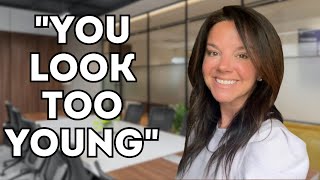
I was sitting in a room with a CEO and a cfo, and I'll never forget it. I had a CFO look at me and tell me, you look too young. You can't talk to me about my benefits. I think the mentality of the younger generation, not knowing or not not being able to talk about things because they look young, I think that mentality needs to kind of go out the door because they're very intelligent and they catch on very quickly.
Hey. Hey. Welcome back to the Accelerator, your insurance sales podcast. Andy Neary here, CEO Complete Game Consulting. I'm excited. I am joined today by Stephanie Hanshu.
Hi.
Principal.
Yeah.
Benefit consultant with Palmer and K. Stephanie, welcome aboard.
Thank you. Thanks for having me.
Yeah, you bet. We're gonna have a fun conversation today because for those tuning in, Stephanie and I are about the same age and you look at the industry today at large, we have a big wave of folks who are probably going to be retiring in the next five years. Right. We've got the desire to bring in the wave of the. The younger generation, the Gen Z. What's below Gen Z now? I don't even know.
I don't even know. I. I know I should know this, but I don't call it the snowflakes.
Or something like that. I don't. I don't even know. But anyways, we're gonna have a conversation of. Okay. When you're in the middle, like we are.
Yeah.
Well, how. How do you get an agency ready for that change? Because that change is coming here very soon. And one of the things I see a lot, Stephanie, is, you know, a lot of agencies being slow to adapt to evolution.
They are.
We tend to be proud of the past.
Set in your ways.
Set in the ways. And so we're going to talk about that, but before we get there, I would love to know just kind of a little bit of your background for the people don't know who you are. Most of us did not get in this industry by design. Yeah. How the heck did you find yourself in the insurance industry?
Oh, my gosh. Yeah, So I fell into it. Literally fell into it. I was working at a company that went out of business. They literally closed their doors the next day. And I was looking for a job and knew the manager at a large firm that was looking for a receptionist, and that was the only job she had. So I started as a receptionist and have worked my way up in every aspect of the broker world. So. Fell into it.
So did you start as.
Was that with Palmer K. No, that was with Willis. So I started. Yeah, so I started as a receptionist at Willis, which used to be hrh if you go back in the day.
Oh yeah. With HR Willis, Karoon and all.
Yeah, yeah, yeah. So I started with HRH as a receptionist and then a couple months it was purchased by Willis and started there.
That's really cool. Yeah, we, we have a client, we just did a workshop for him yesterday and I didn't realize it, but one of their executive partners started as an intern, you know, 25 years ago. I just think that's cool when somebody just works their way up versus coming in at the top. So you're now at Palmer K. Yes, Palmer and K. And principal help and run and support the benefits team.
Yes.
Let's start with this conversation. You know, we talked offline and this is how we kicked off the show. There's going to be a great wave of retirement coming.
There is.
And, and we tend to be still be an industry, I'll say it, that is male, pale and stale and, and the industry. I, I think the average age is still around 59 or 60 years old.
Yeah.
In your opinion? I mean, what do you see that transition looking like? Because I think we've been, I feel like we've been talking about it for a long time, but it hasn't happened yet.
Yeah, I, you know, I don't know, to be honest. I think their transition is going to happen and then that, that big wave is going to happen. Right. You're going to have a lot of retirement age individuals leave and then the midd far as you and I are going to be left and how we work and how we operate are completely different than what they are used to. Right. I say set in their ways because they've done this for so long. They've done this for 25, 30, 40 years, however long they've been in the industry. And then for us in the middle, it's, you've adapted to their ways, but you're also adapting to the younger generation waves. So you've got to be able to kind of change your thought process on everything. But I do think the wave is coming and I think it's going to be a bigger impact to our industry than what a lot of people are thinking.
So that is a really good point. And actually, you know, as I think about what angle are we going to take with this episode, that actually makes a lot of sense because we're the next leaders. Right. And a lot of people in our generation are already leading. But your point is we adapted to the older generation that brought us in, but now we've got to be able to train the younger generation. Heck do you do that? You know, and you talk about evolution. Stephanie, I, I've had very recent conversations with agencies that are telling me that they're still evaluating their stance on AI.
And I'm like, you can't evaluate it. Exactly. And the problem is, is that, you know, I love, I love the old generation. I've learned so much for them. I, I give them credit for where I'm at today. But the issue is, is that AI is here and you don't adapt to it. Your competitors coming in, and they've already adapted to it, and they're full swing in it. So. And the, the, the generation that's coming up, they're looking, I call them instant gratification generation, because that's how they are. Right. You've got phones, you've got everything at the tip of your. At the fingertips. So for them, that's what they want. And AI gives them that.
Well, and so let's talk about, let's stay focused for a second on what you and I were trained on.
Yeah.
You know, when I look at, okay, where have things changed a lot since I got in, in the way I was taught to. To now, the one I talk about a lot is when I got in, the sales cycle in the industry looked a little different. It was, go dial, go make a bunch of phone calls and emails to cold suspects, pound them into the ground until somebody submits to an appointment, and then throw a bunch of quotes at them. And if you're competitive, you might win. Yeah. Well, that game has changed a lot. Right. Brand awareness. How are you building awareness with prospects? There's a lot of different things you got to do now that we probably didn't have to do a few years ago. Where have you seen some of that change occur within an agency? Where it's like, yeah, the way I was trained, it really isn't that way anymore.
I would say the networking piece of it. So when I originally started, you networked, but you networked with inside the broker and the vendor and the carrier network. Right. You weren't really necessarily doing a lot of outreach things to meet those individuals. So as we're. We're also in the middle. You also have HR contacts that are in that middle. Right. So you've got that generation that's coming up. So they're out networking. So you need to be out networking. You know, using my edge and Salesforce and things like that is Great. But they're very front face and center.
Yeah, that's well said. I think, you know, you take a Palmer and K and there's a lot of agencies in your space that are, you're big enough, you're regional players, you're still independent and that evolution is going to be required if you are going to stay independent and relevant.
It is.
Now let's flip it and let's go to that younger generation. You had told me offline that you're involved with the interns. But let's start with the challenges. When you look at recruiting that younger generation right now, are there any, anything agencies are getting wrong when it comes to trying to recruit that younger generation?
I, yeah, I mean I think they're, this generation is very focused on resources and what they have access to. And some agencies either they've blocked that off that you can't have that unless you have a certain book of business. You don't get access to those resources. And I think that's a mark that's missed especially in today's world where these mid sized groups and, and, and clients and prospects are needing us more now than larger groups. And so these new producers that are coming in will that, that needs to be there to help them as well. All the resources they need that they're learning, they're growing and they're only going to learn by resources they have access to.
What do you think they're looking for? So resources is one thing, but when interns or the new generation are valuating agencies, so they're at the point that they know they're going to go into the insurance industry, what do you think they're looking for? That, that might be different. You know, if I'm a 60 year old agency executive right now and I think I know what they want. What are they looking for?
Well, I mean outside the obvious, if they want more money. Yeah. They want to know what they're making and who's paying more. I mean it's, I'm going to stand true of where's the growth? Because they all want to grow. So what's that growth potential?
Where can I advance my career?
They're going to want to know that. They're going to want to know that if I advance my career, where is that going to get me in the next three to five years? I feel like when we talk to interns that's what it, it always is. Okay, so I validate, right. I've got an amount that I need to validate to. Where does that, where do I go next step. You know, they, they're, they're wanting that growth and they do not want to be stagnant. So you've got to have a growth plan for them.
That's really good because I think I know when I got in 2002, I think it was two. It was that money was definitely a, a North Star, right? You can make a lot. I still remember the agency I went to work for. The company I went to work for said, you know, our typical sales rep in 3 by 3 year 3 is making 150k.
You're like, yes. Yeah.
But I have to believe, you know, I wasn't thinking about where I could go to advance my career. They are, I think you're right. Today they're looking at that ability much more than even our generation probably looked at 100.
Right. I mean for us, I feel like for our generation it's like, yes, you want growth but you want to have job security. Right? Like you want to be able to say, I have this job for this generation coming up. It's where can I grow? How do I get a higher ranking title? I feel like titles are very important to the younger generations. So where is that title getting me after I validate and I've been here for two or three years? That to me from just talking to the interns, that is a big deal.
What about like cultural elements, you know, do you find, especially with the interns, like as far as the culture of the agency? Because there's, there's goods and there's bads when it comes to the culture within an agency. But are you seeing some, some changes there based on what we traditionally have seen as the model of culture inside an insurance agency?
I do, I see a lot of it. So, you know, when, when I first started it was hey, let's go have a drink after hours, right? You go and you have a drink now it's not now it's hey, we're going to do a 5K or we're doing, you know, like these kind of things.
Let's go have some na beer.
Exactly. We're doing charity work or. But it's a lot of. They want to collaborate and they want to be more of a unity and they want to feel that, you know, and I think that's a big part when I started this, grab a drink after work and then we're about our way. This is not like that. They're doing a lot of things together so it has to feel like a close knit group.
That's important. I Think that I'm glad you brought that up because, you know, one of the things we've been talking with a lot of agencies about lately, the challenge of some still have a pretty loose how many days you need to be in the office? How many days are you virtual? And they're trying to bring people back into the office a little more, and I think they're struggling with that. And that culture of wanting to be part of something bigger than themselves is a big change. Because I think when I got back then, when I got. When I got in, it wasn't, I want to be part of something bigger. It was like, okay, where can I go make some money? And I was also sold that if I sell enough over the years and make enough, I can golf three times a week.
Exactly.
Which, let's be honest, that's where the older Generation still is 100%. The younger ones don't want that.
No, they don't. They. They want to be able to come in. So. And I. I mean, we have a mix of generations at Palmer and K. And you'll see my generation, I'm like, okay, well, can I be home? Because I have my kids, so let me be home. As to where this generation is, I want to go in, I want to be in the office, I want to talk. And that is great. And that's what I think companies are having a hard time with, is deciding, are we going to agree with this generation? Are we going to agree with this generation? Because how are you going to marry both worlds? That's a hard. That's a hard thing to.
When you look back at when you got in, is there anything you see today where you're like, I wish I had that when I got in the industry.
Oh, God. I mean, to be honest, the resources. Because I mean, like, right now, I mean, right now you have AI and you have all these platforms and these tools that can do spreadsheets for you. When I first got in, you were spending days on spreadsheets and you were sending them out. Now it's like a click of a button, everything's loaded and it's out.
Talk a little bit, if you don't mind. I don't want you to have to share too much. But, like, when you define resources today.
Yes.
How would you. Because. Because I think I envision an older executive listening to this going, well, Stephanie, I am giving my advisor resource. I'm giving them an office. I'm giving. I'm giving them a roof over their head, and that all they need.
No, you need More than that, you need tools. You need top notch tools that you can do this kind of thing with. As far as sending marketing. You need benchmarking tools, you need underwriting access, you know, actuarial access, you need legal access. There's a lot of things that you have to have access to, to give these young producers so they can learn and succeed at what they're coming in to do.
Yeah. If you, you know, again, knowing that you're, if I heard you correct, you're pretty involved with the interns at Palmer and K. In your opinion, what is if you're, if you were to onboard a new intern or new advice, a new advisor today, what is that? What is a strong onboarding process look like for that advisor?
It is. I tell every, I tell every intern that comes in. Enjoy it, soak it all up, ask questions, you know, so it's going to be death by, or baptism by fire. Right. Like you're going to learn a lot of stuff really quick. Let's ask questions. I'm going to be in the, in the dirt with you and we're going to figure this out. But I think for them just the onboarding process can seem very cumbersome. But I think if you get it on their level and you stay and stick through it with them, I think it'll actually help them more. But it's strenuous. I mean they're, they're in our, in our program for months and they are, they are going to meetings with us, they are on calls with us, they're doing all of it with us.
I'm gonna flip it now a little bit with that. You know, we're, this, this whole conversation so far is how do we adapt to that younger generation. But I gotta believe there might be a little. Okay, but here's where you need to adapt a little.
Yeah.
And so if, if we were to spin this to the younger generation now, and I am coming into that agency and I'm one of the new young producers, where do I need to evolve and adapt? Because remember, we could argue this is a generation where mom and dad did a lot for them. 8th place trophies exist. Where do they need to adapt a little bit to say, hey, you're here now, this is what you need to do to succeed.
Yeah. The instant gratification part, it's not going to come easy. It's not going to be instant. You're not going to get it right out of the gate and then pick up the phone. If there is one thing that I will say, just it's like, so it just irks me. Pick up the phone. You know, they're all used to, like, text and email and it's like in our generation, you pick up the phone and call someone. So for me, for them, it's, if you're not getting an answer, pick up the phone, call them. And they're like, what? Call them? Yeah.
What's your take on mentorship? You know, do you guys promote a young advisor, finding maybe a mentor inside the agency that they could learn from and replicate and model?
We do. I mean, our team, you know, for instance, my team, I've got an individual that has, I have mentored and absolutely love. And I think, you know, she's fantastic. For me personally, mentoring is probably one of the highlights of my career. It's one of the things I love doing most. So, you know, as I preach to them, I wouldn't give you anything to do that I wouldn't do myself. And there's no stupid question that you can ask me. So I think having the right mentor that doesn't, that's not over you. Over you, but can get on the same level with you, I think is a really big piece. So it doesn't feel like you can't ask questions.
Well, and I think when you think about the mentorship, too, it's a good mentor is also somebody who can, somebody can model, but also be taught from the mentor in the way that the person learning from them can model it, but make it their own.
Agreed.
Versus I'm going to mentor and show you how to do it and just do it like I do it.
Oh, that. That's never going to work. Everybody works differently. Everybody does things differently, and you never know. And I, I, I'm the first. Admit this. I learned stuff from the younger generation all the time, and I' makes my life easier. Thank you for showing me that. And vice versa. For the, for the older generation, you're always learning something.
Do you find going back, if you have an example, I'd love to hear it where you had like, well, that's a really good point we should be doing. Because here's what I think about when I think about the younger generation too, which I. One thing I think they're really good at is when they see something they don't think is a good idea, they go, why are we doing that? Whereas you and I were probably more guilty of just stepping in line because this is the way we've done it. Yeah. The younger generation, I think, is good, is better at questioning what we've always done.
They are. And the good thing is like they question it and then you, you will instantly think, why did I, why have I never questioned that? Like, why are we, why are we doing, you know, we do, we do monthly roundtables with our hr, with our clients, with the HR departments. And you know, we've always said, hey, let's do them in person. Well then you don't get a really big turnout because nobody's coming in person every morning, every. They're doing this. And so somebody was like, no, I think we should do these virtually. And that was like the light bulb. Like, okay, well that makes sense. Like now we're getting double participation for things that we should have been doing years ago.
Yeah, yeah. No, I like that. I think questioning every agency right now should be in a place where they are questioning what they've done and is it still the way things should be done moving forward?
Great.
And that includes what I would define as behavior, bad behavior. I'd love your opinion on this. When you look at a, you know what, what happens within agencies, do you ever see like, what are some things you see are leaders? I'm trying to figure out how I best ask this. Are leaders unintentionally doing things that could be driving good young talent away?
I do, I think when you throw a new young talent, whether it be a producer, whether it be an account manager, whatever level they're at at firm, I think if you're throwing them in to the fire and they don't have the right onboarding, don't have the right mentorship, they don't have the right team to follow and to learn from, you're setting them up for failure. In return, you're setting yourself up for failure. So I think having the right path in taking them down that road is going to, it's going to do you a lot of good as a, as a firm. And it's going to do that employee or that young individual a very, a lot.
Do you ever see any. We'll define as old school behavior where you're like, that's gotta go?
Yeah, this is, here's, this is a true story and it will forever live in my brain. So about as far as at Palmer and Kay. So probably about 10 years ago, I was sitting in a room with a CEO and a cfo and I'll never forget it. I had a CFO look at me and tell me, you look too young. You can't talk to me about my benefits. I'll never forget it. And I, so I Think the mentality of the younger generation, not knowing or not not being able to talk about things because they look young. I think that mentality, whether it be at the firm itself or whether it be at a client, I think that mentality needs to kind of go out the door. Because these young kids, I call them kids, they're not kids. They're young adults that are coming up. They're very intelligent and they catch on very quickly.
Well. And they. They are able to do things we weren't taught. I'll give you two examples. We have a producer who's part of one of our academies. He's 25, puts out a lot of content to build brand awareness. He looks young, too. He looks 25. And he had a meeting the other day with a prospect, and unbeknownst to him, the president shows up at the meeting. He thought he was meeting with the HR director. And the president said, hey, I know I haven't accepted your LinkedIn invite yet. I apologize. But I am in this room right now because I've been watching your content and I like what I see, and I want to know how you can help us. He didn't care. He was 25. Yeah, he didn't care. And. And we. We did a webinar about a year, year and a half ago. One of my peers was on teaching video editing or video production how to create videos. And he looked at all the veterans on the webinar. I said, here's what's going to happen in the next 10 years. We're gonna have a young generation come in who know how to do content, because that's how they were raised.
Exactly.
And they are going to start taking your clients away from you, and you're going to get mad because you think it's all about knowledge. It doesn't matter, because they are building the awareness you are unwilling to build. And things are changing. And you're. You're right. I think we don't often give the younger generation enough credit for how smart they are.
I know, and it's crazy. I mean, they, you know, and I'll just. When I first started, there weren't many people that were going to college to get a degree in risk management and especially employee benefits. Like, it just wasn't a thing. And now these kids are going to school for this and they are getting degrees. Degrees. And not. That doesn't mean that they know everything, but they've got the back, the backbone to build off of it. And I think sometimes that's taken for granted.
Yeah. Let's as we start to, to get to the back end of this thing. Have one, have really enjoyed this conversation. So thank you. Your energy is very welcome. What advice? So I want to think about again, I'm an agency owner. Let's, let's, let's, let's pin this at the 45 year old who's going to be the next agency executive if they're not already. They want to build a younger bench strength of good young talent. What should they be looking for in this younger generation as they're recruiting them for?
For me, for I think eagerness. Because you've got some, you've got some young talent out there that are eager and they are ready just to like go and just take all of the information in just go out there and either sell or whatever role they're in and they, you want to look for that eagerness and you want to look for. I know they use it in kids sports but coachable, right? You want to make sure that they take criticism and that they can take that because unfortunately some of the younger generations, they don't take it very well. And you'll pick up on it very quickly. And so you need just to make sure that that's what, that, that they can take that. But you also want to take the ones that are like what you might think are the weakest link because those actually come up and they surprise you, they surprise you.
Now let's flip it. And I know some of the answers will probably be very similar, but all right, you're young, you are the next generation coming out of college and you're looking at insurance. What are some of the habits that you, that you see in some of the interns, you're like, I think he's got it or she's got it.
Well, definitely the eagerness. But I think the one that I would say I look for the most is the ones that ask questions. But they also know when to sit back and just watch and learn. Right? So you're not being overly eager, but you're watching and learn. And the ones you know that always are like, oh well I have this contact, I have that contact. Well, we all know contacts are not everything. Yes, it's great, but that doesn't mean it's going to write you business. So I think the ones that aren't always boosting themselves into this knowing everybody thing and I keep going back to the weakest link because that one has, they have surprised me every year because every time that we've taken an internship in that weakest link has always been the one that I would say we need to hire that one.
I was just having a conversation with a client yesterday and, and I hear this a lot with the younger generation. You know, the people under 30 years old, they're also not afraid to defend themselves. Oh, and there's been a few, few conversations I've had recently where the CEO has had to sit this young producer down and say, hey, stay in your lane and be patient because they're already trying to get a raise or they're already trying to, you know, they're. And he's like, they're like, tone it down. Be patient. Yeah.
You know, you've got to use. And that's the thing. You want them to sit back and just watch it because you've got these kids that come up and, you know, they see all these producers that are out playing golf three or four times a week doing this. Exactly that. Instant gratification. That's what they want. They want that. And you've got to be like, we just wait your turn.
Well, I'm going to ask you to put your thought leadership cap here on. Looking ahead, we've got the big generation, you know, big migration, a mass, mass migration out. Got to bring some new young, good young talent in. What do you see? What's your biggest hope for the future of the industry as you look ahead? You and I still have a lot of years.
Yeah. You know, I've actually thought about this, and I will be honest with you. I think my hope is that we just learn from each other because there's things, you know, there's things that we don't know that they know and vice versa. My hope is that we, as in my generation, not that I'm not going to say the older generation is kind of like, you've missed. You've missed the boat you can't get on, but you've kind of missed the boat you can't get on. My hope is that our generation and moving younger can all get on the same page and have fun with it. You remember when benefits used to be so fun and not that it's not fun now, but with the way of the world is now. It's. Sometimes it loses its love and its luster that it used to have.
It feels like thankless job.
Sometimes it does. And you can get burned out very quickly. And I think, you know, have fun with what you're doing. Enjoy the ride, enjoy every minute of it. Don't ever say no to an opportunity, even if you think it's below you or you're not qualified for it. Take it for everything and just enjoy it. Because I've been doing it for 15 plus years. And I'll tell you as much as I don't know how I fell into this industry, I would never change it because I've enjoyed the ride so much.
And I think especially you're talking about the benefits. They, a lot of people don't realize how important their job is. I know healthcare is a big issue in this country and you have a very important job and you're not touching.
One individual, you're touching every individual with any client or prospect that you're talking to.
Yep. 100. Well, Stephanie, this has been phenomenal. Thank you for being taking the time. Now, before we wrap, we're going to get a chance to know Stephanie a little bit.
Oh, gosh. Okay.
So I gotta believe just feeding your energy, you're somebody who could probably run through a brick wall and you're probably a believer of habits and rituals. Probably pretty disciplined. So we're going to start with some questions. We're gonna, I'm gonna feed some questions to you that are going to let people get to know you a little bit.
Okay.
Habit, rituals, discipline. What does the typical morning routine look like in your world?
Typical. Get up, kids to school, coffee, more coffee. Check emails, phone calls. But typical is let's get the kids up to school and then I'm gonna have my two cups of coffee before I even remotely try to start responding to emails.
So there is a caffeine, that there's a little caffeination behind what I say.
I'm going to show you that. I'm going to show you. This is the backbone of Stephanie.
What's up? What's on your right?
This is Starbucks. This is a Lonnie. Okay.
I don't even know what.
It's an energy drink. I, you know, I live off caffeine.
You know, you remind me when I met my fiance now fiance, when I first met her, she was living off the coffee and monster. And I'm like, you need to tone it down. Yeah, Yeah.
I also want to say it's fourth quarter, okay. So it's really crazy right now. So this is the reason that like, understood.
I'll give you some, I'll give you some leeway there. What about exercise? Is exercise a big part of your world?
I have kids and I have two grandkids. So what? Yes, I have, I have two grandkids. I am going to be spilling the beans because I hope she makes the announcement for this is air. She is pregnant with number three. So trust me when I tell you I have enough exercise.
The youngest grandma. I know.
I probably. But, you know, I. I wouldn't trade it for anything in this world. It is the highlight of my life. But no. So, you know, my husband is very into exercise. I exercise with him when I. When I can. But, no, it's. It's just. It's just not okay.
How about if you had an afternoon to yourself? What are you doing?
Honestly? Shopping. I just want to go get lost in my thoughts. Just walk in the aisles of the store. Either that or a nice. A nice martini is in that.
Are you in Savannah?
No, I'm in it. Well, I'm. I'm in the suburbs of Atlanta.
Okay. Okay. You know, that one made me laugh because we just. Amy and I just went to Italy, and we went with a group of women from Charleston.
Okay.
And after spending seven or eight days with them going through tours of these tiny, you know, small villages, I finally said to them, you'll laugh when I say. I said, ladies, I gotta tell you something. Hanging around you guys like, walking my dog. When I used to walk my dog, she couldn't go 100ft without sniffing or peeing on something.
Yeah.
You guys can't go 500ft without using the bathroom or shopping.
That's okay. Well, that's the valid fact. Okay. I mean, especially if there's a cute boutique. You bet your. But I am stopped.
It was a squirrel sim. Oh, sure.
Look at that.
It's like, oh, my God. And then the whole tour would get derailed.
Yeah. 100.
Anyway. All right, last two. Last two questions.
Yeah.
Any books or podcast books you're reading or podcasts you're listening to right now?
So podcast. I'm a huge, like, thriller crime podcast junkie. I know.
I. I know women who love murder podcasts.
I know. So I'm on this, like, up and Vanished. I'm, like, listening to this, and it's really bad. It's. It's bad. And, like, give me on a good, like, 20. 20 episode of, like, where somebody's missing, like, there.
We've got to do some kind of study behind this. I literally interviewed another woman this morning for the podcast, and I said, what are you listening to? She goes, oh, I get my husband to listen to these crime podcasts.
I'm like, what is this? But there's so many, like, in Netflix, like, a docuse. I'm telling you right now, I am a junkie for it.
That's awesome. Well, I am going to do some research. Like, what is behind the women who love these podcasts? Last question.
Yeah.
Why should somebody hire Palmer K?
Well, one, we treat our clients like gold. We are a small. We're not small, but we're a family owned company and we're private and all of our clients are like family. And we're going to be, as you can tell, I'm honest and open and blunt. I'm going to tell you the way that it should be, the way that it is, and we're going to work through it. We're going to bring you the best. We also have a concierge service for all of our clients employees that they get access to, which I think sets us apart from most places. But above all, we're strategic and we look for the best options for our clients. Yeah.
Stephanie Handshoe, everybody. That was awesome.
Thank you.
Stephanie, if somebody wanted to reach out, what should. What would be the easiest way to get a hold of you?
Call me on my cell phone. Do you want me to give that number?
Can I get up to you? People give away their cell phones. I'll say this. Connect with Stephanie on LinkedIn.
Yes, connect with me on LinkedIn. Or you can email me at Stephanie Handshoe at Palmer.
And that is Stephanie with a ph.
With a ph.
So. Well, Stephanie, this has been awesome.
Thank you.
Tuned in today. Take a lot of notes. The younger generations here, we need them in the industry, but we got to learn how to train them, interact with them, and create an agency culture they want to be a part of.
Yep.
Stephanie, thank you. Everybody else, be good.
More from Andy

Stop living in the gray of maybe! Your job in sales is to get a clear yes or no


How elite producers use “validation” to give prospects the confidence to hire them.

The Transition, every great sales leader goes through: Stop being the hero and develop heroes.




