The Most Valuable People Are Invisible Online
In this personal vlog, Casey Zeman reflects on how social media distorts perception, turning repeated online images into a false sense of truth that dictates value. He argues that many genuinely caring, hardworking people remain unseen because they don’t chase likes, while those who prioritize optics become hollow, distracted, and lose real presence. Casey critiques the habit of filming life instead of living it, proposing an 80/20 authenticity rule: spend 80% of time fully present with community and 20% sharing genuine moments. He connects this philosophy to his own experience as an adoptive father, promoting his newly launched audio drama podcast “Urban Family,” which explores adoption, mixed families, and aims to find a network home or become self‑published. Throughout, he laments the transactional, siloed nature of modern interactions, calls for empathy—especially among men—as a masculine virtue, and urges viewers to value real relationships over online metrics. The video ends with a call to subscribe and a hopeful note about fostering open, compassionate connections.
Chapters
Hey, what's up? It's Casey. Let me ask you something. Have you ever noticed that some of the most genuine people, you know, you barely see them online, right? You know, maybe they're incredible parents or friends, you know, they show up when it actually matters. Then there are people everywhere online who, if you knew them in real life, aren't who they appear to be at all. And it just made me think about like something we're all living inside of right now, which is like, perception is truth, but it isn't truth, but it still decides how the world values you. What's wild is that perception doesn't become truth because it's accurate. It only becomes truth because it's like repeated, right? And social media has made that like 10 times more powerful. We judge people based on what we see, how often we see it, right? We find common trends, common things in them, and then that becomes the true theme. Repetition creates belief even when it's false. You know, like if, if you see a certain number of videos all stemming from the same thing over and over and over again. That's the perception of who that person is. But there's so much depth to us as humans. Everybody in this world, every as we have seen it is basically two dimensional. What the perception you have out in the world is how you are seen, right? Even if it's, as I said, not true. Right. You know, some of the most successful people I know, they, they have an outward success, but then when you, when you talk to them, they're. They're struggling with money, they can barely pay their rent, struggle with parenting just like you or I, you know, they struggle with medical issues, their parents or them, or God forbid, their children are dealing with, you know, we all have this commonality, this through theme of, of humanity, right? The trouble is like incredible humans living invisible lives, they're not invisible. They're not living invisible life. They're. They're living in rich lives, just unseen. They're loving parents, loyal friends, and steady contributors. They're people who matter deeply, but they don't trend because they don't care about trending. Value that doesn't translate into likes or followers is okay, right? But that's the thing. You value people when it translates to like or followers. And this is the part that always gets me. They have value that doesn't translate into likes and followers. Which leads me to this part where, you know, this, this also gets me is that there's a cost of always being seen. You know, where you're, where you're, where you have your phone and you're filming instead of living, right? I mean, how many of us do that? Right? We're capturing these moments, but we're not living in the moment. And it happens all the time. And thinking about optics instead of presence, you're missing it, and you're turning moments into content, right? You see, there's a difference between documenting your life and replacing it. And I've seen this so many times where, Where. Where people that are chasing the likes and chasing the. The. The. The follower count, you know, they're always. They always have this out, and they're always thinking and they are. They're. They're sort of always distracted. That's the thing. It's like they're. They're. They have this OCD mind that becomes completely consumed with other things. And that other thing is removing the ability to just be in the moment and present. And it is killing us as humans. It is killing our brain cells, it's killing our interaction. It's siloing everybody out of existence with each other. And when you get distracted with making content, you know, you start looking at your life as a movie, and there's some cool things about that. But at the same time, you try to recreate moments, right? You're like, oh, let's go. Hey, what's up, guys? We're at the beach and. Oh, wait, we gotta do that again. Hey, what's up, guys? We're at the beach. Oh, no, my hair's not right. Let me go over here. Hey, guys, we're at the beach and you're just missing the sunset. The sunset's, like, dropping while you're like, hey, guys, we're at the beach and we're just doing that. And you just miss this beautiful moment that potentially you can't gain back because you were so out of focus, so out of alignment with perceiving the world around you. You know, these moments, these content moments have to come quick. They have to come with less perfection. They have to come with more authenticity. Like an 80, 20 rule. 80% of the time. Like, be here in the world with your community and your people and connected to the world 20% of the time. Let them see you. Let that world translate here, but let it translate here authentically. Okay? This idea actually connects to something really personal for me. So I don't know if you know, but I'm an adoptive dad, and recently we launched a podcast called Urban Family. It's all about adoption. It's mixed families. We talk about identity, love, real stories that don't fit neatly into like the algorithm, you know, and we are, we're pitching it right now actively. We're actively looking for a home or network that believes in these stories. If we don't find one, we'll build ourselves. That's the plan is to just like launch it if we don't. But. And we feel like it's a really important time right now where, you know, the world feels very divided. You know, I think we felt even more divided now than we ever have. There is fighting in the streets. There are, there's, there's blood in the streets. And there is, you know, not enough compassion, compassion and love. And we feel like the story that we have here with our podcast show, our audio podcast show, which the intention of this is that it's a podcast show, that the goal is to have this turn into a TV show. But we already did. We made up the pilot of the TV show into a first season of a podcast. And our beautiful array of actors brought life to these characters. And we have our amazing sound engineer who brought life to the project. And so we have it launched. It's ready to go. I'll send you the link here under this video. But what we're looking for right now is a home for it in the podcast community. It's a family driven fiction drama that touches on adoption and it centers around a group of families that are all intertwined inside a support group where some are adoptive parents and or some are adopted. And it bridges all sorts of conversations around what is traditional family versus non traditional and just all these wonderful stories that we have that are first off in the show itself, but plan on adding to the show as well as we grow it. We're trying to find a home for it in a, in a podcast network. We feel like it's just like the right time because of how needed love is, like how needed it is to have connection with other humans. So that's what the goal is with this podcast. And then of course, to turn it into a show. If, if you have anybody that you know, like a family podcast network that, you know, let them know, tell them that our show is here if this resonates with you or you've lived something similar to the show once you listen to it. Because we, I have the first episode there. Let us tell us about it. Like send me a comment via, through YouTube or a DM and I'd love to talk to you about it. As I mentioned, right? There's external perception and then internal fulfillment. And if you are always focused on External perception, you don't have that fulfillment. The people that bring it are family, close friends, the people who truly know you. And that's what actually matters. When all the noise fades, who gets to define your value? When everything goes quiet? Nobody. And that's just why I wanted to talk about this topic, that there are so many things that you don't know about your neighbor. So many things you don't know about the person that you don't witness online, right? Like, I mean, again, it's like we all. There's an unfortunate piece of this where it's like online perception is value, but it is, it's the antithesis of that, right? It's, it's, you know, when you start to, you think that some, when you start to look at some humans transactionally, then we've lost humanity. And that's what I think has been happening. People have been looking at people transactionally. They see, oh, they have this success. So therefore what can they do for me, right? That's what's lost. That's what's absolutely lost. And you know, that's what this world is a part of. If I don't see value in my exchange with you, for me, right, if I selfishly don't get something out of it, I'm not going to focus on you. That's what, that's what humanity has turned into. I frankly am sick of it. I'm tired of it. I'm tired of, of thinking that somebody doesn't have value when they do. If, like, as an example, like if someone, if you, if you take time to reach out to somebody to connect with them and they don't reach back out, you know, but to me, that, like when someone reaches out to me, I, and personally, I always, I always respond and it's because of courtesy, it's because of connection. It's because of. I know that they are actually real people doing real things, you know, but when, but some people don't. Some people look at what can you do for me? And, and that's, that's where the struggle is. That's where the problem is. Even if they believe that, oh no, I'm, I'm focused on my bubble, my community, my people, but they're not oftentimes they're focused on this, but they're also, they're also only opening the door to transaction. And that's, that's a problem that still doesn't bridge communication. That creates siloed. That's creates siloed humanity creates siloed elements, right? You're only focused on your family. You're not looking at what, what's happening with the outside world. This is siloed, right? Instead of opening it up, creating a bigger, wider perception, I mean, this is what I've been able to do with, you know, being an adoptive parent, you know, and traveling the world and going through that process of the adoption process almost. You know, that was like 10 years ago and it was probably one of the most challenging things I had ever gone through. But, but it created a perception that I've, that I've, I've kept and I'm grateful for and, and then that perception, when I see what's happening online or I see, you know, some vapid, vacuous, you know, just no depth, you know, sort of topic, it just makes me think of like that most humans can't put themselves in other people's shoes because they haven't had enough perception, had they have not gone out to the world, met people different than them, connected with people different than them. And I think that's what's broken right now. There's this bro mentality where, you know, it's like, no, you don't need empathy. You don't need it because you're pumping iron and you're looking good and you're, and you're swole. But like empathy, I'm just going to put it out there. Empathy is masculine. And for idiots that think that empathy is not masculine, they're idiots. They're basically mindless, soul sucking idiots. Empathy is what truly defines you as a human. If you're a man, if you're a young man in their 20s and 30s and maybe you're a teenager and you're looking at getting out into the world and you see a bro mentality of take up space and don't give a shit about anybody else that's going to not serve you in the world, that's going to prevent you from so much love and abundance and, and to be honest with you, it's more masculine to have empathy for your neighbor. It's more masculine to protect people than it is to knock them down. I feel is really necessary that we, that we honor people and we honor what they can, what they can bring. And perception is, you know, and not having a perspective of the world and only having your narrow scope and, and also only showing, you know, one layer of yourself, you're doing a disservice to yourself and to the world. And for those of you who are doing and putting content out there like that and not thinking about your neighbor not thinking about love. You know, this is. This is fundamentally how we lose humanity and civilization and society. Anyway, that's it. That's my rant. I want to give you guys much love, and I hope that you will find your perspective out into the world. You will be able to connect with humans, and always keep a little bit of that open so that you can. So others can come and you can be open to receive other people instead of just siloing yourself and closing your bubble and just keeping in this microcosm of perception. All right, I'll talk to you guys soon. If you like this video. I know it was crazy and heady, but feel free to subscribe, and I'll see you guys in the next video. Bye. Bye.
More from Casey

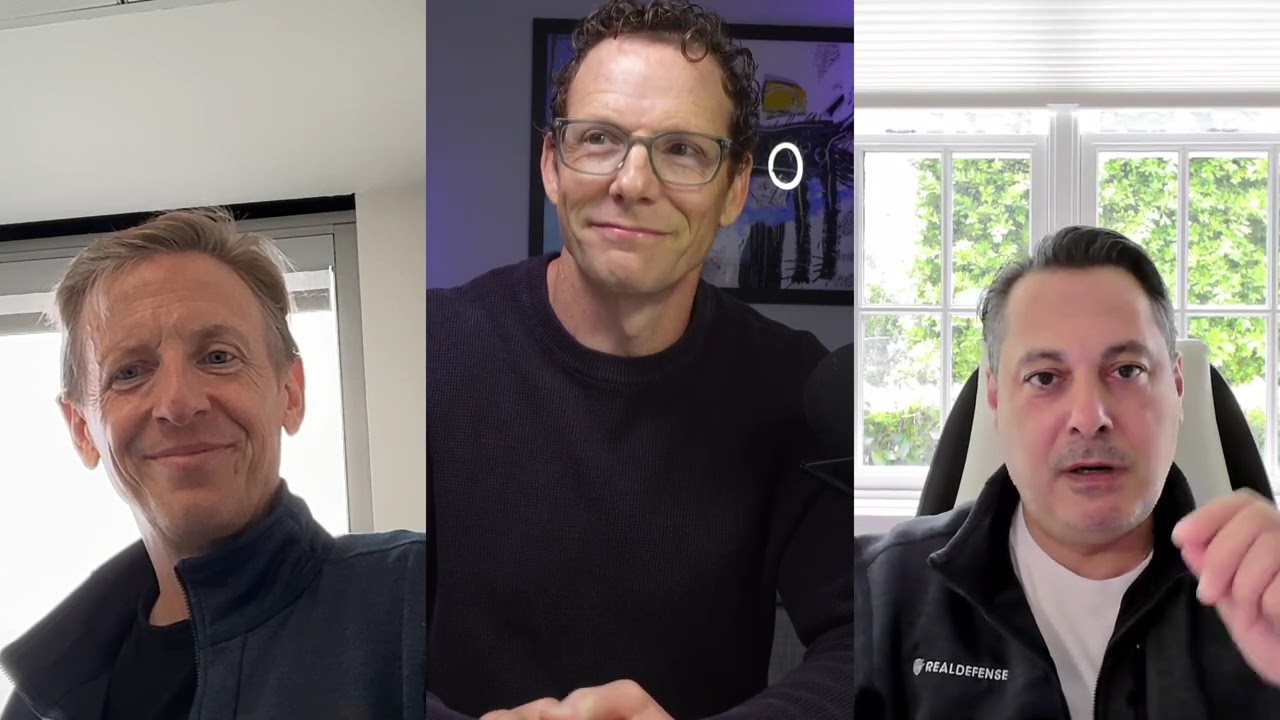

How to Scale Your Business With AI | The Casey Zeman Show Ep#7 | ft. Gary Guseinov & Sean Whiteley
Terrible at Golf, Great at Building an Audience | The Casey Zeman Show #6 ft. Kira Peterson
Certainty Is a Lie. Clarity Isn't. | The Casey Zeman Show #5 ft. Keith Cowing