Ep1 How to Buy a Landbank House With a Credit Card ft. Princess Dior | Real Estate Strategies
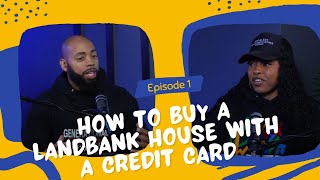
Episode 1 of the Land bank show (YouTube) — host Charles Noonan interviews Princess Dior (aka 'Princess Dior / the Mogul'), a credit specialist and mentor. They discuss non-traditional real-estate entry strategies (using Plastiq to pay closing costs with a credit card, buying inexpensive land, tiny-home/Airbnb models), mentorship and community (Mogul Talk), funding/credit-building tactics (targets for personal credit, 0% cards, sources like Truist, PenFed, credit unions), operational lessons (trusted vendors, waterline warranties, substituting electric baseboard heaters to avoid stolen furnaces), and personal origin stories (fired from a job, investing $5,000 on a mentor and making $10,000 in 30 days). The episode emphasizes environment, systems, and ethical funding.
Questions this video answers
Plastiq (spelled P L A S T I Q; pronounced 'Plastiq').
She invested about $5,000 (on a credit card) and said she made her first $10,000 within 30 days.
About 24–25 years old.
Mogul Talk (Mogul Talk Community).
She said she has been able to get people up to about $250,000 in business funding.
Chapters
There's nothing wrong with working nine to five, but we all need to become investors on the side of our nine to five because we never know. We get fired anytime I got fired at any time, you know what I mean? We can have a recession at any time. You can get sick at any time. So it's like if you get sick, you can't work what you do. You can't pass down that job to your kid. You know what I mean? So that's why it's important working on the five. But also invest your money too as well.
Where we highlight some of the most creative and non traditional ways to make money in real estate. We will showcase some of the world's greatest male and female real estate developers and teach you how you can make money by using the same strategies. Now it's time to develop. Here's your host, Charles Noonan.
Welcome to another episode of the Land bank show where I highlight dope people that have made lots of money through non traditional methods in real estate. Today I got a very special friend of mine, a very important person, one of my favorite people, Princess Dior. What's up, Pete? Talk to me.
What's going on? How are you?
I'm doing good, I'm doing good. Thank you for coming to New York.
Yes, I'm here. I'm happy to be here.
How you like it so far? How's it going?
I love it.
You love it?
Yes.
All right, cool. Did you see anything crazy?
No, just the rats. Just the rats?
Yeah. That was last night. So this might be called like the recovery edition of the Land bank show because we went out last night, we watched the basketball game and of course New York has to do its own special thing, right? And show you the rats. So we did see some rats, but they didn't come too close. All right, cool, cool, cool. So look, one of the reasons I wanted to make sure that you were like one of the first guests on the show and one of the reasons that I always talk so highly about you and I say one of my favorite people is because that three day challenge that we did, it had so much impact on, like our online community that I said, like, we have to, we have to like take this thing further and we have to really spread awareness about everything that we're able to do for people. And I wanted to make sure that I get people like you on the show so we could share all the ways that you impact people, all the dope stuff that you do from an inspiration perspective. Because one of the things that I really started reaching out to you for. Yeah, is that white Lambo? Yeah, that white Urus. So talk to me about that. What in the world? This car just came out, right? Fresh just came out. What made you get a white Lamborghini Urus?
So I always been to cars. So I have, I have been having a car rental business since 2016. And my dream has always been to own an exotic car without having to pay the car note. So when I got the opportunity, I just went, I just went for the guzzler for my first exotic car was the Lamborghini Urus. And I love it. It's got me into so many rooms just off conversations, got me able to network with a lot of people. You don't see a lot of women who have exotic cars. You always see the men with the, you know, McLaren, the last Rambos and all that type of, you know, exotic car. So, I mean, it brings attention.
So you just went crazy with it.
Yeah, we're crazy.
That's actually how we started to communicate. See, right. It is an attention getter, but it was more like, like a level of appreciation for me to see that and for me to see you with it. You probably one of the first people that I saw with it. And then I just had to hit you up and I was like, that car is crazy. I gotta get one. And you started to inspire me and I asked about how it rents out and things like that. So before we go like too, too further, too, too, too, too far or too deep into this episode, I want you to tell people who you are and what you do.
Yeah. So my name is Princess De or the Mogul. I'm a credit specialist. I do business funding too as well. I have a mentorship where I like to impact other people and show them how to create, create season seven figure automation businesses and delegate the work so they won't be a rat into their business. And then I also do car rentals too as well. So I just like turning liabilities into assets. I just like helping people.
Dope, dope, dope. So what. One of the things that really I'm gonna say solidified, like our connection, our friendship was the three day challenge that we did. Yeah, right. I knew you did. And then we connected through mutual friends that we have. Right. And I started to get to know you and started to follow you on Instagram and started to learn a lot more about what you do. But what really I'm going to say drew us together was the fact that you have so much impact on your community and Then when we did that challenge, it just went like crazy.
Yeah.
Right. I've never, for me and the Land bank team, I've never had that much impact on that many people.
Yeah.
In such a short period of time. Yeah. So what you think about that challenge?
Man, the challenge is crazy. I mean, I still get people that, when I see people in public, they always say, princess, you help me like clean my credit, you help me get funding. Even me helping me get funding. Allow. Allowed them to, you know, get their first house with you.
Yeah.
You know what I mean? Stuff like that. So leveraging other people's money to invest into their first real estate property, which is easy because if you think about it, investing into real estate, it can be very intimidating because people think that you need 100k to come to the table to do a fix and flip where you, you are literally showing people how to get a house for a thousand dollars and then fix it up to either sell it or to rent it out too as well at a low risk. Low risk price. So that's like, that gives people more confidence. It allows people not to be fearful of investing into real estate, which, you know, I love. That's why the partnership is so great.
Yeah. Cool. You know, I actually forgot we had some, some clients in common. Yeah. Yeah. So that's cool. Just have an impact on people. It's important to me. But it's even better when you, when through your journey and what we do every day, we actually get to meet people like each other and do just powerful stuff like that. So it is, you know, and sometimes I don't think about it, but sometimes I do get like hip to the fact that it can be intimidating because the real estate is so broad. Right. There's skyscrapers, there's one family houses, and then there's everything in between and there's all these terms and things you gotta know and formulas to figure out how to be profitable. But one of the things you do that I really like is that you help people maybe get the money that they need. And I help people get into the game like from an entry level perspective and then you help with the money. So what I think that does in that combination, why we've been able to work so well together, is that we could literally help anybody get into the game of real estate. Right. I'm going to provide the knowledge, you're going to provide the funding and the financing for them to be able to do it. So now like, like ever since that challenge, we've just been going crazy with it.
Crazy.
Yeah. So that's awesome. That's awesome. All right, so you got the business. What's the what? What's the name of your business?
Which. Which one? I got multiple businesses.
So on Instagram, right, Your mentorship program.
Oh, your mentorship. Yeah. Mogul Talk.
Mogul Talk Community. Yeah, N. I love the. That's what I'm talking about. I love the community. It's just. It's just so powerful to see other people empowering people like that.
Yes, of course.
So tell me a little bit about what made you start Mogul Talk.
Because I always wanted to help people do group. Group economics, basically. So that's why I wanted to learn how to do credit. Because a lot of people always get scammed when it comes to paying somebody to fix their credit. So I want to learn how to do it myself so I can go and teach my friends and family how to do. But then we can all get funding to invest together. That was the whole goal, which has happened. And then I wanted to teach other people too as well. So when I started having success, people just started DMing me, asking me if I had a mentorship program. At the time I didn't, but then I ended up creating one issue. I'm like 100 plus students in, and I've been able to help people quit their jobs. I've been able to help people learn how to fix their credit, get funding, invest into six or seven figure businesses in a short amount of time too. That's another thing, like invested into a mentor really helps you have that blueprint and get success even faster. You know, YouTube can do it, Google can do it. But actually having somebody hold your hand and showing you how to do it is way more powerful than getting a free information.
Absolutely. Since I've been mentoring and since I started the Land bank team, but I'm finding out that we do in addition to the information. Right. Because we're finding they can get information from different places, but the confidence to actually take action and go do it is one of the things that they get with mentorship. Yeah, right. Because you can hear, you can get, you can borrow, you know, certain amounts of money through banks, but until somebody tells you, oh, hey, go speak to Mike at this particular bank, tell him exactly your situation, give them all the, you know, all of your information about your business and let him fund you. Yeah, you really just, you probably just would never go do that until you have a mentor who says, all right, hey, Chase has these products and this is my contact, and you can go get x amount from there. And it's just that confidence that we get. And then the mistakes.
Big, big mistakes.
Right, the mistakes. So. So I think the best mentors, in my opinion are the ones that have made the most mistakes.
Yes.
I talk about it all the time, man. Like with my program, I tell people if you have a real estate mentor that has never been robbed of all of their materials, you could probably get a better mentor if you got a men. If you don't have a mentor who like whose windows got stolen. Right. Cause all the guys that I know, everybody that I know in real estate, like my peers, we talk about those days where we didn't know to put cameras up. Right. We didn't know you could put cameras up to follow up on your contractors, to check on your contractors. We just, it was just so much we didn't know. So I do think tenure in the game is important, but mistakes in the game, right? And along your journey. I know as far as funding and just everything, you know, a lot of it has came from like doing it wrong first and then figuring it out to where. Now when you get a mentee like that one individual, I don't know, I'm not going to say her name, but she came into your program and she got funded so fast. It was like I was like, wow. And then she came to me and then she got a house so fast. And now it's like without that information, without paying for that information, they probably would have never had the like the insight or the confidence to just go do that. Yeah. So kudos to your program. I want to take a quick minute to just highlight some of our sponsors on the Land bank show. We have two really good sponsors that I really, I love highlighting because they're actual companies that I use all the time. So to start, our first sponsor is unsoldland.org unsoldland.org is your one stop shop for everything that you need. If you wanted to invest in land, land is important. They're not making any more land. And unsoldland.org is one of those resources that you can go and you can go buy property like overnight. You can be a landowner of Property overnight. With unsoldland.org our other sponsor is Star Homes. Star Homes is a company that I did lots of business with. I know the owners personally. And as part of the Land bank team, we decided to partner with Star Homes to put to. To put together everything that we do with the land with land and the lamp on the Land bank team. So at Star Homes they are your one stop shop for everything. Tiny home, modular home, manufactured home, as well as container homes. My guy Adam will do everything that you need from start to finish. All you have to do is come up with the funding, find the land, and he will take you from A to Z and make you a homeowner as well as a landlord too. Star Homes is one of our sponsors that I love and appreciate them sponsoring out the Land bank show. All right, back to it. So Princess Dior, right? Mogul talk. Drives multiple cars, right? I pay attention, I pay attention. So I know what you drive, but we just gonna stay on the Lambo, right? Drives multiple cars, but I know it, it wasn't easy getting to that point, right? So I know what life is like now, right? We're friends on a personal level. We've gotten to know each other pretty good and we actually hang out together. So I know what life, life is like for you, right? But talk to me about a time where it wasn't like this for us, right? Talk to me about a time where it wasn't like this for you in particular. And, and tell me a little bit about your journey on how you got to where you are.
Yeah. So I said, I can say like, I always been a hustler, but just finding out what my niche was was like very difficult, difficult for me. So finding out who could be a great mentor for me to reach my goals, like the hardest part. So I went to college. After college, I got a great job in the healthcare field. I worked there for six years. And while I was working at my healthcare job, I was always doing little hustles. So it could be network marketing, be selling jewelry, selling clothes, just trying to figure out how can I leave my job to become a full time entrepreneur. And it didn't work for me. I just kept failing and failing and failing and failing. But then during the pandemic, I ended up investing into a mentor. I spent my last, you know, $5,000, which I use on a credit card, which I had a credit card at the time, which was crazy. And I invested $5,000 and within 30 days I listened to the information he gave me and I didn't hoard it. Like I executed on everything because that's how hungry I was to get out my situation. Like I was probably living paycheck to paycheck. And so. And within 30 days I made my first $10,000. And it's been consistent ever since then. And, and I created my first six figure business, which is my credit repair business. And from There I literally got fired like March of like 2021, I think.
Wait, so they knew you were doing credit and fired you?
I didn't know I was in credit. I was just a side business. But okay, they just, they just fired me because they said they had to do organizational changes. Yeah. During a pandemic, of course. Whatever.
Man, that sucks.
And then that low key, I don't think it scared. I don't know if it was like, it was like a shock to me because that's all you, that's all I knew was like a job. So it was like program in my head, you know, go to work, go to sleep, you know, I mean, go to meetings, listen to somebody.
But you, you, you told you made $5,000 or you made $10,000. Yeah, but did that mean, was that enough for you to, to say I'm on the verge of quitting anyway, or were you just going to try and do both work and make, you know, X amount and do your side thing?
So I was told to always have six months of savings saved up for a rainy day. So that was my go. Months of savings or a year of saving before I actually quit my job. Just in case something happened, you know, I can go back to my job, whatever. So when it got fired, when I got fired so quick, I was like, dang, I hope I can make the same income right in because it's on your, you, you're your own boss now.
Yeah.
It's up to you to make that income. It's up to you to have enough money to pay your bills. If you don't hit your quota every month, then you'll be broke. You know what I mean? You had that two week, two week paycheck coming in. So.
Right.
It was scary. It was scary to me, but it was a blessing in disguise because I think God allowed me to, to get fired from my job for me to actually focus on what I needed, which was my business, for me to get where I'm at, you know, today. So it was a blessing disguise. And I made my first, you know, six figures within 60 days because of that. So I made more 60 days than my yearly salary. So it was a, it was a, it was a blessing.
You know, that is crazy. So you, you got fired for your job first. You ran up some money. So you, you invested in your mentor. You got the information that mentorship. Was it a mentorship to try and, to teach you how to do your own business?
Yeah. So it was, I think it was a month, A month long mentorship to teach us how to fix our credit, get funding, and then figure out what type of businesses you want to do okay, too, as well.
So with us with that skill set, it was like, all right, so you're going to learn how to do funding, repair credit, and then teach other people or open your own business and show and do it for other people.
Yep.
And then you made your. You made $10,000 in the first month.
Yep.
Man, that. That is like the perfect storm. Right? It's like. Like you said, God may have. Must have pushed you, like, off the ledge into entrepreneurship.
Yeah.
And what we're finding, what I find a lot as I As I kind of like, get curious and dig into people's minds as far as what got them where they are a lot of times is circumstance. Right. Without that push, you may have just had it as, like, just something on the side. Right. Doing $10,000 a month, which is $120,000 a year, which is cool. Right. And then your income from your regular job and you may not have ever taken off to where you can do $100,000 in a month.
Yeah.
So that circumstance is what really, I think. And I haven't identified it yet with you. Right. But I think. Think the circumstance of you getting fired is what could have propelled you.
Yeah.
Like crazy. Into this world where you live, like, how you live today.
Facts.
You know what I find in circumstances with. With the Land bank team. Right. People watch what I do. They will see me change lives. Right. Take somebody on a Friday, make them a homeowner on a Monday. Right. But it's not enough for them. Sometimes they see people buying property for 1, 2, $3,000, and then they see them selling it. 30, $40,000, it's still not enough for them. It always tends to be some sort of circumstance when people join. So in my program, I want to make sure 100% of the people have success. I've tried to make sure that everybody gets a property. Right. And I really take a lot of time. I spend a lot of time on fulfillment. So we actually do welcome calls whenever someone joins my mentorship. And during those welcome calls, I always ask, hey, what's the. What's. What's the reason that you joined my mentorship? And oftentimes there's some certain circumstance that happens that pushes them into saying, all right, I got to create generational wealth. I need to start making passive income. And. And for you, I think it was that getting fired that really changed things for you?
No, most definitely.
Yeah. For me, what really pushed Me into, I'm going to say real estate was. When I got out of college, I went to college and I just played basketball. Right. I was just like. Like basketball was my major in college. Right. As a kid in New York City, I didn't know, you know, I didn't have a ton of guidance to structure out my education and my academic career. So I went to school on basketball scholarship and I went for basketball, basically. And then, you know, as I matured and really realized, like, all right, so I got to provide for myself. I have to do everything that I need to to make a living as an, as I'm going to say, an adult now. Right. I learned a little bit about real estate in my junior year because I was kind of like pushed in on a deal because I had good credit. It was new, but it was good. So then it was around tax time where I learned how much money was made in that deal. And then when I got home, just, you know, overseas basketball playing wasn't working out. I was hearing too much about people not getting paid what they're supposed to get paid. I was hearing a lot about the sleeping quarters or the living quarters not being what. What they were promised overseas. So I knew I didn't want to get. Get into that. I didn't want to follow that path. And then there's just a job market. I never really felt comfortable knowing that I'm working for a company that's able to pay me as an employee or as a salary, 50,000, 60, 70, 80,000 in my mind, just the way that I'm wired. It was always, well, if that person's able to pay me $60,000, how much are they making? Right. How much is the company making? So working was always. It was, Was always going to be a challenge for me. And then I knew I had to provide. So I actually put together the information that I got from that real estate deal. And as soon as I graduated college, I put together like a syndication deal with me and two of my best friends, and then we bought our first property.
That's super dope.
Yeah. Like that summer, like, I was just. I just knew. Yeah, I just knew it wasn't working. Wasn't going to work for me, so to speak. It's going to be a challenge for me. And then as I. As I got older and matured and learned. So that was actually like my first non traditional method of getting into real estate. Right. The house, I think, I think, was either 8,000. I think it was 16,000. Well, I came up with eight and my two friends came up with four before.
Yeah.
And we got the property.
That's super dope.
Yeah, yeah, yeah. So. All right, so they dropped the hammer on you.
Yes.
You got fired, Right? Now you have to, it's like you gotta, you're in a position where you eat what you kill. Right. If you don't, if you don't sell, if you don't retain new customers or new mentees, you don't eat.
Yeah.
Did you have to do a lot of adjusting from an entrepreneur perspective? Right. From a salesperson perspective, from a business owner's perspective, or did something naturally just kick in where you became a hunter and now you're able to do that six figure a month.
I would say it's about like systems, like having the right systems in place to help me hit the six figure months, to be honest with you. Because anybody can hit six figures in a month if you have a great product. But it's about sustaining it. And sustaining it comes with building a team that knows that's smarter than you. Having email and text campaigns, having a CRM system, making sure you're organized and stuff like that. Making sure you have a trust set up. You know what I mean? So just having the right team around you to mentor you while you're on your come up too as well, is very important. That's, that's what I'm all about. Like, I always like to have people who are smarter than me, who have more money than me, so I can learn from their mistakes, you know, on my journey.
That's what it's all about. Right. And I will talk about environment soon. But one of the things that you said was like systems and processes. I didn't learn that until like 10 years in. Seriously, like it took me that time. So I didn't hire a mentor. Yeah. I was just doing like simple math. Right. These amount of properties are supposed to pay this much money and this is the amount of mortgages that I have to cover.
Yeah.
So my journey, it was. I didn't have systems in place for when somebody was late with the rent. I didn't have anything in place, mind you. I'm just fresh out of college.
Yeah.
I didn't have anything in place for a roof leak. Right. Tenants breaking stuff where as a landlord you have to repair those things. I didn't have anything in place. I didn't know a ton about management companies. Like they weren't a thing. In the Bronx. Yeah, we talked about the Bronx last night.
Right.
I love my borough, but it's Sort of like one of the last boroughs in the, of the five boroughs to kind of like catch up to everything that's going on. So when you talk about systems and processes, did you get that from your mentor, from that program you got, did they teach you?
Actually got it from some friends that I met networking. So they already had systems in place because they was doing like a million dollars plus. I'm just like, when I made my first 50,000, I was like, yo, so how can I make a, how can I do it again? That was my fear. Like I did 50, but can you do it again? That's, that's everybody biggest question, can you do it again? So I have to have a conversation with them to figure out how can I do another $50,000 again. So it's all about the systems. The back end part of your business that nobody even talks about, about sop, the team, the market, the managing of everything, the machine. That's what it is.
It's a, it's a lot of work behind the scenes that I'm going to say we do that people don't see. Right. So. Oh, I just thought about something. One of the things you helped me with Mighty Networks, so today I didn't know how to manage right. And cascade information and just kind of like teach, educate, mentor and I created with the Land bank team and this is something that we talked about was how do we create a system and a process where the team can learn from each other, right. So where they can grow internally in the team. And my vision when I created the Land bank team was to create something where if anybody that entered real estate through this non traditional method through Land bank properties, if they ever needed anything, it would automatically be there.
Yeah.
So I was struggling with that. And you said, charles, just go do Mighty Network. Mighty Network, you can build out tabs systems, you can go live. And one of the things that I got from it and why I'm so big on mentorship today is because I noticed a lot of people don't have access to, to developers. Right. Developers get to a certain level in real estate, they just be the, the units become doors, numbers. They ask how many units you have, how many doors do you have? And they don't really think about providing access to how somebody who's starting out could get it. So through Mighty Network, which I didn't know, which I knew probably like three weeks in, was that I could actually stream live purpose privately into the network. So now what is one of the things I do whenever I go on meetings and development meetings or project management meetings, I actually stream live so that the 500 people in my network can actually see and sit in like a fly on the wall in those meetings. And then now. So again, it's about the information and confidence.
Yeah.
Now I'm giving them the confidence as well as the contacts to where they can go and meet with an Adam or a Jeremy, some of my other project managers that I use to do this stuff for themselves. Yeah. So that's another thing that we talk about, and I don't think we talk about it enough. Environment. Right. You're in an environment where it's normal. Like you said, you have people that are doing fifty thousand, a hundred thousand, five hundred thousand and up. Talk to me about how important environment is to your journey and development.
Environment has been really big to me since I was a kid. So I'm from Los Angeles, California, from the Crenshaw district. So growing up in an environment, it's like cutthroat gang banging. It's drug dealing. It's a lot of. It's a lot of crazy stuff that goes on. But I can honestly say I've always had a great environment around me that always wanted me to. To be great, you know, I mean, they never wanted me to go left. They always wanted me to go right. They always was protected of me, because I think people see something in me that I don't see in myself, which has helped me become the person I am today. You know, I mean, they always pour into positive things into me, telling me how great I am. People call me a mogul before I even became, you know, started saying I was a mogul, you know what I mean? But people just see great things, you know, in me and make sure I have the resources to get things that I need to be successful. And I think I've been able to have great energy to bring great people around me to as well, as far as, like, accountability partners to help me reach my goals every day, too, as well. I think that's. That's another great thing, having accountability partner. So I'm nothing without my tribe. My tribe is very powerful because they're the ones that make sure that my business is running, you know, running good when I. When I'm depressed, when I'm sad, they're the ones that tell me, like, everything's gonna be okay, you know, everybody doesn't have that support system, you know what I mean? And another thing we talk about is, like, therapy, you know what I mean? A lot of people don't talk about Being an entrepreneur is hard. So a lot of my friends are in therapy. They make therapy cool. It's not talked down on. So that's another big thing when it comes to, like, my group of friends and my family and stuff like that. Me even having a great. A great mom that's always been an entrepreneur all her life. She's always been supportive. Anything I've done, She's never talked down on any of my dreams, which is a good thing, because people, when they start businesses, their family and friends don't support them. And I can honestly say my mom been right there supporting every idea I had, even my close friends, every idea I had. They never talked down on it. They always been there to support me, even if they couldn't pay for it. They'll post on Instagram or something or send me referrals and stuff like that. So environment is. I think it's very important when you're creating something very powerful and impactful. And then that's great for the community, too, as well.
That's awesome. And I gotta say, you talked. You talked about two things. One of the things that keeps me engaged with conversations with you all the time is that I think you have, like, a tremendous heart, right? Heart in two ways. Heart in a caring way for people because you truly care about your mentees. But then heart and the courage way. Right. So when I saw you, like, you bust out with that Lambo, and I was like, huh? Like, that's hers. Then we started talking, and it actually inspired me to get one, which, you know, which, you know, we just, like, talk about it all the time. But then. Right. That courage to just do things like that. And I'm finding, like you said, it came from your environment where you had a lot of support, and support is key. We support each other in our businesses, and we always. I feel like if I needed to talk about something or if something didn't go right, I feel like I could pick up the phone and call you. And. And you're like, kind of have a lot of answers and familiarity to say, all right, Charles, you just got to get over that hurdle. And, like, next week, you'll be straight.
No facts.
Yeah. So I appreciate that. And we have mutual friends that I feel coupled with. So our environment right in the. In the. In the space that we're in on Instagram, I feel like we get a lot of creativity from them. We throw a lot of ideas around. And even the thing that we did, the Free day challenge. Yeah, that wasn't popular. That wasn't Common.
Yeah.
Right. So everybody did challenges and they charged so much money for them. Right. Because you actually get three whole days with that mentor, with that master doing. It's like a condensed master class of three days, and people were charging, or people. Till this day, people still charge tons of money for it, and it's all well worth it. Right. So you see the outcome. But our friend group, our circle, that of entrepreneurs that we surround ourselves with, we actually were able to take advantage of the creativity to say, all right, look, we going to do something for free.
Yeah.
Like, we're not going to charge. So everybody's charging. Everybody's making six figures, seven off of challenges. We're not going to do that.
Yeah.
This is going to be. This is going to be like an impact opportunity to really make change in our community.
And.
And I have to say, like, that changed my mindset going forward. And oftentimes I just. It's so easy to give free information or the information that we have and not charge for it sometimes because it seems to find its way back and to pay it back, like in multiples of what we would. What we would have normally charged.
Yeah, true.
Yeah. So environment's always been big to me, and I credit a lot of my upbringing through circumstance that has put me in really good environments. Like my school, when I went to college, it was a. It's a private school and was fairly small, but being that it was private, it's really small and it's fairly expensive to go to. I happen to be in an environment where people practiced good credit practices. Right. They had good habits, good work ethic, their parents owned businesses. Right. So I got, like, I was put in a place where kids didn't sign up for a bunch of credit cards in college and not. Not have any money to pay them back. I was in a place where we didn't spend money that we don't have. It wasn't normal to do that. It wasn't like, go buy something you can't afford. It was like, hey, just continue to use what you have until you can afford to just buy the whole thing. And that taught me a lot about credit, financial responsibility. And I didn't. I wasn't aware of it, so I didn't know that I was learning these things. It was the environment that was teaching me.
Yeah.
Right. So then when I got back home, I went straight back to the Bronx.
Yeah.
And what I realized was everybody else had faltered on their credit. Everybody around me that credit was bad because of the environments that they went to. They either stayed in the Bronx or they went to schools where there were some predators who like gave credit cards to 18 year olds, 17 year old freshmen that didn't know anything about credit, didn't know how to manage and didn't have any job. They're like freshmen at school. Right. So always credit a lot of where I am today based on the environment. So now we're in a place where I could choose my environment through mentorship. Yeah, right. I can buy almost the circle of a mentor to teach me. And then, and then what I'm finding is, and you tell me if you agree or not, the more you spend for mentorships, the more you spend for learning and to get into like certain industries, certain rooms or certain information, do you find that you get more?
Yeah, you definitely get more. When you invest more into a mentorship program. People, people only look at the money, they don't look at the back end. Some people like office. You invested 25k into this program. Yeah, I did. And I want to go meet a Charles that helped me make a million dollars this year too as well. So it's not always about the person you about to go learn from. It's about the other people that's in the room. Absolutely too as well. Because you never know what type of deal you guys can do together. Together. How y' all niche, you know what I mean too as well. So it's all about your network. That's the biggest thing when you're investing into these top programs. It's the, it's the, it's a network you're going to build.
Absolutely. And then I did help with that challenge. You did?
Oh yeah. So.
So we kicked that off, right? You did another one?
Another challenge.
We kicked it off. How many? I sponsored like three. Three or five people?
Yeah, three to five people, I think.
Sponsored something like that. And that's part of it. So again, I never shy away or frown upon mentorships or people paying for information because you get the information, you get the confidence to do it, you get the environment. The other like minded people that have the same amount of money to invest in themselves, you get people that believe in themselves. And that's how like again, we're able to do business together and learn from each other and sharpen each other as well. So I love it, man. Mentorship has been, has been awesome to me and that's why I try, I strive to be like the best mentor I can in our space. Yeah, that's super cool. All right, so this is the land bank Show. Right. We got to talk about. Yeah, we could talk for hours, as we always do. Right. We got to talk a little bit about real estate. And I want you to tell me. Give me a non traditional method that you use to get into the real estate game and what age was it and how old. How old were you when you. When you did it?
I'm trying to think. I was fresh out of grad school, so I think I was probably 24, 25. And I bought my first single family home.
Okay.
My mom helped me, of course, and then for my down payment. My down payment was. I don't know, probably it was crazy to me at the time because I had no money, so. But I use my good credit that I had and I went to go get a credit card, and I basically use my credit card for my down payment to close on my house.
Nice, nice.
I use plastic to take the money off the credit card to give the bank.
I teach that all the time. And I'm gonna tell you something. There's so much about. There's so much. There's so many different ways to get into real estate. Right. So you was like 24, 25, and you bought a single family.
Single family home. I rented out today.
What city, what town, what state?
In the high desert in California.
Oh, nice, nice, nice. And you've had it. All. Right, that's awesome.
Still got it.
Awesome, awesome. So I teach about plastic as part of my program.
Yeah.
And the reason I like plastic so much. Right. It allows you to get that down payment. Real estate has so many obstacles to get into. There's so many hurdles, so many. Right. People think you need a job to get into real estate. You really don't.
Yeah, people.
People think you need like a real estate license. It's just people, they just don't know. They think, right? So you get into nursing, you got to get nursing, which is true. You want to get into trucking, you got to go get a CDL or whatever, Right. In any industry, you. You have to get certain qualifications, licenses before you can hop in and just like open a business and start to do transactions. Real estate is very different. And the reason I started my program is more so to educate people on how easy it is. Right. And do things like that. So you just took like a whole chapter of my course and use and say Plastiq and educating on that. So Plastiq, for those that don't know, Plastiq is a company where. And I'll make this land bank specific being that we are on the Land bank show Plastiq is a company where you can upload your closing statement. Right. The land bank's gonna send you your closing statement. Probably by law, I think they have to do 48 hours before you're closing, but they'll send it to you a week before your closing. So you take that closing, you create an account on Plastiq. P L, A S T I Q is the spelling. The pronunciation is just plastic. Right. You upload your closing statement, you add your credit card, and then you also gonna add the title company as the payee. Did you, when you did plastics, you did it through wire or ach? Because they can send both.
I think I did ach.
Okay, cool.
Yeah.
So that if you have time, right, if you got a whole week, you can do ach and they'll. They'll send the funds that way or you can choose the A wire. But here's what I teach about plastic too. Those fees. If you're buying a property in a corporation in the name of a corporation, they charge, I don't know the exact fee, but they charge a fee to use plastic. You can use those fees. You give that statement to your tax consultant and those fees can, can be written off, be based on like transaction fees or bank fees. So they charge like 2 to 3%. I forget the exact term that they use.
But.
But my accountant told, my cpa, told me he's, when I gave him the statement, he said, hey, Charles, we can actually write these fees off. So you can actually get into the game of real estate by using plastic. Paying your down payment with a credit card. Even better if you can get a 0% interest credit card because it gives you more time to cash flow that property and pay that back before the interest starts to hit. And then you upload your. The title company as a payee in plastic. Then you just pay. Pay the invoice, which, whatever it is, 8,000, 5,000, whatever it is. And plastic will now. And you did yours a while ago, right?
Yeah.
So plastic will now wire the funds to the title company, which is everything. Right. Because when you think about the amount of down payment you have to have, traditionally you title companies won't take a credit card payment for a down payment. They're used to taking wires. So here's where it kind of rang a bell to me, that when you wire a lot of money to a title company for closing, if it's four people or three people that are buying a property, like my first deal, One guy wired 4,000, another sent 4,000. I sent 8,000. That's three wires. The title company, they put that down as credits towards closing. Right. So they put it down 16,000 towards closing. And it kind of dawned on me as I started to go through the process that title companies don't care how many wires you send. Yeah, it's just money, right? It's money that goes in. So that's why I started to teach. All right, guys, you can use Land bank properties are so inexpensive, right? You actually put the thousand dollars on your credit card. Most of the time they want a credit card anyway.
Yeah.
The closing fees are usually minimum based on how much you spend for the property. So it's not a lot of money. However, to somebody who wants to get into real estate that doesn't have the down payment money or maybe just wants to keep their cash and use other people's money, plastic is like a great resource.
It is.
So, yeah, so that's cool. That was like, forward thinking. And I used to think when I started using plastic that I was the only one doing it for like, down payment money.
N. So, yeah, using other people's money is important. Even like my mom, like, she went to go get. What did she go get? During pandemic, she went to go buy an RV off Facebook for like $2,000, I think, and she re. Redid everything on the inside, and she literally rented out to pay her mortgage every single month.
Are you serious?
Yeah, so just she. She's in real estate, but she just thought outside the box. You know what I mean? So when you think outside the box, you think RVs. You know, usually RVs cost 30,000, $50,000, but it's people out there that are selling things that they don't want no more. I got to get rid of it. So Facebook Marketplace is the place where you can find things and literally turn that liability into an asset to pay off. To pay off something. You know what I mean? So think it outside the box.
That's awesome. That's awesome. I knew, I knew you would. You would bring some creative ideas because you're just super creative. On the Land bank team, some, a lot of team members are buying land now and what. What I have friends that are doing, they're putting tiny homes on. On the properties. You can actually tiny homes sometimes come on wheels. They have them with steps and they come on wheels. And I have friends in my. I'm going to say my real estate circle. They buy land, excavate it, right? Make it flat and make it like livable land, and then they're putting Tiny homes on there and they're renting those out through Airbnb.
Oh, that's super dope.
Here's why it's taken off and going crazy. So me personally, I don't like tiny homes.
Yeah.
Probably because I'm tall and I feel like uncomfortable.
Everything ain't for you all the time, though.
I know. It's a thing. It's a new thing. So I mean, I'm. I don't think I'm ever. So I grew up in a small space. Right. It was a lot of us in one in a three bedroom house, but it was a lot of us, like more than 10 here. So I kind of. And it probably has to do with my upbringing. Yeah. I think I got tiny home trauma where it's like, you know, three people in one bedroom. I already know I don't want to. I don't want to have a tenant do that. I don't want to. I don't want my tenants to have that experience. So I, I'm not that big on a tiny home space. But here's why it's working for people. Buying land and putting tiny homes on the land and, and doing Airbnb is working for people because when people think about buying a tiny home, it's new, very similar to a new car. If they have the opportunity to go live in one for a month and rent it out through Airbnb before you go make the purchase, it kind of gives you a test drive, so to speak. Right. So now you can live in it. You got you whoever else is going to live there, husband, wife, and maybe a child. Now you get to experience it through Airbnb. And he charges like $120 a day. Right. A night or whatever. However you do Airbnb. Right. So he's doing well over $3,000 a month in his. Out of a tiny home. The tiny home cost of $65,000. Brand new. It's cute. I just don't love them. But that's another thing that people are doing with their. To be creative in real estate where you actually can have like a new product, like a test driven product.
Yeah.
And they're just like cute little cabins or whatever.
Yeah, that's super dope.
Yeah. So I know. And that's part of the reason why we, the Land bank team did the sponsorship with 2Act, 2 Tiny Home Comp manufacturers. One is Star Homes and the other one will announce soon. We're waiting to sign the deal. Yeah, yeah. But I think that's really creative.
No, it is Creative people, people not thinking like that. Like, like I told you, people think in real estate you have to spend a lot of money. But before you could do that, just get something that's in a smaller budget and then grow from there. People always want to go for the guzzler, go for the small thing. Less risk, less headaches, you know what I mean? Because I think when you. I think the biggest thing I've seen in real estate is contractors doing these fixing place where you gotta put, you got to put $50,000 in. It's another, you know, 100,000 or 45,000 to, to fix it up and stuff like that. Then the contractors don't, don't come through.
So tell me about it.
So that's what I'm saying. Land bank is something that's less risky for you to get your feet wet. Learn the ins and outs, you know, I mean, I'd rather lose, you know, $3,000 on somebody stealing some windows, whatever than me losing 45,000 or $50,000 from a contractor my first deal. That's fearful. That make me not want to do real estate no more.
Of course. What's a bad.
If I do something small like this, like land back, get my feet wet, do a couple now it's like I have more confidence to move to the, the next step. The levels. People don't know how to go just for levels.
It's levels. It's levels. We had different levels last night, right? Yeah, it's levels to it. So look, what I thought was important with the Land bank team is to provide protection for people, right? So one of the things I really like about it is we only allow trusted vendors into the program. So when you're on the Land bank team, we kind of eliminate those fears or the reality of using contractors that are going to dip out on you. Contractors that's not going to do the work. So before they make a referral, before we let someone in as a vendor. So initially it started where they were using my, my contractors. Then I had a warehouse and they're able to use some of my materials too to kind of save on some money. Right. So now we know. I know if I'm bringing you into the Land bank world, if I'm bringing you in as an investor, all right, you're going to work with this group that I've worked with that helped me become successful, right. So there's that protection there, but what it's grown to, which is like crazy. Yeah, Water, water, water line companies have warranties. So now with the Land bank team. Sometimes the water lines are cut because the houses are older, they're vacant, they're dilapidated.
Yeah.
So if you're an outside investor, one of your fares is the water line might be cut. That might be like a ten, twelve thousand dollar job. Right. So we found and partnered with companies that will give you a warranty on your waterline.
Yeah.
So we have team members that are paying $8 a month for this warranty. So whenever they buy properties, if the water line is cut, that company will actually go repair that water line.
That's super dope. I want to give us something else, like another bar too that I've been seeing. Like we have friends. I have a friend that's overseas right now for his clothing line. Been in asia for like 60 days now and he's been able to find like materials for like she Rock for our warehouse and stuff like that, which is cheaper.
Yeah.
And a lot of people don't know that. Like Home Depot, all those people, they're probably getting their materials, of course, overseas. So like ordering stuff overseas, getting a sample.
Yeah.
And then cutting down your expense even more by ordering stuff overseas. Like Alibaba. Alibaba. Like that's, that's a play that people.
People don't give away materials.
I mean, you gotta find, you still got to find your vendor anyways. Yeah, a lot of people I think are sleeping on that. If you really want to be like a real estate mogul, it's like now you should become the wholesaler. Because now it's like, let's go say we go buy a whole bunch of tile from overseas. Now you can sell that to your mentees. You know what I mean? Stuff like that. So now that's now your own Home Depot. Now you're your own Lowe's. You know what I mean?
I didn't think about it.
So it's like, now we got to think outside the box. How can we create our mentorships even better to where now we know that towel is going to be top tier, that windows are going to be top tier and we get it at a lower discounted price to help to help our students too as well. Like that's, that's a play.
You are super creative. That's what I'm talking about. I saw that in you like day one, day one. Like you have the ability to just, you have this mindset, this like you're wired to create. And it doesn't surprise me, but it started, I think like you said, your mom being an entrepreneur, we were forced to Create. And then I think you inherited a lot of that naturally.
Yeah.
Because just to think about that, right, you're looking at my mentorship. And we talk about it all the time, but. And it's twofold, right? So, yes, as a business person, I know what supplies we could. We're gonna need. Right? And we have people that come in on a Monday, they buy how they own a house on a Tuesday or Wednesday. It happens every single day. So here's how it's twofold. One, I know what they're gonna need. I can buy tons of it, which, I don't know, I. I gotta think about this. If I want to, if I want.
To do it, it's all about thinking about it. Because now you're your own warehouse. Know what I mean? So if I house on Tuesday, you go to material.
Right? They could just. Right. So. So yes, now there's another revenue stream for me, but it's kind of like, it's not me going too wide, it's going deep into like my group. So what is the benefit? Right? So now I make money off of the supplies, but I would even sell them lower than maybe like the Home Depot or the Lowe's. Right?
Yeah.
When we're doing renovations in some of these underdeveloped cities, they're fine with basic renovated places because it's still a new house. New windows, new doors, new floors, new paint, which is meaningful as hell to people that live in places that have a lot of vacant properties. So cool. I might. Hey, Land bank warehouse.
What's that, that water, that water thing? What's it called?
The water line?
The water. The water line and the heat thing. What's called the heat thing too, as well.
What the Land Banks.
What, you got to have a heat thing too? Or is that the.
Oh, no, no, no, no, no. So this, this show is about non traditional methods? No, but I'm saying where people make money. I'm not giving away Land bank stuff information. The hot water heaters.
I know, you know what I'm saying? That's, that's, that's a high fee.
You're sharing information. You want me to start sharing information too? You just drop bars on a regular.
Going back to like, going back to like the Lowe's and Home Depot, like that, that he, he buy a bunch of hot water heaters overseas because it just, it cost.
You are wired.
I was supposed to get that way.
Oh, well, you are wired for money. No, so, so here, you already brought it up, so I'm going tell what it is. Right. I'm just gonna tell what it is.
Get me later.
Nah, this is what we do. We give. We give. We just get. Here we go. Do a high five to like we're gonna. I'm gonna just give because you, it's.
Just, you got other, you got other information on the back end here.
I'm gonna give a Land bank mentorship super high level nugget, right? And we just been given for free. Free information.
This is the thing. Everybody's not gonna run the play off the free information, so.
Oh, this one they will.
We're gonna see.
This is a, this is a five to $7,000 nugget I'm gonna give right now. You ready? All right, here we go. I'm gonna tell it to you, but I don't share this level. This is like, this is like 10 to 25k mentorship level information. I'm gonna just give it away right now. Here's what you do, right? So on the Land bank team, there's three strategies you can buy and rent out. Like you buy, renovate, and rent out. Like you do, right? Simple strategy, tried and tried strategy over years, right? That's the oldest real estate model. Buy a property and rent it out. The second one is buy it, renovate it, and sell it and resell it.
Yeah.
Right. Through truly a Zillow, you get a real estate agent, you get whatever the market is now. So with land banks, the properties are 1 to $3,000. You're selling them for whatever market rate is when you do a full renovation because it's a newly renovated property. The third strategy you got me giving today. All right, the third strategy is to buy the property, do the minimum renovations, and get the release of interest. So you own it outright. And then you could either sell it through a wholesaler really quickly or the other channels, right? So you own a property outright. One of the. What you're talking about is the hot water, the baseboard heaters. So in, in cold weather climate states, the land bank asks you to show pictures of an installed furnace. They show. They ask you to show a hot water tank, an installed furnace, windows, doors, and things like that.
Yeah.
So here's where I got non traditional, right? Here's where I tapped into my creative side and here's why other mentors in this Land bank space or this real estate space probably don't measure up to me because they haven't gotten enough furnaces stolen. So look, house number like one or whatever actually is my first house. I got a brand new furnace, right? So I told you a little bit about how I grew up. We didn't have like stainless steel appliances, a lot of stuff that worked. We probably had one burner that worked on the stove and a lot of stuff like that, Right. Humble beginnings. So me growing up, now, I'm a developer, right Now I'm providing places for people to live. It was important to me to make sure my properties were done right. Yeah, right. I wanted to have matching appliances. I never had matching appliances growing up. So in my kitchens, I wanted to have like the Kenmore stove, the stainless steel stove with the stainless steel fridge, right? My, my mechanicals, it's called the mechanical room, where you got your furnace and your hot water heater. I wanted to have matching mechanicals, right? Matching hot water heater matches, matching furnace, both with the nice gray, you know that polished gray. That, that's. The furnaces are. Right, yeah. So I go to Home Depot. Was actually another place in Michigan, right? I go there, I buy this matching set. It gotta be matching. It got to be the top BTUs. It gotta be 80 gallon water tank. Because growing up when we used to take a shower, right? It's 14 of us in a three bedroom house. Yeah, you gotta shower quick because what's gonna happen? The water's gonna get cold, right? So I got a three bedroom house and I'm like, all right, look, we gotta go 80 gallons. I don't want nobody to take no cold showers. I don't want no kids with the water running out. And you know when it used to get embarrassing when we used to have company.
Oh, yeah, right.
Well, we used to have company. We'd be like, go shower first because we don't want the water to get cold on company. So it's like, all right, then you gotta tell them like, yo, don't, don't be in there all that long because I gotta shower after you, right? So I do the nice furnace, install all the vent duct work, everything. I got the hot water tank going, everything nice. When I, me, the realtor and a family go into the house the next morning to show them the house, right? They're going to rent it. They got government program, they got Section 8 approved. Everything is done. So I'm on the phone with the realtor, I bring them tomorrow, nine o', clock, we just touching everything up. It was me and one of the contractors, right? We touching everything up. I told the contractor specifically, bro, put the heat on like 90 before you leave. It might have been like 1 o'.
Clock.
We're working and Just. I want everything to be perfect. It's my first house, right? I bought. I bought like three at the same time, but I was doing one at a time. So he's like, all right. Bet. The reason that is because when I was younger, furnace used to go out all the time, or we ain't pay the gas bill. One or the other. I don't know what they used to tell me, but we grew up in some cold. Some. It was cold at times, right? So I wanted the tenant, right? This is my first tenant in the Midwest. I wanted the tenant to open the door and get hit with that heat. You ever open the door and, like, a nice thing, a heat hits you in the wintertime, and you like. Ah, you feel good.
Yes.
So I told him specifically, turn the. Turn the thermostat on 90 before you leave. So here we are the next morning. I tell the realtor, I'm like, wait for me. I want to be there when you take the tenant in. So she gets the. So I get there, everybody's there waiting for me. I give her the key. I'm like. I open the door, let her go in. So she opens the door. It's cold. So I'm like, man, this dude didn't turn the thing on. So I looked. It was on 90. So I'm like, all right, cool. Something ain't right. Maybe he didn't like the furnace.
Yeah.
I go downstairs. What do you think happened when I went downstairs?
They stole your furnace.
Stolen furnace. No furnace, no water heater. No hot water heater. Empty. I got wires hanging like this from the ceiling, from the connection. Like, you got the hot and the cold going into the thing. The duck is hanging off the thing. So I was like, I can't. But this is crazy.
Yeah, crazy.
I couldn't believe what happened to me.
Yeah.
Right. So what I decided to do. So obviously, and here's what's funny. The tenant still moved in. She understood what happened.
Yeah.
And in certain parts of the country, you can. Technically, you can. It's normal to rent a house to somebody without the mechanicals, without the appliances. And, say, the day you move in, I'm going to schedule the installation of your hot water tank and your furnace. And they're like, okay, cool. So Land Bank Gym, don't ever install your mechanicals before the tenant moves in. They know. They get it, and they understand. Here's where it got creative. So now I got to do two more houses. I also got approved. And this stuff start happening around the same time. I also got Approved for a block of properties on the east side of Michigan at the same time. So now I got seven plus three. I got ten houses. I didn't. I wasn't smart enough. I wasn't. I didn't get ripped off enough to where I knew to put the cameras on the properties. So now I'm a little scared. I'm a little nervous. Here's where the creativity kicks in. Here's where the entrepreneurship kicks in. And here's why no Land bank team members will ever lose a furnace. We don't install furnaces anymore. Well, what we do. Right. And this is so crazy that I'm sharing this today, because people join the Land bank team after their furnaces get stolen.
Yeah.
After their windows get stolen. And then they hear what we do, and then they're like, oh, my God, bro. You see? Like, like, I wish I paid for your mentorship earlier.
Yeah.
Because it's where they think they could do it. So here's what we do. Through my conversation with the Land Bank, I said to them, all right, look, the purpose of the furnace is to heat. The prop is to heat the property, right? Furnace installation, all the ductwork, anywhere from 5 to $10,000 based on how many BTUs you get or whatever. Right. Hot. What they call baseboard heaters. Electric baseboard heaters at Home depot are like 79, $89. So I asked the Land Bank, I said, look, if the purpose of the furnace is to heat the property, would you guys allow me if I want to be clean air, gas efficient, or energy efficient, not use gas. If I wanted to heat my house with electric baseboard heaters, they said yes. So now I'm heating the whole house. So. So when the electric electrician is wiring the property, he's just wiring and putting wires for the electric baseboard heaters to heat the property. So in total, instead of spending 5, 6, $7,000 on a furnace and all the duct work, we just probably spent like a thousand dollars on electric baseboard heaters.
They needed that.
Crazy. I had to give that up. They needed it. But here's the thing. Are they going to be mad at me because I told the world?
No.
No. That'd be cool.
Yeah.
All right, cool. So that helps, like, tremendously for me. It's just little stuff like that that mentorship does. You would never think of doing that. People are so fast to just spend that money, get the furnace, get everything they need to get. All right, so cool. Tell me about you do funding, credit, repair. What else? What else? You Got going on in Mogul Talk and Mobile Talk.
We just invest in 67 figure businesses. So that could be anything. That could be real estate, that could be car rentals, that could be Airbnb event spaces.
Nice.
Do a lot of consumer law stuff too as well. I don't know, it's a lot of stuff. Trading like whatever, however you want to invest your money. Like I have all the resources in my course.
Oh, all that is in mobile. So. So if I join, I got different avenues I can go through that you're.
Passionate about but you don't know how to start. Okay. That's what I bring to the table. Showing you how to start the business.
That you want to and you help them step by step. You even taught on my mentorship on my call that morning.
Oh yeah.
And you went way too far. So they actually like attacked me for your information and they start picking it apart. They were asking for the recording and I'm like, guys, I got houses. I have to finish your houses. I don't want you all jumping all over the place. But I put some of them into your, your mentorship and your challenge and everything anyway. So we definitely share information and they love the information. Here's one of the things where Land bank team members sometimes can use funding. Tell me a little bit about funding and then tell me what's the most you've ever gotten somebody funded.
Yeah. So funding is very important, but it's all about the data points too, right. So I always tell people, you know, fix your personal credit up, get some personal credit cards, delete all the negative items off your personal credit. So your personal credit data points need to be at least a 680 FICO score. You need at least two credit cards with $5,000 limit. You need some primary accounts too as well for yourself. So that could be self lender credit. Strong rent reporters, rental karma.
There you go. You just throwing information out there.
No late payments, less than four inquiries and less than 15% of utilization. Like really big. When you're going for business funding and then for the business funding it's all about the products you need. So I always go for 0% interest credit cards to as well because now you have 12 months of no interest to go make those investment and pay off pay off your credit card, which is very important. So I can go to, you know, truest and get 100k if I want to. So I can get a 25k personal credit card, 25k business credit card and I get a line of credit. No docs for 50k. And then I can go to Penfair and do the exact same thing run because they have people have multiple, you know, products, business credit cards, lines of credit, business loans too as well. Chase is really good. I like to do credit unions a lot because they're giving out more high limit, more high limit credit so as well. And they're also doing no doc lines of credit tools. Well, if you ask for anything less than 50k, you don't have to show any tax returns, nothing like that.
Damn you giving underwriting guidelines.
I'm just saying I want people to go in there, you know, you know, equipped to as well. So I mean that's. It's important to build up the relationship with the banks too as well. So I go in there and open up like five business, business business accounts. So put like 500, 200 in there. However much you can put in there, let it sit and then go back in there and get, you know, funding. So I've been able to get people like 250k for their business and I like to guide people too as well. So it depends on what you're trying to do with your money. I don't always get people 250k because I don't want to be irresponsible with it. So depending on what type of business they're going to get, then I go get the funding for that more. Most people that do fun and they're greedy because they want that, you know, that percentage on the back end. But I want to be responsible.
It's based on, I'll say your model is based on some level of credit worthiness. Right. If they say to you, hey, I want to create a business because you know how and they're not sure what to do with it or when they're going to start, you might not for their own protection, you might not get them that much money. But if they say, if I came to you and I said hey princess, I got an 800 and I think I still have an 850 actually if I say hey princess, I got an 850, I'm going to go buy $250,000 worth of material from Alibaba which is going to probably sell for 350 to my group.
Yeah.
And save them money and make me money.
Yeah.
You feel stronger about funding me 250000 than you would somebody else.
You already know what you're gonna do with your money. Most people, they want me to get them 100k or 150k and they go blow it on rodeo by a Louis Vuitton and buying cars and all type of like going lavish vacation on top of silly stuff where you can literally go invest this money and make a return on investment.
Nice. So you have a process to where you do like some fact finding and make sure they qualify and you're not hurting people.
Not hurting people. That's the biggest thing.
Super ethical.
Yep.
I love that. That and that. That just goes to impact too. And you make sure, like through the underwriting guidelines that they qualify the right way and that everything is being done right. Then of course, you got programs like mine.
Yeah.
Where you send some of your people to. For. To invest in real estate.
That's real estate money. That's the biggest thing. It's like, that's. That's why I like my program because I have that network to where I can bring people in and teach, like, my stuff students how to really use other people's money to make these smart investments like a mogul and build their investment portfolio. Because I know a lot of my students, they come from families that they don't have trust. They don't know about trust. They don't know about investing. They don't know about real estate. They don't know about starting businesses. All they know is working 9 to 5 until they're 70 years old, getting their retirement, retired for 10 years, getting a 401k. And they're cool with that. They're comfortable with that. You know what I mean? They're not hungry. And there's nothing wrong with working nine to five, but we all need to be coming back investors on the side of our nine to five, because we never know. We get fired anytime. I got fired at any time. You know what I mean? We can have a recession at any time. You can get sick at any time. So it's like, if you get sick, you can't work what you do. You can't pass down that job to your kid. You know what I mean? So that's why it's important working on the fire. But also invest your money too, as well.
We're gonna end it right there, all right? Because you're gonna give and give and give and go crazy. So, guys, look, we about to wrap up. Princess. Tell me. Tell them where they could find you. That's your camera right there.
Yeah, you can find me at. It's Princess Dior on Instagram, Facebook, and also YouTube as well.
All right, cool. I'm Charles Noonan. Instagram. CharlesJ. Noonan. Guys, like follow subscribe to the Land bank show to hear more dope information. Creative non traditional methods of how to run up a bag in real estate through people like Princess Dior. Thank you so much for coming. Appreciate it until episode two.
I appreciate the opportunity.
All right, cool.
Thank you for listening to the Land Dance show with Charles Nunes. Please leave a review for this podcast and give it five stars. Also follow on Instagram @charlesj.noonan and share with others as we want to share these unique strategies with developers across the world.
More from Charles


She Made $65,000 Selling LAND… Not Houses! | Nicole Taliafero’s Real Estate Strategy
How to Scale Your Business with Funnels, Live Events & Paid Ads | Featuring Milly "The Funnel Kween"
The Biggest Real Estate Expo Ever. Learn how to pick, purchase and profit from your 1st property.
CBS News Birmingham Is BOOMING! How Developers Are Turning Vacant Land Into Wealth LIVE Sept 18-19
NYC Realtor Has 6 Streams of Income and will be a Millionaire. Nicole Taliafero and Charles Noonan
This Land Flipping Software changed my Real Estate Business, and you get it free.