Eric F King: How Coaches & Speakers Can Land More Clients Through Live Events | Real Estate Newsroom
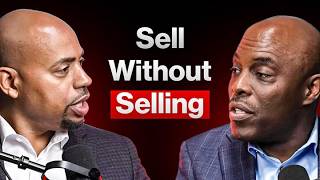
A recorded interview (Real Estate Newsroom) where Eric F. King explains his virtual studio-stage business that helps speakers, coaches and authors build visibility and sell offers. He describes how StudioSpeaking works (speakers in a physical studio, audience as enlarged Zoom tiles), the marketing/ads strategy to bring qualified attendees, the content and collateral produced (video reels, photos, awards), and his sales/entrepreneurship philosophy. The conversation also covers Eric’s background (born in Nigeria, studied at Temple University), key performance anecdotes, and calls-to-action to book via StudioSpeaking and download a free e-book.
Questions this video answers
About three years.
36 people booked a call and 12 people bought his high-ticket offer on the same day.
Over 300 books in the following two weeks (speaker was a confidence coach).
About 240–250 attendees on Zoom (he cited "240, 250").
About 80 or so.
Chapters
I've been going, going, going, going, going, going crazy. Nope, you can't blame me. You haven't.
Hustling crazy.
I've been going, going, going, going.
Welcome to another episode of the Real estate newsroom. Today I got a very special guest who is actually going to be able to help me get on more stages. And it's going to help the real estate newsroom, entire family get our message out and help us change the world. We got Eric King all the way from Washington, D.C. how are you, man?
I'm great. How are you?
I'm doing well. I'm happy you came.
I'm glad to be here.
All right, so look, we're going to go right into it on the real estate newsroom. Right? And I feel like you have digital real estate like you. You etch out a space in a virtual world that finds its way back to reality and does amazing things. So what I want you to do, just introduce yourself to the audience.
Okay. Well, my name is Eric F. King, and I help speakers and coaches build their credibility, authority, and visibility by speaking on my stage, my studio stage.
All right. Now, I tell people that you invented this virtual stage. That's something like I've never seen before. So could you tell us about that?
Yes. Well, it all started by going to an event where I saw a studio. I saw Anthony Robbins do an event in a studio.
Tony Robbins.
Tony Robbins, yes. Oh, all right. All right.
You know him as Anthony, huh?
We go way back. All right.
Okay. Nice.
They call him Tony now.
Right.
So. And it was a pretty impressive stage. You know, the zooms were like 6 foot tall and the speakers were there live, and it was very impressive to me. So I called them and I said, you know, how do I speak on the stage? And. And they never got back to me. So I could either chase them down or create my own stage. And that's what I created, my own stage.
But what did, like, tell me, what. What do you. What does that mean? You created your own. Yes. So I had to see it to understand.
Yes.
What is it?
Yes. So studiospeaking.com is basically a stage, a studio where you come in to speak, and while you're speaking, you're speaking to a virtual audience. It's like a six foot zoom. So, like you're in a big zoom room.
Okay.
Right. You're able to get your message to the masses.
Okay, who's on the zoom?
Well, we actually find these people from our. The ads that we do. So let's say you're speaking about real estate. So we will do ads to pull people that are interested in your and what you're speaking about. So you have people in the crowd that actually need what you have.
And they could do it at home?
Absolutely.
This is why family. I thought this guy was like, excellent for the show. So you basically created like a virtual in person experience, but no one has to, like, come out in the rain. They don't have to make travel arrangements. They can, they can attend. Right from home.
Correct. Only the speakers come into the studio. Everybody else can watch from home.
Okay, so how in the world did you create this virtual stage?
Well, so. So I work with people that actually put it together. But I had an idea. An idea. And one thing I always say is you don't have to know all the pieces to it. Right. I'm comfortable speaking. I've done it for a long time. I put events together. But then when it came to the studio, I had to get experts to put that together.
Okay, what made you think of this, bro? Because this is genius, by the way. Right. Whenever I tell people about what you do, I. I tell them right off the bat, you gotta meet my friend Eric. He's created this phenomenal idea that in my mind, it like far outpaces in person events. The only negative is that they don't get the camaraderie of being in the room. They don't get to really, like, shake hands and meet people and things like that. However, from a scalability perspective, you can now have 5,000 people in one room watching a speaker on stage and not have to pay $50,000 like I did for a venue.
Yes, yes, absolutely. Absolutely.
All right, so you put this thing together and so you. Wait, wait, wait, wait. You saw Tony Robbins do this exact same thing?
It was similar. It wasn't the exact same thing. It was during the pandemic. So, you know, he used to do live in person and then he switched to doing that.
Right.
And I just saw. I just saw it as being just a powerful way to get to people. And I saw, you know, the people on the stage. I mean, when you're, when you're on that kind of stage, people look at you in a different light.
Yeah.
And then I did it. I went on a stage similar to that and I got more people contact me than ever before.
Yeah.
36 people book a call. That's never happened to me before. I had 12 people buy my high ticket offer on the same day. And some of the people told me that it's because they saw me in a different light.
Because they saw you in person or.
Just on stage on stage. But it wasn't on a regular zoom. You know, a regular live on. On Instagram or, you know, it was different.
Okay.
It made me look more like a celebrity, so to speak. Yeah.
And I get it.
And I know that when you help enough people get what they want, you have everything you want. So I said, okay, this is going to work for other people. That's when I started introducing it to speakers, coaches and authors. And it's really taken off a lot of people.
I see what you're saying. You're saying you realized when they saw you on stage as an authority, there was power in it.
Absolutely.
So you took that and created a virtual stage. Now, here's. I'm going to describe this for our audience, right. It's a bunch of monitors with zoom. Like in a zoom style setting. Is it on zoom? Because I see circles.
It is. It is. It is on zoom. But. But it's. It's like a six. So you see yourself in a big screen. So let's say you're on zoom. Your face is actually about this big.
Yeah, yeah.
On that zone.
But as a speaker, I get to see the crowd.
Yes, absolutely.
Which still amazed me to this day that you figured out a way for me to speak on stage in front of people, but they're not there. But I could see them. Yes.
You're speaking directly to them, basically. Yes.
All right, so I love that, bro. Like, that is one of the best ideas I've ever heard from a creative standpoint. Like, it literally is. And you realize being on stage, you're. You're the authority, they look at you in a different light. Like you said. What other benefits do you get from being on stage?
Well, being on stage is just one of the benefits. There are a lot. One of the things we do is we make sure we do video of everything you do. So we are going to give you the reels when you're done that you can use on social media. Right.
Okay.
We do photo shoots. So you have pictures that you can use for your. For your books, your website, whatever it is. So we do that. And you also join a network of all the speakers, coaches, and authors that spoken on the stage. So first of all, you get to have lunch and dinner with everybody. You get to network and constantly collaborate and then you join this group. Right. That you can work with for a long time. Right. So. So, you know, the speaking on stage is just one of the benefits. And one thing I do is anytime I have A group of people that speak, I ask them, what else would you like to see? When they tell me, I add that to it. So it just keeps getting better and better.
Yeah, I love it. All right, so it sounds like. So you saw Tony Robbins speak. You tried to get in contact with him to no avail. Couldn't find him.
I didn't reply my call.
He didn't reply to your call. He meant everything. And it was just like, all right, so is that where you cre. You came up with the creativity to do it yourself, or is that where you came up with the idea that you want to help other speakers that want to get on stage?
Well, I want to help other people. Right, so. So when you call someone and you. You message them and you can't get a hold of them, you know, you can look at it in two different ways. You can either say, it's not meant to be, or you can say, okay, well, this is a blessing in disguise. I need to create mine. If he had. If he gave me the opportunity to speak on the stage, that could have been the last thing I did with studios. But because he didn't, I had to create my own, and now I'm able to help so many people.
I love it. I love it. All right, so you created your own. What made you say, I want to do this for other people, I want to help other people? And. And obviously, I'm very intrigued by this, bro, because I don't see a lot of creativity on this level. What made you turn helping other people into a business?
Well, when. When I invited people to speak, right. They got so much value from it. And I always say that, you know, you. If you focus on making money, you probably won't make a lot. That's what everybody does. But if you focus on helping people, the money will come in, right? So people said, yeah, I definitely want to do this, like, whatever it takes, right? So then I saw the real value, and I kept just adding more and more value to it, and that's how I turned it into a business.
What made you do ads to get people to show up?
Yeah, so I used to. I used to get people to show up in different other ways. But what I found was the most important thing for the speakers is to have the people in the room that can actually purchase what they have or join their. Buy their books. Right? So it doesn't really make sense just to get people. Right. You want to get the target audience qualified, qualified people. Yes. So that's what one lady spoke on our stage. You Know she had five calls booked before, before she got off the stage. Right. She not only did she sell her offer, but she sold over 300 books in the next two weeks because.
Wow.
Because she had people in the audience that want to learn about confidence. She's a confidence coach. She was so impressed. She, she joined, she came to our next event and spoke again.
Oh, it works, right? Why not? If you're going to bring the, the, the qualified audience the stage. Right. I get the content from it, the marketing material. It's like a no brainer. Right?
That's exactly what she said. She said it's a no brainer.
I know. I'm thinking about doing it myself because it's not now. Can you target the stage? Can you target the audience that you want to show up? For example, I do an annual conference called let's Build Birmingham. Right. I would love to go on a stage of people that are in, let's just say the Birmingham or like the Birmingham and a 30 mile radius. Can you target that specific area, set it up and then I show up and I speak in front of them.
Absolutely. The Facebook ad does. There's not much you can't do. Can definitely focus on a certain area.
Absolutely. I could do it from. Oh, so. But I have to come to your studio.
Yes, yes, yes. So all the speakers have to be in the studio because that, that, because that's part of the experience. You, you want to experience the studio. If I did virtual for the speakers, then it turns into another online summit.
Yes. It's just an online summit. So how. So how much of me do they see? Do? Am I full body?
Absolutely. Oh, yeah. You should see all the ladies that, that said they got to see my shoes. I spent a lot of money on these.
So they want you to show you.
When you come out, you actually come out to your theme song. So your song is playing as you're coming out. Some people walk, some people dance.
Yeah.
Do all kinds of things. Right. And then I give you an award for your past accomplishments. Right. So, so, you know, if it's real estate, I give you the real estate or whatever it is. And I do that for two reasons. Number one is to recognize you for what you've done in the past. And number two is to give you even more credibility with the crowd now an award winner. And then, and then you have the clips of the videos and everything to put on your website.
This is again, this is one of the smartest, most intelligent, most thought provoking ideas that I've heard. You, you're creating a conference right. Through ads. And do you sell the tickets to the show?
No.
Or it's free.
It's free for people to show up, but then we have a VIP where you can pay more if you want to be able to get into the room with people that you can ask you. So you can actually ask them questions or what.
This is genius. This really is. And is this what you do full time?
Absolutely, yes.
How many speakers? It takes up a lot of your time.
Yeah, yeah.
You're producing it. But I. I would. I would venture off to say it's very much so fulfilling.
Yes.
Right. Because like, coaches, speakers, authors, for sure. I just released a book, let's Build Birmingham. There's like so many different ways to get your message out there. So we all have to get our message out there, but it's like fragmented. We can do radio, but we don't know who's listening on the radio. We can do some news. We don't know if people are going to the news for what we offer or if they're going to find out the weather or the traffic. That's right. So what you're doing and what you cultivated is extremely powerful. It is. How many coaches have you helped so far?
Probably about 80 or so.
Nice. So I'm going to call them business owners. Is everyone making an offer or has something that they are educating about?
Yes, I make it. I make it a prerequisite to, number one, to give value and to have something on the back end that people. People can either if. Even if it's a free ebook or.
Yeah, call.
Because I think it's. It's a tragedy to give a great speech about something and people can't get anything more.
Yeah.
So. So for people that come to me and don't have it, we make sure we create one for them before they speak on the stage.
All right. I love it. And I actually have to try it. I gotta try it. The conference is probably going to be in October or November, so I'm probably going to look to do it maybe around September.
Okay.
Just to give people some time to get acclimated to. Now, how many people show up? Is there a limit? Like, do you. Do you have them speak in front of 100 people, 50 people? How does it work?
It could be from a couple hundred.
To even more, like 3, 400 people.
Well, we're probably gonna get to that next time, but we haven't got to that right yet. But we will. We keep growing every single time because more people come and they Tell. They tell other people about it and just continues to grow.
What's the most amount of people you've ever had show up on.
On Zoom? 250, 240.
And what's the least amount. Like, your first time? Was it really low for the one.
I did was just mine. That it was about 90, but I still got a lot of people that were engaged and a lot of people that, you know, booked a call. So a lot of it has to do with the quality of the people that come. It's not necessarily the number. You can have a thousand people that, you know, that don't really care about personal development, don't really care about getting coached. Right.
So, yeah, it's quality and it's a unique. It's a unique audience, too, because you're capturing them with the concept of coming to learn. They're gonna. You're telling the speakers, teach something. And then so. So they got what they came for. Right. Teach something. So they got what they came for. And then on the back end, if they wanted more from you, you make an offer where they can get more from you. So I would go there and I would teach. Does anyone do presentation or it's all speaking, like, stage speaking?
No, that you give. Well, it's. It's basically both.
You.
You can have a signature speech as long as you give value. You can have a offer at the end for some people to, you know, book a call or. Or to get your ebook or something. Yeah, yeah.
How long. How long have you been doing this?
About three years.
Three. All right, let's get into a little bit more of Eric F. King and who you are now that you've created this phenomenal, like, thing. Right. Where are you from?
Originally? From Nigeria. I came here when I was a teenager, and I've been here for a while because I was. Being a teenager was a long time ago for me.
All right, and you moved to where? What state when you first came?
Philadelphia is where I started. Philadelphia. Went to Temple University. That's where I graduated. And, you know, that's where I started my career.
Temple. Not bad. How was your experience at temple?
I loved it. I loved every. Every minute of it. I recommend temple.
Do you recommend temple? That is.
Yeah.
Now, you loved it because you partied or you learned a lot?
I couldn't party. I didn't have time. I had to. I had to work all the time. So I missed out on the part.
You were working and going to school?
Oh, full time. I had. I paid for my school. I paid it for out of my pocket.
Wow. What made you invest in education like that?
Well, I want to be educated, you know. You know, some people say, well, you don't really need college. And that may be true, but I don't want to be amongst people. And, you know, they're saying these big words, and I don't understand. You know, I really want to be an educated person. And I don't have to get a PhD or anything, but, you know, I want to be educated.
Where'd that come from? Was it like parents? Was it.
Yeah, like. Yeah, I would have to say my parents, because they both were educated. My dad was a realtor, by the way.
Okay.
That was his. He was a realtor, real estate broker. And he did, you know, he did have a degree, and I just thought that was important for me.
Okay, so your upbringing, so to speak, got you into temple, right? It gave the mindset to say, I need to. I need to learn. Right? I need to be educated. But you wanted to. It wasn't like they told you this was the right way. You. You were seeking to be intelligent and educated.
Absolutely.
What'd you do when you got out?
I got a job with Xerox. The document company at the time, they were.
Don't tell me you were selling the machines.
I was selling, yes. I wasn't doing a good job at first, but I was trying to sell them.
Did you make a lot of money selling them?
So at first I didn't. So at first, my first 60 days, I didn't sell one copy. I couldn't even sell paper. That's. That's. Yeah, yeah, yeah. You can't sell paper. But I was about to quit. I called my dad. I said, I have to quit because I don't want them to fire me. And he said no. He said, what you need to do is find a guy that sells the way you would like to sell. And so I start to shadow, which is follow somebody. And I learned that selling is not selling. Some selling is not convincing someone to buy something they don't need. It's helping them get what they already need.
Okay.
And. And then I had my system called the compassionate closure system. Right. So I'm compassionate. I only. I find out what you want. I provide it. If it's for you, fine. If it's not for you, perfectly okay. And within 18 months, I was one of the top sales reps in the region.
What changed? Just copying someone else's style, learning what.
Works and copying it. And I've been doing that ever since. Right. A lot of people, they run in circles for years because they never find the person that's done what they want to do. So I find what the person that does what I want to do and just remodel them. I won't say copy because not everything that he did that I, that I can do, but model them and then create your own style.
All right, so y' all heard what he said, right? He learned how to sell topping the top in his company by following someone who's already doing it and copying him. Yet he created this like once in a lifetime stage first, coaches and speakers. Right. So you did, I guess to say you cut your teeth working, you made a lot of money at Xerox. I know those people made a lot of money back then.
So what, what happened at Xerox? We, there's, we have bonuses, right, where if you walk into a company and you see that they have canon copiers and we call it knocking out. If you're able to knock them out and replace it, they give you like a three thousand dollar bonus.
Okay.
So yeah, so I made a lot of $3,000 added to my. So I was making too much for a 20 something year old. Okay. I spended it on.
I told a friend one time, because the sales companies, they put out these bonuses and incentives all the time. But I don't know if they're really created for the people at the top. I think they're created to help the people at the bottom retain some staff. And man, I took advantage of an incentive at work one time I made so much money, I told a friend of mine, I said this company is overpaying. Some of the stuff just got too easy. All right, so you killed it there. What made you leave?
I want to be an entrepreneur. It was always in the back of my mind that I don't want to work with somebody for the rest of my life.
You're making good money though.
Yeah, but you know, it's fulfillment doesn't just come with the money. The other part, you know, other things that creates fulfillment in life. And I wanted to call my own shots, live on my own terms.
But those jobs are pretty cool. Like you work from home, right? You create your schedule. You just have to make appointments with the companies and then you're good. But you still felt like, well, it's.
It'S not that easy. You do have to come into the office. You do have the meetings and all of that.
So they used to have like call nights or call hours and stuff. Call days. Yeah, man, that's so Funny cold call days.
And then. And then we had days where we walk in canvassing.
Yeah.
They said if you don't get kicked out 30 times in a day, you're not trying hard enough stuff.
Yeah, yeah, yeah. Do you. Do they still have jobs like that anymore?
I don't know. Well, nowadays you can't walk into places as much.
Wait, they still sell copy like Canon, Xerox or whatever. They still have those jobs stuff. Right. Office equipment and supplies. All right, that's interesting. That. That's very interesting. I haven't worked in so long. I don't know. Like.
Yeah.
What. Those are like starter sales jobs. Right. But people made good money doing it.
Yeah. Or. Or they got five really early when they couldn't make anything. Yeah.
Yeah. You learned very early. Right. You learned very early if you were made for sales or not. Right.
You can handle it.
Yeah. But you stayed with it, though. So you were. You, you were bad for a while and then you stayed with it.
You know, one of the things. Because I became a sales coach after that to entrepreneurs, and one of the reasons why I think I was very effective is because I've been through a situation where I couldn't sell. I know for a fact that it's a learned skill.
Yeah.
Some people think you have to be born with it. You have to have the gift of gab. No, you just have to learn how it's done right. The right way and not. Not being pushy or salesy. If you can do that, you can sell. People say, well, I'm an introvert. That doesn't matter. The introverts sell the most because they're the most believable.
Yeah. I do a lot of studies on sales. I sold at a very high level in corporate America for a very long time, and I studied it. What do you think is the most important characteristics of some of the top salespeople in the world?
Wow, that's a great question.
Give me top three characteristics of the top salespeople in the. In the world.
Self confidence. You have to have a lot of self confidence to sell understanding people because people. People are complicated. You have to have a psychology where you understand people and believing in your offer. You have to believe in what you do. Like, if you don't believe in it, people will talk you out of even trying to sell it to the next person.
Okay.
Leaving in your be yourself and your offer.
To be a good salesperson, do you have to have a good product?
Well, you. If you don't have a good product, you can still be A good salesperson. If you have sales skills, of course you can.
We've all bought things that broke in one day, right? Everybody's bought something that broke or cracked in one day, but it was like a good salesperson.
Yeah, exactly. Yeah, yeah.
All right. Confidence, right? Confidence. Belief in the product and being able to understand people. What would you say? Read people?
Yeah, yeah. Like when. When you're talking to somebody and you can tell that they don't really buy what you're saying, you can shift gears and talk about something else. For instance, someone says to you, you know, you're selling, I don't know, weight loss product, and you're telling them all the features and benefits, and they're like. Like this. Like, you know, then that's not working. Then you tell them, you know what? You remind me of someone I know that bought our product, and you give them a story of how that. How it worked for them, and then they change, Right? So you're able to read that this is not working. You need to change.
That's a good skill, bro. Yeah, that's a really good skill. I would say. What would you say is the most important thing to selling? Like. Like, I'm thinking of an answer, but I want to see if we're, like, exactly aligned. What would you tell a person that you're training to sell? To do the most?
To do the most? Well, I would say focus on how you can help the person.
Okay.
And let me tell you why. If you're focusing on the money, it will show. When you're speaking, it will show like you just want to make commission. But if you. But if you show people that you generally care about them, you generally want to help them, they will even spend more money with you than your competitor, who's cheaper. Because this guy wants to help me. I want to work with him. I want to give him my money.
You build a relationship. Yeah, building a relationship. You know what? To sales, there are a number of different ways to get to the finish line. So I have salespeople on my team and my salesperson. Rosa. Rosa Lee, right? She will take an hour to close a sale. Somebody will send me a message. Hey, Charles, I want a ticket to the conference in Birmingham. I'm like, all right, I'm gonna send you to Rosa. Rosa. We have a meeting in 20 minutes. Call Mike. An hour and 20 goes by. I'm like, what the.
What. What.
What are you doing? What happened? What's going on? She's like, I was on the phone with Mike, and he's Telling me his life story. And. And he's telling me about his kids, his wife, his uncle. And I'm like, why are you listening to all of that? But that's her style. For me, I would say, all right, Mike, it's $1,500. I'll send you the link to pay. I'll even stay on while you make the payment. Now get your card out. Done. I'm hanging up. Right. Mike sees value in attending the conference. He. He paid. I'm out of there. Rosa now makes friends with Mike. So after the conference, they. They know her. They're still friends. We have another conference coming up. She's on the phone with Mike. Hey, Mike. We're getting together again. The whole group's getting together. And it's so much easier for her to get future sales because she built a relationship. It's so much easier for her to get. Probably. I trained her, so I won't say more sales than me, but she will get a lot of sales because she works so hard at building the relationship first.
Yeah.
So when she gets on the phone with you, she's not going to talk about the conference. None of her conversations are going to be about the conference. She wants to get to know you. She wants to really let you know that she cares about you. She's even going to find out what your needs are for financially before she recommends you to get a ticket to the conference.
Exactly.
So in my organization, we call her the VP of enrollment.
Okay. Yeah.
And it's really important for her. It's really important to the organization because we actually want to be around the right people. We want to be around like minded people. So you actually do go through a little bit of an interview before you either become a mentee or get in a room with me personally, because I just want to make sure the minds are alike.
Yes.
Right.
Yes. And I teach that a lot in terms of building that rapport. You know, I've met with a lot of people, you know, and after. After talking to them and getting to know them and their goals and their dreams, then they say, you know what? Let me be honest with you. And they just tell me everything, the whole situation. One lady told me, she said, look, I want to do this, but my. My husband won't let me. But we're going to get a divorce in a year, and I'm going to call you back because I want this now. If I didn't build a rapport, she would not go through all of that. And she called me after the divorce, and she. And she bought. So. So you get. When you build that rapport, like, they'll go. They'll go out of their way to get what you have.
So you actually sell your. Still to this day.
Yes. Well, I. Well, that's what I. I'm an entrepreneur. Every entrepreneur is selling. Right. People are, you know, my stage. Yeah. I. I don't do my coaching as much anymore because I'm. I've incorpor into. Into the offer for people to speak on stage. So they get my coaching as well.
Okay.
That's what I focus on. Yeah.
Nice. The number one thing I would tell to someone who's looking to get into sales or is looking to be like a phenomenal salesperson will be to ask questions.
Absolutely.
Absolutely. If you had 10 minutes in a sales call, I would recommend any salesperson to spend eight and a half minutes asking questions.
Yes, absolutely.
Needs assessment is the most important part of a sales call. Right. If someone goes into a sales call and they're just talking.
Yeah.
It's you. Would you agree?
Yeah. They're going because they're commoditizing the offer. If I come to you and I say, okay, I'm selling this, these are all the benefits. This is how much it is. Are you interested? I just commoditized it. So now you're gonna say, okay, no problem. Let me. Let me. Let me look around. Let me search around.
Yeah.
But instead, if I spend the first few minutes asking what kind of coffee you're looking for, what kind of cup do you need? And we're going through all of that, and then the last few minutes say, you know what? I have one for you. Right. And I bring it out, and you're like, that's perfect. Then you buy. So the questions are just, you know, you have to answer. Right.
Extremely important. 90 for me. 90 questions, 10%. Just presenting. Because if you ask the right questions, I'm. You already told me you want a white and red cup, six and a half ounces, that has real estate newsroom on it. And I'm just saying here it is. And this is how you pay for it.
Yes.
That's how sales is.
Yes.
Why do most people, like, get that wrong?
Because they're so focused on making the sell. Making the sell, making the money, they don't realize it's about helping the person. Like, when you help the person, look, they'll pay you more than your competitor if they believe in you and they trust you and they like you. So people, a lot of people don't have the training they don't know that you ask the questions first. You know, my analogy is sell like a doctor. If you went to a doctor and you said, you walk, and the doctor walked in and said, you know what? We have this new antibiotic that's going to help you out. It's helped Susie, it's helped Sam. Right? Yeah. I'm just going to prescribe it for you. And he walks out, you'd be like, what just happened?
I'm not taking it.
I'm not taking it. But if he comes in and he asks you what are your symptoms and he finds out all your symptoms, he diagnoses you and say, okay, based on everything you said, this is what I'm going to prescribe. Here, here's the prescription. Now you're like, I'm going to go get it. The same thing. So if you're a doctor and you're not asking questions, you're not going to help people. If you're selling, you're not asking questions you're not going to sell.
That's a really good analogy. That's a really good analogy because you're the doctor. Took the time to understand your pain point.
Absolutely.
Right. So he says, I know exactly what could help you take these for, you know, two a day for a week. And you're like, oh, yes, thank you. And you go get it right away. As soon as before you go home, you do the prescription and you go get it.
Yes.
Because he took the time to understand what your pain point is and what could solve it.
Absolutely.
Selling is exactly the same. If you take the time to understand the pain point, then you prescribe, AKA recommend a product, you get the same result, they go right to where you tell them to go, they pay for it and they take it.
Yes. The more questions you ask, the more questions they ask, the more they know you care and the more likely they're actually going to buy. Because this guy actually cares. Because. Because he took the time to find out what I wanted.
All right, there's a science to selling then.
Yeah.
Right.
Yes.
What do you think about, like, when they say, like, the numbers and the dials, do you think. Because you said to me earlier, the size of the room doesn't matter. It's. It's more about the quality of people.
Yes.
Then your offer. Right. If it could solve the pain point that those people have, you can make more money in a room with 90 people than you can with 190.
Absolutely. Absolutely. So, so your, your question is what? What? Oh, is it a numbers game?
Yeah.
Okay. Yeah. So I don't focus on saying it's a numbers game because that almost sounds that. Like, you're just running through people, and eventually you'll get somebody. I don't like to say that Myron.
Golden says, make more offers.
That I believe in that, and I love Myron Golden's teachings and preaching.
But you're saying, take your time and do one offer, like, at a time. You're saying, like, take your time with each offer. Don't rush. You don't need to make more. You need to make more quality offers. It sounds like your assessment of the best way to sell.
Yes. So you need to make quality offers however. You have to. You have to talk to more people, too. Why? Because not everybody's gonna buy your offer, even if it's a great offer. Someone came to me and said, well, Eric, you know, I created this. This product. I talked to 10 people that weren't interested. I said, what does that have to do with anything? Like, you know. You know, like. Like I give the analogy of McDonald's. I don't like McDonald's. I never go to McDonald's. I can't stand their food. There's nobody in the home office at McDonald's thinking, what are we gonna do? Eric F. King doesn't like our burgers.
Right.
They're focused on the people that do. Right?
Yeah.
So you still have to talk to more people. Your success in a business is not predicated on any particular person. It's predicated on you getting to enough people to find the right people. So you. So I believe that you do have to talk to more people, but you can't just focus on that and say, well, I. I don't really need to help people. I just need to talk to more people. Like that.
Yeah.
So that's a balance. There's a science and there's an art at the same time.
The art of selling and then there's the science of selling. Right. I think they're one in the same, obviously. Yeah. It's an art. I. I don't sell anymore. I. I really enjoyed it. I sold for a very long time, and I did really well at it. And then I just stopped because it got too easy. It got so easy. It got scary. Have you ever sold something that got so easy that it was scary?
I never looked at it as scary.
Let me ask you this. Give me your confidence, level one to 10, that you can convince somebody to make a buying decision today where, when they woke up this morning, they had no clue of Buying. No inclination and no desire to buy.
If it's something, I believe in a nine.
You had a nine.
I am. Yeah.
I'm pretty. That's dangerous, bro.
I know.
That's what I'm saying. That's what I'm trying to tell you. I stopped selling because I understand people. I understand needs assessment, I understand value. Right. And I feel like if you can articulate value and get someone to see the value, all you have to do is get them to see the value in what you're offering.
Yes, yes, yes.
Everything else kind of makes sense. It has to make sense for them. Because if I'm asking, do you see the value in having a four ounce cup that's red and white, that can hold your coffee, your tea, all your hot beverages and cold and do everything else it does for you, and you say yes. Right. Then you say you don't have one and this fits in your glove compartment where you're driving off to work and it doesn't spill or whatever. It's like they had no idea they were going to go buy these cups today. My conversation with them, I'm going to say nine out of 10 times, we'll get people to buy this.
Yeah. I'm, I'm going to make them sell themselves. When someone sells themselves, then you got it. You got it. Like, it's not about convincing. I never use the word convince. Yeah, because, you know, you convince somebody, you know they probably bring it back. Right. You don't convince. You just make them realize that they need something they never knew they needed before.
All right, Master selling. So when did you master selling?
I mastered at Xerox because I had to. I moved up the ranks and by the time I got to vp, I think I mastered. Yeah.
So one job out of temple, you mastered the art of selling.
Absolutely, absolutely. Because. Because I started out selling the small copiers, printers, fax machines, and by the time I got to that level, I was selling. We call it the docutech. Those big copiers that you see at Staples.
Yeah.
That. A hundred thousand dollars. Yeah. And I was, I had big accounts, half million dollar accounts. So yeah, at that point I mastered it. But. But you can always get better. So when I say I master something, doesn't mean I know it all. Yeah, you can always, you can always get better.
All right, so from there you went into entrepreneurship.
Yes.
What made you leave? And. And so you're master seller, right? President's club.
Yeah. Oh, absolutely.
Circle of awards. Circle. Inner circle.
Inner circle. All the elite.
Yeah, blah, blah, blah. Right. All right. So you mastered it. Why not stay?
It wasn't as fulfilling anymore. Money is important, but it's not the everything. Right? Because something like, I wanted to build a business. I want to be a founder. When I was a kid, my dad had a real estate company, and his name was on the building.
Yeah.
And I told my dad, I said, when I grow up, I want my name to be on the building. And he said, well, then you have to be an entrepreneur. He didn't say entrepreneur. He said, you have to own your own business because if you have a job, your name will not be on the building.
All right, all right, all right, all right. So we talked about fear of being an entrepreneur. Right? We talked about. And I talk about this with Brendan Boyd a lot. Shout out to Brendan Boyd.
Yeah, shout out to Brandon.
We. We talk about people that just live in fear of leaving. However, you spoke so bravely about entrepreneurship, right? You told me, oh, Charles, I would never work another job. There's no job that could pay me all the. You know, there's no job that could employ me. I'm an unemployable. Blah, blah, blah. But it. You had the best layup in the world, right? You're uncovering what you told me. So me is very different. I had no parent to tell me anything about entrepreneurship. I had no entrepreneurs in my family. My mom worked. My grandmother worked, like, double shifts as a nurse. My mom worked, like, double shifts as well. No entrepreneurs. So I overcame the fear. I don't know how I overcame the fear and became an entrepreneur. I just did it. I knew it paid more, and it was almost no. No option for me. I do relate to purpose, though, because where I was selling at a high level, I was making rich people richer, and I wasn't finding purpose. Yeah, I was making a ton of money, but I wasn't finding purpose. So I said, let me do something on my own that would pay me the same and fulfill a purpose in life. Right? But you and you talking the big entrepreneur talk. Yeah, man, I never work no job like they do. I don't even understand how people work. Right. What else do we talk about? You're the big entrepreneur in the family, right? Everybody goes to Eric whenever there's a need, Right? Friends and family, right? That's what you told me. That's true. What you say with such bravado. And I said, you know what, Eric? I think it's a personality type. I think. I think it's a. It's a. It's a molecule that you have. That just eliminates fear. You had no fear. But the reality of it is it sounds like you were born into a family that had. That taught you values and then that said, hey, entrepreneurship is safe. There's food on the table. We live good. So you had a few safety nets to kind of like, you had the surroundings of the environment to be an entrepreneur.
But I've taught entrepreneurs that didn't have any experience, didn't know anybody, and became excellent at what they do. I work with a doctor who never sold anything in her life. She just got her degree, started practicing, and she got into online marketing and entrepreneurship. I helped her to be able to create an offer. I helped her to learn how to sell it. She sent me a message. I have a video of it. She made 10, $27,000 in one week. The skills I taught her, which shows that it's a learned skill.
It's a learned skill. Okay, so anybody can be a successful entrepreneur, Is that what you're saying?
Yes, that. That. That wants to, like, you can't force someone to be an entrepreneur. Yeah, it's harder to be an entrepreneur than an employee. Very much harder. So if you. I tell people, Some people say, well, you know, I quit my job. I'm going full time. And I said, okay, are you. Are you an entrepreneur, or are you just unemployed? There's a difference, because some people, like, they don't want to work for a boss, but they don't have what it takes in terms of the discipline. Like, I wake up every day and I have my schedule. People call me and I can't talk. I'm doing my business because when I was at my job, I used to say, I'm at my job. So I'd say the same thing. I'm at my business. So you have to have certain characteristics like, yeah, strong work ethic. Believe it in yourself to be actually successful as an entrepreneur.
All right, I'm going to ask you two questions. Studio audience, show of hands. Is it harder to be an entrepreneur, or is it harder to be an employee? Entrepreneur, raise your hand. We got three to employee. What's harder being an entrepreneur or an employee? All right, so in the room, we got 1, 2, 3, 4 that says it's harder to be an entrepreneur. Then we got two that said it's harder to be an employee.
Let me convince those two. You ready?
I'm one of them, and he's one of them. Go ahead. Let's hear it.
Yes. Let me do my best to convince you. So when you're at the job. Even if you don't like the job, you have people there that are supporting you. You're all going through the same pain. And at the end of the two weeks, you still get paid even though you don't like the job. Right. Which makes it.
What about those jobs where there's no support?
Well, well, there's. There's always some kind of support, even if you. Even if you're just complaining that the water cooler.
That's support where. If you like the job but hate the people or there's jobs where you like the people but hate the job.
But you get paid regardless, do you not?
Correct. Yeah.
Entrepreneur. You won't get paid if you're not doing what you're supposed to do.
Who makes more money, entrepreneurs or employees?
Well, that's. That's relative.
All the employees are working for the entrepreneurs. So let's figure this out.
Well, if you want to make millions, then you need to be an entrepreneur.
Okay.
But if you want to. If you want, you know, six figures. It's funny, they've been talking six figures since the 80s. 100,000. That doesn't actually help anybody any anymore. Like 100 plus that. Right. But people say, I want to make a hundred thousand. Okay. You can get to that at a job easier than at. At your business.
Okay, give me this. What's the percentage. Percentage of people that hate their job?
It's a high percentage. I would say, I don't know, but it's probably high.
It's a high percentage, at least dislike their job?
Yeah.
Yes. What's the percentage of entrepreneurs that are walking in their purpose, that are doing their dream, that are doing what they've always wanted to do, that are doing what their father showed them what to do, that are doing what this. What's actually their calling to do?
Most people are not doing exactly what they want to do.
Entrepreneurs aren't.
Okay.
Are you entrepreneurs? What's the percentage of entrepreneurs that are walking in their purpose?
So are you. Okay, are you asking me that you have an entrepreneur who's building a business and they're walking in their purpose because that's all what they've always wanted to do? Or are you saying it's an entrepreneur who's making the kind of money he wants to make?
I'm not. I didn't bring money up.
Money has nothing to do with. Okay, yeah, you're probably fulfilling your purpose in life when you're an entrepreneur more than a job.
Okay.
Absolutely.
So you say it's easier to hate your job. Make limited money than it is to make unlimited money and walk in your purpose.
Yes. If you're not making, if you're not making enough money, then you won't enjoy entrepreneurship.
Right. But you said it's easier to be.
An employee because as an employee, and you quit as an employee, you can show up. You can just show up and make money like you can be. You can be a lazy employer that comes in late, leaves early, doesn't really focus on anything, and still get paid. Entrepreneurship. You can't do that as an entrepreneur. Entrepreneur.
Okay.
That, that's, that's my reasoning.
How does it feel driving to work around the holidays when you hear your company's doing layoffs?
Well, I would assume because actually I never had that experience, but yeah, it would be pretty. It could be traumatic. You could be depressed and, and still have a lot of anxiety.
Yep.
Yeah.
How many people get laid off as entrepreneurs?
Well, you can't get laid off, but you can be worse off than someone that's even laid off. Because if you're not making any money.
Yes. But is it bad when you're in.
Your purpose if you can't feed your kids? It is. Okay. You know, some people, some people need to get the job. Like, some people actually need the job for now, and then later they can do the business. Yeah.
Give me the percentage of people that come to you. Right. Give me the percentage of people that come to you because they left their job or want to leave their job.
Percentage probably, or they want to leave their job. Maybe it's 50 to 60%.
So 50 to 60% want to leave. What you say is easier. Yeah.
Yeah. Well, when I say easy, I'm, I'm, I'm tying it to making the money you need to lit for your lifestyle. Yeah, that's, that's what I'm tying it to. I'm tying it to the income because I don't think it's purposeful. And you're living a purposeful life. If you say you're an entrepreneur, but you can't pay your bills, your kids can't, you know, can't, Can't. Can't eat all the time. I mean, that's no fun. Right. So you're like, well, let me, let me do something for now. So I don't. So they don't suffer.
I agree. But that happens at work too.
Yeah.
Especially when people get laid off. Especially when there's cutbacks. And there were times where people thought that having a government job was like the end all, be all security. They thought they could never get fired. Or you work for the city.
Right.
You work for transit or whatever. Right. And then what happens is these people get laid off.
Yeah.
So in my mind, I'm feeling like entrepreneurship is the safer bet. It's easier. Right. I can control because I have a skill. I can control how much money I want to make every day.
Absolutely.
I can control my life. I can control how many hours I feel like working. Absolutely.
Right. Absolutely.
And through entrepreneurship, there is a way to work two hours a week and still live a really good life.
Absolutely. I agree. 100. Absolutely. I agree. 100. I mean, I. I take. I take more vacations now than I ever took at the job. I still make more money than I. Yeah. Make money than I did at the job.
Yeah, you make more money, you take more vacations, but it's. It just takes a little bit longer to get to. In my opinion, the faster you learn these skills, the faster you could get there. What was your question? I was gonna say it takes a long time to get to that point, though. Not necessarily. It doesn't have to. Right? It doesn't have to. You can come out of the gate and make money, especially if you understand certain concepts of how to sell. You get away from selling one to one. You sell one to many. Yeah, right. You can scale very quickly, especially if you had a mentor or let's just say, for example, Eric, to teach somebody, hey, this is what you need to say to provide value. He's already said, like, you sell people by giving something, by curing a problem that. A small problem that they might have, then what are they going to do? They're going to turn around and say, hey, I have a bigger one. Can you. Can you fix this leg, too? Because this one's hurting me too. And that's how you get sales.
Yes.
And you help authors, speakers, coaches, consultants. Coaches, consultants scale their businesses much faster in a virtual way.
Absolutely.
All from your studio.
Yes, for sure.
Oh, man, I love it. I love it. So, look, he thinks being an. An employee is easier, but his whole business is focused around helping entrepreneurs.
Yes. And because another thing is I want entrepreneurs to know it's not an easy ride, like you said. Right. So. So my message to you is it's not easy, but it's possible.
It's possible. All right. I love it, man. Again, I wanted to ask you these questions because I wanted to get into the mind of the genius that I see that created this virtual scenario. I'm certainly going to be there to speak whenever I launch anything, but just Because I want to experience. I enjoy being on the stage and teaching. And we all know the more you teach, the more you help, the more you impact, the more that some way, somehow it comes back to. To you like 10 times over.
Absolutely.
All right, so before we go, could you look into that camera, tell the audience how to find you and if they wanted to book a session with you where maybe you do coaching and then let them speak, let them know how they can do that as well. You sure?
Sure. If you go to studiospeaking.com and just click book a call, you'll be able to. You'll be able to book a call with me and we can talk about, you know, whatever you want. Also, even if you're. If you're not really ready to book a call, that's fine. You can grab my free ebook. Working on it for months. And it helps you to. To sell more offers to market your products. A hundred different ways to do so. A hundred different ways. Go to successwitheric.com for forward/100. And Eric is with a C. Success with Eric dot com. Forward slash100.
I love it, man. How. How fast can someone book a. Book a session in the studio? Or is it booked out for the next couple of months?
No. So I do have some. Some spots available for my next event. So yeah, it's still. There's still availability to.
All right, perfect. I'm. I'm gonna get on your show. All right? Guaranteed. All right, guys, that's gonna wrap up today's edition of the Real estate newsroom. I appreciate you guys watching. I appreciate. Make sure you, like, subscribe and leave a comment for Eric, because this was a very interesting conversation. I enjoy being around really intelligent people, especially creatives, because I feel like as a creator myself, I enjoy just spending time with people that equally create great things. Thank you so thank. Thank you, Eric F king. We'll see you soon on the next episode.
Take care.
More from Charles


She Made $65,000 Selling LAND… Not Houses! | Nicole Taliafero’s Real Estate Strategy
How to Scale Your Business with Funnels, Live Events & Paid Ads | Featuring Milly "The Funnel Kween"
The Biggest Real Estate Expo Ever. Learn how to pick, purchase and profit from your 1st property.
CBS News Birmingham Is BOOMING! How Developers Are Turning Vacant Land Into Wealth LIVE Sept 18-19
NYC Realtor Has 6 Streams of Income and will be a Millionaire. Nicole Taliafero and Charles Noonan
This Land Flipping Software changed my Real Estate Business, and you get it free.