How to Get Startup Capital Without Saving from Your 9 to 5 – Featuring Chief SBS
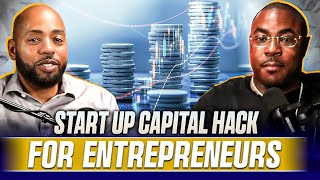
YouTube interview (June 9, 2025) hosted by Charles Noonan with guest Chief SBS (Tyrell L. Brown). Chief SBS recounts growing up in Baltimore, dropping out of Morgan State, early real estate losses, and learning credit/funding strategies via online education and mentorship. Core practical guidance: start with credit unions (examples: KeyPoint Federal Credit Union, Travis Credit Union, Nassau Federal Credit Union) because many offer soft-pull underwriting; join the American Consumer Council (use code 'consumer' to waive fees) to access partner credit unions; use no- or low-document funding and then formalize business documentation (QuickBooks, accountant) to qualify later for SBA/lines. Business offerings and metrics mentioned: public social following (~589k Instagram, 250k+ TikTok); community subscription $48/month; paid credit-repair mentorship $1,000/year (includes weekly calls; success fee ~10% on funding secured); highest individual funding cited $500,000 (client with 800+ score); low-end approval cited ~$5,000. Emphasis on mindset, mentorship, lifestyle marketing, and paying for education to accelerate change. CTAs include sbstalk.com and Instagram handle @ChiefSBS.
Chapters
Welcome to another episode of the real estate newsroom Today. Today we got a very special guest. Somebody that we all need. Somebody with the bag. Somebody with access to the bag. Somebody that could help us get to the bag. We got my guy in the building. Struggle before success.
My guy. My guy.
How you doing, man?
Well, I'm living the dream, bro. It's another day in paradise.
Yes. Thank you for coming up, man. Coming all the way from Florida.
Yeah. Fort Lauderdale.
Yeah, Fort Lauderdale. All right. I like it. But you do got some up north roots? A little bit.
Yeah. Yeah. So originally born in Baltimore, Maryland, you know, shout out to the four one zero and yeah, I lived there pretty much for 31 years of my life, you know, so I grew up there. My mom and dad both worked full time jobs. Watched my family, you know, in a sense, struggle.
Okay.
I had dropped out of college, right. So went to Morgan State, ended up dropping out of college. I had my daughter when I was 24 years old. So really I was just someone who basically was in a struggle before we got to success. And it was due to lack of information. Didn't have the right knowledge, in a sense. And when you grow up around certain people that don't understand financial literacy, what happens is that you become a product in your environment. And so I had to get coaching, I had to get mentorship. I had to basically change my trajectory by getting access to the information that they don't teach you in school. And that's pretty much how we ended up here.
This is important, man. Do me a favor. Bring the mic over a little bit closer to you. You could just bring the whole. Yup, yup. Cause my community can't miss this.
Gotcha.
We need money.
Yeah, you do.
Funding.
Yeah, I do. I teach people how to rob the banks, but legally.
You teach people how to rob the banks. Legally. Legally. I love it. I love it. Then it ain't robbery. It's just bar.
Yeah.
Just borrow it.
Yeah. That's a suspense. Gotta put a little spin on to it.
Yeah, yeah. So let's just jump right into it, man. Nate, do this for the community, right? Because they watch loyally.
Yeah.
Give me top three banks, right, that people can go to to get money that don't have perfect credit profiles. And don't say this to Chase and the bank of America that everybody. We tired of getting denied from there, bro. Give me top three. That you.
That.
That people don't know.
People don't know.
I ain't tell you this. You got to give. When you come on here no, that's cool. You can.
I can give. I would say first thing, like, if you don't have the most perfect credit profile, you got to start with credit unions, right? Because credit unions really will give you the bag now, just being genuine, right? Because I'm gonna give them real game, right? What happens is that a lot of times, a lot of customers, consumers don't really look at banks as businesses or look at banks as like business partners. So what I like to tell people is that you gotta start auditing banks. You gotta start looking at you. You can go on chat GPT and you can basically ask chat GBT for a list of credit unions. But in that list, you wanna ask for the credit unions that pretty much have the most cash flow and the most assets. Because if you're looking to get access to capital, you got to think about it. When banks are tightening up or credit unions are tightened up, it's always going to be due to the assets and due to that cash flow, right? And so of course, what's going to happen is the first credit union just being genuine, if you go look it up, they going to spit that to you. Is Navy Federal.
We don't. You cannot give Navy Federal. I want you to give us three fire places they could go that don't have perfect. Because people come on here and they be like, Chase bank of America, Navy Federal. Oh, yeah, I'm giving game that. That, that's not going to work because our people don't. We don't, we don't. We don't. We don't got the perfect, like credit.
So you can go to, you can go to Key Point. Key Point Federal Credit Union.
Never heard of that one.
And they do a soft pool, right? So you can go to Key Point Federal Credit Union, they do a soft pool for auto loan up to 100,000. They do a credit card line of credit or personal loan up to 25,000. And they do a soft pull on Experian. You can do Travis Credit Union, right? Travis Credit Union is another one. They do another soft pull as well. You can do Nassau Federal Credit Union, right? And the reason I'm giving all credit unions that do soft pulls is because when you don't have the most perfect credit, the number one thing you don't want to do is go out there and start doing inquiries and damaging your credit even more.
Right?
But so I would do Travis Credit Union, you could do Key Point Federal Credit Union. You could do Nassau Federal Credit Union, right? And what happens is that a lot of times when it comes to access to resources. It's just understanding. You got to understand about the American Consumer Council, right? You can go and sign up for the American Consumer Council. Now some people drop this, drop this bag, but it's just understanding you can actually get into the American Consumer Council for free, right? So you can actually go in there, you set up an account, but when you get to the part where it asks you to pay, just use the code consumer. And then pretty much you'll get, you'll get access to the American Consumer Council for free. Now the reason why that's important is, is because the American Consumer Council pretty much partners with a lot of different credit unions in your area, right? So now when you join American Consumer Council and now you start looking at different credit unions in your area, you can Google credit unions near me or you start looking at different credit unions that you can go and get access to capital from that, do soft pools. Now you'll already be able to have access to that credit union because you joined the American Consumer Council and you can do that for free.
All right. You causing some separation between the other funded people right now, bro. I never heard of that. So the American Consumer.
Consumer.
Consumer Counsel.
Yeah.
And what does it do again? So, you know, so this is your field. I can already tell you an expert in this because when I said give you like, all right, cool. I said don't give me the top three. I wasn't gonna give you the three anyway. I got way more. Yeah, right. So what is it like? You gotta. Because we, my community, we don't know funding. We don't know all of this stuff.
Right.
I like that you breaking it down. What is the American Consumer Council like?
It's a, it's, it's, it's, it's an organization. And within that organization you have different partnerships, right? So what they do is they partner with different credit unions, Right. Some different states, different parts of the world.
Right.
But really what happens is that you can actually go and join that council, join that organization. And when you join the actual organization now, basically when you go like, they got another credit union outside of even like Travis or Key Point, it's called US Alliance. It's actually in New York, since we're in New York. Right. So it's US Alliance. So actually what happens on a US alliance application when you, when you do the soft pool and let's say, boom, let you get approved. Let's say you get approved for, you know, a loan for 25,000.
Yeah.
When you're doing the actual application, it'll say, hey, how do you want to join this credit union? Like, what is your, what is your alliance to the credit union? And you can actually click the American Consumer Council as the way that you can pretty much join the credit union.
Okay.
So that's pretty much what happens. It's just more of a partner with a lot of different credit unions. And so what happens is most people don't have access to credit unions because one, they don't work at the, in the area. They don't. They don't. The credit union doesn't service. Right. Typically credit unions are really like, it's a union, it's a unionized. Right. So it's more of like you have to have like the family works there or you work at a certain place or you.
So it's a way to get in.
It's a way to get in without actually being like, whether you work there, service the area, go to church, things like that. Like, they kind of support different groups. And so that's how you can pretty much get in. But basically when you go onto the website, you set up an account, and when you use the cold consumer, they got two parts, they got one that's personal. So it's like 15 bucks. If you use the code consumer, you get them for free. If you, if you do the business one, that's $79, you can still get them for free, just use the same code. And then they also give you a certificate. So they'll actually give you a certificate in your email. You can download a certificate right away. And then now pretty much you have that. So when you want to go to the different credit unions and get access, you already got your certificate, you're good to go. And then you can go to the different credit unions I talked about, they do soft pools. And then pretty much you can leverage that certificate to be able to get in. And now you can get the funding as well.
That's crazy. And credit unions are more lenient than banks.
Yeah, they're a lot more lenient when you don't have the best credit profiles and things like that. The number one thing about having the best credit profiles is just understanding how to structure it. And I think that be the biggest thing in our community is that nobody ever taught us how to structure our profile and how to optimize it. Right. And so this is why even when you see different funders and people talk about, hey, you can have a 680 credit score, but you got to realize, like, it's just like, think about when Someone's coming out of college. I mean, come out of high school, you want to go to college if you got just a 3.2 GPA, right? What happens is that now you're in a big pool of competition with all people that got 4.5, 4, 4.8, right? Like, and now you can't get access to funding and scholarships and different things like that. It's the same thing when it comes to funding, right? You, we got to look at it like it's you. You're competing against all 50 states, you know, multiple different entrepreneurs, business owners, regular, you know, employees, people that just need access to capital. So just having a 680, you're not able to really compete with the lending criteria. What's really happening right now in the market?
Okay, shoot. I thought my son was killing it. He got a 3.5.
My bad. I didn't even say that.
I think it only go to 4.0.
Yeah, I think so. Maybe not.
Maybe I've never. I don't know.
I could be wrong.
I don't know. I wasn't. I went to school on a basketball scholarship, bro. Not academic. It was athletic. But either way, you. You are coming off to me. And this is our first time meeting like an expert. How long have you been in this space?
So since 2021. Around like the end of the pandemic around that time, you know.
How did you get into the space?
I got burnt. I did a real estate deal. My very first real estate deal, man. So I did a real estate deal and I partnered with a guy who. Well, me and my mom partnered with a guy where we owned a property Free and Clear. And it's a hospital in Baltimore, you know, Baltimore, John Hopkins University. Right. And it's on Orleans Street. So we owned a property from Free and Clear on the same block as John Hopkins at this time. It's a lot of revitalization going on, a lot of rehabs going on. And so that particular property, once we fix it up and everything like that would have been worth about 275,000 at the time. So we owned a Free and Clear. We just needed to do the rehab. And we partnered with a guy, basically. He understood how to set up LLCs. He understood how to go to get different hard money loans. He understood like everything about lending. And so on the very first deal we did, we got beat for $68,000 at the closing table. He was able to really, when we closed on the property, he was able to cash the check. Right now he had some connections at M and T. So he was able to do it in a way because he has certain connections. But I was young enough to want to know everything that he knew. I wanted to know how he did what he did. My mom was a little bit older, but I was around 25 years old.
And.
And I was just like, man, if you could. If we could, like, own a property free and clear, and you could help set. Set up, set up our llc, you can get us the hard money loan, and then you can. And then basically, like, even on a $68,000 check, because the way it was structured was like a sale, right? But we was basically supposed to be partners in the deal. So that means we was selling it to him, right? So that we could do the fix and flip and kind of do the rehab. So I was so young that I'm like, yo, how did he do this? Like, how did he. Like how? I just wanted to know how. And so I want. We had other properties. My mom, she, you know, shout out to my mom. She was a nurse, right? Registered nurse, and she would buy properties in Baltimore for cheap. 5,000, 10,000, 15,000, stuff like that. But as, like, you know, as you start seeing rehabs and revitalization happening, things like that, imminent domain, different things that kind of take place in the real estate market, you know, in Baltimore, in certain places, it started building up. So it was other properties that she had. And I was trying to read. I was trying to redo the process, right, bro. But I was going to different banks, and I kept getting turned down. You know, I would go. And I was trying to get loans and stuff like that. At first I thought it was because I was talking to white bankers and things like that. Just because of ignorance, right? I'm thinking it's because I'm talking to someone Caucasian or different color, and they don't want to lend to me. Not realizing, like, there's a lending climate. There's. There's.
There's a certain structure, underwriting guidelines.
Underwriting guidelines that I gotta understand. And so when I kept hitting the roadblock, it was like, man. And they kept talking about my credit report, my credit profile, my credit profile. So it got me on YouTube. I got to dig it in. Okay, what is. What is. How does this work? How do you set up a credit profile? What kind of credit profile do lenders look for? What are the different underwriting guidelines that banks look for? Yeah. And so that's when I realized that I had bad credit. And it drove me into everything I needed to do to fix My credit. I also realized my mom, she was just somebody that paid her bills on time. She never knew nothing about credit either. Yeah. So she didn't have bad credit. She didn't have no credit. It was kind of. She just had a different.
Yeah, some people get denied. They might have a 6, 7, 90, right. It says good.
Right.
But then you still get denied. And you like. But I paid everything.
Yep.
And it's like, nah, that, that ain't even showing. You know that light bill you paying or your rent is not. Yeah, you paying on time, but you don't have a profile. I learned about that. So you learned from YouTube University. YouTube.
And then I tapped into recession proof.
Okay.
So when Marcus came across the screen and seeing him 500 just come across, you know, that was like really what drove the education part of me too. Because I'm a type person. If I get access to information, I'm gonna execute.
Okay.
So it was YouTube University. And because I got burnt, I was so. I was so interested into it, like to understand the information on a different level. And so, yeah, YouTube University. I tapped into recession proof and I started fixing my credit and I started building out my mom. So the first thing I tell people, like, is that you gotta have you. You gotta operate sometime. Not just about you, but understanding different people in your family or different partnerships. Whether it's your brother, your homeboy, like, if you got the information. Sometimes we gotta understand collaboration. Right. And a lot of time when in our community, the major problem is competition.
Right.
Some just to say, oh, this person put me on. Like, just to say, oh, this person put me on. Like, that's not how it's supposed to work. Like, we gotta start collaborating. So what I did was I worked on fixing my credit first. In the meantime, I started building up her credit. I got her over $300,000 in funding different banks, Navy, Federal, American Express, hard money loans to kind of keep the properties going and stuff like that. But I understood that, you know, it was me working on my credit and understanding that plan and understand how I could build her out. And we, we had a. You know, like they say, I think and grow rich. We had a mastermind alliance.
Nice. I love it. Hey, shout out to him. 500. Man, I'm meeting so many people that learned from him. Yeah. I'm starting to think, like, where would we be be? Just because I know so many people that have gone through recession proof. I'm starting to think like, where would we be if he never opened that program?
Yeah, yeah.
How many people are in recession proof that, you know, like, just give me the number.
No, it's a lot of people, man. It's a lot of people.
Thousands.
It's a lot. I mean, I think we see a lot of people that came from recession proof.
Yeah.
And then it's like you gotta think about the people that also came through, the people that came from recession proof too. So it's like that, that, that information and what it did in our community was life changing, like, you know, for generations to come.
I'm start. I' starting to realize that. And sometimes you don't, you don't understand the impact until years later.
Yeah.
Right. You don't really see until like you just keep meeting people in the credit space, the funding space that say, oh yeah, I was part of recession proof.
Yeah.
And at this point where we are today, I'm like, that man really had an impact on our people. And it's not just New York, it's not just Atlanta. It's like a national thing.
Yeah. Because what happens is like, it's just understand like the system. You know, all of everybody nationally went through the same school system.
Okay.
We always taught math, English, algebra, M equals, you know. Right. All that nonsense that don't really at the end of the day really put us in a position to understand financial literacy. And so what happens is that in our community, you, you don't, you, you can't operate on information that you don't have.
Yeah.
And that's the biggest thing that when he did come out and give the information and then certain people tapped in and executed on it. That's what really changed our entire community. But what, what you understand is that it goes deeper into the system because they all brainwashed us to kind of think and operate one way to go and you know, work 40 years, get a job, retire broke, not realizing that it's about getting access to information that they had to allow them to start businesses, grow businesses, scale businesses, buy land, develop real estate. Like, those are the things that actually create generational wealth. And you gotta come from what they say is slavery or not having money, not not being able to read. You couldn't even if you could read, you not. They only want other people to know you could read. Right. So you got to think, we came all the way this far, but it still goes into a system that was put together to, at the end of the day, not just hurt me or you, anybody who, who wasn't a part of the secret societies, these different organizations, like, if you weren't a part of These different organizations come from certain bloodlines. They did not want you to have the information.
Is that why you give so freely?
Of course, yeah. Because we gotta start building our own societies. And that's really where you gotta look at it differently. Like, yo, what kind of society are you building in your own culture, your own community, within your family and then the people that really want it, you know what I mean? Like that's, that's what makes it exciting.
So you're, you're full time, you, you own a funding company?
Yep. So we do, we do funding. We help people also with fixing their credit as well. And then we also teach people how to build up their brand and like their social medias and stuff like that. So, you know, fortunately, what happened with TikTok and organically, you know, we have, you know, 580 plus on Instagram, over 250,000 on TikTok, over 200 plus thousand on Facebook, and we just grind.
How many followers you got on Instagram?
We got 589,000. We probably be at 600,000.
Damn. Does he teach that in recession proof too?
I mean, he teaches about branding and stuff like that.
I'll be struggling, bro. I just got over 70. For real? Yeah.
You doing well though, bro. You're doing well.
70,000 is a lot of people, but it ain't 500.
But see, what happens too is that we can't really get caught up in the followers equating the dollars, you know, I mean, so what you've done in terms of making money and understanding development and stuff like that is like the real, you know, wealth and stuff like that. But what happens on the following side is how many people are getting access to you, right, so that they can continue to kind of build out the community and build out their wealth and stuff like that.
Man, that's dope. So you, you on Instagram, what's your name on Instagram? Chief?
Sbs. So C H I E F S.
B S. What does SBS stand for?
Struggle before success.
You know, we got to dig into that, bro. We got to dig into that. I asked that question a lot and I'm a little bit torn on the answer. So I, I legitimately asked this question. Do you think struggle is necessary before success and take yourself out of it?
Like, no, I don't think it's necessary at all. I don't think it's necessarily all. Because what happens is that if you come from a successful, a successful background, successful family, right? What happens that you automatically have certain things wired, like believing in yourself. Right. Like believing that you can do anything that you put your mind to.
Right.
Because you come from a wire of success. You see that every single day. I think that what's imperative about the struggle before success, though, is just being able to relate to, to people who come from not having money, not having food on the table, not having certain resources and things like that. But what happens with the struggle side is that now you got to do a whole entire rewire, right? Like in the Bible, it talks about renewing your mind, right? And so that's the biggest thing is like, most people struggle with the renewing your mind aspect of becoming successful and basically getting rid of all the garbage, right. Like Les Brown said, garbage out, right. And then you got to put the right stuff in. And so that's when it's about developing your mind. What are you listening to? Right. You know, one of the biggest things I tell people is that whoever has your ear has your future.
I believe it. I hear. I. I believe that.
Right.
I really deeply believe, like what you listen to, what you watch, what you eat, all the things that you ingest, ingest affect what comes out.
Yeah.
Like, like wholeheartedly.
Yeah.
So you believe you don't have to struggle to be successful. There's a simple, easy path you think that people can take. No struggle and to be successful.
Yeah, for sure. I mean, like. I mean, a lot of people might not like this person, but looking at Donald Trump, right, Like, you know, because he came from a successful background, successful family, I mean, successful dad, right. You know, he started developing major, you know, real estate deals. What happened, right, what happened when his dad is that his dad started connecting him to all the same connections that he had in the real estate business.
Yeah.
Right. So now you don't have to stop him. The bottom. Because you already got the connections. So now he was able to start from a certain place with certain connections. He already had the mindset of success. He was able to, you know, go to different projects and stuff with the dad, see how things operate, understand operations, business models, infrastructures. And so he was able to go from where he was at and kind of continue to further that, that, that process on, right. Even to, like today, you know, if I just say, hey, Charles, do you think that you could be. You could be a felon and become president? You know, everybody would tell you, like, without just knowing anything about the law or anything about the world, like, no, you can't be a felon and become president. But as you, that's something that could actually be possible, right? And it's like he never doubted that. Right. So all I'm saying is that people don't like him. But what happens is that when you look at certain, you know, elements of, you know, the. The apple not falling too far from the tree, we can see that when people are successful and they come from successful backgrounds, they got the right relationships, they got the right resources. I mean, literally, it's easier to go straight to the top.
Ah, that's a. That's a. That's a good answer. That's a good answer. But then you have some exchange where some people that do come from successful families are failures. Yeah, they fail.
Yeah.
And then you have some people like me who came from nothing and made it.
Yeah.
So. So I'm not sure, but I. I don't know a lot of people personally that didn't struggle before they had success. Yeah. There was some dark point, some. Some struggle. And you bring up Donald Trump. I'm sure Donald Trump had struggles.
Yeah. For sure.
They went bankrupt.
Yeah.
A number of times. Right. Deals didn't fall through. I'm sure there was some struggle along his journey.
Right.
So I don't know. That question is, I don't think life.
Is like, you know, it's not perfect. That's. In business. Right. Like, as an entrepreneur, it's never, like, perfect. I just. I just think that, like, there's certain elements to what makes people successful, and one is, like, how they think when you do have certain resources, when you do come from certain backgrounds. I'm just saying it makes it easier. Does. But everybody has choice. Right. And I, like, I would agree.
Your environment, your upbringing makes things easier.
Yeah.
But not. Not. That's not all.
No.
Right. Like the right mindset. You're right. Because, I mean, we see it all the time. Politicians, kids in the newspaper for screwing up. And you're like, hey, his dad's a senator, a congressman or whatever, and you're like, he got everything. Right.
So.
Yeah. And then again, you see the opposite. You see people from.
Right.
Impoverished neighbors that make it all the way to the top.
Yeah. I think. I think just being, like, from Baltimore and just, you know, being from a, you know, impoverished environment, per se, like, environment. I still think that, like, what happens is, though, is, like, you don't really get a chance to see what success looks like if it's not someone that's on the corner shooting a basketball, catching a football, you know, or swinging a baseball bat. Right. And so it's like, if that's your only view of what success Looks like we all just become, in most of us, most of the population that comes from that, they kind of follow their environment, right? It's like you gotta, you got to get a mentor, you got to get some type of coaching, something sometimes life altering, like situations can happen per se. And then it's like people got to make the right choices though. And I think, like, you know, for me, definitely, I'm someone who definitely struggled before I became successful. I hung around the wrong people. I was smoking weed, I was doing. I was doing the things that I saw in my environment as well. What happened was I just got introduced to business. I saw an example of what success could look like and I was like, all right, this is what I want to do. And if I want to be that, then I got to stop this. I got to cut this out. I got it.
Who was that example?
So when I. One of my first businesses was. Was in network marketing when I was in college and going to Morgan State University, I got introduced to a guy at the time who was doing 30, $40,000 a month. And it was network marketing. He was black. And so that was like.
There's so much controversy around network marketing. Yeah, it is like, give me the breakdown. And I'm just asking for people. I don't judge, I don't, honestly, like, I just, I'm just, I don't judge, but like, give me the rundown in like one minute. Like, what's up with network marketing, bro?
Is it, is it, is it real?
Is it legit? Like, give me the rundown.
Yeah, it's, it's a, it's a legitimate business model. It's just understanding that. So most businesses have employees. So like, if you become a business owner, you. We was talking about earlier, the virtual assistants, you hire certain employees and those employees do certain tasks and do things. And then what happens? That now you have freedom because you can go and do what you need to do, but you have people working for you. The major difference with network marketing is that you don't really have to have employees. You just basically get sales reps.
Okay.
And those sales reps go out and sell and make sales and be. And because they are part of your team, you make money off the efforts of those people. Right? Okay, typically if you think about like Amazon, he's making money, he's making, you know, billions of dollars, but off the efforts of people that's in the warehouses doing the packages, dropping the packages off. So he does the, he does the same thing. It's just that he pays people Hourly. Right. And they, and they don't have a chance of, in a sense getting rich or building themselves up.
Yeah.
Into a, into a different money.
Right.
But in network marketing is like, you can start from the bottom, you could go to the top. The major difference is that you can pretty much build a sales team, but you still make money on the efforts of other people. It's just that those people can pretty much do it on their own time whenever they want. And really, I'll give you multiple business models. If you think about Uber, it's the same thing. Right. Like, you know, they make a lot of money on people that decide to cut on the app. If you don't cut on the app, then you don't make no money. Is that a scam? No. Right. Lyft, you know, shipped, you know, instacart.
I gotta, I don't know, I want to learn more about them because I just hear different things about network marketing. There's like you said, people that make money, that make a lot of money and then there's people that don't.
Yeah.
And it's just like a, like a gray space to me. Just I'm on the outside of it. Right. I've never been a part of one, but I hear good things about them, then I hear some bad and I'm like, damn. Well, which, which one is it?
Yeah.
Because I just don't know.
There's so many models like it though. Like even real estate agents, brokers, you know, like the whole real estate kind.
Of thing was a more clear cut. You sell a house, you get 6%.
Yeah.
You buy a house, you got fees to pay.
Right.
It's. I don't know.
But as a broker, you know, like on a broker side they have agents. Right. Like they make money, predicate on it. If the agents out there sell the house. Yeah, selling houses. The agent's not selling houses, then they.
Don'T make no money.
They don't make no money. So it's similar in terms of like.
A commission based structure. Yeah.
Where people can just make money off the efforts.
Okay, cool. All right. So the way you got into funding, you or, or your mindset to get you into funding because you had to pay to get into recession proof, right?
Yeah.
So you see network marketing person, what impressed you about that? Like what, what did you see that.
Somebody that was someone that was successful, that didn't sell drugs.
Right.
That wasn't shooting the basketball, that wasn't an actor, wasn't a movie star. Like it wasn't, it was like, you could be a successful businessman.
But what was the visual? Was it a. He wasn't.
No, no. He was like, I went to. I went to my very first event in a hotel, and basically, he was basically giving, you know, the presentation on how the business works.
Yeah.
And then I guess what caught my eye too, and I think it's different things about life was what happens is that, like, okay, I was. I was at the event. I'm here to get the information. And he pulled up a check in December. Like, he was showing a check from December. My birthday is in December. I'm a sage. My birthday is the 14th. And I think, like I said, the check was like 30,000. Right. And I was like, in my mind, I'm like, oh, that's a great Christmas.
Yeah.
You know, and this is usually what times where people are, like, struggling to, you know, get Christmas gifts and people are doing, like, going through all types of struggles. And so it was. It was just an example of, like, wow, that you could, like, okay, you can have a online business and you could make this type of money, and you're not an athlete, you're not an actor, and, like, you know, you didn't sell your soul. And I was like, all right, that's something that I really would like. I was intrigued. And so I ended up getting started, you know, just taking that risk. Even from Baltimore, like, just taking them, taking the risk, getting started. And that was like, what kicked off.
My, like, your understanding that people be making money outside of that world of.
Of having a job.
All right, so it was the check.
It was the check.
Did he talk about what kind of car he got?
No, it wasn't like that. It was like he.
Any jewelry?
It wasn't even jewelry. Yeah, like, he had a nice clean cut suit.
It was just the check.
Clean cut suit, black. And like, the check. And then, like, when he explained the business, it made sense, you know, because, like. And not to sell the business, but it was like getting paid when people pay gas, electric, cell phone, cable, like, bills.
Yeah. And make. All right, so. And I'm just thinking as a marketer from a marketing perspective, because there's also conversations about lifestyle marketing.
Yeah, right.
And people using lifestyle marketing to sell people, to let people know.
Yeah.
And I. I don't do lifestyle marketing anymore. I used to got you, like, when I first got on social media, but then I realized, like, I didn't really have to. Yeah, but so you don't have to do lifestyle marketing to convince people and believe in what you're Doing? No, I'm saying, do you do any lifestyle marketing?
I do.
You do?
I think, like. So it goes back to, like, being. Being in our community. Right. I think what attracted me to him, 500 was the lifestyle. Right. Now, of course, you know, he had value behind that, but, like, what attracted me was a lifestyle. I mean, I think, you know, I think when you. Like when you grow up in the hood, and I think with people of color, it's like, you really attract to, like, the brand names and the jewelry. Like, we just, like, we gotta have that. You know what I'm saying?
That's what I wanna. So tell me more about that. What did you see that he had that made you. And what did it do? Like, what did you think about it with five? Yeah.
So one of the first videos I remember was when he said he made a million dollars in a month. And he was like. He used his credit card to run the ads, and he got the reward points as well. And when he spent 6,000 a Louis. But his trip. But it was free.
So it was Louis Vuitton.
Yeah. And he had a McLaren. He has some Louis boxes on the top of McLaren.
And what did you say? Like, no. So this is real. From understanding our people. Because some people say, I have to show you this stuff for you to believe me. Some people might. You might have a conversation with him offline. He'd be like, I don't even drive that McLaren. It's too small. But it allows my people to understand what's possible. So I had to get that McLaren.
Yeah.
So they could. So I could get their ear.
And that's. And it's like. I think, like, what happens is that we don't. And goes back to, like. So me being from Baltimore, we don't see that. Like, I didn't. I never saw McLaren. There's no Lamborghini, there's no Rolls Royces in Baltimore. Right, Right. So there's. That you don't have the examples of what you can do. And I think for me, like, the only time you see these examples is when people sell drugs or do things illegal or basketball, football. So, like, once again, it was just being able to see, like, being from where I'm from, we gotta be able to relate and see examples. And I think that's for all of us. Like, that's what motivates me. Motivates. You know, when I see other black men, it's like, we gotta understand how important it is for us. Right. To be an example to the people that's in the impoverished neighborhoods that's gonna make the wrong decisions.
So.
And all that.
So you don't. You don't knock lifestyle marketing?
No, I don't knock.
You look at it as the more kids that see us driving rolls Royces, Maybachs, McLarens, Lamborghini, the better.
And I'll tell you why. Right? Because we all. We all have a dream, right. Most of the people in the hood, if you think about it, when you grow up in the hood, like, you have some type of dream. You want to take care of your mom, you want to take care of your dad, you want to take care of your sister, you want to take care of your family. Right. And the only people that are second. Yeah.
When we think of marketing.
Right, Right.
We. You just said people retiring their mom. Yeah. There's a line of videos where we're seeing entrepreneurs retiring their mom.
Yeah.
Is that marketing? Or is that like. You think that's marketing? Or is it like, hey, guys, I just wanted to show y' all what this business did for me. My moms don't have to work no more.
I think. I think it's both. I think both are equally important.
I.
It's. I think both are equally important because the thing about marketing, right, for any business is the holy grail, right? Like, it's the holy grail of any business. If you can't market, you're not gonna be able to get customers. But also, if you. If you don't perform and you're not performing, like, you only can fake or you only can, you know, have a Persona for so long, at some point it runs out, you know? I mean, like, at some point, somebody gonna see your mother at work, and it's like, oh, I thought you. Yeah. Was retired.
No. This is a very interesting conversation, man. Just thinking about it, like you said, very genuinely.
Right.
People want to retire their mom. People want to drive nice car. People have dreams of XYZ and showing that kind of. If you could show that and then find a way to bridge the gap.
Yeah.
I think it. It. It. It's logical marketing, because it is our dream.
Yeah.
And I think people that knock lifestyle marketing, they don't understand that.
Yeah. It's. You know, I think, because you. When you come from where we come from just in. In genuine, and you don't see certain things. Like, really, you see a lot of dads not in the household. Right. Like, think about how many people see their dads not in the household. It's like their mom was struggling their entire life. You know what's one of the first things that we like, you know, think somebody gets drafted. The NFL, the NBA. What's one of the first things you hear? Oh, I bought my mom or what?
A house.
A house? Bingo. Because we understand it like they lived in three, four bedrooms with four, five, six, seven people in the house.
Yep.
It's like, yo, it's just being, being that example is everything. When you come from nothing and you need somebody to look up to and say, hey, that I can be something, that I can make something of my life. And I. And I think what we do see is the actors, the movie stars, the basketball players and all that. But then like beyond that, like what happens when people can't sing or people can't rap or people can't.
You don't make the league. How are you going to fulfill those dreams?
How are you going to fulfill those dreams?
Yeah, I like it. I like the educational way too. But there's some stuff left out with education too.
Yeah.
We got hundreds of thousands, millions of people that went to college.
Right.
And followed the educational path and became nothing.
Well, because you got to understand that college in so many words, in some ways, if you're not becoming a doctor, if you're not becoming a lawyer, if you're not becoming a nurse, like college is a scam.
Or even even to add to that, if you're not going to the top schools, nobody's checking for you at your local little private community college. There's no hospitals going there. There's no big law firms going there saying, I want this person before they graduate. They're not fighting for the person at the local community college. A lot of times people graduate college and they're just left out there with a degree and nothing else. Like there's no one looking for them.
And I think the thing about college is that it just, it what happens at college, why I say it's a scam is because it teaches you how to work for other people. It doesn't give you certain skill sets. When I, and when I say certain skill sets, I'm saying, hey, like even like, like, like right now we see what's going on with AI, right? Like, okay, the Waymo, my, my guy Brennan was in the Waymo the other day. The Waymo basically is self driven around.
Yeah.
So a lot of jobs are being eliminated. Right. And what happens that now if people don't have real skill sets? Sales, marketing. Right. They don't really understand how money works. They don't understand certain businesses, they don't understand Infrastructures, business model, systems. What's gonna happen now, right? You, you were, you now become eliminated because you don't have certain skill sets, because you can't provide value to the market. And that's really how money is made, right? We all make money because we can either provide some type of value to the marketplace. Whatever that value looks like, right, Is that that's how you get paid. The biggest thing about America is though, that now anybody can grow the value that they bring to the marketplace if they do the right work, get into the right rooms, network, get into the right education, in a sense, self educating themselves, YouTube, university, you can start growing that value that you bring to the marketplace. But if you don't make money, it's technically up to you because now you got to figure out how you can provide value.
That's true. I agree. I learned a lot from college though. I networked.
Okay.
Networking, the discipline. I think you get discipline out of college. Yeah, that's the major piece that helps me as an entrepreneur or that separates me as a, as a, as a successful entrepreneur for those that are not successful.
Gotcha.
So just like everything, you got entrepreneurs that hit it out of the park, right? You got some that do well and then you got some that is probably the inverse. You have like 5% that kill it, right? You probably got like another layer of 10% that are doing well and then you probably got 80%, right. That don't, don't make it, you know.
I mean, and I think too, it's like. But it's also the debt that they go into, you know, I mean, it's.
Like for whatever reason.
Part of it. Yeah, part of it.
But I think discipline too. So I have the discipline to where I'm a work before play. Yeah, I know if I have to get something done, I'm not leaving the house before I get it done. I'm not closing my computer before I get what I have to get done done. That discipline. And things have to be done on time, right? They college taught me that discipline, like, oh, shoot, I gotta do a paper. It's due tomorrow. I had to stay up and do papers, exams.
Do you feel like, do you feel like when you stayed up, do you feel like that was because you got things done in crunch time or you were someone that like really mapped it out and really like mapped out your days and mapped out to make sure you got done? Or did you used to like wait till like the last minute but like you like, yeah, bro, I come through in the clutch.
So it Got done. That's the bottom line. So we were talking to two people that were here. That's. That's theoretically planning and trying to do something.
Gotcha.
But they didn't. They don't got no date. They don't have a structure. They don't know, like, how much they're gonna charge. They don't know a lot of stu, right? And I'm saying to myself, I said, I. I would have liked to work with y', all, but I don't know if y' all gonna put the work. And that's necessary to get it done. So it's work, right? Every level of success we have comes with a lot of work, right? So whether it's a hundred thousand dollars, five hundred thousand, a million dollars, we gotta work for it. Yeah, Right? So I know I'm gonna do the work. That's what separates me, I think, from people that don't make it or that didn't make it to where I am before I come outside. I' ma do the work.
Yeah.
College taught me that, right? Like, I had to pass my classes to play basketball. And I learned that discipline. I learned networking, right? The environment I was in. The friends that I had in college are my friends to this day. And I don't know, if I wasn't in a place where people are paying 40, $50,000 a year for education, my friend group would be the same as it was when I lived in the Bronx before I went away to college.
No, that's dope. I mean, that's a great experience. I mean, when I went to college, I didn't really finish.
You went to a hbcu?
I went to hbcu.
Fresh from Baltimore.
I went up the street. I went to Morgan State University.
Morgan State. Morgan State is in Maryland.
It's in Baltimore.
It's in Baltimore.
Yeah. It's up the street.
Did was just wild and having fun, partying.
Yeah, it was crazy.
Was it fun?
It was a lot of fun. I mean, the same thing, right? Like, I equate to networking and stuff like that. What, what, what happened to me was like, like. And I think a major piece that you just said for us, right, is like, basketball, you know, that was one of my. My major loves. So that kind of carried me all the way through high school. But when I got to college, I wasn't playing.
I didn't, you know, everything that attached to it wasn't there. So now it was just.
Yeah, man. And that's. And that's what. And what's happened and that's what happens. Because I wanted to go to the NBA. See, really. And it goes back to. I had. My dream was to go to the NBA. But one of the reasons why is because I wanted to take care of my family. I wanted to provide that lifestyle.
What they were able to do.
Bingo. And like, but. But when they. When I couldn't do it at college no more, and it was like, that's when I fell into all the different influences, the selling weed, the girls and all that kind of stuff. And. And that's how I would say my life went that way. Until I saw that example and I was like, okay, boom. Now. Okay, now. Okay, bet. Now I can really still be successful.
Yeah.
I can still figure out a way to do having to play basketball so full time.
Right now you have a funding business.
Yep.
Are you able to do through your business all the things that you wanted to do? Have you reached out?
That's the most. That's the most amazing. That's the most amazing part, bro. Taking care of my daughter, paying my mom's rent every single month. You know, even just like, when the family do need or if they do need, when they reach out, you know, being able to, like, provide it. So I would say. I would say everything that I dreamed of doing in terms of, as a man, taking care of my family. Yes. At this point, it's just being in the environment that we're in and, you know, even sitting down, having conversations with you and you talking about the date, like what you just did at the conference, and don't say my number. Yeah, but just talking about what you did at the conference and just like. But being in that environment is like, what allows me not to get comfortable. You know what I'm saying? Okay. It's other levels to get to. But in terms of, like, what you just said, bro, Taking care of my mom, paying her rent, car payment, phone bill, you know, I mean, I was just talking to her earlier today, and she was telling me about, you know, spending money, and I was just telling her, like, hey, mom. Well, you've been retired for a couple years now, so everything is working.
Yeah.
You know what I mean? And she laughed a little bit, but it's like, we had fun. And, you know, shout out to my mom, man. You know, shout out to my mom and my dad. They both, you know, definitely raised me properly, did everything they could.
I got a lot from them, but nice.
You know, I'm gonna go home for mother's Day and, you know, spend time and. But I would say yes, Bro, Being able to fly around the world, do the things that I do, it was, it was all because I got access to the information. I saw the examples and same thing, you know, you know, the exit. It's really about execution. I think so many people don't really understand that it don't matter what mentorships you buy into. Don't matter about all that stuff. Doesn't matter if you're not going to commit to.
Yeah.
Execute.
You got to have the discipline to do the work.
Yeah.
So with funding though, tell you help people and do they have to do a lot? Like, do they have to submit a lot of documents to you for you to get the money?
Nah. So we focus on funding that doesn't require tax returns, bank statements, profit, loss, debt schedules. We focus on that type of funding. I also have, you know, SBA loans that we can do. I also if they do want lines of credit or business cash loans and they have the documentation, then pretty much we can help with that as well. Because one of the biggest things about being a business owner entrepreneur is that a lot of business owners and entrepreneurs struggle when it comes to their documentation. They don't set up QuickBooks, they don't have an accountant. Right. They don't have certain things in place. So when it's time to go to a bank that wants full documentation, they can't provide the actual documentation. So we focus on helping business owners and entrepreneurs get access to capital without, you know, the tax returns, the profit and loss, the bank statements, the pay stubs, and then what we tell business owners though, and this is what's important, is that when you get access to that funding with the no documentation, this is where you use part of that and you start building out. Hey, Making sure that all your deposits go into your business bank account.
Right.
Making sure that you get an accountant or get QuickBooks so that you can set up your documentation, get a proper account that can help you with your business tax returns, your personal tax returns, so that when now you want to get access to lines of credit, business cash loans, things that require documentation, SBA loans.
That's great, man. I, I, I like that. Because funding is the piece that we be missing. We all try to. And this is why a lot of businesses fail. They're underfunded.
Yeah.
You can't start 90% of the businesses that people start without the right amount of money. You're literally doing it wrong. If you don't have certain departments, you need like a HR department, a marketing person, a marketing team, a market, sometimes we go into business and we try to wear five different hats, eight different hats, and we fail.
Yeah.
So do you ever help you. Do you have something in place to help startups?
Yeah, for sure. Yeah. So we, we, we help startups all the time. If you don't really have proper documentation if you're it, preferably, we like to help you if your credit score is a 720 or higher because of the lending climate.
Oh, come on.
But if your.
Stop, stop, stop. Here we go. Come on, bro, I got you.
If your credit is not 720 or above, one, we can help you. We can help you fix your credit, right? And we show you. We, number one, we help you fix your credit, but we also show you how to use AI and different and different protocols that you can use today to get it fixed quickly. Another thing is that you have, you have banks like, or you have institutions like CDFIs.
Nah, now you talking. Now you talking. You know, we don't got no 720 credit scores.
Yeah.
How many people come to you with a 720? I just heard you on speaker.
Four.
When somebody said I got a six.
Yeah. Five.
Oh, well, yeah, something like that.
So, so, but that's the thing about AI, right? Like, so what's crazy about Chat GBT is that you can go to, you can go onto a website like let's say my Fico, you can go to experian.com you can actually take your credit report. You can download a copy of your credit report, you can go to ChatGPT. You can upload a picture of the credit report to ChatGPT. So you upload a credit report directly and then you just put a prompt in. Hey, write me a affidavit disputing all the negative remarks on my credit report. Right. And make it seem as though it came from a consumer law attorney. Boom. Check. Chat GBT will literally spit out the entire dispute letter dispute affidavit for you. And that's free.
You do that for people, though.
I do that for people as well.
You do credit repair?
Yep.
That's the piece that I think funding people be missing.
They just don't want. They just a lot of time with funding people in general. A lot of people don't are in the business not to necessarily help people. Right. They're not really in the business to help of helping people.
You hurt some feelings right now, bro.
They're not.
You're aware of that, right?
No, for sure. I get it.
Because this is what I'd be saying if you in the business of helping people. Why you only want people with a 7 something credit score? Knowing our people don't be walking around with no 7 something credit score. I meet so many people, Charles, Let me fund community. In your community, who's doing. Who's doing this? I send them 35 people. Nobody gets funded. I'm like, hey, what's going on? They're like, yeah, your people ain't ready. I'm like, you saw what my people look like, right? They like, yeah. I'm like, all right. So you know, they not ready. You know, you know, the people we serve don't have seven twenties, so why? So. So they know good. So you can't help them. They be like, no, right? And I just be like, damn, bro.
Because what happens is it's two things to the people, though. It's two sides to one. If you teach people how to fish, then pretty much they can. They can. One never, never be starving. The other side of it, though, is that people have to understand how important this part of the process is. What I think happens in our community, and this is where it's like, when people can't just meet directly, make money like, hey, if they can put a dollar here in to turn to $5, if. If it's a process, if it's a. If it's some. A journey they got to walk through, man, they turn. Our people don't understand the importance of walking through journeys and walking through processes because you can't become successful overnight. Yeah, right. And so that's the biggest part. It's like, hey, either you want to learn this information and you walk through it and you. And you understand what it. Or you allow people to help you trust their process, trust their expertise, walk through the process, don't expect it to be overnight and then. And then be coachable and execute on what they tell you to do. Yeah, that is. But because, hey, if it ain't gonna be a $5, I put a dollar here, I make $5 tomorrow. Or it's not a direct correlation to them making money today or tomorrow.
But here's what I say to that and to the community of funding people that don't do credit. You. We talked about this, building trust. How much would I trust you if you worked for me for three months and you took my credit score from a 640 to now a 700 and then you got me money?
Right.
What's that relationship like now versus you saying, oh, you not ready yet, Call me back when you fix your credit? I don't know how to fix credit, right? So now you basically just close the door on me, but what does it do for your business now that you didn't close the door on anybody, right? You say, hey, what's your credit score? You need some funding? Yeah. What's Your credit score? 590. All right, come on in. We got something for you. It's going to take a while. Because it took you a while to mess your credit up, right? It's going to take a while for us to get it right.
Yeah, but.
But come on in, and we're going to put you on a path to where you can get your credit right? Understand why it got screwed up, get you this funding, teach you why you got approved. Now, because what your profile looks like, and then you're getting the money. That goes so much further than just closing the door saying you not ready.
And I think. I think the biggest thing just in our community is just educating people on what it needs to look like. Right? You can't, outside of YouTube, outside of certain resources that we now have today, right? And maybe if you just go get certain books from Barnes and Nobles or you kind of look some stuff up, up, but there is no class in school or college or any of these institutions that teaches you what this needs to look like. And so really, what the biggest part of the community is just not even understanding one, how important it is to your everyday life. If you want to get a car, you want to get an apartment, you want to buy everything, everything that you want to do. And then what does it even need to look like? What are underwriting guidelines? What are banks looking at when they come look at your credit profile to say, hey, that you can qualify for certain funding and things like that. And so when you lack information, then you can't execute on it. And so that's really why not only do we like to do the credit repair for them, but we also have a part where we educate them in the community as well on what their report needs to look like, the certain accounts they need to go and get, how to structure it. We go live every week, so we kind of like, we want to not only help them in the area of, like, where they need help, but then change the mindset. Because if we can change the mind, then we can change, like, what you're doing.
The action.
The actions.
Yeah, of course. I love it. All right, now, now, now, now. I'm really liking what you're doing, bro, Because I meet funding people all the time. Everybody wants to fund my community. Yeah. Everybody, right. From who you name it has asked me, hey, let me who's doing your funding, Let me fund. And then they just turn around and say they not ready. Yeah. And I'm like, like, that ain't help. Like if I don't really need you to get people that already qualify money.
Right, right.
They could already. That they couldn't. They kind of could know where to go sometimes at a 720.
Yeah.
There's certain characteristics that come with a 720, for sure. Right. It's cool. It's great. I like it when people that are already ready to get some quick hits. But I really like the people that can't be helped.
Yeah.
Right. Today. So I love that, that aspect to your business, man.
But you know what was. What I will say too is even like with people that do got 720s or 750s. Right. What I see too is that so often a lot of people still don't know what goes on applications. The biggest thing that they still don't know is that what banks are pulling from Transunion or Equifax or Experian. So they might go and do a process or they can go and get money, but they still don't understand a proper strategy that's needed to maximize.
Yeah, right. I like that too.
And so when it comes to real estate and what you do is like, that's the biggest thing. Hey, if you're going to do a fix and flip, if you're going to develop, okay, yeah, you're going to buy the land, we're going to take you to a lender, they're going to help you with the foundation. But if you still got to get materials, if you still got to be able to. Be able to. If your heart, if your lender didn't give you a draw today and you still gotta be able to front that 100%, you gotta have max amount of capital at 0%.
Yo, you know the game, bro. That's what we need.
Yeah.
That's the gap in my business. Like, some people need that first draw money.
Yeah.
So they can get $200,000 from the bank, but they can't get the 50 cash to get to the first invoice to give the draw. So I need. I actually need your help with that in the community. Yeah. Do you have a community?
Yeah, we do.
You do?
Yeah, we do.
How does the process work? So someone calls you or like they find you.
Yeah.
And you have a school community. What kind of community?
It's on wap. So we're going to transfer over to. We're going. I'm actually going to probably do it on both, really. But I got it on WOP right now. But so in our community, we do weekly calls Every single Monday, 8 o'.
Clock p.m. how much is it?
The community is $48 a month right now. And then also we have, you know, higher where we work with you, hands on as well, where we'll fix the credit for you. You still got access to the weekly calls and you get access to the education as well. But then what I like to do is, I like. Because the thing that's so crazy about credit is how intricate it is to everybody's situation. Right? Like everybody is not in the same similar situation. So what we like to do is we like to take a look at your report and then give you step by step, like, hey, this is what you need to do, Charles. Hey, this is what you need to do. Right? Because it's not just, you know, sometimes.
When you do that or you have.
A team, we, we do it. It's a collective, you know. But yeah, we'll look at it and be like, hey, these are the certain steps that you need to take. These are the banks that you need to get. Because another thing that I see is so often with funding is that when you ask people who they bank with is one bank, two banks. Because people don't understand like banking is all about relationships. So the more relationships that you have when you do need to access the capital, if you've already built certain relationships and now you can go and access more funding and just understanding what that looks like, like based upon their situation, where they are today.
I like it. So 48amonth you can get some credit coaching that's building your pipeline. I don't understand. Look, all funding people go build your pipeline. Go work with those people who got bad credit. It's only going to help you. He doing it for $48.
Yep.
And then what's the next level up? Like if would you do it for them?
So next level is like we have a mentorship. It's only a thousand dollars. That's what we do to credit repair for them. Do they get. Everybody gets weekly calls? Everybody gets access to the weekly calls. But the actual calls where we lock in directly with their situation starts at that, at the thousand dollar price point. And we kind of lock in directly with their situation.
How long does that last for?
A year.
A year for a thousand dollars?
Yep. Year, $4,000.
And that's all. That's all Credit repair.
That's credit repair.
Don't say funding in there too.
No, no, no. Just credit repair. And then they got access to the car anytime that we do funding. So on the thousand dollars, we will just do. We just charge 10 of whatever we help them get access to.
Like the success fee.
Yep. As a success fee.
And that's after you already got them the money.
After we got them the money.
That's included in a thousand.
Yeah. Yep.
That's crazy. Yeah, that's crazy right there.
Yeah.
For a year.
Well, yeah.
Jeez.
Yeah.
So for a thousand dollars for the year, which is like absolutely crazy. A thousand dollars a year. They're in the community, they ask credit questions. They get calls every week.
Yep. Weekly calls. Every Monday, 8 o'. Clock.
I love it.
Yeah, I'll have you come in, bro. Why don't you come talk about developing.
If you don't mind. Yeah, I'll do it. For sure. For sure. I love teaching. I love just teaching the same way you do, bro. Obviously you love it because a thousand dollars for the year.
Yeah.
Is like that, that price is crazy. Like. And you actually get to learn credit, Credit repair, how to build it, how to structure. You teach how to structure the business too.
Yep.
That's like super low, man. Yeah, you gotta, you gotta love teaching and helping people with that.
No, I do, I do. It was like, I'm telling you, bro, Baltimore. Nobody gave us the information. That was like. I think for me, like, that'd be the biggest thing. Just understanding our community, how important it is. So like, it's like you gotta, you gotta spread the knowledge. And then even the price point is like, it's something that people like, you can get to it like you. It's attainable. You know, you got a job or you're. Whatever your situation is, like, you can make that happen, you know?
Here's what I like too. I feel very alike to what you're saying. Because my upbringing, there were no people teaching real estate in New York. They actually board up the construction sites with like 7 foot plywood. They cover everything and they just put like, no parking, stay away, keep out. So you don't ever get to see a house being built. But they're built all the time in our community. You never get to see how simple it is. Right. It's the foundation is the framing, the roof, the siding, or however you're going to wrap it with the bricks and then you do the inside and that's it. Yeah, I didn't learn how to build until maybe like two Three years ago, my entire life, I've never seen in my community a house being built. Now, you see them, right? You see them from afar. You see them from behind the board and everything, but you never really get to see how simple it is in the process. Yeah. Yeah. So I just love sharing that with people. So when I come in your community, bro, they got. They're gonna want to build. Yeah. Just because I'm gonna expose how simple it is.
Yeah.
Just like you could just expose to say, hey, you can go to this credit union right here, and you get access to $25,000. Y' all never knew, like, credit unions do have some leniency with funding and guidelines, and you might be able to get funded with a 680. You never know.
No, you can't. You can. I just, like, for me, man, it's just like, one of the things I see in our community, too, is a lot of times that we always like to focus on the bottom.
Yeah.
I'm saying. And it's like, yo, we need to start being more excellent and just having even more of an expectancy of excellence. Of course, we can help you with getting funded at the 680, 656. You know, we can help you. But it's like, hey, let's start challenging our community to do. To, like, operate on a higher level, way better.
Yeah.
And that's the thing, bro. Like, we are. We already know how to operate the bottom. Like, we all. We didn't all finesse enough. You know, like, let's start being more excellent and start, like, challenging ourselves to kind of be better as a community.
Somebody said to me, and this is why I love doing what we do. Somebody said to me, and.
And.
And I shared this with somebody. They said, I. They said, can they do something in somebody else's name because they want to keep, like, their benefits, their welfare benefits or something like that. That. I said, bro, I want you to make enough money to where you don't ever need to be dealing with welfare anymore. To where you don't even think about beating the system or circumventing or losing 2, 300amonth.
Right.
Like, subsidy check. Like, I want you to be exposed to, like, there's people that make $30,000 a month. There's people that make $300,000 a month. There's People that make $3,000,000 a month. Month. You don't have to, like, function in a mindset that navigates the system like that. You can just legitimately make this much money.
Yeah. See, what happens is that too. Like, you got to appreciate where you come from and be grateful, but you. But you got to know exactly where you're going. And so what happens? That too often people want to hold on to their old life and they don't want to get to their new life.
Yeah.
And that. And that's. And that's where in our community having the conversations to say, like, yo, we don't got to continue to depend on the government. Like, we don't have to depend on food stamps and government assistance and, you know, these type of things because we. And what happens is that too, if, if someone has the power to feed you.
Yeah.
They got the power to starve you.
Yeah.
Like how as. Even as a man, how can we, as men, how can we be comfortable with that?
That's a distinct mindset, though. Yeah, that's. That's high level thinking.
Yeah.
Because to unders. To accept that without pushback takes a. A high level of. I'm gonna say entrepreneurial thinking.
Yeah.
Because everybody's not gonna. Some people won't work without a job.
Yeah.
They just won't do no work without a paycheck attached to it. Yeah. Some people won't work if there is a job. Like, I would never, never work again for a company under no circum. And it's just a mindset. And I try and struggle with people around me that work, but then I just had to realize, like, they're not wired. They're not wired in a way where they understand I can make their paycheck in a very short period of time. And I don't know if it's. They don't believe it or if there's something like a characteristic or a trait where there's just going to be 90% of people that work and 10% of the people that own.
What happens is just like. See, what happens is like, we got to understand the system that was put in place.
Right.
Like when you talk about the school system. Right. Something as simple as, you know, what school hours are, you know, seven to three, eight to four, what hours is that? That's job.
Right.
What happens at the school was kind of like, oh, now it's time to have fun and play. Like people become adults and operate on the same level of thinking as if they still children in school.
Yeah.
And so we got to realize that there's a system that's been put in place to make people function, think and operate in a certain way to feed the corporations and the institutions and things like that that rule and run the World.
So how do we get these successful entrepreneurs, though? Like, these millionaires that are entrepreneurs that will never. That'll say things like, I'll never work again. Right. Like, where does that come from? Are we just outliers that. That. Like, how does that happen?
I would say. I would say, yes, yes, we are outliers, right? Because it's just like. Like, Christopher Columbus didn't come to America to get a job. Like, that wasn't. You know, he didn't. Let's get all the ships and us, we got to go look for the new accountant job. Like, he didn't come to get a job. So I think that, yes, you do. You do have to have that mindset. That. And I. I do think that, like, it's certain people that come with it already. I think what happens that as children, though, everybody always has the mindset as children. Like, if you think about how children play and run and just their daredevils, they'll go free.
Free list.
Right. But I think that you start to see it changes when they start getting into the institution. That institution starts to change that. Right. Like, you can literally see your child be free. Boom. Think about it. They go to school, it's like, hey, you got to raise your hand and talk. Hey, you gotta. Because now you can't be free. And so it institutionalizes them to operate and think a certain way. And then some of us just never succumb to that. Like, nah, bro, that's not gonna work for me. But when you think about majority of, like, Americans. Yeah.
A lot of entrepreneurs, like, weren't the best students.
Yeah, right.
Some sold candy very early.
Yeah, right.
You see some characteristics and some so. So that. So I kind of got to ask that question. Do you think some people have it and some don't? Or do you think with the proper mindset, the proper training, proper mentorship, that you can take one person with this certain characteristics and turn them into a different person completely?
Yeah. Well, what I tell people is everything is learned. Everything is learned, right? Like, when you come in the communities and you sell drugs like that. You saw that and you. And you went and got mentorship and coaching from the OGs. Yeah, right. If you. If you do get a job or you go to the army, a lot of times we see that in our families, and, like, we kind of continue that. That legacy. Right. So everything is learned. So I think that you can take anybody who wants to change their life, who wants to get it, wants to be started business, who wants to be successful. You give them the Coaching and mentorship. You give them the proper guidelines, training and things like that and the resources and, yeah, they'll definitely go out there and be successful as an entrepreneur.
They have to want to unlearn.
They have to want to unlearn.
That's the. That's the thing.
Change the wiring. Yeah, it's all because. Because we're all, like. We're, you know, we all are, you know, born right to be successful, but then we're programmed to fail.
Okay.
It's the programming, right? The tell our vision, the different things that we see. Right? The tell our vision for sure. Like, it's. It's the programming. So we get programmed to fail. And some people, like you said, like us, it's like, nah, you know, we not. We, like, we're not gonna succumb to this. We're gonna do something different and be different and operate differently. Sometimes it's seeing the examples and saying that you can do it too. But, you know, we gotta. You gotta have employees, though. Like, as entrepreneurs, we hire people all the time. Like, yeah, we. We, like, we do need that. Like, we all need that. And it's just. It's just a part of life. So, I mean, I will say that some people do have it and some people don't, but, I mean, most people can change if. And that's the thing about. That's so crazy about America, that you can change if you want to.
Yeah, that's the beauty, right, of where we are, that you change your circumstance because you wanted to. You really wanted to. You stayed up, you got up early, you're watching YouTube videos, you're taking notes and believing that's a big piece of it, Right? Some people don't believe that it could happen for them. Yeah, that mindset piece is really big, man. Especially when you're programmed and used to doing something for so long, you believe it's right. You believe it's the way. You believe it's the only way. And then to have to undo all of those years, to say, all right, I can now do something different and be more successful. It's probably harder to do than we think.
Yeah, I think I see. What I tell people is that, like, you gotta. You gotta. You gotta change the program about, like we talked about earlier, what you watch. Like, even for me, I'm watching a lot. Like, I was up on the other night on Netflix watching Ali, right? Like, watching successful people, you know, I'm saying, like, listening to successful people, watching, like, stories and documentaries of people who were successful and how they did it, like, see, if you feed that, right? Even like the Kanye, like, if you just start watching certain things that come out and it's documentaries of people who became successful, and you start feeding, you start feeding that to yourself. You start listening to different things, you start reading the right books. You can definitely, like, unwire yourself and start programming for success. But it's, it's. It's. The thing about success is, like, you got to be conscious about it. It has to be a conscious. Like, that's why I don't listen to a lot of music every day.
Right.
I barely listen to music because I'm success conscious. I want to basically put stuff into me that's going to drive my business, my mindset, things like that. And it's like, you gotta want it, though. Like, you gotta want it. You know, a lot of times when you come from broke, being poor and being impoverished and stuff like that, you gotta want to make changes in your life to be successful. And I think too many people just comfortable. Like, you just. Your people are comfortable and what happens is they're friends. See, like, when I sat with you and we had to come, we just talked, you know, we, you know, you told me about the DMV, the McDonald's. Like. Like, somebody can't just sit around you, bro.
Yeah.
And just be comfortable where they at. Like.
Yeah.
It's gonna motivate them even just to want to get better women.
Right.
Or just to even get, like, you know, certain things. Like, you know, they out there, bro.
They out there, right?
I don't think they. Not out there, but it's like, that's the thing. People settle. But why do you sell? Because of the friends, the relationships, the environment that you in. And like, the only thing that makes it possible when you start getting around people who have different experiences than you.
Yeah.
And you had those conversations and you can believe it's true for you. So that's why I think environment is so key. That's why I really left Baltimore. I love my city, but I left in 2023, because I'm telling you, I cannot grow as an entrepreneur, as a business owner. Right.
It's not that you can. It's harder. Yeah, it was probably. It was way harder. Let me ask this. This is my final question. For people that really want to change, do you think paying for it can take it to another level? Like what?
Like, like, so it's how you pay for it.
So you got YouTube University that. That you can study all day. You can't ask questions, but you can get a lot from YouTube University. Or you have this mentor that says, give me $20,000. You can get it for free, or you can consume 900 hours on YouTube. I mean, you get it for free on YouTube or you pay $20,000. Do you think there's a difference? Both people are equally hungry.
What I would tell you is that you need to do both.
Damn. You hear that answer, bro?
I would tell you that you need to do both.
That's killer.
Because what happens is that.
Hold on, bro, now I got to give you some props. You need to do both. Don't just pay and sit there and say, what do I do? Yeah, finish up. I'm sorry I had to interrupt, but that's, that's a dope ass answer.
You gotta do both. Because what happens is that too many people, like on the mentorship side, too many people try to run the place from the outside. Right. We was just talking about the tape earlier, right? And like when Nehemiah said he like, yo, too many people, they want to run the place from the outside. No, you gotta get on the inside. And so what you do is that, yeah, you consume the YouTube content, you get the free, the free stuff, you get on the free calls, you get all of that. Right? But then also you go and pay the $20,000. And if you, and this is what happened with life. If you take the free stuff and execute the free stuff, if you execute on it, you'll make the 20,000. Take the 20,000, give it to them, that's going to turn to 40, 50, 60 and even 100. Probably multiple six figures, right? Yeah, because it's going, you're going to 10x the investment into yourself. And that's the thing. So many people are afraid to spend money, invest in themselves because it goes back to you. Don't really believe in you. Right. And think about it as a coach or a mentor. If you don't, if you don't believe in enough of you to spend money on you, then why should I? I believe in you.
Yeah. And we try to pull those people up the hill for free without that investment is hard. Yeah.
Because if you don't pay, you don't pay attention.
We all have friends that asked us, yo, yo, where could I buy some land? You check back with them, a month later you bought something. Nope, nope.
Because they didn't pay for it.
Yo, how do I remove this off my credit report? You tell them exactly what to do. Send them a free ebook. The document. You tell them to prompt and chat GPT Run into them a month later. Hey, you got that off?
No, I still. Oh, no, man. Cause I'm still. It's some type of excuse.
Yo, you got a program, how much is it? A thousand. Damn. A thousand just for that? Yeah. Ah, you know what? Here, take it. Here's the prompts roll. You do it?
Yeah.
A month later you got it off. Nope, nope. Somebody spend that thousand, they be in class early, they be on the line, they be, they be with no ready to go. I think think the easiest way.
To.
To, to really supercharge your change is to back it with an investment in yourself.
Yeah.
You have to, and this is just my opinion, you have to invest in yourself. It does something to you. One, it makes you want to go get your money back.
Right?
Right. So now you got a little bit more battery, a little bit more activity, a little bit more discipline. And then if you invested in a mentor, like some leadership, you did your homework and you know, this person knows funding or how to buy property or how to build. So now you, you almost, you got the answers. Now you want your money back. So you're going to do what they say to do to make the money. I think the investment piece, they say, I heard this before, I don't know who said it, but they say it's hard to get a transition without the transaction.
Yep, yep. There's no, there's no transformation without a transaction or transformation.
Yeah.
No transmission without transaction. And plus you just got to invest in good soil, you know, I mean, like you got, you said you do the proper research. But if you, when you invest in good soil, you know, another thing that happens is that, and what I tell people that you got to realize that when you make investments in yourself, it now qualifies you to have people pay you and make investments in you.
Yeah, right.
Like if you sow a seed, right. To get information, access to information, to go out there and you execute when it automatically now means that people can invest that same money into you. And now you, you're someone of value because you got access to the information that you can now provide value to them. And so that's, it's just, that's how you, and that's how you transform. Because you make certain transactions, it transforms you. And then now you can help transform other people who get, who, who transact with you.
I love it, man. Yo, you're the first service based funder I've ever met. I think we got to do a part two, bro.
No, we do.
How often you come to New York.
Man, I'll be back in the summertime, man.
It's too cold.
You know, man, the east coast is.
It's warm now, though.
Yeah, I have a lot.
Oh, all right, bro. Again, man, like, your community is fire. A thousand dollars for the year. I've never heard of anything like that that's going to teach people in that manner. I love it. Struggle before success.
Yeah.
So this is what I want to offer you, or at least want to invite you into my community. So I have a community on school, the school platform. Close to 500 people that are all in real estate.
Okay.
But everybody needs help in this one funding space. So here's what I want to do. Would you be willing to come and speak to the people in my community?
Let's do it. Let's do it.
I got a schedule, so here. So. So we already talked about doing a part two too, right? I gotta have you back on the show.
Yeah, we gotta do it.
But I want you in the community because. And I'm not gonna put a time limit on it either, because you're an expert. For real. Like, you know your stuff.
Let's do it, bro. We're gonna have fun. We're gonna give them some real game, some real knowledge.
Like, do you do live funding? Like, give them places they could go to get money right away?
Yeah, we can do that, too. I'll do that. We'll do that.
You do that. Ah, that's love right there.
Me and Time go in the links and tell me. Do it.
Nice, nice, nice. And then. Yeah, of course, like you said earlier, I'll come in your community and speak and give them game where they can buy real estate. Teach them how to pick, purchase, and profit from some land deals. Where's your community base? Like, where the bulk of the people from what city?
I got. I got. I got people all over. Genuinely. I never even looked at it, like, looked it up or did the numbers everywhere. I got people everywhere, though. It's probably about 40 to 50 people that definitely get on the call and. Yeah, that can definitely get the game.
All right.
You gotta do Q A, though, bro, because they're gonna ask questions.
Yeah, no, I'm gonna teach. I'm gonna teach. I'm gonna teach. Like you said, teach them how. Right? I'm gonna teach them how to buy it. Then I'm gonna give them some sites. We gonna have a we. Me and you gonna have a challenge on the impact that we could have. Right. I'm gonna go in there and I'm gonna see how Much I could give to your community, because I got places they could buy land for like four or five hundred dollars.
Yeah, I like that.
Crazy. Crazy.
Yeah.
Yeah.
And then.
And then you got some places where they could go get 5, 6, 7,000, 20,000, whatever body.
First piece of land.
Yeah, so we're gonna do it, man.
All right.
What else you got going on? So you got the community, then you got a higher level where you teach people.
And really right now we just focus on helping people get access to capital. So I like to. I like to basically help people get access to capital and kind of look at the reports, see how.
What.
What we need to do to help them either get structured or if we can take them straight to the banks. So I have relationships, Chase. Like you said, the bank of America's. See, the thing about those banks, even though you said everybody talks about those banks, is that you got to realize that they got the most assets, they got the most cash flow, so that's why they do the most funding.
Okay?
So as a business owner, when you start analyzing where you want to go get access to your capital, you got to understand who is giving out the money.
Okay?
So that's just like, like, so we, we, we.
We.
We connect them to relationships, and then we basically walk them through what goes on the applications. So I. I give them my resources what goes into the applications. We actually help them get access to the capital.
Nice. I love it. All right, man. Tell the people that's watching for the audience, tell them where they can find.
You so you can find me on at Chief sbs. That's C, H, I, E, F, S, B, S. You know, struggle before success. That's on all platforms on Facebook. Is my name Tyrell? My middle initial L. Brown. Right? And yeah, man, it was such a dope episode. Glad that we could tap in, bro, and build. And it's really about educating the community. So that's really what I'm all about.
Of course I appreciate you coming. This is only. I'm doing. I'm putting it out there right now. This is only session one. I gotta bring you back because I want to talk about the success that we have. You didn't tell. And I asked this question a lot. I'm gonna ask you two more questions, man. Just leave it be. That middle camera went out. Just go to. Yeah, it doesn't even matter because they recorded separately, but it came back. So I gotta ask you this question. What's the most money you ever got a person?
The most money we ever got a person genuinely bro is 500,000. It was a mixture of personal and business. So. And he also got five cars. He had, he had an 800 plus credit score though. So. He had 800 plus credit score. He got five different cars, four from bank of America, one on inquiry. He got one from Navy Federal, and then we did personal loans and business credit cards. He got 500,000.
All right, I respect it. What's the least you ever got for somebody?
Nope. Nothing, right? No, no.
What's the least that someone ever got approved for? Like you had to go to somebody and say, yeah, bro, such and such gave you 300. Give me that one.
I'd probably say, like, I probably would say five thousand on a low end, like a five thousand dollar approval, you know? You know, I mean, so. And that's. That is disappointing when business owners want to get access to more money. And you. And you do what you can.
But 5,000, that's not bad because for me, in my mind, I'll take five. If I didn't have anything and I thought I was going to get denied and I never even tried. And I met you and you said, oh, here go five. I'm not mad at it. Was he. Were they mad or were they cool?
No, they wasn't mad. You know, it's just like, it's an extra 5. I think the biggest thing is that like, and what I tell people is that it's best to go get money when you don't need it.
Yeah, that's when people be mad.
Cause like when you need the money and it's like, dang, I only got five, but I need the 50,000. But it's like, hey, if you go and get access to capital when you don't need it, then now it's just, it's just, it's a resource that you can leverage and use. So.
Got it. Got it. I love it, man. Hey, we gonna wrap up this first of many episodes. Cause I think we gonna have this guy back multiple times, man. I really do. Just because what I' is that he really cares about people and cares about funding. I don't think he's going to close.
The door on y'.
All. If y', all, if y' all knock on it and say, hey, can you, can you, can you help me out? I need some help. Yes. My credit is bad just like everybody else's. And I think he's not going to close the door on y'. All. So I think, I think this is going to work. I think this is going to be big. Thank you guys, for tuning into the real estate newsroom, make sure you, like, subscribe, comment, and share this video. Because at the very beginning, he gave some banks. And we ain't going to let those slide. We going to go get some money from those. All right, until next week. I'll see you guys soon. Thank you.
We out.
We out.
One second. Yo, you got something to give away for free?
For free?
Yeah, so you should probably get that too. So, so, so do you. I was gonna do it. I can do it on the drop. I didn't drop.
Yeah. 3.
All right, 3, 2. This camera stay right here.
1.
This is a drop right here. Am I keeping the thing right here? Yep. Action. It's your boy Chief sbs. And we just did a dope edition on the real estate newsroom with my guy Charles. We told you how to go get access to capital from banks, how to get access to funding when you don't even have the most perfect credit, right? And look what I'm going to do for free, totally free. I'm gonna give you four different ebooks, right? All you have to do is go to sbstalk.com youm're gonna get four different books, right? One on how to fix your credit, how to structure your business.
Right?
How to get access to capital. Right? I can't wait to work with you. Make sure you go, like, subscribe and follow the real estate newsroom and my guy Charles and make sure you go and watch this episode. It was dope. We gave so much game. You'll be remiss if you don't get access to the capital.
All right, do it again.
Yeah, I gotta do it again.
All right, three, two, one, Action.
It's your boy Chief sbs. And we just did a dope podcast on a real estate newsroom, right? And we basically broke down how you can go get access to capital even when your credit score is not over 700. Right? But what I'm going to do, totally free, is go to SBS talk dot com. I'm going to give you four ebooks for free. How to structure your business, how to get access to capital, and how you can fix your credit using AI, right? And make sure you go and tap into this episode. I gave a lot of dope gems, and I promise you, nobody on the Internet is talking about it.
I bet.
So one more drive. You actually kind of put them both in the same joint. What could you get? You. You did. You did your giveaway and you did.
A.
Drop for the episode. You kind of put them in one. Yeah, yeah. So and you don't got nothing going on at the moment, right? I mean, you know, it's always. It's always, you know, always stuff going on. So just.
So do.
So do it. So just do a drop specifically giving the characteristics of somebody that, that maybe have the parameters that they just want to book a car. Yeah, you got this, this, and this. You know, it's ready and you get access to. Funny. Go to this or some. All right, three, two, one, go. It's your boy chief sbs, right? And so what I do is I help people get access to capital with no tax returns, no bank statements, no proof of income, right? If you got a 720 plus credit score and you have no negative items on your credit, I want you to go to sbstalk.com or DME. Now let's do it again. Can we? Yep, yep. Let me know. Just do a little countdown. Shit. Yeah. All right. And three, two, one. It's your boy chief sbs, right? And what we do is we show people how to go get access to 0% interest business funding in seven days or less, right? If you're someone with no negative items on your credit, you have a 720 plus credit score and you got an LLC, right? And you want to get access to capital, working capital with no proof of income, no tax returns, no bank statements, no pay stubs. I want you to go to chiefsbs on Instagram, shoot me a DM and say you want to get access to funding. Can't wait to log in with you. Do you have a.
A call to action?
It's not the Instagram. Yeah, that takes them to the fun. Straight to the fun, like straight to my. Yeah. Because what if Instagram go down, whatever your username. Yeah, I got you. Text the phone. Oh, my God.
All right, three.
I'm gonna just tell them. Got you. Yeah, let's do it. Yeah. Three, two, one. It's your boy chief sbs, right? And what we do is we show business owners, entrepreneurs, how to get access to capital without proving any income. No tax returns, no bank statements, no pay stubs, right? So if you have a 720 plus credit score, you have an LLC, and you need to get access to working capital. I want you to text the word funding to 240-301188. Once again, that's 240-301188. Text the word funding. Can't wait to get you get. Get your business funded.
More from Charles


She Made $65,000 Selling LAND… Not Houses! | Nicole Taliafero’s Real Estate Strategy
How to Scale Your Business with Funnels, Live Events & Paid Ads | Featuring Milly "The Funnel Kween"
The Biggest Real Estate Expo Ever. Learn how to pick, purchase and profit from your 1st property.

CBS News Birmingham Is BOOMING! How Developers Are Turning Vacant Land Into Wealth LIVE Sept 18-19
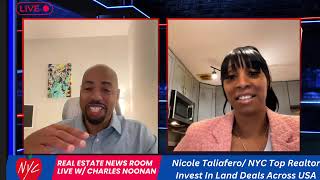
NYC Realtor Has 6 Streams of Income and will be a Millionaire. Nicole Taliafero and Charles Noonan

This Land Flipping Software changed my Real Estate Business, and you get it free.