
Menopause Support Live! Protein Struggles, Bloating, Caffeine, and BHT
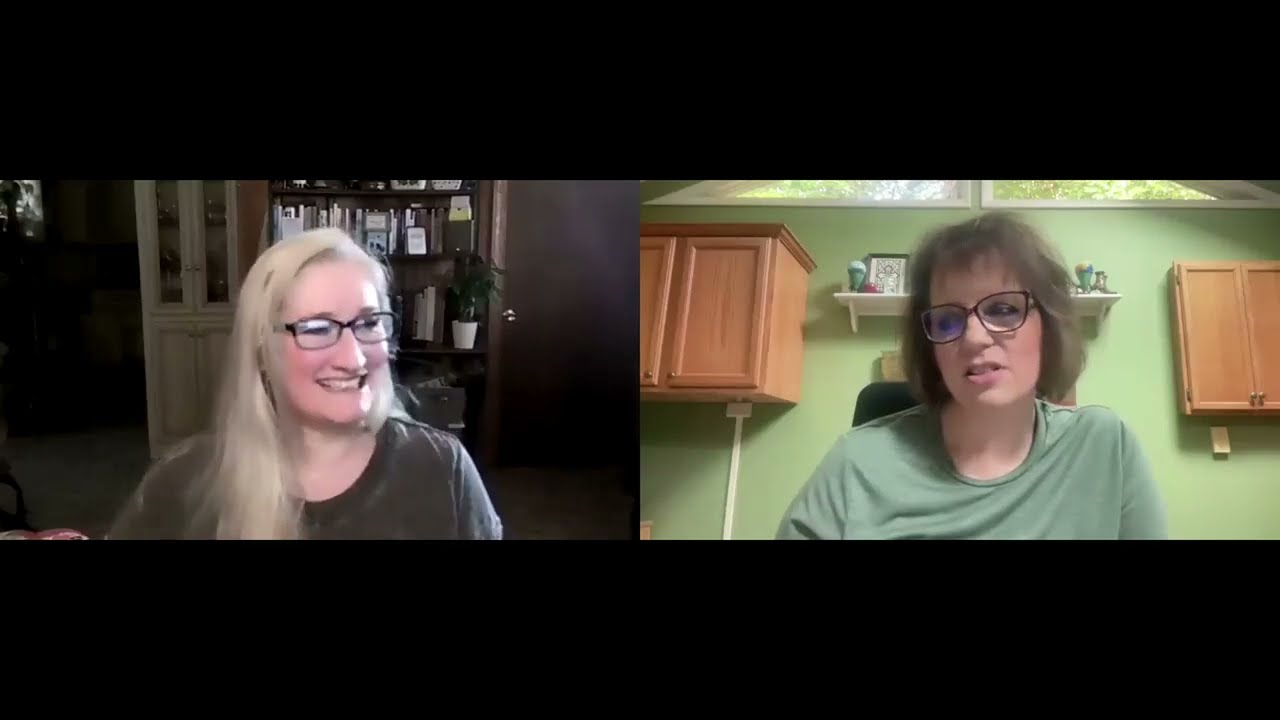
Holistic menopause coach Eliza Riley and dietitian Jennifer Gilliland answer questions on protein bloating, caffeine sensitivity, and hormone therapy. They explain why fasting worsens adrenal fatigue during menopause, discuss the safety of estradiol patches versus oral forms, and recommend saliva testing over blood work for catching hormonal fluctuations.
Chapters
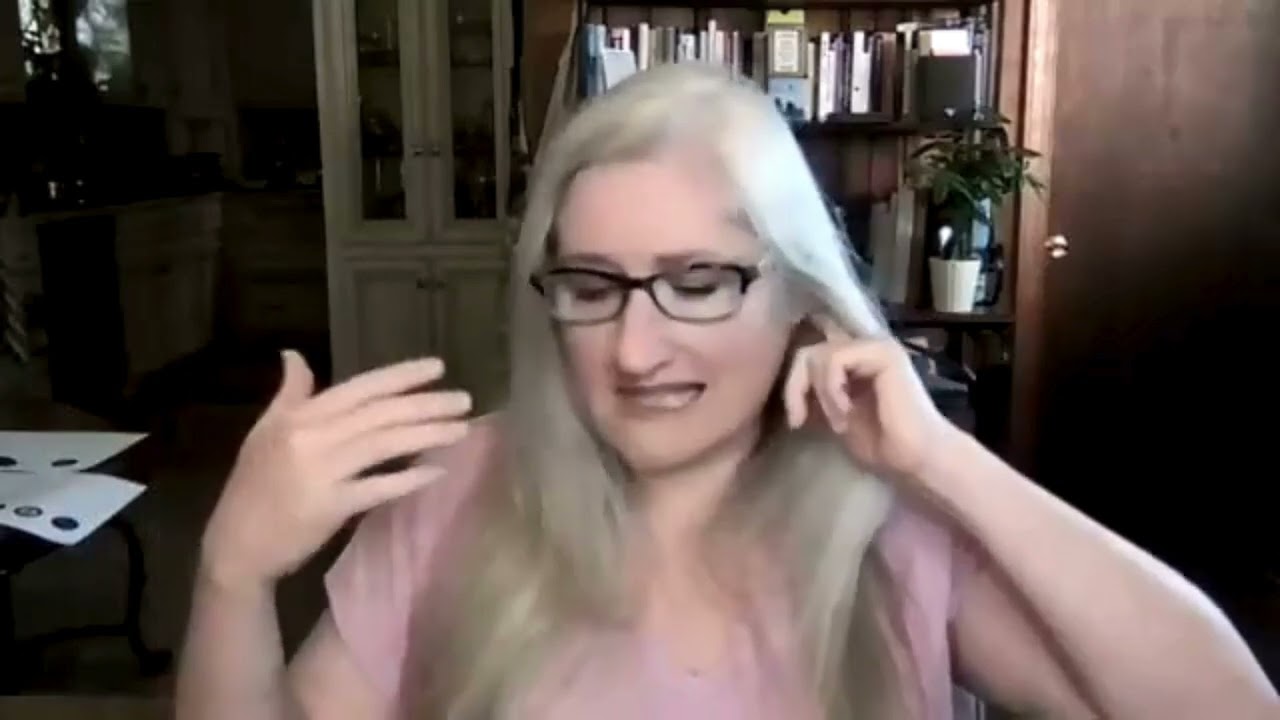
All right. Hello, Jennifer, and welcome to this episode of Menopause Support Live. I am Eliza Riley.
And I am Jennifer Gilliland. Really happy to be here with you guys tonight.
Yeah, I'm excited. This is our first time coming to you guys and, and having these, having this conversation and talking. But Jennifer and I, we've, we've been friends for a little while now, and we decided that we wanted to just Come together and have these conversations. And just right now, what we're going to do is just pull some questions out of the, out of the Facebook group and, and answer them live here for you guys so that you can have— you can hear from us directly what, what, what our thoughts are on what you're asking about.
One of the really great things about this moving forward is you can post questions specific to the lives because we're going to be doing these once a week. So if there's something that comes up that you specifically want us to answer, feel free to tag either Eliza or myself in the group, and we'll be happy to, to add them to the list of questions because there's always a lot of great conversation in the group. So many women have so many things that they have questions about, and I'm sure if you have a question, there's somebody else in the group that has the same question. So absolutely.
And there are so many questions in the, in the menopause support group that there's no way we are gonna see them all. Even between the two of us, we're not gonna see them all. So make sure that if you have a question that you want answered by us here live, that you Tag one or both of us. Well, we're much more likely to see it that way.
Yeah. And, and show up live, show up on our lives with us. So we have, we can have conversation about it and answer your question. And, you know, when you, when you come on live, you basically can, can ask whatever you have and we can join you in on the conversation. So feel free to join us.
Absolutely. So I do have, let's go, go ahead and get, get us started off by asking some questions. And I apologize, I have them here. I'm just trying to locate them now. Terribly, terribly organized today. And by terribly, I mean badly.
That's the great thing about being in menopause, though, right? We have more forgiveness. We're more forgiving as we get it.
I think it depends on the woman.
That is true. That is true. If you're having a hot flash and you're not feeling so good, you get a little grace, right?
So, no, you know what? You're right. It's not the woman. It depends on the day.
Yeah.
The moment.
Right.
In the day.
Exactly.
Okay. So I— it's crazy because I, I put a— I made a list of questions for tonight, and then I, I added them to a list that I already had. So now I'm trying to figure out which ones were— bear with me just a moment. So one of them, actually, I'm just gonna just start from the bottom because this is the one that Jennifer tagged me on in the group. How is everyone getting— and I apologize because I usually write down the name of the person who shared this, and I don't think I did with this one. So I apologize to whomever asked this question. Um, how can— how is everyone getting their protein intake these days? She says, I just can't do 3 meals a day. Sometimes I even struggle eating twice a day. I bloat and feel so full. It's impossible. What do you think, Jennifer?
That's a really good question. A lot of, a lot of women in the group are struggling, um, I find, with knowing how to eat. I have a lot of women who will come to me, and, and by the way, I don't know that we said this, but I'm a dietitian and a therapist. And so, um, I'll let you introduce kind of what you do, Eliza. Um, a lot of women come to me and say, I don't know how to eat anymore. And, you know, as a 40-plus woman, it's really, um, it's, it's interesting that we kind of forget how to do it, although I feel like it's more that we lose confidence that what we're doing is correct for our bodies because there's so much information out there about you have to do this and you have to do that and you have to make sure you get enough protein and you have to get it from the right source and all of these kinds of things. And so our stress levels go through the roof as we're trying to do everything right and eat the right foods. And with protein in particular, If you're finding that there's foods that are causing the bloating or causing discomfort, that's where we have to start, is what is it exactly that's causing that? Because if we can't pinpoint the type of food or the group of food that's actually causing it, it may be protein, it may be something else that you're eating, it might be something that has some sort of preservative or additive in it or something like that. So we have to do a little detective work first to figure out, can we kind of narrow that down? Is it dairy? What is it that's triggering that bloating? And then once we can identify that, then we can really expand on the protein that we're having. But when we're so focused on, I feel horrible and I'm bloated, then whatever protein we put in behind that is not going to really be digested well or tolerated well.
Absolutely. There's so many things too that I don't think that we think of. Like in this country, we have a tendency to, you know, when we sit at a meal, even a very healthy meal, like you have your protein, you have a nice salad, and you have like a car— a good carb. We go in right for the salad. But when you're having digestive issues, that should be saved for last. You know, so, you know, you start with the— you start with the steak, preferably if you have a nice good cooked green vegetable or something, then you start with that. And then you have your protein and then you'd have your carb and then end with the salad because it is healthy and it is so good for you, but it's harder to digest.
Mm-hmm.
Yeah, and I'm not a dietitian. I'm— she, she is. Correct me if I'm wrong.
So, so it depends on, it depends on the tolerance too, right? So if you're, if you're a person who has never had a lot of fiber in what you're eating and you're eating that salad and then your stomach is starting to like, what is this? This is kind of foreign to me. I've got a— I have a lot of clients who really never eat fruits and vegetables. And so it really is, it's, it is harder to digest it because their, their body just isn't used to digesting that particular food. Some meats can be, um, also difficult to digest because they're just kind of tougher and harder to break down. So red meats, you know, specifically fish and chicken isn't quite as hard to digest. So just, it also, it just depends on kind of your current habits. If you're, you know, eating a lot of fast food and you're trying to switch over to something that's healthier, you know, the order of food might be a little bit different for you, but definitely paying attention to that and trying. So many times it's like, but this person on this, You know, person on Instagram said I had to do it this way, or this person— TikTok is a big one, right? This person on TikTok said I had to do it this way. It's like, well, what if that's not working for you though? Because at the end of the day, we're all menopausal, but that doesn't mean we're all the same person. We're all very uniquely made. So we have to make sure, like, just because it says it over here doesn't mean that that's necessarily something that's gonna— I'm gonna tolerate as well.
So. Absolutely. It's such, it's such an important thing to pay attention to how your body reacts to what you're eating. Um, because, because we are all so very different. The, the big things that came up for me with this question was, first off, adrenals, because when your adrenals are not working, it can be really tough to eat. And, and then second, gallbladder. If your gallbladder isn't working properly, it's— you can, you can bloat with everything. You can bloat with nothing. Like, you can wake up in the morning, have nothing because you're like, nope, I can't eat anything, and then bloat anyway.
And bloating is such a Challenging symptom that, that women have. You know, it's so uncomfortable and, and can really lead to a lot more fatigue and just really no energy for the day. So it's very frustrating very quickly.
Yeah, when I, when I've worked with women who have, and myself included, when we have adrenal issues, it can be very hard. Like, one of the most important things that you need to do when you have adrenal issues is eat, eat a well-rounded breakfast within 30 minutes of waking. Like, it's so important to eat regular meals. And when our adrenals are not working properly, it's almost like, like you, you're, you have to sort of force yourself to eat something because it doesn't feel good. It doesn't, it doesn't feel good in the body, but it's, but this is how we start healing the adrenals is, is by telling them you're safe. You're, you're gonna, I'm gonna keep feeding you. Like, I'm, we're gonna continue to, we're gonna continue to live. Like, that's so important. And, and so, like, That's one of the first things I have people do is just start, start, you know, find something that you can put in on your stomach first thing in the morning. That's, that's not going to like completely turn you off.
Right. I think you bring up a really good point. Because to me, that's, that's what I talk with women about as a therapist is rebuilding that trust with your body, because so many of us have dieted for years and years and years. And so it's, it's taking the the kind of diet focus off and how do I nourish and support my body in the best way possible and, and allow it to trust that I'm going to feed it, you know, normal, you know, well-rounded foods, well-balanced meals, um, and, and at proper times. And I'm not going to, you know, wait for days. I— some people are talking all about 72-hour fasts and week-long fasts, and I'm like, oh my goodness, you guys, that's so much stress on your body.
So much stress on your body. And one of the worst things you can do if you do have adrenal issues, by the way, I'm just going to say, I'm just going to put it out there, fasting is not good for adrenal issues. So, um, and most— we get to this, we get to this stage and our adrenals have all— have long before given up on us. And then we get to the stage and then we, at menopause, our adrenals actually take on more of the job of producing the hormones, um, as the, as the, uh, the, the previous production starts to diminish. And so you're basically giving a job to someone who's checked out and is done.
Yeah.
So you really have to, you have to kind of coax them back To partner with you again.
Yeah, for sure. For sure. I want to make sure that you mention what it is that you do so that the ladies know exactly where all of this amazing conversation is coming from, because you have a lot of knowledge on this topic, obviously.
Well, most of it— well, I am a holistic menopause coaching specialist. I, I've been a holistic health coach since 2011. And, and because of my own menopausal issues, I went back and got a certification as a menopause coaching specialist as well. So that's what I draw from. But most of— a lot of, you know, I mean, there's a lot of education there, but also a lot of real, you know, my own experiences, you know, and struggling. Adrenals is something I actually— about 8 years ago now, I was diagnosed with Addison's disease.
Okay.
Which is very dangerous. And it's basically your adrenals have— they don't work at all. And it can— it's— I will tell you, when the doctor told me that I had that, they make it sound very scary. But thankfully, I was already like, I was already a health coach. Um, I just wasn't taking care of myself as we tend to do. And, um, and I walked outta there going like, oh my gosh, like, I know how to fix this. I just have to go fix it. Like, and, and that really meant an overhaul of like all of the things that I was doing. Yeah. And how I was taking care of my— because I wasn't taking care of myself. Every— everything and everyone else came before me.
Yeah.
And that's what led to that.
Well, and if you're watching this video and you feel like you're in that space where you're not taking care of yourself, that's exactly why we want to come in here and talk every week because there There's so much to taking care of our bodies in menopause. And so, you know, most of, most of us fall into that trap of, you know, taking care of everyone else and not taking care of ourselves at some point. And so if you're finding yourself there, that's exactly what these videos are for, what these lives are for.
Absolutely. I'm going to go ahead and look for the next question. Okay. Oh my goodness. Okay, so here's another one. And let me see if I— I'm sure I put her name. Let me just look for it real quick. This is Susie Q. Love that name.
That's a great name.
She shared that she saw a new primary care doctor this week. Now, I apologize, Jenna. This is a long question, but I'm going to read the whole thing. She saw A new primary care doctor this week. She mentioned that she was on estradiol. Her when she when she mentioned to her doctor that she was on estradiol, her eyes opened wide and she became very concerned. She asked who prescribed it, and I told her my hormone specialist. She said it causes problems with breast tissue, and I need to consult with my gynecologist before continuing. She said, "Is that old school thinking, or should I be concerned?" I told her it's the patches, and I believe transdermal isn't as much of a concern as oral, as I also take progesterone. She shook her head and said. with your gynecologist. She said, I didn't bother telling her that the hormone specialist was previously a board-certified OB-GYN who practiced for over 40 years before switching to telehealth hormone consultation for peri- and postmenopausal women. So, and she went on to explain more about that. But I think that, and I'd love to hear your thoughts on this too, but I think that we still have so much fear around estrogen use Because of the WHI study of 2002.
Yeah, 100%.
Yeah.
Yeah.
And it's so—
the thing is, the thing is that science is constantly evolving. And so, you know, I've been a dietitian for 30 years. What I talk to people about, what I talked to people about 30 years ago, I don't talk to— talk about anymore. Because if we did, then we're staying stuck in 30 years ago understanding, and, and we have way more technology and way more of a, of a, of a grasp on women's health. And we're, we have a long way to go, but we, we have started that conversation. And there's a lot of, you know, a lot more research out there about the benefits. I'm, you know, I can't prescribe it, but I can, I can talk about it. I can tell you stories about other women that have been on it and experienced great success with it. And my, my thought process is always, why not have the conversation with somebody who feels comfortable? Because that's the other part, is finding providers that feel comfortable about talking about it when they're the ones that are prescribing it. And if that's not the provider that you have, my take is we need to find a different provider that we feel is giving us the best care we can, we can get, because we do get to choose who gets to help us take care of our bodies. And at the end of the day, we are taking care of our own selves, and we're asking people to come in and help us take care of our own bodies. So if you're not feeling that connection with a provider, in my opinion, it's time to, you know, find another provider.
Yeah, yeah. It's unfortunate that— it's unfortunate the number of doctors who, um, and I don't know if we want to get into this too much, but when that study came out in 2002, like, women were taking, um, um, HRT. Like, women were taking hormone therapy, um, so, and, and, and getting amazing results. And then this, this study came out that said, oh my gosh, it's going to, like, cause, uh, cancers and, and all kinds of other— and heart attack and stroke and, and And all these things, and and so doctors just went like, okay, no one can take it. And so women who had been taking it for years with no problem suddenly were no longer given access to it, and and they and it was it was such a horrid transition off of it because there was nothing to support them. And and you had these women who had no no no issues, who were not showing any of these signs, who now suddenly could not get that medication anymore. And it's it's mind-boggling to me that anyone would think that, um, replacing— because I mean, that's what, that's what you're doing— replacing the hormones that our bodies create is dangerous for us. Like, what? Like, how can that even— how, how does that even logically— how does that make any sense? But, um, but, but so many doctors, um, um, believed that and didn't bother even reading the study. They just Just believe the words. But if you looked at the study, even back in 2002, that's not what the study showed. And so the the the researchers who did that study have quietly walked that back. They've come out and said over the past few years they've come out and said, yeah, that wasn't correct information. It was it was it was totally flawed. But from how from the women that they were using in the study and the medication that they were using because they were using synthetic progesterone, not bioidentical, and so many things that were wrong with that. And so. They came back. They've come out and said now that it's not correct, and that you're not going to get breast cancer from from using HRT, and that you're not going to you know that the risks are not increased if you're using them properly, if you're using them in the correct ways. But doctors are are still not listening. They're still not educating themselves on that. They're just like they put up this this wall of nope, you can't do it because it's dangerous. I mean, I I've I there was a woman I spoke to just. Last week, who said that she went to her doctor, a new doctor, and told them that she was on HRT and that she like she feels amazing. She's in her sixties. She feels amazing. She's like, "Yeah, this is great." And when she talked to this doctor, he says, "You're on. You're taking. You're taking hormones." And he says, "I can't. I can't." He would not even see her. He kicked her out of his office because he was like, "I can't have. I can't have anything to do with that." And it's such an old backwards. Weird of looking at, at this, at this, at this thing. And I apologize, I could totally— I could stand on my soapbox about that study. We'd be here a long time.
Yeah, I think it's just, it's, it's part of the advocacy for ourselves, right? If you feel like you've done your own research, you know, you feel very passionate like Eliza does about this, then Yeah. You know, then, then continue to push and continue to, to, you know, move that needle forward because nobody's going to advocate for you the way that you can advocate for yourself. And, you know, that's the, that's the harsh reality. And there are— I mean, I live in a fairly decent-sized town and there's not really anybody who specializes in menopause necessarily, you know, that has the title of menopause specialist, um, because there it is. It's a very complex situation, as we all know. There's a lot of things to think about and a lot of, a lot of pieces and parts to look at. So it's important that you're getting somebody that you feel comfortable with. And if you're— if you can't have that conversation and be like, what do you think about this? I've had— I've had women say to me, I bring them this research and I show, you know, I show it to them and they're still not really open and receptive to looking at it. So, you know, your body best.
That's—
that's the end of the— that's the— for me, that's the bottom line.
Absolutely. There's a woman I— from my group that I spoke with last night. We were chatting and she's sharing all of— like, she went to her doctor and they ran this blood test and they did all these different things. And I was like, okay, so first off, like, you need to ask them about this, this, and this. And she's like, I know, like, I know, like, I'm not, I'm not one of your clients. And I'm like, I know, but if I'm, if I can just empower you with the information that you need to take back to your doctor so that you, you know what to say, you know what to ask for, then at least you can figure out whether or not they're open to it.
Right.
You know, because, you know, like I was explaining to her, and this is kind of off topic from what we're talking about, but blood work is not the best way to find, to do To check your hormones. You know, saliva and urine are much better. Most doctors don't, don't even go that route. They just, they just go with blood work. And then that's why we so often have blood work that shows that everything's fine. And clearly it's not when we don't feel like it's fine.
Right? Yeah. So I think we're going to try and keep these to like 20 to 30 minutes. So we probably only have time for one more question.
Sounds good. Okay. So this one is from, and again, this is a fairly long question. I apologize. Let me, my computer's not working. There we go.
Can't be responsible for all the tech things.
Oh, here's one. I'm gonna, I'm gonna share this one a little bit shorter. Shorter. Gina shared, I've gotten really sensitive to caffeine. Even the smallest amount amps me up and gets me all jittery and makes my anxiety so bad. Is this part of menopause?
So it can be. I mean, I think it's also part of the aging process in general is we tend to have a little bit more sensitivity, whether it's caffeine or sugars or, um, certain types of foods. Maybe it's dairy, gluten, those kinds of things where people feel that they have that sensitivity. Um, because we, we are not the same people that we were when we were in our 20s, and our bodies have been through a few more things. And so that definitely is something that, um, we we see that there's more sensitivity in certain foods. I always tell people that your body whispers before it screams. So if your body is telling you that caffeine is not the thing that you should be putting in, there's, whether it's the sensitivity or there's another reason, your body just isn't accepting that the same way, unfortunately. 'Cause if you like to drink your coffee, then I apologize. That's probably not the answer you're looking for. But, you know, using some maybe decaf coffees or something where you're doing less caffeine, especially not right before bed. If you're finding that you're super sensitive. But if you're having a hard time backing off because caffeine headaches are real, you know, really kind of slowly weaning your way off of those and having that earlier in the day. It's, it's hard. It's so hard to give up something that you really enjoy. And a cup of coffee for a lot of women is like, they just really like it and I get it. So I'm not trying to be, you know, just give it up. It's not that hard. Like, it is hard. I know it's hard.
Yeah, I gave up coffee a long time ago, many years ago now, and There are some really good coffee alternatives out there. So if you, if you are— I'll tell you what I did when I was deciding to give up because I could not just quit was I went to having like, you know, I would, I would, I, at my, at my heyday, I think I had 3 cups a day, 3, maybe 4. And then I would just cut it in half, you know, so like I would take how many I was having and then the other half I would have these coffee alternatives. And Teeccino is one of my favorites. I don't know if you've heard of that one, Jennifer, but it's really good. Pretty widely accessible. You can also get it online, but it's amazing because it's it doesn't it's it's like an herbal coffee, and there's never caffeine in it. So you don't have to worry about the process of decaffeination either, which can be really hard on the body as well. One one other reason again we come back to adrenals. Your adrenals may be the reason why you're you can no longer handle even a little bit of caffeine. It can be our adrenals really get to a point where they're just like okay that's it I can't do it anymore, and then they you. You go from like yesterday I was fine and today I'm having a panic attack because I had half a cup of coffee. Like, it's amazing how the switch just happens and then it just takes off. And so, yeah, so finding, figuring out how to like wean yourself off of it. And yeah, that was it.
That's it.
Cappuccino, I think, is my like suggestion for anyone out there. It's a great coffee alternative. But yeah. Figuring out how to slowly get yourself off of it is ideal.
Yeah.
It's the same thing with, like, wine. Like, we can— or alcohol of any kind, really. Like, we suddenly can't handle it anymore. Like, it just— I don't know. It's just something happens where suddenly— and you have a sip of wine with dinner one night, and you're, like, paying for it for the next 3 days with hot flashes and feeling like—
Yeah, it's not so much the hangovers, it's the, you know, not feeling well and tired and a little cranky, maybe a little cranky. But anybody in the group is ever cranky, I'm sure, you know, that's just, that's the other people.
Yeah, absolutely. So we do have a couple other questions that I, that I, that I have. I will save them for next week. And I look forward to coming back and having more conversations with Jennifer and answering your questions there.
Yeah, I'm excited about the questions that are— we're gonna be tagged in because I think it's gonna be a lot of fun to kind of see whatever— what's on everybody's mind. So I'm excited about that.
Absolutely. And we both, Jennifer and I, have our own mailing list. We would love to have you join us there, and we will drop our links for you to join us in the comments. So feel free to snag those, and we— that way you won't— you'll be sure to not miss any of these lives. Yeah.
Absolutely. Thank you so much.
My pleasure. I enjoyed hanging out with you. I always do.
Yeah. We'll see everybody next week.
Yes, we will. Bye everyone.
Bye.
More from Eliza
Why “Trust the Science” Has Left So Many Women Confused About Their Health (and what to do instead)


Small Shifts, Big Relief: What’s Actually Helping in Menopause (According to Real Women)
What No One Told Us About Menopause: Real Symptoms, Real Stories, and Small Changes That Matter

Menopause Symptoms No One Warned Us About: Brain Fog, Itchy Ears, Sleep Struggles & More


Menopause Support Live | HRT Withdrawal, Brain Fog, Hair Changes & the Truth About Hormone Therapy

Menopause Support LIVE with Eliza & Jennifer | Night Sweats, Hormone Therapy After 60 & More

The Gut-Weight Connection: Why Your Belly Won’t Budge (Even When You’re Doing Everything Right)
Tired, Sore, and Achy? Your Gut Might Be the Reason | Gut Health & Joint Pain in Menopause
Will I Feel Better After Menopause? | Post-Menopause Symptoms, Hormone Truths & What to Expect