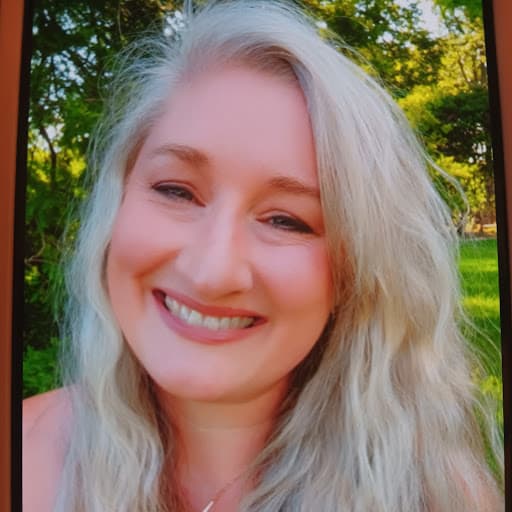
Small Shifts, Big Relief: What’s Actually Helping in Menopause (According to Real Women)

In this live Menopause Support session, holistic health coach Eliza Riley and dietitian‑therapist Jennifer Gilliland discuss the myriad small changes women have found helpful during peri‑ to post‑menopause. They review community‑submitted tips, ranging from quick hot‑flash remedies (peppermint oil, ice packs) and the importance of recognizing triggers, to broader lifestyle shifts such as intentional rest, pacing, journaling, bowel‑movement tracking, and personalized nutrition (meal timing, intermittent fasting, adrenal‑supportive eating). The hosts stress a mindset shift—reclaiming the "pause" as self‑care, moving away from one‑size‑fits‑all band‑aids, and adopting a step‑wise, individualized approach that includes mindful supplement use, exercise, sleepwear for night sweats, and mental‑health strategies. Throughout, they caution against over‑generalized advice, encourage tracking of symptoms and responses, and highlight that sustainable relief often comes from gradual, personalized adjustments rather than quick fixes.
Chapters
All right, here we go. And, uh, let me pull that up. Okay. Hello and welcome to the Menopause Support Live. Not to the menopause, it's just Menopause Support Live. I am Eliza Riley and I am here with the fabulous Jennifer Gilliland.
Okay.
I am a holistic health coach here to help you feel like yourself again through, through all the hormone chaos and surprises of peri to post-menopause. But before we dive in, let's Let's introduce Jen.
So, you know, it's so fun because we get to have fun and be in menopause. That is an amazing combination. So I am Jennifer Gilliland. I'm a dietitian as well as a therapist with over 30 years of experience helping women in their 40s and beyond just make life fun and full of joy again. So I'm super excited to be here again talking with you.
Me too. I love it. Thank you for telling us who you are. Um, and real quick before we get into tonight's question, while Jen and I both have experience supporting women through this phase of life, we are not your personal practitioners. Everything we share here is for education and support. It is not medical advice. So be sure to check in with your own provider before making any changes. I hope that's cool. Either way, we're going to go ahead and get into it. So if you guys are in the menopause support group, or if you're in my group, I don't know, Jen, you may not have seen this question to add it to your group when I shared it on Monday. And I apologize. I'm going to need to start like making sure I let you know.
So many things. So many things to keep track of.
So many things, especially with the other thing we're working on that I won't talk about.
Yeah, it's top secret, but it'll be out soon.
Uh, so the question I asked in the group is, what's one small change that you've made that has actually helped you feel better during your peri to postmenopause journey? And we had Well, we've had 83 comments, so it's been huge, like a lot of people talking about some amazing things that they've done. In fact, the most— one of the most recent ones, and I love this, Heather shared that she puts peppermint oil on her temples and neck when she's having a hot flash, and it really helps to cool her down. Have you tried that?
I have not tried that.
I have not either, but what a great idea.
Yeah, why not go the holistic route, right? Just try those natural things.
Yeah. The one thing that I do, that I have used, and when, when I, when I did have hot flashes, I thankfully— where's some wood to knock on? I have not had a hot flash in probably about a year, maybe longer, and the last ones that I had were very, very mild. But when I did have them bad, I would always carry a cup of ice with me because you just rub some ice on your inner wrist and like on your neck, you know, and like those pressure points, and it really does help to Settle it pretty quickly. How about you, Jen? Do you have any hot flash remedies in your pocket?
You know, I find I still get them occasionally. I feel I—
it's—
for me, it's more of kind of like a heat up. It's not like a, like a flash. It's more like I feel like it's a laser that goes over my body and just sort of— and I was— it was funny. I was getting ready this morning and sweat was dripping down my back and I was like, this is, this is very not fun, but okay, we're going with this. This is how the day is going to go. It's going to be great. Awesome. I think the biggest thing for me is just Recognizing when I'm having one, like what's going on, and it's typically there's some sort of like speed to the day, right? Like everything just feels fast, and like there's anxiety going on, or there's overwhelm, or there's stress. And so when I can kind of take a step back and look at a little bit bigger view of what's going on, like and I can just start to do my deep breathing and calm my you know calm myself down, slow down my actions. It helps quite a bit to to kind of get through that hot flash quicker, and then I don't find that I have them repeatedly. It's just when I have them, I'm like, okay, that's my little signal to say, you know, just slow down a little bit.
So, yeah, yeah, absolutely. When I was— when I did have them, for me, I found I was able to pretty well pinpoint I had a hot flash and here's— and here's the cause, you know, like, here's the thing that I did that caused the hot flash. So don't do that again. Yeah.
And then you did it again the next day.
Right. So I'm sorry, say that again.
Because life is very lifey. Yes, it is.
Every dang day. Yes. So I'm just looking through some of the, some of the comments that were on the, on the post here. If you, if you've come across any that you'd like to discuss, please feel free to, to jump in with those.
I actually, if it's okay, I have one from, I think her name is Tanisha. And she says, rest when I need to instead of always pushing through, really accepting that I'm not who I used to be, uh, educating myself to advocate for myself and reading books on this stage of life by qualified doctors, investing in my functional medicine healthcare. The biggest for my energy, I think, is my functional medicine practitioner optimization of my hormones, especially thyroid. I just love the rest part, right? That it's not about doing more. I mean, obviously she's educating herself and doing research, but it's also like resting.
Mm-hmm.
And really slowing down and recognizing when our bodies— we don't need to push, push, push. We can still get lots of things done in a day. I think we get more done when we can actually recognize that we need a little space in there. Um, so rest is so incredibly important. And I feel like it used to be that, you know, some of us might have felt like rest meant we were lazy or we weren't motivated or we weren't gonna get things done. And I think it's actually the biggest gift we can give ourselves is just to slow down enough.
You know, absolutely. I think that that's one of the most important lessons of this stage in our lives is that we, for most women, we get to this point and we've never put ourselves first. You know, whether it was our jobs or our husbands or our kids or our parents or whomever, like, we, we have always taken a backseat to our own, to our own lives. And so it's, you know, if you guys don't know this already, the word menopause was, was created by men in the pharmaceutical company to, to describe the end of our menses. So it's a terrible word, in my opinion. But if we're going to— if we want to take it back, the pause really needs to be about taking time for ourselves. It's really slowing down and, and putting yourself first and, and, and get off of the, the, the roller coaster— not the roller coaster, the, the merry-go-round of like doing things for everyone else. Like, you have to start putting yourself first.
Yeah.
And, and if that means just resting more often. So yeah, find, find a way to, to, to make some mini pauses in your day. Yeah, for sure.
Yeah, absolutely.
So there was another one, and I know I mentioned— I, I mentioned this one, this one to Jen earlier because I really want to hear her thoughts on it. And of course now my, my computer's frozen. Um, okay, there we go. Um, So there was someone, and I apologize, I'm not finding it now, but she shared that for her, the thing that works for her. And please know, I like, if you have found what works for you, yay, like celebrate it. I'm happy for you. I'm excited for you. But so often when we're looking for something, we scroll through responses like this and go like, oh, that worked for that person. I'm gonna try that. And that's fine. Try it. See if it works for you. But don't put all the all your weight on it. Like, don't decide okay, I have to do this thing. And even though it's making me miserable, someone said it worked. So I'm so I'm going to keep going. We have to start listening to our bodies and listening to listening to what's happening in our bodies. So what she shared was working for her was that she has cut back to small portions on her meals and only twice a day. She eats two small. portions of meals per day. And, um, I, I did— I'd love to hear your thoughts on, on that.
So her name is Jessica, by the way. I did find her. Um, and I think there's 2 ways to look at it, right? I saw your response. I think your response was great as far as, um, encouraging her to get some further testing and really understand why there were times that, um, she was— because, because I think the message within the message was that she felt bad if she ate more than those 2 meals a day because went on to explain a little bit more, um, and that she just didn't feel good if she ate, you know, more often and bigger quantities. And I think your, your advice was spot on to like, let's take it a step further. Let's really understand that a little bit more, um, and, and understand why you can only eat twice a day and why those portions are small. So I think to me, there needs to be a little bit further conversation about that. There's a lot of things that are online that say eat one meal a day, eat, you know, fast for 24 hours, do a watermelon fast. There's a lot of those kinds of things out there. Lots, and it catches like fire. And there's a, you know, a billion people that are doing a watermelon fast right now, which is very interesting.
But I think the fact is, it's going to work for a lot of those people, like a lot of these people are going to have really good outcomes. But, but carry on. Sorry.
And, but, but it's also what's the goal, right? Is that if the goal is to feel better for a couple of days, okay, we're cutting back on calories and we're doing those kinds of things. And, and that's great. But I always, I always encourage people, like, think about what you want to be doing, you know, 6 months from now, 5 years from now, 10 years from now. And a watermelon fast is not necessarily going to be sustainable. But, but I do find a lot of women do cut back to maybe one, you know, one or 2 meals a day, and maybe they're having snacks and things like that. The thing that was more concerning for me than the 2 meals a day was that the fact that she just didn't feel good if she ate bigger portions. So if the goal is— and I'm— I don't know Jessica, so I don't know if if weight loss or weight gain or what she's dealing with. Um, but if weight loss is what her goal is, um, and I'm making a lot of assumption because there's a lot of women in the, in the group that are struggling with that, um, then simply cutting back to 2 meals a day, small meals, yes, we need to kind of look at that. But if there's another kind of underlying issue that needs to be addressed, um, I always say our bodies whisper before they scream. So to me, that's a whisper of like, my, you know, if we can't eat more than a small portion, we need to really investigate that more because We think that that's, you know, a healthy way to do things. We're cutting back from what we used to do, but there's a lot of generalities out there about what we should do nutritionally. And quite honestly, we're all designed different. So if we, if we put everybody in a box of this, you're in menopause now, so you have to eat this way, a certain number of grams of, you know, protein, a certain number of grams of fiber, like it's very individualized and personalized. There's some things that we can do just across the board that are You know, kind of we can talk about in a group and we can support each other with and that kind of thing. I think groups are great, but we then have to dig down a little bit deeper and see what that individual body needs. So I think that's important.
Yeah, absolutely. And that's, again, coming back to this thread like this, you have so many, like I said, 80-something people who have, who have shared what worked for them. And, and, and pick the— pick a couple. Like, if you're, if you're looking for advice, if you're looking for tips, if you're looking for answers, you know, you can pick a few of these and and say, like, oh, I'm going to give that thing a try. And but pay attention to your individual response to that thing. And this is why it's so important also to be writing, journaling. I ate this, and this is how I felt. I did this, and this is what happened after. So important. And I know we don't want to talk about it. I think at least we don't want to talk about it. I don't have a problem talking about it. But write down your poops. It's so important to be pooping. And that's something that we don't— We, at least I don't, I don't think that we've been really brought up to like have those conversations, but write down. And if you can use the Bristol, what's it called? Bristol stool chart. Yeah, thank you. Use that to, so like you can put like, you know, at 8 AM I had a bowel movement and it was a 2 on the Bristol stool sample. So— Stool chart.
Thank you.
It's okay. On that thing.
I can't remember.
It's important to write, to note those things.
Yeah. Yeah. And I just want to throw out there too that everybody is trying their best, right? And so people are offering advice, they're offering suggestions that have worked for them. And to Eliza's point, that doesn't necessarily mean that it will or won't work for you. But, you know, doing it, going all in on something isn't always in your best interest. It depends on your, you know, personal history and kind of, you know, what, what your schedule is like, what food, foods you like to eat, and those kinds of things. We don't have to suffer to eat healthy. We can really enjoy the foods that we're eating and get the results that we're looking for. But I'm going to say this is a very unpopular opinion that nobody wants to hear, but this is a process and it's going to take a while. And everybody, there's no quick fix. So if you see anything on in the group or outside of the group or any Influencer out there, or whoever you know that says this is a really you can get this result in seven days. You won't. You'll get it. You might get a result, but you're not going to get anything that's long term. And I feel like us as practitioners, like that's really important that we're sharing that message that you can get results. There is definitely hope for feeling better, but it takes some time and it takes some some kind of looking at even with I'm going off on a tangent. I talked to somebody about hormone therapy today and they were like. But I don't feel better after a few days. And I'm like, okay, it's been a few days, first of all. Second of all, we have to keep trying. We have to keep trying with different levels. We have to keep trying with different doses. I do not prescribe hormone therapy, so don't, you know, ask me those kinds of questions. But, but my understanding is we really have to make sure that we're looking at all of those different levels. And then how do you feel at, you know, when this combination of things— there is no one-size-fits-all with any of this. Super frustrating, I get it. But that's, that's the bottom line. And so if somebody's telling you do this and you're going to get this result, They don't know your body.
So for sure. And the other thing too that you made me think of was that so many of the things that we do are truly band-aids. You know, like we we we may decide to like eating just a couple of times a day in small meals. That's a band-aid to to keep from having the the reaction of not feeling well after you eat. So really getting into what's happening beyond that. And you know, so often people will say I tried this supplement or that supplement or I took this medication or whatever again. They're Band-Aids. They— and it doesn't mean, it doesn't mean don't try them because we, we can use a Band-Aid. Like, Band-Aids are there for, for a reason, and they, they have a very good reason. Like, we want to have them. We want— it's good to have access to them. But know that the underlying healing isn't being caused from the Band-Aid. It's being caused from the other things that you're doing.
Mhmm.
Or, or not doing. Yeah. Yeah.
For sure. And I— it's, it's a— and trust me, I want a quick fix too. If I had the quick fix, we're not holding back from you. If we had the quick fix, we would give it willingly because nobody should suffer through any of this.
So many people mentioned some type of pajama or something that they sleep in that helps with the night sweats. I'm with you on that one. And many people have talked— many of the women who answered talked about exercise. Again, it's so important to find ways to move your body every day. And not only is it going to help with your hormones and hormone balance, but it's going to make you feel better in lots and lots of ways. But you have to find out what kind of movement works for your body, where you are, because, you know, we can't all like run a 10K.
Mm-hmm.
We probably shouldn't actually. But, but we can, probably most of us can, can do some, some form of walking or, or, you know, if you can't even walk, then there's some, some way to just, just start moving your body from wherever you are, just start moving your body more. And it's it's, it's never a bad idea, right? Or almost never. I know almost never a bad idea. Yeah. Yeah. Do you have any, any others that speak to you?
So Lisa says that she, uh, releasing the old me and accepting the new me, it took 2 years, but I'm much happier now. Also on an antidepressant, and HRT helped too. Um, true story. So I think that's a, that's a good point, you know, 2 years of figuring out how to calm down the anxiety, accept the new way of, of being. And I think when we hear that, sometimes it's like, oh, I can't be who I was. I mean, do we really want to be who we were when we were 18? Like, I don't want to be that person. Like, I think there's a, there's a lot of wisdom that comes with, you know, getting to this stage of life. So I think we can, you know, celebrate the fact that we are here, that we get to do these things, that we, you know, we're, we're still functioning adults, that we, you know, we can have a lot of, of those types of things. But Everybody's story is still different. And so, you know, it may— you may be kind of missing some of the things that happened a few years ago, but that doesn't mean that there's not some really great things that are happening now. So looking at those blessings and looking at how do we make the most out of this stage, and then what do we need to do? I always say decision, commitment, and consistency— really important, right? We get to decide if we're going to take care of our bodies differently. during menopause than maybe our moms or aunts or siblings do or did. We get to, we get to choose. And so it's, it's really important that we're taking that, that power back and, you know, taking care of ourselves in the best way that we can every day.
So there is a few people who have mentioned intermittent fasting and that, that, that That has been a huge game changer for them. What— how do you feel about intermittent fasting?
So I always encourage women when they're starting out with intermittent fasting to just kind of see where they comfortably land with the timing. And, you know, when do you comfortably get hungry in the morning and eat at that time? And then when are you comfortably done in the evening? And so it's not this hard and fast rule necessarily, because that can get really tricky if you're traveling or you know, going to somebody else's house or you have an event that means that you're eating a little later or whatever. So I want people to— I want it to be very kind of fluid for people, and then they can shorten that window if they're finding really good success with it. They can shorten that window to kind of whatever they, they feel they need. I, I find it hard to do the like 72-hour fasts and 48-hour fasts. I feel like— I don't personally feel like that's beneficial. I think that's a lot of stress and increasing cortisol levels and just, and just unnecessary stress for people. But intermittent fasting, I've seen some people have some really good results with that. Um, so I think it's, it's certainly fine, but again, it's not for everybody and not everybody's gonna get results. And so it's a good thing to try. It can be a good thing to try if you're interested. Um, but it doesn't have to be, um, a punishment either, you know?
Right.
And, and in that window doesn't mean that we can just eat whatever we want.
Well, why not? Chocolate cake for everybody. 8 hours of chocolate cake, right? Made with extra eggs, you know.
Exactly, exactly, exactly.
Yeah, I completely agree with you. I think that intermittent fasting can be truly miraculous. Like, for, for a lot of people, it has been and it can be. Um, I do think that, um, the one thing that I tend to steer most of my clients away from intermittent fasting at first is because, um, uh, most of us at this stage come to the stage with some level of adrenal dysfunction. And the adrenals really need that steady— um, they, they don't, they don't do well with fasting. They need that steady, like, um, every few hours eat. And like, you, you have a meal right before you go to bed, let something— a light snack right before you go to bed, and you eat within 30 to 30 minutes to an hour of waking because Your adrenals need that. And, um, and one of the things, one of the signs, in case you're wondering, like, well, how do I know if it's my adrenals? One of the signs that you, that you know that it's your adrenals is if you're someone who wakes up in the morning and you're just like, oh, food? No, I can't, can't possibly. And a lot of people use that as their, as they're like, oh, well, I'll fast. I'm fasting till noon, right? Because I don't want to eat. But choosing not to eat is different from not being able to eat. So if your body is like turned off by, by the idea of food, it may be something to consider that your adrenals may be speaking to you.
Our bodies are whispering. They just need attention.
Yeah. Don't wait till it gets to the point where you're like, your cortisol is off and you can't sleep at night. Like all the other things. That was one of the first signs for me with my adrenals was that I, I just, I was like, oh, I don't eat breakfast. I thought it was just who I was. Yeah. That's another thing, too. I think it's so interesting. So often people are like, oh, I don't sleep at night. It's just who I am. But again, it signifies an underlying symptom. It's a situation like you're supposed to be sleeping at night, and if you're not, then it's probably because your hormones are off.
And I think that really brings up a good point. I was talking to a client this week, and And she basically— we're starting out first assessment and she's like, I don't know what to do. There's, you know, I'm supposed to do this and then I'm supposed to do that, but then this tells me not to and this tells me to. And there's all of this conflicting information, right? You can go on social media and prove yourself right or wrong about anything in a number of ways. And I think it's really important that we start somewhere. And it's almost like a, like a family tree, you know, or if you like an organizational chart, you start with that one piece of whatever it is that you want to do— intermittent fasting, looking at your adrenals, doing a, you know, drinking more water, whatever like your thing is that you feel you need to start with. And then how does that work? Like, how does that— how does— how do you feel? What's your energy like? How are you? How is your body feeling? And then you go to that next thing, and depending on what that next thing is, maybe that's intermittent fasting. You're like, this is giving me nothing, I don't really feel anything. Okay, then we hold on to that space and we have Like we do, and a couple of other things. You know, we just we don't have to do everything all at once. Same thing with supplements. I have a lot of people who will say I'm going to start this, this, this, and this because I heard I saw this whole big list. The number of pictures that I've seen in the group of just you know so many supplements, and I'm not saying that supplements are bad. I'm not. I think supplements are great when they're used in a way where we're either you know supplements are meant to supplement the food. They're also not necessarily meant for life, so we can start a supplement. Fix whatever's wrong, and then we can go on to the next supplement. And so it's it's that kind of ebb and flow of those types of things. Some medications are not meant to be long term. So you know, really looking at it as like okay, what's the thing I need to do next that's going to really help me? And then going like layer by layer. I think you'll get a lot farther in in the long run than trying to do all of the things on the same day because then you don't know what's actually helping, and then it becomes really overwhelming and you know. Does increase those cortisol levels and that stress levels. So I really just want to encourage every woman who's watching this to just slow down just a little bit. You know, I know you want to feel better and you want to feel better quickly, and I, I can appreciate that. But when we slow down just a bit and we start really kind of stair-stepping what we're doing, you'll get way better results over the long term.
Absolutely. And I, I love, I love the point of, of doing supplements one at a time, even if ultimately you're on 3 or 4. All at once. If you start them one at a time, or you make changes to some to your routine one at a time, then you can more clearly see when something doesn't sit well with you. You know, when something when something gives you a reaction that doesn't feel good in your body. That's another reason why I always I always suggest that you start with if the dose is like two capsules, start with less than that. Like start with the lowest amount that you can possibly get into your body. See how your body reacts, and then slowly build up and and make sure that you're. Again, make sure you're writing it down so that you can go back and go like, okay, I've been on this for 2 weeks and now I can't, I can't have bowel movements or like, you know, whatever, or I'm not sleeping anymore. Okay, what, what changed? What's different?
Right.
You go back and take a look at those things. It's so important to keep track of that stuff and go slow and, and then, and then continue to monitor. You know, if it stops working for you, then maybe it's time to go off of that one. Yeah.
Because every time, every step we take, we're a different person at that step. Right now we're one day older, we've done this particular thing, or we're a week older and we're doing this particular thing. So we've healed something, perhaps we feel better in some way, and now we're adding another thing, but we're, we're different than we were. And so we can have that sort of progression that moves forward even quicker when we, when we do one thing at a time so that we're building on success instead of just throwing kind of spaghetti at the wall. So.
Absolutely. We are about out of time. Jennifer, do you have any other—
How does this go so fast, Eliza?
Every time.
We could go like 3 hours. No, I think, I think that's— this has been a really good discussion again, and I hope if Roxanne has any questions, if you, you know, have anything you want to put in really quick, we're happy to address that. But we're glad to see you here, Roxanne.
So if there— yeah, if you have a question, put it in the chat. If not, I'm gonna go ahead and hop into the closing. So that is a wrap for tonight's Menopause Support Live. Whether you joined us live— thank you, Roxanne— or you're catching the replay in your comfiest pajamas with a glass of wine, I promise I won't judge. We are so glad that you're here. If something resonated with you or made you laugh, cry, or say, oh my God, same, drop it in the comments. We would love hearing what lands for you. And just a quick reminder, Jennifer and I don't do this just for fun, although it is fun. I always enjoy my time with Jennifer. We both have businesses built around supporting women through this wild, wonderful hormonal ride. So if you're thinking I could use more of this kind of support, check out our websites, hop on our email list, or send us a message. There's no pressure. We just love to have the opportunity to talk with you about your next steps. For now, take care of yourself. We will see you next week, same time, same place. And have a great week.
Have a great night, everyone.
More from Eliza
Why “Trust the Science” Has Left So Many Women Confused About Their Health (and what to do instead)

What No One Told Us About Menopause: Real Symptoms, Real Stories, and Small Changes That Matter

Menopause Symptoms No One Warned Us About: Brain Fog, Itchy Ears, Sleep Struggles & More


Menopause Support Live | HRT Withdrawal, Brain Fog, Hair Changes & the Truth About Hormone Therapy

Menopause Support LIVE with Eliza & Jennifer | Night Sweats, Hormone Therapy After 60 & More

The Gut-Weight Connection: Why Your Belly Won’t Budge (Even When You’re Doing Everything Right)
Tired, Sore, and Achy? Your Gut Might Be the Reason | Gut Health & Joint Pain in Menopause
Will I Feel Better After Menopause? | Post-Menopause Symptoms, Hormone Truths & What to Expect