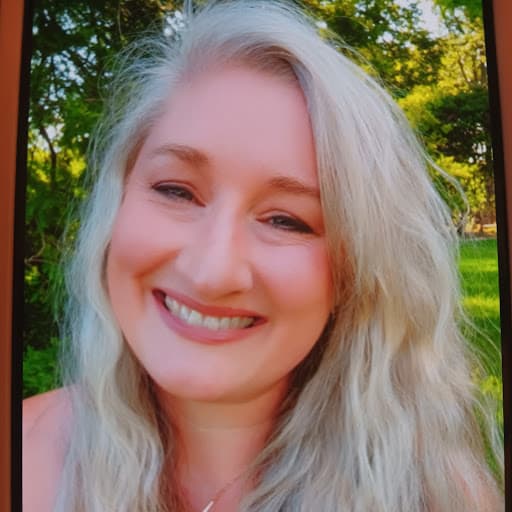
Menopause Support Live with Eliza and Jennifer

Holistic health coach Eliza Riley and nutrition entrepreneur Jennifer Gilliland discuss what women wish they'd known about menopause before it started. Menopause involves over 100 symptoms, not just hot flashes. Tracking symptoms matters for talking to doctors, and hormone replacement therapy works best if started early in perimenopause, not as a cure-all.
Chapters
Hello everyone, and welcome to Menopause Support Live with Eliza and Jennifer. I'm Eliza Riley, a holistic health coach who supports women through the ups, downs, and unexpected turns of perimenopause and postmenopause. So glad that you guys are here tonight, whether you're joining us live or catching the replay. This space is all about honest conversations, supportive community, and real strategies to help you feel like yourself again. Jennifer, would you like to tell everyone who you are?
I would love to tell everyone who I am. I was frozen there for a second, so I was like, am I really on or not on?
I don't know.
Um, I am Jennifer Gilliland. I'm the owner of Beyond the Scale Nutrition, and I love supporting women in the menopause space in all things nutrition and lifestyle. And we have a really fantastic group of ladies in this menopause support group. They just have so many great questions and they're so engaged in their health, and I just love it. So I love being able to bring some really good information to them. Every single week. So happy to be here.
Absolutely. And we are going to— earlier this week in the, in that group, we shared a question that we are— that, uh, the question was, um, actually I don't even have the question in front of me. Hang on.
The question was, what do you wish someone had told you before all this started?
Thank you. I have the responses, but I don't have the question. There you go. Okay, so we're going to come— we're going to talk about some of those, uh, responses that we got from that question. But before we dive in, just a Quick note: while Jennifer and I both have experience supporting women through perimenopause and beyond, we are not your personal practitioners. What we share tonight is for educational purposes only and not meant to replace medical advice. Always consult with your own healthcare provider before making changes to your routine. Cool. All right, let's get into it. Okay. All right. So the first one, I know, I know you have them with you're looking at the at the. Page. I just copied them over to a Word document. So I have that here. So Robin shared. So her answer, her, her response to that question was, I'm sorry, can you remind us again what the question was?
The question is, what do you wish someone had told you before all this started?
Yeah. Yeah. So Robin shared, when you experience these crazy symptoms, it's menopause.
Mm-hmm. And it, and it is, but it's also a very interesting— a lot of times I have conversations with women that I'm working with and we talk about, is it menopause or is it something else? I think it's really important that we're looking at— there are, there are over 100 symptoms that can be associated with menopause. And so when we're just looking at it as everything is menopause, that may or may not be true. So I think it's really important that we take a step back and we're like, okay, is this menopause or is— does this need a different kind of dive, right? So making sure that we're having that conversation and being aware that yes, there are multiple symptoms that can be associated with it, but also being open to maybe it's something unrelated to menopause and something that's completely different. That's why it's so important, as you just beautifully said, it's important that we have that conversation with our physicians, our providers, making sure that we're getting, you know, an accurate overview of what's going on in our own individual body. Because many of these ladies are talking about hot flashes, but everyone's experience with hot flashes is different. You know, hot flashes is kind of across the board, but it's definitely different for every single woman. So.
Absolutely. And the other, the other, another piece of that I'd like to share is that, um, so, you know, I've said this, if you guys have been following me for, for a while, you've probably heard me say this, and you're gonna hear me say it a lot. There's nothing in our bodies, from the tips of our head, you know, from our hair to our toes, like there's nothing in our bodies that are not affected by the hormonal changes of perimenopause and menopause. So it's really, um, it's, it's just a really good idea to, to Try to connect those dots for yourself before you see your doctor, before you go to your practitioner. Because I mean, this is one area where we've seen doctors don't have enough education on what happens to a woman's body at menopause. So, so we have to be our own advocates. We have to take care of ourselves. So go to your doctor saying, "Hey, I have this and this and this and this, and I think it might be my hormones." And then and then let them go go from there. But it's so important to connect those dots for yourself because otherwise our symptoms.
Yeah, yeah, 100%. We know our bodies the best. And I think sometimes, sometimes along the way, we sort of lose that intuition. We, we feel like we're, you know, being maybe a hypochondriac, or we're overdramatizing, or we're oversensitive, or all of those negative words that can be associated with our feelings and our emotions. And, you know, really taking a step back and being like, this is my body, and we get one.
Yeah.
And I'm going to listen to it. And we get to choose how we, you know, take care of our health. And we can, we can really be our own best advocate, or we can accept, you know, what other people are telling us. And I think it's really important. And I think that one of the big reasons that I love coming together and having these conversations is about awareness and just knowing. Um, I'm gonna share one person, what one person said, if you don't mind.
Yeah, go ahead.
Um, cuz I think this was really, really key to this part of the conversation. Now I just have to find it. Oh shoot, it was right there. So Irma says, I wish someone had told me that I was not alone, that I'm not crazy, that there's a whole sisterhood of women going through this. Talking about all this was so taboo. I was in the middle of it thinking I was literally losing my mind before I found out what I was going through was part of menopause. Like How many women are experiencing that, just that loneliness and that isolation? And yet there's 185,000 women in the menopause support group, and that's only a fraction of the women that are going through it at this point. So really opening up that conversation and, and like you're saying, Eliza, doing the research, like what is it that your body is experiencing and could it be this or could, you know, what is it, what exact symptoms are you, are you experiencing? So.
Yeah, and tracking them is so important for that reason. Again, you know, it gives us, it gives us information. It's not just journaling for, for the sake of journaling. It gives us information so that we, so we go in to see our clinicians with power, you know, empowered and understanding somewhat of what's going on in our bodies. I think that, you know, another thing that I thought of when you were sharing that, Jennifer, was that, you know, so, so often so many of us For women, I'm speaking for women. We get to the stage of our lives having never have never having had support in speaking up for ourselves. You know, to say like it's it's so happen and I I think this I hear this a lot from a lot of women and myself included. You know that it's like you go to your whether you're speaking to your spouse or your doctor or whomever like they they belittle it. You know they oh you're having that symptom it can't be that bad. You're having that symptom. them, oh, just, it's in your head, you know, like, there's, there's so many things. Oh, you just got to get over it. Like, or, and the one I hate the most, which I will tell you, the first time I heard this, I was in my 20s, my late 20s, when my doctor told me, you're just getting older.
Wow.
Are you kidding me? And he was like 60. Do you remember what it was like to be my age? I don't think so. Yeah. Would you like to read the next, the next comment?
So the next comment is from Jessica, and she says it's more than just hot flashes.
Yeah.
Yes, it very much is.
Yes, exactly. But I, but I agree with her. Like, it's the mainstream messaging be about menopause reduces menopause to just a couple of symptoms. Whereas when most of us, I mean, I, you know, all of our experiences are different, but most of us are dealing with full body, full life transformation. So yeah, it's not just hot flashes.
And I think when, when I talk with women about, you know, nutrition and changing, a lot of that conversation is around weight management because there are unexpected pounds that just find you after 40. It's crazy. Sometimes after 30. And so it becomes this conversation about weight management and then all of the old stories, all of the history that we have with trying to modify weight or trying— or any challenges that we've had, that all comes into play too. And, you know, what's worked, what hasn't worked, and we expect it to kind of work the same way that it used to before. And a lot of what we used to do before was more about beating ourselves up than giving ourselves really healthy, you know, more appropriate kind of ways to handle the weight and belly fat and those kinds of things. So I really would love to see more and more women treating their bodies with, you know, the kindness and the respect that they deserve. And part of that is how do we nourish our bodies instead of always feeling like we have to beat ourselves up to lose weight? How do we nourish our bodies to get the goal, to reach the goal that we're trying to reach, but also to treat our bodies with kindness and respect? I think it's really important.
Absolutely. I couldn't agree more. And that's one of the things, you know, for me, when I'm working with women, I, I don't like to focus on weight. Because there's, there's so many things that we can be doing that are going to, that are going to help with the hot flashes and the, and all of the other symptoms that are coming up and also lose, like, cause you to lose weight. But I, I don't like focusing on weight because it's, it's a side effect of everything else that's happening. And it can feel like it's the, it's the major player, but it's, it's, it's really the side effect.
Yeah.
I also, I wanted to— the next, the next comment from Amanda kind of goes into further into this.
She's sharing Yeah, that is, that is true because there's, there's so many things we don't know, right? We just, we assume that it's just that and then it's like, but then it keeps going and going and going and there's so many other things that can be associated with it.
So. Yeah, absolutely. I think that for, you know, while, while hot flashes and night sweats can be super disruptive and, and really cause a lot of, a lot of misery, I think that there's so many other things that can be associated with it. For many women, the emotional and cognitive symptoms that, that come up are actually far more disruptive than the physical ones.
Yeah. Yeah. 100%. And that leads into Tracy's comment about that. It is horrendous. Plain simple truth.
Yeah.
And I think that, you know, one of the things that just breaks my heart when women will tell me that they go and they talk to anyone, whether it, like you said, like the doctor, a significant other, family members, friends, whoever it is. And there's this dismissiveness of it can't be that bad, or, you know, just work harder at it, basically is the bottom line, right? And so instead of being supportive and hearing what their actual concerns are, and actually listening to what— to the almost desperation that can be there for women of just looking for somebody that cares and somebody that, you know, is willing to understand What the symptoms are, how they're feeling, how they're experiencing it. And to your point, Eliza, when we're feeling that anxiety or that stress or that overwhelm, it is so—it's like standing in the middle of you know the the fog and expecting to see clearly. We just we we don't experience it the same way. Our bodies are going through so much difficulty, you know, processing through the anxiety and the depression and the stress and overwhelm that it's hard to think clearly. It's hard to come up with a really great plan because everything feels harder and more. cumbersome and difficulty, you know, it's just more difficult to think through it in a more, um, kind of logical progression. It just feels very chaotic. And so we really have to address the, the emotional and the mental piece before we can even get to some of those physical symptoms so that there is some more clarity. But that understanding and that, that, um, comfort, I think, is really important, um, and I think it's missed a lot of times. Everybody wants to kind of solve the issue and I find for a lot of the women that I talk to, it's just like, can you just— can somebody just listen to me for a minute? Just let me— without me telling me that I'm ranting or over, you know, emotional or any of that stuff, can you just listen to what I'm saying? And that, that just helps everyone feel better, kind of calms everybody down a little bit, and you can think a lot more clearly in that situation. So yeah, I agree.
And I think too that, um, you know, when you— when I think back to older generations and the fact that they didn't really talk about how difficult this transition could be, I think that they did us a disservice because there is this pervasive— it's not reality, but this pervasive story that it's not a big deal because clearly men didn't talk about it. It can't be a big deal. They weren't speaking up. It can't be a big deal. So I think that there's a sugarcoating that That now so many of us try to do. Like, we try to go, go like, oh, it's empowering and it's great and it's amazing. And, you know, it— but we have to just stop pretending that this is just a phase and start getting real support. And whether that's, you know, again, like you said, with our doctors or with our spouse or with our family and friends or with communities like the Menopause Support Group, it's just so important for us to be speaking up and speaking out and talking to each other.
Yeah, absolutely. Absolutely.
So, um, I don't remember who read the last one, but you want to read the next one?
So, um, Jennifer says that even with hormones, hot flashes can return.
Yeah, absolutely. I think it's such an important, an important reminder that Jennifer— um, not you, Jennifer, that Jennifer— there's a lot of us— reminds us that, um, that, that hormone, uh, therapy is not a magic pill. It's not a magic switch. It doesn't like just make everything all better. It can certainly help, but there are so many other layers like gut health and stress and how your body metabolizes hormones. Like, there's so many things that, that also make a difference. And, and even when you find the keys that make you feel good in your body, it does not mean that you'll never have another symptom.
Right, right. I'm actually finding that personally. I'm in postmenopause, and I'm finding that my symptoms are different and in some ways more intense than they were in perimenopause. And I think that the misguided information is that peri is the, the quote-unquote worst, and it can be. And that, that is where we, we try and put it into a box of this is exactly how everyone feels in perimenopause and in menopause and in postmenopause. And right. That's just not true. That is, that is not the reality. And I think, you know, the more we have conversations like this, the more we can empower women to know that they're not crazy. Whatever your symptoms are is your symptoms. That's your story, your body. And the more we can talk about it, there's probably hundreds of other women that are experiencing something similar, but still a little bit different, you know, so we can learn from one another and hear each other's stories and, and really have a much better experience of all of this when we don't feel so alone.
For sure. Thank you. Uh, the next comment from Christy, um, share— she shares the 50 different symptoms I could encounter: HRT timing, dose changes, relentless bleeding. Yes.
Yep. Yeah, absolutely. And, and there's— yeah, it's just a never-ending list, really. And I really feel like we're kind of finding more and more things that can be associated with menopause as we do more and more research, and we're actually doing the research the way that we need to do it, which is, you know, on a bigger group of women, on different, you know, women of different experiences in life, different cultures, different areas of the country, all of that. You know, we just, we really need to be doing more of that. And I'm hopeful that that conversation is getting bigger and bigger. We have a kind of a ways to go, but I feel like it's better than it was. So.
Absolutely. It is so much better than it was. I mean, I can, I remember it wasn't even a year ago that like everyone was saying there's 42 symptoms. So I was like, who came up with this number? And it had to have been a guy because there's no way that any woman's going to be like, yeah, I only had 42 symptoms. That's it.
Yeah. And you're crazy if you have 43. There's no way.
Right. There are so many. And again, we come back to everything in our body is affected. Our hair, our skin, our eyes, our, you know, everything. Like, it's amazing that there is nothing that is not touched by the changes hormonal changes. And I, I don't think that, unfortunately, um, that, uh, well, I feel like this is the stuff that no one prepares you for, you know. Like, this is, this is the stuff that— because it's not just symptoms. There's decision fatigue, there's body changes, there's constant, um, adjusting. Um, you know, even, even when I work with, with, with women, I'm like, okay, so this is what we're gonna do for what's happening in your body right now. But, but I, and I try to empower them to, to know how to make changes because it seems it's almost like playing symptom whack-a-mole. You know, you, you get, you, you get one down and up pops another one, you know. Um, but that's also why it's so important to do root cause healing and not just chase, chase the symptoms.
Yeah. Yeah. 100%.
So I think Irma's was next in the list, but we, you shared that one. So, uh, Albertine, go ahead.
Um, I'm going to read kind of through because there's a little bit of a thread there. So Albertine said that we need information and not so much medication. And then I'm assuming that's soon. Um, exactly, no one really talks about it. It's awful. Some breeze through it while others suffer. And then Albertine responded, exactly, they just— they're just quick to put in— put you in on a whole bunch of meds and let you handle the rest. And I think that there's a lot of truth in that, that we just expect hormone replacement therapy or hormone therapy to just fix it all. And, you know, there's— I find as many people that are still sort of, you know, concerned about hormone therapy as there are people that are all for it. And to me, it goes back to, are you having that conversation with your provider, with your, you know, people that can help you and support you and that kind of a thing? And are we having— are we talking about it? as an option and getting all of the facts related to your own health history and what would work best for you and that kind of a thing. And I think as a healthcare system, sometimes we tend to put medication out there, but then we don't follow up with all the other things. You know, to your point, how are we sleeping? What's the stress? How are we eating? How are we moving our bodies? You know, all of those kinds of things. What kind of connections? What kind of relationships do we have? All of those things. And, and medication is a, is a piece to the puzzle. It is not the only, only— it's not the end-all and be-all of everything. So.
Absolutely. And I think that, I think that the, the issue, at least for me, is sort of twofold. Like, first off, we have allopathic medicine. This is what most of us have grown up, how we, how we, how we do medicine, you know, and how our doctors, how our doctors treat us. So like, you'll have, you know, anxiety and fatigue, and you're not sleeping and, and weight gain. Like, let's say you have all of those and you go into your doctor, you have to go to 4 different visits, first off, because it's 4 different symptoms and you have to talk about each one separately. And then they'll give you a different medication for each thing, not without recognizing that they're all connected. So that's one side of it. But I think that too, we have come to— I don't know how to say this well, but we have come to a point where this is what we expect. Right? So, like, as a, as a person who is struggling with 4 different symptoms, we go in wanting a pill to fix them.
Mm-hmm.
You know, make it better, make it go away. And, and I think that that's why it's so important, especially at midlife, to start recognizing that, um, that there's a different way, that there's a different way to, to, um, to, to combat the, the, the challenges, to, to, to, um, Yeah, I don't even like using the word combat because we're not fighting them, but we're figuring out how, because they are messages from our body. I mean, that's all symptoms are. They are messages from your body. Your body is saying to you, I need some— I need attention here.
Right.
So how are you going to give it? Are you going to quiet it with a pill, or are you going to listen to that voice and figure out what's the— what is it asking for? Because it's probably not asking for, um, Xanax.
Right. Yeah. And that's, that's so important to be doing, to be looking at, you know, the behaviors that we have, the, the patterns to our day that we have, the, the, um, the ways that we're nourishing our body, the foods that we're putting in, the physical activity that we're doing. And I don't mean beating your body up at the gym for 2 hours and doing all the strength training and wearing the weighted vest and, you know, doing, doing the all of the latest and greatest trends as far as the diets and keto and all that stuff. It's, it's let's take a breath and, and really understand what it is that your body is asking for. To your point, I always say your body whispers before it screams. And, you know, those symptoms are it whispering like, I need help, I need help. And so when we can address one symptom, often that's going to affect more than just that one symptom. But it's the, it's the Slowing down and really looking at the entire picture. I think as women we spend years just running through life. You know, we if we're if we're in a place where we wanted to get married, we get married, and if we wanted to have kids, we have kids, and then we have the the job, and we have the house, and we have all of the things that happen. And then it's like oh my gosh! Like you wake up and you're just like now I'm having hot flashes, and what is this? And how you know? So in the midst of a very busy life, I I have a lot of. Women who are they're just they're busy. They're they're just really busy, and they have they're like I want to do better. I want to treat my body better. I just don't know how. So it's sometimes it's just taking five minutes of like just just take a breath, you know, and even that is really hard sometimes when we're we're you know go go go go go and to take a breath it's really really challenging just to start there. But that alone can help decrease that stress, which can help decrease those symptoms. So. It's a very— it's very much like a spider web, right? There's just so many layers to all of it. And everything's sort of interconnected. But we have to take the time to pay attention to that a little bit.
Absolutely. And Christine says— and I'm thinking now we may not get to all of these this evening, but that's OK. Christine says, so much misdiagnosis, overmedicated, and where it's likely just hormone loss. And I think that this is just going further into what we were just speaking on, what we were just saying. And, and she's right. I mean, I can't tell you, uh, I don't know of any woman at midlife that is not on 3 to 5 medications for anxiety, for sleep, for reflux, for fatigue, like for all of the— for all these different things when the issue is really hormones.
Yeah, yeah, 100%.
Do you want to read the next one? I think that's Danae.
Danae said to start HRT as soon as you know you're in perimenopause. I wish someone would have told me that what perimenopause was. I hope my daughters have more education and access to medical intervention. And I agree. I think there's a lot of people that don't know. We just don't, we aren't educated about it. We don't talk about it. Families don't talk about it. It's kind of hush-hush. So having that conversation and figuring out like, what is it that my body is dealing with? And is hormone therapy appropriate for me? Is it appropriate for me now? Is it something that I, I'm— that I'm in need of, and having the conversation. Absolutely doing the research, understanding, you know, what's out there. And I feel— I do feel like we're doing better and better at that, at having different options for women, which is, is really encouraging for sure.
Absolutely. And not all women are going to decide that they— that they're— not all women are going to even need hormone replacement. It's just not— it's not gonna— it's not something that everyone is going to need, but it, it should absolutely be something that is given as an option, um, very, very much earlier than, than it currently, currently is being spoken of. Um, I think that, you know, um, one of the first things that I started using, I think that most women should at least consider, is, is using perimenopause— not perimenopause, using progesterone. I'm having brain fog today, so I apologize.
It's all good.
As I get ready to start my bleed. Um, so yeah, have— using progesterone can And, and, um, women don't even have this conversation. I actually, I'm looking at the next question from Angie where she says, peri can start in your 40s, we need hormones. Perimenopause actually can start as early as your 30s.
Mm-hmm.
So that's another thing, like we don't even realize it can start way earlier than we thought it could. And so, um, and it often the first sign of perimenopause is just that our periods are not quite as regular. As they were before. And the simple fix for that is topical progesterone. Like, there you go. Like, there, there's, there's something for you to try. You don't need a prescription. You don't need to see your doctor. Just try it out, see how, how it feels in your body. And that's all you need to know. Like, if it's working for you, if it's making you feel better, if it's, if it's keeping your periods regular, you're good to go.
Yeah. And actually, just personally, I was told by a menopause specialist provider that they couldn't do anything for me until I hit menopause. I went when I was in perimenopause, and she said— I told her what I do, I told her my experience, you know, I told her, I said, I'm looking for some help. And she said, well, we can't do anything for you until you hit menopause. And I was like, okay, all right, I'll see you later. I'm like, I even told you that this is my, my area, my passion in life, to like help women in menopause, and you— that's That's okay. All right. So yeah, it happens.
Yeah. Very often when you get those, those kinds of responses from your, from your providers, please find another one.
Exactly. Very quickly did. Um, do you wanna do one more and then—
Sure, go ahead.
Okay. So Michelle said, it's not always what it seems. Find a real gynecologist and get hormones tested as soon as possible. So very similar to my point, you know, find somebody that you feel comfortable with. This is your body. Your life, your menopause experience. Make sure that you feel comfortable sharing all the details with your provider so that you can get the best help possible.
Absolutely. And we did have several more responses on that thread, and I really appreciate all of the people who took a moment to share with us what, what you're feeling and what you're struggling with. And I, I hope you guys will pay attention for the next question, which we'll post on Monday. And Give us some feedback. We'll give us get it'll give us something to talk about, and I want to thank you guys so much for spending this time with us tonight. If you're watching the replay, feel free to drop your thoughts or your questions or your remind us the the question again, Jennifer.
Your what do you wish someone had told you before all this started? Yes, there you go.
It's crazy. I came up with the question. I can't remember it, and I do want to thank Sherry for joining us live this evening.
So.
Thank you, Sheri. We appreciate it. And I apologize, I haven't been looking at the chat.
That's okay.
If you would like more support between now and the next live, both Jennifer and I share helpful resources throughout the week. You can follow us on, on our social media channels. You can join our email lists or explore our websites, whatever feels most helpful for where you are right now. We would love to stay connected with you and support you however we can. For now, take care of yourselves. Thank Thank you again for being here. We will see you guys next week on— for another Menopause Support Live. Bye everyone.
Bye-bye.
More from Eliza
Why “Trust the Science” Has Left So Many Women Confused About Their Health (and what to do instead)


Small Shifts, Big Relief: What’s Actually Helping in Menopause (According to Real Women)
What No One Told Us About Menopause: Real Symptoms, Real Stories, and Small Changes That Matter

Menopause Symptoms No One Warned Us About: Brain Fog, Itchy Ears, Sleep Struggles & More

Menopause Support Live | HRT Withdrawal, Brain Fog, Hair Changes & the Truth About Hormone Therapy

Menopause Support LIVE with Eliza & Jennifer | Night Sweats, Hormone Therapy After 60 & More

The Gut-Weight Connection: Why Your Belly Won’t Budge (Even When You’re Doing Everything Right)
Tired, Sore, and Achy? Your Gut Might Be the Reason | Gut Health & Joint Pain in Menopause
Will I Feel Better After Menopause? | Post-Menopause Symptoms, Hormone Truths & What to Expect