Crypto, Events Spaces, and Trust in Media | Jason Yanowitz, Blockworks
Jason Yanowitz built Blockworks from a crypto newsletter into a multi-platform media company running podcasts, conferences, and research products. He prioritizes owning content and controlling distribution, hires hands-on executives comfortable with lean budgets, and credits deep community trust as central to the business.
Chapters
there's one thing that matters in media: trust. And I would argue that it's not just in media. Look at the bear market in crypto right now and look at who's winning the exchange game. It's Coinbase because people trust them. And I think like when we are trying to like— we have a big decision to make at the company, there's a core value of like trust and things funnel back to that. Niches make riches. I would say that's a good strategy for media companies to take is like, how can I own a really, really, really specific niche Dominate that niche and then expand, and then try to dominate that niche and then expand.
Welcome to Media Empires, where we sit down with the most influential media creators right now to learn exactly how they built their empires.
Our aim is to extract the secrets of top-tier podcasters, newsletter authors, and media creators who are breaking the old rules for media success. Whether you're looking to start your own empire or simply curious about the nuts and bolts behind media businesses, you'll find valuable insights and tactics each episode.
Grab your headphones. Let's dive in.
Riverside is a presenting sponsor of Media Empires. It's an essential part of our tech stack. Riverside makes scaling a media business possible for us and so many podcasters and creators. It's our online recording studio, not just for the show, but across the entire podcast network. Riverside lets us record interviews with the best guests from wherever they are in the world. Our team can also cut short-form clips directly from Riverside. Because as any listener of this show knows, you create once and then publish everywhere. Sign up for riverside.fm today by following the link in the description box and use our code MEDIAEMPIRES to get a 20% discount. Hey everybody, today's guest on Media Empires is Jason Yanowitz. Jason is the co-founder of Blockworks, an events and crypto media company that sits at the intersection of digital assets and traditional finance. He's worked as a producer as well as a creator and has become one of the best and most trusted creators in the crypto space. In this episode, we discuss podcast networks, trust in the media world, building audiences, and much more. Without further ado, here's Jason Yanowitz.
Jason, welcome to Media Empires. Thanks so much for joining.
Yeah, good to be here, Eric.
Jason, by way of introduction, why don't you give a brief background on Blockworks, the empire it is today, and the evolution of how it got there?
Yeah, of course. Kind words of you to call it an empire. I don't know if I'd go that far, but Blockworks is a fast-growing media and information brand in crypto. So the original thesis that we, you know, we've probably got a lot wrong over the years, but the original thesis that we got right 5 years ago when we founded the company was that crypto would eventually become this large institutional asset class. The industry as a whole would grow exponentially. And what that meant is that the number of investors who would come into the industry would also grow by orders of magnitude. And when we looked at that, there are all these companies that were going to get created around that, you know, institutional infrastructure, software companies, and you saw that happen. But also, one of the things that we saw happening was those investors who came into the industry were just going to demand a much, much, much better source of information and much higher quality information. And so that's really what we've set out to do is just provide investors who allocate to crypto better information about the industry. And that's super top of funnel, social and newsletters and podcasts and really hard-hitting news and journalism all the way down to like what I'd call maybe the bottom of the funnel, which is like data and analytics and protocol governance and research and stuff like that. So that's a, hopefully a decent high level.
That's very helpful. Can you go a bit deeper and describe almost like to the extent that you could share almost like pie chart your business a little bit of like how you think about the newsletter, you know, versus podcast, you know, versus research versus events? How do we get into the nuts and bolts of your business a little bit?
So I'd probably bucket it into 3 segments. I'd probably— so here's the way that I— here's the way that I think about it is investors, when an investor thinks about crypto information, there's kind of what I'd call— some people call it top of funnel and bottom of funnel. I think of it like soft information and hard information. So the soft information is one bucket of the, of the, of the business. And that's like podcasts and newsletters and even like news and journalism and social media. And that's like the stuff that you can kind of follow on a day-to-day basis. And that's maybe like, that's, that's the kind of content where you can get millions and millions and millions of people consuming that kind of information. So that's one bucket. The other bucket is what I'd call hard information. And so that's research and data and analytics, and probably 0.1% of our audience cares about that stuff. But the 0.1% of the audience who cares about that is— those are professional money managers. So those are family offices, hedge funds, and capital allocators who are allocating to crypto in size, and they want really deep information on the asset class. And then there's the third bucket, which is the events and the conferences. And that's kind of the place where we're like, we have created Blockworks as like the hub of, of, of connection, I would almost say. And like a conference business, if you think about it, is you're basically standing up a marketplace for 3 days and then shutting, shutting down the marketplace. And so that's what we've done on the conference side of things.
And if I read or heard in a previous podcast that you're around that $20 million revenue number, if it— let's say that you're getting to $100 million in a couple of years or in a few years, where do you expect the breakdown of revenue to come from within those 3 buckets?
Yeah, so the goal in 2022 was $20 million in revenue. And we happy to say we cruised through that goal by a decent chunk. So I'm very happy about that. The revenue, okay, so conferences make a really large amount of money. And they have a really good margin actually, as well, which is something that maybe people, people don't understand about the conference business. However, you know, I think there's probably a lot of media operators listening to this. Revenue, $1 of revenue is not the same across the whole business, right? And in terms of how the market values a dollar, so a lot of our revenue will be generated from conferences. But that's almost like the least valuable dollar, I would say. Then there's a— the more, the more valuable dollars, the money that we generate from the podcast and the newsletters and what I'd call like the digital side of the business. And then if you actually step up even one, one step further, one of the big focuses at the company right now is like scaling the research, which is actually the subscription, you know, recurring revenue side of the business. And that's obviously the hardest revenue to get, but the most valuable dollar. And so like today, most of the revenue that we generate— we're recording this in February 2023— is sponsorships, ads, tickets to conferences. If you fast forward 5 years, I would like the majority of our revenue to come from subscriptions, research, data analytics, stuff like that.
Totally. So just to take— flesh that out even further, take Blockworks in 5 years or the next 10 years, like Blockworks at its, at its, at its peak, when it achieves its scale. What could it look like? I—
yeah, I hope we don't peak in 5 years. That is not the goal. But I'm going to make a comparison that I actually hate making because it's— I'm going to use Bloomberg as an analogy here. And I actually, you know, a lot of crypto information businesses say, you know, we're building the Bloomberg of crypto, which is an analogy I hate because I think Bloomberg is one of the best businesses of all time. But it's like saying we're going to go build another Google or another Apple. It's not quite that easy, but You know, Bloomberg does somewhere in the range of like $8 to $10 billion in revenue a year. And we see crypto— crypto today is, you know, the total market cap of crypto is like sub-$1 trillion. And we see the total market for crypto getting— becoming hundreds of times larger than it is today. And if that's the case, I think that we can become— let's even call it 1% or 5% the size of Bloomberg, you have a colossal business on your hands. So that's, I think, where things go in terms of like a little more tangibly. The way that we talk about it internally is like we have, we have built this huge funnel where we, you know, if you are, if you pay attention to crypto, you probably consume Blockworks information in one way or another. We have the largest podcast network. We have the largest conferences, we have some of the largest newsletters, we have some of the largest social channels, and you probably consume some information from us in some channel. We think that as the space gets institutionalized, the number of investors who comes into the industry, like I was mentioning, will grow exponentially. And every professional investor will have some sort of allocation to crypto. Maybe, maybe it's just 1%, but those investors are going to need a professional tool to use. And, uh, we think that our, you know, Blockworks research and analytics platform can be that tool.
Yeah. Is, is it fair to say that, you know, most tech companies think about how to build the technology first and then community on, on top of it, and you're perhaps taking the opposite approach, which is you spend a number of years building the community, building the, the media company that builds the brand and distribution, and then layer in the technology on top of it?
Yeah. So It's funny, I'm not sure we're doing this the right way, by the way, but we have— I like to— like, we basically built a media business ass backwards. So when you look at how most media businesses are created, they start with— they start with a newsletter or they start with news or they start with journalism or they start with a podcast. Like they start with content that they, that they own and people kind of congregate around that content and then they say, oh crap, we have to monetize. And usually that goes in one of two directions. They try monetizing with sponsorships or they raise money. Blockworks has never raised an outside— we raised $100K from friends and family on day one of the business. And then, you know, it's February of 2023. So at this point in time, we've never raised any outside capital. We were forced to basically monetize super, super, super early. So we started as a conference business, then we built podcasts, Then we built newsletters and then we said, oh crap, we've got all these media products, but there's nothing that sits at the middle that ties it all together. And that's when like the block works that we know today with like news and journalism that, that, that kind of ties everything together. So that's how, like, that's how we, we did it. I'm not saying it's the right way in terms of the, the like platform that sits at the bottom of that funnel. I don't know. I'm still trying to think about this. I do believe that every. Media business in the future will have a software product that sits at the bottom. And I have a feeling what it, what it'll look like is not media businesses launching software, but software businesses acquiring media. And you start, you're starting to see this, you know, Penn National, big game, big gambling casino company, they acquired Barstool Sports. HubSpot acquired The Hustle. Chase acquired Infatuation. Why? Just to drive more, to serve as a media company that would drive credit card signups. So I think that's where the future of media information software ends up going.
Yeah, I totally agree. Acquisition costs are only getting higher. Distribution is only becoming more and more important. And it's getting easier and easier to build things and harder and harder to get, acquire and retain users. So owned audiences are becoming increasingly more valuable. I agree there'll be lots of acquisitions and for technology-savvy media teams, there will be opportunities to build products. We see a number of, you know, like even to go to the extreme example, like MrBeast has a team where they're just incubating companies and parent, you know, creating companies based off their creators and the kind of niches that they dominate.
Yeah, exactly. I mean, people, it's funny. So MrBeast is a good example. Like people talk about the creator economy. I don't, I don't think there's a creator economy. I wouldn't call it a creator economy. I'd call it the attention economy. And I think that basically if you can find a way to own the attention, I don't care how you do it, I don't care how you can own attention, but if you can own attention, the money will end up coming. And I think that's one of the problems with like you kind of see two types of media companies being created today. Eric, it's like like news and reporting where you have like a journalist who leaves the New York Times or Politico or something, go create their own thing. And oftentimes they think that like eyeballs will come if they create good content. And that's not how the world works. And so like the other type of media company that exists is like they, they just nail getting eyeballs on content, which is like Barstool, Gimlet, Crooked Media. Morning Brew, The Hustle, like it's not news, but it's like entertaining a little bit. And I think what we're trying to do at Blockworks is like, how can we, how can we bring both of those together? Like, how can we have this huge podcast network where it's like fun and entertaining and like keeps you informed, but also like tells stories and stuff like that? And then, and then also the news side of, but like bring more like facts and like information to that side. And then like, how can we like take news and journalism and then like bring this, this like core DNA of like growth and eyeballs to that side of things?
So yeah, that's fascinating. You're, you, you half joke when you say maybe you're doing it, you know, ass backwards. Uh, at the same time, you know, I, I've been inspired by you, by your, your model and Blockworks, and you've been gracious in, in giving me advice over the past few months. And, and one of the things I've, I've decided is to, is to bootstrap. Just like you, partially just because going venture just seems like it's the wrong incentive. It seems like it's grow fast too quickly. It seems something, it seems to be misaligned in some way. Do you think for most media companies or people that are trying to do Blockworks for X, that's the right approach?
Media company, I feel very strongly about this. Media companies should not raise money until they have figured out what that product at the bottom is. So if you just have a media company where like you're growing newsletters or podcasts and you monetize with sponsorships and ads, don't, don't raise money. You don't, you don't need to raise money. You really, really, really don't. And if you can't make a podcast profitable, there is a bigger underlying issue. You don't know how to sell or you don't know how to create good content or you don't know how to grow. And you need to figure that stuff out before you go raise money. Once you have a software product that sits at the bottom, go, go raise money, go scale that thing because then you need engineers and product and stuff like that. So I mean, just like study history, right? Go like Vox, BuzzFeed, Vice. There's this whole swath of like media companies that raised boatloads, like literally hundreds of millions of dollars in the 2007 to 2012 period. And they, they all flopped. Even if there was an acquisition, even if they went public, like Go look at the cap table and go talk to those founders about who actually made money. And it is not pretty, I'd say.
So, yeah, totally. Sometimes it's big numbers, but it's not big ownership. And yeah, they would have made more money independently. And we experienced that firsthand with Product Hunt. We often compared it to TechCrunch. TechCrunch sold for about the same amount but never raised a dollar. And Product Hunt raised a bunch of money and it's a very different outcome. Although product was still an okay outcome. But that said, let's transition a bit. I'm curious, or shifting gears a bit, I'm curious how applicable the Blockworks model is. Like, you know, if I'm trying to build Blockworks for AI, is it a pretty close copy or kind of how should I think about what industries it makes sense to take your model and just say, hey, let's apply this somewhere else?
I think we got really lucky actually with crypto. So, so first off, you obviously want to go into like into a really fast growing space. So, so like AI, I think a lot of people like it sounds like you're building kind of this AI podcast and stuff like that, which I love. Like there is so much need for like an AI newsletter, AI news, like a new, like literally a trade pub that just focuses on news, podcasts, stuff like that. I think one thing people don't think about enough when, when they're building new media brands is, is the advertiser set. So when you are like, if you think about what a sales team at a media company does when they're selling advertising, they're essentially sitting at like they're essentially creating a marketplace. So and that's obviously what Google did so effectively. So like the marketplace that Blockworks has created is there are a lot of investors who allocate to crypto because of, you know, tokens and all that Bitcoin and all that kind of stuff. Then there's all these brands and most of the brands want money to come onto their platform like a Coinbase or Gemini or, you know, someone like that. So here we have like a perfect marketplace where you've got demand and you've got supply and Blockwork sits at the center there. So I have a friend, he created a space media company And there's so much demand, so many newsletter subscribers, so many podcast downloads. Like everybody wants to, you know, everyone wants to learn about space right now. But the problem is on the other side of the marketplace, the advertisers, there's like 8 space companies. There's like what, Bezos's company, like Musk's company, like a couple of big government, government-related companies. I don't know the space area that, that, that well, but like the advertiser set, they're 95%. All they do is every year they just sponsor like the same 3 conferences and they've never done digital. So like, I think when you think about going into, you know, trying to create like the Blockworks for X, it's like, yeah, you obviously want to catch a, catch the ride and like go into a really fast growing space. But one thing that people don't think about enough is like, who is that advertiser set and why are they advertising with you? Like, who do they want to reach?
That's fascinating. So you're saying in an industry that's like highly consolidated and the players don't want to be digital, that may not be the best place to do a Blockworks. But if the advertiser set is potentially wide enough and potentially digital enough, you can potentially capture.
That's right. So, so like, let's play this out. Let's do like a thought experiment, maybe live with, with AI. It's like, I think what a lot of people will do with AI is create super general AI newsletters and podcasts. And it's just going to be a bunch of like, you know, maybe like I'd call it like retail consumers who are interested in ChatGPT and like AI and OpenAI and all that kind of stuff. The problem with that is who's the advertiser there? And what you're probably going to get as the advertiser is like a bunch of consumer-focused AI companies who charge like $9.99 a month, like, like really small amounts or like they give free trials or something like that. And what the problem there is like, they're not going to be willing to spend that much money. Their customer acquisition model is going to be all Facebook and Instagram ads because at the end of the day, Facebook and Instagram are still the most efficient ways to acquire customers. However, let's say you took a different angle and you went B2B with it. So instead of trying to have a newsletter that had a million subscribers, you had a newsletter with 5,000 subscribers, but all 5,000 of those subscribers were like CTOs and CIOs who were trying to understand how things like ChatGPT and, you know, DALL-E and things like that were going to change their business. Well, now you've got— now who's going to spend with you? Microsoft is going to go spend like $5 million a year advertising on your newsletter. Google, same thing. And it's like this really— these really big B2B spends. And like, that's kind of the way I think about like pushing into media is, yeah, like niches make riches today. And like B2B is always easier than B2C.
Yeah, totally. If you couldn't focus on crypto, or if you had another clone of yourself that was, you know, had to focus on another space, how would you think about, or like, what other industries might excite you in terms of this B2B opportunity?
Okay, so like, this is something I was actually thinking about this morning is like the psychedelic space. There's a lot of need to, like, I think a psychedelics podcast and like a psychedelics newsletter would rip, and not in the sense of Hey, like, here's the newest, like, shrooms that are hitting the street these days, but like a very like something focused on maybe investors or, you know, like how like I'm, I'm trying to figure out right now, like, what are the interesting deals? Like, like how do I get deal flow in the psychedelic space? And like, is that even a good place to be investing? So like, how can you get more like how can you do a B2B psychedelics thing? And I'm not convinced there's a good way to do it. The counterargument to that would be like people did it 5 years ago in the, in the, in the weed space, like MJ Biz just sold. It's a huge conference show, huge conference trade show for weed. And like they just sold for a boatload of money. So I think the first thing I would do to like test a B2B thing is, is actually not a newsletter. It's not a podcast. Old school conferences. Go host an event, host a trade show, see who shows up and and that can be like you get, you know, 5,000 people to show up or even like 500. That's the backbone of your first newsletter. That's how I would like probably test a new industry.
Fascinating. I do wonder, you know, let's talk about B2B more broadly. Like Industry Dive kind of like pioneered the space in some ways, you know, a decade or so ago. And you have people like Workweek who are trying to follow in their wake, but with a more creator-driven approach. I wonder how much we're gonna see this kind of like B2B creator, so to speak. I was talking to the CEO of an aging media company, I think one of the bigger ones. Is it John? Yes, yes. Yes, yeah. And he had a great blog post about how there's an opportunity to build a new kind of B2B events business around creators. I'm curious what you think about that trend and where the opportunity might be.
I would say, so I know Adam from Workweek pretty well and I have so much respect for what they've done and he's actually helped me think a lot about how to scale newsletters and the customer acquisition costs. And he's a whiz with the Excel models. And like, you put in $2 here, you got to get $4 out in 9 months, like that kind of stuff. And he's helped a lot there. My heart goes out to anyone who works with creators. It is, it is, it's hard. I mean, it's hard. We built the backbone of our podcast network in the early days with folks like Ryan Selkis and Meltam and you guys at Token Daily in the early days and Pomp. And like, man, wrangling creators is so much— there's a, there's a qualitative thing there that I just can't describe. It's very, very, very hard. So, and like, the best creators are not going to want you to own the, own the content. And so like, that was one of the biggest mistakes we ever made at Blockworks was like, we built podcasts for 2 or 3 years, but we didn't own that content. And we were stoked because, you know, we had millions of dollars coming in, but like we didn't own the content of those original shows. So like, here's what I'd say. I might not call them creators. I'd call them like people with industry expertise. And I think what you need there is like, A, you always need to own the content. B, you need to, I think you need to pair someone with industry expertise with someone who works at your company. So like, we do this. Every Blockworks podcast has two hosts. One person is like, you know, like Santiago for my podcast. Santiago is one of the most prolific angel investors in crypto. He's not going to drive the show forward, though. He's not going to like wake up thinking about the show every day, but he's going to drive views. He's going to drive like people coming to listen to it. And then like, I'm the one who's kind of like pushing the show forward. That's probably a bad example because I'm using myself, but like, I think you need, so I think you need to combine them. You can't just like build a media company on the back of creators, if that makes sense.
Yeah, no, I've followed that example from your teaching in terms of how I'm building my media company. Do you think you mentioned the importance of owning the content? Let's say you had owned the content originally. You said you made a lot of money of it. How would that have been different? Like what it would say more about, like what would you have done if you had owned the content?
Hindsight's always 20/20. The— here's the best thing that happened was that the boot— that was that the podcast network allowed us to bootstrap the business. It allowed us to take no outside funding after that first $100K, and it spit off so much cash flow that we were able to reinvest it into the rest of the business. The, the biggest mistake we ever— that we made at Blockworks was not investing in our own channels early enough. So I think we kind of just looked at other folks and we're like, they have, they have the podcast. We can't compete there. We're who, who are we to compete with them? Or like, oh, they have big newsletters. Who are we to compete with those big newsletters? And not really realizing that like one of the only things that matters in media is perseverance. So I've watched as like all the biggest podcasts have just slowly stopped hosting. And like all the big newsletters, all the big conferences, they all, they slowly shut down and like 1 out of 10 remained. And one of the reasons Blockworks is here, I don't know, we just kept doing it day after day and we like hit send on the newsletter every day.
That's something really fascinating about, about, about you guys, because when I look at the AI space, for example, it seems pretty early. You guys were fairly early in crypto, but there were already other existing media players and with some scale. How do you think about kind of like entry timing and how you guys entered in already a somewhat crowded media ecosystem?
Yeah, I mean, here's, here's kind of the history of crypto media is when we came into, into, into crypto, there were only two publications who were really solid. It was CoinDesk and Cointelegraph. And, you know, maybe people say that they're, you know, their coverage wasn't like amazing, but for 2017, it was great. And Those were the two. We never really saw Cointelegraph being anything, but CoinDesk was definitely like the 800-pound gorilla in the space. And it's funny, I think a lot of other people saw opportunity. So in May of 2018, listen to all the companies that launched literally in a one-month span: Blockworks, Messari, Decrypt, and The Block. And then a year later, you had even more. You had The Defiant and then NFT Now. And Bankless as well. And I don't know, people have just like, I think there are a couple of those were never able to figure out sales. So they ended up raising money and I think they probably won't be around in maybe a year from now because they're not able to raise another round. A couple of those like went really low on the funnel and they built software first, but they never built the top of funnel. Other folks like made poor financial decisions, maybe mismanaged the company a little bit. And like, I don't know, we've kind of just, kind of just survived. And it's funny, Mike and I had this advisor really early on who was like a total— I don't know, I wish, I wish I don't know if people are watching on. I just can't even, I can't even explain this guy. He was like all over the place, like total whack job. But he said one thing that's like just has always stuck with me. He goes, in an area that's as hot as crypto, you don't have to be the best. You really don't have to be the best. The industry is going so— growing so fast, you just have to survive. And I think Mike and I really took that to heart. And I think that stands to be, you know, stands to be true with what's happened with us so far.
Yeah, no, it's a game of endurance for sure. For the folks who haven't figured out sales, as just as a hypothetical, like, is it because If you're unable to figure out sales, is it because you picked the wrong customer set within crypto? Is it because you're just unable to build the right relationships with the right advertisers? Or what's so important to get right to figure out sales?
Niches make riches, I would say. And that's why, like, you know, we were very B2B at the beginning. Like, we were— we didn't care about the retail person. We didn't even care about the prosumer person. We were incredibly institutional. And I think that actually made it so much easier for us because if you're going after like the retail crypto investor, you can kind of actually just acquire that person through like a Facebook or an Instagram ad. There's no Facebook or Instagram like algorithm that you can run or like targeting set that you can run to go try to reach that. Like, you know, let's see, like a hedge fund manager who manages $1 billion, like you can't. So we— and we had that audience. So I think like that's one thing is like that's why I recommend going niche to start. The second thing is At the beginning especially, don't find advertisers, find partners. So now it's funny, like I'm on the end, on the other end of some of these like cold emails that people will send and they're like, hey, like our audience is like, you know, 14,000 subscribers and like we have a 40% open rate and like I'm selling this at like a $26 CPM. We've never sold anything on a CPM basis. We've never once even brought up the word CPM in 5 years. With an advertiser. We treat advertisers like partners and we treat them like, and that sounds very fluffy. It's like, oh yeah, sure you do. We literally think of us as like an extension of their marketing team on the partnership side. So instead of going to you and say, hey Eric, you've got $50K, you should really advertise on our shows and you're gonna like, here's the, it's $50K for 13 episodes. We actually change it and we say, hey look, what are your, we'll open the kimono a bit and show you what we're doing this year. You open the kimono a bit and show us what you're doing this year. Why don't we build like a 6 to 12 month marketing package as like a, and treat it almost like a marketing campaign instead of just like a, hey, we'll send you a contract for, you know, 15, 15 ads.
And so in that category, it'll be like, hey, here's a podcast you might want to be a part of. Here's an event you might like. What, what, what does an example like package look like?
Um, Yeah, I mean, like, we just sent out, sent out a contract for a $380,000 contract. And it's a part— it's a 12-month partnership where the person pays the same amount every month for 12 months. And it includes a lot of like a bunch of like activations at one of our conferences. And leading up to the conference, which is Permissionless in September. It's February now. So we've got 7 months leading up to that. They're doing a bunch of like, you know, they'll run a series of webinar, you know, once a month they'll do a webinar with us. They're running ads on different podcasts. We're doing like a custom thing on social with them. So like by the time someone arrives at Permissionless, they will know that advertiser's brand so well that when they see their booth, they're gonna say, holy shit, it's that company. Instead of showing up at that event, instead of showing up at the conference being like just another booth, one of 100 here, they're gonna know that brand and love that brand so much that it'll be so easy for their sales team to actually close those deals on site. That's our goal, at least.
That's a great example. So let's flesh out this, let's say Blockworks for AI as a hypothetical, and we'll go kind of one by one. Let's say I wanna throw the biggest, most important event in the space or series of events. What's important for me in terms of how to get events right based on your experience and expertise?
Your initial attendees are going to— should you— you should do things that don't scale to get those initial attendees in there. So, you know, Mike and I have this fun bootstrapping story of like the first year of the business or the first— what was it, December to May, first 6 months of the business. Mike and I both had full-time jobs, but we were trying to sell tickets to these events. That was the only thing we did was events back then. And there were these like 6 to 10 p.m. after-work happy hour events. and we would wake up every single morning before work and just basically hawk tickets on LinkedIn. We messaged 500 people, you know, 50 of them might respond, 10 of them click the link, and 1 of the 10 buys the ticket. So boom, you got, you got 1 ticket, you know, per morning that we're selling. And so I think you should just expect to like do things that don't scale to get those initial attendees in there. Then you can make the event so good that those attendees come back. So we have like a something around like a 90% renewal rate for for our conferences, but you got to get that initial bucket in there. The second thing I'd say is the speakers. I would try to— I don't know the big like AI influencers or people, but like people want to hear, people want to hear from people who are like them, actually. So what we do at our events is we'll think about like, who are the perfect We kind of work backwards. So we're like, okay, who are the, who are the companies who are sponsoring? We're like, okay, Coinbase is sponsoring. Coinbase's institutional business is sponsoring. Great. Who does Coinbase's institutional business want to get in front of? Okay, they want to get in front of portfolio managers at large traditional funds who are allocating to crypto. Great. How do we then get those large portfolio managers to come to the event? Oh, they want to hear from other large portfolio managers who are allocating. They want to hear from themselves. Like, I don't want to go to some event and hear from like a market maker. I want to go to an event and hear from another media executive or media operator. And so we will basically create this like perfect attendee breakdown and then match that attendee breakdown with the speakers on stage. Does that make sense?
It does make sense. I'm curious how you think about like, do you think kind of sponsor first and work backwards just in general business? Like, you know, which podcast should I post? Is it, hey, let's think about who'd be a great sponsor and what they're trying to do and then work to kind of show around them? Or how do you think about that kind of sequencing?
I would say actually, when we were more— when we were more like— the words that comes to mind is desperate, which probably tells you a lot— like more desperate for money in the early days, we definitely thought sponsorship first. Now that we have a little more of a— we're in a much better spot financially and like can make these longer-term bets, we think very content-first. So Permissionless, for example, was not one of those events where we were like, who could, who could sponsor an event? It was, hey, look, there's all these events in crypto. No one is— you have Consensus and you have Bitcoin Miami and you have DevCon and you have ETH Denver. No one was serving that need for like this tentpole flagship industry event that was also very crypto-native. And, um, and we— and I think a lot of the things we've done, like our research product too, and even the news business, have like come out of Mike and I looking around being like, wait, no one has built this yet. This is clearly a need. And so now that we have— we're in a better capital position, like now things are very content-first.
Totally. And, and should the goal of the events part of the business like in terms of ecosystem of events, instead of doing lots of small events, like is the goal really— because you mentioned you were doing happy hours, but now you do this really flagship— is the goal to create the flagship industry event?
Yeah, yeah. I mean, here's the dirty secret of the conference business. The bigger you go, the better, the better you are. So I'll use an example here, like Digital Asset Summit. I'll open the kimono a bit. We've been hosting this event for a while, DAS, Digital Asset Summit. We used to do DAS New York and DAS London. And it's probably the only crypto event where people are still like wearing a suit and tie, very buttoned up, institutional. And we don't even call it a crypto event. It's like a digital asset event. Usually get about 1,000 people there. Good event. You know, let's say I'm going to make up some numbers here. Let's say the— let's say it takes 1,000 hours to put that event together. Costs $1 million and we make $3 million. Great outcome. Let's— but if you want to 10x the size of that, and you, you can then do an event where it costs you $10 million, makes $30— top line is $30 million, but the time that you've put in is only like double. So as long as you can get that capital upfront to invest in an event, the bigger, bigger is always better 100% of the time.
Fascinating. That's very helpful. And the way to get the capital upfront is to either get guaranteed sell tickets or, and/or partnerships, basically like sponsors.
Yeah, we, we have an interesting like cash flow business. So we actually, sponsors prepay for things. So like if we're going to run ads on a podcast, they— we collect that payment upfront or we'll do like 50% upfront and then 50% halfway through the podcast ads. Conferences, same thing. And so like, you know, I think a lot of businesses are very— they're like, yeah, you know, kind of the sales team is very flexible on payment deals. We are not flexible on payment terms. We're like, you collect that cash upfront and then on the events team, they delay payment to the vendors as long as possible. And we've got a nice mismatch in duration of the capital. And that helps fund the event. And then all the while, our tickets are funding the business. I think we have a pretty unique ticket strategy that I think other people will catch on to, but right now, where I think we're one of the only people doing it and it works really well.
So yeah, no, that's a smart cash flow asset management stuff. Cash flow management stuff. Shifting gears a little bit to the, to the podcast network. That's very helpful on the events. On the podcast network, it is interesting. Like we've talked about this a bit offline where you have, let's just say someone like Bankless has, and they've tried multiple shows, but they've really gone, you know, all in on their, on their main show, kind of doing different formats within one. Whereas you guys have segmented it a bit. I listen to multiple shows, but it's apparent that you focus on a slightly different, you know, customer profile and different sponsors. And it also works great. I'm curious, like, let's say I'm building this AI podcast network. How would you like advise on the pros and cons or or how to even think about the framework of like multiple feeds versus all-in-one feed?
I would definitely go multiple different feeds. You— it's funny, there was actually a podcast network in crypto called Let's Talk Bitcoin, and it started as a show, and then BTC Media acquired it, and they started like taking other podcasts and then shoving it into the feed. And what ends up happening is no one ends up listening to that feed. I don't know, just think like, like take podcasts out of it. Think about any other channel. Like imagine you subscribe to a newsletter and then the news and it's like great newsletter. You got this newsletter coming in and then like they partner with another newsletter and they just start pushing that same content into your inbox and you're like, well, what, what the hell? I didn't, I didn't sign up for this content. I signed up for the other content. And for some reason people think that podcasts are different. So I wouldn't shove it all into one feed. With that being said, the best way to grow a podcast is these things called feed drops, cross-promotions, and the master of this is Barstool. So what people don't see Barstool doing, who maybe don't care about the operations and like the growth side of things as much as I do, is like they— so first off, Barstool has never— does not have a single show with one host. They have like 60. Between 60 to 90 shows. Every single show has 2 hosts. So that's the first thing. Second thing is they will talk about something. They just did this the other day. So like, they were— what were they talking about on their show? They were talking about— someone on our podcast team showed this to me. They had 2 guys talking about like, I think it was like girls aren't allowed at the— at the— on the— on the boys trip or something like that. They have another podcast called like Call Her Daddy, I think Call Her Daddy, one of the biggest podcasts. And then like the Call Her Daddy people then went on the, on the boys' podcast to then argue that. And then they're like, this is, you know, these people, I forget their name, like Sophia or Alex, I forget who ended up staying in that whole debacle. But like then, then the people who listen to the guys' show want to go listen to Call Her Daddy. And it's this amazing cross-promotion. And so we do that at Blockworks. We're just starting to. So like, you know, the research team, they have a podcast, they'll come on Empire with Santiago and me. If we're talking about a really technical thing. If like the macro show is talking about crypto, you know, I might go in there. Or if we're talking about macro, our macro, someone from our macro show will come on ours. So I wouldn't cram all your stuff into one feed, but I would really highly leverage like feed drops, cross-promotions, host swaps, things like that.
Fascinating. I'd imagine just to push back to better understand, I'd imagine that you'd prefer one feed with 100,000, you know, listeners per episode rather than 10 shows with 10,000 listeners per episode? Or is that incorrect?
You're correct in a sense, I'd say. So, so it's funny, like the podcast business is— you're— it's actually very similar to, you know, the world that I know you know a lot about, which is the venture world where you're essentially taking venture bets on not companies but on podcasts. And like, yeah, I mean, Bankless— so we have several shows. Bankless has Bankless. They also had like 2 or 3 other shows, but I think they're cutting most of those. And I think it's fine to say that. I think they already cut them. And the reason being, like, they got a great model. They— that show brings in millions of dollars a year. And, you know, I think we're still like, we, we have a bunch of big shows Man, I would give a lot to have one show that was just like Bankless. So like there is definitely something to say there, but Bankless didn't grow that show by like shoving a bunch of crap into one feed. They built it over 3 years.
Yeah, totally. And I think, I guess that the bull case for combining the feed is only when it does appear, appeal to the same audience, when it appeals to the same, like, cause you could imagine Bankless. Even its own show Bankless spinning out to two different, like they, they cover all, all, all different kinds of things. They have different like sub-segments within the show. And so like, you know, one example is 20 Minute VC with Harry Stebbings. Like he's now done 20 Minute Growth and Sales. Even before he did Growth and Sales, he was having founders on, he was having VCs on, and now it's like, you know, kind of expanded to be like an all-around tech show. I actually wonder if the Sales and Growth should be a different audience. Different stream because it feels like a different audience. And similarly, me, like even this show, it's called Media Empires and I have different, I have 3 different segments. I have Podcast Empires, I have Newsletter Empires, and I have kind of Creator Empires. And I've wondered, I haven't launched it yet, so maybe you might change my mind here. I've wondered, should it be the same feed? Because hey, is everyone kind of interested in this? You're building a media business, or like, do I get some benefit from segmentation? Knowing that it's going to be harder to, to, you know, to build those numbers up. What do you think about that?
I would— so all three of those have enough similarity that I think it's one feed. But like, if you're Harry Stebbings, those are two different shows. Like, I don't— I don't want to— if I'm— if I'm plugging in 20 Minute VC, like, I don't want to hear about sales compensation strategies. There's— I want that, but in a different— and I'm in a different mindset, you know.
So Yeah, that's all right. Let me test. How do you think about the long-term business value for podcasts? Is it top of funnel for other things? Is it a big moneymaker in and of itself? Like, how do you think about that?
Both, I'd say. So we have, you know, we'll do, we do about a million, maybe more, listen, a million or more listens on the podcast every single month at Blockworks. That's a million you know, obviously there's overlap, there's probably many listeners who listen twice to a show or whatever. But like, that's hundreds of thousands of people who we can then drive into Blockworks research product, the newsletter, conferences, things like that. But also, we don't, we don't do a single thing at Blockworks just to, just for eyeballs and like, just for attention. Like, every channel better make a lot of money. So yeah, it's a, I mean, well, it's a the goal is to have it be, you know, generate, you know, have the podcast network generate tens of millions of dollars a year. And there was a nice little bubble in the podcasting space, which has cooled off with, you know, you saw Gimlet get acquired for $200 to $250 million. You saw Wondery get acquired. You saw The Ringer get acquired for $200 to $250. You saw most of the networks got acquired and that podcast bubble has cooled off. But we're betting that like, I mean, the share of voice that podcasts have right now is like still so minuscule in terms of like, can you own attention? Man, like podcasts are one of my favorite channels just because I think it's so early right now.
Totally. Do you think about much about YouTube as a platform, or is your audience just not as much on YouTube? Or so it's not like as significant?
You have to think about YouTube if you're a podcaster. The biggest, the toughest thing with podcasts is that there's no native distribution. There's no distribution built in. So you don't find new shows by going to— so where do you listen to a podcast? You listen on Apple or Spotify. You don't find a new show through Apple or Spotify, though. You find a new show through like Twitter or, or a newsletter or like word of mouth. That's not the same with YouTube. With YouTube, there are a lot of people who listen to shows on YouTube. They will find a new show through YouTube. So actually, if you look at the podcast network today— excuse me, 2 years ago, probably 90% of listens came from RSS, which is Spotify, Apple, Stitcher, things like that. Today for us, the YouTube generates— I mean, we probably did just on the YouTube alone, probably like 700,000 listens last month. And it's the best place for us to go acquire new new users and we take those YouTube people, cuz on YouTube it's not really like a quote unquote owned audience. We then take that YouTube, those YouTube listeners and try to convert them into our owned audience through the RSS feed.
The, let's go to, okay, I got, I got the podcast network, I got the events. Now I'm thinking about writing newsletters. So there's, there's different kinds of newsletters, right? There's like the Ben Thompson, Paki McCormick, like, you know, kind of analysis. There's kind of like straight up, you know, news roundups and straight up news. And then there's like almost deeper, like, you know, deeper, much deeper research that you can charge for. How should I think about the— it seems that you do nearly all of those, if not all of those categories. How should I think about the pros and cons of different ones? And like, which one should I choose? What are the frameworks to making that decision?
I think you should think about them in the same way that you think about all other channels, which is— I think it might have been Ben Thompson. I think you mentioned Stratequery, and I think it was Ben Thompson who gave this framework of like, what did TV do? TV did 5 things. It kept us informed. It provided educational content. It provided a live view of sporting events. Uh, it told stories and offered escapism, right? Kind of like this antidote to boredom. And I think, um, we think about how we can do those kinds of things through our different channels. So when I think about like a newsletter, It depends what kind of newsletter you want. Like if you're subscribing to Axios, that is there for, to like keep you informed. Like that is that like Axios keeps you informed. For us, like we actually tell stories through our newsletter. I don't— there's like, I don't want to just be like a crypto newsletter that's like, here's what happened yesterday. Like FTX blew up. I want to tell a story. And I think that's why our newsletter has been so exciting. But like, I'm sure there are other successful crypto newsletters who are like, we want to keep the reader informed. I just think there are better channels. Like, we link out, like, in our newsletter, we'll be like, top news of the day, and we link out to all our news stories. But like, that's— and that's how we keep the reader informed. If they want to go do that, they can. We can keep them informed that way. But our actual content inside the newsletter is, is like storytelling. So that's the first thing. The other second thing that I see everyone make— a lot of people make a mistake with in newsletters is like they just kind of link out to other stuff. They're, and that's not a, you, you need to keep your, you need, why you need to give someone a re— a reason to subscribe and like give them content that they can't find anywhere else and put that inside the newsletter.
So, no, that's good advice. How, how did you guys think about just that last point of, of differentiating? Because, you know, there were other research organizations, there were other, you know, news organizations. So there are lots of newsletters. So how did you think about like, what was the whitespace there?
Okay, so like maybe zooming way, way, way out, like my, my view— well, it's not my view, I think this is just how markets work— is like in any given market, you have really, you have early movers. And usually you'll have like 2 or 3 companies, let's say, like be a really early mover. So in crypto media's example, you would have CoinDesk and Cointelegraph, those are the early movers. Then when a market gets big, and everyone kind of says, holy shit, there's a lot of money to be made there. And there's like, a big total addressable market, you flood the market with competitors. And so that's what we saw in 2018 and 2019. Blockworks, Decrypt, CoinDesk, Cointelegraph, Bankless, NFT Now, Defiant, like all these brands. And that kind of bloats the market. There's actually too many competitors for the market to withstand. And then it kind of squeezes back again where every market will get left with like 2 or 3 companies. But this time it won't be the first movers who are left. It'll be, it'll be the best companies. It'll be the ones who can remain. And I think that's how we think about like the business as a whole, but also each channel. Like there are, there were early movers in the podcast space, Laura Shin and Epicenter. Those are the two first crypto podcasts. Then there was like a colossal boom in crypto shows. But if you fast forward, there's going to be, there's going to be a smaller amount of shows that people listen to and we want, we want to sit there.
Yeah. And let me follow up. Is there a world where Blockworks existed but you didn't do the news portion? You didn't break news like you were just, you know, providing, you know, some deeper research and some analysis, but you let other people break the news? Like, how do you determine and decide what to let other people do versus what you do yourself?
It's funny, like, that was probably the biggest decision we ever made at the company. And The backstory of this is, I don't know if I should share this or not, but I'll just— yeah, the backstory of this is that when COVID hit, 80% of our revenue came from conferences and therefore 80% of our revenue got wiped out overnight. And month over month our revenue fell 80% and we kind of had this, oh crap moment. And what we did is we basically had— we talked to about 100 people. It sounds like you've— you're pretty good at this is like, I want— I have an idea. Let me go talk to a bunch of people and figure this out. And through the conversations with, with all of our audience, we realized that there was just a really, really, really missing piece of the market, which was like crypto news, but news that feels a little more like a Bloomberg or like something that's more professional and buttoned up and like something for the institutional crowd. And it's evolved since then, but like that was the original thesis of News. And I think you've actually— and so that's why we built it. And I think we've done that. So I mentioned markets, like there's always first movers, then the market bloats. We aren't first movers. Like there are some companies that are like, we are always going to be first to the market. That's not our strategy. I don't think that's a core competency of ours. Even our strategy is like we're actually usually late to things. So there was already news, Decrypted News, Cointelegraph, The Block, CoinDesk. They all did news. We just, I think, have done it better than anyone else. Research. There's already research— Massari, Delphi, The Block. I just think we're going to do it better than anyone else. And like, for people who haven't worked in media, they might— that might sound a little crazy. But like, a lot of media is just an execution game. It's like, can you execute better than other people? So, and I have a lot of confidence in our ability to execute.
Just to push on it for a second too, is like, what does it mean to execute better in research? Is it you're like, For news, is it what really matters? Is it breaking stories? And for research, is it just like the most comprehensive analysis? Or like, what does it mean to— when you say it's execution game, what's the execution?
Well, just to answer maybe that first question of like, what matters there? Like, is it breaking news? Is it— it's— there's one thing that matters in media, trust. And I would argue that it's not just in media. Look at the bear market in crypto right now. And I don't know how many of the listeners here are like into crypto, but the toughest commodity, commodity to come by right now is trust. Look at who's winning the exchange game. It's Coinbase because people trust them. And I think like when we are trying to like, we have a big decision to make at the company, there's a core value of like trust and things funnel back to that. So like maybe that's how I'd answer that. There are definitely more strategic, like execution-level decisions where it's like, do you focus on breaking news? Do you focus on like investigative reporting? And I think it all depends on what stage you're at. So for us, like when we launched news, if we tried to focus on breaking news, we would, we would have been steamrolled because we had 5 reporters and CoinDesk had 100 reporters. So there's no way you could compete there. And so it's taken us 2 years of building like a very institutional— we have news that you can't find anywhere else. We have like, it's, it's much deeper than anyone else. Like 2 years doing that. And now finally, you know, February 2023, we are going to compete on the breaking news side of things. But it's not like we were— and I think like that's a good strategy for media companies to take is like, how can I own a really, really, really specific niche, dominate that niche and then expand and then try to dominate that niche and then expand. And so that's like the strategy that we take internally.
Yeah, that, that, that makes a lot of sense. Zooming out a bit, you know, we've described some of your playbooks for events, for a podcast network, for news and research. If knowing what you know now, if you could go back in time and do anything different, whether it's, you know, the execution or the sequencing or certain strategic decisions, what are some things you'd have done differently that might inform how I build my company or listeners build theirs?
I have a media answer for you and a comp— like a just like a founder to founder answer. The media answer is just focus on building your own audience as early as possible. And like when the numbers aren't there, just like close, close the thing that's showing you the chart and just keep, keep doing things and like perseverance will win. And yeah, like we just waited really long to like build our own newsletter or like build our own podcast and like, I don't know, you saw us do it. We helped build Token Daily's thing, but like we weren't— we should have spent that time building our own thing. So that was like, that was one, that was probably like our big, one of our bigger mistakes. On the company side, we just waited too long to hire like a leadership team, I'd say. We have, so that was one of the biggest priorities for Mike and I last, the last 6 months of 2022 was like build the leadership team. We brought on like world-class CTO. World, like, just best in class, everything, like editor-in-chief, CTO, we have amazing COO, VP of marketing, director of people, director of finance. I'm scared I'm missing someone now, but like really, really good leaders. And man, it is just made— it isn't— it's made this not just more fun and more successful, but like, it's just made everything better. It's made like my personal life better. It's made the company better. It's made the teams better internally. Like, I think teams are much happier. And so that was probably just like a first-time founder mistake is keeping too much control and like not going to hire those, those other leaders who are honestly much better at like— our VP of marketing is much better at marketing than I am. So we should have done that years ago.
And the CTO is a former Token Daily co-founder, is that right?
You introduced us to— oh my God, shout out, Dennis. Yeah, that was awesome.
Now I feel less guilty about the Token Daily, uh, you know, podcast not taking off.
I'm giving you shit for Token Daily here, but that was, uh, a lot of good came of it.
That's, uh, that's great advice. Is it the same thing as hiring executives for like a venture-backed startup, except you have the benefits of, of not having bosses, so to speak, or controlling your own destiny? Or, or how do you think about building an executive team for, for a media company?
I think it's different. I mean, like, we, we, I mean, I also think it really depends on the founders. Like, I will tell you the type of executive who does well at Blockworks. It is someone who is very scrappy, is not afraid to roll up their sleeves, and has a very clear viewpoint of how their team should run. So we've made the mistake in the past occasionally of hiring people from like big brands, like bringing on someone from Facebook or bringing on someone from like the New York Times. It does not go well. It doesn't end well because they— there's usually someone else telling them what the vision should be at that company. They don't want to roll up their sleeves. They aren't comfortable operating on a super tight budget. So like, I don't know, that's who does well for us. I'm sure they're, I'm sure it depends on the founders. I'm sure it depends on the type of company, media, software, but that's who does well for us.
So totally. That's good to know. Gearing towards closing here, I'm curious to zoom out again and say, hey, you know, you know that I'm exploring kind of this almost like holdco media company, you know, podcast newsletter network, but even broader, like whether it's an incubator of media companies or private equity model, like a media company, I'm still figuring out what's the best model. I get that good advice might be like, hey, pick a sector, dominate it, go super niche and then expand from there. At the same time, you know me and I get excited about lots of things and and, and, and have connection, like can, can kind of bootstrap, uh, you know, brands, uh, relatively quickly. Like if you, if you were, let's say, co-founding what I'm building with me, if there was a clone of you doing that, like how would you think about sequencing or, or what advice would you give, um, in terms of like where the opportunity is and how to get this right?
Let me, let me ask you a question here, Eric. What is your job as a venture capitalist?
My job as venture capitalist is to identify companies that have potential to to scale and, you know, become really big and create enduring value and assist them in doing it.
Agree. Nice answer. You have the same job as someone building a media company now, which is to identify talent that— and creators. Like, I use this word creator. A reporter is a creator. Journalist is a creator. Video person is a creator. A podcast— someone who creates content. Your job is to identify people who the market has not yet identified as being super talented. So don't go like, I think, you know, maybe some of the mistakes I see people doing on the like, quote unquote creator side of things is like, they'll go, they'll go on Twitter, they'll try to hire the journalist with 100,000 followers, or like, they'll try to like give the podcast host with, you know, 500,000 followers and they'll overpay them. Go find someone who has like 1,400 followers on Twitter and give them the opportunity of a lifetime. Because like, I don't know, I saw you had Mark Andreessen on your podcast. Like you have a crazy network, right? Give someone young and scrappy who like, who has that like it factor, the ability to the opportunity of a lifetime and give them a podcast. Give them like, that's what I would do is give that person a podcast and then connect them with like a big AI person. And boom, you've got 2 hosts of a show and repeat that and you're going to get 10 shows and like 4 of them are going to fail and like 4 of them are going to be pretty mediocre and you're going to end up with 2 colossal shows that generate tens of millions of revenue each year.
You know, that's, that's great advice. And I'm definitely following your model. I mean, before I was planning on just doing one host per show, but thanks to you, I'm doing 2. You know, you guys, Colossus, you know, are definitely inspirations for what I'm doing here. Let's wrap there. Any upcoming plugs for things people should check out, for people who want to go deeper?
I'll plug the podcast. I have a podcast called Empire. If you're interested in crypto, you should check that out. We have a newsletter. I don't know, people can play around on the website, blockworks.co. Uh, CO, because we're too cheap to get the.com.
Uh, so, uh, let me endorse the podcast. I listen to every Empire episode, but I'm also a fan of the, the macro shows as well— On the Margin, uh, Forward Guidance. Um, I just started the, the research, uh, show that you guys, uh—
Oh, nice! I love that.
Yeah, yeah. So, um, so no, you guys know how to put, put shows together. Um, and then, um, also just Blockworks is an inspiring company and you're— one thing that's inspiring about your journey is, you know, you went from producer to also creator yourself. You were producing the POMPs and you had very little Twitter followers. I feel like when we originally met, but both on Twitter and then as a podcast host yourself, I feel like you became one of the best and most trusted voices in the space. And I feel like you're an example. So one of the best in the business in terms of like execution game and how you built Blockworks, but also just in terms of integrity and being generous with your time with, with me and other people. So I appreciate you coming, coming on this podcast and thanks for all your help.
Thanks, man. Been a bit of joy doing this and I will talk to you soon. Awesome.
Riverside is a presenting sponsor of Media Empires. It's an essential part of our tech stack. Riverside makes scaling a media business possible for us and so many podcasters and creators. It's our online recording studio. Not just for the show, but across the entire podcast network. Riverside lets us record interviews with the best guests from wherever they are in the world. Our team can also cut short-form clips directly from Riverside, because as any listener of this show knows, you create once and then publish everywhere. Sign up for riverside.fm today by following the link in the description box and use our code MEDIAEMPIRES to get a 20% discount.
More from Jason
From Media Company to Crypto's Market Infrastructure: Jason Yanowitz on Blockworks' Transformation
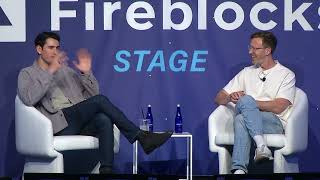
Stablecon 2025 - Fireblocks Stage: A Fireside Chat with Jason Yanowitz & Simon Taylor

Lessons From Building A Crypto Media Company — Jason Yanowitz | The Danny Miranda Podcast 179