Using a PowerPoint Presentation to Conduct a Performance-based Interview
Lou Adler walks through a structured interview method using PowerPoint and eight steps to reduce bias and assess real job performance. The approach relies on anchor questions about past accomplishments, a problem-solving scenario, and a Quality of Higher Talent scorecard to evaluate candidates fairly.
Chapters
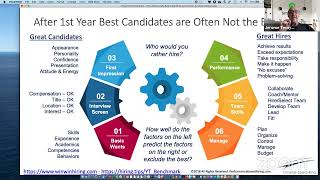
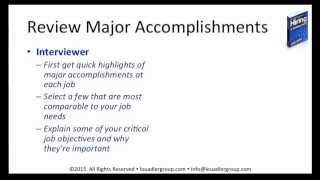
Hi, this is Lou Adler. I want to introduce you today to a rather radical way of interviewing a candidate. The idea is to tell the candidate what you're looking for and use a structured approach like this PowerPoint presentation. We're going to go through for the candidate to present his or her information in some logical fashion. It starts by knowing what the job is. We call that a performance based job description conjunction with a performance based interview. It's about eight steps and we're going to go through the steps here describing the candidate's role as well as the interviewer's role. It's all summarized in my book the Essential Guide for Hiring and Getting Hired. It really covers both things. For the interviewer, it's the essential guide for hiring. For the candidates, it's in getting hired. Let's begin right away for an introduction. And this would be the first step in an interview. Although the first step in the process is you're going to give this template to the candidate with an overview of the job. But when the actual interview begins, the interviewer is going to give the candidate a quick overview of the job, at most two minutes. The candidate is going to give a two minute summary based on what he or she has done related to that. Then they are going to get into a discussion of what the candidate is looking for and if the candidate's looking the candidate. If the hiring manager doesn't provide clarity with respect to the job, the candidate will ask about the job, provide a quick overview of the job and describe what your job hunting status is and why you're looking for a new job. The step two is a critical piece more from the interviewer's standpoint, because most interviewers make instant judgments based on first impression. So we say if you like the person, go out of your way to prove the person's not competent, and if you don't like the person, go out of your way to prove the person is competent. A lot more to it in the book, but bottom line is you want to neutralize your first impression bias. Candidates can help in that by being prepared, being on time, understanding how to answer questions using the SAFW technique. Lean forward in your chair, be engaged. That's really the key. I want to kind of go into. Now we're into the real part of the interview, which is the work history, going through the candidate's resume in detail. We want to understand general job fit, we want to look for gaps between employment and also why can they change jobs and if he or she got what they were looking for in A new job. Changing jobs is a big decision. You have to be able to answer it properly of your candidate. And if you're an interviewer, you got to dig into understanding why. As part of the work history review, we're looking for what we call the achiever pattern. Is this person the top half of the top half of his or her peer group in the area that you're looking for. Critical hiring decision candidates got to be sure that the interviewer number one, asks those questions. But be prepared to explain your gaps. Don't generalize, be specific. Make sure you have your honors, awards and recognition there at the top of your head so you know what they are. It's important to explain your progression over time to make sure that the interviewer recognizes you've taken on bigger jobs and bigger responsibility over time. Now we get into the heart of the performance based interview. It really consists of the hiring manager describing major accomplishments and the candidate giving detailed examples of those major accomplishments. This is where the structured interview takes place because we expect the interviewer, recruiter or hiring manager to have given the candidate time to prepare some of his or her major accomplishments. If the interviewer hasn't done it, the candidate has to ask what are some major accomplishments associated with the job? But the detail. And this is where I'd say I almost have a slide. For each one you have a quick overview of the accomplishment. The candidate gets in and presents some information in specific detail with respect to that accomplishment. In the book, we really go into the detailed fact finding to make sure that the candidate has accomplished that. But really getting the details, when did it happen? Why did it happen? Why were you chosen? Where did you take the initiative? Really getting into the details. We call them smart questions and giving smart answers. But yet the essence is to get a complete word picture of each accomplishment. And during the first interview, you should probably review two or three of these accomplishments and look for the trend of performance over time. Then we get into what I call the problem solving question. This is not a brain teaser. Hey, we've got to get this product designed by June of next year. If you were to get this job, how would you go about doing it? You're interested more in the process the person uses to figure out the problem, put a plan together rather than a solution. Don't hesitate to ask lots of questions. That's part of the answer, that's part of the assessment, is the quality of your questions. Figuring out if you even know what you don't know and how you go solve it. We call the anchor after you ask this question, hey, that's great. That's an interesting way you've solved this problem. What have you done that's most comparable? That's what we call the anchor. The anchor and visualize is really tell me about something you've accomplished. How would you accomplish a task? That's the essence of the performance based interview and fully described in the Essential Guide for Hiring and Getting Hired. Now we're at towards the end of the interview where the candidates allowed to ask questions. And the questions should be relevant to the context of what has already been described. So have some questions ready. If you're a candidate, make sure you ask why the position is open. But ask relevant, insightful questions, not superficial questions. That's really the key. So a lot of assessment takes place just in the quality of the position. Questions a candidate asks, then you end the first interview. I suggest that interviewers tell the candidate where he or she stands. Be reasonably frank. If you're interested in the candidate. Describe next steps. Don't oversell the job. Demonstrate where there's a gap between what the candidates accomplished and what you need done that represents the career move for the candidate. If the interviewer doesn't give you any information about where you stand, try to push it a little bit. Do you think my background fits what you've described? Or is there some areas where you feel I don't have enough strength or experience? Give an attempt to give an example of accomplishment. You've had to close that gap. If you're interested in job, tell the person why. But don't be too hungry or too passive. Now for the candidate or the interviewer standpoint, we have to make the assessment. We suggest using the Quality of Higher Talent scorecard to summarize all that information on the 10 factors we've seen best predict on the job performance. A copy in the book. You can download a copy in the book. You can also get a sample by clicking on this URL. The idea is to compare the candidate's past performance in comparison to what you need done and the environment in which you've done it. The candidate's score is in the top third, which is a three or better on our scorecard. Bring the person back for another round of interviews from the candidate's perspective. You got to compare this job to others you're considering. But forget about the money. Put the money in a parking lot. In the long run, that will have no impact on your job satisfaction. Consider does this job represent a career move? If it does, you're interested. And if you are interested, send an email and explain why. Maybe throw in some article you've read that's related to that. This is the process I suggest you use. It is radical. Having both the interviewer and the hiring manager ensure that they're getting the right information. I guess that's pretty radical. It's covered in the interview. It's covered in the book. The Essential Guide for Hiring and the Candidates is covered in the same book and getting hired. The idea though is and the book is more focused on how to conduct the interview but from a candidate's perspective it says if you're not asked these questions, here's how to go about getting that same information. Good luck. Try it out. I want to hear from each and every one of you. If you've tried it out you can reach me at infoewadler Group. You can check out some other of our resources@louadlergroup.com. i look forward to hearing your stories. Thank you very much.