Biotech CEO: I Quit to Unleash My True Passion (Artie SandStone)
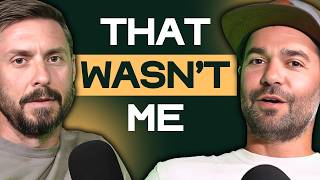
In this Money Stories interview, host Mike Brown talks with Andy Slower—who now creates art under the name Artie Sandstone—about his journey from founding and leading biotech companies (Brickell Biotech, later Fresh Tracks Therapeutics) to pivoting into a full‑time art career. Andy recounts his upbringing in a wilderness program and reform school, the challenges of fundraising, a reverse‑merger IPO, litigation, and the eventual sale of a hyperhidrosis drug. After a serious climbing injury, he decided to leave the biotech grind and open a pop‑art gallery and studio on Pearl Street in Boulder. He describes the excitement and uncertainty of the new space, his philosophy of authenticity, balancing multiple ventures, and how art fuels his creative thinking and leadership. Andy shares practical details about his studio’s location, community vibe, newsletter, and social media presence, emphasizing the importance of being unique in a local art scene and creating a space where business and creativity intersect.
Chapters
She came up to me one day and she goes, Andy, I just heard that you actually run a public biotech company. And I was like, oh yeah, I do. She goes, that's incredible because you could have passed as somebody who could have been a barista at Starbucks. And I mean that as a compliment. I go, I know exactly what you mean, and thank you. Andy Slower, also known as Artie Sandstone, biotech CEO turned artist based in Boulder, Colorado.
There's almost two split personalities emerging, right? There's, there's Andy the biotech CEO, and then there's Artie the artist. Just— how did you reconcile those two?
It was tough being a young leader in a biotech company, and biotech's so serious. And so, you know, I created this alter ego.
There was an outcome, but it wasn't a dream outcome, correct? How did that feel? What was the aftermath of that exit that you've given 14 years of your life?
This is the first time I've actually spoken publicly about this. Proceeded to go climb, didn't realize I wasn't clipped in. Got to the top, let go, and I fell 30 feet. And the only thing I could think in that split second was, get your feet down, like, do not fall on your back.
Hey, welcome to another episode of Money Stories, where we dig in behind the scenes of creating true wealth and have conversations about what makes a truly rich life. Today, I am so honored to be joined by my dear friend Andy, AKA Artie Sandstone. Who co-founded, built, and sold FreshTracks Therapeutics, which eventually IPO'd and was publicly traded, and left that life to become an artist and, and share his creativity with the world. And your journey is just so inspiring. I'm really excited for this conversation. Welcome to the show, Artie.
Thanks, Mike. Pleasure to be here. Very, very cool.
Listen, I'd love to start from the beginning, and if you could just give us a sense of how you grew up in relation to money and what drove you to become an entrepreneur.
Gosh, you know, definitely since I was a little kid, I had in me of just wanting to be in charge. I always had leadership capabilities. It was stunted at a young age by just being an ADHD kid who was, you know, not easy to control, didn't really listen, but knew I like to be in charge and always had ideas and So it was the juxtaposition between those, those two. But I was surrounded by, you know, all of, you know, my, you know, whether it was my dad, my stepdad, my grandpa, you know, everybody was entrepreneurs. And so in my frame, like, that's just what I was gonna do and what I was gonna be even at the earliest age. That was kind of my frame. And in terms of, you know, money, You know, growing up while we, you know, by every stretch of the imagination weren't poor, I didn't necessarily have it to my disposal. I came from a divorced, kind of broken family and always, you know, felt some of those pressures of who do I go to if I need a pair of shoes and what's in this budget and what's in that budget. And so for me at an early age, I worried about that and I worried, you know, how I was going to make money, but I was also at the same time, as I got later into my early 20s, was really just fixated on like doing what it took to be an entrepreneur. And that felt like if I did that, the money would come.
Yeah, definitely. And that's so common for founders is this rebel streak of basically being unemployable at a certain point. But I know your upbringing wasn't without its challenges. Can we dive into a little bit of that and how that kind of shaped you on your early path?
For sure. Yeah, I mean, my earnest belief is that it's like these adversities that we face that really shape us and make us wealthy. I mean, that is why I'm sitting here today is through some of the battles I've had to go through. And as I mentioned, I, you know, came from a family of, you know, parents that had me at a young age and they were growing up and that marriage didn't work and that happens, you know, all over, you know, the planet. And, but I was a kid who was pretty tough, you know, and ADHD, probably before they really knew how to call it. And even now I don't even think it matters that I have it because I kind of look at it as a superpower. That, that being said, you know, by the time I was in 8th grade, I had kind of exhausted all of my, living options, right? And from being in school, kind of wasn't really welcome there anymore, wasn't really cutting it at either of, you know, my houses. And, you know, my parents and largely my grandparents, who were pretty young grandparents, were willing to throw me a lifeline. And at a really young age of 13, I left Miami, where I'm from, and went straight to the middle of Idaho and did one of those where you see kids getting woken up in the middle of the night. I was not. I was the only kid who wasn't. Most of the other kids were 17 years old, seniors and juniors, and were woken up in the middle of the night. I had some semblance of what I was going to, but I had really no idea. And so went to one of those wilderness programs, survival programs, and that was the first time where I was in the woods, really in this dry, high desert in who knows where, Idaho, with low frills. Like, think Outward Bound as being the Ritz-Carlton and this being the Motel 6. I mean, you had to make your fire. I mean, everything. And it's the first time in my life where it was quiet. And I had, you know, a chance to like figure out where I could take accountability for. And I remember some of the journal entries and one story that really stuck with me in that moment was our kind of field supervisor, Graham, this woman who was kind of the counselor, told this whole story and I won't get into, but it was basically about this woman who was victimized and raped. Believe it to be and went on her whole life being a victim and was never able to overcome and deal with that, as unfortunate of that circumstances. And that, the way she framed it, it just stuck with me. I remember where I was sitting, it was like, you can either be a victim of your past or a controller of your future. And so I kind of looked at that at that young age, was like, I actually have, I like control. I always, that was part of the battles. I always wanted to be in control, but like I was using my control for negative attention. I was like, well, what if I did well? Like, what would that be like? And so that moment really stuck with me for the rest of my life. Like, things will happen in life and you can either be the victim and play that card and use that as something that holds you back forever and make excuses and— or just carry your own bags and you know, make stuff happen. And so I was pretty determined from that point to do that. And so my trajectory from there was finished off that program, then went to reform school, 44 students. I won't name the name of the school, but what I will say was it was pretty intense and it was a blessing that I got to go there. But this was the first time in my life where I was so motivated to do well But at this school, you were actually a fish out of water if you did well. So for 2 weeks straight— for 2 years straight, you know, I was the number 1 rated kid on this board. And you get groups based upon privileges. And for 2 years straight, I was number 1, number 1 group, number 1 kid. And that was just so interesting because now for the first time in my life, I just wanted to do well. At this school, I was getting penalized for doing that, but it taught me thick skin and humility and how to relate to people and how to understand, like, how that could now rub somebody the wrong way. And so to work on keeping a low profile. And, and after 2 years of that all-boys school, I again worked really hard and I had an opportunity to go do a prep school, Brewster Academy, amazing tech-forward school. They originally only would accept me coming from the school that I was coming from if I repeated a grade. When I got there, they put me in the same classes. That was not part of the deal, so repeat classes. And so I was afforded the opportunity to, for a 2-week trial in 11th grade. And, you know, the rest was history. I, I didn't repeat 10th grade. I did 11th grade. So 2 years at Brewster. And, and that again was another structured environment. At that time, coming from what I had just come from, the reform school, I was pretty dialed in and, you know, really felt like I kind of had my legs under me and I knew what it took. That if you perform well, good things, you have a better chance for good things to present. And so I still focused on that. And after 2 years being in New Hampshire and really 4 years in the Northeast, I was kind of done. In that. And so I, I worked hard and ended up going, transitioning to the exact opposite environment, which is the University of Florida. And so I'll pause there. Yeah, in the frame of like, that was kind of the journey of, of getting to quote-unquote freedom, if you will.
Well, there's, there's so much to unpack there, and, but I love the frame of carrying your own bags, right? Because all of us, none of us get out of life unscathed, right? And, and Obviously, there's varying degrees of circumstance and what that looks like for people, but at some point, there has to be a decision. I'm either the captain of my destiny or I'm going to let life happen to me. And it sounds like, and we don't have to go too deep on this, but you were kind of out of options. You were getting in trouble and you went to a place for kids that were on their last leg and woke up.
Yeah.
And then you go to this reform school and this is also a place for kids on their last chance. And now you've taken, you've picked up your own bags, but instead of being rewarded for performance, you were taught that there's negative consequences there too. What was that juxtaposition like?
Yeah, it was so, I mean, it didn't unwaver, you know, it didn't change my path from wanting to do well. So I was able to reconcile that, like, I was going to do well and I didn't care if that meant I was— but it made me— I think it just gave me thicker skin, you know, and to deal with— you're going to deal with all sorts of— so I had to still figure out a way to relate to other people. I had to relate to the staff. I had, you know, I have names in my head that I won't say that used to heckle me as the staff at this place for doing so good and to see if they could kind of throw me off. And here's a kid who basically got kicked out of all the places that I, you know, at home and schools, and now I'm in a place supposed to be a safe environment. And so, you know, it just gave me thicker skin. It really taught me how to deal with all sorts of interesting, different, difficult people and to just try to rise above. And, you know, maybe I wasn't so humble during those periods of time and in, and in high school too. I don't know, but I know now, you know, keeping a lower profile, putting your head down, just making stuff happen, and the universe opens that way.
Yeah, I love that because so often hyper— we say we want people to be successful, but high performers actually get a lot of criticism, right? If you stand out from your peers, they don't like that, then you're not going to be accepted into the group, right? And so a lot of us early on are actually taught to hide our gifts and talents or diminish those gifts and talents so that we don't stand out from crowd. How did that carry on for you later in life?
Well, okay, I'll give a quick story, which was a couple years ago, my CrossFit gym in Boulder, one of the coaches came up to me, you know, probably in her, you know, late 40s, mid-50s, you know, did this as part-time, husband, attorney, etc. And she, amazing coach, and, and she came up to me one day and she goes, Andy, I just heard that you actually run a public biotech company. And I was like, oh yeah, I do. She goes, that's incredible because you could have passed as somebody who could have been a barista at Starbucks. And I mean that as a compliment. I go, I know exactly what you mean and thank you. And that just goes to show I've— the way I, you know, there's a time and a place where you have to show up differently. And if you're running a biotech company, there's a certain role and expectation, but I've I always try to maintain a lower profile and just kind of be my authentic self. And so, and sometimes it's a superpower because people will now underestimate me. They'll see me dressed like this, and until maybe they hear what I have to say and how I think and how I operate, they may just assume I am a barista at Starbucks. And maybe that's not such a bad thing. I do— it's so funny I say that because I actually believe that I got my first real opportunity to, to like go and do, you know, to partner with who ultimately became my partner in biotech was because I was willing to do anything in my first startup company, including making coffee for the whole company. The CFO used to make coffee in the first tech company I was a part of. And I remember one day being like, why is our CFO making coffee? I should learn how to make the best Cuban coffee. This is in South Florida. And I did, and the CFO ended up loving me and became, you know, a very close friend for all the companies I've done. And so it's so funny I mentioned the barista story, but I actually cut my teeth in somebody who was just— I was willing to do whatever. And it was— I hadn't thought about it till now. I learned to make a damn good colada. And that helped me, you know, to just be seen as somebody that was willing to— I didn't care. My thought was, if you can be the best, I'll just say it, if you can be the best bitch and learn how to do that, you can be a really good leader because you understand what it takes to do all the stuff there. And I never felt like anything was below me from any job I ever did, including what I'm doing now.
Yeah. A true servant leadership mindset.
100%.
And so, so take me to the path of, of founding a publicly traded company. How did that come about?
I got lucky. The first company that I joined after college was a tech company, SaaS company, doing identity verification. And after a couple years, a small team but great, you know, C-level leadership, there's probably 30 people in the company. So I got to learn so much during this period of time and worked my butt off and one of our angel investors in the company had been really successful in the '90s, him and then the chairman of our tech company. So there was some cross-pollination. But this gentleman had been really successful in the '90s with his biotech company. And so he was freeloading space in our tech company in the mid-2000s for 3 years. And he became a mentor to me. He was, you know, working on kind of going from the bricks and mortars. He had a manufacturing plant. And at this time, more biotech companies were going virtual and using, you know, contracted manufacturing and research. And so he was kind of doing entrepreneurial things in that space at that time. And we became really close. So when our company was acquired, and it was a really cool experience, and we were acquired by a big public company, MC Corporation, and I, You know, I was so grateful for the opportunity. At this time, I was 23, and I was ready to like, you know, you talk about money, the check was the biggest check I'd ever seen, but it wasn't that big in the scheme of things. But for somebody who had zero, you know, graduating from college, maybe a $1,000 check from my grandparents, to have had what we had, it felt good. But I was mostly interested in doing like my quote unquote, own thing. And so the gentleman I just mentioned, you know, approached me, my mentor, and he said, what are you going to do next? And I said, you know, I want to do my own things. And he's like, give me 3, you know, things to snack on, which were one is you should, his advice was you should stay with the big company for a year. And I hated when he said that. And he had a Southern, has a Southern drawl and is the best. And And I hated that because I didn't want to work at a mothership. He said, two, you should get your MBA. And he said, three, you should join me and be my partner and I'll show you the ropes. And I'm thinking, you know, drug development, I don't know the first thing about drugs except maybe how to do them. And I did all three of those things. So I had 23, I only made it 11 months for the company. I was in that 11 months, I was the only business person that stayed in the company. The 3 C-level people were gone. And so it was an amazing experience. I watched what happens when a big company buys, you know, a smaller high-tech company and the things they do well and the things they don't do well. And I made it 11 months and then I resigned and I, you know, enrolled in a, went to the University of Miami for master's doing that nights and weekends. And then joined my mentor and we started with an oncology company and we had a novel technology at an early stage and ended up helping him license that to Japanese company and then sold that on a very backend loaded deal to another company. The asset didn't ultimately go anywhere, but in those couple years I learned a lot. And then at that time, you know, my mentor became my partner and we started biotech, you know, originally called Brickell Biotech. I remember we were in South Florida. I want something that was local. And I remember going to my computer and so excited and filed the corporate documents myself. And at that time we called it Brickell Biotech because we didn't know what we were going to be. But we ended up turning that into— for most of it until we sold our lead asset. When you mentioned that, you know, sold the company. We actually sold our lead drug, a drug for excessive sweat, for hyperhidrosis, that's now on the market. We sold that in May of 2022, and the company who acquired is now commercializing it, which is really cool. But, but we ended up building a company over 14 years focused on developing, for the most part, novel therapeutics for the skin. The lead drug for excessive sweat is now on the market, and You know, it was one of those, like, I believe luck and hope isn't a strategy, but if you put in the work— so I feel like I was lucky to be near who, you know, my mentor during those periods, and he saw how I worked. I didn't know, and that provided this opportunity for me at 26. Not a lot of people would have let me do what I got to do during that period of time, and this individual just saw something in me, and he'd already earned his stripes. And so he, you know, while we built it together, he definitely shined the light on me and put a lot of trust and faith. And I'm to this day forever grateful for that, for sure.
Yeah. I mean, take me back to growing up, going to reform school, you know, being the kid that nobody wanted to take a chance on. And then you find this mentor and I call it increasing your luck surface, right? If you show up and meet life and, and put your head down and work really hard, like, good things— you create the opportunity for good things to come your way. But how did it feel to have someone believe in you for the first time?
You know, I don't know that it was the first time that I felt like somebody really believed in me, but it was the first time that somebody outside of my— because at this point I was already doing well, quote unquote, in life. I had good grades. I was I was a self-starter. I made stuff happen. So I, I would say number one is, is I started to believe in myself, which was like the first thing. Like, I felt like I could tackle anything. And maybe sometimes that came across as arrogant or confident at a young age. Like, I was just in, you know, in our biotech company, one of our chairman for a lot of it who always used to call me fearless, and I didn't know what he meant. But now I do, which is I was 26 years old, 27, 28, and I had no real experience, real experience in biotech. And I didn't care. I was just like, I'll figure it out. I'll hire, you know, we always get people that were smarter than me around the table. And so on a tangent there, so one is, is like I'd learned how to believe in myself, but to have somebody like, you know, my mentor, that was outside of the family, new to me. It was cool. And I never took it for granted. I was always like grateful still to this day, you know, you know, we have a relationship and just talking on Father's Day and it's just, you know, I'm grateful for the opportunity because I know, you know, a 26-year-old in biotech— biotech's not like tech. Tech, 26, you're like, you're getting on the older end, right? In a lot of regard in biotech, you know, it's an older, you know, predominantly male, white. And so I felt really privileged and I, and I, there was a blessing and a curse because I so badly wanted to make my partner and investors happy and make it work. I was just so committed to doing the right thing and making it happen. And we ran into a lot of challenges.
Yeah. Take me there. What were some of the low points?
Well, you know, we— I'd say— I would say some of my biggest learning lessons were just, you know, in biotech, it just costs so much money to— I mean, all you're doing is investing. And so had I to do it again, probably earlier on would have had stronger, deep-pocketed, truly life sciences investors, you know, that that's what they do. And the fact that we didn't necessarily do that, we did have investors, but we more family offices and different alternative sources of capital that, you know, high net worth individuals. It forced me and my partner and our team to be like really resourceful. So we ended up doing, you know, substantial transaction with the Japanese company that actually has our drug on the market right after COVID. So they leapfrogged us. Due to different regulatory, you know, regulations, if you will. And so it, it, it forced me, you know, because of that limitation of not necessarily having 3 to 4 years of capital, we were always a year or two of capital and had to raise more and, and, and relegate our pipeline and what we spend and how we built our team. It forced me to be really, really resilient and resourceful and think outside of the box and my team as well. The flip side was in where I got a lot of these gray hairs. We were always running out of capital. So my relationship with money was— and, you know, whatever money I had when we were doing a new round, you know, I learned this from my mentors. You invest alongside if you're taking friends and family. And so I would always put my money back, back into the company, didn't have a lot of money. Then my company didn't always have money. So I was like always gasping for air on both. So for those 14 years, I've personally felt a lot of you know, just anima— not animosity, but just like adversity in terms of, you know, constantly thinking about money and how we're going to raise it. Because it's not like a traditional business where you get to a point where you have revenue. And yeah, we did substantial deals where there was licensing revenue and that was non-dilutive capital, which was great. But we always, you know, in biotech, whatever money you have, you're spending it. It's just gone. And the more you have, it doesn't mean it's going to last you 3 years. You're like, well, now I can develop 3 drugs at the same time because economy is a scope. So yeah, I mean, but in terms of adversities, the capital was definitely a big adversity. You know, being somebody who didn't have the traditional biotech experience, I faced adversity with, you know, team members and being a young founder. And, you know, it was almost sometimes reverse discrimination, like, you So I dealt without getting into that. I definitely dealt with challenges and being a young person in my company in a position of power. But then also, you know, when you go on the road and, you know, some investor will be like, well, what do you do? I make the coffee. And would you like one? And so I had to deal with a lot of that. You know, I learned You know, anybody can sue anybody over anything. So I definitely don't want to get into some of the litigation we faced. But after we took the company public, we dealt with that. And gosh, that, that was so challenging. I didn't— we didn't necessarily want to take the company public, but that was our best, you know, option for financing the company to get our drug through Phase 3. So we did it and we did it through a reverse merger where a company in biotech had significant cash but had failed. And so we went through a competitive process. And that's always tough when you go, you know, if I had to do it again, if you're going public, you go with the right investors behind you and then demand and so that people will be buying the stock. And like we, you know, went public in like one of those where they like throw you into sea and a storm comes and there's a riptide and like now you have to put it. And then we got sued and so we got further out to sea. So we, it was really hard to recover for those 5 years that we were public. And we did the best we could like that. And I learned that, you know, to me, being— running a public company, it was something I never really identified with, but I just had to do it. And at this time, I brought on— we brought on an incredible partner from big pharma to be kind of the commercial-facing CEO. We now had a drug that could potentially get on the market. He came from a top 5 biotech company as the chief marketing officer. Just an incredible human being and person and leader. And I had honestly thought when we brought him in that shortly after and took the company public, I was going to leave. But then we ran into adversity and I loved, you know, my executive team that I helped bring in. And I just, you know, another 5 years, doubled down and made it happen. We ultimately got that drug up, you know, to the— basically through the finish line and sold it to another company. And at that time, You know, we could have just maybe sold the whole company and be done. We saw the writing on the wall that we weren't going to commercialize this asset ourselves. And so we started rebuilding the company as a public company, had an amazing team and a team of less than 30 people, you know, 15 at times, took a drug all the way from ground zero to its successful, you know, NDA approval. So we went out and bought some new therapeutics, changed the company name from Birkel Biotech to Fresh Tracks Therapeutics. And, and then ultimately, you know, we ran out of gas in a pretty, you know, we got some data from the new really exciting autoimmune assets that we brought in. And in terms of adversity, you know, we were at a situation where, you know, we got some data in humans, like what happens in drug companies. And it was clear that there was some signals in and risk and it was in 2023, and the biotech market hasn't improved that much since then. In some regards, it's gotten worse. And we made a call, you know, to the capital that we had. We had no debt, no, you know, really clean. We had more capital than where our market cap is at. And we made a difficult but I think the right decision to shut the company down and return capital to investors. And that was tough. But I honestly felt like you know, from the point we went public as a reverse merger that we were fighting upstream in that I feel so much pride for myself and my team that we stuck it out and we did the best we could and we resulted in, you know, a drug now on the market that we put our blood, sweat and tears to that's helping people with excessive sweat all over the world. And but, but at some point I would just— that what I was doing, running a company, constantly raising money, it was very clear to me it wasn't fulfilling.
Yeah, let's dive in there. I mean, lots of challenges that you face along the way, and some people might mistake that IPO going public as the ultimate success, but it sounds like you were always just on the verge, but constantly running up against running out of capital, you know, challenges both personally and professionally. What was the stress level like and how did that take a toll on you?
Oh my gosh. I mean, the reality is 6 years ago when we were— before we took the company public through a reverse merger, we were kind of out of options, out of money. We had debt, venture debt, when the venture debt would, would come in that early. And one day on a Monday morning, you know, March of, you know, 6 years ago, I was climbing in the gym, sending a text message to my banker. I remember exactly who it was. Proceeded to go climb, didn't realize I wasn't clipped in, and I fell 30 feet. And that just changed my life because I was so lucky. I let go the whole morning. I was climbing up and climbing down, clipped in. On this one, I didn't realize I wasn't clipped in because I just sent this note right before, and then I just started climbing, got to the top, let go, and I fell 30 feet. And the only thing I could think in that split second was, get your feet down, like, do not fall on your back. And I landed the fall. I ended up, you know, my whole leg just shattered to smithereens. My tibia plateau crushed. I had a compound fracture. And this goes, you know, kind of my outlook in life. Is— and this is the first time I've actually spoken, if this is public, publicly about this— is I landed and I remember somebody from the gym. It was Monday morning, not a lot of people there, came up to me. It was a loud thump and said, are you okay? And I was like, I'm the luckiest person alive. And the guy goes, yes, you are. He goes, did you look at your ankle? I said, no, I didn't. He goes, good, don't. And he said, did you hit your head? I said, no, that's why I just said I'm the luckiest person alive. The only thing I hit was this foot and I knew it. And so from that point forward, like, you know, just my whole premise of like the importance of being present, of gratitude, of like, you know, I was going to somehow turn this positive in you know, this negative into a positive, like right off the bat. And it was so cool to see how my team cared. They get my family, my wife, it's so amazing. And, and through that, like, we ended up then saving the company and turning it around. And I've, you know, I, to this day, I mean, my leg hurts right now, but, you know, I was hiking yesterday, mountain biking, you know, all this week. And I, you know, again, one of those things that could have just wrecked me. And as you And I just use it as something that just made me a lot stronger, I think.
I mean, that's a devastating injury to sustain. What was the recovery like?
I mean, I lost all— I wasn't weight-bearing for 2 months. I had one of those, like, you see the halos on your head, like, they had to drill into my leg for 2 weeks. They couldn't perform surgery on my knee because they're so swollen, so that they had to drill into, you know, I have several holes here.
Wow.
And into here. It was insane. And at the same time, like my company was, you know, again, on the verge of—
Your company problems don't go away just because you got— Failing.
And I was like, well, I got to figure it out too. And one of the things that kind of— one of my other mentors in Boulder who's, you know, big healthcare investor used to say to me, you know, survive in advance, just survive in advance. He was right in Biotech: Survive and Advance. I was constantly doing that. And at some point I say like, don't just survive and advance, like survive, advance, and thrive. And you know, that we'll get into that in this chapter. But for me, I was like, where's the thrive? Because I'm always like, get to this point and then, you know, what next? And so I felt like you asked me the emotional it took on me is I constantly felt like I was just willing it and surviving in advances. And it wasn't me alone. I had a team, but like, you know, as a young person with my— in my partner's name on it, took it really personal. And then we brought in other partners and they took it personal. So we had a great team. But for me, it was like so much of my identity was tied to like making this a success. And in a lot of ways it was like the company went on to have a drug that's now on the market. That's a, you know, gold, you know, gold medal in biotech. Did we have the shareholder outcome we were looking for? Absolutely not. Not even close. And so I've had to reconcile with that, that you can, you know, get an A here and still, you know, in some regards, fail, you know, fail the course or the test. And, and then also realizing that, you know, success isn't just, you know, selling the company for a couple hundred million dollars. $1 million.
Yeah, because there was an outcome, but it wasn't a dream outcome for you. How did that feel? What was the aftermath of that exit that you've given 14 years of your life, you've sacrificed your body, a lot of mental health, gone through all of these challenges, and we tell ourselves that it'll all be worth it on the backside. And not suggesting that there was no reward there, but it certainly wasn't what you were looking And there was definitely a reward, right?
Because I, you know, running a public company, got real compensation and, you know, so, and was always figuring out ways to invest and buy real estate and be kind of a crafty on the side. So, you know, by no means, you know, high and dry. But yeah, I mean, it was, it was, you know, I saw myself never being in that situation for 14 years. And so by the time it happened, what I was saying to myself is, is I need a major pause from doing that again. And it's, you know, it's now been, you know, 18 months. And, you know, I didn't get into this as part of the journey, but since college I've been doing art. At one point I was dating a girl in college. I just told this story. Last Thursday at an opening of my art exhibition in Boulder and was doing a Q&A and, and I don't even know if my wife was aware of this, but like I learned how to formally start doing art because I was dating a girl who was an art major and she was in my room and I saw what she was, she was doing. So I was like, give me that. And I was 20 years old and I haven't stopped since. And so even as I was running my biotech company, I was doing art and at one point living in Miami, Miami art scene and Wynwood, if you've been there in the street art, I, you know, got lucky again and started showing my art out there and got pulled in by a gallery and people started buying like my characters. And I was like, oh my God, like, that's so exciting. I want to do that, but I can't because I have like all these responsibilities. And so, you know, I said to myself at some point, I have to do this. And I thought that was going to come sooner than it did. And so when, you know, for me, it was really important when you start something to some extent, there are times when you have to know when to call it. And like, I think we did, but for me it was like, you know, I started this, I'm going to finish this to the best of my ability. And so, yeah, I mean, could I have left 7 years into it or 9 years. There were different points when I could have, and I just felt so tied to it. Point being is that 14 years later, I said in this chapter, like, I didn't know anything about biotech at 26. It was just exciting, and I had somebody that believed in me. And so I was—
it—
I didn't care what company I was gonna build and run. I just wanted to do it and build a team and make an impact. It could have been biotech, it could have been selling candles, if I felt like we were doing something impactful, I was into it. And at this point, I said, well, gosh, like biotech's great in helping people, but there's a lot of challenge. This market is insanely difficult for early-stage biotech. So this is a cool opportunity to go follow my passion and then see what else, see what comes from it.
And What I'm hearing is in this 14-year journey of the grind, of the blood, sweat, and tears, the stress, the challenges, there's almost two split personalities emerging, right? There's, there's Andy the biotech CEO, and then there's Artie the artist.
Yeah.
No pun intended. Yeah. Right.
Or pun intended.
How did you reconcile those two?
It was tough because in the part of the reason why I came up with the name Artie Sandstone was feeling like, hey, something I actually would be like believing in myself. I was like, I've got cuar, like maybe, you know, it'll be all over the world one day. And I just, I had some embarrassment with that in being a young leader in a biotech company and biotech's so serious. And so, you know, I created this alter ego, if you will. And, you know, after I started showing the art for a while, even that became like too uncomfortable for me. And so where I scaled that back and uncomfortable and unsustainable, right? I just, if I was going to be the best at running my business, I wanted to focus on that. And so, yeah, I mean, it was uncomfortable being, you know, having this other thing that in some regards I identified with more being Artie Sans, the artist, than I did you know, public company person, but I, you know, also understood that, you know, you have a responsibility and you gotta make it happen. And so I did the best I could and I was lucky to have a lot of experience, you know, gray hair, if you will, around me to now make it happen.
So you exit the company again, you know, decent financial outcome, but not the dream.
Right.
And you're like, okay, this isn't working. I put my life on hold in some aspect for 14 years. What was it like in the aftermath of that?
Yeah. What's crazy, you know, in some regards, I put, you could say I put my life on hold, but I was living and, you know, I actually like looking back on it, like I wouldn't trade it for, because now my team and I did get this. I got to run this public company. And I raised all this capital and I met all these investors and I learned how to lead a team and I learned how to lead a team with like limited resources a lot of the way. So it made me so much stronger. And so I didn't necessarily feel like I put my life on hold. I felt like now that this chapter was written and, you know, it was time to write another chapter and I wasn't just— the easy thing to have done was, And now after 17 years of doing biotech, like, I feel like I've got a good disposition on how to build the team and what to go after. And this— and I just— what I said, I can't do it. I just— I can't do that again. I've already done it. And for me, I kind of have the principles of, you know, maybe it's that ADHD is like, oh, I already did that. Let's go do something else. I've done the tech. The biotech. I like real estate and dabble in there, in art. So I was like, well, maybe, you know, like a drug company, you have a portfolio. Maybe like right now I'm not going to commit to anything. I'm going to do the things that feel right, do mentoring and coaching and advising and see what comes while putting a stake in the ground and getting a studio and doing art and starting to commercialize it and put it out there. And so, you know, it was less about thinking about like what, you know, transitioning from, you know, I put my life on hold to being like, you know, here's this opportunity to like for the first time in my life, you know, 14 years later be like, okay, biotech was serendipitous. How do I be more intentional onto where I'm going to put my time? Yeah.
And look, it would be, I think, easy to get $100 million and then go be an artist. Right, right. But you put your stake in the ground and said, God, like, I'm done with business for right now. I'm going to put my art in the world. Was that scary?
Yeah, still is.
How do you navigate that?
I used to say this when I was running my biotech company, and I give this kind of experience here to other entrepreneurs. If you believe in what you're doing, then keep doing it. If you, if you really believe in it, even if people will tell you you're crazy, like if you believe and you've done your homework and your research, just do it and then see what happens. And so that's kind of my frame with the art is just like, put it out there. That's what I did. And so I said, okay, like I didn't, I wasn't doing it to make it a business. I set a goal and I said, well, let's see if I can hit this ridiculous goal. And I did it in a year. So I was like, well, let me, let me keep doing it. And, and, and so we're, it's happening. It actually has turned into a business. I'm doing other entrepreneurial things right now too, which are businesses. And my frame is, is that we'll see how it all flows instead of deciding, you know, this, that, or the other thing is like doing the things that are intentional, being around people. You know, I feel like I have a choice to be around people that I want to be around. And, you know, with the art, you know, it's hard to make art in a business, but I feel like I got so much training in how to run a business and I'm applying it to art. I'm doing it in my own unique way right now. And my thought is, is like, we'll see where it goes. And it is uncomfortable. It's uncomfortable sometimes. You're sitting, I'm sitting in my studio and I'm working on a piece of art that somebody may be paying real money. Let's say it's $10,000 to do a commissioned piece, but that's a hell of a lot less than I was making before. But, you know, if you keep doing it, like, it just feels good. And I've always felt like, you know, if you do it for the right reasons, like, the money will come. And how much money is enough? Like, I've come to the point where I don't, I actually feel like I've got to have, you know, $30 million in the bank. Like, I have what I have right now, and that could last for a really long time. And I could scale down. And I feel like for, you know, entrepreneurs, you know, I don't know how you relate to this, but I'm always looking at like, what are my— my grandpa says this best: nothing ventured, nothing gained. And so I've always been willing to take calculated risk and feel like, hey, now I've accumulated, you know, what I have. If this happened, well, I could, you know, I have this, and if this happened, I could sell this. And so I'll be, you know, I'll figure it out. And so, you know, I guess afforded me the opportunity to just take some additional risk right now and have some fun and, you know, do the things that I feel like are really in line with my intentions.
Yeah. Yeah. I mean, that's, you know, my company is Unbreakable Wealth, and being unbreakable means that all of your eggs aren't in one basket. We're building wealth across multiple domains, multidimensionally.
Right.
And so if you have a setback in your company, it's not your whole identity, right? We have, we have all these other areas of life that bring us happiness and fulfillment. So if one of those starts going bad, you know, conversely, going through a divorce, like, okay, but I've got, I've got these other things. So even if my relationship isn't working, you know, I've, I've built multi-dimensional wealth. And it sounds like you've done a really good job of cultivating a well-rounded portfolio of things that make you happy, and now you've just chosen to go in on a different one.
Yeah, and some of it is what I'm doing, but in terms of wealth, you know, I think for me, like, the The foundation for wealth is gratitude. So I start every day, you know, sometimes it's the first thing, sometimes it's, you know, within 20 minutes of being up. Ideally, it's best to just do it right away, but sometimes I just got to get my legs under me and think. Is I'll sit down and I'll write, you know, the 5 to 8 things that I'm grateful for. And, you know, what I have in terms of, you know, wealth will make it on there, but it's usually not money specifically. It usually sounds like I'm thankful, grateful for what I have, and to live in Colorado is a pretty— and then I have, you know, all the other things that have nothing to do with what I'm doing, but like my daughters and my wife and like, you know, maybe tomorrow morning I'll be grateful for, you know, being here with you and Jeremy in this room. You know, and I had no idea where I was going to be. And so, so much for me is wealth is like, is that abundance mindset, is that it's so easy to get in the scarcity mindset. But for me, you know, the unbreakable wealth is, is like, how much gratitude do you have? And if you can like lean into that, you know, does money, you know, does it matter if I've got $3 million, $5 million, $10 million, $100,000. I've got all these other things. And it's easier said than done. I can't say that I feel that way all the time, but I come back to it every day. So it's like building, you know, gratitude, I think, is a muscle you can develop.
I couldn't agree more. And, you know, in my work with entrepreneurs, what we typically find is most of us, if we've been reasonably successful, are already at or within striking distance of the money it takes to live an ideal life, right? Takes a lot less than most of us think, because most of the things that create that gratitude are free or damn near close. It's experiences. It's showing up in the ability to spend time with the people you love, doing things that you love. And now with art being your main thing, like you're fueling the thing that you love and got, you know, found some commercial success there. How good does it feel to sell paintings?
The best. I mean, one thing is the selling, but the other is just somebody being like, I'm gonna buy this, I love it, and I'm gonna put it on a wall that I see every day. I always liken it to music. Okay? Music, if you like an album, you listen to it. You listen once, you listen to it 100 times, you listen to it 1,000 times. But the reality is you're not listening to the album every day and you're— maybe you listen to a song every day for some period of time, but there's the law of diminishing returns with music. With art, you put a piece of art in your house and it's there every day. So I don't take— that's a really cool thing for somebody to look at my stuff and be like, this is good enough for me to spend real money. Nobody's doing me— maybe a few people have like felt like they're supporting me, but I feel like Actually, they love the art. If they know the artist or they get to meet me, it's like a, you know, it's a two for one. But to me, it's very humbling. It is the coolest thing to make something that gets to be this quote unquote soundtrack to somebody's— like the other day I saw one of my good buddies who collected a huge dipstick in his— they posted a picture of their daughter on social media. you know, in her gymnastics dance outfit matching the painting that I made, like right in between it. And I was like, fuck yeah, that's why I do it. And I've done so many commissions this year, just everyone, you know, just on a flow. And that's awesome where people will, you know, let me create and make them something when collaborate and make something that are super unique to them. And, and when I think about legacy, like how cool is that? Like when I'm gone now, I could die tomorrow and I've got hundreds of paintings in people's houses that are telling some story that I intended and will now, whatever stories they now have with the art and it's in their pictures and where, you know, when the people that are collecting my art will like, will that art end up, will it be on the planet for like 4 more generations and like people looking at it? Like, I don't know. But when you talk about energy flow, that's about It's about as cool and raw as it gets. And with my art, I feel very grateful for my unique voice. I feel like I've got, you know, from an art skill level, I'm probably like, if a 10 is the greatest artist and a 1 is just, you know, I'm probably on the lower end in terms of technique. I'm self-taught. Every day I'm getting better and better when I try different techniques. Like each piece I do is totally unique. I'm always trying something new. So even if I know the first one worked, just make it again. I'll have to do something new. And it's like, how cool is that? It's to just be able to keep creating and making stuff that, you know, for me, feels unique to me. I don't feel like there's another artist that's putting out my exact style. Art's funny because, you know, what Picasso used to say, like, great artists don't take, they steal, or something in that. And yeah, I mean, if you're creative and you see other art, like, it'll influence, like, even if subconsciously, But for me, it's like every piece that I work on is a new story to tell. And it's, it's really fun when I'm doing commissions because, you know, you know, you have a sale and you're doing something super collaborative with a collector. But oftentimes, you know, I'm just making pieces on spec, which is like, well, then you're really making it for yourself. Yeah. Which is, which is really, really cool.
Well, we recently had the opportunity to share an amazing moment Talking about art, you know, I've, I felt the artist in me for a long time wanting to come out and I was fortunate enough to have a world-class artist come over to my house and, and, you know, dive into the creative process. And it was just such a cathartic, beautiful moment for me. You sharing that with me. Can you share with us like what's your creative process like?
Yeah, well, and that was awesome doing that with you too. It's like the beauty of just sharing art and doing it with my daughters and friends and people that are interested. It's such a cool gift to share. My creative process is sometimes I'll have an idea. So it, I mean, it's different if I'm doing a commission where it's a little bit more, you know, structured, even though I feel like within that I could still really create. But when I'm doing my own pieces, I have all— I mean, I just— for me, there's an endless amount of ideas in my brain right now. I could— if you gave me 10 canvases, I would sketch out 10 unique things right now. So it's like, I don't— for me, it's not the source of ideas. And so my creative process is oftentimes I'll have an idea, and if I don't, I've got like a whole pool of them that I'll just start going or sketching. And, you know, oftentimes I'm, you know, if I'm sketching, it's usually with some tape and structure off, or I'm just, you know, I'll just draw on the canvas. I don't do a lot. I'm doing nothing digitally. It's all right now on canvas. I work with different mediums, but mostly acrylic and canvas now. And the process is really like either I have an idea that I want to play with and start executing, or I don't. And as I just like, sometimes it's as much as like I'll take a line or a piece of tape and I'll just put it on the canvas and then I'll put another one and I'm like, ah. And then the other day I was making a mountain. I started doing some mountains and I had in this concept, like, you know, two characters moving mountains. And so I, you know, interfuse like right on the spot. So I hid characters in there, then made abstract mountain piece and turned out to be a really awesome piece. You wouldn't see the characters unless I told you where they were at. And so my creative process, I would just say, is in the end is a lot of improvisation. It's also storytelling. So I'm really, I think one of the things that I hope to leave, you know, is the legacy of my art is like the stories that are told in them. And right now, to me, that's the most fun part is like telling those stories to people. And that's why I, you know, have a newsletter and I've got my social media and we'll talk about this gallery studio that I just opened in downtown.
Yeah.
Central Street.
Tell me about it.
You know, the universe, I had an opportunity, you know, to take a pretty decent-sized space right in downtown Boulder. And, you know, I've been going to the same tech park where I had my biotech company and then my studio was in a coworking space for 9 years going to East Boulder. And, you know, some levels that felt comfortable for me and sometimes I felt like I was outgrowing this space and outgrowing, you know, wanting some change. And so there was this fabulous, bright, modern, just beautiful brick wall, white like a great gallery in studio that came available. And I just was one of those moments where I'd say like, you know, 80% excited, 20% like, ooh, do I want to do that? You know, and am I doubling down? And, you know, while I love art and I'm definitely sending on it, I've got other things, I've got other, you know, companies that I'm partnered on and involved in you know, without getting into details, scaling two of them. And I love that side too. But what I don't— my biggest thing here is like, what I don't want to do is like go over the arc the way I did with my biotech company. So my frame is like, I can do them both. Like, what do I have to be doing, you know, a bunch of pieces a day? Like, maybe so, maybe not. Like, some days, yes, some days— as long as I'm always working on a piece. It could play really nicely to being a business leader and building a team or scaling. I don't think it's, you know, some of my best ideas come when I'm in nature or doing art. And art is like the ultimate, you're doing nothing but thinking. And sometimes in art I'm creating, but sometimes I'm just executing, right? Where I could have somebody else even do it. I like to do it myself, but there's points in art where you're now like the, the creation's done. I just have to like now make it happen. Like, I know. And so that gives me a lot of space to come up with ideas and work on other businesses. And so I like, you know, while in some regards I'm 100% doing art, in other regards it's not 100% because I actually feel like for me it makes my creative process better by not just doing art. This physical space in downtown Pearl Street, 11th and Pearl, right next to the Salt Upstairs, is just like, you know, it's kind of a dream come true. I don't know what it will turn into. Maybe it doesn't work. It makes sense. I think it will in some frame. And I'll say this cool story, which was yesterday, like late yesterday, I'm in there and I was like, let me just like put a sign up. I made a chalk sign. I said, let me just see, because it's upstairs, you have to go. I haven't done a broad, you know, distribution to people that I'm there yet. You know, some friends know. And so I wonder if, like, will people actually, like, come up if I put a sign? And the first two people did, like, within minutes of me putting in the sign. And it was just like one of those, like, hmm, like I was saying to Jeremy, like, if you build it, they will come. Right now it was only two people, But they spent 40 minutes with me in my gallery studio and were so excited to be like, this is great. Like, it's a, you know, you got pieces. Some of them aren't like fully up yet, but they're going to be up in this like beautiful space. Great. But like, I'm working on a piece there. And so that I'm just energized talking about it. Like, it was so cool. It was so cool to, to be like, yeah, fuck yeah. Like, maybe I won't sell one more piece of art there, but like the thought of doing it. I'm a mile from my house now. Like, my kids can ride their bike to the studio. Anybody who's in downtown Pearl Street. And I'll just segue that. I just thought about this is my— one of the things I heard this, I think this was in like the, the guest speaker, whatever they call it, when, you know, when you're graduating from college, had this whole thing about being unique. And that stuck with me is, is like being different. And so for me, well, my art may not be the type of art that is synonymous with Boulder. It's not. But I'm the only person doing it in Boulder. So maybe one day it will be. I don't know. But it's kind of cool being somebody that's got this Miami pop vibe in a place where oftentimes it's abstract, more mountains, Western stuff. It's kind of cool being the dude on, you know, going on Pearl Street and I'll do my best to just put good energy out there. But being somebody that's unique and having my own voice in a place that, you know, is maybe not the common type of art you would see. And so that feels cool too. It's like doing something different in an area that feels very unique to me.
I mean, what I'm really hearing is you're living a life that's authentic to you. And after many years of the hustle and the grind and giving it your all and maybe not seeing that dream outcome, right? This actually sounds like a dream outcome. How does it feel to live that life?
It's so funny, you know, I mean, it feels great, but it feels uncomfortable. You know, it definitely, you can get those pulls for like, I could go, you know, do this and I call in and I am, I'm looking at, you know, from a portfolio standpoint is, you know, not putting all my bags just in art for a bunch of different reasons and being thoughtful about that. Because if you do that, you know, I still have a family and I want to, you know, have that other side of, you know, creating more generational wealth. And, you know, is that important? No, but I like having a couple things that I'm working on right now. And that to me is the ultimate, like, authenticity is like, you know, this morning I woke up and wanted to go to a hike and I didn't have to like employees that I was worrying about. And so that feels really good. And, and what was, you know, when you say that, Mike, the other day I went into my closet and I needed to clean it out. I've been looking at it for a while. And I finally would like took 30 dress shirts that I haven't worn in years and like 60 ties. I don't even know I had 60 ties and I took them all and I just threw them in a bag to give them away. And my frame was, I'm not, I'm not going to do that again. Now, it doesn't mean that for some of the business I'm working on that we might not raise capital or have investor meetings. And so I'll have one or two dress shirts and a tie. Like, I don't mind doing that. But the premise of like, it was just cathartic to me to be like, hey, you know, you don't have to play the game. Like, I can create my own game and people, you know, can then— they could be like, well, I'm not investing in your company if that's, you know, you're running it out of an art gallery and then that's okay. But like, maybe you should invest in my company because I am running in our gallery, but it can also do this and can lead a team and build a team and, you know, have our culture be like, you don't, you know, you need to perform. I always felt like you needed to. And this is where we changed our company name to Fresh Tracks Therapeutics. It's like part of that was— and we had this wall in our company was like making fresh tracks in life juxtaposed to the company, which is making fresh tracks in derma, in, in biotech, right? So we were going after, when we rebranded the company, novel mechanism, like super risky targets, like not— and so that is my thought on life, is, is like, you know, making fresh tracks and doing— so I think you can do both in, in life and in business and finding that, that balance.
That's a, that's a mic drop moment if I'd ever heard one. So where can people find you? Where can they learn more about your art. We'll have, we'll have links in the show notes, but sweet.
Well, yeah, definitely website. I have a newsletter called a newsletter, but it's kind of my way to tell stories, you know, 2 to 3 times a month. I'm not trying to sell— well, there'll be links to art, new pieces, new releases, there will, but it's, I'm typically coming from the place of telling stories and spreading, you know, positivity and joy through it. So through my newsletters, through social media. Instagram is, you know, where we kind of kickstarted that a year ago.
What's your handle?
Is Artie Sandstone, A-R-T-I-E Sandstone. And, and then I would say now in Boulder, like, I have a place that's like my own— is to say it's my own spot. I hope it's a community spot where people— it's set up with a couch. It's, it's almost— it's like 800 square feet. It's a beautiful gallery space. I also have my studio in the middle of it, and I'll be running everything I do from there, whether it's the art, some of the other businesses and ventures I'm excited and working about. And I would say anybody, if you're in downtown Pearl Street, come through. It's right next to Salt, the door to the left of Salt. Go upstairs, I'll have a sign. And right now it's kind of a janky sign, but I think it's— there's something like raw and authentic about a chalk sign. It says, you know, Pop Art Gallery, go upstairs. And it worked yesterday. We're going to go test it tonight. I have some friends coming over and we're just going to like spend the night, you know, you know, on Pearl Street. And that feels good because you can find me there. You can find me mountain biking, skiing, snowboarding.
I love it, brother. Well, what a beautiful episode. Thank you for sharing with us, and watching what you're doing is such an inspiration to me, and I just really appreciate you.
Likewise, man. Thanks so much for having me on here. Very, very cool.
Cheers, brother.
I appreciate it.










