How to Build a Business You’ll Never Want to Escape From | Melanie Balke
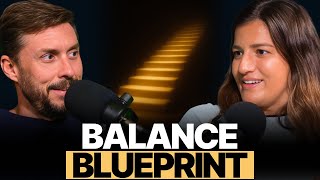
In this long‑form interview, host Mike Brown talks with retention‑marketing founder Melanie Balke about her upbringing, the origins of her money mindset, and the evolution of her career from marketing consulting in Germany to founding the 7‑figure email‑marketing agency The Email Marketers. Melanie describes how hustle culture drove her to burnout, prompting a shift toward sustainable, health‑first entrepreneurship. She recounts early agency growth, over‑confidence, cultural missteps, and a painful collapse in 2024 that forced her to rebuild with better structures and a clearer focus on team well‑being. The conversation also explores gender dynamics in tech, the pitfalls of constant comparison, and how she redefines wealth as slow mornings, health, and daily joy. Melanie shares concrete practices for trusting instincts, incremental self‑validation, delegating effectively, and aligning long‑term goals with day‑to‑day habits, using analogies from surfing and endurance sports to illustrate sustainable progress.
Chapters
I think hustle culture is so dumb, and I had bought into this thing that if I just hustle for 3 years, then I can just like relax for the rest of my life.
You were all in on hustle culture. You were gonna— yeah, you were, you were gonna ride the rocket ship. When did you realize that was a limitation, and how did that start to play out for you?
I was so burned out, and my health was in the gutter. Mentally, I'm wrecked. Physically, I'm wrecked. Like, this is not working. How can I build a life that I love every How can I build a business that I love so much that I don't want to sell it? Melanie Balki is a retention marketing expert based in Los Angeles with a 7-figure agency helping e-commerce brands turn buyers into lifelong fans. She's the founder of The Email Marketers and creator of The Retention Lab, a community helping DTC teams master retention in-house.
How did you grow up with money and how did that drive you to become successful?
I don't know if I yet feel successful as a founder.
Tell me about that.
I think my goalpost, quite frankly, keeps moving.
So when?
When's it gonna be? When are you gonna be fine with not growing? Like, when are you gonna be fine with not growing further? Like, when are you just gonna be happy with what it is? And I'm like, probably never, because I love the growth. What I love is the getting better piece.
What about it do you love?
I love the progression. Progress. I love progress.
Why? I feel like progress means For that version of yourself that was addicted to hustle and grinding, what would you go back and tell her now?
Oh, I love that question.
Welcome to Money Stories, where we have conversations with founders about money, meaning, and what makes a truly rich life. Today I am joined by Melanie Balki, one of my favorite humans. Melanie founded The Email Marketers. She does retention marketing for e-commerce brands. And is an avid surfer, basically almost a pro.
Basically.
Can't wait to dive into this conversation. It's been a long time coming. Melanie, welcome to the show.
Thank you. I'm so excited.
So as with all my guests, let's start at the beginning. How did you grow up with money and how did that drive you to become successful?
Oh, I love that question. You know a lot about this because, you know, you did coach me for a very long time and we we, we talked about some of this and it was kind of pivotal for me to look at that period of time because I'm realizing how it's informing my current life. But the story really is, I think my dad did really well for himself, generally speaking. Like he was a pretty successful businessman and, you know, he, it was kind of a single income household, but we did really well. And then my dad decided to retire early and make an emotional decision to buy a hotel the hotel that he had, by the way, no experience in this industry. The hotel his grandpa would go to, and that created a little bit of financial hardship. And I think when I was a teenager, that really made me think about— I don't know, I think it affected my drive for money a lot to be like, okay, I gotta solve this money scarcity challenge or problem. And even when, you know, it was solved later on, I think that, that I believe— do I know for certain? But I believe part of my drive came, came from there.
So when you were younger, your dad did really well and then you saw it sort of come crashing down. What was that like?
I don't know if I realized, like, consciously at that age, I was maybe like 14 or whatever. I think what I— what, what was more lasting for me in my memory is just like also the, the friction it created between my parents. Um, I think that I remember more than anything. And also, you know, this like— I don't know, I think it's the first time I also really started thinking about money. Because before then, you're a kid, right? When you're a kid, you have no concept of money. You go on a nice vacation, you don't know how much that costs, right? You don't look at it the way an adult would look at it. And so I think when, when that happened and I realized like, oh, there's something here that's causing friction, there's something here that's changing, it made me even think about money as a concept for the first time.
And what was that like? Or what was your sense in that time watching that tension between your parents?
I don't know that I had a sense. I feel like I, I felt the responsibility to solve this problem. You know, I felt the responsibility to solve this problem. And I think I felt a different appreciation for everything they did as well. And so I think I have a deep, like, want to pay them back. You know, like I'll, I'll remember it. I remember a specific example. And so I wanted a pair of jeans. And it was an expensive pair of jeans. It's like $120. And my dad, who's like also a guy and like got $20 haircuts his entire life and wore like, you know, the same— like, my dad's closet, when you open it, it would look like one of those cartoon closets. It was like all the same pants, all the same shirts. And so like, he was like, no way we're buying— like, we can't afford $120 jeans right now. And my mom was like, it's okay, I'll buy them for you. She was like, I will sell the shirt off my back to get you what you want. And it's really weird that this specific example was stuck in my head, but I think, like, I think of that a lot where I was like, wow, like, my parents, but especially my mom, was willing to sacrifice so much for her kids that I do feel like a lot of responsibility too. It's not even that I feel responsibility. I have a deep-seated want. Like, it would actually be— I don't think she would care, but I think it would be so fulfilling for me. To, I don't know, pay that— it's not even pay that back, but show appreciation for that and, and show that it was a worthy thing to do.
And how does this lead into your entrepreneurial journey? What was your early career like?
You know, it's interesting. I think the entrepreneurial piece was almost always separate from this. So I think, you know, you have the money conversation in one, and I think then we have the entrepreneurial piece because My mom will tell you, when I was a kid, she would like collect rainwater because her whole thing was it's better for the flowers. So I saw her do that and then I'd start putting out her own pots and pans to collect rainwater to then sell back to her for €5 or 5 Deutsche Mark at the time. It was, you know, because we're in Germany or like I, and I think she influenced me because she gave, she was reading like she was self-educating a lot at that time. And there was this book called Money that was specifically written for kids. And like, it was this dog, Money, that educated kids on entrepreneurship and money. So that was really influential to me. And so I wanted to do this bakery service where I was like, I will go every morning and get fresh bread from the bakery and bring it to all the houses on the street so you don't have to go to the bakery. I will do bakery delivery. And so I always had an entrepreneurial drive. I don't know where that comes from. I literally could not, until I actually became an entrepreneur, I could not fathom why someone would not wanna be an entrepreneur. Like it was crazy to me that people would wanna be employed. Now that I'm an entrepreneur, I very well understand why you might want to be employed. So I think that was, I think, separate from, from the, the money conversation though.
So maybe more tied to responsibility or writing your own ticket and having freedom.
Yeah, maybe. I also have learned that I just love building. I love taking something that wasn't there and then having something that's there and generates value and Being like, oh, I created that. And, and freedom.
Yeah. I mean, I was going to say, for most entrepreneurs, the money is really a byproduct. Most, most of us are unemployable.
Yeah. Yeah. I was a good employee though, I think.
Yeah. So, so tell me about your early career before you started your agency. What did that look like?
Um, I did some marketing consulting in Germany. That was awesome. I love that. It's really weird. I love things that are really structured and disciplined and tough. So maybe because I grew up in martial arts too. So it was like, you know, very structured, very disciplined, very tough love. So I loved marketing consulting because it was kind of similar. And then I stumbled into the Startup Project, which was an app funded by Silicon Valley, which was really exciting at that time. And I said, oh, this like fast-moving space is way more exciting. But I was a hard— like, I was always a hard worker. That was the main thing I always had. Who knows where it comes from, like this drive to prove myself to be the best. Like I had to be the best at everything. I had to be the best. And so at work I had to be the best. Yeah. And so I did the marketing consulting, then stumbled into the startup project, then decided I wanted to be in e-com and then moved to the US. And then no one wanted to employ this girl from Germany, which was great because I like went to the best business school in Germany. Like if you tell people where I went to, it's like the Harvard of Germany. So I came to America and no one knew what, like, no one cared. No one would even know what that school is. So no one wanted to employ me. And I was like, oh my God, what do I do? And so I had an interview and I was like, okay, I'm getting this job. So I presented a 100-page slide deck that I made before the interview. That was everything that's wrong with their marketing in like typical consultant fashion. And then I got that job and that was awesome. Then, you know, then went back into the— they got acquired. I went back into the agency space and then accidentally started The Email Marketers. Actually, it wasn't on purpose. It was quit that agency job, or actually I got fired. Tell me about that.
Yeah, yeah.
I got fired 2 weeks before I was going to quit. So, which was great because I got paid out severance. The agency was growing really fast and so many talented people and they actually just became a victim of their own success, which was they were churning and burning clients, but they were growing so quickly, no one cared. And I had a lot of friction with one of the founders. Like I had a couple of write-ups, may have one time pounded on a table and yelled at him. So I had a little bit of disagreements about the, you know, direction we were taking this agency and felt really personally offended by doing bad work for clients. And so when I got fired, I was like, cool, I'm never doing that again. Agencies suck. And I'm gonna go and I'm gonna travel. I'm gonna go to Bali, I'm gonna surf. I have 2 freelance clients already paying me more than my salary, and we're going to build a personal brand. I'm going to do the Neil Patel thing. And so I did that and then got more clients, got more clients, came back to LA and then hired someone and then hired someone else, went, oh my God, I'm building an agency. And so then, you know, I was like, okay, let's do it. Rebranded to The Email Marketers and the rest is history.
Is it?
I mean, the history is not done yet. Yeah.
Okay. So, so what year was this when you, when you founded The Email Marketers?
2019 was when I started freelancing. 2020, thankfully, also we got the little COVID boost. We rebranded to The Email Marketers in February.
And why email?
Right before COVID by the way.
Nice.
Because I wanted to do one thing really well. So instead of being mediocre at a bunch of things, I wanted to be the best again, at one thing. And I felt like email was that service that I could— that I liked the most, that I thought had the most ROI potential for clients, and that I thought I could most fulfill as an outside party.
There's a through line for you of having to be the best. Where do you think that comes from?
I did not know for a very long time. I do believe some of this stuff can be just nature. And I do think some of it is nurture that inadvertently my parents really loved when I did well in school, and my mom was really proud when I did well in school. And so I think actually what happened is, you know, I got so much positive affirmation when I did do well. Not necessarily that I didn't get positive affirmation in other moments, but my mom would say things like, my God, I'm so proud of you. And I'm so sad that my parents never got to experience like, me being this good in school, you know, like stuff like that is pretty heavy. And so I think that somehow like programmed this, this like, uh, success means love, being the best at something means love thing that I have subconsciously.
You and basically every other entrepreneur, it turns out, uh, a lot of us grew up being addicted to praise and really shapes, you know, the things that drive us. And so tell me about the early days in the agency. What was it like? It's COVID times. Is it just all sunshine and rainbows?
You know, the early days was like, what's the saying? Like, you're too smart for your own good, right? Like, the early days was actually the opposite. It's like there's so much you don't know that you're riding on this high of confidence, right? Like, and I will never forget one night I just spent like 4 hours going like, okay, here's my plan. First year we're going to do this much. And I looked at Hawk Media and I was like, they grew by this much. And then I looked at Mute6 and I reverse engineered all their revenues by looking at different like articles. And I had this like crazy growth plan. I was like, yeah, we're going to 4x, then we're just going to 4x again, then we're going to 5x, and then you sell and be, you know, super rich in 4 years. And so I think in the early days I had a lot of unfounded confidence and that actually worked really well. In addition to having COVID boost us, in addition to being addicted to being the best at stuff. And then I think we hit an inflection point where like, now you realize how much you don't know. And then I think like, I got scared almost. I don't know how to describe it, but it's like you hit your first couple of friction points. Some assumptions you had about how The world works turned out to be inaccurate. Um, you know, you realize there's a huge world out there. There's billions of agencies and you're like, who am I even to, to do this? And so I think I went from like this unfounded confidence because I didn't know anything. That was actually the first boost to like this, like now knowing too much and being too smart for my own good almost. Like too smart in the sense of like knowing too much about what's out there and the challenges and obstacles. So those were the early days.
Well, what were some of those early friction points like? When was the moment you were like, oh shit, maybe I don't got this?
I think one was I had this belief that if I just built a really cool culture, everyone was going to be a really hard worker and like work their butts off. And, you know, we had the 4-day workweek and I was just basically hiring based off of self-reported utilization feelings. And so then I like looked at the numbers and I was like, oh my, the math does not math at all. I'm like, this is, this makes no sense. How's anyone running this kind of business? So then I realized like, oh my God, you can't, you know, like self-reported utilization doesn't work, turns out. And like people need boundaries and guidelines and you have to set really clear expectations on even just like how much of your time do you spend on client work versus on internal work? Versus on the other stuff. And so, um, that was an early friction point, and that I think collapsed a lot of the culture that we had in the company for some people. And so then, like, you know, that it went from, like, one department coming to work meetings, and we do gratitude rounds before every stand-up, going like, I'm so happy that I'm working here, like, this is every day I'm grateful, and me feeling really good about myself I was such a cool boss and entrepreneur to, like, that department, like, hating me. And, like, not being liked is very difficult for me, or was very difficult for me. And so, that was really tough to being like, maybe I'm not a good boss. Like, maybe I'm not fit for this. Yeah.
What was it like starting to realize, like, that, hey, maybe this buddy-buddy culture is not working?
Ah, dude, I just like hated that so many people were right. I hated that the coaching I got from a lot of people turned out to be right. That, that really bothered me. I was like, goddamn it. Like, I thought I could do something new and innovative. And, um, and I think, you know, to some extent we have, like, we still have the 4-Day Workweek. Um, and I think it was about learning from other people's experience and seeing. But actually, you know, I'll tell you, I don't think I could have learned from other people's experience. I think I needed to go through this myself. I think there was personal growth in this because I think the growth was like, it's okay for, you know, a team member to just see me as their boss. They don't have to see me as their best friend or their, you know, like their mentor that they want to have forever. And it's great if they do, like I would love that, of course. But at the end of the day, as a CEO, and my job is to protect the company and the company's success because that will ultimately trickle down to every single person in the company. I can't protect a single person's interests because that actually puts the company at a detriment, which automatically puts every single other person at a detriment. And so that, you know, for me to shift the focus from like that to like, I'm protecting the company to protect everyone who works for the company was really helpful.
Yeah. I mean, I think one of the biggest shifts we have to make as founders is moving from this idea that we're responsible for our team, meaning I am in charge of making sure they're okay, to responsible to the team, meaning I have to make good decisions for the company so they can get paid every 2 weeks.
Yeah.
How did you start to shift that?
You know, I think it's a really internal thing. I don't know if I even shifted my behavior outwardly. I think I shifted my behavior inward about how I think about things. And like, the first thought is always like, what's in the best interest for us as a whole, right? Regardless of what an individual may want or need, and how can I, how can I make, how can I make that the most successful? So like, I'll give you a real easy example. Like if someone, you know, would really like a raise and they bring that up to me, and then the first context we look through, of course, besides like the standard things, which is their performance and whether, you know, merits the raise. And now we have this all structured, right? So that, it's not really a conversation like this anymore, but back in the day it was, is like, okay, what is, what is the greater good of the company? Like, if I give you this raise, what is the opportunity cost of this money that it could do as a greater good for the company? Like, could I invest this somewhere in the company that would make the company scale so much faster? And now I can give 10 people a raise. You just might have to have a little bit of deferred enjoyment. Also, what really helped was what I just said, like structuring it really clearly. To be like, when A, then B. So I actually don't have to make those decisions. And it's really clear, like, it's not so much emotional about like, you know.
So you had this plan, you were going to grow 4x, 4x, 5x.
Yeah.
How'd that work out?
Yeah, not so good. Not, not, not, not so good. Turns out business can be hard and turns out that was a very ambitious plan. And so I think the biggest thing is I shifted from, and I talk about this a lot because like, I think hustle culture is so dumb. And I had bought into this thing that if I just hustle for 3 years, then I can just like relax for the rest of my life. And, uh, that didn't work out. And now I think about it more as like, how can I build a life that I love every day? Like, yes, how can I build a sellable business? Sure, that's great. But how can I build a business that I love so much that I don't want to sell it? And so it's, it's, it's not a 3-year plan in the sense of like, you know, I want to make this because it was also like really frustrating, right? You know, you don't hit your goals and you're like, well, I'm a failure. And now we have really ambitious goals. But the really ambitious goals are not to be like, do this really quickly and then be over it and be done and dusted. But it's more like, this is the journey we want to take to build this really awesome company, it's not like I'm gonna sprint to the finish line so that the race is over. You know what I mean? Like, it's like, how can I enjoy the race as much as possible?
When we met, uh, you were all in on hustle culture. You were gonna—
Yeah.
You were, you were gonna ride the rocket ship. When did you realize that was a limitation and, and how did that start to play out for you?
So I think— let— I just want to make a note so I don't forget. I especially think this is also different for women. So one thing in my journey is I think hustle culture generally also works better for men. I think because men are wired a little differently. When I realized was when I was burned out. Like, I was so burned out, and my health was in the gutter, and my happiness was in the gutter. And then the business was also not doing so well. And so I really was like, I'm, I felt done with the whole thing. We didn't hit our goals. We're not even doing so well mentally. I'm wrecked physically. I'm wrecked. Like, this is not working. And like, I would pull 2:00 AM nights regularly, you know, like no problem. And so I think the shift just came because I was like, I can't do this to my health. I'm not gonna sacrifice, you know, my health for, for, I'm not gonna do the classic American thing, which is sacrifice health for money and then sacrifice money for health. So I was like, health is the most important thing. So I decided I wanted to build something sustainable, right? Like versus like this hustle. 'Cause for me, the hustle culture thing is like, what people also always tell you is hustle culture is like you hustle for a little bit so that later you know, you're free. And I think for most people that's not true. And what would be most sustainable for most people is probably build something where your energy recreates itself and you can pour back in. And so what I didn't understand is I thought like just grinding was a thing, and I didn't understand that you can't pour from an empty cup, right? I didn't understand that if I'm stressed If I didn't eat, if I didn't sleep well, if I didn't work out, I was also an infinite more shitty leader. I also made infinite worse decisions in every part of my business. And so now I've actually started prioritizing that piece first. And it's weird because my business is doing so much better because guess what? I'm actually a way better leader. And I think back to the women piece, because I didn't wanna forget that. I think men can do hustle culture better. I don't know if they should be doing it. But I think especially as women, like, women are not made to like grow. I think women's power comes from the fluidity of feminine energy. And, and I think women need less of rigid mental structures that come with like the grind, grind, grind, grind, grind. I think women's best power unfolds when we have space to breathe. And so I think hustle culture and grinding, like call after call after call after call. Is actually counterproductive to this, like, space of breath where the true magic unfolds. That was really woo-woo, but I hope you understood what I meant somehow. I didn't know how to put it into words.
I love it. I mean, I— my experience would say that we should, in that whole conversation, replace women with people, because I don't think it works for men either. Yeah, I think that, you know, societally, uh, we may put on a tougher face or there's, there's a bigger expectation for men to be able to put up with it. But I have seen the same thing play out for men. But on, on being a female founder, has that hurt you? Has that helped you? How do you see that playing out? And do you feel any sort of pressure being a female founder? Like, what does that look like for you?
I was always a tomboy. So I don't think I was aware that I was a female founder and that that made me different for a long time. Like, you know what, I would go surf big days at El Porto and I'd be like, there'd be like 10 people out. I'm like, why is everyone looking at me? I don't get it. And then like after 20 minutes, oh, I'm the only girl out. Okay. So for me, I think my benefit was I never, I never even like recognized that I was different just because I was a female. Maybe that's 'cause of how I was raised. Maybe that's how, 'cause my dad raised me that way. And I was always a tomboy. Um, so I think it didn't hurt me because I just wasn't aware of it. Like, I had a friend say to me once, he's like, you know, whether you know it or not, you've been discriminated against because you're a woman. And I've always thought, yeah, but knowing it doesn't help me. It actually just perpetuates— like, me being conscious of that and thinking about that actually just perpetuates that. So that was— has always been my perspective there. Now I actually think it's helped me because there's now, thanks to other women who have led the path before and the way before, there is women-focused groups. There is, you know, more of a want for women in the field. So now I think it actually helps me more.
Yeah, I love that. I mean, it's, it's never black and white, but I think it's super interesting, especially, you know, marketing tends to be kind of a bro culture.
Yeah.
Oh, God, Twitter, right? And so obviously you can, you can slip in and play that role when you need to. But how do you, how do you see that, that playing out? Do you think it's, do you think it's an advantage kind of being counterculture and being a female-led brand?
I think so. Like, man, this guy just posted on Twitter, he's like, my girlfriend just doesn't get it. I'm grinding. And so we broke up and like, what do I do? And I like posted, you know, and he's like, what do the bros think? And I was like, well, I'm not a bro, but I actually think your partner can be fuel to your success. It doesn't have to be a detractor or a distraction. So I like being the counterculture to the bro hustle grind thing. Um, and people will be like, typical female perspective. And I'll be like, yeah, but I probably make more money than you, so that's fine. Um, I kind of like it.
Yeah, I love it. And kind of backing up to, you know, this hustle versus build a sustainable life. When did you first feel successful as a founder, or when did you first make a significant amount of money? And how did that feel to you?
I don't know if I yet feel successful as a founder.
Tell me about that.
I think my goalpost quite frankly keeps moving. Yeah, I don't, I don't, I genuinely don't know if I feel successful yet as a founder. I'm really proud of the business we've built. I'm most proud of the team we've built. I'm most proud that my team is stoked and happy and, you know, loves working where they work. I'm most proud that our clients are stoked and happy and, you know, love saying they work with the email marketers. That's something that I'm proud of, that I feel successful in that way. Yeah, sure, a little, but I don't feel successful yet. And if you're gonna ask me when am I gonna feel successful, Mike, I don't know. And it's what I'm working on every day. I like— my thing is like 1% better every day till like— till when? When's it gonna be? When are you gonna be fine with not growing? Like, when are you gonna be fine with not growing further? Like, when are you just gonna be happy with what it is. And I'm like, probably never, because I, I love the growth, actually, you know, like even personal or whatever. I love the— what I love is the getting better piece.
What about it do you love?
I love the progression. Progress. I love progress.
Why?
I feel like progress means learning, and it means like, okay, I've mastered— my soul has mastered one piece. Now I can master the next piece. Um, and, but the same thing I tell my boyfriend is like, just because I'm chasing progress or growth doesn't mean I'm unhappy. I actually think I'm an extraordinarily happy person. I am extraordinarily happy with my business. I think it's awesome, right? Like I pause and I look at what I've built and I go, that's pretty rad. I just don't know if I think the term successful— it's hard for me to be like, I'm a successful entrepreneur when I know other people out there are doing 10x or 100x. So I'm working on that piece.
You just posted a tweet about, about comparison. Well, give me the gist of that tweet. Yeah. And how does it play in this conversation?
The tweet was that comparison can both be like positive in terms of like, can be inspiration, like, wow, that person did that. I could do that. And it can also be a detractor in the sense of like, that person's doing that, I'm not doing that, I suck. And I think the key point is the emotion you have behind your comparison, right? Is it like uplifting and you're like, wow, and does it fuel you? Or is it like, I suck, look at that guy. Um, and I think for a really long time I was the latter. I'd be like, I suck, Zuckerberg invented Facebook at 23. Alex Hormozi's my age and he has a $100 billion whatever book title. Yeah. Book title. And so I think for a long time it was that, it was like nothing I ever did was good enough, right? I'd be like going to surf at 7:00 AM and then I'd be like, ah, I should have been here at 6:00. I'd surf for an hour. I'd be like, should have surfed for 2. I worked for 10. I should have been like, you should have worked for 12. You know, like nothing I ever did was good enough. And it was like, I think that got me from 0 to 1, like being really tough on myself. And then I think it stopped me from going from 1 to 2 because it became this self-defeating cycle that was just sucking the life outta me. Like every comparison was like, you suck, work harder. And then my whole business collapsed basically. And I had to rebuild it and I had to go, oh my God, I actually, what I had was pretty cool. Like that's pretty rad what I had built so far. And so now, and knock on wood, we're in, we're in an incredible shape now. Uh, and I do credit it to my business collapsing and making me realize what I had was so amazing. And my narrative as a result of that shifting from like, now if I have to run 3 miles on my training plan, but I run 1 mile, I don't go, oh, well you didn't do 3. I go, you did 1 mile. 1 mile's better than no mile. You did 1 mile. That was great. You know, if I surf for an hour, I go, you surf for an hour. That was great. You know, people joke about the gratitude thing, but I think the reason it works is you— now I have this positive emotional cycle. Now when I compare myself to other people, I go, wow, they did it. I could maybe do it. That's pretty rad. And I think about it in relationships, right? Like if your boyfriend, or if you came home to Claire, you know, and you brought her flowers and she'd go, ah, they're not big enough. You know, you probably wouldn't wanna bring her flowers a lot. But if you brought her one rose and she'd have the most ecstatic reaction, you'd probably be like, oh yeah, yeah, bring more flowers. And so I think that's how it works when we talk to ourselves too. And so for a while, like, you know, I didn't want to bring myself flowers, and now when I do something, yes, amazing, good job. And so it's the uplifting feeling behind it. That was a long answer, sorry.
Uh, we were supposed to give long answers. It turns out there's a long-form podcast. But going back to this business collapse, what was that like and what were the dark times?
Oh man, you know, it happened last year, 2024, in June. And part of it was just that we, we had old structures that were still slowly— we were trying to repair from old assumptions. We had also hit a growth ceiling, right? So it was also just like a natural point where Businesses hit like revenue ceilings and then everything stops working somehow. And then, you know, you, you rebuild it and then you hit another ceiling, then everything stops working. So we were hitting one of those ceilings. We had some old structures we had to rebuild, and then we were really looking for a couple of hires that we just could not find the right hires. Like, we made a couple of mis-hires, we were understaffed, and then I lost 4 key players in 4 weeks, like 4 senior staff. One got poached by another agency. She's awesome. She'd been with us for a while. It was the right career move, like no problem, but bad timing. Then two department heads, uh, then my ops manager got poached by another agency. Crazy salary. Can't keep up with that. Good for her, but like terrible timing. Two of my department heads quit on the same day, not knowing about each other. One went in-house, which I knew was coming. Like we talked about it. It was a surprise. And the other one I poached, Ben and Rachel, they're like terrible timing. Funny story there is one came back. I really wanted him back. He came back. He's still with us. He's awesome. Really happy that worked out. One, it would've been great if she could've come back, but it just didn't work out. Like she was, she was willing to, but it didn't work out for us in that timeline. So that felt a little bit good as a founder, by the way, that they were willing to come back and that we're still on good terms. So it wasn't that it was like, this big exodus of like, we suck, we're all leaving. 'Cause that would've been easy. 'Cause I could've been like, okay, now I gotta go fix this. It just felt like unfair and bad timing. And, uh, yeah, like we were so understaffed and because we were so understaffed, we had a really hard time delivering at the quality that we wanted to. So that obviously then we felt in client delivery and that's like the worst for me. Right. And unhappy. I would say like if I had money problems, I could sleep, no problem. I have an unhappy client, I'm gonna be not sleeping. So that was really difficult. And then we slowly rebuilt. But what was great about that is it allowed us to rebuild better and rebuild with new structures and rebuild with new learnings. And now, knock on wood, I feel very grateful because we're in a better place than we've ever been. I really believe we've set us up for better service, more team happiness, better scale structure. And again, like I told you, I think that when everything fell apart, I genuinely thought about quitting. I was like, I genuinely was like, I don't know if I'm fit to run this thing. Like, I don't— maybe, maybe I should hire someone else to do this. But that also made me appreciate what I had built before. And so then it was just like, instead of me like looking for this big far-out goal and everything I had built was not enough because it was missing this like huge goal I had set myself and like this crazy other agency growth other people had, it just taught me to be so grateful for this little thing I had built. Such an immense amount of like, I feel it now even like emotional gratitude for like, if nothing ever changes and we just have this, that's pretty rad. You know. And so I think that it had to fall apart for me to really appreciate it. And so now I'm like, yeah, I have these big growth goals, and also like, it's pretty rad. If nothing ever changes, it's already pretty rad.
Sounds successful to me.
Yeah, I gotta think about that term.
So as you start to shift from external comparison and buying into hustle culture. What does wealth mean to you now?
Slow mornings. As you know, I don't like 9 AM calls. Um, I, yeah, I like really have thought about what is, you know, for me it's about sustainability. Like building a business is not a sprint. Anyone who tells you like grind for 3 years, blah, blah, blah, maybe for some people. I don't think for the average business owner that's going to be the case. So for me, I wanted to build a life where I felt like I could do that forever and I would be happy. And so what wealth means to me is tied to that, like being able to wake up, you know, not at the crack of dawn. Like I don't wanna be part of the 5:00 AM club. Um, being able to not take calls in the morning. I like my slow mornings. Being able to go work out in the middle of the day for lunch, being able to decide that I actually don't want to have 8 calls a day. I would like to only have 2.5 hours of calls because then I can be more productive. And what's funny is like all these decisions that I've made that felt selfish actually turned out to be so good for the business because I've become so much more effective. I was very ineffective when I had 8 calls a day back to back. Now I'm really effective because I have a slow morning. So when I start work, I'm ready. I'm ready. I've eaten, I'm calm, I'm ready to go. I'm excited. When I have my calls, I'm excited, I'm present. I have space to do my other stuff. Um, so sorry, I went on tangent, but I think wealth to me, like slow mornings, you know, being able to design a day that I enjoy. If that is working out in the middle of the day, only having 2.5 hours of calls, working with people I enjoy working with, both brands and team members, um, being healthy. We don't talk about that. Like, I'm healthy, my family's healthy, my friends are healthy. Like, really nothing matters unless you're not healthy. And so I— that's awesome. Um, I did a bunch of DIY projects. Around my place. That to me is wealth. Like, that I get to be like, you know what, today after work I'm ending work at 6 and I'm gonna go and redesign my entryway closet for fun. And that's wealth to me. Going on trips, of course, you know, being able to afford the types of vacations you'd want to afford. But I think you can do that way sooner than you think. Like, you can do a lot of things that mean wealth to you way sooner than you usually think.
Yeah, not when you're hustling 14 hours a day.
Yeah, no.
And for that version of yourself that was addicted to hustle and grinding, what would you go back and tell her now?
Trust your instincts. I actually genuinely believe, like, when— like, listen to your body and trust your instincts, right? When we are high achievers, We like to override our feelings sometimes because we think our feelings are telling us to stay in our comfort zone, which is good, right? Like, sometimes your feelings do tell you, no, I don't want to go work out, I want to be lazy. But sometimes your body's also telling you, my dude, I need to chill, right? Like, you've been putting a lot of strain on me. And so I think it's important to understand that not every feeling is just out of coming being lazy. Not every instinct is just because you're lazy, right? Like, I used to think, oh, I don't wake up at 5 AM, do 8 calls because I'm lazy. And now I actually think, no, maybe that's just not the way you operate at your best. Maybe you got to trust your instinct that this is the way you operate at your best. And so I think learning that distinction is really important.
And how does someone go about doing that? Like, what, what advice would you give for someone is listening to this right now, like sort of sinking in their seat and be like, oh my God, that's how I talk to myself. What would you tell that person?
Baby steps. I would, I would literally, when I started, I would go, I would write myself Post-it notes to remember and I would do it every day at the end of the night and be like, Melanie, you did this so well today. You did this so well. That was awesome. You know what? You did X, Y, and Z today. And when I when I noticed that I would say something like, uh, you didn't— it wasn't good enough, I'd be like, yes, and— or yes, but— be like, oh, you surfed. Like, surfing is a big example for me, as you can tell, because something I really love but something that became really unenjoyable to me because I turned it into this competition of getting better. And I remember you asked me once, you're like, is it okay for you to just like, like surfing and not be like really good at it? Can you like it and be bad at it? And I was like, Can I? So, uh, you're just being like, you know what, maybe you didn't catch a good wave today, but you were out there, you paddled around, you were out in the ocean, you had a good time. So bringing myself back to, to that every time, every time I notice, oh, there's a detractor, there's a bad feeling, I feel not good enough because I didn't surf enough. Oh, but I should be grateful I surfed. And then, you know, switching that I really do believe it's all about how you're making yourself feel.
Well, and for everybody listening, objectively, you absolutely fucking rip having been on the receiving end of spray as you blast your fins, uh, as I'm watching you come by at the Surf Ranch.
So yeah, thank you. This feels really good. Tell me more.
Um, and, and yeah, this— it's back to this comparison, right? Like, I think you absolutely rip at surfing, so The question really starts to become like, compared to what?
Yeah.
Right. Like, what's the standard and where does that come from?
I used to be like comparing myself to professionals when I played soccer. It had to be like the professionals. And yeah, again, like really, like now I play soccer and I go, that was awesome. You did so— like, I talk to myself sometimes like I would talk to a little kid. And I think that's so important because at the end of the day, we're all just little kids, right? Like, If you imagined you as a little kid, would you talk to that child the way you talk to you sometimes now? I wouldn't. You know, I'd be like, I'm proud of you. You did— that's pretty awesome what you did.
You know, not a lot of child professional surfers or professional soccer players.
Yeah.
And, you know, as you've, as you've been on this journey of slowing down and starting to invest in yourself to become more effective. What are some of the changes or tips that you've made that you feel like have made you most successful in that arena?
Like, I feel like hustle culture is also a lot about fast, fast, fast. And I think it's really helped me to slow down. I'm generally a fast person. I'm a fast talker. I have no patience, you know. Um, slowing everything down, my day, first of all, my mornings, you know, that has really helped me because instead of doing this machine-like fast processing, I've actually been able to be a lot more thoughtful about everything. Number one. Number two. Building a team that I trust, trust them with my life, probably quite frankly at this point. I mean, I am trusting them with my life's work and letting go, like actually letting go. I just made a, I made a list of like what I think the 3 biggest levers are for us, you know, in, in the next year. And then under those 3 biggest levers were like 4 little kind of like takeaways, to-dos. And I was like, wow, this is a lot. And then I went, oh wait, but I'm not doing all of this. My team and I are doing all of this. Like, this is gonna go to this person that's gonna go to that person. And so building a team and then really trusting them and not like, I think as entrepreneurs what happens is like we build a team and then we try to delegate and we delegate really badly first of all, and then it fails and then we go, what? See, only I can do it. It is, I have validated I am the person, the only one who can do it. And so I will never trust again. It will always remain my task. And you can't like grow. There's things in my business I do not know how they work. That's terrifying. I like, I don't know how that process works. I wouldn't even know where to find it. Someone asked me for something recently that had to do with admin and I was like, I don't, I, I literally couldn't even tell you what folder to look in. That's really terrifying for an entrepreneur who once started as everything, because now you feel dependent on people and you feel afraid and there's a black box. But quite frankly, I'm pretty sure Jeff Bezos doesn't know a lot of things about his business. And so I think that was a big thing emotionally, to be comfortable in that uncertainty and that trust. And still figuring out, of course, how do you, like, at a high level, still monitor and know if things are going in the right direction, right? You don't want to be flying blind, but how do you look at it from a high level and see indicators without having to be in the detail and knowing everything and knowing, like, every ClickUp process and every, you know, every little thing.
Double-clicking on this idea of letting go. How do you start to do that?
Uh, how did I do that? I think I just really like was much clearer with people where I was like, this is yours now. I am not touching this. And this is my expectation of what I'm going to receive and when I'm going to receive it. And this is the goal. And here's a clear KPI. And also, you know, there is a reward for you in the sense of like, it doesn't necessarily have to be like a bonus or whatever. But I also— okay, I want to take that back. I actually believe the reward thing is not as important because I think when you find the right people, they're excited to build something with you because that's just who they are. They're just like excited to build. I think you can't incentivize a B player to be an A player, is my opinion. And I think A players are just A players because they're A players, and that's how they do everything in their life. So I, I'll take that back on the reward tangent, but, um, just being clear and just letting it go and then having them bring it back to you and then not like as soon as they bring it back to you and there's maybe something you don't like ripping it back into your own claws, you know, and just giving feedback, coaching, letting 'em go again, getting it back and understanding that it's not gonna be a perfect process. Reminding myself.
I love this. And how do you extend that letting go to the broader context of, of big goals and, and hustling versus enjoying life in the present?
I've set goals and they're a direction for me, and I have plans on how to achieve those goals, and those are all pillars. And I still understand that at one point things might take us in a totally different direction because new things come up, right? Like, you don't want to be like Blockbuster and have these goals and you're like, this is the strategy and direction we're going. And then digital comes and you're like, no, we're going this strategy and direction. You know, you need to be adaptable and open to whatever is presented to you, but you also don't want to just be floating. So we have this strategy, we have this goal, we have this direction. But, you know, in the words of Bruce Lee, I'm like water. In that.
Yeah. I mean, I think flexibility is key and for me it's, it's, you know, becoming process-oriented and go, hey, in service of these goals, what would make the day-to-day life that I live worth it as a reward for itself if I never hit those goals in the first place?
100%.
And that sounds like sort of what you're building.
Oh yeah. I'm, I'm, I'm optimizing for day-to-day life because I also know that's the only way I'm going to be in this long enough to achieve those goals. So it reminds me a little bit of like, you did triathlons, right?
I did.
So in tri— one thing that was, I started doing, I did a half marathon for the first time this year and then I did triathlon. I'm doing another one in October. I'm not an endurance sport person. I actually am very athletic, but I remember always getting a, like a B- in the cardio stuff in school. So it's never been my thing. When I did the half marathon training, one thing I realized is like, if you have a 12-mile run and that's, you know, if you're marathon training, that's a short run. If you have a 12-mile run and you start your run and you go, oh my God, I have to run 12 miles. That feels not achievable, right? That feels daunting and exhausting and not achievable. But when I'd start my runs and I'd go, okay, well the first mile is a warmup and then after the first mile, At mile 3, I'm gonna actually give myself a reward. I'm gonna listen to a podcast. And at mile 5, I'm actually gonna be allowed to switch to music. And at mile 7, I'm gonna call my boyfriend for a little pep talk. And then basically I'm done. So when you break it down into these smaller pieces and you just look at, okay, just this mile, just this mile, just this mile. Now the 12 miles became really easy. So for me, I have these big goals, but like the mile is just like the day-to-day in between. That's one thing. And then also, why do you do a lot of zone 2 runs in triathlon training? Because you have such a high amount of workload of running load. You have to get so many miles in with either swimming, biking, or whatever that you have to do it at a heart rate level. If people don't know what zone 2 is, but it's like a heart rate level that is sustainable for your body and not super extremely taxing. Like when you run really fast, you're running at a really slow pace because you have to do such a high volume of training. So again, it's the same for me in business. I'm gonna have to do this for a really long time potentially, right? I'm not gonna hustle through it in 3 years. I'm gonna have to do it for a very long time potentially. How I'm gonna make it so fun and so sustainable that I can.
I love that. I mean, they, they say a, a great life is a series of great days strung together one after the other.
It's true.
Melanie, I, uh, I love that. To end on. I so appreciate you being here. It's been such a fun ride to see your growth over the past however many years, and I look forward to seeing all of your success in the future.
Thank you. I appreciate it.
Cheers.
Cheers.










