The Hidden Artist-Episode 13 with Thomas Gray
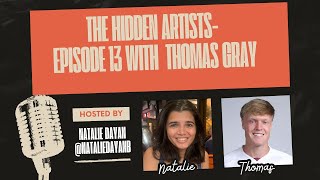
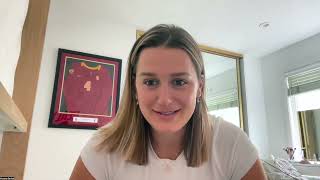
In this interview, host Natalie Dayan talks with Thomas Gray, a Scottish‑born student‑athlete now studying a master’s in business analytics in New York while playing college soccer and working part‑time at a tech firm. Thomas explains how he moved to the U.S. on a soccer scholarship, transferred from a Division II school in Mississippi to a Division I program in Maryland, and navigated imposter syndrome, injuries, and the challenges of balancing sport, academics, work, and social life. He discusses his academic path from finance to business analytics, the value of self‑directed learning, and how he built a personal brand on TikTok, LinkedIn, and YouTube, crediting a friend’s advice and his own networking efforts. Thomas reflects on cultural adjustments, accent adaptation, and the importance of teamwork and communication skills learned through soccer. He shares his mindset for goal‑setting—breaking big ambitions into daily tasks—and offers advice for students feeling lost, emphasizing quick decision‑making, seeking mentorship, and considering regret as a decision filter. The conversation ends with Thomas’s future aspirations: pursuing professional football, launching a business, staying in New York, and maintaining balance and relationships, while expressing a desire to be remembered for hard work, focus, and balanced living.
Chapters
Um, hi Thomas, thank you so much for taking the time out for this. I really appreciate you. Um, I remember, uh, you know, going through, uh, LinkedIn and then I came across your profile and then just going across different social media channels and reading about the way you branded yourself out there. And just like, you know, I'm not going to give it away because I feel like you can introduce yourself way better than what I can, but that being said, I'm really grateful to have you on here. And excited for people to get to know you better and learn about your journey. So could you go about and introduce yourself and who you are? What brought you here?
Yeah, thank you, Natalie, for having me on. I'm excited to sort of have a good conversation. Yeah, so yeah, I'm originally from Scotland, if you can tell by the accent. Came to the US in 2020 to play college soccer, and fast forward 5 years, now I'm sort of doing a master's degree in New York. Still playing soccer and then working sort of part-time with a tech company in Manhattan, which is pretty cool. So yeah, there's a brief introduction from what I've done.
Yeah, love that. So I'm curious to know, how do you get into soccer and when do you realize that it was more than just a hobby?
Well, that's a good question. I think, I mean, in Scotland, like, it's either rugby or soccer. That's all anyone plays. I should say football, honestly, but I've been in America 5 years, so sort of, sort of rubbed off on me. But, um, yeah, I mean, everyone, everyone either plays rugby or football growing up. And I think me, I went to like— a lot of my friends just played football. It was like football is more of like sort of a sport that is accessible to everyone, where rugby is a bit more of like a private school sport. So grew up playing both, but, um, was definitely better at the latter. I was definitely better at football. And, um, yeah, I just went from sort of playing like a local club, um, got selected through a few things, played for like my sort of region, my county in Scotland. And through that I got, got selected to go play with like, play with like an academy. So, um, played, played there from the age of like 10 to 18. And then when it got to the business end of it, where I had to sort of like figure out where do I, I go play professionally, do I sort of, um, not do that, like it was a bit of a difficult one. And I It was always my dream to go play professional football, but then when I got to that stage, I realized maybe it wasn't the right plan, and I was always good in school. So, yeah, I heard about doing like a soccer scholarship in America and like getting to travel America, do a degree, but play soccer at a high level. Like, I couldn't really complain. So yeah, that was sort of my journey from playing football back home to coming out to America.
Love that. So I'm curious to know what inspired you to choose to come to America and how do you go about dealing with that imposter syndrome that comes in, comes in, especially when you go all in into your dream. Saying this as someone who's also an international student, has been and dealt with it.
Yeah, I mean, I think, yeah, when like at the time I don't think I realized how big a decision it was. Like I think I was sort of a bit like, oh yeah, America, like let's give it a shot, see what happens. I didn't really think, I just sort of, so I did because it was all quite last minute. Like I didn't really plan to do it. And then, and I remember my friend sort of talked to me about it and I was like, oh, that seems good. Like, and there was a guy that actually helped me get out and he was sort of through my club and he, um, he did it, but it was already last minute. And I was like, my mom didn't really want me to go, my dad was all like, oh yeah, go for it. But I think the biggest thing, as I mentioned before, was the fact that I could get a degree and, um, obviously advance my education, which I always wanted to do, but then keep playing like the sport that I loved at a high level and it still gave me the sort of belief that even if I can get this degree, but I can also go and play professionally after college if I still want to. So it sort of gave me the best of both worlds, say that. And then the imposter syndrome thing, I think coming out to America, for me, I came to Mississippi for 2 years at like a small school, played soccer there, and I didn't really feel like it was— it was weird. It was America, it was really American, like very Southern, like very sort of southern accents. I don't know if you've been in the south, but it's very different culturally to the north. But I think because there were so many British guys on my team, it was almost like I was on holiday. I was just playing soccer with loads of British guys. I was always around British people, so I didn't really feel like properly American, almost, if that makes sense. So yeah, I didn't really feel like an imposter there. But definitely as I've sort of grown into American culture, I feel like I'm quite different to the average American, obviously. But yeah, I feel like something. I think, yeah, I think honestly, I think you're always going to feel like an imposter at the start, but once you sort of build connections and stuff, it eases off.
I think, you know, just, I mean, I've not been to Mississippi yet, but then I think, I think I know what you're saying, like, but then I, I can only imagine how hard it will be for you to, you know, go in there and see this completely different reality of what you thought of America to be, but How do you go about making that decision, being like, okay, you know what, it's time to move up and transfer to a different school?
Yeah, I mean, I think the biggest thing was I always wanted to play Division I soccer, and I think coming out to America, maybe I should have played that right away, but it just didn't work out that way due to scholarships and whatever, which I have no regret going to Mississippi. It was amazing. So played 3 years there, and I felt like I thought even though I had great friends there, like I was very comfortable there, I thought, I need to, I need to go push myself, need to go play Division 1 soccer and go see a bit more of America because I'd like traveled a little bit while I was in Mississippi and I knew there was a lot more out there to go like explore. And so yeah, I mean, I just spoke to my coach and sort of did all the things I needed to for transferring because there's quite a lot of rules that you have to follow. But yeah, like made a highlight video, tried to market myself, and emailed like hundreds of coaches. And luckily, luckily someone gave me a good offer in Baltimore, in Maryland, which was, it was a, it was a cool place. Went up and visited and decided to go there for like the next 2 years of my undergraduate. So yeah, it was, it was, it was quite a quick process, but it was exciting. And I was, I was excited to just go to another school, like see what it was like, meet new people. So yeah, that was, that was that.
I'm grateful that it worked out for you because, I mean, I, I, from the videos that I've seen of you, which I will ask you more about later, but then from seeing the videos and just like the way you marketed yourself out there and just like your stats in general are super impressive, and you know, the fact that you took a bet on yourself and people believed in you, your coaches especially, is a pretty big deal. And I definitely think that, you know, you should— this is something which you can look back and say that, hey, you know what, this is what— once you make it pretty big as a, yeah, you know, professional stuff.
No, yeah, I think, I think it's just, it's one of those things. I think like I just always— I mean, I just took it sort of as like, I want to go and play like the best level I can, I want to go sort of get to the highest level possible. And that was just the way of doing it. I didn't really, didn't really take it into account that like it'd be tough leaving people. And it was tough, like don't get me wrong, but I think I don't know, I don't think anything good, like worth having in life, comes easy. So you sometimes got to do those things. And I've still got friends down there that I've seen here and there, and I see them whenever I can. But it's just one of those things. But yeah, I think, like, you've always got— and it was a bit of a risk, but you've always got to take those risks and see what happens. You're young, you might as well do it now than sort of wait around and regret stuff.
So Yeah, I think, I think that was a great decision. And I absolutely know what you're saying because I left my own comfort zone, left the people I love because I was quote unquote selfish about what I wanted to accomplish. But then I think you have to be selfish at some point because on the other side of fear, which is leaving a comfort zone, is something, a greater version of yourself that is yet to be seen.
Yeah. And I think for me and you both, I think one of the biggest things we sort of probably thought about was you're sort of leaving people you love back home, you're leaving family, like you're not going to be able to spend as much time with them. But I think one of those things is like you're sort of doing what you want to do, and in reality your parents want, want what's best for you. And if what's best for you is in another country, I think there's no guilt in, in going and, and sort of following that while you're young. Like, fair enough, if it doesn't work out you can always go home, but you might as well sort of go and just try something. Because I think that's what I always say to people, like, you I mean, there's no point in being stuck in your comfort zone in your hometown because even though it's like nice and comfortable, like no one's gonna— nothing's gonna change. So unless you go out and see the world and like, what's the worst that can happen? It doesn't work out, you come back and everything's the same, you go back into your normal routine, but at least you tried, you know what I mean? So yeah, yeah, I think that's just true. And I think all international students are sort of— they've always got that feeling of guilt where they're not— they're missing out on birthdays of their family members back home, but I think you've got to think like they want what's best for you.
So yeah, I think with that also comes that hustle and drive to be like, you know, yes, the worst is that you go back home, but also the idea of the worst coming to fruition is what scares you to be like, hey, you know, that fire is up my ass right now. I have to go and do the work. Exactly.
Yeah, exactly. You come somewhere and you, you need to— you, you're like, okay, but I need to succeed. Like, I don't want to, don't want to go back to that old life. This is my new sort of gig going on. I want to— yeah, it almost, it almost motivates it's even more to be successful. Yeah, 100%.
I mean, moving on from that, you know, we could speak on and on about that because this is such a real thing, the anxiety, the loneliness, you know, the, you know, just like the fear of missing out and all these things in general. But then I'm curious to know more about, you know, you said you studied finance, you know, so like what inspired you to study finance?
Yes, I think I was always— I mean, for me, I always had like an interest in business. I've always wanted to sort of, um, had that interest. And then I liked my sort of maths, so it just made sense that sort of it was, um, they sort of came together. Like, I liked sort of doing all the Excel stuff, like doing the data stuff. And then I'm like, I like to sort of just— I thought the stock market was pretty cool. Like, it's just the way you can trade stuff. And I thought— I always thought that was good. So Yeah, I did finance my undergrad and then I did like it. I think for me, I sometimes wished I'd push myself a little bit more because it was good. But I feel like in America especially, I don't know, it was just the school I was at, but I didn't feel I was challenged as much as I should have been. So sometimes I wish I did something a bit more, I don't know, engineering or something because that was like the same maths sort of things like I like, but it is what it is. And then came to Fordham to do my master's. So I'm doing business analytics now, which is good. So I think, um, yeah, I just wanted to sort of get like a really vast understanding of like data and financial markets and, and sort of gain like a fuller understanding of all that goes into it. And then if I can use that sort of everything I've learned in the future, that'd be amazing because I think, yeah, it's, it's good to have like a, an idea of what's going on financially anyway. So yeah, I think that's what, that's what really motivated me. But I think And yeah, I think for most people that don't know what they want to do, I think America is great because you can, you can come in and do like 1 or 2 years of like sort of the general classes, as you know, and then sort of specialize in something, which gives you a bit more time to figure things out. Because I think coming out of high school, some people definitely, they want to be a doctor, they want to be a lawyer, that's great. But then other people still really don't know, and it's all sort of different timelines. So I think that's a really good thing about America is it gives you time to decide what you, what you really are interested in and what you want to pursue.
Hey, I absolutely agree. And, you know, and I absolutely think that America is like the best place because the options are super wide. But also at the same time, like the guilt, like you said, of like wishing you did more with what you, what you did is always there. I feel that all the time, but I feel like you prioritize what you wanted to prioritize at that point. And then you realize, hey, I could have done this better, but then, you know, there's always moving forward something that you can do differently.
So yeah, yeah, that's true. Yeah, I mean, I think that, that's, I don't think about that often actually, but I think that's true. Yeah, like you can regret it, but at the time I never would have thought about doing, for example, engineering. I just mentioned like I was always, oh, finance is definitely the most interesting. So yeah, that's true. Like you can always regret, but there's not really much you can do about it. So yeah, that's. It's a good point.
No, I say that because I was passionate about startups and venture capital is something which I really feel a lot passionate about. And I feel like, and I wish at that point when I was like, I did take classes later on that, but then I wish I took more classes on finance and macro and microeconomics. And you always feel those regrets, but then, you know, it's like you do what you can and, you know, there's always, and you're still alive. So, you know, there's always a way you can find a way to learn.
I also think like the university, I think it's great. Obviously you've got your classes, you're learning, but I think what I've realized is like there's so much available online, like you can, you can learn. And like there's so many— university covers like a great, a really good amount of things. But I think if you really want to specialize in something, I think it's your own study that's going to get you there. It's not like— I think just doing a degree isn't necessarily going to make you an expert in that field. You need to really like deep dive into it and sort of do your own research, which is, which is something that I've only sort of realized through university because it's, it's sort of like, you mean it gives you a good understanding, but I think to, to really like have knowledge in your field, I think doing your own research, watching videos, listening to podcasts is, is a great way to sort of build your understanding.
Absolutely, there is so much out there. It's, it's, it's an, it's an ocean. You, you could spend your all day and still not get through it.
Yeah, yeah. I mean, that's the thing, like, you— I get— I like go through stages. I've been really interested in something, then sort of like cool off on it. And I think that's the thing, you need to pick something and just really focus on it and specialize in it. And then once you're an expert in that field, then you can sort of branch out and look at different things. But that's hard, like, who knows what you want to specialize in.
So Yeah, it's not easy.
Yeah, it's not easy. Yeah.
But I mean, I— you said you were a student athlete. You are a student athlete, you're taking classes, you're working part-time while building your social life. And this all is not easy. How do you, you know, how do you, how do you balance it all while maintaining your sanity, which absolutely is not the easiest thing to do. And navigating life in a new country?
I think, I don't know, I think like, um, for me, I think it just— I mean, I wasn't always the best at it. Like, I definitely used to— my freshman year, I definitely, definitely used to like leave things last minute. Like, I'd be doing essays an hour before they were due, like hardly typing. But as I got older, I think I, I became a bit more like aware of like the time I had and, um, definitely became better at like the two things I think I was being became better at were like first being organized, like making sure everything was planned out, whereas like give myself a to-do list at the start of the day, do all those things just so you, you've got, you know what you need to do and you don't miss anything out. And then I think secondly, just when I've got time, I would do stuff like well in advance. So nowadays, like, I'll have a lot of like, if I've got homework due on a Sunday and I've got a bit of time on Tuesday for some reason to go do something, I'll, I'll try to get as much of it done on Tuesday, whereas I used to sort of always put it off. I think just having, like, getting it done when you can is such a big thing because, um, yeah, it's like, it's a difficult one, honestly. And sometimes I did feel a bit overwhelmed, but I think you can always— I mean, the good thing about being a student athlete, you can always sort of tell the teacher, oh, I mean, I'm, I've had a really busy schedule, I've got so much due, can you sort of maybe let me submit this a day late? And normally, which is— I know, I know normal students, like, I think it's a bit unfair, but sometimes professors would be like, oh yeah, no problem, like, I'll give you an extra day, which isn't, yeah, isn't always the fairest, but I think, yeah, I think most of the time you could just, you've always got time, I think it's just how you choose to spend that time, is what I'll say, yeah, instead of watching Netflix, get your homework done and then you can chill, stuff like that, so, yeah, I've definitely got better over the years, I'll say that.
I like how you say that there's enough time, it's just about how you decide on prioritizing what to do first. And also it's surprising that teachers, professors actually give you extra time to submit your homework because that— I mean, growing up in India, like that has a very different education system. It was like nobody really allowed me to submit in late homework because then that meant that you were— you know, I felt that guilt all the time. But then in America, it's so different. People, they prioritize like your learning versus, you know, submitting things on time. Yeah. Yeah. Uh-huh.
Yeah. Like they'd rather you do it well and maybe give you an extra day than just like you have to submit it then and just submit anything possible that you've got the time. Yeah, that's true. That's true. Yeah. It's like a different, I think this is a different mindset of like what they sort of, yeah, what they want you to sort of learn. Yeah. It's cool.
But, um, and you also said that you're working right now, um, part-time, right? I had, uh, I can't, I can't pronounce the name of the company, but, um, Prize it. Yeah, yeah, yes, yes. So that means that, like, do you have any cool takeaways or any learnings or any insights that you want to share?
Well, I think just working, like, in a professional environment where everyone— like, you're doing a real job, I think is very different from university. And university is great because you've got all these skills, but I think for me especially, what I've learned, I think, yeah, it was good. Like, I've learned all this stuff, but I didn't really know, like, how to apply it generally. Like, I was a bit sort of lost of how does this— how's it all just like the way it works in a workplace. Like, I didn't really, didn't really know. So going into a workplace is really good because it just sort of, um, means you can use your skills in a setting where it's real. It's like, I mean, you've got an impact. So yeah, that's been really cool. And just commuting into Manhattan and sort of working there, it's been a bit surreal for me. Like, I'm like a guy from like a small town in Scotland, so So going into work there is quite unique, but yeah, it's been really good. You learn a lot and being on the job, you're sort of put into the deep end and almost sink or swim. They give you tasks and you just have to do your best to complete them. Otherwise you go and ask and they'll be happy to help. But I think it's really been cool and I've learned a lot, definitely learned a lot in a short space of time, which has been good. Yeah.
But I think, I mean, I really think that you should give yourself more credit than what you say, because doing all of this honestly is not easy at all. Yeah. And, you know, especially as somebody who's like been a student athlete and came and left home, probably I'm assuming 17 or 18, it's definitely not been easy. But then the fact that you navigated your whole life and just like managed to transfer schools and go in all in your vision, I think that is something which not everyone can do. But, you know, I look at— I feel like now is a good time to get into, you know, how you're marketing yourself out there.
Yeah.
And just like build your whole brand because I feel like, you know, I think a lot of student athletes, you know, not really— don't really, you know, find a way to have good branding strategies. And I feel like your presence on TikTok I did do some stalking because I had to come up with good questions and make myself aware. But then, but then your awareness on TikTok, your awareness, your presence on LinkedIn is super impressive. And how do you go about managing to do all of that? And also on YouTube, for that matter, the stuff that you posted, amazing. Great way to brand yourself. And a lot of people do that. Don't do that.
I think, um, I don't know. I think like for me, I just like first and foremost, like not even using like, like social media, I think just in general, like I used to be quite like in high school especially, um, I used to be like a bit of a shy kid. Like I wouldn't really like speak to people. And still to this day, like sometimes I'll have days where I just, I've got no like social, social battery. Like I don't want to really speak to anyone. I'm just like keep myself to myself. So, um, I always think I don't really have like much of a problem being like I'll happily do things by myself, like that's never really been an issue. But like, as times pass, I've become a lot more extroverted and like, um, I've just realized that like, it's maybe the biggest thing. And I think my dad's taught me this quite well because he's quite outgoing, he's always speaking to people. I think the biggest— and he's in sales, so he has to be— but, um, I think the biggest thing is like, it pays to be— it really does pay to be confident and be able to speak to people. If you've got good communication skills, I think that trumps everything else because, yeah, I think just in person, if you can make connections easily like that, it helps you out so much. And especially when you're in a city like New York, the people that live here are very successful. You never know who you're going to meet. So I think first and foremost, marketing myself just socially, I think it's been a really big thing for me. Just making the effort to speak to people and learn and get good at communicating and, and sort of in conversations with someone you've just met, being able to carry it and, and sort of shape it to where you want to go and learn about them, which has been good. And then my online presence, I think— I don't know, I think, um, I've got a— I've got to give a little bit of— a little bit of, um, what's the word? I need to— I need to give— oh, I don't know. Credit. Yeah, credit. That's it. Give credit to one of my best mates from back home, Lucas Fenton. He's also in America playing college soccer, but he, one day he was talking to me about, like, he listened to a podcast saying about so good to have a personal brand, like it's so valuable. And I think I took that on board and was like, it is true. Like when you look at people online that have a big personal brand and they've got a lot of followers, it makes like anything you want to do in life a whole lot easier because you've got this brand, you've got a following that sort of want to, want to see what you're doing, want to follow your journey. So for example, in my, like, my ambition is to have my own business and to be successful doing that. So if you've got, I don't know, 100,000 people that already see it, if you're marketing this business, it's, it's, it's like an easy way of, easy way of like getting attention to it without even like having that requiring that much work. So I think that was one of the biggest things. I just want— if you can like make something of yourself and be known and, and then launch something, I think it makes it so much easier. But then yeah, I just think on LinkedIn it's like I am— I feel like connecting with people, like especially New York. I've, I've tried to connect with a good, good amount of Scottish people that work here and I've met, met up with a few of them, which has been cool because a lot of them are much older and they can sort of mentor me and and sort of what they think is the right way to go about things and stuff like that. So I think, yeah, I mean, just personal brand. Like, I think even though sometimes I'm a bit embarrassed by it, doing TikTok, like my mates back home, they're like, oh, Thomas, TikTok, come on, that's embarrassing. But I'm like, no, honestly, like, it's— I think it's one of those things. It's a bit uncomfortable at times, but it's a good way to build a following. And if you like launch a business off the back of that, I think it's makes it much easier for it to be successful. So yeah, I think it's like one of those things, it's not the most, um, it's a bit uncomfortable as I said, but it's worth it in the long run, I believe. So fingers crossed.
I don't know, I, I see good things coming on from there. And I personally, I mean, I know that, you know, your mates being mates definitely make fun of you because, yeah, you've known them since you're a child or whatever. But then I feel like the videos that you made on TikTok, like going through them, post me last night, like I just went down the rabbit hole. I don't know how many videos were there, but I was— it's so easy to get lost on TikTok. I don't use it that much, but then I was like, I need to look at this. But then I watched like 50 videos probably that you made.
That's impressive.
Yeah. Yeah. And I, and I feel like every video that you made and everything that you posted online had put in, had some connection with who you are as a person and perfectly showed your journey, especially when you spoke about, you know, your journey as an international student athlete, you know, advice for people who want to come in as a student athlete or just study in America in general. And I feel like that is something which not many people, you know, like, yeah, sure, everybody does it. And you always have that imposter syndrome of like, why should I do this? You know, because everyone else is doing it. But then you have your own unique journey to share with everybody else, which not everyone else has gone through your journey, which is what makes you who you are. So it makes you Thomas Grey and differentiates you from other people out there. But I feel like, you know, whatever you did out there is really amazing. And I personally, being a shy kid and my dad is also in sales, so he's like, you've got to go out there and network with people. He's more of a social butterfly at some point. But I think what you're doing is definitely great and it's definitely tied down to where you want to see yourself, which I will ask you later.
But yeah, and you know, I like to touch on that. I think I would love to like, I mean, you've probably experienced this as well, but like coming out to America has like changed my life for the better. Like just the amount of people you meet, like it's just, it's insane. Like you've been able to get an education, you've done all this stuff. And like if there's people that like wanted help, to like do the same thing, I'd be happy to help because I feel like the power of it is so like coming out and sort of being somewhere where it's a bit foreign and everything's a bit strange is so, so positive for you, like self-development-wise. So I think like first and foremost, I'd like to help people do the same thing. But then also, yeah, just, just sort of making sure people are making the right decisions. And like I've seen a lot, like especially with being a student athlete and in college soccer, I've seen a lot of things I've gone wrong with people and I've sort of maybe made mistakes. So if people need advice and aren't sure what, how to handle a situation, I think like I'd love to be that person that could help people. So yeah, yeah, it's, it's, it's one of those, it's like it could personally benefit me, but also I'd like to have it benefit other people as well, which is, it's quite a, quite a nice thing to have.
So yeah, I think you can just tell from people like right now, like that I'm talking to you, I can tell you're genuinely You're genuinely interested in helping. Like, you can, you can, you can tell when someone's genuine or not, especially when you move countries and you like live so far away from home. You've, you know, known who people are and who they aren't. So just being a good human in general is, you know, the most important thing. And your networking advice about connecting with Scottish people is like, it's amazing. I mean, I, I was like, okay, this is something that people told me a long time, but I did not really follow it as much as I should have.
Yeah, yeah, yeah. It's, it's, I mean, I, I like, I don't know how I, I never got told, I just thought about it. I was like, oh, that's quite a good idea. And then I spoke to like other people about it and they, they were like, oh, that is a good idea. So I was like, oh, I might as well make a video on it. It went like, got a decent amount of views. So yeah, it went well. And the cool thing about that was I got loads of messages from people, um, loads of people connected with me on LinkedIn and just asked about like advice and stuff. And I mean, I'm not I've only like, I'm working in New York, but it's not like I've not done it all. Like, I'm only 23, so I'm not that old. But it was cool to sort of like give people a bit of a helping hand and see, like, just sort of, I don't know, if I could help them a little bit, that's great. So yeah.
No, but then that's amazing. And, you know, but then now that, you know, we spoke about things going your way, but what when things don't go your way? And, you know, the going gets tough, how do you hold on to that hope and, you know, keep going?
Yeah, I mean, I think that, like, it has happened to me, like, my freshman and my sophomore year. I got injured both seasons, which obviously wasn't ideal. And at those times, I won't lie, like, I was, I was pretty down in the dumps. Like, I remember crying on the phone to my mom being like, oh, Mom, I don't know if I want to be here. I might want to go, like, might want to go home. But I think, I don't know, it's just, it's just the way it is. Like, that's, I think that's life. Like, you obviously go through a bit stages where you're not as happy, and then you sort of know good things are coming out the other side. So I think, yeah, I just think like it's one of those things that you're not always going to be happy. It's not like that. It's going to be like that. So I think you just need to always be thinking like when something is bad, it's not going to be bad for ages. And if you keep working hard, if you don't let things like sort of go to waste, I think, yeah, it'll be hard for a while, but then it will might get even better after. So you've just always got to have that sort of like mindset, I think. But that's the way I think. And I think my mum and dad have always told me that, like, I mean, it's not— as long as you work hard and like you apply yourself to everything that you're doing, I think good things will come of it. And even if it's like it goes through depths, it will always come up and be positive. So yeah, I think that's, I think that's how the way I would look at it. And it's not always easy, 100%. It's tough, like in the moment. Everything feels terrible, but when you sit back and think, then I think you can sort of have that mindset, which will help a lot.
I'm so glad that you got out of it and that, you know, you were vulnerable enough to share about your journey because like still to this day, there are days when I feel like, you know, what the hell did I do? You know, what was the point of this all? And, you know, it's absolutely not easy, but then I feel like these moments shape you and only probably make your TED Talk longer.
Mm-hmm. Yeah, 100%. Like, it's like, it's one of those, like, you feel like, you know, what have I done? Like, should I be back home? Should I do this? And then the next day you'll be on top of the world, you feel amazing. So it's like, you know, it's one of those, it's like it goes up and down, and that's just the way it is. I think as long as you can realize when you're sort of going into that dip and you know that you're sort of feeling negative because it just— that's just the way life is, I think that's the biggest thing. Like, if you can personally look into yourself and analyze why this is happening. I think that's important because if you just, if you let it consume you and you sort of go, oh no, I need to, I need to go home, and that's the thing that will hurt you in the long run. So yeah, I think just being able to almost like perform a bit of self-analysis and realize why you're feeling that way is important.
Yeah, absolutely. It's not easy, definitely, to be like, you know, especially in that instant, of course. Like, it hurts like hell, but then, you know, in the long run, it's definitely gonna pay off somehow or the other. So, you know, it's like, I, I definitely feel like, you know, like, and, and also the reason why I brought this up was because you mentioned that your, um, 5 seasons of College Talker, you posted on LinkedIn saying that, um, it was, I think, sometime in November, right? You posted that your 5 seasons of college journey over and, you know, and it's definitely not something which I'm sure was something that you hoped for. Yeah. Then how do you, how do you go about that and how do you transition from that state?
Um, yeah, that's a good question. I don't, I don't think, like, I mean, it's hard because college soccer, like, it flies by so quickly. Everyone tells you, um, the 5 seasons goes like that, and it really does. Like, it felt, it just, it feels like yesterday I was a sort of freshman coming in, but, um, I don't know, it's one of those that like, I think at the time it felt awful. Like I had a little cry after my last game. Oh, it's just a bit surreal that it's all done. But, um, I think now when you look back at it, you're sort of happy for it. But I think for me, I didn't want like that to be like the peak of like, oh yeah, that's, that was amazing, like I'll never get, never feel like that again, it was so fun. Like I kind of want to continue an upward trajectory. So using the time that I had playing, playing soccer, spending all the time training, I think now I want to put that time into different things and sort of like my life for like as long as I can remember has been football, soccer, whatever. So now I want to, um, I mean, use that time that I had playing, playing that sport so much and use like the lessons I learned playing it to, to good effect and, and put it into, put the time into something else. I think it's one of those that I think a lot of people struggle with finishing college sports because it's such a big part of their life, but And I definitely have 100%, like I miss it a lot. But I think it's one of those where you can sort of either sort of regret and sort of look back and reminisce like what, what was so good, or you can sort of take a step forward and go and just put the energy into something else, which is what I'm trying to do. I'm still not perfect, obviously, but I'm trying to, I'm trying to, I'm, I'm trying to, trying to make strides to go be successful in other areas of my life. So That's where I'm at currently.
So yeah, do you ever, do you ever feel like that your vision of how your life in America would be is now different than how you envisioned for it to be? Because this is for me, yeah, and I personally feel like, you know, when is that gonna happen? You know, why am I not there yet? But you know, I'm sure you came and you're— okay, I, I'm guessing this, but doesn't have to be true, but I'm guessing from you know, I had my different reasons for coming in here, but I'm guessing you came in here to hope and be a professional soccer player. Yeah, I don't know, I'm trying to think back of what I did expect.
I don't know if I— honestly, this is a weird one, but I don't think I had any— I don't think I really had like these next 4 years I'm going to learn a lot and I think learn a lot about myself because I didn't really like— at that time I played football, that was always like, that was my sort of thing. Like I was, I was always known to everyone as being a good footballer and that was about it. Like I was good in school, but like that was it, that was about it. So I never really like knew, didn't really have like a vision, didn't really have like anything. I mean, obviously I was very like motivated to be successful, but I didn't have a— I didn't really have like a long-term vision. But I think being in America now sort of made me realize where I want to be in the future. And it like has made things a lot clearer, which is good because it's given me so many experiences and I've met people that have sort of shaped the way I look at the world. And I've been like, right, okay, yeah, like with— from within me, like I know I want to do this and I actually don't want to do this, which initially maybe I thought I would have wanted to do. So I think, yeah, I don't know if I now have got a clearer vision of what I want to do, but yeah, coming to America, I didn't really— I just remember thinking I want to sort of figure out what I want to do in life and then keep football as good as I can and then keep school and like stuff as good as I can and just try balance both as best as possible. And then when I have to choose between either going professional or getting a job or building a business, like, I'll just have to decide and that's just the way it is. So yeah, I think that's, that's sort of, that was my thing coming in. And then now obviously I know what I want to do, so it's a lot easier and it's worth it. I found what I want to do in life, which is, which is good.
But yeah, I mean, I'm glad that you mentioned about it because, you know, you said that, you know, not having a vision for what you want your life to look at is bad. It's not really bad. Like, you know, the fact that you had that mindset of being like, hey, I'm going to learn, you're, you know, doing whatever time I'm here and that is about it. And then see from there and then just put in my best. Because a lot of times, like personally for me, I did have a vision of where I wanted my life to be. And the fact that I'm not there yet stresses me out every single day. But like, I feel like just, just being in the now and being in the present and doing your best and leaving the rest for whatever happens happens because whatever efforts you're putting in will eventually lead to something.
But yeah, 100%, they'll pay like they'll definitely pay dividends in the future, I think. And yeah, I think like you, you just— I mean, I think it's good though. I think it's good you've got an end goal because you sort of, you know what you need to do. Um, but then I think like sometimes for me I need to— I think this is different for everyone, but sometimes I need to— if I've got an end goal, I want to break it up into small little tasks so I definitely know what I have to do every day to, to sort of reach that, that bigger goal. So yeah, no, it's interesting though. So that's something that I've definitely like got better at, I think, because I used to have this like big end goal. Um, well, not a big end goal, but like something I look like I wanted to do I would never sort of deeply think about what are the steps that are required to get to that goal. I think I would just have it as like a big thing. And I think that used to make me— sometimes I would wake up and I wanted to be productive. I wanted to do, do something. I wanted to like work on something, but I didn't know like what I actually had to be doing. So I think it's important to sort of sit down and just take some time. I mean, I love like— I've got this little book that my mum and dad gave me, but it's like a little, a little nice notepad where I'll just write things down that I need to do or just things I'm learning. And I think it's good because it's nice to look back on firstly, but then also it gives you some mental clarity and you're like, okay, so I need to do this and that and that and that. And then all these steps will culminate into this big goal. So I think, yeah, I mean, that's what I like to do, but I guess it's, it's different for everyone. But that's, that's one of those ways that I like to sort of approach a big goal.
I think that's a great approach because I remember being like, these big goals, okay, how am I going to get there? And it just being like, oh, I need to be productive, I need to be doing this. So I would cut down on time I spend with my friends, I cut down on time with my family, but then it's like, how surely am I getting there, right? And I, and I like the approach that you took, and especially I'm glad that your dad gave you that book so you can exactly write things down, break it down into small manageable steps.
I think, I think as you said, like when you, when you sort of take that approach and you know what you need to do, I think it gives you more time to spend with family and friends almost because you know that, okay, I've done this, right, that's that done. And then I can go, I can go spend time with friends, go spend time with family. And you don't feel guilty about sort of missing, missing time where you could be working because you know you've achieved what you wanted to achieve for the day and you've, you can sort of relax, which is important. You want to have time where you can just switch off and not be constantly thinking about what you need to do. So yeah, definitely a good point.
I definitely— I mean, I'm curious to know, like, what skills from soccer do you think— do you think that a lot of these skills that you— the way you think about your life and looking at problems have transferred from, uh, soccer and just being an athlete in general?
Um, yeah, I would get— I think like a lot of it being like you you're playing with people that you, um, you like don't necessarily know that well. You sort of, you might not like everyone on the team. Like, if there's like 30 guys on a team, you're not gonna be friends with everyone, you know what I mean? So I think one of those important things is, um, just learning how to like work in a team, like work well with people that you might not necessarily get on with, but you just have to sort of do it for like the, the end goal, like the thing that you're focused on. And then, um, Yeah, I think, I think those are things. I think like obviously you have to sort of put the work in to see success in soccer, and that's the same as you do in like the wider world. So I think, yeah, I think it sort of translates quite well.
Yeah, I mean, I'm curious, you know, I mean, something which a lot of people don't speak about but is a big struggle for student international student athletes, what would you say that is?
I don't know. I think sometimes I think just putting yourself out there and like, especially for people that don't speak English, English is their first language. I think I feel sorry for people in that situation that didn't like, didn't speak it as well as, as well as people that were sort of native, because in their own language, they can think of things very well and they've almost got a different personality in their own language. When they're in English, they're very different because it takes them longer to think of things, or where they might be funny in their own language, in English they don't. They're just slower at thinking of things. So it's a bit difficult. So I think, um, yeah, that's a problem. And then just like obviously culturally being quite different, I think it's hard to sort of adapt into a new culture, but I think that's important. You need to sort of embrace it and not push it away, like if you plan on being in America long term, I think even though it's tough at the start, sort of doing things you may not normally do, I think in the long run it's definitely worth sort of embracing it and sort of coming to terms with the way they do things in America compared to how they do back home.
I think that's a good point. And English was the first language I learned, so I didn't really have a lot of struggles. With that. But then personally, just like words people in America spoke, like for example, like I used to call it as tomato sauce, tomato sauce, like, yeah, yeah. And I feel you call it ketchup, just like those small words. And then people don't understand what you're saying, they're like, yeah, what do you say? And then it can be hard and it can be daunting and make you feel like, okay, am I saying the right thing? Yeah, you know, just question yourself, get in your head.
Yeah, you definitely feel a bit of an outsider, but I think, I think it It takes time. Like, when you've been here long enough, I think you sort of get used to those things. And at first it seemed like an obstacle, but now it's like something that's just part and parcel of your life, you know what I mean? So yeah, I think it sort of comes, but then you get over it and it's fine.
Um, yeah, I mean, I feel like— and especially like calling football soccer.
Yeah, yeah, yeah. There's things like that. And then especially like I mean, for us, we've got accents that we don't, we don't sound like the typical Americans. So I think that can obviously be a problem sometimes. People don't understand you, and it's not nice when you're, you're trying to communicate and people are like, what are you saying? But I think it's, it's good. And I think I realized, like, having a really strong Scottish accent is nice, but, um, for, like, success in the business world or whatever, you need to be a good communicator, and that comes with sort of having a having an accent that's easy to understand and universally understandable. So I think I definitely realised I need to sort of speak more clear, speak slower, and just communicate better. So I think, yeah, it's like one of those things. It teaches you the way you do it might not always be the best. You need to sort of have an open mind to things.
Yeah, I think that's an interesting point you bring up because not many people speak about the accent part of it. Because it definitely makes you question when you say things that, like, you know, you've always been used to saying this. It's like, again, like, some— it's weird because some people say that, oh, you don't need to lose your accent, right? I mean, what do you have is perfect, you know, that makes you who you are. But then also a part of them is like, okay, you know, like, some people say that if you have an American accent, it just makes it easier to blend in. But I also feel like, you know, it's like, it's, it's hard and you get in your head, but I also feel like having an accent in general shows that you've lived in different countries and you have a different unique background. And although you can get in your head sometimes. I feel like just having that awareness of being like, okay, this is what makes me different. And instead of using it as something that holds me back, you can use it as something that can leverage me, saying that I know more about the world outside of America. And being here obviously means that I've known enough, and obviously I won't know more, but then, you know, I've known enough to the point that I can live here. The case every day. You learn more than what you thought you would.
Yeah, I think it's important to have that uniqueness about you. You definitely want a twang of that accent and you want people to know that you're not from America and you're from somewhere else because you've sort of got that— you've travelled, you've lived in different places. Yeah, I think it's like a balance. I mean, you want to be easy to understand and not cause trouble for everyone, for anyone. Be like, what, what are you saying? But then you also want to have that uniqueness and have that twang of an accent that sets you apart from other people. So yeah, yeah, definitely agree.
I, I try to change my accent, and I definitely was like, I cannot have this accent because people are going to have a hard time understanding. But then I go and speak to my parents, and they're like, stop speaking fast, just speak slow, we don't understand what you're saying. And then it, it's an interesting dynamic, like you want to be, or— but also it's like losing that disconnect with your own family. Yeah, it's like, it's such a hard thing.
I think honestly, for me, like, I sort of like have a more neutral accent. Obviously I've got— it's easy to like to sound like— obviously I'm Scottish, but like I've become more neutral when I come to America, and then when I go home I sort of switch it back on and I I speak like I used to back in the day. So I think there is kind of a switch and it just depends who you're around. Like if you're around loads of Americans, they're going to rub off on you a bit and you're going to start sounding more American. If you, um, when you go home, I think it's always easy to like sort of revert back to how you used to be. Yeah, so, but yeah, just on the phone, like I've said tomatoes to my parents and they've been like, Thomas, tomatoes, really? Or I said elevator the other day and they were like, Thomas, elevator, it's clearly a lift. Like things like that, like it's just I don't know, I just don't realize I'm saying it, but because it's surrounded by Americans, it just feels normal.
So yeah, this just happened. I just told my brother I was speaking to you and he was like, what do you say? Soccer? Say it again. It's football. It's not supposed to be soccer. Yeah, I don't ever say that again. And he's 13, he's offended. But yeah, I mean, these things like these, probably just hold it in the back of your mind. It's a big thing.
Yeah, it's a cool thing to have an accent in America, I think. Definitely a positive.
But, uh, that being said, um, I was wondering, I mean, if today were the last day of your life, what would you want your legacy to look like? How would you want to be remembered as?
Oh, that's a good question. Oh, that's, that's a deep one. Um, I don't know.
I knew you'd like it. Yeah.
Um, I don't know, I just think I'd like— first and foremost, I think I'd like to just be known as someone that always worked hard, was always like open to speaking to people. Um, yeah, that's like— that's a tough one. No, I think, yeah, just I would like to be known as someone that was always quite focused. Like, I think I pride myself at being like focused, work hard, always try and be productive. So I think, yeah, I'd like pride myself at being sort of focused on what I want to achieve and not let, be led astray by it. But I think also, yeah, just, no, I think the biggest thing would just be having balance. Like having, I would like to be not nothing, nothing like for me now, I've not built anything. I've not got an amazing big company yet or something like that. So nothing like that. But I think if I was to leave the world tonight, I think it would just be, yeah, just be known for having a good balance, like spending time with friends, family, socially, having a good social life, but then also knowing when to switch that off and go and work hard in the gym or work hard with like schoolwork or whatever like that. So I think, yeah, just being able to balance everything effectively and not sort of leave one part of my life to waste, I think would, would be something that I'd want to be known for.
I mean, having, having read about you and having, you know, spoken to you right now, I can attest to that. And I, you know, I hope you live as long as you know, until 120. But then, you know, that being said, it's like we always take our own life for granted and think that next day is promised when really it's not promised for everybody. Right. So just, you know, having that sort of awareness is like so important. And I personally forget about it all the time and then I think about it. It's like, okay, you know what? And I feel like that is such a great way to be remembered because, you know, you've done the best you can and every day is a different day. And like you said, you know, that's That's what I say to myself. Like, you know, who am I? Like, you know, I will be forgotten in like 2 days if I die because it's like, what have I done? But then that being said, it's like, just like the person you are in general and like what you bring to the world, you never know the impact you create in the world. You walk, you hold the door for someone, that makes their person there, you know, that makes— and they might pass on that act of kindness to 10 other people, which might impact 100 other people. You just don't see the impact that you create. Yeah, especially, especially when you wish that your impact was like big enough for the whole world to notice. And I personally struggle with that because, you know, having that big vision board where it's Forbes 30 Under 30, you know, being on the COVID of Vogue, giving a TED Talk, whatever, it's like, you know, big, big visions, big dreams. But then you feel like every day you show up as the best version of yourself. Like doing this made my day. And, you know, it's like it's these small things like these that You never know how you're impacting somebody's life and making them want to be a good person because you were kind to them.
Yeah, I think that's a really good point. I think you sort of carry yourself in a certain way, but you don't realize how you can maybe impact people. But you maybe, you just, you just never know. And I think like you can definitely, with, with your podcast, with what you're doing, I think there's definitely people that listen and are interested in what you're doing, but you, they may never tell you. And I think that's the thing that you you sort of, even if you might think you're falling under—
thank you for saying that—
you're not, I think you're not reaching anyone. I think there definitely is people listening, and I think you can carry that in anything in life. Like, I think if you're motivated, if you're being almost like a good role model to people, I think people will look up to you, um, no matter what. And I think people are obviously sometimes a bit embarrassed, like, oh no, yeah, looking up to someone, that's embarrassing. But that's the thing, you'll never know if you are. But I think That's, that's the important thing about carrying yourself the best you can in all aspects. And just, yeah, as you said, people probably take things from that that you don't even realize. So yeah, definitely, definitely a big thing.
Thank you for saying that. Really means a lot to me because every day I wake up and I'm like, who the hell am I? You know, like, you just get in your head and you think that you've not really done enough. You know, what are you doing? You know, I just think when I do something like this, it's like, yeah, everybody else is doing it, right? What makes me different? You know why? What even makes me, you know, you say yes to being on this. And I was like, you know, in my head I was already like, you would either not respond to this or maybe say that you have a lot going on. So you want me on this. But then the fact that you said yes actually made my day.
Yeah, that's nice. I mean, I think like Yeah, I think as you said, there's a lot of people doing it and there's a lot of people podcasting, but I think you need to start somewhere. Like, it's like I always read that, like, I always see the motivational stuff about like the biggest thing you can do, the worst thing you can do is put things off. Like, you need to start somewhere and you don't know where things can go. Like, you start a business and you plan on it going this direction, it takes a complete U-turn and you end up doing this. Like, that's the thing, you just never know what's going to happen. I think that's the exciting part though, and I think that's like For me, that's why I kind of like TikTok because you, um, it's exciting. Like, it brings some excitement to my life that I could make a video and it could go completely viral and it could like flip my world upside down in a matter of seconds. So it's like, it's one of those, it's like doing things like this podcast and like you never know what's going to happen. And I think as long as you— I mean, it's podcasting is like TikTok. If you stay consistent and you, you, um, you work at it for long enough, things are going to happen. Like, results are going to come. Like, I think I was listening to Modern Wisdom by Chris Williamson. I don't know if you've heard about the podcast. It's really popular, but he was— I can't remember what the stat was, but he was bringing some stuff up about the amount of people that start a podcast and don't even reach 10 episodes is massive. So like even getting to 10 episodes of a podcast is a massive achievement. And then just hitting that milestone, 20, 30, 40, 50, like you're sort of separating yourself from the pack so much. So I think like That's the biggest thing. Like, if you can keep going and like something's going to come of it eventually. So yeah, and obviously you need to be smart with it. Like, it's not like if you keep doing the same thing and it's not working, like obviously maybe try switch things up. But I think like the biggest thing is making a start, isn't it? So from then on you can just sort of use your, use your intelligence to, to go where you see fit and then, I don't know, in the end be successful. That's the, that's the plan.
I think that's great advice. I've definitely heard of Chris Williams, and, you know, I don't really think I've heard that specific thing that you mentioned. But then, uh, I, I was listening to Modern Stoicism, um, and just like hearing a few other things about, you know, how to deal with things when they don't go your way. And just like, you know, instead of expecting things to happen a certain way, just show up and just do the work. And, you know, just kind of realizing how you know, just like your own thoughts, you manifest your own fears. And then manifestation, even though it sounds cliché, is so true because your thoughts reflect the efforts you put in, and that ultimately reflects the results you get. And so if you believe in who you are and just change your own perception of yourself, I feel like results will come through. It's just about realizing that you are enough and capable enough of accomplishing big dreams just as everybody else is, because why not?
100%. I think like you see these people that are ultra successful, I think they're no different to us. I mean, they might, they might be really smart, they might have something a little bit different, but yeah, I think the biggest thing is just like starting and like being consistent and turning up and doing your best every day. And just like, I mean, that's not a guarantee that you're going to be successful for that, but I think if you— that gives you a big chance. Gives you a big, big chance.
I like that. And I also like how you're excited about TikTok, because who knows, you know, tomorrow you might go viral on that platform. You know, you never know when things could happen.
Exactly, exactly.
But I was wondering, what advice do you have for, uh, people who feel lost and don't know what next to do in life?
Yeah, that is a good one. I mean, I think I'm almost right now, I think I'm kind of in that space where I know like what I want to do, but it's like you've always got the sort of weight of your parents and like what they want you to do, and you've got the weight of different things. And, um, I think that's the thing, is being lost. I don't know, I think the biggest thing I would do and what would work for me would be, so like you're lost, like what are your options? Like what is, what can you do to sort of stop yourself feeling lost and then get it all written down. Speak to people about it, like people that are close to you. What's their opinion on it? But I think at the end of the day, you need to— like, you're going to feel lost a little bit, but you need to sort of make decisions quickly. Like, you can't— time's precious. I mean, like, you can't spend all this time like thinking, oh, I don't know what to do. You need to sort of take action quick. And if it doesn't work, like, if— I mean, I don't know, like someone wants to start a business but they don't know which direction to go in. Just start it. And then if it doesn't work, you can always go another way. Like, it's not the end of the world. So yeah, it is. And I think, but it's not always going to be like that. Like, there's always these decisions that are, um, that are like, I don't know, do I live here? Do I live here? Do I take a job in this city or this city? Like, who knows? But I think you need to just sort of really figure out what's the best for me and then go at it and just put all your eggs in that basket. And if it doesn't work, like, No, I mean, like, just don't regret what, like, what you may have missed. Because I think that was for me when I transferred from, like, so I played 2 years in Maryland and then I had, like, I was speaking to coaches to go do my master's somewhere. And I spoke to, like, a load of different schools, some West Coast, some East Coast. And I think the biggest thing for me is what my mom told me, which actually stuck with me, was, like, when making a big decision, it's great to think what you would like more. But it doesn't really like clear your mind up because I was considering between a couple of different schools. But then, and then my mom was like, okay, but what do you, what would you regret more? Like, which place would you regret not going to the most? And then I think I was like, oh, okay, now my, my, now my choice is really made up. Like, I was thinking about going to, um, UCSD, going there to do my master's, and they've got like a nice school, good soccer program. And then I was thinking, but I've got 4 of them New York, like, great networking opportunities. You're in, like, one of the greatest cities in the world, in my opinion. And then I was like, okay, I'd love to go to them both, but then reverse it. What would I regret more? And it would— I was like, oh, by miles I would regret not going to New York. So then I'm gonna say, well, there it is, there's my mind made up. So I think, yeah, I think going off, like, being lost, I think you need to figure out what you want to do, give yourself options, and then make the best option possible.
I think that's a great advice, honestly. I mean, of course, you know, your mom for helping you figure that out. Because I feel like, yeah, I mean, yeah, especially our elders and parents, even though it can be so hard sometimes to differentiate their voice from your voice, because it's like, it's like, you know, believe it or not, but like the people you surround yourself with.
Yeah.
And like, especially, you know, how you grew up. And where you grew up definitely impacts, you know, who you are as a person and how you think and just who you are and what you do and the way you think. And, and, you know, and I feel like the way you said, just like going after it and just, you know, giving— because I feel like sometimes you can just be so stuck in like choosing different options that you just don't know. But, but it's so true. It's like, what would you regret not doing the most? I feel like that is a great way to go about it and just doing the thing. I feel like that is what needs to be done, because obviously you're gonna know 100%.
Like, yeah, that's a difficult one. That university is a tricky one because once you sort of go there, you can't really change. But I think, yeah, you need to just go into it and then not, not regret what the other ones— like, not, not feel regret of like, oh, I could have gone there, I could have gone there. Just like go on into it and enjoy, and whatever happens, happens.
I feel like, you know, you, you can fuck up, you can go wrong, but then it's not the end of the world. Like there's always a way you can keep track and change directions. It's just about being smart enough about it and just doing the damn work because if not, then there's no way you're gonna even move one step forward if you keep talking in your head.
Yeah, you don't wanna have like decision paralysis and just be like stuck or, or sort of regret the whole life. You need to just get on with things, don't you?
Yeah, no wonder Mark Zuckerberg and Steve Jobs wore the same damn clothes, same damn shirt every day.
Exactly, exactly.
But, um, but like, okay, so I, I know you said that it's too early for you, but I was wondering what next do you see yourself doing? Okay, or, or let me reframe this. Okay, what's next with Thomas K? And if in an ideal world, what would you see yourself doing and where would that be?
Oh yeah, I mean, I've got like a For me, I've got like a few different, like there's a few different paths that would be ideal for me. I think one would be obviously professional football would be amazing. I think like once I finish my master's, it's definitely something that I'll look into and sort of speak to people that I know and see if I can figure something out. But it's not something I think I'll— like obviously I'd love to play professionally, but I think it's something that like if it doesn't happen, I'm not going to keep forcing it. I think like, when— if it doesn't happen in due time and it doesn't happen, sort of like, obviously it'll require hard work to sort of get an opportunity somewhere, but if it doesn't happen, I'm not going to sort of beat a dead horse and keep going at it. I think I'll be realistic with myself and know, okay, like, time's up, like, I'll go do something else. I think that's like the first path. And to go along with that, I'd love to have my own business. I've got a few ideas, not quite sure just yet what exactly the scope of the ideas. So kind of keeping it on like under wraps right now. But I think, yeah, if I was able to play football and have a business on the side, I think that would be perfect. But then on the other hand, I love New York. I'd love to stay here. So whether I, I don't know whether I go work for a company in New York for a good couple of years, build up my experience, sort of build up my industry know-how in whatever industry it ends up being. And then sort of build a business off the back of that. I think that's obviously a thing that I am— I'd like to do. So I think I've got a couple, like, I've got a few things that I'd like to sort of do. I think the, the biggest thing, I just want to be sort of surrounded by people that are also like high achievers and motivate me to, to be better every day. I think that's the biggest part. And, and I'd love to be at a stage where I can— like, the, the big goal for me would be to be at a stage where I can help my closest friends out, like make sure their lives are good, whether it's in giving them a job or having them travel around the world with me if I've got a business. And then obviously my family, like I'd love to make sure that they're, they're sort of comfortable and not worrying about anything. So I think, yeah, I've got lofty goals for sure, but I think I'm just, I'm sort of focused on, I've got all my, as I said before, I've got all my little tasks I need to complete to sort of get to these goals. And I'm just trying to slowly but surely take away at them and, and make sure that I'm just sort of keeping everything going. And when I, when I have to decide when I finish my master's and I have to decide what route I'll take, I think I want to be at a place where both things are sort of at a level where either way I go, I've got a good starting, starting like foundation almost. I can really attack it and go at it as much as I want and not just be like, okay, I've finished my master's, now I'm starting from zero. So yeah, I think In the long run, I've obviously got a few things I'd like to do, but yeah, I don't know. It's, that was a bit of a weird answer, but hopefully, hopefully that makes sense.
No, of course. I mean, these are lofty goals, but that's how it should be, right? If they're not lofty and if they don't scare you, then, you know, well, how else are you going to work hard, right? And obviously, like, New York is amazing. I live like a few hours away from New York, but then that being said, like, I keep going there often and I love it. Just the energy there. It's very similar to where I grew up in Mumbai. The hustle culture, the people there, you know, the opportunities. It's just, it's just so amazing. Just take the whole city and the people there. It's so easy to have that imposter syndrome and being like, you know, everybody there is amazing, you know, you already deserve to be there. But I feel like it's— and, and like, you know, the lofty goals that you have obviously are achievable. And, you know, I would say that it's good to be realistic, but then it's also good to, you know, have that vision of being like, you know, yes, I'm doing this for what needs to be done, but then also, am I really going after my dreams, which seem impossible? But then in this world, I think nothing really is impossible if you put in the work. And given how your stats are at this point, given the efforts you've put in and the, you know, the sacrifices you've made, which are pretty big, I really see you doing big things.
Well, thank you. Thank you. I mean, I could say the same to you. Like, it's not, it's not easy starting a podcast, so it's, it's impressive that you've got this going. And I think, um, yeah, it's, it's one of those things. It's good to sort of know people and have connections that are, that are sort of trying to do big things and sort of working hard at things. So yeah, it was definitely, definitely good to have a chat.
Absolutely. And I feel like it's so important to have the right people around you who are just as motivated and, you know, like, want to accomplish big lofty goals aside from just having a stable life, which a lot of people, you know, have that lofty goal and want that. But then again, it's like it's not something which most of us want. We want bigger things that fuel us because we have that potential for it. So it's always good to be able to surround yourself with—
Yeah, 100%. And I think like, like I think nowadays because of like social media and stuff, you do see a lot of people think, oh, like 9 to 5, like yeah, nobody wants to work. But like, I think at the end of the day, like, not everyone's sort of— you can't have everyone being entrepreneurs and building businesses. And I think I honestly respect people, the people— like, I've got a lot of friends at home that are happy working, like, doing joinery, like, working, working on building sites, and they're very happy doing that, and they're content, and they don't, they don't want anything more. Like, they're very happy with what they've got. And I think I almost respect those people the most because there's so much of this pressure you see on TikTok of people thinking, oh yeah, I have to do these massive things. And for people to just be like, right, I mean, I'm not earning loads of money, but I'm happy with who I am, I'm happy with who I've got around me, and that's me, then like, good, good on them. I mean, it's like fair play. I'm like, at the end of the day, you just want to be happy and content with what you've got. And I think that's the biggest part. And for me, and perhaps for you, like, I'm not going to be like— I'm content right now, but I'm not going to be fully content until I see like until I've got to the stage where I want to be. And I think, um, that's just, that's just who you are and you can't really switch that off, can you? I can't really go, oh, actually I'm happy for now, I'm just gonna chill. That's just not the way I am. So I think, yeah, everyone's different and like that's the thing, you've just gotta sort of do what you feel is best for you and just see what happens at the end of the day, don't you?
Yeah, of course. And yeah, I mean, I, I get it. I cannot tell, like, yeah, it's going great, but then what more can I do?
Exactly, exactly. And I think you've just got to be patient. Like, your time will come. The same with everything. Like, I think, yeah, you need to just— it's like those little tasks, like, as long as you keep adding up day by day, I think it'll sort itself out eventually.
That's great advice. One last question: is there anything that you wish I asked you, or anything that you wish— any advice that you gave your younger self?
Give my younger self? I don't know. I mean, I think it's always easy to say like, I could have, I could have worked harder, I could have done this, I could have done that. But honestly, for me, like, I don't know if— I don't think everyone can say this, but I'm obviously grateful to, to have this. But I think I don't really have any major regrets of what I've done so far, and maybe in time to come I will. Will be like, oh, that was a stupid decision, like, why did I do that? But I think overall, I think, yeah, to my younger self, I would just say maybe spend a little bit less time playing like PlayStation with my friends because I spent a lot of time doing that. But then at the time it's fun and like, I don't really regret it. Like, it was just like one of those things that everyone was doing. And yeah, I don't know, honestly, no, I don't have any, any big regrets and I just No, honestly, I'm pretty content with what I did when I was younger. There's obviously things I could have done better, and I think everyone's got that, but you can't have like this, you can't have this ultra-optimized life. I think you've got to allow yourself time to relax and chill and let your hair down. So yeah, no. And then on your question about have you, if I wish you asked me something else, I think, honestly, I think we've had a nice, it's been a lot, it's been, it's a nice deep chat and I think I like listening to podcasts. I have sort of a similar sort of theme when they really think about different themes, like human themes, and it really makes you think. And I think a lot of your questions really made me dig deep and made me think, oh, what is the question? What is the answer to that? So no, I think you asked some great questions.
I really appreciate that. That makes me really happy. That actually made my day.
No, no, it's good. I think you've, you covered all bases. You've, you've asked questions that made me think, and it's not just like questions that have been like yeah or no to. You've really made me think, and a lot of time I'm looking up like, what is the answer to that? So yeah, some great questions.