How God Engages With The Broken and Hurting in Scripture
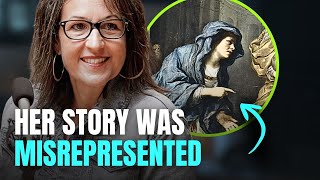
A recorded conversation (podcast/video) exploring how Scripture—especially the stories of women—reveals God’s compassion, pursuit, and restorative work toward those who are broken, betrayed, or sexually wounded. Speakers discuss reinterpreting misrepresented biblical women (e.g., Bathsheba), Jesus’ encounter with the woman at the well, and parallels between scriptural narratives and healing for betrayed partners.
Chapters
So as you study these women's stories, what surprised you the most about God's character or the way he engages with the broken and hurting? You know, you said that this really is a study about God's heart. So what were you surprised to discover as you looked at these stories?
I think one of the things that surprised me as I dug into their stories was just how misrepresented so many of them have been in scripture. I think of Bathsheba, you know, we, I grew up hearing Bathsheba. Bathsheba was this seductress on the roof, bathing naked, catching the eye of the king, you know, and, and they had an affair. And that is not what scripture says at all. And, and God's direction as he sends Nathan the prophet to David. You know, God basically says what David did was wicked. Nathan confronts David. He describes Bathsheba as a innocent lamb, you know, that was stolen. And I think I was so used to hearing man's interpretation of so many of the stories that when I, when I dug down and I saw this is God's word, this is what he's saying. His compassion, his mercy, his pursuit of the people that this world has labeled or has, you know, denigrated or said, you're, you're this kind of person. You're that kind of person. God is just constantly pursuing, going after, saying, I'm not finished writing your story. You know, this is just a piece of your story. It's not the whole thing. And I just, I, I think grace, God's grace is overwhelming in story after story after story. And his power, his power to redeem and restore and, and rescue those that this world would have just thrown away. Those, those are the things that really grip me about God's heart.
Yeah. And I even like everything you're saying to just highlight God's heart. That actually helped me in the very early stages of dealing with the brokenness of my husband's betrayal. It was like this back and forth conflict with my brain of just remembering, like, God goes after those who are hurting and broken and struggle and struggling, but he also cares about the betrayed. And my brain just felt like it was kind of teeter tottering, but it, but it helped me to, okay, I'm feeling this pain, this betrayal. That's not what God wants for me. And also he cares about my husband just as much and wants to see restoration and wants to see his shame on fall off and him to walk in the identity that God gave him. And so reading those stories helps me, I guess, just like get Back into that balanced perspective of being able to just see God's heart for all people.
Yes.
Well, it's that change in perspective that so many betrayed partners have to come to as part of their healing. Because much like the ways we've had women in scripture interpreted to us, I think many betrayed spouses feel like I'm to blame. If only I was different or better or had done whatever, this wouldn't have happened. And as they understand God's grace, for them and their story, to be able to see it from a different perspective of I was traumatized, I was abused, this was wrong. What was done was not my fault or about me. And maybe the culture or the church or people around me have implicated me in ways of like, well, how much sex are you having? And we know how harmful that message is that are just not true and not accurate. And maybe, like these stories in scripture, we need to be willing to take a new perspective to see that there's God's grace for me in the hardship and pain of what happened. And when I see my story through that different lens, God's grace can take me into it in a way that helps me heal from something that really wasn't about me, but was more something that was done to me. And I just see that parallel between the betrayed spouse and so many of these stories in scripture.
Yes.
Yeah, I know we've touched on it a little bit. But can you talk about how scripture, especially through these women's lives, reveal the heart of God toward those who've experienced sexual brokenness or trauma?
Yeah, I think we. Those who have experienced sexual brokenness trauma, we tell ourselves stories. You know, we. We say, I don't. I don't belong. If only they knew. I have to stay silent. I have to be small. I have to be hidden. And I think God says the exact opposite. He says, I do know. Like, we're thinking, if only they knew. And God's like, I know. I know your story. I know what would happen. What has happened to you. Um, and we think, you know, I don't belong. And God says, oh, but you do. Look at the people I'm bringing into my family and look at my family tree. Look at the women I'm pursuing when I'm on the earth and developing relationships with. I think kind of like what you were saying, Nick, is that God is not afraid to talk about our stories. We, at least me, I'll speak for myself. I feel like I was told my whole life. Be quiet. Nobody needs to know your story. Nobody needs to Hear this. And so it was just like every time I even tried to open my mouth, there was a silencing. And I think God is kind of like, you know what? I'm a safe place, and I want you to tell your story, and I don't want this to be hidden in the dark. And God is so. He's so freeing. And, you know, we talked a little bit about the woman at the well, but Jesus comes and meets her, and whether or not she was a strong woman or a weak woman or she had experienced loss after loss after loss, she was a woman that had been so wounded and potentially betrayed. You know, women were not allowed to divorce men, so she had been divorced by five different guys or. Or she had lost them through death or whatever. But Jesus, like, puts a finger on the most broken place in her heart. And then he offers himself, and it's like he says, hey, let's talk about this. Let's open this up. Let's look at this wound that you have, and let's talk about how I can heal it. And I think so much of God bringing these things out of us is for our healing. Like, his desire is for us to healing and not to stay stuck in, you know, these wounds that we have, but to bring healing to us. And I think one of the ways he does that is just by allowing us to find a safe place to share our story, whether that's with a friend or a counselor or a church member or somebody else. You know, he gives us these safe places where we can finally open our mouths and let the healing begin.
I think it's so significant that in that story in John 4, that is the first person that Jesus reveals himself to as being the Messiah. Yes, it's to a woman who's been broken and hurt and betrayed and is still stuck in the mess of all of that. And he says to her, really before he's even told his disciples, as far as we know, he says to her, I am the Messiah that you've been waiting for. And I think that is very reflective of the heart of God for broken, hurting people, that he. He comes to us, he reveals himself to us, he reveals his nature and character in a way that invites us into life transformation. Because she, you know, she goes back and is clearly a transformed person of, come and see the man who's told me about everything I've ever done. And. And we don't know her. Full witness to the town, but it was significant enough that the whole town comes out because they're, like, looking, saying, okay, something's going on. And I think in the heart of that, what's going on is that she was seen and she was known and she was loved in the midst of all her pain. And it gave her a story to tell that was so impactful that pretty soon the whole town goes out. And many of them believe simply because she's, like, experiencing that safe place that you talk about in a way she probably never had. And I think it goes back as well to what you're saying about the power of our stories, that when God meets us and becomes a safe place for us in our story and we feel safe enough to tell our story to others, that impacts them as well.
Yes. Yes. Oh.
When.
When I started speaking, there was a song that was really significant to me. It was a point of grace song. And they sing. I have not lived a life that boasts of anything and I don't take pride in what I bring But I'll build an altar with the rubble that you found me in and every stone will sing of what you can redeem and the chorus says, heal the wound but leave the scar a reminder of how merciful you are. And when I think about those moments of people in scripture telling their stories or of us telling our stories out of a place of healing, those scars are just a reflection of, like, what God has done. Like, look at the victory. Look at what he's brought me through to bring me to a place of healing that I can now share my story, which can give you hope, you know, that you can experience that healing as well.










