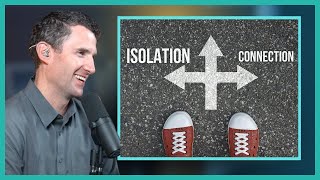
This YouTube panel-style discussion offers practical advice for couples in recovery who want to rebuild intimacy. Speakers (Matthew, Joanna, and others) recommend starting with honesty and regular, structured communication (they cite a specific "couples check-in" framework) and emphasize seeking support when stuck. They stress the vital role of community—both general recovery groups (12-step, Pure Desire, Seven Pillars) and couples-focused groups—because peers who understand D day, slips, relapses, and triggers create safety and motivation for ongoing growth.
Matthew and Joanna, we have many people who listen to the podcast because they're early in recovery. They're trying to get advice, they're trying to understand what to do. Sometimes it's easier to listen to a podcast than call a counselor or go to a group. And maybe they're, they're just trying to figure out, what do we do here? And so they've been listening to a podcast. So in that regard, what practical steps could a couple take right away to start moving forward? No matter where they're at on the pyramid, and maybe they're down towards the very bottom. What would you suggest for them to get started in this area?
One of the things that we really, we recommend for couples pretty much wherever they are in the journey, is a step. It's a step of honesty, and it's learning to communicate more openly and more consistently with one another. And so we've actually created a couples check in that has a very clear structure around some of the key pieces for starting to rebuild a healthy, safe connection. And sometimes we, we know we need to do that, but we have no idea. Right. What to actually say to each other, what to actually talk about. And so I think we really had a heart to, to help couples with an initial structure. And so it's a structure that will create safety for them as they're sharing. But they still might get stuck. Right. And we would say we want you to get stuck in some ways because that'll let you know where you need to do the work, where you have some growth areas. And we absolutely recommend reaching out for support when you get stuck, because this is really a really hard journey. And you are not alone. There are so many people who understand it, who get it, who want to walk with you along that path.
Yeah. And I just kind of echo that idea of community. When I was in early recovery, I was in a 12 step group. I was in a pure desire group. I was working through the seven pillars. I was doing as much as I could because I knew I needed people around me who got it. One of the things we experienced in our relationship early on in that process is Joanna had a hard time getting my experience and I had a hard time getting hers. So having those communities that kind of got our own experiences, but we're also still supportive of our relationship. But they wanted our relationship to work was so helpful. And I think one of the things that really hit us as we got further in recovery was how that community kind of there wasn't community for couples. And so one of our big passions has been to connect couples in recovery, especially in those later stages, because there is this kind of reality sometimes that you face of. It's hard to share my story with people who haven't had this experience. And we worked with a lot of couples there in small groups at churches or Bible studies, and they'll say, like, you know, I don't know, when they ask us about our marriage, it's a little tricky to talk about this. And we actually created a couples group program to bring those couples together. And it's amazing to watch. And they'll say, oh, it's so nice. When I talk about D day, everybody gets it right. And when we talk about slips and relapses and triggers, like, everybody in the room just understands. And so I think we really want to remind people the community that you surround yourselves with matters so much to your journey and to not forget that. I think I said, it's easy in later recovery to think, well, I'm doing so well. I don't need that community support anymore. But it really matters. It matters as you continue to move through the process, even if you're at the top of the pyramid, you need that community. You need those couples who are pushing themselves and going, let's get better, let's get stronger. And so that's something we always, always recommend.