Stories Of Healing: Nick & Michelle Stumbo (FULL EPISODE)
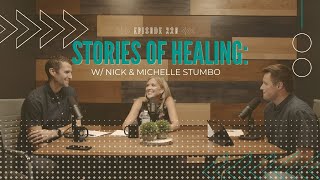
This YouTube episode features host Trevor Windsor interviewing Nick and Michelle Stumbo about their 21-year marriage marked by Nick's long-term sexual addiction, repeated disclosures, betrayal trauma, and the couple's eventual recovery through Pure Desire programs and counseling. The conversation covers how they met, the early revelation of Nick's pornography use, the deterioration around year ten, hurdles to seeking help, strategies that failed (policing, boundaries without community, relying solely on marital closeness), and key healing elements (group accountability, actions over words, empathy, and building a new normal).
Questions this video answers
September 27 (year not specified in the chunk).
21 years (anniversary noted on the day of recording).
He was in Minnesota attending seminary.
What is up? Welcome to the Pure desire podcast on YouTube. Lives and relationships are being destroyed by unwanted sexual behavior and betrayal trauma. Our goal with this podcast is to have weekly conversations that give encouragement, experience and expertise on how to take your life back from the effects of unwanted sexual behavior and betrayal. We sit down with Pure Desire staff, addiction and betrayal experts, and other voices in the recovery world to help you take back your life from the effects of unwanted sexual behavior. My name is Trevor Windsor and I am the host of this podcast. If you enjoy the podcast, please like subscribe and share it with others. All right, here's this week's episode. Michelle Stumbo, welcome to the Pure Desire podcast.
Thank you.
We're really excited to have you, Nick. Maybe a little bit more excited to have you on the podcast. But like this is something we've been talking about for a while. You know, we have some listeners who write in and have asked to to hear our stories. I mean we know Nick, you've written a couple books and people get you guys story through that. You guys have been focused on the family. Just a, you know, plug there, go listen to that episode. It was great.
And I did share my story in episode one or two. It was one or two. We did my story.
Yeah, yeah, yeah, that's true.
And that was like a long time.
That was, let me count. That was 225 episodes ago. Yeah. So this was something that, you know, over the 200 episodes people get bits and pieces, but just thought it would be cool to have you come in and sit down and you guys anniversary on the day of recording. Congratulations. 21 years. Trying to think how old I was when you got married.
I don't. I already feel old enough, so.
Yeah, but we really did just want to give an entire episode like I'll just be asking you guys questions. You're not even really my co host today, Nick. So I just wanted to ask you guys some questions to really hear your story because I know it is powerful and there are a lot of people who resonate with it. So why don't we just start how you guys met when you first held hands. What was marriage like before? Because we know that you guys had sexual brokenness. Enter the marriage addiction and betrayal happened. But what was marriage like leading up to that?
Well, I was in high school and flew out to this college called Crown College and I visited Shout Out.
Crown College.
Yeah, good college. Visited a class and behind me was this guy just trying to be hilarious. And I was like, eh, he's kind of cute.
Performer. Get Noticed pretty girl.
Yeah, totally.
But he slowly noticed me then. Then I flew back to Washington where I was living at the time, decided Crown was right for me, flew back out and started to attend Crown. And he was there doing football and made his way into all the new Student days activities. He just kept showing up. I'm like, hey, there's that.
Nor was I on the new student days committee, but.
So you were.
Ah, he was starting.
I was looking for that girl in Tacoma, Washington.
Recon. Yeah. Nice.
So we kind of had friend groups, we hung out and we started dating September 27th. Dated for three years, then got engaged, got married. Good times.
That's what's unique in our stories. We really entered marriage with an awareness of the sexual brokenness. Because when we were engaged, we were at a chapel and the speaker talked about, you know, your spouse to be should know everything before you get married and don't wait till after because that's kind of manipulative to reveal things after you're married. And I felt convicted by that. And so we went out for coffee and we didn't even go in the coffee shop, but in the car that night I just kind of. I laid out my struggles with pornography and acting out sexually and just my whole kind of sexual history, so to speak, and felt like she needed to know. And so from the get go, she was aware that that was there.
What was that like for you sitting in the car?
That was terrible. I was like, what? Because he was just like. I just never thought he would struggle with that. I'd heard a couple different guys in chapels share about their struggle with that. And I was like, oh, I'm so glad Nick doesn't struggle with that. But actually that was really, really hard. I just felt like I was punched in the gut a little bit, like so surprised. And then I was like, do I just get out and walk away? But then I just kind of naively thought, well, all guys struggle with this. Once we get married, it'll be fine. Like it's not that big of a deal. Yeah, but then, but then it was a huge deal.
Yeah.
So talk about that. Like when did sexual brokenness really start to like, impact? When did it really start to fracture and make things rough in the marriage?
You know, I remember that night in the car when I shared my story and she asked me, she's like, well, why don't you just promise me that you'll never do those things again? And I remember saying, I want to make that promise and I'm going to try really hard But I know myself, and I feel like I've made that promise before, and it just. It kind of creeps back in. And so, you know, I'll do my best, but I don't know if I can make that promise. And what's scary looking back is it didn't even occur to me that I was acknowledging addiction. I was acknowledging a behavior in my life that I didn't want, she didn't want, but I didn't think I could stop. Right. And so I wasn't under the pretense that, like, marriage would magically fix it, But I think I just felt like I would grow, I'd mature, it would go away eventually because I didn't want it in my life. And yet it was only a couple of months into marriage that alone in an office, I found myself looking at pornography. And just the shame of, like, I have this beautiful wife. Marriage was good. I mean, we had our normal kind of first year bumps in marriage, but it's like, how could I possibly do this? And I think because of that guilt, eventually got the nerve to go to her and say, I need to be honest and share something.
Yeah.
That I had fallen back into her.
Not a great phrase to hear. Right? We know that. Yeah.
Yeah. So it was year one, he started to share, and Nick really liked to get everything out there, so he just kept sharing. It was never. I mean, it was a secret for a little bit. Like, he'd have, like, three months or six months or a year, and I'd be like, oh, maybe. Maybe he's good.
And then it's better.
Yeah.
Inevitably. Always kept showing up. So it was like year 10 where it got really tough.
Yeah.
So what, like, what happened at year 10? Like, what was different from the first nine to then?
That one, I think just, like, the hope was gone. Like, he's never gonna change. Like, he's never gonna find freedom. And I just, like, the hurt, like Diane says in the book, like, the repeated disclosure is like a rape victim. And I think, like, it just had taken too much of an emotional toll that I just was like, I don't really like you anymore. Like, I planned to stay married. You know, we had kids, and I was just like, but this is. This is too much. Like, I just couldn't take it anymore.
So did you just come with him with, like, one day you're just like, look, I'm done. Like, I can't keep doing this?
No. He had had a. He was in Minnesota doing seminary, and he called me and told me he messed up. Out there. And I was just like, I don't.
Think I called you. I think I texted you. I didn't have the courage. I was. So. Yes.
Oh, my gosh.
Afraid and shame filled. I sent you a text or something like that.
Yeah. Then we talked.
Yeah. Yeah. Eventually.
Yeah.
Yeah.
Wow.
I think I might have hung up on you too.
It was a. Yeah. I think that's what happened, you know, that there'd been that process of every six months, couple times a year. Hey, I'm still struggling. I'm so sorry, you know, And I would do the typical addict thing of use all my words to fix it. And I, in my denial and rationalization, I was trying to be sincere. I mean, when I said, okay, this is the last time, I truly hoped it was, but was I doing anything different? Did we have any tools to change? Like, I didn't know what else to do other than to just, okay, this time I've really figured out, you know, how I won't go back that way again and it'll be different and then it wouldn't be. And I think around year 10 is when I noticed a change in her demeanor, that it was like something in her was shifting, that it wasn't just like, okay, I forgive you. We'll work through it. And not to ever say it was that easy for her to forgive, but there was, I would say, a hardness behind her eyes. It was like, wow, I'm jeopardizing my marriage over this thing that I've said is no big deal. And yet I still. That was when I'm away at seminary. I think going into that relapse, I even knew this could end my marriage and I still relapse. And it was just like, something has to change or I'll lose my marriage. And I felt like, and I deserve to because I've made this promise so many times and it hasn't changed. What right do I have to expect her to stay at that point? Yeah. And then that's where we. Even then, though, we didn't know what to do other than like, okay, yeah, this is kind of do or die. And then thankfully, God led us to pure desire a couple months later.
And just for some context, you were pastoring at that point, right, the whole time? Yeah. You were pastoring at a church, which, I mean, that has its own right. You got trying to keep kind of a clean face for everybody. And so the pressure there too, so. And I've heard you talk about this, this story, this piece for sure, but that introduction to pure desire And I know you had a really meaningful conversation with a mentor that kind of helped bridge that gap.
Yeah. We were at our district conference and heard our district leaders, in a very still rare and uncommon step, say, we want to help pastors who struggle. And if your behaviors don't involve other people, you know, physical contact or illegal things, we want to work to keep you in ministry so you can thrive and not just fire you because of this struggle. So we've got this program. And I sat there thinking, boy, I hope the guys who really struggle are listening, because that wasn't me. I was two months into this new era of, like, man, build the wall around me of boundaries, so I'll never look at it again. I think I'm good. But thankfully, Michelle was at that same conference, and her reaction was a little different than mine.
Yeah. When I heard them start speaking, I was like, this is it. This is the answer to my birth. This is what's going to work. This is going to save my marriage. And I just sat there, like, crying. And he looks over and he's like, oh, I think I'm going to get to do this.
I remember there was, like, a prayer time at the end, and Michelle had gone forward for prayer. And I was like, what's she. And talking about it afterwards, it's like, she's like, so you're gonna call that? Cause there was a contact person. This was the mentor. Are you gonna call him? And I was like, oh, yeah, I guess I could. And so I went down. And again, just so stuck in my own denial. The fog of minimization. Spent the better part of an hour telling this mentor why I didn't need the TED Program. That's what I called it back then. And he asked those three critical questions of, okay, Nick, that might be. But he said, you know, how long has it been in your life? How many times have you tried to stop and is it causing you or people you love significant pain? And, you know, my answers were, you know, it's been in my life since I was a teenager, so we're going over 15 years. I've tried to stop repeatedly, and it keeps coming back. And I said, I think if I don't stop, I think my wife will leave me.
Yeah.
And he said, okay, Nick. That's the clinical definition of an addict. You know, I remember sitting back, like, he had just punched me because it felt like a gut punch. Like, whoa, whoa. I'm a pastor, and I'm sincere about my faith, and I'm not living a double life. And I didn't have this hidden stash or people that I was living a double life with. Like, no, I'm doing what the church taught me. When I sin, I confess. And I'm working really hard to change. I'm not an addict. But it was like, oh, that actually started to explain some things. And that's when we. Later that month, I think, went down to pure desire as a couple for a full day of. Of counseling together.
Wow. Yeah. And that day, I was again, it was like the second day. The first time was the initial conference, but, like, talking to Ted and Diane and just listening to everything they said, I was like. Like, I just felt like a whole huge weight was, like, being lifted off, and there was, like, a little bit of hope, like, this is gonna work. But I think Nick was still like.
I don't really need this.
Absolutely. Absolutely. Well, and, like, so that tends to be. And our clinical director, Tyler, has told us about this, that more often than not, it is the betrayed spouse. That's the one that reaches out, that wants to start that healing process. They're the one who's obviously more ready to start. But when we get into that, we ask this question every time we do a Stories of healing. There are hurdles. There are things that get in your way. Whether it could be family of origin, it could be how far away a group is. It could be all these things. What were some for you guys that you felt like were real hurdles you had to work to get over to really get traction for healing?
I'm sure there's a ton. The first thing that comes to mind is I actually was, like, kind of upset that I had to go to group because I was like, no, this. Like, he needs it. Like, I have kids and, you know, all that little, little kids. I was like, I don't have time to do a group. And then the homework was kind of intense. So I was, like, kind of an angry person for a while until I saw, like, the benefits and what it does. Right. That was one hurdle at the beginning.
Yeah. I mean, honestly, that excuse for me, too, of we're just so busy. We got young kids. I was a high school cross country coach in addition to being a pastor and all the meetings that come with that. It's like, you know, I said to Ted and Diane Roberts, like, well, can't we just meet with you and that be good enough? And they're like, no, you need a group. You need community. And. And I think also that fear of, I am a pastor and nobody knows about the struggle at Least publicly. I'd had a couple of conversations with my elders, which, honestly, was a huge key factor, because their awareness that that issue was in my life and that they hadn't fired me, I knew there was some grace there to approach them, so that really helped it. But there was still that shame factor of, like, if I'm a pastor and I go into a sex addicts recovery group, it felt like saying, I'm a failure and I'm not good enough. And that was a huge hurdle for me because it's like accepting failure and defeat. And as a three on the Enneagram, that's the last thing any of us want to do. So just kind of getting to that place of going, well, Ted tells me I have to go, and my wife seems to want me to go. So I think that was just the big hurdle of accepting that I fit into the category of the person that needs this group and kind of getting over that shame. Yeah.
There's another hurdle to the, like, timeline of growth. Like, he. I didn't know everything that goes on in his head or, like, all the recovery that was happening. I just, you know, could see his actions and his words. And so the healing was longer for me. I was still like, more like, well, the shoe's gonna eventually drop. Like, it's gonna drop. I didn't just know it's gonna drop, but then it didn't. But, like, so he was so, like, proud of himself and, like, feeling like, on, like, way up here. And I was. I'm crushing it.
We were doing so good. Yeah, totally.
Like, okay.
Yeah.
It took about two years for me to fully, like, be like, oh, this is working.
Yeah. Yeah. You know, I've said it on the podcast before that she couldn't see what I was no longer doing.
Yeah.
My addiction were things I was hiding from her and she didn't know about.
Right.
So to feel proud that I'm no longer doing the things you didn't know about before, it's like I. I look back and go, man, Yeah, I was really looking for kudos in all the wrong places. But I think it was for her and for I. The message Diane gave us a lot was, don't trust his words, trust his actions. Because I had used my words and because I'm eloquent and can make a good case for, hey, here's why you can trust me this time, and here's why it's different. That was my go to. And for both of us to just go, words aren't going to be enough to Fix this. It will have to be action consistently over time that will bring her around to seeing. I think this time really is different. It's not just more of the same. Yeah.
So there's a lot of. A lot of people who are listening. And I love this next question, because this next question is, what are some strategies you tried that didn't work? And I think that this is great because this is a place where we can kind of call out some of those old, like, behavior modification and just the, like, slap Jesus on it and everything will be okay. So for you guys, what were some of those strategies that you had tried? I know we've kind of already talked about some of them. But, like, what didn't work, and why do you think that doesn't work?
The first thing that I can think of is policing. Like, I was unaware that being his accountability partner was really bad for you, probably for me.
Yeah.
Yeah. Because I think. I don't know much but about the brain. But I think for men and women, we're different. And so, like, if I read something in his report, like, I. I remember everything I've ever read in his reports where he doesn't remember, you know, so, like, yeah, way, way back, 21 years ago. No, she has a diary.
It's like.
I don't know. I, like, I just have all triggers from all those things.
That's trauma. Trauma causes you to remember things.
Yeah.
And he's like, what are you talking about?
Yeah.
So I think, you know, having that was just not good for me. That was. I don't.
Yeah, I don't know. Yeah. I think for me, there was a couple things come to mind. Like, what I would call boundaries without community. So, like, boundaries of. I've got all the accountability software and, you know, we won't have a TV that I watch alone, and I won't use my computer in a private office. Just boundaries, boundaries, boundaries. But there was no, like, understanding of what was driving my behavior or people that I could be honest with. It was just thinking I can somehow isolate myself enough that I'll never see it again. And honestly, I think that's kind of what a lot of us heard in our Christian upbringing is if you struggle, you know, bounce your eyes. And so for me, it was kind of the glorified outcome of bounce your eyes was just keep it all so far away from. You'll never see it. But that was impossible because sooner or later, there would be cracks in that armor, whether it was my emotional state of mind or access to something that, because none of the heart work had happened. I would find myself when those opportunities would present themselves, like, oh, I wasn't prepared for this, and it would suddenly become an excuse. So that's one thing I would say. Another strategy that I would say didn't work. And this might sound counterintuitive at first, but I think my other go to was I'll just work on the marriage, because if we have a strong enough marriage, I just won't want those things. And it kind of goes into that classic idea that, well, my sex addiction or my porn addiction, because that's what it was for me was the pornography that it's about sex. And if I'm just fulfilled in my wife and in our relationship, whether physically or emotionally, mentally, like, then I won't need it.
Yeah.
And that's a good idea. And it's also, again, what I think our upbringing in the church teaches us, like, well, just be satisfied in your wife, and you'll have no need for anything else. But was totally blind to the reality that my addiction had nothing to do with sex. And it actually contributed to the shame because there were times when I felt like our relationship, both physically spending time together, was at some of its best, that within a day or two of that, I would be acting out with pornography. And that shame of, like, here God has given me this wonderful marriage, and I just go and, like, throw trash it. What is wrong with me as a man that I would choose that? So I think, looking back, though, that it's always wise to invest in your marriage, but believing that that would somehow fix my struggle, there was just a disconnect because the two weren't actually as related as I thought. So that was a big one, I think, to come to terms with.
Yeah, that's so good. I think some of the previous conversations we've had on the podcast, like Sheila Ray Gregoire, we've had some conversations with her about what that does, that narrative. We even had a Mythbusters episode a while back about guys needing sex every 72 hours and. And what that does to the spouse, like, what that also communicates. Because then, I mean, and I'm not sure what your experience was, but, like, if the sex life is healthy and you do have a healthy marriage and he's still acting out, then it becomes what it's something I'm doing wrong.
Yeah, yeah, yeah. I think I internalized a lot of, well, there's something wrong with me something. And, you know, I had 100 things that were probably in my mind why he acted out yeah, yeah, yeah.
And that was another strategy, I think, that didn't work because I would hear her say those kind of things, and to me, it'd be like, oh, she just doesn't understand the struggle. And to try to assure her it's not about you, and you're so beautiful and you're so great, and you're a wonderful wife. Thinking that, like, somehow that would fix it.
Right.
When I was really blind to the reality that, no, that was her reality. That was how it was making her feel, and that her feelings were completely natural and to be expected based on what I was doing. So it didn't matter how it made sense in my head. It was like, that was her reality. And part of the. You know, I think the difference between back then and what we've experienced in the last 11 years of our marriage was just that willing. The willingness for me to accept that is her reality. And rather than telling her she's wrong to accept that reality and say, okay, how can I work on helping and not being a part of that problem?
Totally. So I want to ask you guys this question, both individually and. Michelle, I want to start with you. Like, you talked about how. No pressure. You talked about how you didn't want to go to group. Like, why do I have to? You know? And we have so many betrayed spouses who feel that way. So for you, when did it finally click that, oh, okay, I see why I need to go to group and why healing is so important for me as an individual.
I think. Well, I had to do book one twice. Well, it used to be three books. I know. Now it's just one book. So it used to be three books. And so I did book one, and then Diane was like, I think you're still, like, numb. So I had to do it again, which was just like, no fair. So I really think it was book two when it started to dive into, like, my own growth and my own healing and realizing all the areas than I needed to work through or, you know, family origin of trauma and stuff. Because I've realized when I started to become a more healthy person, then I was a more healthy spouse. And I feel like that's where the real shift and change started to happen. Yeah, we learned how to communicate, which I thought. I thought we were really good communicators.
Totally.
Yeah. Like, we were the best communicators, because we did. We had a great marriage. Other than this one little. It was great. And I would say that to myself all the time. My journal is like, everything is great. Except for this. And you know, just destroys you. I lost my thought.
No, it's good. I mean, and then Nick, like, you, like, when did it finally. Because again, thinking like, more sex with my wife. Healthy marriage, these things are going to work if I just confess, if I just bring it to the Lord, like, when did it click that it isn't those things, that there's more to it.
Yeah, I think for me, a real clicking moment. And I've shared it before, but just that group experience of initially going to my group and being like, this is dumb. I don't want to tell people, I don't want more friends, I don't want to hear their stories. Like, I just want to get better. And so kind of, you know, going through some initial groups of just trying to endure it, but listening to men share in ways I had never heard and then being invited to share, you know, and sometimes just reading my answers and being like, I feel so stupid saying these things. And here I'm a pastor and now they're going to be, you know, rolling their eyes and I would share things and the group just like, man, thanks for sharing and we're so glad you're here. And it's so cool that you're in this group. And I'm like, what? Like, because I had never done anything performance wise for them, I'd never preached to them, led them, like, all I'd done was come and share my garbage. And they, they accepted me. And a couple of months into that process of realizing, because every Thursday night we would load up our kids and get in our minivan and drive up to our group night. And it was a pretty major effort. But I realized one of those nights as we're driving up, I'm like, I've been looking forward to this all week because it was the only place I felt I could actually be, that I could let my guard down 100% and just be real. And that in sharing my story, it was changing me. And so I think that clicked of I finally realized why just trying to beat it on my own wasn't working because I was stuck in so much blindness and inability to see my patterns. And when you start to share your story and say things out loud in a group, some of the like, aha, or I would say duh moments were like, how have I not seen this before? Like, this pattern is so obvious. But that's really where I think the fog of denial. So this is the other thing I'd say where it clicked is as that fog of denial really I think started to lift through group and hearing other people's stories. There was a lot more empathy in my heart where I started to realize, like, the truth of how I was making her feel and accepting that reality and not trying to kind of hide behind, well, I'm such a great husband, so why is she mad and think we should be okay, but to accept that, no, I've really deeply wounded her, and I have to do a lot of work to regain that trust. That took a while, honestly, to get to that point, but I think it came because of the honesty I was invited to have in group to start to work through all that denial.
And I think being in group helped me hear other women because I was a pastor's wife. So I had no one in church to share with.
Totally.
So I'm like, who do I go to? There was no one to share with. So having that group of women to share with, but also for them to put into words what I was feeling then. I was like, oh, that's what I'm feeling. And then I could go like, hey, babe, here's what I'm feeling.
Yeah. Here's why I'm so mad at you right now. Yeah, totally.
Whereas before, I'm just like, so was.
There a moment, like, as you watch Nick go through the recovery process, as you're getting your own healing as well, was there a moment where you're like, okay, things have changed? Like, you kind of realized there is hope our marriage is going to be okay. Was there a moment for you that you realized that?
I think it was, like, year two, when the shoe didn't drop ever. I was like. And he just changed. Like, I don't really know how to explain it, but, like, he changed. He saw me differently. It was. I. I don't. I don't know how to explain it, but I could tell he was changing. His actions were different. I had faith in the accountability or the pure desire groups that they were keeping him accountable. So I, like, every year with less and less, like, worry, because it was like this haunting, like, totally.
Yeah.
Thing.
Yeah.
Always, like, every day he'd go to work, and I'd be like, hope he doesn't mess up today. You know, Like, I can't handle it if he messes up.
Was there a moment where you saw it in her? Like, you're just like, okay, we're locked in now. Like, we're headed. We're gonna be okay.
Yeah. I don't know if there was any one moment. I definitely remember going through kind of the Process of this is taking a lot longer than I thought it would. And I would bring that up and in conversation to say, you know, I feel like you still. Still don't trust me. And I've worked so hard. And, you know, I look back and just realize I needed to be more patient because there were. On the flip side, there were signs of, like, wow, we're headed in a new direction. You know, what I talked about earlier, seeing that hardness in her eyes of just like, wow, I think she really doesn't like me. Like, that was gone. There was a new depth to our communication, like. And I would say in that communication, she was opening up in ways I hadn't really seen her before. And so that was, I think, the byproduct of her group experience and getting more in touch with some of her family of origin issues and the wounds that she'd experienced in life and she hadn't really known how to process. With me, it was connecting at that new level. It was like, wow, we're like, now we're really connecting and learning what intimacy is, honestly. So, again, I don't know if I could say, well, there was this one moment, but it was a lot of those conversations that. It's like, oh, that. We've never really had a conversation like that. That. That didn't end up with her either her stonewalling or me feeling rejected. Right. We kept working through something and arrived at kind of a better place. And that gave me a lot of hope, I think. Yeah.
And I think it's important for our listeners to know that it might not just be one moment where it's just, boom, there it is. But it is, over time, you just start to feel less and less afraid, and you feel more and more confident in your marriage relationship. Okay, so for both of you. Nick, we'll start with you with battling through addiction. What are some key elements you found on your journey to really finding that healing from that struggle?
Yeah, I think we both mentioned just the group environment of, you know, having people that you're honest with and able to tell your story and be real. That that's, I think, just. That's not like something we did for a season. That's a new way of doing life. And to me, that is a big part of a key healing element, is not just looking at, okay, what do I have to do to get better? Or, what do I have to do to make her happy? But really looking at, okay, what is my new normal? And so I think now my life is less about, like, well, what Are my guardrails or boundaries and just more what are the norms of how I do life? And I think that really does support long term healing because I am still human and I'm still sinful in the sense that I'm not perfected. And so I have to be aware there's patterns that could easily reemerge. And just the ways I use the Internet, where I take my phone when I watch tv, those things long term are changed not because they're on a guardrail list. Just like that's just not what I do. And so I think for all of us, it's looking at what does that new normal look like? And then I would say the other piece is just the new normal of our relationship. The commitment to connecting on date nights, of being real with one another. Because, you know, we're going through new seasons now as parents, like of teenage daughters. And that's a whole new ball game of when we went to healing. Healing. Yes, we do.
We pray for you.
Like there are brand new stressors. Okay. This is new. And to just realize we're in it together and we're going to have conversations and we don't have to be perfect. I think that's honestly a key to healing is just to continue in some of those patterns that you learn early on. Yeah.
So what about betrayal trauma for you? Just that experience. What are some things you found are some key elements? Like maybe a woman comes up to you and says, this is what I'm going through and you're able to kind of give her. Some of here are like the pillars, if you will, of finding healing from that.
A lot of times the biggest, I feel like the thing that's helped the most is sharing with the ladies Nick's boundary list. Because it's. We don't want to like, it's really hard for us to. To do that, like boundary list or the action plan. Because we feel like sometimes we're like parent to our spouse. And so I can share that list with them and they're like, oh, okay. And they can see it like, okay. I know that's really been helpful for us.
What do you like? Because there are a lot of women, again, that felt like you did where like group. That's not for me. What encouragement do you give to women to join a betrayal group?
I just know it works like your story, right?
You share your story.
I can share my story?
Yeah.
Like you can share your story to them and then that invites them into that.
Yeah, yeah. Sorry.
No, that's good. It's okay. No, I mean, you guys like. It is he shares a lot of stuff that you also probably feel the same way.
Totally.
So. All right, so you're a pastor. Pastor's wife, have probably what you guys hope, you know, looks like the perfect family type of thing. But there's all this going on. You're going through healing. This is such a private thing. Like, we don't have a lot of people stand up. Like, I'm super excited to share about my husband's addiction with everybody, or, you know, like, here's my struggle. So what kind of gave you the courage and what really created that opportunity for you guys to start sharing your story?
Yeah, Ted Roberts made me more or.
Less that could be an answer for all these questions, right?
No, I, you know, I was ready to just, you know, get better and move on and not make a big deal of it. But. Yeah. And I've shared this on the podcast several times that his encouragement of saying, if you struggled with all the advantages you had in your life of a good family and of being a pastor, you know, how many of the men in your church do you think struggle? And if. If you act like this isn't a problem for you, are they going to get better?
Yeah.
Versus if you open up, what will happen? And that vision of, yeah, there's a lot of people that are hurting, and this could make a difference. And so it was. That's definitely a big jump between she and I going to get counseling alone together.
Right.
Versus standing in front of my church and sharing our story. But it just felt like the right thing to do because of that vision of how it could impact our church. And it really, truly was amazing, how I say overnight, but it literally was almost overnight that men and women are coming to us, sharing their story, groups are launching. I mean, it just changed because the senior leader is saying, I've had an addiction to pornography. I'm on a healing journey. Would you come with me on? And was like, oh, you know, Katie, bar the door. Now it's anyone who wants to come in, it's safe. And it just made such a huge difference. So we got to obviously see the results in a good way. And I know not everyone will have a church environment like that that some have told me they've shared. And they did get a lot of blank stares or people like, oh, you know, we don't talk about that here, but for us, it was just what God led to. And that's not to say every person needs to stand in front of their church, but I do think starting to share with others for the impact can have on them is a big part of our healing. And I know that weekend at our church, in fact, I've written blogs on it that I will title the blog my Wife's Favorite day because of how that impacted her. And I hadn't even thought of it going into it. Typical selfish male. I'm thinking about, okay, this is nerve wracking for me to share my story. Not even thinking about this is really for Michelle, the first time the door would be open for her that people would know my story. So you want to talk about that day from your.
I mean, I was a little nervous. Like, what if everybody runs out?
Totally, totally. Yeah.
Oh, my word. But I was so proud of him sharing and just excited. And then women started coming to me and they're like, I'm so glad it was you. And I'm like, what? Just because they said, you know, Nick and I, they love us and they know us. And they said, because it was you, my husband can't say, well, it's like, just because you don't look a certain way. So I was like, well, oh, you're welcome.
So glad to help.
But yeah, it was just, it was a really good day because I then had women in my own church that I could start groups with and when.
You weren't carrying that burden of a secret.
Yeah.
That you couldn't tell anyone about. Because it was my secret.
Yeah.
Right. And I have noticed that with friends, like, throughout the years of being involved with pure desire, that there is this. And I don't think it's a bad thing, but the desire of any betrayed spouse or any spouse in that situation where they have an addicted spouse or a spouse struggling with something really, really painful that they want to protect their, like, their reputation. And I don't think that that's bad, but I think that sometimes that comes at a cost of that spouse where you feel suffocated and you can't share with anybody. And so there is a freedom to actually being able to share that with somebody, maybe not your whole church, maybe not to get up and say, hey, this is husband dea, you know, does and struggles with. But still having that opportunity is really helpful.
Although over time, it's like gospel. Pure desire, like, those are the two things.
You heard it here first. So obviously, you know, Nick, people know you're the executive director here. You speak, you've written books, you know, you guys have gotten to share your story on other platforms and podcasts as well. But what Would you say as a married couple, this has given as far as ministry is concerned? Like, what kind of ministry do you guys have now because of the struggle you guys had.
You know, things that you already mentioned. But the, the way that we have in different places been able to share our story together. You know, I think that always impacts people because they say, well, we've, you know, we've often heard a guy share a story, but to hear the wife's perspective, to see a couple sharing together, that's been impactful. And I remember just having a sense from the Lord early on. This, this sense of, if, if you will share your story, I'll be faithful to use it. And I feel like every time we share our story, someone's impacted by it. And I really think the best level is when it's happening. You know, someone that contacts us online or someone through our church, getting to have that personal interaction still, you know, even as the director of Pure Desire, it's still those one on one connections that I think you see most directly, like, wow, this really impacts people. And that's important. And I mean, the other thing I'd say is really the ministry within our own home of the way we raise our kids, you know, that's not to say like we sit them down and talk through Pure Desire, but just the level of conversation, the openness we have about marriage and sex and pornography and culture, like, those were all the things totally missing. In my family, even though we had a great family, just it kind of naturally comes out, you know, as I said with our teenage girls, like, we're having those conversations and it's not just, well, you better not do this because this is evil. Yeah, it's, it's the ability to talk about, well, why is this dangerous? What does this do your brain? What, what is maybe a young man thinking who's interested in you and how do you know if he's sincere or just, you know, looking to meet some of his brokenness? It just has made such an impact. So I see that as a big ministry that we have to our own kids because we're free to tell our story.
When Nick was a pastor and I was his wife, I didn't really feel like we were in like ministry, like together ministry. It was more like his ministry and I'll support him. But I felt like when we decided to come to Pure Desire, it was going to be both of our ministries because I just feel like I can help women. Totally.
And you are.
I felt like it's together ministry instead of just One. So I was excited about that. It's been great.
That's cool. So let's say we've got a couple who maybe they are, like, in the discovery before recovery type of situation, and maybe someone is like, right in the thick of the recovery and healing. What would you say to people out there just to give them encouragement?
What would we say?
What would you say?
It works. They're in the thick of it. I don't know. I'm trying to blink.
I think what comes to mind for me today? I mean, I've answered this question a lot of different ways on a lot of different podcasts, but in telling our story again today, I'm just thinking back for how much I needed to have a mindset shift from just what is this doing to me? My own shame. Why am I doing this? To really begin listening to my wife, and I think that was a big part of our recovery as a couple, was my wife felt listened to. She felt heard. She felt like when she said, this hurts me or this makes me not trust you, rather than me justifying it and telling her all the reasons she was wrong, I would listen to and not, I mean, not perfectly. There is still a part of me that wants to defend myself and stick up for myself, but it's like, okay, I've got to listen. I've got to change that defensive posture of performance and being right and really just learn to listen and be humble. I think that's maybe the biggest thing I would say to someone listening. You might be so focused on, I've got to change this behavior or we've got to change our marriage to just go to that mindset of get. Get your eyes off of yourself or your self justifications and really listen. And really, you know, we talked about it on another podcast with Harry. Really practice empathy. Really try to enter into their reality, because whether you believe it or not, it is their reality. And their reality is dictating their experience in your marriage and in life. And so the more you can enter into someone else's reality, the more opportunity that you'll have to connect and to grow together. So that's just something today I'm reminded of as we share our story again, how important that is.
And I think, like in the women's book, it starts off with a little bit of the husband's struggle, but then it's a lot of, like, dealing with your own stuff. And I feel like that is, like, really, really helpful to your marriage because if you both are in the group and then, I mean, he can do what he's gonna do. Right. But like, you can get healthy for yourself and then help the marriage become healthy. And hopefully he will do the work. But I feel like you can be in group and get healthy, not, you know, no matter what the spouse is choosing to do, if that makes sense.
Yeah, yeah. And you've. I mean, you've definitely led groups at our church with both where there's a spouse in there because their husband's in seven pillars too, and the spouse that's in there because the husband is checked out or still addicted or gone. And. And you've watched both sets of women really grow.
Yeah, yeah, yeah. That's cool. I. This episode was fun for me. I mean, I like, I know you guys story. I've heard your story before, but it's cool to just like, in some ways we're getting like an inside look. I mean, people see you on the podcast all the time, but it's like now we get to see the other half. We get to see the full marriage. We get to hear from both sides. And again, like, you know, all the episodes where we do stories of healing, like, are just. Our stories are so powerful and there are just these differences and these nuances to it that I think can hit specific people in really helpful ways. So I appreciate you guys honesty, vulnerability, and I know you're practiced at sharing your story, but it still felt super conversational. So thanks for just spending time doing it.
You're welcome. Thanks for having us.
Absolutely. And wherever you're at on your journey, Pure desire is here to help create a roadmap for your healing. If you or someone you know is impacted by sexual brokenness or betrayal trauma, go to PureDesire.org and let's start the healing journey today. Don't forget to subscribe to the podcast. Each week we put out new content to help you on the road to freedom from the effects of sexual brokenness and betrayal trauma. And lastly, never stop being healthy.










