What is Godly Sexuality? W/ Joshua Broome | Ep. 467
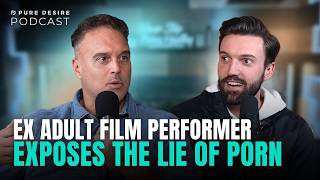
In this third installment of the five‑part "Porn Proof Life" series, host Nick Stumbo and co‑host Jon Begum interview former adult‑film performer‑turned‑Christian speaker Joshua Broome. The conversation moves from a biblical definition of "godly sexuality" to practical, relational dynamics within marriage. Broome emphasizes that true sexual intimacy is rooted in a heart posture of humility, prayer, and honest communication, warning that unasked questions and unspoken expectations become spiritual blind spots. He critiques the cultural misconception that the "marriage bed" is merely about physical actions, insisting that the quality of the heart and the willingness to ask difficult questions are essential. Using a counterfeit‑bill analogy, Stumbo illustrates how a deep, experiential knowledge of God’s design for sexuality enables believers to recognize and reject artificial, porn‑driven substitutes. The episode also touches on recovery processes—confession, consecration, and identity‑finding in Christ—suggesting that sexual worth is not derived from performance but from the value God places on each person. Listeners are encouraged to pursue a vision of the "real" God‑intended sexuality, to engage in gentle, prayerful dialogue with their spouses, and to withdraw from counterfeit influences, thereby allowing God’s goodness to transform their sexual lives.
Chapters
Hello there, good listener. I am your host, Nick Stumbo, and you are listening to the Pure Desire Podcast, your biblically-based and clinically informed approach to healing from betrayal and breaking free from all forms of compulsive sexual behavior. And whether today is your first day in recovery or your 10,000th, we hope that you will hear life-giving conversations that maybe you've never had the chance to hear before. Today is episode 467, and here joining me as my co-host throughout this series is the one and only Jon Begum. And Jon, welcome back to the podcast.
Thanks so much. Always honored to be here. Such— yeah, such fun. These are incredible conversations.
No singing, no choruses. Like, I've kind of gotten used to that.
Yeah, I mean, with Joshua Broome as our guest today, you know, I'm like, what songs are about pornography? I'm just kidding.
Yeah. Oh, it was— it was powerful. Today is part 3 of 5 in our series on the Porn Proof Life. And today we had a conversation with him about godly sexuality. How do we just connect our faith and our spirituality to our sexuality, which so many of us haven't really learned to do, even if we grew up in church. So I thought it was an awesome conversation. What did you take out of today's interview with Mr. Joshua Broome?
Yeah, maybe for— if there's listeners in our audience who are like, I've heard his story before, or man, like, you know, what does he have to say this time? I think what I'm so grateful for with Josh is that he continues to build out, just whether it's from a teaching standpoint or preaching standpoint, and I love that he lives in Dallas. It sounds like you'll hear on the episode that there was some geographical reasons for that, but like, I just feel like he's so saturated in like a really beautiful Christ-centered community. He's learning and growing and has so much to offer. And of course, is speaking and traveling often and engaging this conversation. And it's so much more than just his story from being in the porn industry to now being on the other side as an advocate, you know, for healthy sexuality.
Yeah.
He's a well-rounded, incredible thought leader, and yeah, it's just a really engaging conversation.
Yeah, I know we've had him on the podcast before. We focused more on his story, and today really wasn't that. Today was more like, what have you learned and what are you doing now? And I think that's what I appreciate about Joshua's story is that he kind of lived the ultimate extreme of the fantasy life, the porn industry. Like, he's been there.
He was it.
And now he's on the other side of it following Christ and preaching the gospel. And the dynamic there that he's able to see, like, no, I've lived all those things that maybe you're tempted to believe or fantasize about, like, "I've been there, done that," and it's not what you think.
Yeah.
That God's way is better, God's gift is better.
Yeah.
Godly sexuality is better. And I think even if, you know, we've never been tempted, like, to be in the porn industry, his clarity of thought on this, of understanding where is God at in our sexuality and where do we see his goodness, I just think will be really compelling for everyone who listens today, whether they're male or female, the struggler, the betrayed spouse. It's really going to help us understand the true nature of godly sexuality.
Yeah, definitely worth a listen. Grateful for his voice, grateful for, again, the way he keeps learning and growing. There's so much more to this conversation.
Yeah, you're going to love it. So a little bit about Joshua Broome if you're not familiar with him. He is a former adult film performer. He embarked on a journey to fill the void in his heart, and despite fame and success, he found emptiness. Joshua discovered the transformative power of Jesus and now shares his story of redemption on podcasts, TV shows and stages, he's speaking everywhere, spreading God's message of restoration all over the world. With The Bachelor's in Christian Ministries, his message is centered on the fact that no matter what you have done or what has happened to you, the love of Jesus Christ stands ready to change your life. Joshua and his wife Hope live in Dallas, Texas, where they are raising their 4 wonderful boys, as you'll hear about in the episode. So here now is our conversation, part 3 of 5 in The Porn Proof Life with Joshua Broome on godly sexuality. Hello. Mr. Joshua Broome, welcome back to the podcast.
Hey, so glad to be here. Hey, kind of side note, I'm going to be in Nashville soon. Whenever you guys are back there, we got to hang out. I'm in Nashville a lot more than I'm in the Northwest. So, I'm pumped that you guys are geographically located closer to me.
Yeah. Well, a few of us are out there and we would love to hang out. I'm in Nashville all the time now. So, yeah, I'd enjoy that and let's make it happen. You know, today we want to jump into this next part of our series on the Porn Proof Life and really look at how do we develop a mindset or a way of life around godly sexuality. And, you know, for a lot of people, we may view sex or sexuality as a merely physical act and kind of keep that separate from our life of faith in Christ. So why is this so dangerous if we do that?
Yeah, I think it's this reality that Intimacy can exist without sex, and sex can exist without intimacy.
Preach it.
And if we haven't experienced real intimacy, and we are bringing into a place that's supposed to be sacred preconceived notions or experiences or lies that we have learned outside of God's design for sex, we're going to see sex as something that A, it's not, and B, we're going to view it in a way that, man, this constricted, you know, less than, less fun, vanilla version of sex, it's— we're really just going to miss out on something that is a gift from God that he has called good. So I think that's why it's so dangerous. It's part of God's plan. If we look at what sex How it was designed? Well, it was designed by God to be experienced by one man and one woman, specifically one husband and one wife and one marriage. And it's a covenant. It's not only a covenant with each other, it's a covenant with God. And when we experience God, we experience sex God's way, it's actually worship. It's intimacy in a way that where God is involved. That's why when I say things like, if you want to increase the the, the intimacy in your marriage, including sex, uh, try praying together out loud, holding hands, um, before you go to bed, and watch what God does. And in, in, you know, in a way where you think that's weird— well, no, you've got a weird idea of what sex is. And if we stop making it weird, uh, maybe we'll have a more enjoyable time with our spouse.
It makes me think— we were at a church recently, and the pastor stood up on stage as he was introducing us, you know, as sexual missionaries or whatever, you know. Here's the from pure desire.
And he probably don't want to— you probably don't want that on your name tag, right?
Exactly. We considered it, but then yeah.
And he simply said, uh, that the script he was given growing up in the church was sex is evil, disgusting, perverted, wrong, and gross. Don't do it, save for the one you love. And he's like, wait, what? Like, so backwards.
I think that's— that— I mean, you guys are really on to something because, um, How I generally like will talk, like start talks with— it's, it's that reality that it's what we don't say that often speaks the loudest. Because neurologically, our brain was created to close loops. And where we don't have the totality of all the information, well, we try to fill in the blanks with the information that we do have. And we make assumptions. So if, if in our church or in our home, we don't talk about sex, well, there's an unspoken assumption that sex is it's not something we talk about, and it must be bad because we don't say bad things. So then you, then you bring that into a marriage conference, like, uh, I— we don't talk about sex, sex is bad, but now we're supposed to do it. Um, how do you do that?
You know? Yeah, I'm amazed at how many Christian couples we meet that even, you know, 10, 15, 20 years into marriage don't really know how to talk about sex with their spouse. Because they've never done it and it still feels kind of secretive and shameful and they know it's okay to have it, but to talk about it, it's like, it's a challenge. And what I hear you saying, Josh, was that when it comes to connecting sexuality and our spirituality, it's the idea of using something in the way that it was intended to be used.
Yeah.
And if we disconnect spirituality and sexuality, it's like, that's not, God intended it for oneness and for unity. And as you said, to be sacred. But without that, it really is something different. I was imagining these movies where like there's some sort of time travel involved and like cavemen end up with a cell phone and they have no idea what it is, so they're trying to use it as a hammer and—
Right.
It kind of works like that, but that's not its intent. That's not the full purpose it was created for. And I think in many ways when we disconnect the two, we're not realizing the full purpose that sexuality is meant to have in our life, even as it relates to our faith.
Yeah, I mean, what, what, what I see on it, you know, um, I'm somewhere, uh, every week talking about sex in some context. And obviously, as you guys know, I would say the most problematic thing in Christians understanding sex and experiencing sex God's way within the covenant of marriage is pornography. And it's when you are bringing a preconceived notion of about like what it's supposed to be like, what it's supposed to— like what your spouse is supposed to look like, how she's supposed to act like. Um, you're bringing this performance mentality and these preconceived notions into a place where, you know, We've gone from Genesis 2 to Genesis 3 in our thinking in that we're supposed to be, you know, naked and unafraid. We're supposed to be, you know, there's no assumptions and everything's awesome. It's like the, you know, like the first time a kid has ice cream. It's like you experiencing, it's like, I'm not like, oh, you know, I like chocolate. I like vanilla. I like strawberry. I like cookies. No, like whatever you tasted, it was amazing. It was the best thing I've ever— Yeah. Experienced in my life. And if, if sex is like that, then we're experiencing something in the way and it's satisfying us, satisfying us in a way that it was intended. But when we bring things into, you know, when we bring pollution and/or poison into a sacred place, all of a sudden it's diluted, and we can't experience it or see it for what it is.
Yeah. So good.
My heart breaks because we were recently with some couples and the woman confessed that she had brought porn into the bedroom. And this is like the sweetest, God-fearing Christian woman you have ever met, Joshua. Like, I mean, like, that's her. And what I realized was she brought it in not because she thought pornography was right, not because she thought it was pleasurable. She simply brought it in because she wasn't experiencing the goodness of sex in their marriage. And she was saying, "There's gotta be something more. There's gotta be something that can help us." And I'm like, man, like, I had never considered it that— and I'm not saying that's right. Like, please hear me, there's context to this story. But it gave me a whole lot of compassion of like, this was a really God-fearing woman who's just simply saying, "Somebody help me." To your point, if the church isn't having these conversations, or if they can't listen to the Pure Desire podcast, or Ashley and Heather on the Unfiltered podcast, it's like, "Somebody help me. This isn't going well." And if the church isn't talking about it, pornography is.
Yeah, I mean, to the audience listening, if you're saying, "Man, like, what are you talking about? Like, does that really happen?" I would say I can't think of a Q&A I've done that— I can't think of a Q&A I've done in the last year where if we got really granular and had a lot— enough time for enough people to ask questions, I can't think of a time where someone didn't say that, where someone suggested to— not a non-believer— someone suggested to a Christian that pornography would be a good educational tool to amplify or allow them to understand how to have sex well.
Yeah, which I think is shocking, and I think it leads so well just into the next question that says, what is the difference between a godly worldview of sexuality and the current American Western cultural worldview of sexuality, to your point, right? Because to some people it might say pornography is a helpful sexual aid. Some people believe that or using it as such, but that isn't our worldview. So what— help us unpack, what are some of these differences?
Yeah, I mean, if I watch the movie Inception and I watch the elevator scene where everything's in slow motion and they're fighting and, you know, it's like What you're watching is an augmented version of reality that has CGI and editing. There's, there's actors that are playing out a script, there's a director, there's financial provision on the other side. And I say all that to say is pornography is an augmented variation of something that has no intention to depict intimacy and everything to create fantasy. So it's, it's, it's two people who are being compensated for being there. And if they're there, and in my personal experience, so as you guys know, if your audience might not know, I was in the industry. I was in the industry for, well over 6 years. And I saw this play out time in and time out where the people who were there, if you truly press them and you could see in their hearts of hearts, they didn't want to be there. Like, like, no one ends up on a porn set because this is my dream, because even if you would say that out loud, that's not what, what you believe in your heart. Like, no one sets out to be on a set where they're being observed and manipulated to do something that was meant to be intimate. I love to use the example of if, if someone sent you something inappropriate, where there was a naked photo that popped up on your phone and you were in a public place, regardless of your theological, like, stance, if someone sent you that, the first thing you would do is you would put your phone down, because there's something instinctual where you know that there's a God that's written on your heart, that there's something intimate about sexuality. And yeah, the more that we know about that, the more that we can experience it God's way. But I think— Yeah. Saying that they are similar even is really missing the point. I would say they're polar opposites. I would say they're as far removed as, as lust is from love. Like, lust is not a picture of what love could be. It's a polar opposite. It's, it's, you know, it's, it's like, it's like red and, you know, uh, whatever the opposite of red would be, green, you know. It's like this polar opposite because, um, that's about consumption. It's about taking. It's about all these things. It's about performance. It has nothing to do with this sacrificial gift of sex that God calls us into to celebrate one another, to experience intimacy, to worship Him, and to connect with one another in a way that is unique, where there's chemical bonding. There's things happening neurologically and physically that make you more connected to that person yet this other variation of consuming these pixels on a screen, it actually makes me more disconnected from that person because I'm supposed to love people and use things, yet I find myself using people and loving things because I'm learning to commodify them. Sorry, I could go off on a tangent, but yeah, man, it's a drastic different picture of what it was created to be. So that, like, why is that problematic? Well, you're learning it's, you know, it's something it's not.
Yeah, as you were sharing that, it made me think of, we've had Sheila Rae Gregoire on the podcast a few times, and I've heard her say, you know, there's many couples out there that they have not had sex. They call it sex, but what they've had is intercourse. They've had the physical bodily connection, but sex is meant to be, as you said, intimate, God-honoring, even an act of worship. And so many couples haven't understood what real sex is about. They're just having intercourse. And I, I think it's an invitation to go deeper. Uh, the couple of things I see, you know, kind of a difference between what our cultural worldview offers us and what I would say is biblical. I think our culture treats sex like the appetizer. It puts it at the beginning. It's like, well, you know, have fun, see if you're compatible. And if it's really good, then maybe consider going deeper into the relationship where Scripture so clearly presents sex as the dessert, as the kind of the outcome of a committed, you know, relationship where a couple has entered into that marriage covenant. They're already developing deep emotional, relational intimacy. And now the physical intimacy is building on that as the kind of outcome of their relationship. So, so really, biblically, it's more like the dessert of the relationship, not the appetizer. And the other thing I feel like our culture offers us is it treats sex like a necessity. Yeah. You know, we need air to breathe, water to drink, and we have to have sex. And if you don't have sex, like, you're practically dying.
Yeah.
Where I really believe the biblical worldview shows sex as a form of intimacy and would remind us that we can have deep, meaningful intimacy without ever being married. You know, the Bible presents a view of singleness that has been totally lost today where it's just as valid, biblically speaking, to be single for life as it is to be married and to experience deep intimacy with God and others in either way. But the married couple adds physical intimacy. So I think seeing that as, I don't want to say biblically it's optional, but biblically it's treated as one of the forms of intimacy, not like air we breathe and water we drink.
Joshua, I was married just 40 days ago, so this is all—
You got a newbie in the room, Joshua. Yeah.
All right, let's go. Congratulations, my friend.
Thank you, yeah, it's all very new to me. And both my wife and I entered into marriage having not had sex before. And it was really profound to me. I remember thinking, man, Covenant, that night, as, you know, we got to be with one another for the first time, I'm like, Covenant is truly the only place that could hold this level of vulnerability and intimacy, you know, from a body-to-body standpoint. I just remember being so grateful. I'm like, there's no fear, there's no shame. Yeah. There's just such trust and commitment and excitement and honor and, I had read— Julie Slattery at one of our summits had read through 1 Corinthians 13. So even that day, just reading through and thinking about what is love, even in the context of the bedroom? How do these character traits show up even in the realm of sexuality? And yeah, I don't know, Josh, do you know Forrest Frank? Like, have you connected with him at all? Like, personally? Okay, I'm like, I'm assuming that was probably true. I remember there was a clip on YouTube. Yeah. Goodness.
I know what you're gonna say.
So powerful. Yeah, I wish this clip— and maybe we can link it in the show notes, but just he was tearful as he was describing a moment with his wife early on in marriage where he had either had done something or had suggested something in the bedroom. And he's in his, you know, 30s. And she said, where did you learn that?
Yeah.
And he just kind of broke down. He's like, pornography. Like, pornography taught me that. And she's like, like, I don't want that. Or like, that's not honoring. And I don't know what that context was, but just like I think that is the cultural moment we find ourselves in, whether that's in your 20s or 30s or in your 50s and 60s, of like, what are we carrying in? Who has the final say, right? Is it the pornography or the cultural moment we find ourselves in, or is it what God has to say about intimacy, sex, and love?
That's powerful.
Yeah, I mean, it was interesting because he actually articulated that it was something not overtly, but it was something somewhat aggressive. That he did. Um, and, you know, we know the data that, you know, pornography— around 90 to 92% of pornography contains significant aggression. Um, and it's— it— and he was like— and, and yeah, and just like the brokenness and the tenderness, dude, powerful, shared, so powerful. But then we see the drastic contrast of that. So, um, this was last week. So Alex Cooper, um, you know, she's you know, $30 million a year, but from Spotify, one of the top podcasts. She was— she was saying, um, how idiotic it was for people not to have sex early in a relationship. And she was actually suggesting to people, you should have sex on the first date.
And so sad.
And it's just like, in that whole idea of, you know, try it before you buy it, uh, test drive the car, and it's like, man, you're, you're really missing the point. Because again, it's this thinking that sex is something like a hobby and a person is just something to use. And you're missing— like, I love the way you were talking about that, man. Like, yeah, like that picture of what the Bible says love is, you know, it's everything that lust is not.
Mm-hmm.
And again, I just love the imagery, you know, from Genesis 2 to Genesis 3. And it's, you know, you go from walking, walking naked and unafraid. And, you know, you have this picture of shalom, this completeness, the totality of everything that you need. And it's because of unity and connectivity. And then sin enters the picture in Genesis 3. And there's, you know, the fig leaves there, there's the hiding and the covering up. And God moves towards them. And he asked them, you know, where are you? And who told you you were naked? You know, you're hiding from the one who knows where you are and why you're hiding, and you've believed a lie about yourself already. It's like, man, um, and when we believe a lie about sex, we superimpose that lie onto our spouse, and we have these, again, for these preconceived notions where, man, when you are in a marriage covenant with someone— I, I hate the, the, the even the language of kink or preference or type, like, all these things are learned behavior. So what you have is not a preference, you have a perversion. And perversions need to go to an altar to die. Because if, if, if I'm— again, like, I mean, I don't want to get on a soapbox here, but I, I sit in rooms with people.
It's kind of why we're having you on the podcast.
Yeah, this is your soapbox.
Please, I'm the soapbox. Let's go.
But it's— but they're— I mean, like, time after time after time I'm sitting with guys and it's like, man, um, my, my wife won't have enough, you know, sex with me and— or the type of sex I want to have with her, with her. And I just like, I don't know what to do. And it's like, man, who told you that the, the job of your wife was to please your every sexual desire? Like, like, that's different than withholding from one another. Like, what you're saying is whenever you feel like it, she should do it because she, she she's yours for you to use. Like, like, listen to what you're saying. Yeah. And then especially when it goes into, um, like typology of like, man, there's, there's certain things that I want her to do. It's like, well, why do you— like, have you ever stopped and thought, why do you want to do that?
Yeah.
Well, where did you learn that? You know, I love the question that Forrest Frank, his, his wife asked him. Where did you learn that? Where did this come from? Like, let's stop and think. It's like, man, if Ephesians 5 is saying, yes, my wife is called to, you know, subject herself under my leadership, but as a husband I'm called to die, you know, as Christ has died for the church, um, what does— what does— what does dying look like? What in my thought pattern regarding sex needs to die so there can be real fruit, so I can experience something better. Like that— I mean, that's, that's the— not that, you know, not that me entering into consecration, like, the objective is not for me to have a better life and, and for me to, you know, enjoy more and have more. But it is true, like, the, the fruit of consecration in myself and in my marriage, uh, if, if I can get closer to her in the way that God designed me to and further from sin being an aspect of my thought process, well, I can experience intimacy in the way that God designed it. And if I experience things God's way, it's just going to be better, um, including sex. It's going to be better. It's going to be more satisfying. There's going to be more connectivity. And I just have to— I have to really have like this moment of introspection, and with others. That's why, um, I've been telling people, it's like, man, when I confess, the level of your confession is going to equate to the level of your healing.
For sure.
All your sexual experiences outside of your marriage bed, including the pornography, like the type of pornography you've consumed, I need to put it on the threshing floor, like before God and with another person, so I can say, Lord, search me, man, uh, burn up the things that are not for me. I don't want to think this way. But yeah.
Yeah, it's so powerful. And I, you know, I can hear someone listening who thinks, oh, well, I don't, you know, I don't believe those things. I don't believe that watching porn in marriage would be good, or I don't believe you should sleep on the first date, or I don't, I don't believe my spouse should meet all my needs. But the question might be, but have we questioned if we've been influenced by it even a little bit? You know, it's kind of the old joke, like, I may not be superstitious, but am I a little stitious? Like, has it impacted my thinking a little bit where A part of me does kind of have expectations of my spouse, or a part of me does kind of think, oh, this is just what I like and I want my spouse to meet that need, whether it's— have we questioned if it's from porn or somewhere else? Yeah. And I think that's what I find a lot of, that in our Christian values, we kind of know right and wrong, at least in the big areas, but haven't gone down granular enough to look at, have I still been influenced by this way of thinking that's maybe more present in my relationship than I'm willing to admit.
Yeah, and I think part of that would be from, um, when I say pornography, like, it is my— is my bar, uh, like hardcore pornography? Is it— is it hardcore, like, erotic content online? Or, um, is it true that I've been influenced by Bridgerton or Games of Thrones or an erotic novel, or I've listened to something? Um, because Their learnings, they could come from anywhere. And like when, you know, when Paul uses, you know, the Greek word porneia, it's like this junk drawer for all things sexual immorality. And Jesus set the bar in Matthew 5, man. He's like, man, if you lust in your heart, you've committed adultery. So what we're saying is, if there's something outside of God's design that has given, you know, that inputs that are outside of or contradict God's design, then those inputs have become poison in my mind and in my heart. And I now have a worldview or a preconceived notion where I— there are real pre— like, real presuppositions that I have about sex that maybe I don't even realize.
Yeah, yeah. I think that's why Paul says, you know, beware, a little bit of yeast works through the whole batch of dough. It doesn't take a whole gallon of poison. A little bit can deeply impact everything. So Joshua, one of those things I think culture has conditioned us that we've maybe never paused to really think about is this mindset that if I have a lot of sexual appeal or if I'm very sexually active, that that equates to meaning I'm accepted or popular, or that becomes part of my identity. Why is this such a false way of thinking?
Yeah, I mean, I think I mean, for a Christian, it's a way to grow apathetic to something you should have empathy for, you know. It's— and maybe just a better way to phrase that is, when, when there's overexposure to something that I should only be exposed to in a certain way, I'm not gonna be— I'm not gonna be able to value for what it is. So I, I just, I mean, I think like what we keep saying across the board is pornography or multiple partners and, and all this stuff is, I mean, I've, I've experienced this stuff firsthand and I had to, you know, I had the gift of, um, about 16 months of fasting and recalibration and I had the opportunity to be in a desert so that I could appreciate an oasis. And, and I would say if I hadn't done that, I mean, I trust God and I trust the plan that he had for our life. But I think if I wouldn't have had that gap where I went from, you know, I started— I lost my virginity at 13. I had many, many partners prior to being in the porn industry. Was in the porn industry for, you know, I was associated with it for almost a decade. And then, you know, at 11 years ago, I meet Hope, and, um, her answer is no, no, no, and don't ask, you know. And, and then I put— I decided to put God to the test. I'm like, man, I'm just gonna say, okay, um, what, what does this consecration— what is this? What does this look like to walk in integrity? Um, because you know what the Psalms say, man. The man who is willing to walk in integrity, God will withhold no good thing. So I'm like, man, maybe I'm gonna, you know, I'm just gonna put it to the test. And I jokingly say, it's like, man, we completely abstain, you know, I completely abstained from pornography, masturbation, and any sex from the time that, you know, we met until the time we got married, which was about 16 months. And I'm better for it. But I think I needed to do that because I needed to get back to a place where I was more sensitive to things that I was overexposed to. You know, I'd grown desensitized to things that had— that should have been sensational and powerful. So I think that's, that's the danger. Like, the danger in, in living that way is you're gonna get oversaturated with, with things where you're supposed to experience them in a specific way, and you'll never be able to appreciate this incredible thing because you've just been kind of snacking all over the place.
Well, to that point, Josh, I think about all the primarily single guys that I've walked with in group, and a part of our discipleship curriculum, we have something called the Arousal Template. This is Patrick Carnes' idea, leading sexual addiction expert, and it comes into our discipleship curriculum. And just, I'm really fascinated right now. I'm like, man, should we rewrite this curriculum a little bit? Because to some degree, you have an arousal template that's been either deformed and shaped by something, to your point, that's not a preference, that's a perversion. Like that's a way in which you've been instructed that hasn't been helpful. And I know in my own journey coming to go, wait, where was there beauty in my arousal template more than just what was the pain that porn caused? And thankfully, a big portion of my story is in and around this kind of wounding from my mother. And so this category of pornography that I was looking for was more older women. And I knew for a fact that wasn't the goodness of my sexuality. That was pain showing up. Yeah. In my porn search. And so for me, I'm like, no, but where was the beauty? And in my recovery journey, coming to see, oh my goodness, it was that aunt as a child who met me with a lot of love and compassion and fun, and, and the way in which my mom would curl her hair, and how I began to associate that with beauty as a kid. And, and not to sexualize that, but just to say, these were how I— my ideas of beauty and goodness in the world were shaped by those who cared for me and comforted me and showed up for me well. And I'm just— yeah, I'm just so curious. I'm like, I love that line of regarding it's not a preference, it's a perversion. But also then to ask our audience, not only where did you learn the broken idea of sexuality associated with acceptance and popularity, but also like, man, where was there goodness? Because I feel like so much of the work we do in Pure Desire is where was the pain?
Yeah.
But like, where was the goodness? Yeah.
And it's mixed together. And I think for so many of us, it's trying to unpack like, where did all this come from? And I know some Christians are hesitant to go back because like, well, the Apostle Paul says the past is in the past. And, you know, I focus on what's ahead. And actually, when he said that, he was looking at his past accomplishments and achievements. He wasn't saying, don't, don't look at how you were formed. Because in my own story, I carried a lot of this from like high school sports and the movies I watched that always presented that the most popular guy was the one the girls all wanted. And if the girls wanted you, then you were the best. And that very much became part of my fantasy world. And what pornography did for me in a very false way is in that fantasy, the most beautiful girl wanted me and that made me feel like I was the most popular guy. And if I was unwilling to look at that, I would still be trying to catch the attention of the most beautiful girl in the room because of how it would make me feel. And I've had to look back and go, "Wow, that is so much about my story of wanting to be popular or wanting to be more accepted." But that's not the way it happens. Mm-hmm. Like, to see the falsehoods of that Even though there was a desire, as you pointed out, you know, there are real desires to be seen, to be noticed, to be valued. But when we in an artificial way make that about our value, worth, and identity, we're going to get sucked back into that same thing that maybe we were trying to find at 14, 15, 16 years old, not even realizing we're just simply trying to replay the past and find that artificial acceptance.
And Josh, I don't know how you experienced this growing up. Remind me, where did you grow up? What state?
Grew up in South Carolina.
South Carolina. I mean, South Dakota. So shout out, you know, two Southern boys just in different parts of the country.
Southern boys.
But man, growing up—
I've never heard South Dakota called Southern.
I used to say that. I'm just a Southern boy looking for a Southern belle. Anyways, but yeah, growing up in this environment, I grew up in a public school and the highest good of a 16-year-old, literally the senior on the football team saying, hey, to me and my, you know, freshman friend, if you don't lose your virginity by October whatever, like, your life's over, basically is what he said.
Yeah.
Like, literally put a date on the calendar that we were supposed to lose our virginity by. Why? To be a man, as if it was this commissioning-type moment. Like, you won't be a man unless. And so throughout high school, I was constantly demeaned because I was standing up for a Christian ethic. I was living into, like, the morality that I saw Jesus describing in the New Testament, and continually was called gay or homosexual, or was told that no woman would ever want me or that my waiting was stupid, that no woman would ever wait for me, which is why even recently now marrying Haley, like I told her, we were on a date once and just getting to unpack some of our sexual story together. And she had said something like, she's not perfect. And I'm like, as she described, I'm like, oh, you're pretty dang close. But just to say, It was actually a really emotional moment for me because the lie, the projected lie, not even an internal lie, the projected lie over me about acceptance and popularity regarding a sexual ethic was have sex with as many women as you can, be the player through Snapchat nudes, all these other things. Like, that was the world I was just being dumped in. And then the lie was, and she's not out there and your waiting is futile.
Yeah.
And for Haley to be like, no, you're waiting wasn't futile, and neither was hers— it was just this, like, it was this overwhelming moment for me of like, God, like, this whole time, like, from 0 to 28, not having sex. Yeah, like, you were in this. But man, the lies were so heavy from my peers in high school. Again, I don't know what growing up in South Carolina was like, but that was my Southern experience in South Dakota.
Yeah, I mean Very, very similar. But I was the guy doing all the stuff that he shouldn't be. So, but I mean, I think you're really onto something in that because for me, I grew up without a dad. And then I thought, you know, if I did enough, became enough, earned enough, built enough, I would be enough. And I was really trying to prove I was enough. And then I saw, pornography at like 12. And then this became— well, this was my introduction into manhood because never— no one ever invited me into it or showed me how to do it. And, um, and then you fast forward to, to me, you know, meeting Hope. And, um, we're doing our premarital counseling. And I'll just say, man, uh, first off, if you're in a marriage and you're like, man, um, whatever you might be thinking here, marriage takes work. And soulmates are not found, they're made. And as we were going through, we were going through premarital counseling, and then the love languages, you know, because more often than not, pretty much never, your spouse receives love in the way that you do. Mm-hmm. And if you try to love your spouse in the way that you receive love and they don't feel loved, that's confusing to someone that doesn't have a high level of self-awareness or emotional intelligence, or you haven't even, you know, been educated in this. And for me, you know, I don't have a lot of, you know, I think I came from not having a lot of secure attachments and, and all this stuff. And I think attachment theory is really interesting when we talk about this stuff. Yeah. But Hope, you know, my love languages were— and primary were words of affirmation, physical touch, as per most guys. And— but hers was quality time. And quality time to me was a quality date, quality experience, quality gift. And that was really rooted— and this is my point in this— that was rooted in I had a low view of self. I had this disintegrated, fragmented view of who I was and how valuable I was. And because of that, it was almost impossible for me to receive the information that what she wanted from me most was me. And when I got to a place where I— my value came— and this kind of segues into our next question a little bit— but like, when my value came from the fact that Jesus Christ came to this world, suffered and died on a cross, rose again, and yes, being obedient to the Father, but ultimately he did that for all that would call on his name. Like, he— that— like, the catalyst— like, Hebrews 12:2 talks about this— it was the joy set before him. That joy was coming from a place of love. And I understood that, man, in Romans 5:8, like, man, like, there's a God that loves me so much that died for me in spite of me. I must be more valuable than I realized.
Yeah.
And she loved me in a way that I could both receive God's love and reciprocate that love in the way that she needed it. And now even love my kids in a way that I may not have been able to. Because when, when we're loving out of brokenness, it's like, man, I need to do, do, do, do, do. But not, I don't know, like my kids want, like they love, you know, going to, you know, Laker games or whatever and, you know, Great Wolf Lodge and all the stuff they love. They love like doing the stuff or the presence. But man, my oldest son can't— like, he just wants to sit on the floor and like play games and laugh and talk. He, he wants me.
Yeah.
And until you understand that that's how God sees you, it's really hard for you to love your— yourself and you to love your spouse in that way, because that's how God loves you.
I just wanna sit with that and say that I wanna repeat back to you, 'cause it's just, it's that good. What she wanted most was you. But in your distorted view of yourself, you're like, how could she ever want me?
Yeah, why would anyone want that?
Right, I'm unlovable. And for her to say, no, no, no, Joshua, you're lovable and I love you and I want you, not the gifts, not the presents, not all of these extravagant things, just you.
I mean, she'll probably still take those things. 'Cause I know my wife, she'd be like, well, those are still okay too.
I mean, you were already getting into it, just how an identity rooted in Christ allows us to see our sexuality completely different, not from earning or perfection or performance, but just simply showing up to the table and being wanted. We were talking with a couple recently connected to Pure Desire, and we have this thing called prophetic promises or personal promises depending on your spiritual flavor.
Yeah, yeah.
And he said that John 3:16 had become one of his passages, and everybody kind of laughed a little bit. They're like, wait, like, that's that's, you know, silly. He said, but that's— that was the point. He said it had become just a throwaway verse. And as he was going through his own journey of recovery, he began to see, God so loved the world— no, no, God so loved Joshua. God so loved Nick. God so loved John that he gave his one— like, it became personal to him, right? Because he had a low view of self. Like, oh, God couldn't love me. God died for them, but he didn't die for me. And this identity that began rooted, you know, he began seeing himself as God saw him, began to shape the way not only he stewarded his own life, but then it began to show up in his marriage and for his family. And it's just this— I'm like, I love that. It's such a simple paradigm kick of like, this is a throwaway verse that we think is cheesy, but no, no, it's like, God so loved Joshua. God so loved Hope.
Yeah. Amen. And I think it's like that, like, you look at Ephesians 4, it's like, well, Like, it's talking about— Paul's talking about walking worthy in the calling we received in Christ Jesus. Well, preceding that, he says 27 times he refers to our identity being in Christ. And even to the extent where, you know, geographically he's in Rome, he's in a Roman prison. How does he start, you know, 2 of the chapters? Uh, who am I? I'm Paul, and I'm a bondservant of the Lord Jesus Christ. Mm-hmm. Like, this is who I am. My identity is not attached to what I've done, where I am, where I might be. My identity is that I have been bought by the blood of Jesus and I am God's kid. And that is the thing in which my identity is going to flow from. So whatever happens in my life—
Mm-hmm.
—is not going to press me in a way where I don't believe that to be true. And I'm going to live through the lens of it being true and it being important on how I conduct myself in my life.
Yeah, I think when our identity is firmly rooted in Christ, one of the differences is that sexuality becomes a gift in our marriage to our spouse out of that identity and belonging, rather than in every other situation, sexuality becomes something where I need— I need validation, I need to feel wanted, I need to feel special, I need to feel passion, whatever it is, like I'm actually looking to get something out of it because that's— that will affirm or create my identity. Versus if I'm already secure in that identity, I know who I am and who God's made me to be, then, then that sexual connection becomes the overflow of that. And it's self-giving love versus what do I need to take from you so I feel good about me? And I think that's, that's just very different than what, what we're taught in the world. And, and that kind of leads into the next question, Joshua. And you've already talked about that in high school and obviously in the adult film industry, that you were very much objectifying people. You were using people and loving things. And I think many people to some degree are stuck in that, of a lot of objectification around other people. And if that's where someone is at, how would you encourage them to begin changing that way of seeing others?
Yeah, I mean, I think it's, it's a totality of this. I wrote this down as I was looking at the questions. But I was looking at 1 Corinthians 6:19-20. He's talking about, "You are not your own. You were bought with a price. Therefore—" You know, I love "therefore" and "buts," you know?
Yeah.
So therefore, because you're not your own and because you were bought with a price, therefore honor God with your bodies. So the order regarding sexual integrity, it's not that sex is bad. It's that I belong to someone and my body is a temple. It's not a tool.
Hmm.
So, I mean, I think like, that's just so important. And then regarding if you have a history like mine, it's like 3 things: Repent of the lens. So confess, I think that's why confession is so important. And, you know, I think in Job is talking about that I've made a covenant with my eyes. You know, um, I, I want to repent of not some of it, all of it. And I think, again, that's why, uh, the level of my confession is going to equate to the level of my healing. And I can only be as free as I'm willing to be honest. It's like, I, I want to put on the threshing floor all that I've done and acknowledge that I've— I have hurt people, and I'm probably hurting too. So I want to lay all of that on the, on the table And then I— again, if I have lived this way, I have learned through pornography or sleeping around, um, I have maybe unknowingly begin to objectify people as something I can, I can take, someone I can use. So again, I, I need to ask God. Um, this was big for me. Uh, I would ask— not that Lord, like, don't let me, you know, uh, look at someone this way. Or, Lord, uh, let me not, you know, look at porn. Yeah, I was like, God, would you allow me to see myself as you see me? And also, would you allow me to see people as you see?
Yeah, well said.
Like, because I think there's, there's— I mean, as you guys know, it's like, I, I love the, um, just going through the narrative of with David in 2 Samuel 11, where David wasn't where he's supposed to be. So when you're not where you're supposed to be, you'll see something you were not intended to see. And then he— I think it's really powerful that he, he sends someone to go see about Bathsheba. Um, I, I was in Jerusalem recently, and what they believed to be, um, was where, you know, David lived. And, you know, all the, all the homes of his soldiers. Well, I, I believe that Uriah probably lived pretty close by.
Oh yeah.
And it— I believe also that he knew where Uriah lived and he knew who that was. And, and, and sometimes we, we go— we, we send someone else to go see about something because we want to justify what we want to do. And then, and then the, the news comes back and guess what? Uh, it is Bathsheba. She's a wife, she's a daughter, and There's a warning in that, that people are not products. They're image bearers of God Almighty that have been crowned with dignity and honor and glory. And they are per— they're people and they have relationships. You know, they're— yes, if they're in Christ, they're a daughter of the King. But also they're a sister or a wife and a mom and all like— these are not products, they're people. And I think in that, like, so we need to regrasp the reality that maybe we have started to dehumanize people. And then third, like, we need to be rehumanized, like, not, not in a secular form. But it's like, man, I'm sacred. Again, like, yeah, I was bought with a price.
Well said.
Like, I'm like, if I'm in Christ, then I've been chosen. I've been set apart. Um, uh, can I tell a quick story?
Oh yes.
Um, so recently, uh, I was in, uh, I was preaching in Denver, and then I was speaking in Nashville the next day. But I was speaking that evening, and I had a layover in Dallas. And, you know, we've got 4 boys at home, and they're crazy, and they think they're all professional wrestlers, you know. And, um, you know, they just like They're wild. So it's a lot. And I thought, you know what, I'm going to save the day. I'm just going to get on a later flight Sunday. You know, like, I'll fly back Sunday morning instead of just going to Nashville and getting a good night's sleep. I'm going to go home. And so I, you know, just one of my— Lever got to Dallas. I just hopped off the plane, drove home, and I came in the door and our boys were like, Dad! And my wife was like, here's the baby, you know. And she was, she was kind, she was grateful. But she didn't really say anything. And we had a, you know, fine evening, went to sleep, got up the next day. And before I went to the airport, I was like, like, babe, I thought you were gonna, you know, maybe gas me up a little bit, you know, I thought you were gonna like say, you know, Hercules, Hercules, like something. And she was like, Josh, of course you came home.
Hmm.
That's who you are. And it just For her to acknowledge that I've become someone, um, not that I'm perfect by any means, but the fact that I have become someone that I believed myself incapable of being, it, it points to who God is and what God's heart is for each of us. And like, that's what marriage looks like, that's what intimacy looks like. It's like she, she doesn't see— like, like, sure, she sees me, um, better than I see myself sometimes, and she believes in me. But she, she truly sees the sacredness of the fact that I am a son of the Most High God, and the Most High God is for me. And she sees me that way, and she, she calls me into that and speaks life over me. And it's like— That's what it's all about. And like, that, like, that is intimacy that doesn't really even compare to intimacy less sex. Like, I'll take that all day long.
It makes me think of the— there's a Greek word, emblepo, and it can have the connotation to see through. This is what Jesus says when he looks at Simon and says, one day you'll be Peter, right? He sees through Simon. No, no, like like, that's how the world sees you, but I see who you're becoming. And what a beautiful moment of Hope saying, no, no, no, no, like, I see through you. Like, yeah, that might have looked like performance or, you know, like, look at me, look at me, I'm trying to earn something. I'm a great husband, great father. And I was. Yeah. But she's like, no way. That's, that's who you are. That's not just something you do. That's who you are.
Yeah. Yeah. You know, objectification, I think, is really about putting my needs first. And Philippians 2 says that in humility, consider one another, or consider others as better than yourself. And I don't think that necessarily is like a ranking, but it's like putting the needs of others as more important than my own. And I think in a marriage context, that means that I'm pursuing that sexual intimacy on the behalf of my spouse, what their needs are, what, what they're looking for, what's helpful to them, what, what is meaningful to them. And that is a reverse of objectification because I'm not looking 'Cause even in a Christian marriage, we can be looking to our spouse simply to meet our needs. What do I need? That's in a way then we're beginning to objectify them as a tool to meet our needs. And so the reverse of that is Philippians 2, of putting others ahead of ourselves and just really being aware of what are their needs, what— and probably in that story, Joshua, that's kind of where your wife was at is, yeah, you came home, but her needs weren't, you know, to be rah-rah for her husband. It was like, great, I've got someone to help with these 4 squirrely boys. There's a baby, yeah. And I'm tired and I'm so glad you're here to help me. And when you did that, that created in her this beautiful response of, that's who you are. And of course you came home. And the meaning of that wasn't about what you got from her, but being willing to jump into the family and help provide something that maybe she was lacking. That's very different than what we're taught in pornography.
Yeah, 1,000%.
Joshua, I'm sure you've experienced this as you walk with like Christian men, specifically in the realm of sexuality all the time. I know Nick and I probably have It was a— I was with a guy who was a year into recovery. And I mean, the day it happened, his wife says, if you relapse again, I'm gone. I mean, a lot of intensity here. And we were driving to hit a hike here in the gorge. And there was a gal— we were driving through a small town and there was a gal walking on the sidewalk wearing less than maybe appropriate clothing, whatever. And he's like, oh no. And he like has this massive reaction. And I'm like, wait, what? Like, I just, I was 3 or 4 years into recovery at the time and like, that's just, that's not the lens I was seeing the world anymore.
Yeah.
Like, I'm not, that's not what I'm looking for or even looking at. I was like really confused. And I think for so many men or women early in recovery who are trying to come out of this sense of objectification, there's just this massive fear reaction. And I love whether it's the Allender Center or Sam Juleman or just that thinking of like, no, no, the human body isn't bad, it's glorious. And the question is, how do we steward beauty, right? This image of God in another, not idolatry or worshiping of it, but allowing us to be moved by beauty, not lust, but beauty, and say, God, thank you for creating beautiful things. Like, yeah, this person is not mine to take from or to have, but God, thank you for creating beauty. And I feel like that's probably year 2 or 3 in recovery. Like, for some people in the early stages of recovery, they're not there. They're just like, hey, I'm just trying, I'm just trying to get this managed. But I think that there's a beautiful movement away from objectification into awe and wonder and the stewarding of beauty well, and seeing yourself first and foremost and others rightly, and that actually being a part of how you show up in the world honoring God with your body.
Yeah, I mean, I just think about anywhere I've ever been that's like incredibly beautiful. It's like whether the, you know, the mountains or like a beautiful beach are great examples of this. You know, I think Rome is one where God talks about, he's made himself evident in his creation so that no one's without an excuse. And when you see a mountain or you see, you know, the ocean, it's like, man, uh, two rocks didn't slam together and make this, you know? Like, this is incredible. And but I would say, I think this is also kind of to your point of we were talking about this oversaturation. It's like when you see something beautiful, it should stir something up in you. Yeah. And you reflect on it as beautiful. Not I want to take it away, but to people who live in those places, they're like, yeah, they miss it.
Oh, they miss it. I remember moving to Colorado Springs for a summer to work at Focus on the Family and driving to work every morning and just being absolutely enamored with Pikes Peak.
I'm just like, oh, wow. There's mountains everywhere.
Yeah. From South Dakota, right? I'm like, what is that? I've never seen I was just so enamored and I'm like, how many Coloradans miss this every day? Because they're just accustomed to it. They don't see it anymore. And I'm just like, no, no, no. Like, there is something so awe-inspiring here. And I think, yeah, we can do the same with, with the people around us. Like the gift of Nick and the gift of you, Joshua. It's like, you know, Christ in you, like the hope of glory. It's right here.
Like, yeah. But I mean, 100%. And that's why it's like, I think there needs to be both. Like, to your question, it's like, you know, if you, if you're oversaturated to the— or you've experienced stuff where it's like, man, I can't even like look at a girl without objectifying her. It's like, for some people, like, yeah, man, you need to like work out at home for a season. You need to have a flip phone at home for a season. Um, but, but I think again, that's why fasting is so, so powerful. It's like the, the objective of fasting is to not eat, is, is It's not that you're not eating food. It's that there's this recalibration within your soul that you see God for who he is, and he's magnificent, and you can hear him clearly. And then through that, I now can recalibrate my senses to be in tune with what's real. And I think that's the beauty in that. So, but I do think, man, some people need to, you know, put on pause, you know. Yeah. I need to guard my eyes until I'm healthy so that I can see rightly. But then you're right, it's like, then I should be in a place where it's like, this is a beautiful thing, but it's not for me to take. It's for me just to acknowledge that there's a good God that creates beautiful things.
Yeah, that's so accurate that I don't think we realize often how numbed we have become to real beauty, to real intimacy, if we've engaged frequently in artificial forms of it or run after porn or lust or fantasy or, you know, multiple people. We've become numb. And I think that is a big part of the healing process, is having that hard-heartedness or numbness be thawed till we're sensitive again to real beauty, to real intimacy, and to the real gift that God wants to bring into our lives. And so, Joshua, we are, we are so grateful for you and the time you've taken today and just the story that you're living. As we wrap up today, could you just tell our listening audience how they could keep track of you, how they could catch up with you? Like, where do they go to do that? And then Any final advice that you'd like to leave our audience with today as it comes to—
I got a few more things I want to say.
Leave us your best stuff. How can someone develop godly sexuality in their life?
Yeah, so I would say you can find me, I am Joshua Broome, on all social media and then my website's joshuabroome.me. And our friends over at the AACC, I get to partner with them and I do a podcast, a weekly podcast podcast called Walk Worthy, um, that I hope to have you guys on soon. Um, we release an episode every Monday. But man, I really think there is— I mean, I don't think, this is true because the Bible's true, um, that John 10:10, where there is a real enemy that really wants to kill, steal, and destroy. There's a real enemy that wants you to not experience life in the way that God intended you Yet Jesus says, as he continues that, that he offers life and life in the full. The abundant life when it comes to sex is the own— is on the other side of covenant and connection and intimacy and doing it God's way. And I think it's, it's as polarizing as it is. Yeah. Man, sex done God's way is just better. And not only will you be satisfied, because it's bigger than that, you will be more connected. Like, there is nothing that you could do to connect your— like, yourself to your spouse in the way where if you're having godly intimacy— like, I mean, I It's just, it's such a gift. And it's like, man, for the people that miss out on that, I just petition to you. I know it sounds crazy, maybe, to you, but put God to the test. Like, hold hands and start praying out loud. And, you know, I can't promise you that you're gonna have the best sex of your life on night one. But man, like, in the same way that revival is on the other side of consecration, the, the best intimacy that you've ever experienced in your life is on the other side of, of seeking God with your whole heart. If you do that together, God will do something in you and awaken something in you, and you will see each other differently. You will connect differently. You will engage differently. And then you'll begin to see, because what, what am I not— and then like, God, what am I not doing? me? Like, does my wife feel heard? Does she feel safe? Does she feel protected and provided for? And then to, you know, to the— to— on the other side, do I feel honored? Do I— do— am I being allowed to lead in a way that, um, where I'm, I'm living out this calling that I have as a husband? And if we're doing these things and everything's on the threshing floor whatever. God's going to show you, and then just do the next right thing, and, and then you'll get to a place that you never could have got to with, with porn or counseling or, or anything else, man. God will do in you and for you what you cannot do for yourself, and it will be a good thing.
Amen. How about you, John? Any final thoughts as we wrap up today?
Yeah, my— ironically, and go with me here for a second— my brain is just thinking about the betrayed spouse. I'm thinking back to You sharing just the congregation of men that you spoke at recently where there was so much, whether that was infidelity or porn use and just, or abuse in their own stories and just the amount of men who have, who carry a lot of pain, whether that's the pain they've caused or the pain that they've experienced. And then show up in a marriage context where they don't know the good story or the goodness of sexuality that's giving and receiving. And sex for them has been hard or painful or and there's a lack of communication. And my thought is just like, man, ask great questions. Like, hey, does this work for you? This is working for me. Or hey, like, is this pleasurable for you? This is pleasurable for me. Like, I agree, covenant and sex in the goodness of intimacy and God-honoring ways is like so fulfilling. And I'm just like, my heart feels heavy right now for like the spouse out there who's like, we waited, like we didn't have sex till marriage, we're on the other side of covenant and it's not good. Yeah. It's really not good. And so I just say, man, communicate, ask questions, like dig into this, like ask the question, like, are we having like God-honoring sex? Like, am I asking? Am I listening? Am I taking advice? Am I receiving feedback? For the man who is trying to lead well, or for the woman who's saying like, man, there's got to be more to our sex life than just this because we waited and it's not good. And I would say, man, ask good questions, get counsel. Yeah. Like ask friends, find safe people, find trusted individuals to have this conversation with.
Yeah, yeah, yeah. Because like within, like, you know, um, what I always— like most people will think about, like, the marriage bed is undefiled, they think about like actions. I'm like, man, well, also there's no bad questions. Absolutely. So it's like, man, there— it's like I think I forget what the quote is, but like, the biggest misconception in communication is that it has happened.
Yeah.
So I was like, man, what you— again, what you don't say says something. So what, what questions you don't ask don't get answered. So obviously, you know, be prayerful, be gentle, be, you know, careful in what you say and how you say it. But man, yeah. Just like it's all about the posture of your heart.
Yeah.
Just like ask those questions. That's good. I appreciate that.
What I was thinking about as we wrap up is just the goodness of gazing at the real thing, at what God has created, who he is, what he's intended for us. You know, and it makes me think of the story of how counterfeiters learn to identify fake dollar bills is they don't go out and study all the fakes. They study the real thing and they know the genuine $100 bill inside and out, what it feels like, smells like, looks, you know, they know the real thing. And they know the real thing so well that the counterfeits just stand out. It's like, "This isn't real." And I think that's what's intended to happen in godly sexuality is that we have such a vision of the real thing, of the deepness, of the closeness, of the spiritual nature of it, that then the artificial thing's like, "That's a fake. That's a counterfeit." Yeah. And that might mean withdrawing ourselves from a lot of the fake or counterfeit things that we've been involved in or that the world has tried to bring us because they are influencing us to some degree. So, uh, look at the real thing and let the goodness of God and his beauty begin to translate into your sexuality. Uh, so Joshua, thanks so much for joining us today. I mean, what a great conversation about godly sexuality, that it's possible, uh, that it's a process that as we as we, you know, engage with our own recovery, as we learn to understand where our worth, value, and identity comes from, and that it's not something that comes out of our sexuality, but something we bring into it, our life can be different. And I believe every listener's got a lot that they can take out of today. So we appreciate you, Joshua. Thanks for joining us today.
Absolutely. Always a pleasure, guys.
And if you're a fan of this show, if today's content meant something to you, would you please subscribe, give it a like, share it with somebody, write a review? These are ways that more people can find this life-giving content. And if you want more information about Pure Desire's groups, resources, or counseling, visit us at PureDesire.org. Journey on, my friends. You are not alone.










