Pricelist Processor - Monthly Goals
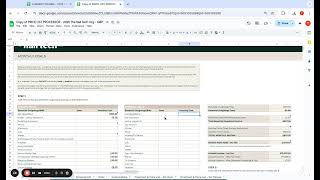
Amy Guy walks through the NTO Price List Processor spreadsheet for nail technicians. Enter your current expenses, add what you want to save for (salon fund, training, holidays), calculate pension and holiday pay percentages, then work backward to find what monthly income you need. If you want £5,000 take-home, the gap becomes an expense to plan around.
Chapters
So now you've come to the most exciting part of the module, which is the NTO Price List Processor. Now, this is essentially a tool, a calculator that is going to help you to work out exactly what you need to be charging for every one of your services and treatments in order to reach your personal financial goals and ultimately to create the life and business that you really are here to create. Now, again, this financial tool is for illustrative page purposes only and shouldn't be considered as financial advice. If you do want personalised financial guidance, then please consult a qualified professional or a financial advisor, because we are none of those things. Now, this spreadsheet works in the same way as the other NTO spreadsheets work, so you will only enter data in the white box. It's nice and straightforward and easy to use. And for the purpose of this video, you and I are going to fill this in together and we're going to do it step by step. So to start with, you just want to come across to the first tab here, which is your monthly goals tab. And before we dive in, I just want to give you a little bit of context around this calculator and why it is so important and completely game changing, if I'm honest. For your business now, if you are a nail technician who is just starting out, so you are setting your prices right now for the first time, it is so important that you are doing this now because whatever your circumstances are. So whether you are doing this now, you're looking to build a full time income for yourself in the three to six months and you're just ready to hit the ground running, whether you are someone that already has a full time job but is maybe doing nails alongside that with the hope of, you know, creating a full time career in nails long term, one day, or whatever else your circumstances might currently be. What you do not want to do is create your business and set your prices just based on what everyone else is charging, or based on plucking figures out of thin air and then get to six months, 12 months down the line and realize you've not actually created the business that you set out to create in the first place. And that's because you weren't intentional with how much money you were bringing into the business from the beginning. You weren't focusing on making it profitable with your end goal in mind. And what that means is that you can often have a negative energy around your business or you can get to the end of the month and feel deflated because you're not in and what you thought you would be, or you don't feel like you've got enough money to show for all of your hard work throughout the month, it is absolutely within your reach for you to create whatever it is you wish to create out of your nail business. Whether it is a part time income, whether it's a full time income for yourself, whether you wanted to replace your existing income in your current full time job, that is so possible for you, but it's only possible if you are intentional about it. And if you do that in a way that is calculated and that considers your business costs and the facts that surround you in your business right now. And if you are an existing nail tech and you already have a nail business and, and you are already welcoming in clients and you already have your own price list, then this is going to help you because you may not have had the resources or tools in order to correctly calculate your prices before. And that's okay. No one's ever given you a spreadsheet like this so that you could sit down and correctly calculate what you should be charging for your treatments. And if you are sat in that seat of the person who does feel deflated at the end of the month because you don't have enough money for what you feel like you're working hard for, or you aren't able to pay your bills, or you're not able to pay for the luxuries that you really thought you'd be able to pay for at this stage in your business, then that is why it is so important that we're doing this now again, so that you can be intentional about the life and business that you're building so that you can actually start bringing to life some of the goals that are on your list. I want you to really think back and embody that vision that we set for our business and for our brand in module two. So do you remember in module two, building your brand when we spoke about what your vision, mission and values are? And we also split your vision up into a five year goal, a one year goal and a 90 day plan as well. Now those goals and plans will stay goals and plans unless you start factoring those things in to your existing business, to your prices, to what you are welcoming in financially to your business. And you know what you don't want to do is get five years down the line and have some still got this vision for your business, but not moved any closer towards it because you've just been taken day by day, week by week, month by month, not actually Taking any steps forward, not actually being intentional with what you're building. So we get five years down the line and everything's still the same because we were just waiting for something to magically happen. Well, that's not always going to be the case. And that's why I absolutely love the spreadsheet. And that's why you're going to love this, too. And that's why the first tab is called Monthly Goals. Because this entire spreadsheet is not based on your current reality. This entire spreadsheet is what is based on what you want your life and business to be. So everything we fill in here is going to be what you want your life and business to realistically be. It's going to be based on the goals that you have for what you want to create in your business, the goals that you have for your personal life. You know, you might want to take your family on that dream holiday. You might want to be able to save up and open your own salon, or train an academy, or build a salon at the bottom of your garden, or renovate one of the rooms in your house. Whatever it looks like for you, whatever business or life is calling you into, that is what we want to create. And that is what we are going to keep in mind as we start completing this together. So I'm going to start over here with step one, and that starts off by entering your business goals and your personal goals. Okay, so in order to fill this out, especially this section here, we're going to need to know what your essential outgoings and bills are. So a great way to do this is to grab your bank statement. So if you've got a business account, get your business bank statements and then go and get your personal statements. Or if you do it all off the one account, just get the one statement in front of you, and then we can go through it and enter all the relevant information. Now, what you want to do first is go through everything that is your current reality. So everything that you're currently paying out for. And we're going to start with business. And this one's nice and easy because we flick back to our current income calculator and we go to what we entered here. It's all going to be the same. So we've made it nice and easy by structuring everything in the same way. So you just highlight it all and click copy. And then you come back here, you highlight that section and you click paste and it will all enter exactly in the same place. So nice and easy for you. So Once you've entered the AS is, you want to go back through this list and you want to now consider it in a format of I wish this is what I want for my business. So what do you wish you were paying out for that you're not currently paying off for? Or what would you like to take away, add on, etc? So give you an example. Let's say this section here was blank because we don't currently pay for an accountant, but maybe we might be in a position where we're like, you know what, I would love to have the luxury of delegating my accounts to an accountant. So I'm actually going to add in £40 as a business expense that I would like to pay for right now. And then maybe you're also sat here going, you know, if I had the money to put a little bit into my marketing, more so than what I do now, I think I would be in a much better position. I think I'd really see a return on that investment. So let's say you come down here and we're going to add ourselves a little £50 market and budget as well. And anything else that you might want to start paying for or might want to start factoring in to your business, you can add and budget for those in here. And once you've done that, you then want to move across to your personal goals. And I'm going to fill these in. Just imagine that I am paying some of these things. Now it does tell you up here in this box that when you are filling in your personal goals, you only want to consider the ones, the bills that you are liable for. So say, for example, you currently pay rent, but you actually split that with a housemate or a partner or somebody else that you live with. So let's say the rent was £600, but now you only pay £300 because you split that as a bill and then you want to carry on with everything else that you're liable for. So let's say your car insurance is 50 pounds a month, your car finance is 120, let's say your phone bill is 80 and you spend 150 on food. And then I'm going to skip some of these for ease. But then let's say we spend 15 pounds on Netflix, 50 pounds on the gym, we spend about 100 pounds on petrol, and maybe that's it for now. Okay, so you want to fill in all of your existing bills right now, everything that you're liable for that comes out of your bank. And once you've done that. Then I want you to go back through and add in anything that you would like to make a reality in your life. So let's say for example, right now you are sharing your accommodation, but actually you would really love to be able to afford to live on your own. So let's say right now, you know, you're paying off the rent, which is 300, but instead we're gonna put 600 in this box because we would love to be able to pay for it all on our own and live on our own. And then let's also move down and think, right, okay, well I'd actually also love to have some hobbies. It's something that I've got the time for, but I've just never actually gone and done. I'd really like to go to some dance classes or I'd love to do take up a sport or I'd love to go to an art class or something like that. So maybe we're going to factor in 20 pounds a week, 80 pounds a month for some hobbies as well. So you're going to go through all of this in exactly the same way and then eventually you're going to come to the life and business that you in terms of everything that cost you money. Okay, now you're going to scroll down and you're going to look at savings for both of those things as well. So let's consider savings for your business right now. So are you currently saving for any training courses, any equipment, renovations, kit or retreats or anything else right now? If you are, you want to pop them in here. And also just to consider, these boxes are all blank for you to enter your own things. We've given you all these things as ideas, but you might have extra stuff that you want to add in. So you can literally just add them in and pop the costs in here as well, like this. And it will all calculate for you. So if you're currently not saving for any of these things, but you're like, you know what, I actually would really like to maybe I'd like to spend about 1200 pounds a year doing training courses and various different things to make sure I'm still upskilling, okay, so maybe then our monthly cost would be a hundred pounds on any additional training. And then let's say our vision was to open our own salon or have our own space maybe at the bottom of our garden or in house in five years time. So the five year goal is to have my own salon space. And let's say you've done a little bit of research and you think that in order to do that it's going to cost you about £10,000. So you're going to need about a £10,000 investment for all the renovations on this salon space and in order to set yourself up properly. And you want to be able to do that in five years. So if you take £10,000 and divide it by 60 months, which is a total of five years in months, then that's going to give you £166. So let's say we're also going to save £166 pounds to factor in the fact that our goal is to earn our own salon and we need the money in order to do that. I'd also absolutely love to go on a nail tech org retreat. So I'm going to add in another 100 pounds a month savings here because next year I'd love to get to a point where I've got a lump sum of money and I can go on an NTO retreat. Okay? And then the same for your savings. So if you have any general monthly spend saving, then you can put it in here. Maybe you don't, but maybe you're like, you know what? I would love to be the person who did save. So I'm going to put £200 in this box and I want to start saving £200amonth just for a rainy day for me, any house savings, any holiday savings. So actually holidays are really important to me. So I'm going to set aside 300 pounds a month to save for holidays and then any gifts or anything else that you like to save for. And you've got pensions and holiday and sick pay. So I'm going to help you work these out in a minute. But if there's something you currently save for, you can put them in here. Or if you don't and you would like to, I'll help you in step two in just a minute. Again, if there's anything else that you'd like to save before, but it's not on this list, just enter it in this box here, put the amount here, and then it will add everything up. Now what you need to make sure that you do is fill in all of these sections, complete step one of all of these things before you then move on to step two. Okay? And step two is where you will calculate what you should be saving for your pension and for your holiday pay. Now, two important things here for your number one is you always want to start with your pension because your pension is based on a percentage of all of these things. Things. And number two, you also want to make sure that you have done all of these things before you fill this in. Okay. So you do this last. So let's start with your pension. First of all, you want to enter the annual income including tax. So if we scroll up here, it's actually already worked this out for us, annual income including tax. And it's based it on all of our outgoings, which I'll go through with you in a minute. So here it's 44, 125. So you're just going to type in and it's 60 pence. Okay. And then you also want to pop in your percentage that you would like to start saving for your pension. So the standard amount is 12.5%. So I'm just going to put that in for now and it will tell you how much you need to be putting aside every month to save for your pension based on this much. And then once you've got that amount, you can go ahead and add it in here. If you're looking at this and you're thinking, actually I'd like to do a bit more than that or I'd to like you like to do a bit less, maybe you feel like that's a little bit high, then you can just fiddle with this here, maybe Change it to 10% and then see what it says. So I'm going to stick with 10%. 367 pounds 71. So 367 pounds 71 can now go in this box here to be accounted for and then the same with your holiday pay. So in order to be able to take paid holidays from your business again, you want to enter £44,125 60, which is your annual income including tax that we've taken from above. Oh, what have we pressed? Here we go. And then you want to enter your number of weeks holiday that you would like to take. That's holiday and sick pay. So remember in the income calculator, current income, we did six weeks. So I'm just going to pop six weeks in here. And that's telling us we need to save 479 pounds 63 pence in order to take take paid holidays from work. So £479.63 goes in this box here. Okay, so we've worked everything out. I'm just going to take you through some of these numbers here. So at the top, based on everything we've entered, we've now got a total of our business outgoings and our personal outgoings. So what that then does is adds it together here to give us our total amount. So this is what we need to be earning as a minimum amount in order to cover our personal and this is what we need to be earning as a total amount in order to cover everything that we are liable for within our life and our business. So if you were to have nothing left in your bank account at the end of the month, but all your money go out on all of these things, then you would need to earn at least 3003765 pounds 70 pence based on what we've entered here. Okay, so it basically works all of this out out for you. Now this number is really important because this is essentially what we're going to move on through the rest of the calculator and aim towards. So this is the point where you want to consider, do you have a financial goal and is this number reflective of that? It should at least be above it. But if you've got a financial goal, let's say your goal is to earn £5,000amonth. Okay, well, if you really want to hit 5k months, what you can then do is take your calculator, you can do £5,000, take away whatever's in this box. So £303,765 and 70 pence. And that gives me a total of. I'm gonna pop it in this box here, 1234 pound 30 left over. So I'm going to add it in as an expense and I'm going to put miscellaneous here. And you can see now that I've added it into this box, it's taken my essential required income to £5,000. So this number is within your control. You want to play about with this. And as in what your desired income is in order to get that amount. Okay, it's important that you do that. You also need to factor in whether that includes tax or not. Because if you come to this box here, this is what you need to be earning in order to pay for your tax as well. So play about with these numbers. Have a little fiddle with it. Make sure that the amount that is in these boxes feels realistic to you. It needs to feel like challenging, but also realistic because that's the point. That's the, that's going to be the sweet, sweet spot where we're like, okay, I'm actually creating something that I really want here. I'm actually building the life and business that I really desire here. So there's some other things in these boxes for you. So you've got your income, including your tax here. You've got your annual income, including tax after taxes taken and after business and outgoings and tax in here as well. So have a little look through those numbers, see what they bring out for you. This is a really interesting task. And then we'll move on to the next section, which is your personal info.