How to Transform Public Sector Organisations Through Systems Thinking With Benjamin P. Taylor

In this episode of the Consulting Leaders Podcast, hosts Guillaume Jouvincel and John Daignan interview Benjamin P. Taylor, Managing Partner at Red Quadrant and CEO of the Public Service Transformation Academy. The conversation traces Benjamin’s unconventional career path—from early work as a Visual Basic database programmer, a carer for the Spinal Injuries Association, and a youth‑development charity administrator, to a local‑authority advisory role and a stint at PwC—before he founded Red Quadrant. He explains why public services matter, describing the chronic fragmentation, demand overload, and the gap between formal structures and lived reality that plague many public bodies. Drawing on systems thinking, complexity science, and a structuralist perspective, he outlines the cultural and incentive‑driven barriers that make transformation difficult, and how Red Quadrant helps clients (chiefly transformation offices, organisational‑development and HR leaders, as well as senior executives) design target operating models, build inclusive leadership, and find savings. The discussion moves to business development: the firm relies on reputation, repeat contracts, and competitive tendering, but struggles with marketing, storytelling, and LinkedIn targeting. Benjamin reflects on podcasting as a thought‑leadership tool—useful for personal connection but limited in reaching busy public‑sector buyers. He details the realities of public procurement, noting high rates of direct awards, the need for patience, a 30 % win rate, and the importance of staying visible and offering concrete next steps. Client retention is framed as trust‑based, low‑dependency partnerships, with a 95 % repeat‑client rate, though growth is constrained by austerity, flat day‑rates, and intense competition. Looking ahead, Benjamin sees massive opportunities in the NHS reorganisation, local‑government restructuring, and the integration of social care, predicting that systems‑thinking and cybernetics will become basic managerial literacy. He closes by sharing his personal website (antleboy.com) and the Red Quadrant and Public Service Transformation Academy URLs.
Chapters
Welcome to the Consulting Leaders Podcast, where we talk about the business of consulting. Whether you're looking to grow your practice or learn from the stories of leaders in consulting, you're in the right place. I'm your host, Guillaume Jouvincel, ex-PwC and co-founder of GHA Marketing. Join me as I interview the best consultants in their niche. Let's get on with the show.
Welcome to Consulting Leaders Podcast, a place where we talk about the business of consulting. Whether you're looking to grow your own practice or learn from the stories of leaders in consulting, you came to the right place. I'm your host, John Daignan. Join me as we talk with the best consultants in their niche. And I got one right here today, welcoming Benjamin P Taylor, Managing Partner at Red Quadrant and Chief Executive of the Public Service Transformation Academy. He helps governments and public sector organizations navigate complex systems and redesign services for Here in this conversation, we're going to explore how systems thinking, complexity science, and practical consulting methods can transform public services and what consulting firm owners can learn from working inside complex institutional environments. Benjamin, hello, how are you?
I'm great, thank you. Thank you for that generous introduction, John. I'm looking forward to talking.
Yeah, likewise, likewise. I guess just to start things off, tell us something about— tell us, give us a tidbit about Benjamin
Oh, right. I wasn't expecting that.
Good, good.
I guess, well, I mean, I'm now overlooking the beach. We're living on the south coast of England, having spent a long time in London. But I suppose the thing on a personal level is that I love consulting because I like a little bit of showing off. A little bit of kind of performance and having to focus and being on the spot. Intellectual stimulation, it's very hard to find in a lot of jobs, isn't it? But we get it. And, you know, actually feeling that you may be doing something worthwhile occasionally. So maybe that's something about me as well.
Okay, so you get out of college, what's your first job?
I'm sorry, say that again?
You get out of college, you get an education.
Oh, right. Well, a little range. Even before college, I was a database programmer in compiled Visual Basic in a revolutionary database model called Rescue, which was just very special at the time. Indefinitely extendable field lengths in our fields. In my year out and then during university and then sometimes afterwards, I was a personal carer for the Spinal Injuries Association, going to provide kind of relief cover when their carers were away for people with spinal injuries. So that was quite different and super interesting in all kinds of ways. And then I guess my first proper job was working as the administrator of a youth development charity when I left university and moved to London. It was a branch of a thing that some people have heard of called Rally International, which was this amazing organization set up by Lieutenant Colonel Blashford Snell to provide a bulwark of principled individuality and strong leadership against the communist threat. And it mostly sent very privileged young white boys from private schools on international expeditions around the world, and we were the kind of charity fig leaf, I would say, sending very underprivileged young people at risk of prison and drug use and all kinds of things like that on the same expeditions and doing a development program to help get them out there and support them afterwards and help to sort of change their lives. So that was also super interesting. So I had quite a lot of— I didn't— I have no idea what I wanted to do, John, when I grew up, and perhaps I still don't.
How did you transition to consulting?
Well, it was quite straightforward really. My whole career is that from that charity job, I went to work in a local authority advice center, so for one of the London boroughs, and that London borough was going through a transition to a new executive leadership model where we were going to have a mayor instead of a cabinet and committee kind of system, and they advertised the job as the advisor to the mayor. I got that, and that was very much at the center of the council and, you know, being involved, albeit in a very junior way, in quite a lot of big initiatives. Through that, I got into project work. We, um, I became e-government manager for a while. We procured a partner, and, um, then doing that kind of project work, it was an easy transition, and I looked for opportunities and Um, got an interview and got to work for PwC, uh, originally, uh, in a way that was kind of quite— um, I just had a couple of interviews and they offered me the job. So even though I was thinking in those days, uh, that, uh, consultants were the bad guys, uh, they were the evil corporate people who came in for a lot of money, uh, I actually found it very fulfilling and interesting and made that transition. So if you want to kind of pick up from the next question, I don't know, um, if that works for you.
Absolutely. Did you get into, um, public transport Transformation?
Transformation? No, no, just, I mean, just how I got a job in consulting, which was PwC initially.
Okay. Okay. What's—
if that makes sense.
What specific problem are you helping clients solve through Red Quadrant, and why does solving those problems matter to you personally?
I mean, It's a really important and big deal how public services serve us and how they support us to achieve the outcomes in our lives. We live in a world that's buttressed and structured and organised by public services, so, you know, it's important, it's a very big deal, and most public bodies are overwhelmed by demand, fragmentation, management noise, and a lot of the time they're having to deal, unfortunately, with symptoms, and there's a big gap between the organisation on paper and the organisation in reality. So, you know, because public services shape people's lives, I think too much institutional effort is still spent on the machine, with the best of intentions and no lack of effort, that's for sure. But, you know, we know, everybody in public services knows, that we can do so much better to serve the public, but we also know that a lot of what we need to change is countercultural and counterstructural and difficult to fit into a complex political system and so on. So that's what we're working on. The day-to-day is a lot more prosaic, John, often. It might be a target operating model, it might be helping people with inclusive leadership, developing skills to commission and shape systems in complexity, but a lot of it is also finding savings, particularly
Countercultural, counterstructural, which one is a bigger animal to deal with?
I mean, I am a bit of a kind of structuralist thinker, so I think they come together. Who was it, who was that kind of interesting guy who ran as an independent, slightly vaguely libertarian US presidential candidate maybe 8 or 12 years ago or whatever. His name might come back to me, but I remember a quote from him which I don't think we can take as a good moral stance, but what he said was, I try not to blame people for responding to the incentives of their situation. And that's worth holding in mind, isn't it? Yeah. So, a lot of the culture comes from the incentives of the situation, and I don't mean, you know, what's going to get people a bonus, although it may be holding on to jobs. Some of it will be competition and promotion, and in the reorganisations we're seeing at the moment, you know, we're going to always end up with fewer public servants overall. But what I mean more is, if your job and your identity is to make a thing coherent and manage it and reduce risk and keep the politicians out of the press and the headlines, then you're gonna have a certain attitude to risk, attitude to control. You're gonna want to standardize. You're gonna want to have things that are very legible and coherent and so on. And that cuts across massively what we know works in a lot of frontline public services, which is really listen to the people, really give the frontline staff the power to resolve and respond and do what people need. So right there, you've got a core tension You know, built into the way the thing works, if that makes sense.
Absolutely. Who are your ideal clients today within the public sector, and who are the decision-makers who typically bring you in?
It's a real mess, and one of the reasons I'm interested in, in a way, not just appearing on this podcast, but the conversation with you, is we find marketing really, really hard. We're clear our ideal clients are transformation people. It could be change management office, it could be organizational development, HR-type people, It could be people who are the head of a transformation team, and that what we do really well is a really medium to long-term informal strategic partnership with them, because we can complete strategic projects, we can put people in to resource and boost capacity and continue to deliver, and we can build capability within the organisation to not need us anymore. So that's our ideal client, and in general, it's people who need a problem but appreciate actually trying to do the right thing as well as the expedient thing, and there's plenty of those around, obviously, but that's not a searchable job title on LinkedIn to target marketing to. Yeah, absolutely. So that's a constant challenge for us, to be honest, Jon, and very often the senior decision makers are either those people themselves, and really we want people who've got budget, who've got targets, who are driving a large-scale program, Or it's chief execs, finance directors, people at the board level, basically.
Sure, sure. How do organizations usually discover Red Quadrant, and what has worked best for you when it comes to attracting new consulting engagements?
Well, most of our work comes through reputation, repeat business frameworks, and one-third at least through competitive open tendering. So, and that's a hard row to hoe, or yeah, that's the right expression, isn't it? Yes. So we've grown by being quite clear about what we believe rather than trying to appeal to everyone, although sometimes we do try to appeal to everyone. So I guess it really is a kind of low-key reputation, people we've worked for before, and being able to put good bids together. And then deliver. I mean, that's obviously important, isn't it? That's the best marketing we do, actually, I think, is delivering. And we're not even good enough, unfortunately, at telling the story of how we've delivered, because they're often very messy, complex, even sometimes sensitive stories. But, you know, that's no excuse. We should be getting them out there more, saying we've done this and that.
What do you think about podcasting as a marketing tool for consultants working in areas like public sector transformation, Or systems thinking?
I think it's very hard to tell. I think it's pretty good. I am a huge podcast fan. I listen to hundreds of podcasts, mostly to spend hours walking the dog. I do my own little version of this. I masquerade as a kind of thought-leadery person on LinkedIn. What I worry about is that that is intellectually stimulating, it actually helps to develop the thinking and to be better at what you do, but the people it attracts are kind of my kind of people and they may not be necessarily clients. They're often other consultants, they are similar people in the space rather than— because the clients are often too busy. They need more of a break than listening to podcasts and so on. But I've observed some people doing it really well in both the public service and the sort of systems cybernetics complexity space. So I'm a little bit torn about it. I think, I mean, I love podcasts, so I'm always up for that kind of exchange. Do you think it works in these kinds of spaces?
I think it works on multiple levels. Number one, I think I'm getting to know Benjamin on a personal level. You know, behind closed doors or on a piece of paper or on a pitch sheet or pitch deck, you know, something's lost in translation. But for me to understand better your niche, your differentiators, what you do, how you do it, what makes you special, what makes you tick, in a podcast it really comes through personally. I think people generally, human nature, want to work with people they like. You know, and you're an endearing, nice guy, so I think that really conveys.
Interesting. Yeah, that's good to hear. Well, obviously reassuring. What I'm aware of is that there seems to be some kind of secret power of business development that we don't have, and that part of that is that we sort of feel it's not quite sporting in public services. There's networking that people do which is very much kind of doorstepping, land and expand, and even marketing kind of big award ceremonies and conferences that we never quite do well at because that's not really our kind of networking. And yet the people who do it, I don't have any concerns about their fundamental ethics. They're decent consultants. We think we're better, of course, but I'm not saying they're not good, and they grow faster than we do.
Yeah, absolutely.
So we've been in business for 17 years, and we have seen people You know, constantly go past us, sometimes then sell out or sell up or go out of business. But, you know, we're still here, still doing our thing, but we still feel as though we're under potential, if that makes sense.
I think too, with podcasts, people have the tendency of thinking, well, it's such a small audience and it takes so much work and time. But thought leadership pervade properly, focused and channeled, you know, like a bazooka, Towards your exact ideal clients and your ideal fellow consultants and your peers to develop your thought leadership process, I think is golden. I think it's a treasure personally. And I think that this opportunity just for you today, for instance, just to get it out in front of, you know, we're top 5 global podcasts. We've got over 12,000 impressions a week. This is a great opportunity to network.
Yeah, really interesting, really interesting. One of my great regrets is that I recorded a series of about 43 podcasts in those 2 parallel spaces during, before, and just during the start of COVID And I had various attempts with volunteers, with interns, with junior members of staff to kind of edit them. Never really got them into shape. It wasn't that it needed a lot, but we never got that right. And we never actually released them, so kind of a shame, I'm afraid.
Interesting, interesting. Government and public sector projects can have long and complicated procurement cycles. How do you navigate the sales process and move opportunities forward?
I mean, you have to accept reality first of all. Public procurement isn't there to make life easy for consulting firms. Complaining is very popular on LinkedIn. I get a lot of likes and comments when I do that occasionally. But, you know, it's kind of pointless. So the question is how to work intelligently within the constraints while still creating momentum. And again, while the concept here is competition and the government says that it supports the development of SMEs and it kind of would like to in theory, 2 things are happening. Even on the frameworks that we're on, you might call it panels, that's what they call it in Australia, but, you know, you prequalify for a certain specialism to be available more easily than an open tender. We are seeing 75 to 85% of the tenders let through direct award, so no competition. So that indicates prior relationships or very quick down-selection of candidates. And we, we of course don't complain if that happens to us, if somebody who knows and trusts us from the past comes along and, you know, wants to buy us direct. But it doesn't, it doesn't happen that often, not, and certainly not for large value things for, for us. So we're obviously not doing it perfectly. As again, in parallel with what I said before, we're not the best at the, the marketing and sales, but We try to stay visible over time and, you know, send out signals that we're still here, do some thought leadership work so that there's a general visibility and, you know, background buzz of, yes, these are legitimate, trustworthy people. Try to be useful before procurements and build relationships and so on. But really, in this— in that particular— in the tender space, We've just become reasonably good at writing very complex tenders. There was one once I remember that required us to have 97 attachments of different files with different policy, you know, from a manual handling policy to a modern slavery in the supply chain policy and so on, all of which no doubt important things, but maybe not for what was a leadership development piece of work as a consultancy. So you have to be really patient when you've put in a competitive tender. You have to just forget about it and expect that it's been wasted effort and it's never ever going to come back and you're never going to hear anything about it again. Sometimes they, they drop it. You have to become really good at accepting rejection because even us is quite good and successful at those tenders. We win about 30%, and you have to be really quite patient. And then when you win the work, as well as doing a good job and all the pressures of normal project management and delivery, delivery, the context may easily change, which means that timescales extend, budgets reduce, and all of those kinds of things. What we've learned, if we're in a warm conversation, is just to offer the concrete next step and just keep things moving forward. And even when somebody wants to bring us in, it could be that they need us tomorrow— that often does happen— but it could be we start a conversation and 6 to 9 to 12 months later
Once you capture a client, you build a nice relationship with them, how do you keep them long-term?
Well, where it has worked, it's because they just like and trust us and are in a space where they have a series of needs that are going to be required from people like us. As I say, that transformation organizational development kind of partnership, that we've had a number of those very fruitfully over the years. And in that case, you know, the underlying thing is we are a trusted, reliable partner who is acting on their behalf, you know, who they trust as an extension of their team, their program, you know, their relationships in the organization. We get over 95% of our clients coming back for more, but not necessarily a lot more, not necessarily larger pieces of work over time, often quite small, difficult, but interesting pieces. And sometimes we'll do a piece of work for somebody and then they'll come back to us 5 years later for something, if you see what I mean. So Yeah, it's probably a lot more happenstance, John, than we would ideally like. But it works well in the way it works. But we're not necessarily kind of building it. And of course, one of our points is not to create dependency. We think that's an ethical stance. Sure. So we know that there are some consultants still out there who tell clients what they want to hear, make polished artifacts rather than helping things move forward, make themselves indispensable. And, you know, we're not in that game. But having said that, I still think there's more we could do to get involved and demonstrate where we could do more on a larger scale.
You work in a complex public sector environment. As a consulting firm leader, are you stuck in any areas today, if at all?
Well, yeah, I mean, as you've heard, I'm stuck in a space of not being able to achieve real growth. That's frustrating from a business point of view. It's a declining market in many ways because of austerity and all of the pressures around, and because day rates are not necessarily any higher now than they were in 2009, when I started, and there's been just a little bit of inflation since then. I guess in the world of the work itself, the need for transformation has never been more obvious, but the capacity to do it has never been under more strain. So the demand is up, money's tight, incentives are often short-term, and it's not as though everybody's dropped out of this very difficult market that we're in. We're constantly having new new competitors. So, you know, there's a really interesting kind of dynamic there. So the challenge isn't proving that our work matters or whatever, it's creating the conditions to make real change happen, if you see what I mean.
Finally, looking ahead, where do you see the biggest opportunity for systems thinking in public service transformation over the next few years?
Yeah, in some ways it is. I mean, we are going through massive reorganization in our National Health Service and in local government at the moment, and in a number of other areas of public services as well. That is underfunded, severely underfunded. Just the local government reorganization is going to cost £1 to £2 billion over the next 3 to 5 years, and then there's a plan to effectively integrate our social care into the health system away from local government, most likely. So there's going to be huge real opportunities there, and there is a real clarity of a move to better, more relational, more place-based public services. That's something that we kind of really care about, and I think that generally systems complexity cybernetics is going to be seen as basic managerial literacy to some degree over time, and it's it's not really disputable anymore that those skills and that kind of thinking is what people in public services need. So, you know, Red Quadrant will keep working on the consulting side of that, and we can do the large-scale change that people are talking about at the moment, and the Public Service Transformation Academy will keep working on the capability side. What we're really wanting to do is to bring those two together in that kind of long-term partnership in a few areas where we can really go deep and really help to drive, you know, long-term serious transformation for the better.
Sure. Well, Benjamin, this has been a great conversation, which I definitely appreciate. If people want to find out more about you and see what you do, where should they go?
Oh, me personally, I have an internet nickname and a website that goes with it, which is antleboy.com. It's an anagram of the short version of my name. You can also go to redquadrant.com and publicservicetransformation.org, but antleboy.com We'll give you links to everything.
Benjamin P. Taylor from Bridge Quadrant. Thank you so much. We appreciate it, buddy.
Thank you.
Thanks for joining us on this episode of the Consulting Leaders Podcast. We hope you learned valuable lessons on how to grow your practice and take your business to the next level. Make sure to subscribe and leave us a review wherever you're listening to this show so you never miss an episode. To apply and be a guest on the show, click the link in the description. See you next time.
More from Benjamin

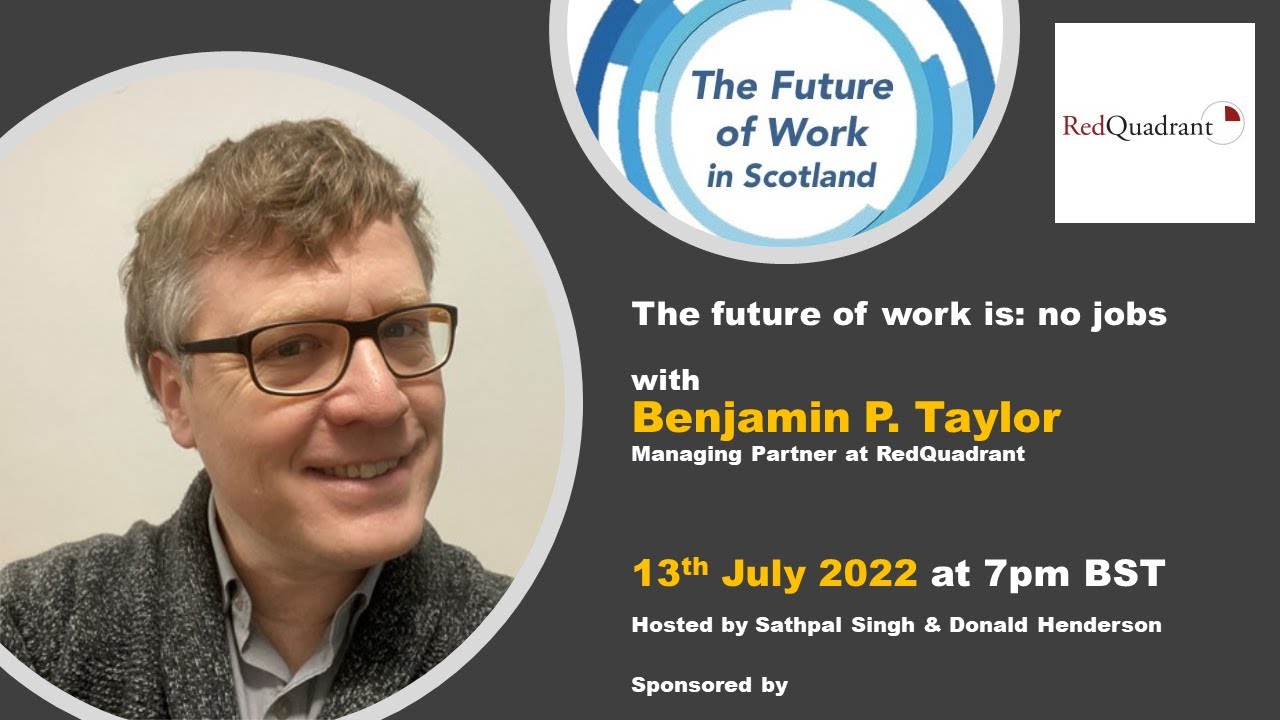
Cybernetics is not the banana, part 2 — Benjamin P Taylor with Laksh Raghavan (2025)

Cybernetics is not the banana, part 1 — Benjamin P Taylor with Laksh Raghavan (2025)
04 | Culture, Clarity & Conversations: Leading in Uncertain Times with Benjamin P. Taylor

The Key To High-Performing Teams Based On Trust – Benjamin Taylor | Compass Tech Summit 2023

Benjamin Taylor - Jan 2021 - SCiO Open Event - The 'Four Quadrants' of Thinking Threats
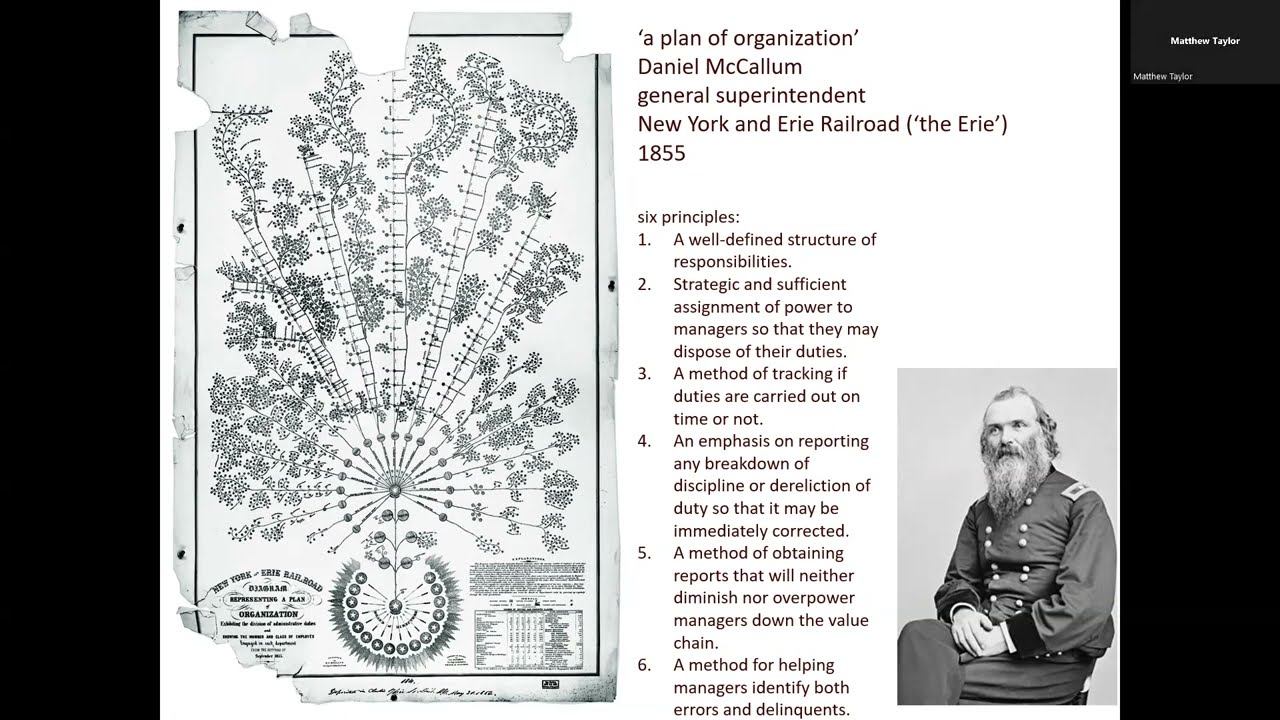
Five core practices for effective organisation - Benjamin Taylor | Stretch Conference 2022

Ep36: A wholeheartdly work Is Crucial To Your Business. Learn Why! Benjamin Taylor - CX RedQuadrant