Stronger with Every Step: Boost Fitness with Rucking & Weighted Vests | Thrive on Plants #19
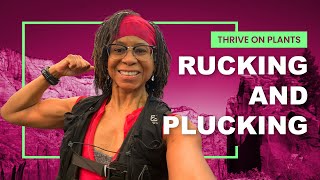
This is a June 4, 2025 Thrive on Plants podcast episode hosted by Dr. Daphne Bascom that explains rucking (walking with added load) and weighted-vest training as scalable, low‑impact ways to improve muscle strength, bone density, cardiovascular fitness, metabolic rate, balance, and mental resilience. The episode summarizes evidence (studies cited, e.g., Putoff 2006; Kemler et al.), gives practical guidance (start with 5–10% of body weight; examples and equipment tips), reviews safety risks (overloading, poor mechanics, joint strain, environmental hazards) and introduces “plucking” — picking up litter while rucking to combine fitness with environmental stewardship. The host emphasizes progressive, mindful training and a plant‑based community ethos. A medical disclaimer closes the episode.
Questions this video answers
June 4, 2025.
5–10% of body weight.
About 8–15 pounds.
A study by Putoff (2006) is cited.
Kemler et al. (study cited for two-year improvement in women’s bone density).
Chapters
Hey there, Thrive on Plants family. Welcome back to another episode of the Thrive on Plants podcast. I'm your host, Dr. Daphne Bascom. Today we're diving into two deceptively simple but scientifically backed fitness practices. Rucking, which is at its core walking with purpose and added weight, and weighted vest training, a strategy that research has shown can profoundly improve muscle mass, bone density and metabolic health. Now, a weighted vest is just that, a vest you wear evenly distributing small weights across your torso compared to dumbbells or ankle weights. It allows natural hands free movement while adding some resistance. But before we dive into the details, let's set the stage with a quote from one of today's leading longevity experts, Dr. PETA Attia. And he says, and I quote, the magic of rucking and weighted best training is that they apply progressive overload to movements we already do every day. Walking, carrying, climbing, making them potent, sustainable tools for preserving strength and health across the decades. Now that's a powerful insight because at the end of the day, longevity isn't just about living longer, it's about living better and healthier. And the science is clear. Maintaining muscle, protecting bone density and enhancing functional strength are non negotiable if you want to thrive well into your 70s, 80s and beyond. You may have seen headlines over the past few years praising the benefits of weighted vest or. Or perhaps you've come across rucking guides or hurt athletes or wellness experts extol their virtues on podcast. But today we're not just talking about trends, we're talking about evidence backed practices that fit beautifully into your plant based wellness centered life. In fact, studies going back decades show that adding external load through vest or packs leads to improvements in bone mineral density, muscle strength and power, balance and mobility, cardiovascular fitness, and even metabolic efficiency. In today's episode, we'll explore what exactly rucking is and why it's more than just walking with a weighted backpack. How a weighted vest can amp up your workouts, from body weight moves to household tasks, and how to get started safely and progressively, no matter what your current fitness level. And finally, I'll share some essential equipment tips, what to look for, how to fit it, and most importantly, how to avoid some common mistakes. Okay, what is rucking? Let's break this down because I want you to really understand why rucking is so much more than just walking with a heavy backpack. Rucking is the act of walking while carrying weight, usually in a backpack or weighted pack. And the term comes from the military world, specifically the term rucksack, which is military slang for a backpack. Now Think about soldiers on long distance marches, often carrying packs that weigh 40 to 60 pounds, some sometimes even more. These soldiers aren't just moving. They're developing the kind of real world functional strength translates into endurance, resilience and grit. But here's where it gets really interesting. You don't need to be a soldier to benefit. That's why today, rocking has evolved into a mainstream fitness practice. Accessible, scalable and adaptable to nearly every fitness level. You can rock on a trail through your neighborhood, up the stairs, or even on a treadmill. Rucking, I believe, is one of the most effective and time efficient ways to build muscle, strengthen your bones, improve your cardiovascular fitness and burn calories. All while engaging in a natural, low impact activity. Here's a key point. Rucking isn't just a harder walk. It's a deliberate strength enhancing movement that challenges multiple systems in the body. When you add weight, your legs and glutes work harder to propel you forward. Your core muscles engage to stabilize the load. Your upper back and shoulders strengthen as they support the pack. Your heart and your lungs work more intensely to deliver oxygen to working muscles. Now, there was a study by putoff in 2006 that showed that walking with a weighted vest or pack significantly increases both the metabolic demand and ground reaction forces, meaning that your body is working harder and at a higher intensity, even at the same pace. And the best part, because it's a low impact activity, it's gentler on your joints compared to running or plyometrics or other higher impact exercises. So there are some distinct benefits. And I'd love to unpack. Why rucking deserves a place in your wellness toolbox. First, is muscular strength and endurance. Carrying weight on your back forces your lower body muscles, especially your glutes, your quads, your hamstrings and your calves, to work harder with every step. But it's not just the legs. Your core, that means your abdominal muscles, your obliques and your lower back. It's constantly engaged to stabilize your spine and prevent you from tipping forward. Or it should be. Your shoulders and traps and upper back work to hold the pack in place, creating a subtle but a constant muscular tension. And over time, this will build functional leg strength, a stronger, more resilient core. And it will also help your upper body endurance. And because rucking relies on repetitive sustained movement, it improves muscular endurance, which is the ability to perform work over time without fatigue. And this is essential for daily life tasks like climbing the stairs, carrying your groceries, or playing with your kids or grandkids. The other important benefit of rocking is on your bone health and your bone density. Now, if you'll remember from some of our other conversations I've shared that Starting in our 30s, we naturally begin to lose bone density. And that's a process that accelerates after menopause due to declining estrogen levels. This raises the risk of osteopenia and osteoporosis. Conditions that may increase the risk of fracture, impair mobility and shorten our health span. Rucking by applying weight bearing load to the skeleton can stimulate bone remodeling. And research shows that bones respond to mechanical stress by becoming denser and and stronger. There are even studies that show that long term weighted vesse can prevent hip bone loss in postmenopausal women. There's also a study by Kemler et al. That demonstrated improved bone density in women after two years of intense weight bearing exercise. In other data that demonstrate improvements in bone metabolism markers after just short term weighted aerobic exercise. Now, all this points to the fact that regular progressive weight bearing activity is one of the best defenses we have against age related bone loss. The third reason is cardiovascular fitness. Adding even a modest load increases the energy demand of walking. Your heart has to work harder to deliver oxygen to the working muscles. This elevates your heart rate, that improves your cardiac efficiency and it enhances your oxygen utilization. And so this makes rucking an excellent alternative for anyone who wants the heart health benefits of running. But you need something with a lower impact to protect your joints. The fourth benefit, a metabolic boost in caloric burn. If you try rucking, one of the more immediately noticeable benefits is is how rucking ramps up your calorie burn without extending your workout time. Now, research shows that walking with added weight can double or even triple energy expenditure compared to unloaded walking. And this is important because rucking primarily builds lean muscle mass, which means it helps preserve your resting metabolic rate, meaning you burn more calories even when you're at rest. The fifth benefit is that rucking is joint friendly. Unlike running or plyometric workouts, rucking is low impact. And this makes it accessible to people at all fitness levels, including if you're recovering from injury or managing joint conditions like osteoarthritis. It can strengthen the muscles that support the joints, particularly around the hips, the knees and the ankles, without high repetitive impact forces that may sometimes be seen in running. And then the other benefit that we don't often think of is mental resilience. Rucking isn't just a physical practice, it's a mental one. And walking, especially in Nature has well documented effects on reducing stress, improving mood and boosting cognitive function. So add the challenge of carrying weight and now you introduce a layer of mental grit, the capacity to stay focused, to push through discomfort and to cultivate resilience. Now, as Dr. Jason McCarthy, founder of GoRuck, puts it, and this is a quote, rucking builds the kind of strength that goes beyond muscle. It teaches you to carry the weight literally and metaphorically in life. And lastly, and maybe this should have been first, don't overlook the community aspect. Rucking can be a solo activity, but it's also a growing social movement. And many cities now have ruck clubs. And these are groups that meet regularly to walk, carry weight and support each other's health journeys. And this makes it a fantastic way to build social bonds, to increase accountability, and to find motivation and fun in shared movement. And here's a tip. Invite your partner, your friend or a local wellness group to join you. Rucking is highly scalable. You can carry different loads, you can walk at varying paces, and you can still reap the benefits together. So now that you've heard all the benefits, who is rucking? For almost everyone. It can be beneficial for beginners who want to level up their walks, busy professionals who want to stack cardio and strength into a more efficient session, active agers my age focusing on bone health, balance and joint friendly endurance, and even athletes looking to build foundational strength and aerobic capacity. It's also great for families and social groups because rucking can be easily done in groups or with a community ruck club. Now, how to train for rucking? I have a couple of key points that I want to share with you. The first is start light. Begin with 5 to 10% of your body weight, and for 150 pound person, that's about 8 to 15 pounds. Gradually increase the weight and distance you travel. Mix up the terrain, flat surfaces, hills, trails. I also want to make sure that you prioritize posture. Make sure your shoulders, back and core are engaged and your feet are aligned. And then if you're outside rucking, or if you're rucking for extended periods of time, don't forget to hydrate and nourish. Now, I've talked about rucking, but I want to back up a little bit and focus on another underappreciated tool, which is the weighted vest. Now, you might be wondering, how is weighted vest training different from rucking? Well, they're not very different. While rucking frequently uses a backpack or a rucksack, a weighted vest distributes the weight evenly across your torso, allowing for more natural movements, a lower center of gravity and the flexibility not to use it just for walking, but for a wide range of exercises from body weight moves to stair climbing to strength training to your everyday activities. And it's one of my favorite training recommendations, particularly for anyone focused on building and maintaining lean muscle, protecting your bone density, boosting your cardiovascular and metabolic health, improving your balance and posture, enhancing everyday strength because it offers hands free, versatile resistance and also allows easy progressive adaptation. And just like we talked about how to progress in rucking, you need to take small steps when you incorporate a weighted vest into your training routine. And I would echo the same recommendations I had for rucking. Start light 5 to 10% of your body weight. Choose an adjustable vest for gradual progression. I'll put a link in the show notes to some reviews where you can look and see what vest may be available. But you need to choose a vest that's right for you. Begin with short sessions and focus on form. And I would also encourage you after you first purchase the vest, wear it during household tasks to get accustomed to it before you wear it on an hour long or walk or a long trek, because 5 or 10 pounds can make a big difference and then again monitor your posture, your joint health and your breathing. Equipment selection is important both for rucking and for using a weighted vest for your everyday workouts. For rucking, if you're selecting a backpack or a rucksack, preferably you want to get one with padded straps. And then there are multiple weight options and we'll also include some links to some sites in the show notes. You may be able to use sandbags, weight plates, you can use water bottles. There are a whole host of different types of rucksacks or backpacks that you can purchase. You also want to make sure that you have good footwear, supportive walking or hiking shoes. And as I mentioned earlier, think about wearing a hydration vest and carrying with you some gels or whole foods so that you can have your nutrition while you're on the go. The same recommendations apply to a weighted vest. Again, choose a weighted vest that has an adjustable weight option. That's my recommendation if you buy a fixed weight. If you start with five, you may outgrow it. Then you have to go up to 10, you have to go up to 15. But if you buy a weighted vest where you can add weight in 1 pound increments either with plates or with sandbags, then you have the ability to progress over time without a lot of additional added expense. You want to make sure that it's snug so that it doesn't shift but not too snug so that it restricts your movement and then again, start light and upgrade the weight gradually. Okay, we've explored the exciting benefits of rucking and weighted vest training, but I want to have an honest and important conversation with you about the risks and the safety. Because people don't often talk about the fact that you need to approach this with care. Because here's the truth. Adding weight to your body, whether it's through a ruck or a weighted vest, is a form of progressive overload. And while it's one of the most effective strategies for building strength, resilience and longevity, it only works if we approach it with care, mindfulness and a deep respect for our body's signals. So let me break this into a couple of categories. The first, and probably the most important, is Overloading too soon. One of the most common mistakes I see in clients and hear from listeners on the podcast is jumping in with too much weight too quickly. Whether you're rucking or using a weighted vest, the temptation is real. You see someone carrying online £30 or £50 or £100 and you think you need to match them. You don't. You assume that because you can lift a certain amount in the gym that you can immediately carry it on your back. Don't make that assumption. You underestimate how much even 5 to 10% of your body weight feels when it's carried over long distance through dynamic movements. My recommendation is to start with just 5 to 10% of your body weight, and again, for 150 pound person, that's around 7 and a half to 15 pounds. You'll be amazed at how much challenge even a small amount of added weight introduces. You can gradually increase, but only do that when your body has adapted. The other safety concern is poor posture and movement mechanics. The additional weight is going to amplify everything, both good and bad. If you have poor posture so your shoulders are slumped, you got a little bit too much anterior pelvic tilt, a little bit of forward head position, the extra load can strain your lower back, it can strain your neck and shoulders, and it can even strain your hips and knees. And similarly, if you're walking or your exercise mechanics are not optimal. So think about over striding or moving with lock knees or collapsed arches. The weight may increase joint stress and hence increase injury risk. My expert tip before adding weight, focus on your movement quality. Check your posture, your shoulders, your back, your ribs. Are they stacked over your Hips, is your core engaged? Walked mindfully using a soft balance foot strike. And for exercises like squats or lunges. If you're using a weighted vest or even a ruckus, prioritize control and alignment over speed or weight. A third safety point relates to joint strain or overuse injuries. Both rucking and weighted vest training can place increased compressive forces on your joints, especially your hips, your knees and your ankles. And if you have pre existing joint conditions, we talked about them before. Osteoarthritis, meniscal injuries, chronic ankle instability. Like me, you're recovering from a lower extremity fracture. This could exacerbate. It can be meaning worsen symptoms if it's not carefully managed. So again, make sure you have the right supportive footwear. Walk or train on mixed surfaces. Alternate between the trail, the grass and the pavement so that you can reduce repetitive stress. And then listen to your body. Listen to the early warning signs. If you're getting swelling, lingering discomfort, fatigue, make sure that you are resting and recovering. And then when you're out rocking, and this is an environmental warning, make sure that you're looking out for the terrain. So if you're carrying weight and you're on uneven terrain, and if you're not well balanced, that may put you at a little bit increased risk of tripping and falling. Watch out for the weather conditions, heat, cold and rain. Be cognizant of the traffic and road hazards. It's much easier to trip and fall if you're carrying too much weight or if you're overly fatigued. And so what this means is plan your routes carefully, make sure you wear weather appropriate gear, carry water, carry your snacks and carry a phone. And then I'd advise you to tell someone where you're going and especially if you're going to be taking a longer hike or a trek, or if you're going remotely, just so that if you don't return in the time frame expected, someone can come out and make sure that you're okay. The bottom line on safety is that adding resistance to your movement is one of the most powerful ways you can build strength, help your longevity and build your mental and physical resilience. But it's not a race. Start light, focus on form and quality, Progress slowly and mindfully and then listen to your body. It is your most valuable coach. When you approach rucking and weighted vest training with intention, you can unlock not just the physical benefits, but a deeper connection to your body, your health and your long term vitality. Before we wrap up today's episode I want to introduce you to a concept that's near and dear to my heart. Plucking. And plucking is my personal spin on blending fitness with environmental activism. So you may have heard of plogging. Plogging is a Swedish fitness trend where people pick up litter while jogging. Now I like to call my version plucking, which is picking up litter while rucking. So picture this, you're out on your ruck walk. Your backpack or your weighted vest adds an additional challenge. Your muscles are working hard, your heart rate's elevated, and along the way, you're scanning your surroundings. You see trash or debris on the trail or the sidewalk. You pause, you squat, you bend, which is great for your glutes, and you pick it up and you put it in a bag. You're not just training your body, you're taking care of your community and the planet. So I like the thought of plucking because as a plant based community, we're already conscious of sustainability, animal welfare, and ecological health. Plucking takes this a step further by making your fitness time a give back moment where you can care for the spaces where we live, work, walk and play. And if you think about it, you're also getting an extra physical challenge. Every time you squat, bend, step, pick something up, you add functional movement, almost like adding mini exercises into your ruck. Also, plucking encourages you to stay present and engage with your surroundings, deepening your connection to your local environment. And imagine the ripple effect if even 10% of us added plucking to our weekly walks. How much cleaner could our neighborhoods, our parks and our trails become? So next time you head out on a ruck, grab a small trash bag, some of those picker upper things or some gloves, and turn your workout into a workout with purpose. And if you do try plucking, tag me on Instagram or share it on your story. I'd love to hear. All right, we've covered a lot today and let me just recap. We've talked about what rucking is and why it is a health and longevity boosting practice. We've talked about how training with a weighted vest can elevate your strength, improve your bone health, and impact your metabolic fitness. We've shared the safety considerations so that you can train smart, not just hard. And I've also shared with you the fun, purposeful twist of plucking, where you can use your workouts to also help care for the planet. But here's what I want you to remember. Your body is designed to adapt, to grow, and to Become more resilient at every age, whether you're in your 20s and looking to build strength in your 40s, navigating hormonal shifts, or in your 70s, an 80s protecting your independence. Adding a little bit of external resistance through a ruck or a weighted vest can be a game changer for your health. And you don't need a fancy gym, expensive equipment, or hours of free time. All you need is a simple plan, a commitment to progressive, mindful training, and a mindset that values consistency over perfection. So here's my challenge to you this month. If you've never tried rucking, start with a light backpack and take a short, purposeful walk. If you've got a weighted vest somewhere in the home, gathering dust in the garage, dust it off and wear it for part of your workout or even while doing your household chores or working in the working outside in the garden. And if you want to add purpose to your movement, try plucking and make your movement a gift back to your local environment. So, as always, thank you, thank you, thank you for joining me on Thrive on Plants. If this episode inspired you or if you learned something new, subscribe to the podcast so that you never miss an episode because I'll always share with you some expert insights, some wellness tips, and some plant based strategies to thrive at every age. If you've got a friend, a sister, a workout buddy, someone at work who's looking to shake up their fitness routine and embrace a new challenge, share this episode and then tag me when you're rucking. If you've got a weighted vest or if you are out plucking, I love hearing your stories, seeing your progress and cheering you on. And then please leave a review. I truly believe this helps the podcast reach more plant powered listeners like you, and I love to hear from you. So thank you. And remember, strength is the foundation of longevity, movement is medicine, and every small step you take, whether it's adding a little weight, walking a little further, or picking up a piece of litter, it's a powerful investment in your body, your health, and your future. Thanks for spending this time with me today. Keep thriving on plants, keep moving with purpose, and as always, be well and I look forward to seeing you on the next episode. Take care. The content provided in this podcast is intended solely for informational and educational purposes. It's not designed to replace professional medical advice, diagnosis or treatment along with I'm a doctor, I'm not your doctor. Always seek the guidance of your physician or other qualified healthcare provider with any questions you may have regarding your health, medical conditions or treatments. Our goal is to provide accurate and up to date information. The discussions and views shared on this podcast reflect the opinions of the host and guest and they may not align with your unique health needs. Decisions related to your health and wellness should be made in consultation with your healthcare team because they understand your specific circumstances. Thanks for joining us on this journey to Thrive on Plants and I hope you enjoy the future episodes.
More from Daphne



The Adaptive Fuel: How Exogenous Ketones Support Healthspan | Thrive on Plants #60


Could Yeast Replace Whey? The Science and the Story Behind Spacemilk | Thrive on Plants #58



Why "Eat Less, Move More" Stops Working After 40 (And What Actually Does) | Thrive on Plants #54
Triple Negative Breast Cancer: How She Caught It Early and Came Back Stronger | Thrive on Plants #53