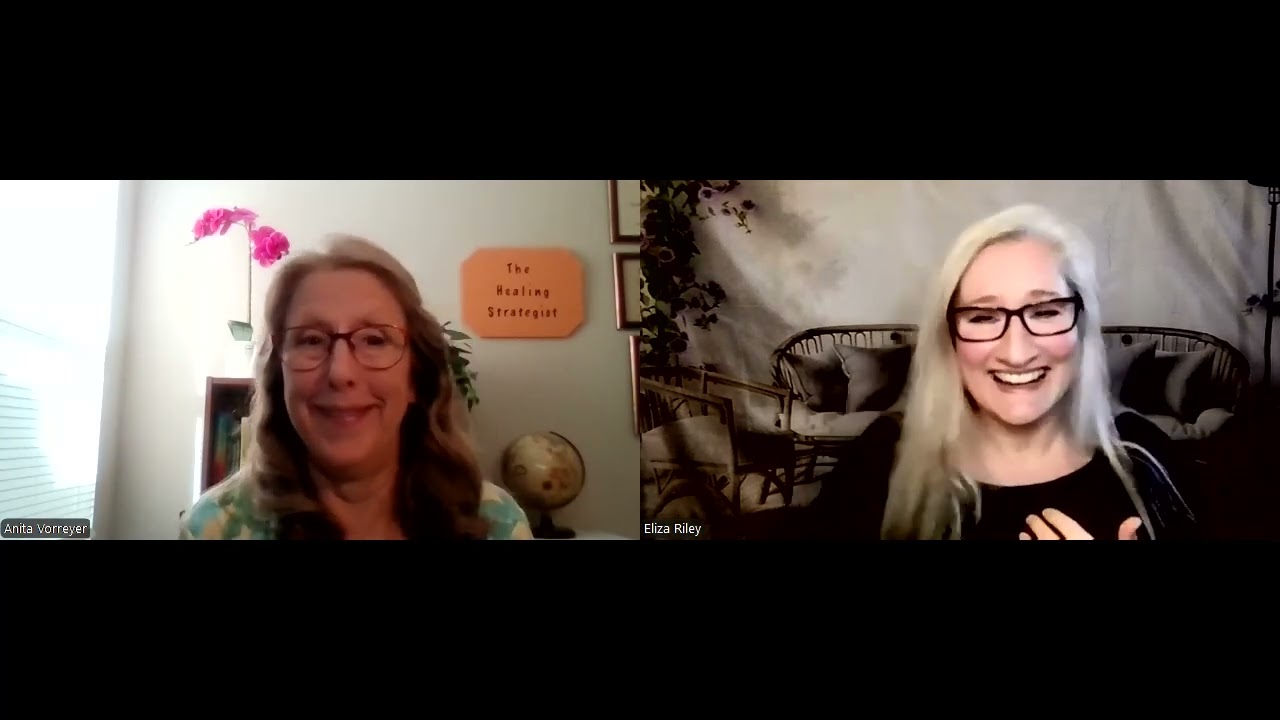
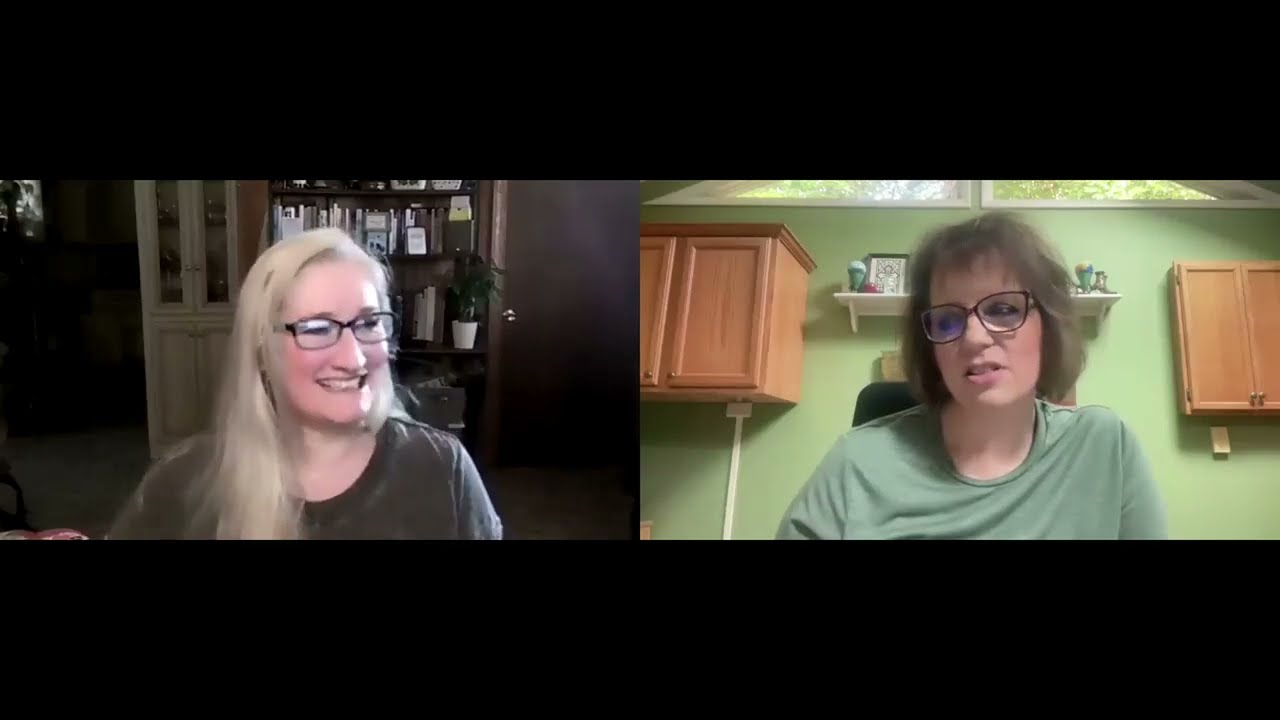
Eliza Riley closes the Holistic Menopause Solutions Summit with Dr. Anita Vorayer, sharing how frustration with dismissive doctors and Xanax prescriptions inspired her to gather holistic experts. Three quick wins: hydrate with sea salt and lemon, eat vegetables first to stabilize blood sugar, take a post-meal walk. Menopause is a "me-pause" to prioritize your own health.
Chapters
Hello everyone, and welcome to the Holistic Menopause Solutions Summit. I'm excited to be here with you today, and I'm especially thrilled to introduce someone very special who is doing me the honor of interviewing me for this session, Dr. Anita Vorayer. Dr. Anita is a health coach who helps people who have received a life-changing diagnosis to move through the shock, fear, and overwhelm into hope, healing, and new possibilities. Today, she's graciously agreed to turn the tables and guide our conversation as we close out this incredible summit. Thank you so much, Dr. Anita. It's a pleasure to have you here.
Well, thank you, Eliza. And I'm very happy to be here and have this opportunity and honor to interview you today as we wrap up this incredible summit. You've done such an amazing job bringing together so many perspectives and solutions To help women navigate menopause, perimenopause. Now it's your turn to share. So let's start with what inspired you to create this summit and bring these conversations to light.
So over the past several years, I myself have struggled with my own perimenopausal and then menopausal issues. I have seen doctor after doctor trying to get, get get help. And, and the, the theme that came across to me was how so often you're either— you're— my, my issues were either dismissed entirely or I was given something, some sort of a Band-Aid like, um, Xanax. I can't tell you how many times I've been prescribed Xanax, um, for, for my hot flashes, you know, which doesn't really do any good. And so when I was in, uh, talking amongst, amongst my friends and when I was on Facebook and other, other social media, and so many women are Talking about how they're just not getting the answers that they need. They're just not getting the help that they need. And so many women are are at a point in their lives where they're just tired of what I call the medical merry-go-round. You know, we have a symptom. We go to the doctor. We get a medication that doesn't actually address the root causes. Even if it helps, even if it helps what's happening with us, it it often causes other issues. And so we end up back in the doctor's office with other you know other things and more medication. And so, yeah, medical mainstream medical merry-go-round is what I've labeled it. So really, this was about bringing together people who are, you know, experts who are out there really talking about how we can traverse this transition in a way that is truly health forward and longevity increasing.
Yeah, that, that's wonderful. And so you can get to postmenopausal power. That's what I call where I'm at. Um, and you, you're so right. That's the journey that so many women have, that merry-go-round. So, Eliza, as you've been listening to all these wonderful, incredible speakers you've had on the summit, what's been the most common theme you've noticed across the sessions?
Well, so what really stood out to me is how many of the speakers emphasized tuning into yourself and listening to your body, whether it's through the, the food that you're eating, how you're moving your body, any of the things that we're doing, our emotional well-being. It all comes back to honoring our unique needs. I love that. With all of these different speakers, no one is out here promoting a one-size-fits-all solution for perimenopause or menopause because, because not having a one-size-fits-all solution is so empowering. It means that you get to create the path that works for you. And another common thread has been the importance of small, sustainable changes. So often when we're not feeling well, we want some big thing to come in and fix it all and make it all better. But when we can slow down and just make little tweaks into what we're already doing, we can start to see those, um, those, those big changes without— that do not require this drastic overhaul of, of what we're eating and how we're moving and what we're thinking and all the, all the things. But if we just focus on consistency and progress over time, we do still get to the, the goals that we're trying to reach.
Yeah, yeah, that's That's really something to take in. You're right. It doesn't have to be this huge drastic thing that you give away all this today and do all this tomorrow. And we get to retain who we are through doing those small incremental things.
Yeah. Yeah, go ahead. I was just gonna say, you know, if we could go into a surgeon and have our menopause cut out. Like, I think most of us would just do it.
It doesn't work that way.
It really doesn't.
I just embrace the journey. Yeah. And just take steps to take care of yourself. So because there's been so much information, right, some women may feel overwhelmed by all the information shared during the summit. What would you say to someone who's not sure where to start?
Well, I would say first off, it's completely normal to feel overwhelmed when you're presented with so much information, even, even such valuable information. There's still a lot of it. I mean, we've had 28 speakers and everyone has come with a completely different way of tackling some of even the same issues. So my advice is to just choose one thing that resonated with you, just one small change that feels manageable and exciting. You know, you don't want to, you don't want to choose the thing that says, oh, I would hate to do that. I don't want to do that. that. Don't choose that thing.
No.
Choose the thing that go, you know, that you, when you heard it, you went, oh, I could do that. Do, and then, and then just do that. Do that one thing. The key is to start small. And as you see the positive impacts of those small, of that small change, it's going to make it easier to add another one and another. And the goal is, isn't to do it all. You know, it isn't to come in here and learn from 28 experts and walk away and go like, okay, now everything is different and my whole life looks different than it did yesterday. It's just to do the thing that works for you.
Excellent advice. Now, there, there were moments during the summit where different experts shared differing advice, almost seemingly conflicting information. How can someone navigate that and then decide what's right for them?
Sure. Well, conflicting advice, especially, you know, you, we have so many different experts and so they do come at it from different, from different avenues. So it may seem like it's conflicting advice and it can feel frustrating, but it's also a reminder that every expert brings a unique perspective and every person's journey is different. My suggestion when you, when you hear seemingly conflicting advice is to experiment with what resonates most for you. If one piece of advice feels aligned with your lifestyle or needs, try it for a week or two and see how your body responds. If it doesn't feel right, that's okay too. Simply move on to the next approach. Perimenopause and menopause is deeply personal, and we need to trust ourselves to choose what feels best for ourselves. And just doing that is such an important part of this whole process.
Absolutely. Absolutely. Um, and really honor yourself in that individuality, you know. So, you know, you, you talk about simple steps to feel like yourself again. What might be your top 3 quick wins that a woman can start today?
So my, my top 3, if, if someone came to me and said, you know, just give me 3 things I can do right now, I would say first off, hydration. And I know everyone talks about water, water, water, drink enough water. But water alone, even though our bodies are mostly water, isn't always helpful or healthy. If you can just add a pinch of sea salt and a squeeze of lemon to your water, you like supersize it. Like you make it so much better for your body and your body is actually better able to absorb the hydration more effectively, which helps to reduce fatigue and brain fog. And so, Even just that simple step can help, can make doing all of the other things easier. The second one is even if you did not change your meals, even if you're looking at the same plate that you've looked at, you know, over and over and over again with the same hopefully protein, carbs, and vegetables, but whatever it is, simply changing the order that you eat your meals. can make a difference in how your body utilizes them. So if you start your meals by eating your vegetables first and then eat the protein and then finish with the carbs, even if you're still finishing your plate, by doing it this way, you help to stabilize your blood sugar, which can reduce your energy crashes and your mood swings. So that's the second one. And then the third one is to just take even a 10-minute break after meals, and I, I suggest 3 times a day after breakfast, lunch, and dinner, go for a 10-minute walk. But even if you only do it once a day, it's still huge. But when we walk after our meals, it helps with digestion. It helps to balance your blood sugar. It gives you a calming break from, from your day. There's so many benefits that come just from taking that break, taking that, that short break. And what I say when I tell my, my clients is, when you're done, when you're done with your meal, Like, just get out of the building that you're in, whether you're at a restaurant or you're at home, and start walking and set a timer on your phone. 5 minutes. Once the timer goes off, you turn around, you walk back. So you've got your 10 minutes in.
Very wise advice. You know, those are simple steps and very powerful. I do the sea salt and lemon juice and water thing that just really helps to stabilize your body. As well as moving your body, you know, and really interesting order of your food, right? Focusing on the order rather than what it is. And we have a lot of misconceptions about nutrition, so that's really important. And stabilizing blood sugar— blood sugar can really impact your moods in ways you're not even consciously thinking of it. So thank you for those 3.
You're welcome.
This summit has touched on a wide range of menopause symptoms, from hot flashes— those dreaded hot flashes— to brain fog, to emotional balance. Why is it important to take a holistic approach to address these challenges?
Yeah, because one of the things I've said over and over again throughout the summit is that menopause and perimenopause are hormones affect everything in our body from our hair to our toes. Like, there is nothing in our, in our mind or body that is not affected by hormonal fluctuations. So menopause is never just about one symptom. It impacts every aspect of our lives, from our physical health to our emotional well-being and even our relationships. Everything is affected. By taking a holistic approach, it looks at the bigger picture. It takes a step back from the individual symptoms and looks at the bigger picture and addresses the root causes of those symptoms. Like, like you mentioned, stabilizing blood sugar. By stabilizing your blood sugar, you actually reduce your hot flashes, you improve your sleep. And this is crazy, but you will actually have better relationships because you're in a better mood.
And that's not crazy.
I mean, just the fact that you are, that you, that everything that comes at you is not this, this big overwhelming challenge to, to your— to yourself anymore. When your blood sugar is balanced, it's, it's amazing. It affects everything. Um, it also can, uh, reduce cortisol, which affects your weight and your energy. Um, but by inner— by addressing the interconnectedness of, of these factors, you can create balance in your body and your mind rather than chasing temporary fixes like stop the hot flashes.
Right, right. And, um, I was thinking to my own experience, the dreaded night sweats. That for me was the symptom that— because it interfered with sleep, right? And when we talk about blood sugar, insulin's a hormone.
Mm-hmm.
And so they all do interact together. Um, your approach, Eliza, focuses on empowering women. With small sustainable change. And I think that's so powerful. In your experience, why do you think that's so effective, especially during menopause?
I think it's effective. It's, it's more effective because small sustainable changes are achievable even when life feels overwhelming. During menopause, it can feel like everything is out of control. We don't recognize ourselves anymore. I will tell you, I, during, during my menopausal, uh, years, I have annoyed myself more than anyone else has annoyed me. So everything can feel so, so difficult. But when we start with just one small change, like adding more vegetables to your meals or focusing on hydration, everything, every little step that we are able to take creates this momentum. You know, we start to feel better, we start to think better, we start to, to do better for ourselves. And then those changes make it easier to stick with Long-term, um, and over time they add up to significant, significant transformations. Um, so it's, it's really about building a foundation of wellness that supports you for years to come.
Absolutely. Absolutely. And all those small positive changes have a big impact the older you get. Aging does not have to be painful. And so take the steps toward lead to where that, that's, that's a very beautiful part of your life. And I can say that being older. So I wonder, what has been your favorite part of hosting this summit and bringing together these incredible speakers? What have you enjoyed the most?
I would say that my favorite part has been really just seeing how many different perspectives and solutions are available to help women during perimenopause and menopause. Each of the speakers that have, have shared with you guys through, through the summit have brought something unique to the table, and it's been amazing to just create a space where women can learn and feel supported. Another highlight for me has been knowing that these conversations are, are helping women, that they are sparking hope, ideas, and action. It's just incredibly rewarding. I truly believe that the summit has been about more than just information. It's been a movement to help women feel empowered and seen during this phase of our lives.
Oh, so, so important. Finally, what's one piece of advice or encouragement you'd like to leave with our audience as they move forward?
I think that the, the most important thing is to know that you're not alone in this journey, that it's never too late to start feeling better, whether you are, you know, in your mid-30s and you're just starting to have those hormonal fluctuations or you are well past that day of menopause, because, you know, we're in menopause for the rest of our lives. It's never too late to, to start putting yourself first and to make yourself— to help yourself to feel better. Menopause doesn't have to feel like an uphill battle. It can be an opportunity to reconnect with ourselves, to prioritize my health and your health in a way that you maybe never have before. So my, my biggest encouragement is to start small. Choose one thing you've learned during the summit. Take that first step. Remember, progress, not perfection, is key. You deserve to feel amazing. And every step that you take is a step closer to that.
Very wise advice, dear. Very wise advice. And I think sometimes menopause is the first time we really focus on taking care of us, right?
Yes.
So thank you, Eliza, so much for sharing such practical and empowering insights today. I thank you for allowing me to ask you those questions. It's an honor, and I know the women listening are walking away with so much hope and clarity. Before we close, do you have any one final thought or piece of advice or encouragement you'd like to leave?
Other than just what I just was sharing about slowing down, listening to our bodies, like you said, menopause. It's funny, we break that word apart so often, and the first 2 letters are me. And I truly believe— and then we have pause. We have this me-pause. Like, we have this opportunity to slow down and really listen to our bodies, listen to ourselves. And, you know, I think that for most women who, when we, when we get to this stage in our lives, we've spent our whole lives either for, for others, you know, for our parents, for our, for our spouse, for our children, for our, our jobs and our bosses and our careers. It's always been someone else first and, and, and self second, if at all, if we're even on the list, you know.
Right.
And so this is such a great opportunity to slow down and to start putting yourself first and to figure out what makes you smile, you know, what brings you joy, what makes you happy, what brings you fulfillment. And so I really believe that menopause is a time of rebirth for each individual woman.
Yeah.
If we can just look at it that way, you know, yes, there are so many challenges that come up, but if we can reframe frame it instead of looking at, you know, what is this doing to me, and what is this doing for me.
Yeah, I would so agree. Thank you so much, dear, and thank you for listening to us today. Any closing words that you would like to leave with your audience, Eliza? And again, thank you for allowing me to be here.
My pleasure. Thank you, Dr. Anita. I so have appreciated, uh, your questions. They were thoughtful and, um, and, uh, very helpful. Thank you so much for that, and thank you to everyone who has us throughout the summit. I want to take a moment to just express my deepest gratitude to all the experts who have shared their time, wisdom, and expertise. Their insights have created a space filled with possibilities and hope for every woman tuning in. And to everyone listening, thank you for being part of this journey, for showing up for yourself, and for being open to learning and exploring new ways to feel your best. It's been an honor to share this space with you. Take what resonates, trust yourself, and know that you have a wealth of knowledge to draw from. Thank you all so much. Bye.
More from Eliza
Why “Trust the Science” Has Left So Many Women Confused About Their Health (and what to do instead)


Small Shifts, Big Relief: What’s Actually Helping in Menopause (According to Real Women)
What No One Told Us About Menopause: Real Symptoms, Real Stories, and Small Changes That Matter

Menopause Symptoms No One Warned Us About: Brain Fog, Itchy Ears, Sleep Struggles & More


Menopause Support Live | HRT Withdrawal, Brain Fog, Hair Changes & the Truth About Hormone Therapy

Menopause Support LIVE with Eliza & Jennifer | Night Sweats, Hormone Therapy After 60 & More

The Gut-Weight Connection: Why Your Belly Won’t Budge (Even When You’re Doing Everything Right)
Tired, Sore, and Achy? Your Gut Might Be the Reason | Gut Health & Joint Pain in Menopause