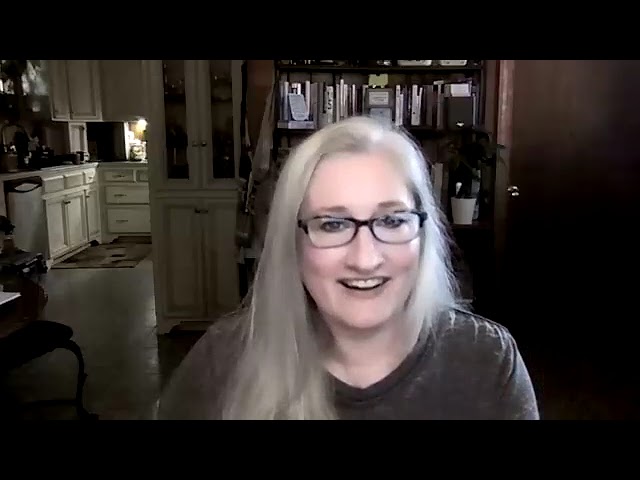
In this live YouTube session, health coach Eliza Riley walks viewers through common warning signs in health coaching and offers guidance on identifying trustworthy practitioners. She begins by noting that the title "health coach" alone reveals little about a coach’s training, experience, or effectiveness. Riley then outlines five major red flags: (1) exaggerated quick‑fix promises (e.g., losing half a pound a day) that often lead to weight regain and muscle loss; (2) one‑size‑fits‑all programs that ignore individual physiology; (3) fear‑based marketing that makes clients feel broken unless they purchase a product; (4) overreliance on supplements or proprietary products, which should be adjuncts rather than the sole solution; and (5) lack of transparency about qualifications, pricing, and program expectations. She acknowledges that not all coaches exhibiting these traits are malicious, but they warrant caution. Riley shifts to what to look for in a high‑quality coach, emphasizing four pillars: personalization to the client’s unique needs, a focus on sustainable long‑term health rather than rapid weight loss, empowerment that avoids pressure, and clear, transparent communication about services and outcomes. Throughout, she shares personal anecdotes, references studies on rapid weight loss rebound, and invites audience questions via chat, offering to follow up. The talk concludes with a call to action for viewers to reflect on what they truly need in a coach, consider reputable resources such as summit recordings, and reach out for personalized support if desired.
Chapters
Thank you guys so much for for being here. I'm really excited actually for today's conversation. I mean, I'm always excited to talk to you guys, but I'm really excited about today's conversation because I'm diving into a topic that's so important, and it's it's I think that it's something that we don't talk about very much, and it's something that we probably don't really think about a whole lot. So, and that is how to spot red flags in health coaching. As you guys know, I am a health coach. I It's interesting, I actually got into this argument recently with a woman who is a nurse and she's like, what, you go to school for 6 months and you call yourself a health coach? And yeah, a lot of people do. That's not my personal journey, but a lot of people do exactly that. So it's important to, to recognize that the health coach designation Doesn't tell the whole story. It doesn't tell you where, you know, how long someone's been to school. It doesn't tell you how long they've been practicing. It doesn't tell you how many people they've actually helped or what they do, because there are so many different avenues into health coaching. And I will tell you, the school that I went to, the people sitting in the chairs around me were doctors and nurses who literally walked away from their PhD designations, their RN designations, and chose to be health coaches because they knew that, they recognized that it was a way to actually heal people in a way that their conventional medical knowledge wasn't doing that, so there's a lot, all that to say there's a lot of information out there About menopause, about hormone balance and health, and some of it is fantastic and some of it, well, let's just say it can be misleading or even harmful. So today I want to help you guys feel more confident in recognizing what's helpful and what is a red flag. And if you have a question for me, please feel free to drop, drop it in the chat. I will be monitoring that, and I will make every attempt to either answer it here while we're live, or to come back and get an answer for you at some point later on, if that's, if that's what it takes. But I'll get an answer for you. So, so what I'm going to cover today, and I apologize, I feel like I'm sitting on something painful. Yes, I dropped a nut earlier. And I was sitting on it and it didn't feel good. Very— I'm going to be very real with you guys. Okay. So I'm going to cover some of the biggest red flags that you should watch out for, how to tell if the advice is actually right for you, you individually, you, and what to look for in a coach who truly supports your journey. So let's just start with some of the most common red flags. So at least that I see when it comes to health coaching and advice. The first one, which honestly this whole conversation came and you guys may have seen I posted over the weekend that I'm in a business building group for health coaches. You know, that's this is what I do, and so I'm always interested in you know how to reach more people and how to how to get more. Gain more clients and things like that. And this is— that's what this group talks about. It's just we talk about things that are— what we're doing that works, what doesn't work, things like that. And I came across someone who was claiming— who was telling her clients that they could lose half a pound a day by using her product. And claims like that, Whether they're, you know, lose half a pound a day or lose 10 pounds in 10 days or cure all of your symptoms with this little pill, like those types of claims, when you see them, you should just run the other way. As we know, sustainable change takes time. Quick fixes almost always— and there have been studies, especially studies on weight loss— when you lose weight really fast, Depending on the study that you, that you read, it either says 90% or up to 100% of people in the study gained all of the weight back within 2 years. And in most cases, they gain more back. And that's because when you lose weight that quickly, one of the biggest challenges— and it's not to say that you— that it happens every time, but one of the biggest challenges is not losing muscle when you're losing weight that quickly. It can be very difficult to maintain your muscle, your muscles. And so when you lose weight that quickly and when you start to put it back on, you don't have the muscle, you don't have the muscles there that help to keep everything where it's supposed to be and keep the weight loss off. So it's all bad. Quick fixes almost always lead to frustration and in some cases, Real health risks. And if you'd like to read more about what I was saying on that, I did, I did create a post over the weekend. You can read about why that particular claim can be dangerous. So the next common red flag is one-size-fits-all programs. As we all know, your body is unique. My body is unique, and what works for me, or what works for you, may not work for someone else, and what works for someone else may not work for you. So, if someone's program doesn't take your individual needs into account, it's not designed to help you, to help your body. And I say that, but I will say, and I will say one caveat, quite often health coaches will put together some sort of a group coaching program where you're kind of following an agenda. You know, we're going to do this and then we're going to do that and then we're going to do this. Those can be helpful if where they're starting and where they get— and the path that they take you to, like the end result is where you want to be, it may— it can be helpful. It's not to say that they're never helpful. They can be. Also, when— if they have some sort of a personalization piece in there, that's just going to get you where you're wanting to go in a much, much better way because they're looking at you and your issues and your body and where you are and where you want to be because all of us, you know, we may all want— we all want to be healthier but we don't all— what that looks like is not the same for all of us so you need someone who's really going to pay attention to what's important to you and the 3rd red flag is fear-based marketing and I think all of us have seen this in some way, If a coach or a program makes you feel like you need their product to be fixed, that's a huge red flag. You should never feel like you're broken or that health is only possible if you buy into something. And the 4th red flag is overreliance on products. Now, I will never— I will not say like that there aren't helpful things. I talk about I talk about progesterone cream. I talk about supplements. I talk about teas. I talk about magnesium, topical magnesium. Like there's a lot of things that I that I use and that I know can be really helpful on the journey to good health. But a good coach and a good coach may be may suggest helpful tools or supplements, but they should never make you feel like the only way to succeed is by buying. This product or by using this product or by— well, yeah, that's it, by using their products. So you want to be careful with that because ultimately the thing about using products like supplements, you can get back to health with food. You can get back to health with lifestyle changes. But quite often we want to use the supplements because they're going to make you feel better faster, and they do sort of a— it's sort of a Band-Aid in some ways, but because you're healing underneath it, like it's giving you a chance to heal. And then when you remove the Band-Aid, when you get rid of the supplement, you've healed the issue. So you don't have to continue to rely on this product to feel good. You use it temporarily to Fix the underlying issue, and then you can remove it. Okay, the 5th red flag is a lack of transparency. If a coach isn't upfront with you about what they're offering, what their qualifications are, or what you can expect from their program, that's another big red flag. And I want to be clear, not every program or coach who does one of these things is intentionally harmful, but these are signs that you need to just slow down, you know, step back, ask yourself, Does this truly feel right for me and for my body and from where I am? I want you to think back to a time when you felt completely stuck in your health journey. Maybe you kept trying different things like changing your diet, taking supplements, following advice that sounded promising, but nothing really worked the way that you hoped. I hear this all the time. I hear women come to me all the time and say something like, I tried everything. I still don't feel like myself. And I get it because I've been there too. So I want to go through some of the common struggles and what can change when you finally have the right kind of support. So maybe you've tried diet after diet. I know by the time you get to be in your 50s, like I am, you've tried a lot of them. I haven't tried them all, but I've tried a lot of them, and I know most of us have, and nothing really sticks. Nothing really works. Even when we lose some weight, it tends to come right back, or we end up feeling worse than we did before. So now imagine understanding exactly what your body needs. No, no more guessing, no more extreme restrictions. You finally find a way of eating that makes you feel good, that is sustainable, and actually works for you. Good coaching will do that for you. Or maybe you spent hours reading articles and watching videos trying to figure out what to do. But as we've seen, one expert says one thing and another expert says the complete opposite. So how do you know who to trust? And how do you know what to do? With the right support, you don't have to sort through all of the noise alone. You gain clarity, you gain confidence, and a plan that makes sense for you, not just another generic list of rules. And these are some of the reasons why having the right kind of support matters. It's not about quick fixes. It's about finally feeling in control of your body and your health again. So, some of the things that you can look for in a good coach. I have— I'm going to share 4 things with you, but one of them is Personalization. So we talked about, um, uh, the red flag of, of it being sort of cookie cutter or one size fits all. Um, a good coach is going to take the time to understand you, your needs, and what health looks like for you. So again, we're all different. Another thing is that they will focus on long-term health instead of quick fixes. So, like, for, for myself, and I will just share with you guys, I'm not a weight loss coach. I'm just not. It's, it's, it's not, it's not something that I feel like, yeah, come, come and work with me and I'm going to make you lose 10 pounds this month. It's just not something that feels right to me. But I, but I will, I will tell you that when I work with women, we start to do We start to set the foundation for health. So we do that by— we start with nutrition, we start with the gut, and then we work on adrenals and liver and the different parts of the body that need to be built back up so that you feel your best, so that your hormones are balanced and you start to feel good. And a side effect of that is you lose weight. Like, it's great. It's amazing. But I— but that's not the focus for me. That doesn't feel good to focus on. We're just going to get you to lose weight. Like, it doesn't matter if it feels good. Like, we're just going to make you lose weight. That's just me personally. That's— I'm not— it doesn't feel good to me to focus on the scale. So, the 3rd one that I have here is empowerment over pressure. You should feel supported and guided and never pressured. into decisions that don't feel right for you. I know it's an important one, a big one. And finally, clear, transparent communication. You should always know what you're getting, how it works, and what's expected of you. And so, if you, if you are considering working with a coach, these are things that you'll want to ask about. You'll want to get— you want to be clear that On how, how they get you from where you are to where it is that you want to be. And, and there's lots of amazing coaches out there. Some, we, some of you met many of them during our summits, and that's a great resource. If you have the summit, you can go back and take a look at that and find one that speaks to you. So, I know I've spoken a little bit about how I work with my clients, and, and, and I would love to, to talk with you guys more about that. I'm not going to talk about that during this live because I really want to focus on coaching in general. But if you have any questions about working with me, you know how to find me. Just reach out, send me a message. And, uh, and we'll, we'll have the conversation. That's fine. So, I would love, I really would love to hear your, your thoughts on this. Um, have you ever encountered red flags, um, in health coaching or, or advice? And, and I'm curious too, not just about health coaching, but have you ever gone to your doctor and got some advice that you walked away from going like, that just didn't feel good? Um, or do you have any questions about About any of the things that we've covered today, please feel free to ask them in the comments. Like I said, I, I may not get to them in this live, but I will absolutely get back to you about them. We'll have a— we can have the conversation. I would love to talk with you guys. And if the conversation today resonated with you, and if you're looking for personal supports, let's connect. Sorry, that's in my notes. I'm like, I just said that. It's right there in my notes because I wasn't paying attention to the notes. Um, but, but there we go. That's, that's what I wanted to cover with you guys today. And, um, and again, I really would love to hear what you guys, what you guys think about red flags in health coaching. Um, and if I didn't cover something that you would like to know the answer to, please ask. I'm here for you. Um, just to recap, we covered, uh, today we talked about common red flags in health coaching, what to look for in a good coach, and how the right kind of support can make all the difference in your health coach— in your health journey. I would like for you guys to take a moment to think about what truly, what you truly want in a health coach. And, and, you know, it's interesting to me, someone, 'cause I, I was struggling actually with getting a coach for myself because I'm like, I, I shouldn't need a health coach. I am a health coach. Like, how can I, how can I like warrant having someone else tell me to do the things I already know I need to do? But the thing about coaching is that Um, um, the sharp— even the sharpest knife in the drawer can't carve its own handle. And anytime you're trying to do something that you've never done before, it's important to get to, to get someone on your team who has and, and have them walk with you on that journey. It's so important. You deserve support that empowers and uplifts you, and I hope that you'll reach out to find it. So again, thank you guys so much for spending this time with me. I hope that this helps you feel more confident in your health journey. I'll see you guys in the group, and until next time, take care of yourself. Bye.