
The Simplest Thing You Can Do Today to Feel Your Best During Menopause
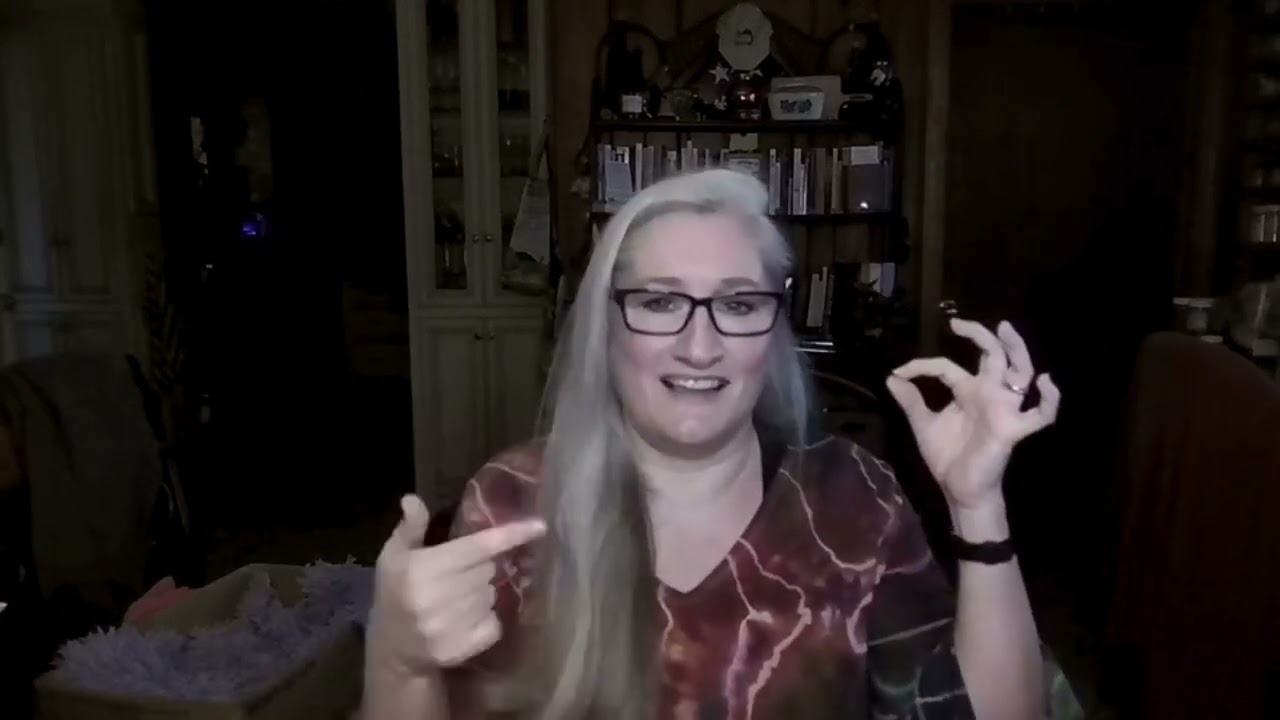
Health coach Eliza Riley explains how journaling helps women spot menopause patterns and triggers. She discovered a latex allergy from her earbuds by tracking ear pain in a journal for a year. Riley offers a free workbook with symptom trackers and a menopause journal to get started.
Chapters
Hello again, everyone. Thank you so much for joining me today, and I'm excited to finally be able to talk to you guys about what we were talking about last week, which was journaling. And I know that many of you saw that I wasn't able to, to be here live last week. I had to postpone because of some very unusual— if you guys are watching The news. I don't watch the news, so I typically am quite clueless about what's happening in the world, in the country, in the state, in my city. Like, I don't know. I don't watch the news. But so you— but so you may not have seen this, and that's okay. But Louisiana, here in South Louisiana, we actually had a very unusual weather storm. We had a— what they call one of those— what do they call that? A once-in-a-lifetime weather event. We here in Lafayette, Louisiana, we received 10 inches of snow, and it's not S-N-E-A-U-X snow. I mean, it was the real thing. It was actual snow, which I don't know that I've ever actually seen before. So it was really quite cool. It was cool, to be honest. It was cool to have that for a few days. And on top of that, and I don't know if you guys— again, I don't know if you've seen this, but That was the last time that we'd actually received that amount of snow in the South, in the South Louisiana like that, was in 1895. So, a very, very long time ago. And we probably won't see it again in our, in my lifetime, at least. But, and so that was not unhistoric. I mean, we've not had that in a long time, but we've had it before. But the, we had record-breaking Temperatures. Here in Lafayette, Louisiana, we actually got down to 4 degrees, and in the recorded history of weather here, we've never seen that. And even the town next to us got down to 3 degrees, so it was crazy. And on top of that, we lost water here for 2 days. Much of the South did lose water. Because of— because we don't know. We have no clue what to do in cold weather. The city is not prepared for it. We don't have ice trucks. We don't have— well, heck, I don't even know what you're supposed to have. Like, in places where they actually have snow regularly, I don't know what you guys have to deal with this. We just, of course, were completely shut down for several days, and because so many People don't know how to properly protect their pipes. We had a lot of broken pipes, and so that meant a lot of families, including us, without, without water. Luckily, we, we were only out of water for 2 days. But I will tell you, it is— it was incredibly stressful. It really made me realize just how much I take water for granted, not just for things like, you know, bathing and brushing your teeth, but things like prepping for meals. And washing your hands, like, you, you can't just go and do that anymore. You have to, you have to suddenly figure all of this stuff out. It was just really crazy. And, um, and we even at the same time, because we did not have the forethought to bring in our delivered water bottles, you know, the stuff that we drink every day, they froze. And so we were out of those for a couple of days. So no water, no water to drink, no water to cook with, no water for anything for a couple of days. It was really crazy. Really a tough experience, and I'm so grateful that everything is back to normal now. So all that to say thank you guys so much for for being patient with me and for understanding. I really appreciate you all. And today we're going to talk about journaling, and I want to talk about why it's such a powerful tool for your health journey. I I said in the in the in the description this is actually the most powerful tool for helping you to feel your best, and it truly is because not only is it something that you can do. Like you can start doing right now, but it's something that you can do for free. It doesn't cost anything to start just tracking what's going on in your body. And journaling is more— is about more than just writing things down. It's about creating awareness and finding the patterns that can guide your decisions. And the first step when it comes to journaling is tracking, but it's important to go back and look. It's also important to go back and look for patterns. So So, while journaling is super important, you know, just taking the time to sit down and write down what's happening, what you're doing, what's going on, and the things that are important to you. The more important thing is to go back and look at what you've written for patterns. So you can't just write it down and forget about it. Never, never look at it again. That's not helping you. Journaling is not just about documenting. It's about connecting the dots. So that, you know, okay, when I do this, it leads to this, and either I want more of that or I don't want that anymore. I'll share with you guys just a quick story of how journaling helped me personally. I, when I, I'm going to be 51 next month, but a couple of years ago, I struggled with what I truly feel for me has been the most Severe of my menopausal challenges. And that was, I was having ear, um, ear issues. Like the insides of my ears, they would itch, they would burn, there would be so much pain. Like the whole side of my head would hurt from the earache. Um, and, and then, and then it would itch and you can't scratch because it hurts so very bad. But then like, how do you not scratch your ear when it itches? It was so bad. It would keep me awake at night because I couldn't— I like to sleep on my side and I couldn't sleep on my side because the pillow would, would be painful. And so I, I will tell you, for like a whole year it would be really bad and then it would be okay and it would be really bad and it would be okay. And I kept going back and looking at like, what am I eating? What am I— what shampoo am I using? Like, I kept trying to find culprits. That would help me go like, there it is. That's why. That's what was causing these, these, um, this, this ear issues. And I was sort of randomly just going, oh, well, it's probably gluten. Well, I'd already stopped eating gluten, but, you know, like I would say, it's, it's, um, it might be gluten. It might be some hidden gluten that I'm having, or it might be some hidden dairy that I'm having, or it might be something that, um, you know, I was looking for all of these triggers, something that might be causing the, the pain. And I was even adding in all kinds of supplements because I'm like, oh, maybe it's a— maybe, maybe it's parasites. Like, so let's, let's work on parasites. Maybe it's— maybe it's a deficiency of something. So I'm adding supplements to try and, to try and make it better. And again, every now and then it would like, oh, that's better. Yeah, that must be it. And then I would— so I'd do more of that and then it would come right back. I'm like, okay, that's not it. Nothing was working. So then I was like, okay, I gotta journal about this, because that's how I'm going to finally see the pattern. So I started journaling about it, and I realized I'm actually allergic to latex, and the earbuds that I was using were made of latex, and they were causing all the issues. I started like recognizing what— because I really don't wear earbuds very often. I don't like to use them when I'm on the phone. I don't like to listen to use them in-ear earbuds whenever I'm like doing classes or things like that. But I, but by journaling, I was able to pinpoint earbuds in, allergic reaction, earbuds out, no allergic reaction. So, oh my gosh, and it really is that simple. I mean, to recognize I was, I made myself miserable for a year because I was putting a, putting this earbud in my ear. And, and I will tell you in all honesty, My ears are not 100%, even though I've, I've made this connection with the latex. And I think that, you know, because of menopause, my ears are more sensitive than they used to be. So some of the other things that I was doing that were also causing issues are still— I'm still tracking them. I'm still making— paying attention. But, but removing the earbuds removed like 90% of the issues and I sleep so much better now. So, again, it sounds so simple, but without journaling, it might have taken me much longer to figure it out. Journaling just simply gave me the clarity that I needed to solve the problem. And so, when you think of journaling, especially when it comes to your health, you may be thinking that you have to write down everything. And, and you certainly can, but if you're wondering where to start, some things that you can track are like what you eat and drink throughout the day, your energy levels, your mood, your symptoms, like if you're itching, hot flashes, irritability. I mean, we all know when we don't feel our best. And if you can track, if you can just write that down, like, I'm not feeling so great today, and here's what's happening. Here's what's happening in my body. Here's what's happening in my, in my thoughts. Your sleep, that's a big one to track. You can write down what time you go to bed, what time you wake up, how many, how many times you wake up throughout the night, and, and whether you were— it was just a, I woke up and went to the bathroom and then went back to bed and fell asleep right away. That's good to know. Or it's, I woke up and then I was wide awake and I laid there for what felt like an hour, and, and then I went back to sleep again. It's good to know these things. So, um, so it's good to track then how, how rested you feel during the day. So, like, like last night, I didn't sleep great. And so today I am more tired. So that would be something that I would jot down. Again, it's a pretty, pretty obvious connection there. Didn't sleep well. Today I'm tired. But you can also track any supplements that you take, any medications that you take, activities like exercise. And another big one is stressors. So, like, if you lose water for 2 days, you'll want to write that down because that can lead to additional stress, and which can lead to not feeling your best. But the interesting thing about tracking journaling is that you don't have to track everything all at once. You want to start small and build from there. And you want to start with the things that are most important to you right now. So, if you are struggling with sleep, then tracking the things that, that, that go with sleep would be important. If you're having issues with, like, your gut, tracking your nutrition, the things that you eat and drink. The times that you eat and drink them, the portions, things like that. Those would be good things to track. And to make things a little easier for you guys, I've created a free journaling workbook. I will drop in the link for you guys how you can, how you can get access to it. Some of you may already have, have already signed up for it, and you can just go in and get it. So it's, it's really just 6 pages of tracking, of journaling. So you have one that says my symptoms. Symptoms tracker. And with this one, one of the really interesting things that I think we don't often think about is you might say something like, I'm having— I have— I had a hot flash. So you can write that down, hot flash, but it's also important to write down how severe it was. If it wasn't that bad, you know, you'll put it like maybe as a 1. If it was like one of the worst ones that you ever have, then you'll go higher on the list there. And then you'll say, like, today I had, I had 1 or 2 or 10. You can put that down and then you can start to— once you start tracking them, you can start listing possible triggers. And so I have a space for that as well here. So you've got a symptom tracker and you have a symptoms relief strategy worksheet. Again, once you kind of get some ideas of what, what might be causing it, then you can start working on the strategies that may help to help you to feel better. Um, mapping your support system is one of them, um, just so that you don't ever feel alone in what you're, what you're struggling with. Um, it's good to just have a reminder of who's there for you and where, and places where you can turn. And that's, that's what that list is for. The Wheel of Self-Care is one of my favorites because it gives you a way, it gives you an opportunity to go through all of the, the different items, uh, like nutrition and hydration, stress management, sleep quality, and, and, um, Plot, plot it for you. So you may say like this month my sleep quality, or today my sleep quality is at a 1, or for me it's probably like a 4. Um, but then, uh, you can, you could, you can do it on a day-to-day basis, you can do it on a week-to-week basis, or you can do it even, even longer than that. Um, but, but you can revisit it as often or as rarely as you need to, um, as little as once a year if that's all you, if that's all that you need. Um, the menopause journal is actually really cool. Um, you can write down, um, how you felt or the things that you're, that you're dealing with, and then your thoughts on them. And finally, the last one is a menopause self-assessment. And this one, it says things like, um, I eat a balanced, healthy diet, and either you say I do, I don't, or sometimes. And, um, and so again, it just gives you some clear ideas of how to move forward. And what I would suggest is that. You print them out, keep a master copy, or just, or just keep it on your, on your computer so that you can print it out as many times as you need, so that when you have used the, the page, you can come back and revisit it as you need to. And again, I will put the link in the comments. It's completely free and it's a great resource to help to guide you. And, um, Again, thank you guys for being here with me. If you have any questions about journaling or how, how to use it for your health, drop them in the comments. I'll be— I'll answer them, whether it's here in the live or later. I will absolutely get an answer for you. And with that, I think we'll go ahead and, and wrap up. I so appreciate you guys being here. Just a quick recap. We talked about why journaling is so powerful. What to track, and how to use the Midlife Matters workbook to make it easier. Remember, journaling is about finding patterns and creating clarity. It's not about perfection. Do not feel that you have to write everything down every day, all the time. Write down what you can and use that because, again, writing it down is the first step, but the more important part is. Going back and looking for clues, looking for patterns, looking for guidance as to what's going on and what you can do to change it. That's really where you're able to start healing your body because now you know, okay, so when I do this, I get that. And it doesn't have to be all bad things either. You know, you can say, when I do this, I get this other great thing and I want more of that. So then we'll do— so then you know how to cultivate. more of those good things in your life too, because now you know exactly what you're doing to get there. So, not about perfection. Do not allow stress to— do not allow journaling to become a stressor in your life. We have enough stressors in our life. This is really something that you can do for you that will help you to figure— to learn more about yourself. And yeah, don't, don't allow it. Don't allow it to stress you out. But if you're ready just to get started, download the workbook that I, that I'm sharing with you. It'll be in the comments and try tracking just 1 or 2 things this week. I think you'll be surprised at the insights that you uncover, and I would love to hear more about them. So if you, if you track something and you figure it out, or don't, please let me know. I really do want to hear more about, about that with you guys. And this week in the group, we are talking about red flags when it comes to coaching. As you guys know, I am a health coach. I've been a health coach since 2011, and I have worked with a lot of women over the years. And there are some things that you should be cautious of when it comes to working with a health coach. And so we'll talk about those this week, and I'll be back here on Thursday for the next live to discuss, to go into that with you guys a bit deeper. And I will see you then. Thank you so much. For spending this time with me. I hope that this inspires you to start journaling and take one more step toward feeling your best. I hope you all have a wonderful evening, and I will see you next time. Bye, everyone.
More from Eliza
Why “Trust the Science” Has Left So Many Women Confused About Their Health (and what to do instead)


Small Shifts, Big Relief: What’s Actually Helping in Menopause (According to Real Women)
What No One Told Us About Menopause: Real Symptoms, Real Stories, and Small Changes That Matter

Menopause Symptoms No One Warned Us About: Brain Fog, Itchy Ears, Sleep Struggles & More


Menopause Support Live | HRT Withdrawal, Brain Fog, Hair Changes & the Truth About Hormone Therapy

Menopause Support LIVE with Eliza & Jennifer | Night Sweats, Hormone Therapy After 60 & More

The Gut-Weight Connection: Why Your Belly Won’t Budge (Even When You’re Doing Everything Right)
Tired, Sore, and Achy? Your Gut Might Be the Reason | Gut Health & Joint Pain in Menopause