
💥 Why You’re STILL Tired After Sleeping: The Truth About Adrenal Health

A wellness coach with Addison's disease explains why midlife women stay exhausted despite full sleep: overworked adrenals from chronic stress disrupt cortisol and hormones. Five fixes include eating five to six small meals daily, protein within 60 minutes of waking, and 4-4-8 breathing to reset your stress response.
Chapters
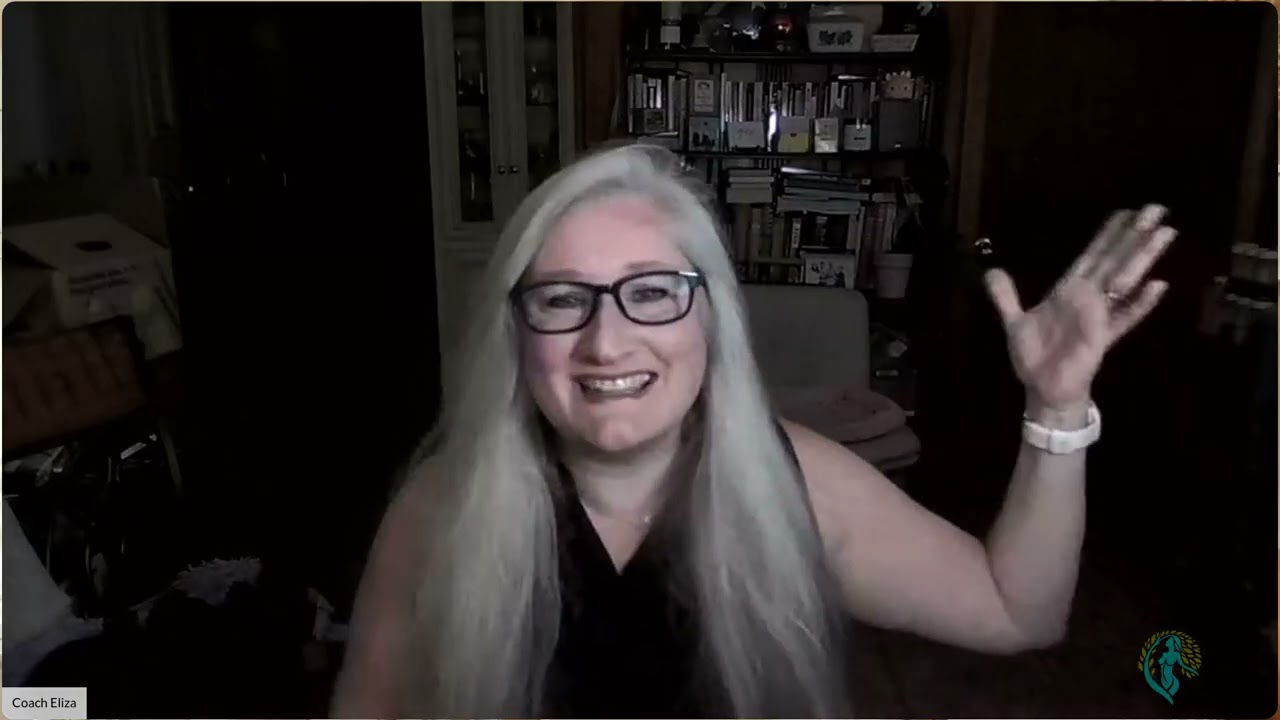
Yeah, so I'm so excited. What I was saying is I'm so excited to have this conversation today because it's something that, um, has, uh, been on my radar for a long time. It's something that I personally had to deal with. I actually had Addison's disease, which is where your, your adrenals just stop working altogether. And so that's when I really started learning about, about what happens in our bodies with our adrenals and why it's It's so important that we take care of our adrenals. So yeah, I'm excited to have this conversation with you guys, and I will get started in one moment. So welcome everyone to this edition of Weekly Wellness here in the Holistic Menopause Health Group. I am so excited. As I said, I'm so excited to have this conversation with you guys. I'm so excited to have you here with me as we dive into this topic: adrenal health— why you're so tired even after sleeping. I'm gonna just start with a quick question for you guys. Do you feel like your energy runs out just way too fast? Like you wake up in the— and you start the day with plenty of energy, but by the afternoon you're just done, if you even make it to the afternoon. I know for me, like, I could, like, literally an hour after I wake up, I could go back to bed. I'm just tired. I'm done. So yeah, if that's you, So let's talk about why that might happen. What are, what are your adrenals and, and why do they even matter? So our adrenals, they're these tiny, they're like walnut-sized glands that sit on top of our kidneys, and they, their main job is to help you handle stress. So you kind of think of them as like managers of our body's energy supply. And for most of us, We have been running our— these little managers into the ground. So if you want to think of energy, it's like a smartphone battery, right? So imagine your body is a smartphone, and every night you plug in to recharge. Like, that's sleep. Like, that's your plugging in. And ideally, when you wake up in the morning, you have 100% battery and you're ready to go, right? But if your battery is worn out, you could sleep all night and still wake up with just a 50% battery. Or even worse, you wake up and you're already in low power mode before you even get out the door. Like, that's what happens with our bodies. That's what happens when our adrenals are overworked. And when we're in our 40s and 50s and we feel like stress is hitting us harder than ever before, it's not just in your head. Your adrenals are taking the brunt of it. And, um, so we're going to talk today about why that happens and what you can do about it, which is really exciting because it's actually not as hard as we may think it would be to fix this issue. So what's really going on? Well, your adrenals have been dealing with stress for decades by the time we get to, to midlife, and that long-term wear and tear adds up. During perimenopause and menopause, your adrenals take over some hormone production. And if they're already struggling, this transition for them is even harder. Chronic stress rewires your nervous system, as, as we know. Your body— and if your body has been in fight or flight for, for years, it doesn't just turn off overnight just because now, okay, I've got this other thing I have to deal with— menopause. Our bodies are still— it's just adding on. It's just adding on more stuff that's going on. So I have another question for you guys. Have you noticed that stress feels harder to recover from now than it did, say, 10 years ago? If that's you, drop a yes in the chat for me. So some signs that your adrenals are struggling. So how, how do we know, right? How do we know if the things that we're feeling in our bodies are just menopause? Or are signs that our adrenals are struggling, right? We— how do we know? So there's a few key signs that you can look out for. Some of them are you wake up exhausted even after a good night's sleep or a full night's sleep. You know, you sleep 7 or 8 or even 9 hours and you wake up exhausted. You wake up feeling like you've not slept. And you know you have. You get— or you get an afternoon energy crash and you crave caffeine or sugar to keep going. Or your weight is creeping up, especially around your belly. It's another sign. Or your mood swings feel more intense than ever. Like you just don't know why. Like you go from like 0 to 100 when it comes to, to anger and aggression and mood swings. And finally, you're wired but tired. You're too exhausted to function, And too restless to sleep. So which one of those are you like, yeah, that's me? Tell me in the chat. And so why adrenal health matters when it comes to our hormones, right? Like, why are we even having these? All of them for me too. Why are we even having this conversation at midlife, right? It's because your adrenals and our hormones are directly connected. And here's why that matters. When your adrenals are overworked, and as I've said, at midlife, they start to take over some of your hormone production. But when your adrenals are already overworked, they prioritize cortisol production over estrogen, progesterone, and testosterone. Cortisol is what causes you to not be able to sleep well. Is it what causes you to not be able to sleep well? And it also is what causes that weight gain around the belly and many other things. And we'll talk about that maybe next week. Maybe we'll see, maybe next week. But your body, when your adrenals are overworked, it focuses on cortisol and it does not produce the estrogen, progesterone, and testosterone that your body needs. So that means even if your body needs more estrogen, progesterone, and testosterone, It simply won't produce them in the right balance. And that's why so many midlife women feel worse even when they try BHRT. If you've taken bioidentical hormone replacement therapy and noticed that it either didn't make you feel better or it made you feel worse, this can be a reason why that happened. Because if your adrenals are not functioning fully, no amount of added hormones is going to make you feel better because the real issue isn't just your hormone levels, it's how your body is processing— Mm-hmm. The stress. I hope that that makes sense. If you have questions about any of this, please be sure to drop them in the chat, whether you're here with me live or you're watching the recording. I promise that I will get back to you with, with answers for you. Cortisol imbalance makes menopause symptoms worse. More stress equals more hot flashes, more mood swings, more weight gain, and more sleep disruptions. And if you don't support your adrenals, your body stays stuck in survival mode. It's not just about stress. Your adrenals are involved in metabolism, immune function, and how your body stores energy. So all of that to say, yes, it's so important that we are taking care of our adrenals. And how can we do that? I'm actually really excited about this next about this next share with you guys because it's actually quite simple to support your adrenals, which will make you feel better. And so I have 5 quick things that I'm going to share with you guys. And it's so exciting because you guys, you can start doing them today. You can start doing them right away. It doesn't cost anything extra. And you're really going to notice if you try them, you're really going to notice that you start feeling better right away. One of them is to eat The first one is to eat meals, small meals regularly. I know we've been taught 3 meals a day, no snacking, like that's the best thing for you. But when it comes to your adrenal health, skipping meals or eating big meals and then waiting several hours before your next meal stresses your adrenals. So instead, you want to aim for 5 to 6 small meals throughout the day, which keeps your energy levels steady. Think of it like charging your phone. little by little throughout the day instead of letting it die and then trying to revive it overnight with a single charge. Okay. I hope that makes sense. Yeah. And I will say too, just a caveat, this is not— I'm not giving eating advice to everyone. This is not everyone should be doing this. This is what you should be doing when you have adrenal dysfunction. When your adrenals are not working properly, this is how you're going to Convince them that you are safe and that, that you're, that you're taking care of them, that you're supporting them. So the second thing you can do is eat within 60 minutes of waking up. When your adrenals are already struggling, waiting too long to eat in the morning is like running on fumes. So instead, try having a small protein-rich breakfast within an hour of waking up, even if it's just like some eggs, some nuts, or a protein smoothie. Third, have a light meal or snack before bed. Again, I know that we've been told over and over again that you shouldn't eat within several hours of going to bed. When it comes to your adrenals, that is simply bad advice. So if you ever wake up at like 3 AM with racing thoughts, that's your blood sugar crashing and your body panicking. A small protein and fat snack before bed, like a handful of nuts and half a banana, Can help keep your blood sugar stable and support deep sleep, which therefore supports your adrenals. Fourth, breathe and reset your stress response. Your adrenals don't know the difference between a tiger chasing you and a stressful email. They just react. Deep breathing tells your nervous system, hey, we're safe, chill out. So one of my favorites is the 4-4-8 breathing. I know I've mentioned this to you guys before. Inhale for 4 seconds, Hold for 4 seconds, and then exhale for 8. It works wonders. It's amazing. And the 5th thing, get morning sunlight and gentle movement. Stepping outside in the morning, even if it's just for 5 minutes, can naturally regulate your cortisol and help your adrenals reset. And if you pair that with a quick stretch or a short walk, your body will, will thank you. Excuse me. Your body will thank you. So I'm curious, which one of those tips do you think that you will start doing, start trying? Which one? I'd like to hear from you guys. Which one excites you? Which one are you sure you could do? Right? I know we could do them all, but which one are you sure you're going to start? Oh gosh. Yeah. If you live in an area where you don't get sunlight for 8 months out of the year, that is not good for your adrenals. And that's truly unfortunate. But yeah. Breathing. That's a, that's a really good one. And the good thing is breathing is something that you can do whether it's light out or dark, and, and then any time of the year. And you can do it several times a day. Every time you do it, you're again, you're sending a message to your adrenals that you are safe and that they can slow down the cortisol production and work on the thing, the other things that you, that you need. Yeah, Sandy, very good. Breathing, light movement, eat breakfast. Yes, so good. Thank you guys so much for, for engaging with me. I appreciate it. And if you're feeling stuck and want more support in balancing your energy and hormones, I'd love to have a conversation with you. There's no commitments, just a chance for us to see what's going on and whether partnering with me is the right fit for you. I will share the link for the application in the comments somewhere. I'm gonna drop it below or wherever. I don't know. I'll figure it out. But there's no commitment, just a chance to see if this is the support that you need. And on that, I would like to say thank you guys so much for spending this time with me. If you're here live, I do appreciate all of you guys participating in the conversation. And if you're catching the replay, you can still be part of the conversation. Just comment in the chat or in the comment section with your responses, your thoughts, and your takeaways. I would love to hear what resonated most with you. And that's it. So there's your, there's your quick wellness, a weekly wellness moment, and I will see you guys next week. Have a great week.
More from Eliza
Why “Trust the Science” Has Left So Many Women Confused About Their Health (and what to do instead)


Small Shifts, Big Relief: What’s Actually Helping in Menopause (According to Real Women)

What No One Told Us About Menopause: Real Symptoms, Real Stories, and Small Changes That Matter

Menopause Symptoms No One Warned Us About: Brain Fog, Itchy Ears, Sleep Struggles & More


Menopause Support Live | HRT Withdrawal, Brain Fog, Hair Changes & the Truth About Hormone Therapy

Menopause Support LIVE with Eliza & Jennifer | Night Sweats, Hormone Therapy After 60 & More


The Gut-Weight Connection: Why Your Belly Won’t Budge (Even When You’re Doing Everything Right)

Tired, Sore, and Achy? Your Gut Might Be the Reason | Gut Health & Joint Pain in Menopause