
Short transcript excerpts from the DHC2018 event film where multiple speakers (including Sam) discuss the importance of the symposium as a platform for university and industry scientists, the role of evidence produced by researchers, the need to transform generation, customers, and networks (including customer education for smart-grid applications), and the growing international profile and integration benefits of district heating and cooling (e.g., aiding sustainable heating, electricity balancing and transport integration).
Chapters
More from IEA
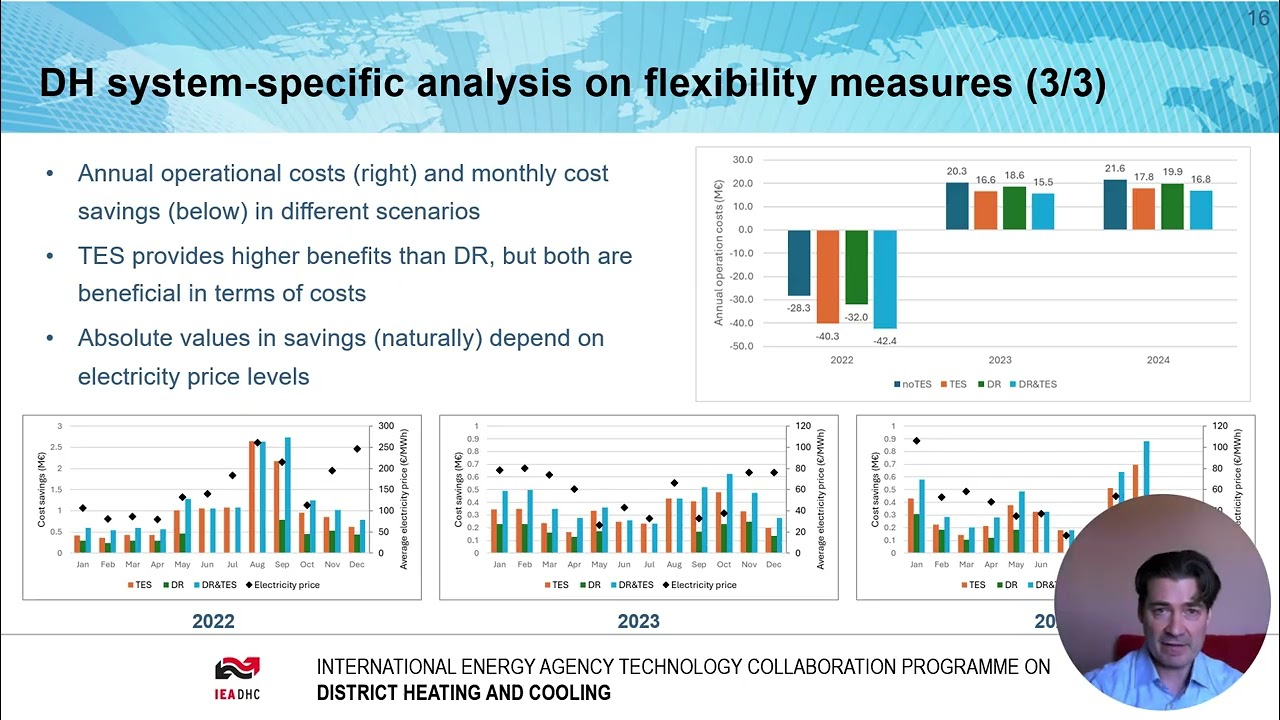
XIV-05: Flexibility and DH value chain (FlexVal) – advanced analysis & compatible pricing
XIV-04: RE-PEAK - How to cover peak loads in district heating networks with renewables.
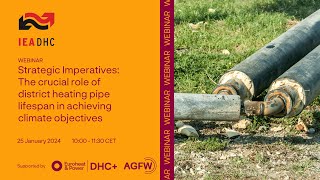
25/01/2024: The crucial role of district heating pipe lifespan in achieving climate objectives
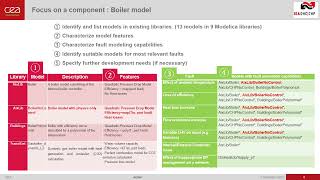
IEA DHC XIII-03 Generation of simulated faulty datasets to ease heating network fault detection
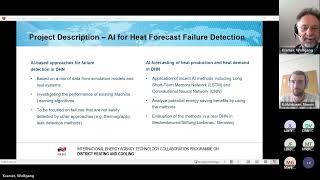
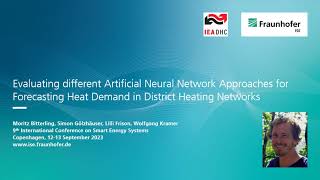
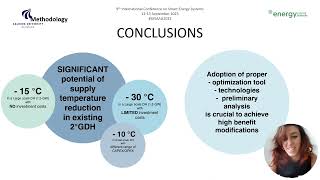
XIII-01: Leave 2nd generation behind: Cost-effective solutions for small to large scale DH networks
XIII-04: Cost Benefit study on the building secondary network for improving DH performance
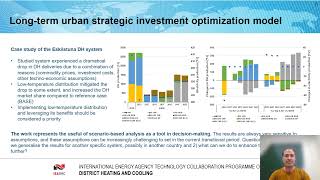
XIII-05: OPTiTRANS - Optimized transition towards low-temperature and low-carbon DH systems