Sven presents how district heating systems are shifting to lower network temperatures and new generation technologies. The focus is on integrating these advances into existing infrastructure while improving efficiency through temperature reduction.
Chapters
You see, every generation is best available technology for about 40 to 50 years. Now we have used the third generation for.
About 40 years, 50 years. So that's the time to consider a new generation. And the common denominator here is that every generation has lower network temperatures. And the next picture is that you just have one situation to consider, because you have to see that you have existing systems and you have to transfer them in long term. You have the second and third systems in long term that you want to reduce the temperatures. And it's a long term project for 50 to 100 years maybe. But the most simple way to introduce low temperature is to implement them in new buildings that will be erected within a few years. Directly apply that. But you also have.
You need some strategy when you connect new buildings into old networks, and also when you.
Connect old buildings to existing networks and new networks, what kind of technology you should use. So you have actually five choices, five different options to solve in some way in a transition to a new generation.
So the final report from this project, this IA project, we focused on what kind of experiences can we have from the previous generation shifts, what can we learn from them? And then we looked at the temperature levels in current systems and what measures are requested in order, what do we need to learn in order to reach the vision temperatures. And then we looked into temperature levels in custom heating systems, very close in a Swiss study. And then we looked at the future temperature levels, mostly in customer heating systems also. And we have also compiled some information about the concurrent operation of different generations. Because some systems, they have ideas how to do this in the future, but they have only done it today because they had that opportunity already.
So the first.
Result is from chapter two is that the technological shifts we have seen from the first generation from steam to water, is that some systems that still keep the steam, they don't have the plan B, that's New York, they continue until they be drained in some way. And then we have a large group of systems that convert from steam to hot water with different strategies. Some do it completely makeover just a few years. Some do it in a process during 10 to 20 years, as here in Copenhagen for instance. But you also add some kind of hot water loops to existing steam systems, as in Paris. So they have different.
Strategies. And the technologies shift from second.
Generation is very easy to do because you just connect the new parts, the new city parts, with third and fourth generation to the existing systems, although you may have to decrease the supply temperature in order to stay efficient.
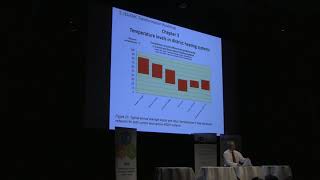
And the next is about what can we learn about the temperature levels we have today? And these are six bars that tells a story. The first bar is about the average temperatures in Sweden. And the next is about the average temperatures in Denmark. And.
And these temperatures are somewhat low in Denmark because they have a lot of direct connections without heat exchangers. And all systems in Sweden is using heat exchangers. You can see the difference there by using a heat exchanger or not. The third bar is what is possible with third generation systems and is somewhat lower because we have a lot of temperature errors in the systems that increase the temperature levels today. We have to learn to eliminate them in the future. And the fourth bar is the vision temperatures we published in the Definition article. So in some way you have to reduce it further from the existing technology.
And.
I added two pilot systems there. They are trying to build for the future, but they cannot achieve a return temperature of 20 degrees. So we have to have a strategy for that separately. Nobody has achieved 20 degrees yet. And I just take the first bar from Sweden and see the three different steps you have to do in order to reduce the temperature level from the current situation down to the vision temperatures. And it's three steps. Eliminate all the errors we have today, eliminate all the bypasses we have. And the second step is to have longer thermal length and heat exchanges if you use them. And the third is lower temperature demands in buildings. But the third step is very easy to implement in new buildings because you can have it directly by using somewhat larger radiators and so on.
The next part is an inventory of what kind of radiated temperatures are used. And this is a very good project. From Switzerland they investigated what are the temperature in this case at -5 in different buildings. And you can see if you have new buildings, they are already prepared for low temperatures. And every country should have a strategy in order to keep the temperatures low in radiators in the future.
And the next picture is from Denmark. It's from DTU Investigation. How can you convert existing buildings that require high temperatures and lower the required temperatures in the building by different energy saving measures. So you can actually transfer a building requiring 80 degrees, almost 80 degrees in the old days, to 50 degrees in the future? By reducing the heat demands in the building.
And the concurrent operation is known from several different systems. We have the Samhach system south of Paris. They have five different temperatures in the same system. So they have five different pipes with different temperatures, but all pipes are not available all over the city. They have in average 2.8 pipes in parallel. But their interest has been Very high for this, because they have a geothermal well. So if they have this division by temperatures, they can use more geothermal water, more heat from the geothermal well. And then we have the division of primary and secondary networks, as we have in Vienna, but also in Copenhagen here, that you can have different areas with different temperatures. And you can also apply supply to slab, supply to supply connections and return to return connections. You have a basket of different measures in order to introduce the new technology of a fourth generation.
So then we have.
In six steps, a condensed transformation roadmap. The first is that we have to learn to eliminate all the errors we have in E16 system and not repeating the new systems.
Then we have to use the heat exchangers with longer thermal length. We have to, because the heat exchanger technology has been developed during the recent years, last 20 years, and they are more efficient now than they were in the past. And we can use that in order to build more efficient systems. And then we have to learn how to reduce the customer heat demands and we have to learn to connect them in the systems. And we have to have the long term vision of 50 degrees to every customer and 20 degrees in the return. That's a very important vision.
So the main conclusions from this.
Introduction to the conference is that.
Europe is closer to a new generation.
According to statistics.
China and.
Russia is behind Europe in the development. So you are a city, you are just now in the center of the development of fourth generation systems here in Europe.
And if you want to.
Lower the temperatures in networks, you have to eliminate errors, you have to have longer heat exchangers and you have to have lower customer temperature models. Very easy to do.
And the last picture is, sorry.
Is the links to the first article and also to report if you want to learn more about the background, what I said, because you cannot get everything information in 25 minutes. Okay, thank you.