Overview of district heating and cooling technology from the International Energy Agency. DHC systems reduce carbon emissions and support the Paris Climate Agreement goals. IEA DHC provides international research and policy support for this infrastructure.
Chapters
District heating and cooling is a proven technology generating new attention and interest worldwide. DHC enables the use of zero carbon energy sources that would otherwise be lost while reducing pollution and strengthening local economies. With the Paris Climate Agreement, virtually all participating countries committed to limit global warming to well below 2 degrees Celsius. District heating and cooling is a vital solution to honour these commitments. IEADHC is a technology collaboration programme under the supervision of the International energy agency since 1983. The member countries and sponsors of IEADHC jointly fund international research in topics such as best practices, integration of renewables and policy Support. More than 80 innovative research reports are readily available on iea-dhc.org they offer a wealth of expert insights on how to decouple carbonise the heating and cooling sector most effectively. Whether you are just discovering district heating and cooling or seeking advanced research on technologies and trends, IEADHC is the hub for international district energy research. Let's embrace DHC and accelerate a cleaner and more prosperous energy future for our cities, communities and campuses. Visit iea-dhc.org to find out what we can do for you.
More from IEA

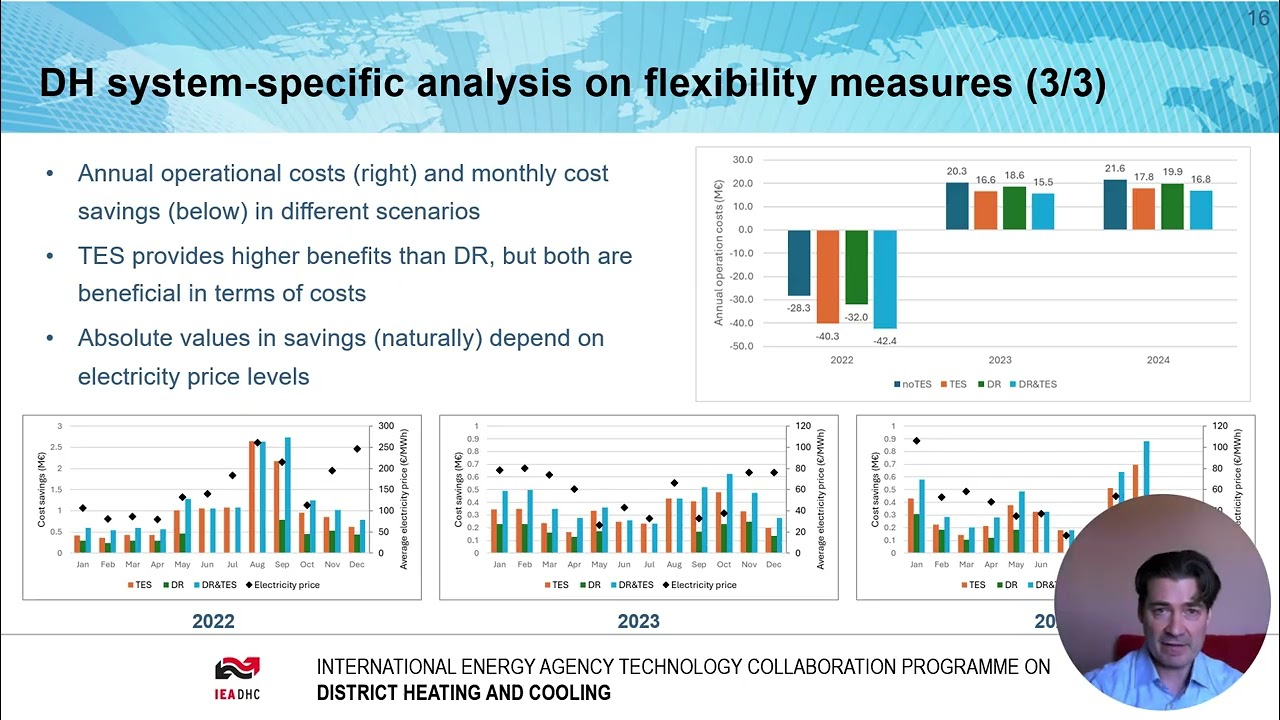
XIV-05: Flexibility and DH value chain (FlexVal) – advanced analysis & compatible pricing
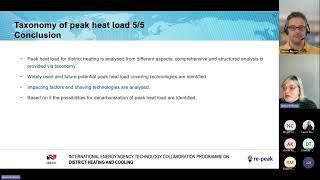
XIV-04: RE-PEAK - How to cover peak loads in district heating networks with renewables.
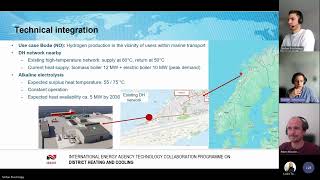

Digitalisation of District Heating: Summary of findings from IEA DHC Annex TS4

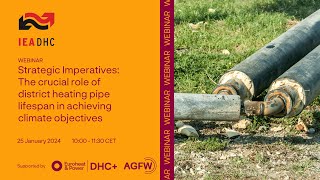
25/01/2024: The crucial role of district heating pipe lifespan in achieving climate objectives
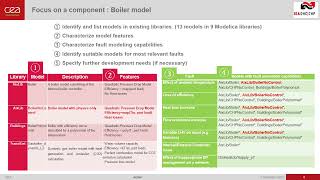
IEA DHC XIII-03 Generation of simulated faulty datasets to ease heating network fault detection

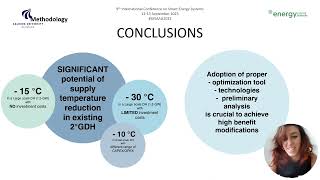
XIII-01: Leave 2nd generation behind: Cost-effective solutions for small to large scale DH networks
XIII-04: Cost Benefit study on the building secondary network for improving DH performance
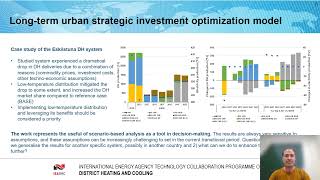
XIII-05: OPTiTRANS - Optimized transition towards low-temperature and low-carbon DH systems