Museum of Design Atlanta "Drink in Design" with Jayna Zweiman

In a virtual "Drink & Design" event hosted by Museum of Design Atlanta, Jayna Zweiman discusses her design‑led activism initiatives that emerged from her background in architecture, visual arts, and community organizing. She begins by recommending resources on racial justice and explains how a personal injury led her to create the Pussyhat Project in 2016 as a response to the 2016 U.S. election, describing its design, rapid scaling through a network of yarn stores, and its cultural impact. She then introduces the Welcome Blanket Project, a yarn‑based response to the U.S. immigration debate that reimagines the border as 2,000 miles of yarn, detailing its pattern, volunteer‑driven logistics, museum partnerships, and ongoing exhibitions. Next, she outlines Masks4Humanity, a pandemic‑era effort to produce and distribute PPE for essential workers, describing its database of requests, weekly sew‑athons, and educational "Ask a Scientist" series. Throughout, she reflects on the importance of archiving participant contributions, the role of museums, and the challenges of cataloguing large‑scale volunteer work. The conversation also touches on future exhibition plans, post‑COVID design directions, and the value of cross‑movement collaborations such as with Black Lives Matter. The talk concludes with a call for community participation, support for MoDA’s educational programs, and promotion of upcoming events.
Chapters
All right, we'll go ahead and get started. I'm Elena Best. I'm the Membership and Development Associate at the Museum of Design Atlanta, and I want to thank you all for joining us this evening. At MoDA, we define design as a creative force that inspires change, transforms lives, and makes the world a better place. And because it's always been our mission to bring more design to our community, we wanted to continue talking about it during the pandemic. So one of the things that we did was we created Drink and Design. Drink and Design is a virtual space for designers and people who love design to come together and hear from one another. And today we'll be speaking with Jayna Zweiman. Jayna is the co-creator and co-founder of the Pussyhat Project, the creator and founder of the Welcome Blanket Project, and also the founder of Masks for Humanity. So I'm super grateful to you for spending this time with us this evening, Jayna. And I'm also grateful to all of you for signing on. So just a couple notes about how this is all going to work. If you're having a drink with your design talk this evening, you can go ahead, grab it now and get ready. Also, just make sure that your mics are muted so we don't have any interference during Jayna's presentation. There will be a Q&A section at the end, so please put any questions that you may have for her into the chat box and we'll get to as many as time allows. So all that being said, I'll go ahead and pass it on to Jayna.
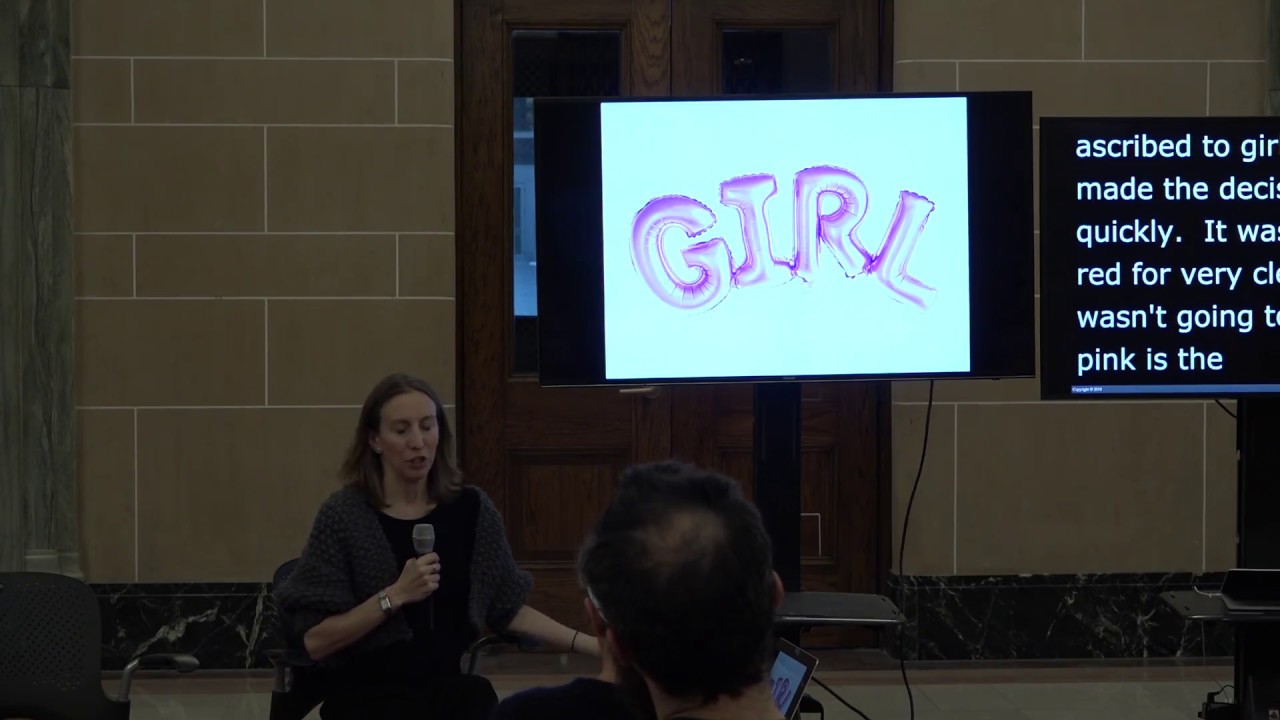
Great. Thank you so much, Alaina. And I want to thank Moda for creating this platform for people to be able to talk about design. It's really an honor to be here. And thank you all in the midst of June 4th, 2020 for making the time to be here. We're in the middle of a pandemic and a national reckoning about racism and the systems of our country. And the work that I do intersects and overlaps with racial justice, but I'm not an anti-racist specialist. And so I just want to put out there at the beginning, because I've been asked a bunch in the past week, about resources. So if you're just starting or you're just getting a refresher, I really recommend 13th by Ava DuVernay. If you live on Instagram, Rachel Cargill and The Conscious Kid are really great resources. And if you want to make a stand in your own city about police brutality and how police how policing can be reformed, and different places are operating from different starting points. 8cantwait.org is a great place to start. So I just wanted to thank you all and just make sure that I said those things. And again, I'm so thankful to be here. And so the way that I'm doing this is I set this up when it was just a pan— you know, sort of the national news was just a pandemic. So we're gonna look at some really wonderful, beautiful images, and I hope you enjoy your drinks. And all of these are projects that I've started since 2016, and my background is originally in architecture, and it led me to this part of my practice. So I will start by sharing. Okay, great. And you guys can all see that? Okay, great. Okay, so— oh, shoot. Hold on. All right, so this is not my work, but I think this is really pertinent to now. And this is Kintsugi: The Japanese Art of Mending. And in 2013, I had just gotten married. Like, life was looking really great. I loved my job. And I had a life-altering accident. A rod fell on me, kind of like the world just knocked me on the head, literally. And I had a head and neck injury where Pussyhat was 3 years later my first project back. And I came across this really early in my recovery, and I really loved the idea that things can be really broken, and when you repair them, they look different, but they can be more beautiful than they ever were. And Pussyhat was my way of figuring out how to apply the skills that I had to the world that I thought we should craft to become. So this was the COVID of our manifesto. I have one right here. It looks just the same. And so Pussyhat Project began in 2016, really 2 days after the election. I had learned how to crochet on a Groupon with my co-founder at a place called the Little Knittery in Los Angeles. And what we found there wasn't just a hobby or some healing modality that I could use in terms of recovery. But we also found this incredible community, mostly women, all different ages and all different backgrounds, and it was really exciting. So after the election of Donald Trump, I was devastated, and the first place I really wanted to go to understand what was happening was at the Little Knittery. And I went with my co-founder of the Pussyhat Project, Kristessa, and she already knew she was going to the march, and I already knew because of my injury I couldn't participate. And we were talking about things she could do when she went, what kinds of demonstrations she could do, how she could do something bigger than herself, and we were in a knit store, so the idea of making a hat made a lot of sense. The original idea of stripping down and doing a performance would have been very powerful, but not very good for DC. And in the middle of the winter. And so this idea of a hat kind of was permeating. We put it on hold for a couple days and Krista really wanted to do it. And I was still thinking, how is it that I can feel like I'm part of the march through this type of hat or some sort of project? How can we open this to everyone? So here's a little bit of my background. The first public art piece I'd ever seen was the AIDS quilt in 1986, and I believe 1986, and it was during that AIDS crisis. And as a child, I remember seeing it and recognizing how important every single life was and how people had come together to make these quilts and these pieces for their friends and family who were suffering or died from HIV. And it was actually in the same exact place as where the march was supposed to be. And it's a piece that's always been with me. The one in the bottom left is one of Spencer Tunick's, who does really large photography of groups of new people, as you can see. And I had spent time in Chile where in 2002 he had come and the piece that he did had such national importance that it was on the COVID of the news day after day after day of maybe we aren't as conservative as we thought we were. In the top left, there's Christo's and Jeanne-Claude's The Gates in New York. And sort of understanding that in the middle of winter, color can really make a really important difference. So we were thinking about what can we do? And the first march that I think almost everyone thinks about is the March on Washington. And that's in the top left. And thinking about the difference of the '60s to 2000, what was planned for, for the day after inauguration, 2017, is color and the way in which color could be represented and how we could create a symbol of a march that was a drone view where when you saw it again, you know which march it was and what kind of identity it was. So my background of kind of understanding scale within architecture. had this idea of sort of like the urban scale, but then it goes down to the detail of the hat. So the hat— I have one right here. Okay. So the hat is super simple. Um, it's a rectangle folded on its side and stitched from the creases. When you put it on your head, it makes the cat ears. We chose the color pink because in our country, when girls are born, they're usually given something pink. And it's something that, um, it's a color ascribed to girls, very feminine. And it's also, we were in a knitting store. Most of the stuff tends to be pink or blue. We knew that if you went to a large craft store, there's a lot of pink and blue. And it seemed like the most appropriate color and that there are shades of it as well so that people could pick what they wanted. So So it would be a sea of pink, but it would be a sea of pink pixels. So these are people in our local knit store getting together, some of them learning to knit for the first time. And to back up a little bit, our original goals were, one, to make a really big statement on the Mall, and two, to make it possible for people who could not participate in the actual march to be able to participate in HAT. And so when I see all these images of people wearing pussy hats, I see both the marcher and the person who made it for them. So we had— we partnered up with 175 local yarn stores across the country and thought of them as potential hubs of political participation, of making, of people really starting to think of organization and how Through craft, people can get together and have these really difficult and important conversations. And these are— this is our distribution hub. The way that we set it up is we were a tiny, tiny team and we needed to figure out how do we get all of these hats that we dream of on the mall. And so the first one was we gave people instructions. They were right here on our manifesto. The first one was, you know, make one and then make one for someone and bring it to them at the march. Or you could just, you know, give it to someone who was going who you could find. You could bring it to a local yarn store who we partnered with. Or you could send it to this incredible family in Reston, Virginia, who took on this project with such gusto. It was just amazing. And we found them through our local knit group. It's so cool. It's the daughter, the goddaughter of someone in our knitting group who was home from college, took this on as like a little bit of a college project, thinking they'd get 100 hats, and they got 15,000. And so the whole neighborhood came together, and it really shows sort of this idea of amplification of individuals being able to do stuff together. And this is the image that I think a lot of people remember and see, which is this of pink and people coming together. With each of these hats, we also offered the opportunity for the maker to include a note sharing what women's rights issue was important to them. And some people made even more hats because there were so many issues to talk about. And it gave the opportunity for people to be able to connect and be able to even get pictures of their hats at the march and even build up friendships with people who they made hats for who were complete strangers. So it was this huge community initiative on this detail of the hats. So in the top left, you can see just our little knit group. People start getting tattoos. You start to see pussy hats even on judges' heads. That was totally illegal— totally legal, okay, I misspoke— within her district. And then in the bottom left, Swiss Parliament on International Women's Day decided they would make pussy hats. And then Missoni included them in their fall runway, and they've been acquired by museums across the world to document the incredible upswelling of women's rights supporters. This was from the day after. I think that's pretty clear, and I think it's really exciting too because this idea of creating an identity and a way for people to identify each other and support each other and give to each other really took on this visualization that was incredibly unique and created an opportunity for people to be part of something in their own way. So this is sort of how things have continued. This is actually my son, and it's the work of Shannon Downey, who was speaking actually earlier at MoDA this week. And this idea of You know, we made this incredible thing together at the march, and it was because of all these people putting their work into it. And then where do we go from here? And thinking about how do we take this to the next step. So I'm gonna take you to a next step. So following up on Pussyhat Project, I had been trying to figure out how pieces of Welcome Blanket, and it really came together during the Muslim ban airport demonstrations. And I'm the grandchild of immigrants on all 4 sides, and my grandfather always used to tell these stories of seeing the Statue of Liberty. And when he had come on the boat ride to Ellis Island, he talked about how he saw this symbol and he knew he was there and he was free and he had made it. And when I was watching the demonstrations, It seemed really strange to me. I'm in Los Angeles. It was really strange to me that coming through LAX was the way that people entered this country and that there was no sort of marcation of this huge important change and that there had to be, or there should be, a symbolic and practical gesture of welcome. So we take you to Welcome Blanket. So there are these 2 very different quotes and it creates this kind of cognitive dissonance. One is what is on the Statue of Liberty, which is, give me your tired, your poor, your huddled masses yearning to breathe free, the wretched refuse of your teeming shore. Send these, the homeless, tempest-tossed to me. I lift my lamp beside the golden door. And that is, to me, what I grew up with, the idea of immigration. and sort of the ideals of our country. And this juxtaposed, and this is what sort of sparked this part, the idea of an immigration project and something to do with the wall, which is, I will build a great wall and nobody builds walls better than me, believe me, and I'll build them very inexpensively. I will build a great, great wall on our southern border and I will make Mexico pay for that wall. Mark my words. Which was from Donald Trump's candidacy speech. So what is Welcome Blanket? Welcome Blanket reimagines the distance of the border between Mexico and the United States as 2,000 miles of yarn to make individual welcome blankets for new refugees and other immigrants coming to the US. And we ask makers to include a story about their family's history of immigration, migration, or relocation in words of welcome, and it's used as a way of connecting all of our different histories to each other and to our newest neighbors. And it's incredible to see the different notes that have come through. We also have a pattern for this one as well. It's designed by Cat Coyle, and Cat Coyle also designed the Pussyhat pattern. And it's 16 squares that can be rearranged in any color you want to create a huge diversity of what these blankets can be. And the design guidelines for Welcome Blanket, if you choose to make a blanket, is 40 inches by 40 inches, easy to care for, and it should hurt a little bit to give it away. So this is a really good starting point where people can work on them together, but people have come up with all different ways of representing how they want to create welcome, and it's really exciting to see. Over 5,000 have been made. We've partnered with over 30 refugee resettlement groups so that after these blankets get shown in art shows, they then get distributed through local refugee resettlement groups to then go to their final destinations because they're gifts for our newest neighbors to say, welcome, we are so happy you're here. And so here's one of those notes that came and Something that I really love about this is that the writer said, this is our country. It's not mine. It's now mine and yours. And it's your diversity that's your strength. And I think that that's so important when I think about the ideals of our country, how we can build our country, how we can think about where we've gone wrong before, and how we can push it forward. So So this is the first show and it's at the Smart Museum of Art and we started off with an empty gallery. And then people got really excited. So this was the basement of the Smart Museum and it was just incredible to see all the support. And these are people who have just given of themselves to create this work for a show and then to be given to someone they've never even met and may never even know. In the future. And I think something really exciting about this project overall is that it's volunteer-led. And it's really, really important that people are involved in it. So the people in the front are volunteers on the weekend who are logging these notes in these different blankets so we can keep track of them. And I also want to make a huge shout out to people who are working in museums because they make these projects happen in museums. Welcome Blanket exists because of the support of art institutions being able to help with the logistics, creating the space to make things happen, helping with programming. So I'd like to thank MoDA, who have also had the Welcome Blanket. But just in general, I think they're often not seen within the work of art. And Dorian on the right-hand side was one of the Smart Museum staff on Welcome Blanket, and it was a pleasure to work with him. And these are some of the notes. We made it so that when people came to the gallery, they could— people could also write notes even if they hadn't made welcome blankets. And those are wonderful to see as well. And to see how people respond and could just share a short story or a long story, but all of them were about welcome. And in the front at the Smart, they had all the notes together so people could just sit down. And I just watched people start crying. They just go through and it's just incredibly touching. And you can see how the gallery just started getting filled and filled and stacked and filled. People could touch it, which now seems a little bit strange in the middle of our pandemic, but it was really about being able to touch them, see them. People would deliver their blankets from across the country. And it was really joyous and joyful while also taking into account sort of all the different reasons that people in our country have arrived here. And this is one of the blankets in the home of a recently resettled neighbor, not being used as a blanket but very much front and center and something to enjoy. And I really love that it's become part of their home and something that, you know, they, they can see and touch every day, and they know when they look at it that someone made it for them. And then something that was really important to me too is that when someone receives this, that they can also know that there are thousands of other people who wanted to make them a blanket. So on our website, we have an online gallery where you can go through, I think, the first 3,400 or 3,500 that were made, and you can see the diversity of the blankets, and you can, you know, find yours if you, if you were if you made one. And it's just, it's really spectacular. Like when I'm, when I'm a little bit sad about the state of the world, I look at this and I think of all the people who will sit and make for other people just because they care. Our second show was at MoDA. I, I was unable to see it in person. I had just given birth, I think like a day or two before it opened. And I wanted to share an image from there. It was part of the Crafting Change exhibit, which is fantastic because it was within a larger craftivism exhibition with all these different works that people were making. And as Welcome Blanket's really about incorporating our stories and using our voices, it was just such an honor to be part of that. I never met these 2 people, but the woman on the left owns a quilting company, I believe, And she's also, she came to the United States as a Burmese refugee. And she got involved with the project to make it for another new immigrant. And I find it really exciting and touching that it doesn't matter when your family came to this country. Once you're here, you are an American. And so I'm very grateful for everyone who's participated. So with Welcome Blanket, We keep continuing, and I think of it as a new American tradition. We had a really good show, we then we had another really good show and another one, and it really brings up these conversations of what it means to be American. And I think it's really important we're having these conversations and what it means to be an immigrant and sort of what is the world we want to craft. And so, um, we have it set up So that if you're ever making a blanket and you wanna send one, we have a refugee resettlement group currently in Phoenix that is taking welcome blankets for post-detention asylum-seeking families. So these are families that have already gone through the system and they also are waiting basically 2 years for their immigration hearing. They're our neighbors and— They should be welcomed. So that's Welcome Blanket currently, and which leads me to our current time. So back in mid-March, I started getting a lot of calls and emails about the crisis of medical-grade protective equipment. And I don't know about you, but I find it a complete outrage that our healthcare workers, our essential workers, don't have the essential equipment that they need to take care of us and to stay safe. And so once the CDC said that in the absence of medical-grade PPE, protective equipment, bandanas could be used, it only made sense to get involved and do whatever I could with the platform and diverse community that we have to encourage people to be making masks. So that's Masks4Humanity. Masks4Humanity is a hub for organizations of essential workers that include healthcare, senior care, organizations that handle very vulnerable populations like homeless shelters, domestic violence shelters. We have AIDS clinics. Basically, if there is a group of people you wanna support, if there is, you know, a place you wanna support, we currently have 340,000— Masks. Here's some masks. 340,000 masks that are currently being requested, and it's super easy to get involved. So these are some of the diversity of groups that are, that are listed, and all you have to do is look on our list on masksforhumanity.org and decide who you want to support and start, start sewing. Each group requests what kind of mask they want. So if you're worried, is it the right kind of mask, is it not, think about what you want to make. See if it aligns with the one you want to support. If not, go to the next one that, you know, will take any masks and just start making. You know, take some pictures so we can share them, cheer you on, and log them on our website so we know that you've sent them. And just send them and just keep going. And it's one way To help other people. And during this time, if you have the capacity to help, it's great. And if you don't have the capacity to sew, that's okay too. You can help recruit people to help sew. And that's also really important, really, really important. The connectors in all these projects really help spread the word, which help people who want to be involved do it. And they're all meant for beginners. Um, I'm not a sewer. I'm a really terrible sewer, but I know how to organize. And so I've made some masks, but I found that sort of the skills that I have are better suited to creating a project for people to be able to make them. We have every week at noon Pacific time on Fridays, we have sewathons. So this was our first one that was officially like bring your sewing machine. But it's a great way to learn about different techniques of how to make them, check in with other people, and it's another way of creating community. community for people who want to connect during the pandemic. And we're getting more information that we can share with people, like actual things and steps that people can take to take care of themselves. And a lot of that involves masks and how you take care of them. This was put together by one of our makers who's also a scientist. So it's the kind of information we should be sharing. Which is wonderful. And then also, in terms of information, we also started an Ask a Scientist series that happens on Thursday evenings. The next one is in 2 weeks, and we talk to scientists about what is happening and learn about their expertise. So kind of like this, like a little, a little bit of a presentation, a little bit of Q&A, but it's really helpful because you can ask the questions that you have that haven't necessarily been written about, and you can find about information that's current because we're learning about so much of what's happening. So those are, those are the 3 main projects I've been working on since 2016, and I think all of these, it's really important to think about in terms of the people who are participating. These are really projects that are only successful because people are taking part and they're giving of themselves and they're projects that are meant to amplify everyone's voices together. So when you go to a show like at MoDA for Welcome Blanket, you get to see that aggregate of care and that has such a strong, strong voice as a collective. When you look at Pussyhat, I mean, the hats are wonderful, but when you see them all together, they take on a new meaning. And with Masks4Humanity, it's outrageous the project needs to exist, but it gives an opportunity to truly, you know, take the care that people have and help find a way for them to be really helpful, because I really think people want to be helping. So these are the 3 main projects with a whole bunch of links that are included, and I can leave that up for now. Um, and if there's anything that I can leave you guys with in terms of where we are today and the world that we're living in right now is that any action that we take towards making the world better is a great thing to be doing today, tomorrow, in the future, and really thinking about ways in which design can help and how the skills that we bring to the table can help. I started Pasija Project because I couldn't march. And it's really funny because it's really hard for me to be able to be in crowds. And so from that inability to take part in something, to be a part of something, it was kind of shifting and trying to think about how can more people be involved. and feel included and have their voices heard. And that's in essence a true design project. Some people on this call might not necessarily be designers, but everyone on this call has an ability to make change. And I feel like the projects that I've worked on a lot are very much about positivity and creation. And for me, in the way that I think about creating change in the world I want to see, I've deliberately worked on projects that are very much about hope and positivity and creativity because it's allowed me to be nourished by other makers who work in creativity and positivity and change-making. And I'm very thankful for, you know, a lot of the world seems like it's gotten harsher and harsher and harsher. But the groups of makers that I've been able to work with are really, really wonderful human beings. And so I'm very grateful for that as well. So it's really wonderful to take on projects that are bigger than just one person. And I'm happy to answer any, any questions you may have. And the one thing I want to make sure— Actually read. that I read this morning, and I think is really pertinent to today, is a quote from Martin Luther King that I came across. That is, true peace is not merely the absence of tension, it is the presence of justice. And I think we should all be fighting for peace. Thank you.
Thank you so much, Jayna. That was really, really wonderful. If you have any questions for her, you can go ahead and start putting them in the chat box. I was wondering, when did you start connecting your art to your activism? Like, what were you doing before the pussyhat project, before all of that got set into motion?
Yeah, so I have one of those pasts which seem really, really strange and varied. And so I have a background, my undergraduate is in visual arts and economics. And so I spent a year in South America teaching English. Because I was deferred from a consulting job in management consulting. And so a lot of Pussyhat also uses a lot of management consulting techniques of understanding how pipelines work and things like that. And so I did that, and it wasn't the best fit for me. And I went to architecture school for my master's. I was in my early 20s, and I was like, wait, hold on. If I'm gonna make something for a client, like I want it to live on in a way that lives on the way I want it to live on even after a client is gone. And I went to architecture school and during architecture school, I worked on a lot of, I worked for, I worked and interned for professors who were very much interested in how, architecture can change the social dynamic of a space. So I worked in Barcelona and I also worked in London for David Adjaye, who's the architect of the Smithsonian African American Museum. So that's sort of his huge one in the United States. And I learned a lot about thinking about how space really crafts people's experiences. And from my experience, of being injured for so many years, I really experienced what it was like to not, not be able to use the space the way it was intended. So I was having to play with sound and light and, you know, perspectives and a lot of vision stuff. And so it really opened my eyes to other people and how they use spaces as well. And then I had worked for, or a little bit before, I had come out to Los Angeles to be a game designer for mobile urban scavenger hunts in 2008, and that was basically like Groupon meets Pokémon Go, but like 10 years before it all happened. It was the Great Recession, everything changed, it dried up, and I still had those ideas of like, how do you bring people together? How do you like move through a city? How do you relate to your to your actual existence? How does that all work? And during sort of the upswing post-recession, mid-recession, I was doing a lot of work in architecture in terms of trying to figure out how to talk about spaces and doing curatorial work. And I worked on a Pop-up film festival in Detroit that was about Detroit for Detroit, and so there are all these pieces that I had been kind of working on in different places, and they actually all came together. Like Pussy Hat has like has architecture; it has management consulting. I left out the fact that I was a Bill Clinton intern as a White House intern as well during college, and worked on the inauguration right after high school. So it's like. Like, I knew the space, I'd worked on inaugurations. It was like everything, this perfect storm of all these different experiences mashed together at just the right time. And so, you know, the idea of how to launch a project, anyone who has a background in architecture and has worked on competitions, you know how quickly you have to go and just like how you have to communicate. And this was kind of like a competition, but no one was the jury except for the people participating. So there's no like, I will submit to you. But it was just like, hey world, here's the idea, like, do you want to do it? And that's sort of been my approach to these projects, is like figuring out ways for people to take part. And it's all based on all those little, little pieces and parts and factions.
Yeah, that's really interesting how all the things that you've done previously are like melding together in this like perfect amalgamation. Nicole asks, can you talk about the unsexy aspect of archiving? Each of your projects requires a lot of management with participants, but can also— but also a lot of consideration with regard to archiving, cataloging, and historicizing the participants. Can you talk about how that affects the structure of your projects and how you go about organizing that kind of labor?
Yeah, okay, that is such a good question because I think that's one that keeps me up at night. With Pussyhat, one of the original ideas was like, I talked about how there are those like 4 different ways you could get a hat to the Washington Mall, and one of them was this family's house, the McKnights. And at first, before it really took off, we had a volunteer get in touch with us who was a photographer who was like, I'll do— like, I'm a military mom, I can do this. And I was like, you're a military mom, you tell me you can do this? Like, Sure, like, let's, let's go for that. And she ended up becoming just like an absolute integral part of the project in like all these different ways. It was just amazing. Anyway, and so she originally was taking photos of everyone, but that lasted until like the first 200 or something like that because it just, it just was like too much of a groundswell. And so in terms of archiving for Pussyhat, it's really what people kind of archive that we've taken and what other organizations, when they've put together shows for Pussyhat, have kind of found and taken on. I wish I had every single hat. I wish I had all these different pieces. But we did it, we put it together, and when we launched it, we had 59 days before the actual march. we had to make a choice of how efficient we were gonna be with that. And so we went that way. So that was for Pussyhat. For Welcome Blanket, and this is why I'm so thankful for museums and people who work at museums and volunteers who go to museums, is the logging for Smart Museum, which is the one we have on the website. Volunteers would log them. So there's this process where people came in on Saturdays. There were schools that were that were helping. The University of Chicago was helping. And so we have those, but I feel like there still needs to be more and different parts of it. And so I'll take tips about that one. And then Mass for Humanity is a different kind of project. Pussyhat and Welcome Blanket were about politics. They were about art installations. They were they were made for a particular— Facilite was made for a particular moment, but Masks for Humanity is really bizarre, sort of for the work that I do, in that it's really just using the skills that I have to get people excited about doing something that matters and having it be about making it art than it is purely like, let's put all the masks together and then give them and be like, this is a big show. Showing because we're in the middle of a crisis, which I never thought that home sewers would be necessary in 2020 to help fight a pandemic that the government hasn't been able to figure out how to deal with. And so it's just different. Welcome Blanket, you know, is very much a response to xenophobia. Pussy Hat was very much, you know, a An announcement, a very visual announcement that women's rights are human rights, and we will put that on our head and walk around in it, you know, as a collective. Masks for Humanity is that there are people, you know, from grocery workers to dentists to, you know, a person without a home being really vulnerable. because our government isn't taking care of them. So usually during a crisis, people care about, you know, water and food and money. During this one, masks has become really important too. And it's my— it's kind of my response to when I get outraged, I make a project. And so this is like, Pure outrage, and that there needs to be a project. Welcome Blanket is still ongoing as well, and as Mass for Humanity gets a little bit more kind of contained, Welcome Blanket will progress in terms of energy. So for Mass for Humanity, it's a longer answer to a shorter question. We are keeping track of numbers by what people log, and then also keeping track. By getting in touch with the organizations that have asked us, and we're just responding and, you know, changing the numbers on our database based on the information that we get for both of those so that when people make them, they know that they're still needed for the place they're making it for, because we want to make sure everyone gets what they need as much as possible.
Yeah, along the lines of the welcome blanket, Now that things are like opening back up, are there any plans to do any future exhibitions of the Welcome Blanket? I know it was traveling for a little while.
Yeah, so we've had— okay, so we've had, and this is a, you know, something that goes out to all of you as well. A lot of how Welcome Blanket works is because someone sees it or knows about it and they're like, this is really good, I want it, like I want to show this. And so we had We're looking at the different model of like when you make it into an American tradition, how do you make it live on and how do you make it so that it's sustainable? And so we've used the model of everyone sends to an art institution, they're collected and shown there, and then they're distributed to refugee resettlement groups. We tried out the model in Brookline, Massachusetts for Welcome Blanket Brookline, and it was people within Brookline making them. showing within Brookline and then distributing to local refugee resettlement groups. And so it was smaller, but it was also— we helped put together a 3-day programming around immigration, hearing immigration stories, how to make, you know, how to make a quilt, like all these different ways of understanding sort of aspects of immigration and talking about immigration and creating that space. And that we did it on a local level, so we're thinking of how to instigate that in other places. We are having a show in LAX, the Los Angeles Airport, in 2022. I'm not quite sure what the exact date is, so it hasn't been officially announced, but it's been on sort of the books and moved around a whole bunch of times. And then I would love to show it all over the place. So if anyone has connections within art institutions or community groups this is how it happens. Like, you don't have to be a maker to make stuff like that happen. So any kind of connections in terms of that, I think it's really helpful and wonderful to be able to do that. So I think of Welcome Blanket as a long-haul project that's gonna change and morph and be, you know, change, morph, and grow. And my hope is, is that You know, if a 7th grader is working on it now, and one of the earlier blankets was a group of 7th graders who put it together, they'll work on it now. When they have children, whenever that may be, and xenophobia is swung back around, or, you know, the grandchildren stuff has swung back around, they will have done the, you know, even small preliminary work of understanding their family's history and having that conversation with their families. and making something for a new neighbor and just having that seed of we are all people, we are all human, and how we craft our laws and how they get implemented is really truly about human beings and how do we want to treat human beings. So that's, that's the ultimate goal. So I will take any kind of recommendations in terms of good In terms of good kind of database keeping and art, kind of collecting artifacts as well.
So clearly everything that you do is so based in community. Like, I feel like you're a community organizer in such a huge way, and obviously you have like these, these very global projects. How have you been thinking about like connecting with community or fostering your own community during the pandemic?
That's an excellent question. So, you know, Paseo Project in many ways was— I did most of it like almost like lying on the floor or lying in my bed and like a lot of like physical recovery and not being able to be like out in the world. And I realized from that that there are a lot of people who can't participate or they can participate from home. And now it's really strange because we're in the middle of the pandemic and most people want to be at home because that's a true privilege to be able to be at home. And so this is a way of— I've strangely been thinking about how communities come together. Like, that seems quite like a strange opportunity within this time that no one can— no one like really can easily safely be leaving the home. So it's a real decision to leave the home, or they have— people have to because they're essential workers. And so I've personally been looking at my local community and how to create Welcome Blanket Los Angeles kind of like within my world and how that works. Because I think I've been doing these larger scales and sort of thinking about like one person of many in all these networks, but also how to go deeper and how to like foster those relationships. So I've been working on that within LA and sort of creating the network within LA that can live on. And, you know, I've looked sort of like at parts of my life And you know people who are very important within it, and you know sort of how how my local politics are working. So I've I like to go to community meetings for for stuff from time to time when I'm particularly like no that's not right that shouldn't happen and standing up. And I think I really discovered more of my voice of what is just and what is not, and felt much more comfortable speaking up since I. started Pussyhat Project. I was like, wait, hold on, we all have voices to share what's important. And so that's part of it too. And I think 2020 is very much a year of going— of sort of looking at our own communities and how we can make them better. And that was sort of how I wanted to start January 2020 and was sort of working on how that works. But I think, you know, I think all of us are in some way, shape, or form activists, whether or not we call ourselves activists. Because I think we should all be standing up for what we think is just and right and doing the work to do that. I don't think we necessarily need a title. And in terms of being an organizer, I feel like that comes out of architecture and management consulting and sort of having that like view where you zoom out and then you zoom in and then you zoom out and you zoom in. And I really like being able to go back and forth between those. So I think it's a combination of all of them. I've been doing other stuff besides these 3, but I think these 3 really are— they live under— they actually do live under a nonprofit I created called the Pussyhat Network, which is— I love how this goes backwards. But I created a nonprofit that mission is design interventions for social change. And I think these all fit really well under that umbrella and thinking about how design can help craft social change. And it can be large community projects, but it could also be, you know, a different kind of design as well. So it gives that opportunity to kind of shift and move.
So along those lines, like, where do you see yourself Like, where do you see your design going post-COVID? Or maybe just like more long-term, like after things maybe have normalized or whatever kind of like footing we end up standing on after the pandemic?
Yeah, well, the world is really strange and weird. And so, you know, kind of in broader strokes, you know, I see working on Welcome Blankets become a new American tradition. I think that that takes a lot of time and work I also see, you know, both community work and because I've been doing a lot of community work, I haven't had as much opportunity to work on stuff that's just kind of like with my, with my hands and sort of within that world and sort of design within that. So I think it's a broad— It's broad strokes. The mission of the Pussyhat Network as designing interventions for social change. I don't know what form my future work will take, but I think it will all be underneath that heading. And I think it will, you know, always involve working with some other people because I think a lot of really great work comes because of dialogue and collaboration and kind of sometimes like the tension that happens in between. I think really great stuff comes from that. And I think from Pussyhat Project, from my injury to Pussyhat Project, it really made a shift from— I had been working in architecture trying to figure out how to do projects that really change spaces and were truly inclusive and where people truly meet. And I stumbled upon through this strange combination of all these different experiences a way of creating spaces through craft and really thinking about changing the way we think about, you know, a front stoop isn't just a front stoop. It's a place where you make political art. Or a church basement it becomes a place where you work on pussy hats and talk about feminism, where maybe that wasn't a conversation that was happening before in that specific church basement. And so I love that, and I love thinking about that. And we'll see what the world looks like post-COVID, but I think the work that I will always make will be rooted in In looking at how politics truly is personal and how to use, you know, how to use the skills that I have to make the space for dialogue and conversation around those types of issues.
So we have one more question, and it's just, what are your thoughts on joining forces between the Design for Change and the Black Lives Matter movement? Have you been Are you thinking about that, or is that something that you think would come on your radar anytime soon?
So I think there should be broad-based coalitions wanting change. I think that's wonderful. I think that's important. Pussyhat, we started kind of like in the corner. Like, we're doing this pussyhat. This Women's March is happening. We're making this project. we'd love it if you were part of it. Welcome Blanket is different in that it's truly partnered with art institutions and refugee resettlement groups or community groups. We have partnerships that we work through different parts and pieces of the puzzle. And so, I think, you know, especially from Welcome Blanket, there are so many people who've dedicated their lives to so many things that are so important. And we don't always have to be reinventing the wheel. And the more collaboration we can have across groups that have similar goals and perhaps different tactics, like, that can be great. Like, I don't think we change the world just by doing one thing. I think it comes from everyone pushing in every way they possibly can. possibly can. And so I think collaboration is wonderful and key. And in different issues, different groups lead the charge. And that's wonderful also. You don't always have to be the one right in front. And sometimes it's great to be right in front as well. So it really depends. And I just feel like we're at a time where we— I think it's become more and more apparent that the more we work together, the more we can do together. And it's— I'm very hopeful. I think I'm very hopeful or It's such a June— this is such a weird June 4th conversation. I think we have so much potential, and if we harness our potential, I am very hopeful that we can make a lot of change. And I think it's really a commitment to trying to make changes big and small. And when you get tired, take a breath and then go back again. These are all long-range projects, like women's rights. Doesn't get solved in a march. We don't get rid of xenophobia in a single show or 100 shows. The masks are a huge, huge issue that doesn't get solved in a month or two. And so I think it's kind of that keeping at it and collaborating and recognizing that everyone has something to give. And I mentioned the photographer before from Pussyhat Project, but I think it's like everyone brought their skills that they had to make the project better. And I think in making the world better, all of us can give what we have towards that. Yeah, I think we really can. And we have to decide to do that. And I think everyone can feel that in their heart if they want to be working on that kind of work. And I think supporting issues that we care about is something we should do when it's on our top of our radar and the top of our news, but also when the news changes as well.
Yeah, I think what you said about collaboration and coalition is just really poignant right now. And I'm really interested in continuing and amplifying conversations within the design community about how we can be more inclusive and continue on to be better as a group. So
that. Thank you so much. Yeah, but I just— okay, really, really quickly, the visuals. Like, when you think about, like, Shepard Fairey's Obama poster, like, we all know what that means, and that came from an artist designer. You know, like when we think about the images we see from photographers, that came from an artist, you know, photographer. Like the pussy hats came from artist designers. Like these are things that we see. We are so visual that designers have incredible power and they can use it for good. And I think it's a great conversation to be having.
Thank you so much for speaking with us. That was so wonderful, and I really, really appreciate you. You're welcome. If you want to support Jayna, you can go ahead and follow what she's up to and check her out at jaynazweiman.com. Also, many thanks to all of you for joining us this evening. We are teaching a bunch of kids classes and camps online right now, but of course not every family can afford those classes, especially during the pandemic. So if you want to help kids learn about design, you can head on over to our website museumofdesign.org, and a donation of just $20 creates a scholarship for a child whose family is experiencing maybe some financial difficulty right now. We'd also love for you to become a part of our community. Thank you to all of you who are already MoDA members. If you're not a member yet, we're currently offering 25% off of all annual memberships. And you can check out our membership options once again at museumofdesign.org/join. I'll also send you an email with all the information regarding the promotion. And our next Drink+ Design is gonna be June 9th. It's with James Somerville of Known Unknown. He is the VP of Design at Coca-Cola as well. So thanks again, Jayna. And thank you to all of you. Thank you.
Thank you, Elena. Yeah,
we'll see you at the next one. Thanks, everybody. Bye-bye.
More from Jayna
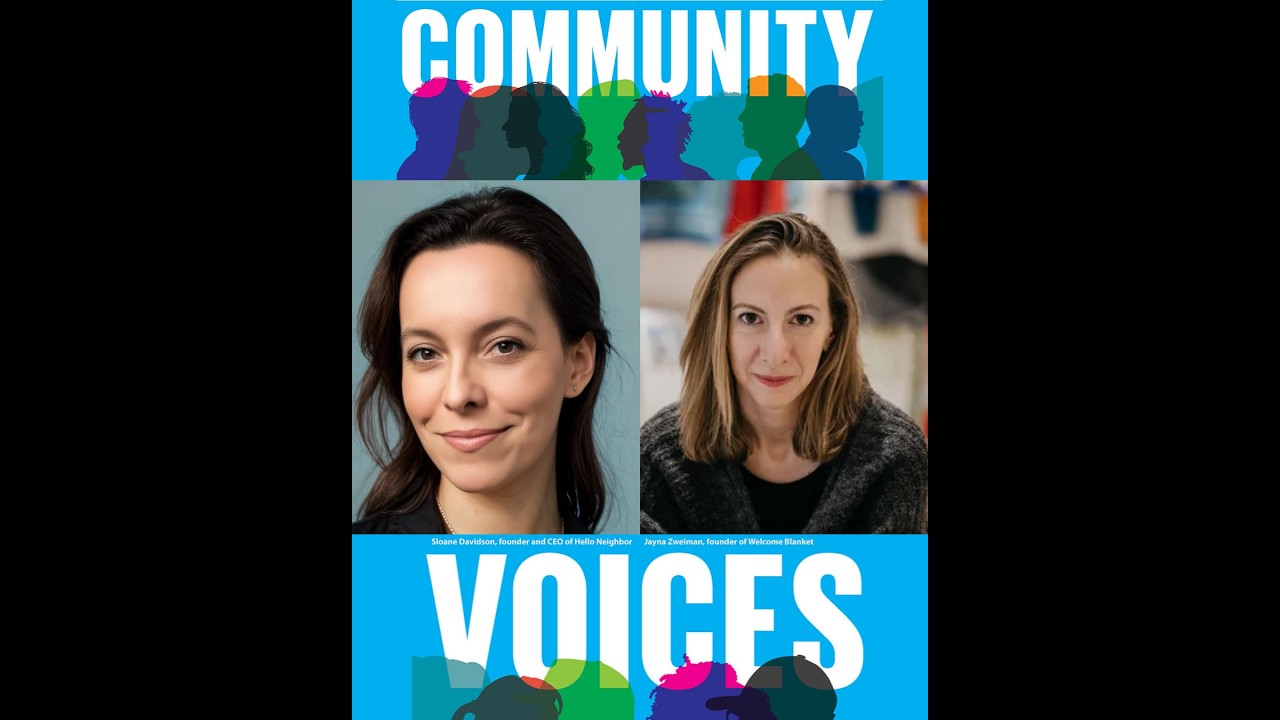
Community Voices: Sloane Davidson, CEO Hello Neighbor and Jayna Zweiman, Founder Welcome Blanket
Founder Friday: Jayna Zweiman ‘01, co-founder of the Pussyhat Project and the Welcome Blanket
Jayna Zweiman, co-creator of the Pussy Hat Project and creator of Welcome Blanket talks to us