Dlaczego influencerzy NIE SPRZEDAJĄ ? | Kacper Zdunek | Z buta w marketing Podcast - Oskar Lipiński
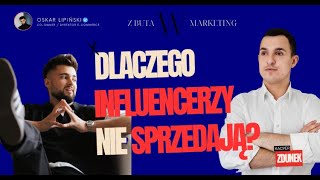
In this episode of the "Z buta w marketing" podcast, host Oskar Lipiński interviews Kacper Zdunek, owner of the Click Story agency, to dissect the challenges of influencer marketing in Poland. They begin by questioning why high‑profile celebrities often fail to generate sales, attributing it to a lack of genuine audience relationships, short‑term campaign focus, and product irrelevance. Throughout the conversation they stress that engagement, not follower count, is the decisive metric for performance. They compare platforms: Instagram is strong for relationship building, TikTok excels at storytelling, YouTube offers high‑value long‑form content but requires a clear value proposition, while Facebook fan pages signal longevity but have limited organic reach. The discussion moves to the superior ROI of micro‑influencers (10‑30 k followers) versus macro‑influencers, noting that smaller creators can achieve up to five‑times higher sales per follower. Budget allocation is debated; with a modest 3‑4 k PLN budget they recommend a 50‑50 split between barter product shipments and paid ads, and advise against spending the entire budget on a single influencer. They outline a detailed influencer selection checklist (engagement, audience demographics, fake‑follower rate, past collaborations, brand fit, PR reputation) typically comprising around ten criteria. Authenticity and long‑term strategy are highlighted as essential: brands must avoid the “awareness trap” by maintaining continuous, multi‑channel touchpoints (YouTube, Instagram, Facebook) and nurturing ongoing relationships with a core group of creators. Tools such as Modash.io are used for data‑driven vetting, but the hosts stress that tools are only useful when combined with expert judgment. Industry pain points include widespread falseness, lack of knowledge among Polish marketers, and insufficient knowledge sharing. The conversation also touches on personal anecdotes: Kacper’s goal to cycle 500 km in 20 hours, Oskar’s reflections on content formats (written vs spoken), and the broader trend of influencers launching their own e‑commerce shops, which often fail due to missing operational expertise. Additional insights from the later segment cover the value of mentorship and 1‑on‑1 consulting over book learning, Kacper’s personal frustrations with falseness in the industry, his personal interests (cycling, family, dog, books) that illustrate work‑life balance, and concrete career advice for newcomers: start at a top‑tier agency or brand to gain hands‑on experience, and seek mentors who are better than yourself, exemplified by Kacper’s gratitude toward his former manager Stefan at New Balance. The episode concludes with advice on continuous learning, networking with better practitioners, and the importance of measurable, authentic influencer collaborations.
Chapters
Powiedz mi, dlaczego celebryci nie sprzedają? Ja współpracowałem z takimi, co mają milion, półtora, co mają sto, dwieście i pięćdziesiąt tysięcy, ale ja odbiję i trochę biję w kim rowisko, że z tobą nie zgodzę. Jak macie chujowy produkt, to influencer ma to w dupie. Mi się wydaje, że problem leży po stronie ludzi, którzy nie kumają influence marketingu w Polsce, bo takich ludzi jest tylko kilku w Polsce, którzy wiedzą, o co w tym chodzi tak naprawdę. Od czego zacząć w ogóle? Jak zostać tym influencerem? Jakich błędów nie popełniasz? Na czym się skupić? Cześć! Słuchajcie, dzisiaj będzie o moim ulubionym temacie, który był poniekąd trampoliną do sukcesu marki DAQ, ale jest niezwykle ciężki, czyli o influence marketingu. A porozmawiam nie z kim innym, a z Kacperem Zdunkiem, który jest właścicielem agencji Click Story. Współpracował z największymi influencerami w Polsce. Realizował kampanię dla takich marek jak Allegro, Empik czy Coca-Cola. Pracował również w New Balance, jeśli chodzi o influence marketing. Cześć Kacper.
Cześć Oskar. Bardzo dziękuję za zaproszenie. Przyznam, że cieszę się też głównie między innymi na tę rozmowę, dlatego że wiem, jak może być ona bardzo zajedynkowa i nie mogę się doczekać już.
Tak, myślę, że temat influence marketingu jest niezwykle ciężki. Zwiedźmy od razu z buta w marketing. Zadam ci pytanie, które może jakby nie będę ciągnął swojego zdania na początku, ale spytam się o taką rzecz. Powiedz mi, dlaczego celebryci nie sprzedają?
Myślę, że też przede wszystkim jeśli chodzi o celebrytów. Problem jest ten, że wielu celebrytów chce tylko i wyłącznie realizować kampanię i tyle. i nie widzi tego długoterminowo. Też często aż tak nie dbają o relacje z odbiorcami. I nie mówię o tym, że robią to wszyscy, ale wielu celebrytów po prostu jest na Instagramie lub na innym kanale i po prostu chce sobie dodawać treści i tyle. A najważniejsza jest relacja z odbiorcą i to jest klucz. Sam doskonale o tym wiesz, bo widzę doskonale jak dbasz o relacje z odbiorcami. I wszyscy Twoi twórcy, z którymi działasz zazwyczaj przy swoich tweetorypkach, to zauważyłeś na pewno, że mają zaangażowaną społeczność. A to jest klucz w influencer marketingu. Nie to, ile masz obserwujących, a jak zaangażowaną masz społeczność. Bo możesz mieć przecudownie wielką grupę, ale co jeżeli konwersje masz 0,5%?
No właśnie i tak jest w przypadku, moim zdaniem, celebrytów i moje doświadczenia mówią o tym, że to są najgorzej performujący influencerzy. Nie mówię o wszystkich, bo są też wyjątki, to jest bardzo istotne. Ja mówię tak ogólnie o swoich doświadczeniach, że oni po prostu nie performują. I to też chyba jest dlatego tak, bo bardzo dobrze trafiłeś w sedno, że oni skupiały się na Instagramie. A gdzie budujemy relacje? Jakie jest twoim zdaniem najbardziej kaloryczne medium, jeśli chodzi o budowanie relacji?
Jeśli chodzi o relacje, to powiem, że Instagram, bo też zauważmy to, jak też ludzie w fajny sposób budują relacje na TikToku. Mimo tego, że mówi się, że o TikTok, no to trendy i tym podobne, to zobacz, że teraz storytelling na TikToku bardzo mocno sobie radzi, bardzo dobrze, przepraszam, sobie radzi, więc to też jest między innymi właśnie medium, na które warto postawić. Jeżeli masz Instagrama mocnego, postaw też na TikToka.
Okej, a YouTube?
YouTube to zależy. I tutaj też powiem może dosyć ciekawą tezę, ale uważam, że YouTube nie jest dla każdego. Jeżeli nie masz realnie pomysłu, co chcesz dać odbiorcom, to nie idź w to. Bo wszyscy myślą sobie, okej, pokażę sobie vlogi, pokażę swoje życie i tyle, ale jeżeli nie dajesz realnej wartości, to to nie jest medium dla ciebie. Zgodzę się, ale... I oczywiście, przepraszam, bo zaraz słuchacze mogą też powiedzieć, Kasper, ale to jeżeli nie dajesz wartości, to też nawet na Instagramie się nie wybijesz. Tak, oczywiście, ale pamiętajmy o tym, że YouTube ma taki algorytm, że jest naprawdę się ciężko tam przebić. I jeżeli nie jest to coś bardzo kreatywnego, to do ludzi to może nawet nie dotrzeć.
Ja się z tym zgodzę poniekąd, ale też moje doświadczenia mówią, bo też miałem przyjemność pisać pracę licencjacką o strategii Marek na YouTubie, że najlepiej performującymi influencerkami są influencerki, które mają kanał YouTube, Instagram i jeszcze najlepiej Facebook.
Zgodzę się z tą nazwą.
Dlaczego tak? Zgadzasz się z tym, jaka jest argumentacja?
Argumentacja jest taka, że pokazujesz na YouTubie, Później przypominasz się na Instagramie i to cały czas wysyłasz bodźce do osoby. Jeżeli cały czas odbiorca widzi dany produkt czy usługę i rekomenduje te produkty czy usługi osoba, którą właśnie użytkownik uwielbia lub traktuje jako mentorkę, mentora, czyli mentorkę, to automatycznie jest o wiele łatwiej sprzedać to. I doskonale wiesz, jak łatwo jest sprzedawać emocjami.
Tak. Ja bym dorzucił jeszcze taką fajną rzecz, na którą zwracam uwagę podczas analizy. Ja na przykład patrzę, czy ktoś ma fanpage na Facebooku. Fanpage na Facebooku są nieżyjące. Grupy na Facebooku działają świetnie. Zresztą mamy dobrze prosperującą. Ale fanpage daje taką świadomość tego, że ten influencer jest długo na rynku. Czyli jak jest długo na rynku i ma kanał na YouTubie, i ma jeszcze Instagrama, no to ci odbiorcy są z nim długo. No bo kto normalny lajkuje w dzisiejszych czasach fanpage na Facebooku influencera? Czy tak jest, czy nie?
Wiesz co? Wielu twórców jest nadal aktywnych właśnie na Facebooku, ale też wielu twórców jednak przeszło już na Instagram i na TikTok, czy na YouTube'a właśnie wcześniej wspomnianego. Ale jeżeli miałbym powiedzieć, czy warto wykorzystać fanpage, jak najbardziej. Można go nawet wykorzystywać w płatnym systemie, jeśli chodzi o metę i tutaj też w fajny sposób docierać, naturalnie również. Jednak tu trzeba mieć plan duoterminowy, tak jak w każdym medium. Jeżeli nie masz planu duoterminowego w jaki sposób chcesz wykorzystać dany kanał, to możesz pięknie opowiadać, ale bez strategii nie osiągniesz nic.
No dobra, to załóżmy taką czysto hipotetyczną sytuację. Jestem marką Polsko Fashion, mam 3-4 tysiące na start na działania w influence marketingu. No i teraz pytanie jest do Ciebie. Czy te 3-4 tysiące robimy na wysyłki barterowe jak większość marek, czy może jednak zainwestujmy to w Facebooka czy w Google, w zależności jaką to manisze produktową?
I tu ja bym powiedział słynne słowo, to zależy. Określenie, przepraszam najmocniej. Dlatego, że jeżeli tak naprawdę nasza strategia zakłada to, że długoterminowo chcemy działać z influencerami, to warto pomyśleć o influencerach, ale nie rzucać od razu np. całego budżetu, ale też zastosować strategię 50-50. 50% zrobić wysyłkę barterową i 50% w ADS-y, ale też jeśli chodzi o influencerów, to to co nawet rozmawialiśmy u Ciebie pod postem. Co z tego, że zrobisz wysyłkę, jeżeli później tylko oczekujesz na wrzucanie relacji, wrzucanie rolek, a realnie nie wiesz jak je wykorzystać? Przede wszystkim najważniejsze jest to, że jeżeli robisz pierwszy krok, to musisz wiedzieć, jakie chcesz zrobić następne trzy, żeby też faktycznie tę wysyłkę barterową później kontynuować, ale też, żeby ona była dla ciebie efektywna, bo możesz oczywiście zrobić cudowną wysyłkę, przepiękne paczki, ale jeżeli później np. dwa miesiące nie będzie twojej jakiejkolwiek aktywności u influencerów, to ludzie o tobie zapomną.
Czyli musi być budżet większy, czyli...
Nie tylko budżet. Ja uważam też, że jeżeli barterem jesteśmy w stanie działać, no bo zależy też, czy chcemy też w koszcie i w całym budżecie mówić o produkcji, również jeśli chodzi o dane produkty czy usługi, czy nie. Bo jeżeli mówimy o czystym takim budżecie, że mamy nowe danie, a produktów nie liczymy, no to ja bym na pewno też doliczył tutaj współpracę płatne. Ale teraz uwaga, jeżeli mówisz o tego rzędu budżecie, no to na pewno bym zaczął od influencerów w przedziale 10-30 tysięcy obserwujących. I teraz pewnie ktoś mi powie, Kasper, ale dlaczego? Przecież od razu chciałabym być największą marką, chciałabym z Lamy i Campbell'u współpracować. To bodaj teraz przykładowo oczywiście. To tutaj właśnie powiem jedną najważniejszą rzecz. Mali influencerzy mają największą moc. I to, jaką mają moc sprzedażową, to niestety ze względu na NDA nie mogę powiedzieć, ale to, jak Mali influencerzy sprzedają, to widzieliśmy kilkukrotnie przebitkę nawet 5 razy większą niż osoby, które mają po 200 czy 300 tysięcy obserwujących.
Tym się w pełni zgodzę. Ja współpracowałem z takim, co mają milion, półtora, co mają sto, dwieście i pięćdziesiąt tysięcy, ale ja odbiję i trochę biję w kimrowisko, że z Tobą nie zgodzę.
Uwielbiam to.
Nie zgodzę się z Tobą, ponieważ uważam, że jeśli ktoś startuje i ma budżet na poziomie trzy, cztery tysiące, to wysyłka barterowa do influencera zasadniczo wyśle ten produkt, ok, złapie to jakąś trakcję świadomości, jakieś tam przekliki w link, którego i tak nie zmierzymy, bo to jest barter, to nie jest współpraca płatna, więc te wyniki nie obligują influencera do... przedstawienia, a jednak zainwestowanie tych 3-4 tysięcy, najlepiej w ogóle nie mając jeszcze produktów MVP, za jakąś kampanię płatną, da nam na pewno większy ruch na stronie, informacje o użytkownikach, jaki jest czas sesji, kto na tą stronę wchodzi, jakie są podstrony, a Influencer nie dostarczy nam tyle kalorycznego ruchu. Okej, w strategii długoterminowej tak, ale na start ja bym w życiu nie wszedł Influencera w 2023 roku, to też po zakresie, gdybyśmy mieli 2012. to bym przy większej strategii i budżecie w to wszedł, ale na start ja nigdy nie rekomendowałbym ładowania siebie w influencera.
Ale mamy do 2024 i teraz warto, jeżeli chcesz też zbudować swoją wiarygodność. Nie mówię, że influencer marketing jest konieczny, ale jest to też medium, które pozwala uwiarygodnić markę i też pokazać ją w fajny i ciekawy sposób. I tutaj też muszę powiedzieć jedną rzecz, że też istotne jest to, czy z daną twórczynią, czy twórcą mamy też dogadane barter. Bo jeżeli na przykład mamy dogadane fajne świadczenia, które też prezentują w ciekawy sposób, nasze produkty, no to wtedy to jest całkowicie inna para kaloszy. No bo jeżeli robimy ślepą wysyłkę, to nie dziwię się, że wtedy byś powiedział, że właśnie pójdźmy w Accy. Ja sam bym ci nawet powiedział, że kurczę, Oskar, rób to, bo sam bym był po prostu tego fanem. Ale jeżeli masz taką daną fajną właśnie wysyłkę barterową, która jest przemyślona, która też później ma kontynuację, nie tylko w formie barterowej, ale później też można przemyśleć, czy to tryb, w Twoim przypadku, współpraca ambasadorską, no to jak najbardziej. To jest wtedy super, bo uważam, że produkty z influencerami teraz mają fajną moc, jeśli chodzi o sprzedaż. Mamy tutaj wiele marek, które właśnie to robią i słowo klucze, musi się to zrobić bardzo w przemyślany sposób. Musi to, po pierwsze, porywać ludzi, Po drugie, ten produkt musi też być totalnie inny niż są produkty właśnie na sklepie. To musi być produkt, który jak ludzie spojrzą to pomyślą sobie, wow, to ma być Twoja wizytówka.
W podłapie i zgodzę się z tematem wiarygodności. Faktycznie, to daje nam social proof, dowód słuszności. Taka kampania na Facebooku jest tylko trafikiem i zbiera nam nam ruch. Tu mamy dodatkową wartość z tego. I fajnie, że powiedziałeś na koniec o tym produkcie, bo faktycznie tak jest, że jak macie chujawy produkt, to influencer ma to w dupie. W sensie, to musi być coś, co jest fajne i jest pożądane, a nie
kolejna, nie wiem, marka... Przepraszam, ci wejdę w słowo. Ale my jako management odrzucamy 60% zapytań. Dlatego, że my chcemy właśnie, żeby nasi twórcy reklamowali tylko i wyłącznie najbardziej jakościowe produkty czy usługi.
I takich jest mało na rynku.
Z tego względu, że jeśli chodzi o marki, to dostajemy multum po prostu ofert. Od skamów po produkty, które są naprawdę słabej jakości. A ja sobie obiecałem, że nie zareklamujemy produktu, który jest po prostu słaby czy usługi. My chcemy po prostu promować produkty, które są faktycznie świetne i które pomagają też ludziom.
Wizja longtermowa.
Oczywiście. Tylko i wyłącznie tak.
Kacper, zatrzymałem się przy roku 2024. Jak zostać influencerem w roku 2024? Dajmy na to przykład mnie. Zacząłem w 2024, 1 stycznia, swoje działania. Coś tam sobie robię. Ale jakbyś miał dać taką radę naszym słuchaczom, od czego zacząć w ogóle? Jak zostać tym influencerem? Jakich błędów nie popełniasz? A czym się skupić? Chciałbym trochę się dowiedzieć.
Znaleźć niszę, to jest pierwszy krok. Ale najbardziej oczywiste, bo teraz wszyscy mówią, znajdź swoją niszę, znajdź swoją niszę. Na pewno też warto zadbać o Stoisy. Ja się dziwię ludziom, którzy nie dbają o Stoisy. Ja dziwię się, dlaczego też nie dbają tam o relacje, nie wykorzystują tego kanału właśnie pod kątem tego, że mogą sobie w fajny sposób zbudować swoją społeczność. i też w fajny sposób też sprzedawać tam. Jeżeli oczywiście mają czy to swoje produkty, czy też po prostu są skupieni na kampaniach czysto prasprzedażowych. Jeśli chodzi generalnie też o rolki na Instagramie, to warto też postawić bardzo mocno na Watch Time. Wiele osób w ogóle nie zwraca na to uwagi, a ja uważam, że jeżeli w pierwszych trzech sekundach nie zwrócisz uwagi i te rolki nie są faktycznie też i energiczne, i nie dają pola do kreatywności, To po co je robić? Po co też robić treści na zasadzie słodka fotka? No cholera.
Mamy 2024.
Przepraszam. Też teraz zobaczmy, jakie produkcje filmowe są, jeśli chodzi o influencerów. Przepraszam, produkcje też ogólne, jeśli chodzi o materiały, ale też zobaczmy, jakie ekipy filmowe są wykorzystywane właśnie do tego, żeby stworzyć czasami content. To już nie jest tylko nagranie telefonem, tylko często są wykorzystywane sprzęty za kilkaset tysięcy.
Tak, mi się przypomniała teraz taka historia. Gadałem z Sebastianem Chłodnickim chyba ze dwa tygodnie temu i to jest, nie wiem, czy kojarzysz Sebastiana?
Jak najbardziej.
Sebastian robi taki content premium. To jest naprawdę wow, w sensie to jest klasa europejska, światowa i on powiedział mi ostatnio, że jeździł właśnie, miał jakąś kampanię ze Stonem Martinem chyba i mówił mi, że...
Nie dziwi mnie to wcale.
Z zagranicą jest tak, że on w ogóle wszystko robi sam, jest takim, sam montuje te filmy, a z zagranicą jest tak, że przyjeżdża cała ekipa od rolek, która kręci to i w real time to montuje i dodaje. że to jest w ogóle w Europie topowi męscy influencerzy premium, że po prostu rachciach pach i masz jakby kontent najwyższej jakości, jak bym pokazywał potem ten film, mówię, no to jeszcze trochę brakuje naszym twórcom.
Ale też zobaczmy Buddę. Bunda to jest dla mnie teraz gość, który odjechał influencerą w Polsce. To jest gość, który... Strategicznie. Strategicznie, plus jeszcze też biznesowo, plus jeszcze też kontentowo ogólnie. Bo zauważmy to, jak jest to osoba kreatywna, ale też nietuzinkowa, jeśli chodzi o produkcję ogólną.
Ja kiedyś widziałem, fajnie tłumaczył Boxzel, w jaki sposób on robi ten swój cały pomysł biznesowy i strategiczny, że napędza jakby kolejny film jest coraz większy, coraz większy, po prostu jest doładowywane kasy na to. To kto jest dobrym influencerem biznesowo? Nie mówię o kontentowo, twoim zdaniem w Polsce.
Fejs, Budda też, tak jak wspomniałem, Czajnik. I tutaj też dalej powiem, to zależy. Znowu to ujmę. Z jednego podstawowego względu. Zależy też, jak chcemy pozycjonować te osoby. Czy patrzymy na przychody, czy patrzymy na kampanię i w jaki sposób też chcemy właśnie te osoby pozycjonować. No bo możemy powiedzieć, że okej, pod kątem kampanii, no to znajdą się twórcy, którzy robią ich multu, typu Ola Nowak. Znajdują się też twórcy, które robią mniejszą ilość kampanii, ale w bardzo sposób przemyślane. Jest na przykład u nas Adam Mirek, który na przykład nie tworzy multum kampanii, ale Adam wybiera kampanie, które dają po pierwsze wartość, a po drugie też są zgodne z nim po prostu. I to jest kluczowe. Wiele osób po prostu robi sobie tak zwane zdjęcie fakturę, co jest moje ulubione określenie. tylko żeby zrobić sobie szybkie zdjęcie, wystawić fakturkę i tyle. A to nie o to, o czym chodzi. To już jest influencer marketing, który szkodzi. A uważam, że influencer marketing powinien właśnie pomagać i dawać wartość ludziom. Rekomendować produkty, które są faktycznie jakościowe. Już widzę, że chcesz mi coś odpowiedzieć, ale dokończę, że to musi być influencer marketing, który też na koniec dnia daje ludziom to, czego oczekują. Czyli radość i korzyści.
I autentyczność.
To jest konieczne. Bez tego to w ogóle nawet nie podchodzisz do influencer marketingu.
No to kto robi taki skam? Chcesz się podzielić, czy nie? Skamów... Fakturka bez zdjęcia.
Przede wszystkim ja byłem zdziwiony ostatnio jak współpracę ambasadorską ogłosiła Asia Opozda, którą znam, którą naprawdę lubię, którą szanuję i współpracowałem z Asią. I naprawdę współpraca z Asią była zawsze fajna. I byłem zdziwiony, że współpraca ambasadorska ogłosiła po prostu zwykłym zdjęciem. Dokładnie jakby zamiast selfie z produktem. Dla mnie to było totalne zdziwienie i też dziwię się, że marka to zaakceptowała. Dziwię się, że właśnie tego typu content został opublikowany, gdzie zobaczmy, że przy współpracach ambasadorskich Twoja współpraca nawet ze Zuzią. Zobacz, jak jest dopieszczona rolka. Zobacz, jak w ogóle są ogłaszane te współprace ambasadorskie, to często jest to materiał, wręcz bym powiedział, kinowy. I to jest dla mnie zdziwienie, że jeszcze nadal są tego typu właśnie ogłoszenia współprac ambasadorskich.
Mnie zastanawia, w czym tkwi problem, no bo ja wyznaję taką zasadę, że ja wyrzucam briefy agencyjne do kosza i mówię, słuchajcie, musimy zrobić takie i takie rzeczy. Jaki macie na to swój kreatywny pomysł? Wy jesteście influencerami, wy znacie swoich twórców, wiecie co jakby jest dla nich wartościowe. No ale jak ja słyszę, nie wiem czy tak jest, bo ty masz naprawdę większe doświadczenie, że po prostu jest ściana briefu agencyjnego, który totalnie nie współgra z autentycznością danego influencera. I może było też tak w tym przypadku, może nie, ale mi się wydaje, że problem leży po stronie ludzi, którzy nie kumają influence marketingu w Polsce, bo takich ludzi jest tylko kilku w Polsce, którzy wiedzą o co w tym chodzi tak naprawdę. Czy to jest zbyt mocne stwierdzenie?
Tu się zgodzę. Z tego względu, że jeżeli nie dajesz pola do działania influencerowi, to nie oczekuj później, że Twoja kampania będzie efektywna. Efektowna może być, bo wykorzystasz sobie twórcę, osiągniesz sobie kliki i stwierdzisz sobie, ok, dobrze, dotarłem do 200 tysięcy osób, to podaję przykładowo oczywiście i tyle. Ale mogłeś dotrzeć, czy mogłaś do pół miliona, miliona osób, gdyby to było zrealizowane w fajny, ciekawy sposób? Ja uważam, że i też to praktykujemy u nas w agencji, dajemy pole do działania właśnie naszym twórcom, żeby to też oni proponowali właśnie to, w jaki sposób ma być dany produkt prezentowany. to oni mają też czuć ten produkt, to oni wiedzą też jako moją społeczność i czego społeczność oczekuje.
W pełni się zgadzam. Trochę negatywnie o influencerach i będzie ostatnie pytanie, które jest, można powiedzieć, będzie miało wydźwięk bardziej negatywny niż pozytywny i potem przejdziemy do kilku pozytywów. Czy zgodzisz się z takim stwierdzeniem, że influencer marketing jest najcięższym kanałem polskiwania ruchu pod względem performance'u?
Bardzo dobre pytanie.
Mogę jeszcze trochę objaśnić, o co mi dokładnie chodzi. Chodzi mi o to, że mamy Google, mamy Facebook, mamy kampanie google'owe np. sprzedażowe PLA, performance'owe takie, które nam konwertują. W Facebooku mamy tam katalog, nie wiem, mamy jakieś kampanie na Pinterest'cie, które jakby są stricte skierowane na sprzedaż i jakby koszt pozyskania w tych kampaniach jest zawsze najwyższy, no bo jest to sam Dulejka. I ja uważam, że, to są moje doświadczenia, że influencerzy są gdzieś tam na samym dole u mnie, jeśli chodzi o samusprzedaż, sprzedaż. Nie mówię o współpracach produktowych, co innego, mówię o takich klasycznych współpracach, czy właśnie barterowych, czy takich wysyłkach, za które płacimy, że świadomość budują, zgadza się wiarygodność, ale pod względem sprzedażowym to jest najgorszy zwrot z inwestycji dla mnie.
Tu akurat jeśli chodzi o świadomość, to sam powiedziałeś też, że robią to w dobry sposób i tu w pełni się zgadzam, ale też jeśli chodzi o sprzedaż, no to to też zależy do jakiej społeczności uderzamy, jaką też grupę docelową mamy, bo jeżeli mamy na przykład grupę docelową i to w ogóle jest dla mnie też Dziwne, bo też może wbiję kij w mrowisko. Trudno, uwielbiam czasami to robić. Mianowicie, dużo osób źle analizuje grupy docenowe. Mianowicie, jeżeli masz KOR, przypuszczalnie, 25-34, to patrzysz też przede wszystkim, która grupa jest druga. A wiele osób tego nie robi. Patrzy, że tylko jest jedna grupa i po nie otworzy komunikację. No nie. Właśnie musisz wiedzieć, czy ta komunikacja musi być bardziej dojrzała, czy musi być skierowana właśnie też do młodszych osób. A to, że patrzysz tylko na główną grupę, to jest jeden i największy błąd, jaki można zrobić. Cudownie jest patrzeć na to, że marketerzy mówią tylko i wyłącznie o jedynej grupie, gdzie tak naprawdę masz tych grup kilka i nie patrzysz w ogóle, która jest druga, która jest trzecia, w jaki sposób masz właśnie formułować swoją całą komunikację. Dlaczego? Dlaczego ludzie nie patrzą na to, gdzie tak naprawdę mają odpowiedź na tacy, co i jak mają robić? A kończąc twoje pytanie, Tutaj nie powiedziałbym, czy tak, czy nie, z jednego prostego względu. To zależy dosłownie od marki i też od tego, jaki produkt też mamy. Bo jeżeli produkt, który jest zgodny z influencerem i który dana grupa będzie chciała kupić, to uważam, że to jest świetny kanał. Ale jeżeli dajemy produkt, który jest niezbyt dobrze trafiony, jeśli chodzi o społeczność danego twórcy, no to co się dziwimy, że sprzedaż jest niska. Oczywiście, możesz mi teraz odbić piłeczką i powiedzieć, dobrze, Gasper, ale tutaj możesz tylko zobaczyć po klikach, możesz zobaczyć po kodach herbatowych, a w mecie, w Google, mam po prostu multum statystyk. Zgodzę się pod tym względem jak najbardziej, ale też zależy w jaki sposób chcesz wykorzystać influencer marketing długoterminowo, czy świadomościowo, czy sprzedażowo. Bo jeżeli sprzedażowo, to ja powiem Tobie jeszcze jedną rzecz. To dlaczego tylko idziesz wtedy w influencer marketing? Dlaczego też nie chcesz działać wielokanałowo i po prostu influencer marketing dołożyć jako jedną z gałęzi całej Twojej strategii?
I tak jest w moim przypadku.
I bardzo dobrze.
I dziękuję bardzo. I tak jest w moim przypadku, bo gdybym stawiał tylko i wyłącznie na budowanie świadomości influencerów, to to źródełko by się mogło szybko wyczerpać. Dlatego w naszym przypadku jeszcze jest YouTube, jeszcze jest Facebook, jeszcze są kampanie na Instagramie, takie jakby stricte górnolejkowe. To też daje większą stabilizację biznesu. Mamy na zasadzie, nie stawiamy na jedną kartę, tylko mamy tak fajnie ten ruch rozdry... Mamy ten ruch fajnie podzielony, więc Więc tak, świadomościowo dają tę wiarygodność. Taka kampania na YouTubie nie da tak super fajnej wiarygodności, bo ona nie ma swojej społeczności. Więc zamykając ten temat mniej przyjemnych rzeczy, to chcę...
Ja chciałbym właśnie teraz przyjemną rzecz. Przepraszam, że ci wejdę w słowo. Ale chciałbym teraz ja tobie zadać pytanie. A w jaki sposób wybieracie influencerów?
W jaki sposób dobieramy influencerów? Po pierwsze, to mamy bardzo mało influencerów. Mamy tylko trzy współprace stałe. Są to dziewczyny z Offend Grade 6, to jest już czwarty rok. Chyba to jest siódma czy ósma kolekcja. Jest z udziału Majka Bella, to jest bodajże czwarta lub piąta kolekcja. Dzisiaj w ogóle, jak nagrywamy ten odcinek, to mamy premierę. I trzecia, influencer, którego jeszcze nie mogę zdradzić, bo to będzie nowy, to będzie nasza trzecia współpraca. I poza tym, w tym roku nie zrealizowałem żadnej wysyłki PR-owej, w tamtym roku kilka, ale te wysyłki PR-owe robiłem na zasadzie, wejdę sobie na influtoola, pogrzebię sobie trochę w danych, zrobię sobie z tego analitykę, taką, można powiedzieć, tabelkę. I jak ktoś współgra z moją grupą docelową, ja tam mam 12 punktów, które muszę przejść, żeby komuś w ogóle wysłać barter. I jak to przejdzie, no to traktuję to na zasadzie wyślę i totalnie wiem, że nie jestem w stanie tego zmierzyć, bo to jest barter. Podchodzę do tego trochę tak, jak do kampanii youtubowych, czyli jakieś dane jestem w stanie zmierzyć, no ale nie jestem w stanie zmierzyć, czy ktoś to w głowie zapamiętał. Jakby są brandlifty, są różne kampanie, więc jakby w świadomości nigdy nie zmierzysz. Jakby u nas jest w ogóle koko dżambo, jeśli chodzi o Świadomość. Jest tyle kanałów, że ogólnie totalowo to rośnie, ale nie jesteś w stanie powiedzieć, co ma największe przełożenie. Możesz to przeanalizować ankietami ilościowymi, jakościowymi, ale jeśli chodzi o dobór influencerów, to na ten moment, ja po prostu znając tak dużo osób w branży i mając przyjaciółki influencerki, to one im mówią, kto sprzedaje, kto działa, kto nie, więc ja to już czysto relacyjnie dobieram. W sensie, jak już kogoś znajdę i z nim porozmawiam, to idziemy na kawę. I jak czuję flow, to dopiero potem możemy gadać o biznesie, bo już nieraz się naciąłem na duże nazwiska, które były po prostu beznadziejne w komunikacji, które nadawały na innym flow, nie dostarczały contentu na czas. Najważniejsze dla mnie jest to, żebym ja się zziomkował z influencerem i tak w sumie z naszymi wszystkimi influencerkami. Zziomkował, czy zakolegował, niektóre są nawet przyjaciółkami. To jest w ogóle, uważam, fajne budowanie takiej relacji.
Jeśli chodzi o budowanie relacji, to jest klucz, bo nie oszukujmy się, relacje są bardzo istotne w biznesie. A też jeśli chodzi o dobór twórców, też ważne jest to, co powiedziałem na samym początku, żeby zwrócić uwagę na zaangażowanie, żeby zwrócić też uwagę na grupę docelową ogólnie, żeby też spojrzeć na realizowane współprace. To jest w ogóle dla mnie.
Czyli one nie kolidują np. z marką moją, bo np. pół roku temu marka współpracowała z influencerem, z którym chciał robić kolekcję i to już jest problem trochę wizerunkowy.
Ale też powiem inaczej. Czy faktycznie ta współpraca pasuje do twojej marki? I to jest klucz. A wiele osób nie zwraca nadal na to uwagi. Gdzie to powinno być jedno z pierwszych działań, które powinno być realizowane. Jaki PR ma dana osoba w sieci?
Z kim się zadaje? To też jest ważne.
I tak naprawdę, jeżeli nie zwracamy uwagi na te czynniki, To czego my oczekujemy? Że kampanie nagle z twórcami będą osiągać niebywałe wyniki? Że twórcy przyniosą nam miliony, kiedy tak naprawdę my nie odrobiliśmy pracy domowej?
Poza tym Kasper, ja mam problem i to o nim wiesz, o nim już kilka razy o tym rozmawialiśmy, że ja mam bardzo duży problem związany z tym, że ja nie wiem z kim mógłbym jeszcze nawiązać współpracę. W sensie, znając moją grupę ocelową, którą wiesz, już nieraz pytałem cię o to, nawet pytałem Kasper z kim zrobić. Nawet to, że ja znam tych wszystkich twórców w Polsce, mam te relacje, to mam tak, że mi się wydaje, że już z nikim to nie zrobię raczej, bo nie widzę nikogo na horyzoncie, który by rezonował wizerunkowo, społecznościowo, wartościowo u mnie. Jestem bardzo, ale to bardzo Ciekawy i podekscytowany tą nową współpracą. To będzie kolekcja w maju, to będzie coś zupełnie innego. To jest świetny influencer pod względem relacyjnym, biznesowym, strategicznym. Po programie naszym dzisiejszym ci powiem co to jest. Ale to też jest problem, że widzisz, że zrobiłem tych współprac tyle, że Nie widzę nikogo na horyzoncie ciekawego dla siebie.
Ja bym widział dwie osoby. Emilia Chojnacka, Rozal.
Rozmawialiśmy.
I Paula Jagodzińska.
Rozmawialiśmy.
Jeśli chodzi o te dwie osoby, to to są osoby, które wiem, że sprzedają, które wiem, jaką też mają grupę i to są wybitne osoby, jeśli chodzi o sprzedaż.
W pełni się zgodzę, też byłyby mi zasoby polecane. Z Paulą się kontaktuję już od trzech lat, próbuję. Nawet mieliśmy relacyjnie, otworzyła nam rozmowę ostatnio moja właśnie koleżanka, przyjaciółka, influencerka, ale jakby czasowo to się nie udało. Więc tak, to się zgodzę, to są zasoby gdzieś tam na takim wishliście, tylko ja też nie wiem tak szczerze powiedziawszy, Kasper, czy przy naszej świadomości marki, czy my potrzebujemy jeszcze influencerów, jak ty uważasz? Nowych. Bo tych, co są, to są jakby oni nie są z nami zespojeni.
Zawsze potrzebujesz pielęgnować świadomość. Z tego względu, że wiele osób zapomina o tym i wpada po prostu w pułapkę świadomości. Ja to nazywam pułapką świadomości dlatego, że myślisz sobie okej, mamy już mocną pozycję, nie musimy nic robić. Właśnie wtedy to jest największy błąd, jaki robisz. Jeżeli wtedy wpadniesz właśnie w tę pułapkę, to bardzo ciężko ci będzie z niej wyjść, bo pomyślisz sobie, OK, dlaczego teraz nie mam takiej sprzedaży, jak miałem na przykład rok temu. Warto, jeżeli działasz z influencjami, kontynuować to, ale też zrobić to w sposób taki jednostkowy, że masz na przykład kilka osób, z którymi działasz stale, ale też np. mniejszą grupę osób, z którymi działasz po prostu raz na dwa, trzy miesiące, ale którzy będą przypominać cały czas o Twojej marce. Że ludzie, którzy np. nie słyszeli kiedyś o niej, to pomyślą sobie, kurczę, wyświetla mi się drugi czy trzeci raz i cały czas będziesz wysyłał bodźce. A to jest najistotniejsze, jeśli chodzi o sprzedaż. I wiem, że doskonale o tym wiesz, bo też widzę, w jaki sposób budujesz nawet swoje media społecznościowe. Robisz to też w bardzo ciekawy sposób. i bardzo zrezygnowy. I teraz też pochwalę Ciebie, ale zarazem skrytykuję. Świetnie przekazujesz wiedzę, ale dlaczego też tego nie robisz na stoicie, jeśli chodzi o formę mówioną? Dlaczego też Ty tylko i wyłącznie piszesz, gdzie ja wiem jaką Ty masz wiedzę i naprawdę wiele osób mogłoby się od Ciebie uczyć, wiele osób mogłoby przychodzić na Twoje mentoringi i po prostu siedzieć godzinami, Dlaczego tego nie robisz? Dlaczego tylko i wyłącznie piszesz, gdzie jeżeli bym ustawił kamerę i dał 10 godzin na nagrywanie, to ty przed 10 godzin byłbyś w stanie cały czas dawać ciekawostki.
Wprawdzie w pokoju jest chłodno, ale zrumieniłem się. Wiesz Kacper, content mówiony dodaję na rolki. Fakt faktem, mógłbym się częściej pojawiać w formie mówionej na stories, jest to fajna uwaga, zapiszę sobie ją zaraz na pewno od razu. A z czego to wynika? Dobre pytanie. Ja po prostu zauważyłem taką tendencję, że lepiej się czyta, że nie każdy ma możliwość jakby odsłuchania tego.
Masz aplikację, która też od razu u ciebie transkrypcję i tyle.
No wiem. W sensie uważam, że to jest fajna rzecz, zapiszę sobie. A co robię źle jeszcze? Bo to jest na mnie... W sensie jakbyś mi wbijał szpilki, to zawsze...
Jeżeli miałbym powiedzieć, co robisz jeszcze źle, to na pewno bym też pomyślał nad kontentem bardziej takim właśnie lifestyle'owym, co czasami dodajesz z z knajpy, pamiętam, że był i żeby też było trochę jego więcej, bo... Dużo wiedzy? Nie tylko, ale chodzi bardziej mi o aspekt taki, że w pewnym momencie znudzi się słuchaczom to, że będą Ciebie cały czas widzieli w jednym obrazku, że cały czas będzie tylko z podcastu, z podcastu i z podcastu i tutaj trzeba też cały czas zaskakiwać odbiorców i kluczem do tego jest to, żeby właśnie myśleć nad formą kreatywną Fajnie to, że właśnie starasz się obrazki lifestyle'owe łączyć z merytoryką, to jest jak najbardziej świetne rozwiązanie, ale musisz też pomyśleć nad zmianą tła, żeby nie tylko wyskakiwać właśnie przy podcaście, ale też żeby właśnie ludzie mogli Ciebie poznać od innej strony. Jeżeli ludzie Ciebie poznają takiego, jakim jesteś, a jesteś zajebistym gościem, to zostaną przy Tobie na długo.
No i Kacper, teraz 5 sekund przerwy, muszę zapisać sobie to. Właśnie w ogóle to jest fajne, jak rozmawiałem z Mateuszem Załówskim ostatnio, że podczas podcastu robisz sobie notatki. Bo ja trochę też podchodzę do tego podcastu tak, że ja się dzięki niemu też uczę i to jest w ogóle... Ty też robiłeś podcast, może coś chcesz więcej o tym powiedzieć?
Przede wszystkim jeśli chodzi o mnie, to zabrakło czasu. I to opowiem wprost. Niestety to, co było u mnie takim kulminacyjnym punktem, to zauważyłem, że podcast zaczął mi za dużo czasu zajmować, jeśli chodzi o moją pracę. I to niestety zaważyło. Przyznam, bardzo ciekawe doświadczenie i jak dzisiaj jechałem do Ciebie to sobie myślę, kurczę, to jest naprawdę świetne i też jeszcze raz dziękuję za zaproszenie.
W ogóle ciekawostka jest taka, słuchajcie moi drodzy, że my z Kacperem umawiamy się Umawiamy się już od dwóch lat, chyba. Z dwa lata próbowaliśmy się spotkać kilka razy. Nie przypomnę sobie, ile razy odwoływałem ja albo ty spotkanie.
Albo coś wyskoczyło, albo choroba.
Tak, tak. Albo jakiś wyjazd. Więc dzisiaj zobaczyliśmy się o 8.30 w Storkafe, miejscu, które polecamy. na kawkę i właśnie nagrywamy sobie teraz podcast, więc też to jest, w ogóle fajnie to połączyliśmy, że w końcu się zobaczyliśmy i od razu merytorycznie mamy się coś stworzyć. To jest uważam też fajna idea. Dobra, Kacper, ty masz swoją agencję. Click and Story. Co cię wkurza w projektowej agencji? Czego nie lubisz w tej pracy, a co lubisz?
Uwielbiam rywalizację. Ja jestem gościem, który kocha rywalizację, który uwielbia po prostu też przekraczać swoje granice i uwielbiam to, że mogę poznawać po pierwsze świetnych ludzi, co są influencerzy, a też świetnych ludzi, co są marketerzy, bo też nie mówi się głośno o tym, ale też często właśnie za sukcesem danej kampanii właśnie jest marketer. nie tylko twórca, ale też osoba, która faktycznie albo a, wpadła na pomysł danej kampanii lub b, właśnie dała możliwość działania w bardzo otwarty sposób influencerowi czy influencerce. Co mnie denerwuje? Falszewość w tej branży. Tak, uważam, że fałszywość tej branży jest bardzo duża i jestem szczerze zdziwiony. Jestem szczerze zdziwiony, bo tak naprawdę wszyscy powinniśmy ze sobą współpracować.
Jak w Ameryce, przerwę ci.
To też, ale zauważ, że jako branża mocno się rozwijamy, a o fałszywości mówią wszyscy dosłownie. Mówiła to Julia Wieniała, między innymi też w jednym z wywiadów, i też zobacz to, jak często jest to powtarzane przez twórców. Dla mnie to jest mega zdziwienie, bo nie powinno tego być. Powinniśmy tak naprawdę wszyscy ze sobą współpracować, wtedy branża jeszcze mocniej by urosła.
I jestem tego samego zdania. Mateusz Załupski, który ostatnio u mnie powiedział, że tylko 9% retailu jest e-commerce'em w Polsce, więc mamy jeszcze dużo możliwości wzrostu jako cała branża i takie niedzielenie się wiedzą, albo takie zatajanie, albo nagadywanie na kogoś.
Przecież wszystko jest w internecie.
Tak, jakby to jest totalnie bez sensu.
Albo czat GPT.
Tak, tak, no to jest totalnie bez sensu. No dobra, powiedz mi Kacper taką jedną rzecz, bo spytałem się ciebie o influencerów i ty spytałeś im jak ja ich analizuję. A z jakich ty narzędzi korzystasz?
Z Modash.io często korzystam. Modash.io jest to narzędzie, z którego bardzo często korzystamy, ale też przez to, że działamy już bardzo długo na rynku, też mamy swoje wewnętrzne, że tak powiem, kryteria, w trakcie których mówimy sobie, okej, ta osoba, na przykład jeżeli jesteśmy na trzecim kroku, mówimy, dobrze, ta osoba nie spełnia naszych wymagań, idziesz, out. I to jest dla nas najważniejsze, żeby właśnie korzystać z dobrych narzędzi, ale też samemu wiedzieć, jak te narzędzia wykorzystać. Możesz mieć najlepsze narzędzia, możesz mieć truck, który kosztuje duże pieniądze, Ale jeżeli nie umiesz go wykorzystać, to w ogóle na co nie go płacisz?
Długi jest ten taki proces weryfikacji. Nie chcę rzucić zrazu sekret, ale chodzi mi o ile jest takich punktów w styku, gdzie ty patrzysz sobie, okej, to spełnia, to nie spełnia.
U nas jest to około 10.
Czyli podobnie jak u mnie. Jestem ciekawy, ile mamy wspólnych, a ile mamy oddzielnych. Myślę, że to jest w kulisach, w kuluarach do poruszenia.
Ja mogę powiedzieć. Jeśli chodzi o te punkty, to mogę wymienić pięć, bo też pozostałe są.
Kolejne pięć, jak napiszesz sub w Kacper.
Przede wszystkim kluczowe jest to, żeby spojrzeć na to, co wspomniałem wcześniej. Na zaangażowanie, na grupę odbiorców, na procent fake followersów. I to jest w ogóle też ciekawostka, że ludzie nie zwracają na to uwagi. A tak naprawdę, jeżeli mamy influencera, który ma powyżej 20% fake followersów, no to już robimy kampanię na swoją odpowiedzialność. To nie powinno być dopuszczalne, że osoba robi kampanię, która ma 25 czy 30% fake followersów. Pamiętam, jak był jeden case, już nie pamiętam, która agencja, ale jedna z agencji modelingowych podesłała mi twórczynię. Ja tak mówię, kurczę, jakoś tak... Nie znam tej osoby, a duże konto. I mówię, zobaczę tę osobę tutaj w programie. 80% fake followersów. Jak ja to zobaczyłem, to przyznam szczerze, że pomyślałem sobie jakim cudem. I to mówię, dobra, spojrzę się do innego programu. 80. I ja mówię, no nie no, po
prostu... Takie rzeczy się jeszcze dzieją?
To było 3 lata temu około, więc to też nie usprawiedliwia to, że to było 3 lata temu, bo jakby to było nawet i w 2014, to to samo bym zrobił, bo dla mnie to jest absurd, że w ogóle tego typu osoby chcą w ogóle cokolwiek reklamować, że to nie mają wstydu.
No tak, to się w pełni zgadzam. Chciałem teraz połączyć trochę temat tego, o czym mówimy, czyli influence marketingu i połączyć go z e-commerce'em, bo może nie jest to do końca trend, ale zauważam coraz więcej sklepów i influencerów, którzy robią swoje produkty. I zauważam też drugą rzecz, że te sklepy mają bardzo krótką żywotność.
Bardzo ciekawy punkt poruszyłeś. Pierwszą rzecz powiem, że dziwiłbym się, jeżeli ktoś ma dużą społeczność i umie ją wykorzystać, jeśli chodzi o sprzedaż swoich produktów, to dziwiłbym się, że nie tworzyłby swoich produktów czy usług. Dla mnie to jest wręcz normalne, że tworzysz właśnie swój sklep, swoją markę, jeżeli masz fajną grupę odbiorców i nie jesteś uzależniony od kampanii, bo duży procent influencerów nadal tylko myśli sobie z miesiąca na miesiąc, że o kampanię, kampanię, kampanię. A co jeżeli, co jeżeli te kampanie przestaną być? Co wtedy, pójdziesz do Lidla?
Albo co jeżeli usuną ci konto na Instagramie, a nie jest, nie masz zaeksplorowanej przestrzeni na przykład na newsletterze, gdzie ty masz tą ludzi, wieczność, bo ja nie kojarzę jakoś dużo newsletterów, twórców internetowych i to jest mega głupota, ja tego za bardzo nie rozumiem, bo Jedynym miejscem w internecie, które jest tylko i wyłącznie twoje, jest twoja lista mailowa. Wszystkie rzeczy mogą ci ukraść, zabrać, zhakować. Okej, to się nie dzieje często, ale takie sytuacje się zdarzają. I teraz co? Kilka lat, które poświęciłeś na budowanie kontentu nie ma.
Ale też to, co powiedziałeś o krótkiej żywotności, to to są dwa problemy. brak przemyślanego planu faktycznie, jeśli chodzi o sprzedaż, długoterminował sprzedaż albo ziliteracji. I to jest właśnie też ważne, żeby dobierać osoby, które są lepsze od ciebie, a nie które tylko ci mówią, jaki jesteś świetny lub świetna.
I tu ci mogę zdradzić swój pomysł, bo ja zauważyłem tę tendencję, że influencerzy do końca, oni jakby mają świetne społeczności, ale ja też na palcach jednej ręki jestem w stanie wymienić influencerzy, którzy ogarniają społeczność, strategię i biznes. I oni tego biznesu nie ogarniają za bardzo, w sensie otwierają sklep, okej, mają tam sklep załóżmy na platformie Shopper, dajmy na to, Wrzucą sobie jakieś tam bluzy, dresy, bo to jest najbardziej popularny produkt, dadzą swoje logo. No i ta sprzeraż kapie na początku, bo ze społeczności trudno, żeby ta sprzeraż nie kapała, tylko tak. Reklamacja, obsługa klienta, strategia obsługi klienta, strategia pricingowa, strategia zwrotów, kwestie prawne, remarketing, oposzerzanie lejka.
A to jest za dużo dla nich.
To jakby, nie kurwa, tego nie chcę dotykać. W sensie, ja chcę sprzedawać. I tu jest moim zdaniem problem, że oni otwierają coś, bo myślą, że jeśli zapromowaliśmy produkt X i sprzedaliśmy tysiąc tego produktu X w sklepie Y, no to jakby po cholerę mamy ten produkt jakby promować w tym sklepie, będziemy to sami sprzedawać. Ja wychodzę z takim pomysłem. Jestem ciekawy, co na ten temat powiesz. Bo też widzę taką wartość, że na przykład w środku mojego profilu na Instagramie najwięcej osób przyszło mi od mojej przyjaciółki Elajzy. Nie wiem czy kojarzysz tą influencerkę?
Jedna się jej nie kojarzy, przepraszam.
I ona fajnie zapromowała mój profil w ramach naszych relacji koleżeńskich. I stwierdziłem, że ja chcę wyjść z czymś takim, żeby odezwać się do kilku influencerów, którzy mają sklepy. I ja widzę, że po 5 minutach wejścia na te sklepy wszystko jest do zmiany. I dać im taką wartę, że słuchajcie, ja za konsultację biorę tyle, tyle i tyle. Ja wam stanę z tym zrobić to za darmo, w zamian za fajne zapromowanie mojego profilu na Instagramie. Widzę taki trend, i to jest głównie za granicą, że Nie dostrzegam tego jeszcze w Polsce, chyba że się mylę, że możesz wykupić sobie, albo właśnie barterowość z kimś dogadać, tzn. wymiany wartości i promocji swojego profilu u innego twórcy. Jest to, wiadomo, przyjaciółki się oznaczają, wszystkie influencerki z różnych branż, ale czy to jest jakby taka fajna forma promocji, uważasz, czy nie?
Tylkoż bardziej, bo dajesz wartość tej osobie i ona też tobie, więc to jest tzw. współpraca barterowa. I tutaj też, jeśli chodzi o właśnie ekspertów. Ja się nie dziwię, że chcesz pomagać dlatego, że po pierwsze masz wiedzę i możesz też faktycznie im pomóc, jeśli chodzi o wzrost konwersji, o wzrost sprzedaży ogólnej. I tutaj też powiem coś jeszcze lepszego. Ja się dziwię, dlaczego właśnie twórcy nie korzystają z tego typu ekspertów jak ty. Dlaczego też tylko biorą osobę, które np. nie wiem, mają jakieś doświadczenie i to, nie wiem, roczne czy dwuletnie. Prawda jest taka, że jeżeli chcesz tworzyć e-commerce, to musisz współpracować z najlepszymi. Albo naprawdę z ludźmi, którzy robili dla największych lub z osobami, które faktycznie mają wyniki, a nie tylko piękne obietnice.
Wynik i ebida, to są dwie najważniejsze rzeczy. Jak nie ma wyniku ebidy i dobrej rentowności, to nawet dziesiątki milionów obrotów nic nie znaczy moim zdaniem. Więc jeśli nas słuchają jakieś fajne influencerki, które mają slepy, napiszcie do mnie na DM Oskar Lipiński na Instagramie. Dobra, jesteśmy w temacie influencerów, bo tak żeby nie wieszać na nich psów, to powiedz mi, gdzie też leży problem? Czy problem leży w tym, że oni są w złych, nie wiem, agencjach, sieciach, mają złych menadżerów? Jakby czy oni powinni w ogóle być w takich miejscach? Gdzie leży problem? Bo komunikacyjny, wiemy, mogą być słabe briefy, robią zły content, nie angażują ludzi, jakby popełniają milion błędów, ale czy oni potrzebują w tym wszystkim pomocy, czy powinni się uczyć sami? Jak uważasz?
Długoterminowa strategia to jest klucz. Ja zawsze to powtarzam, że jeżeli nie masz na siebie pomysłu na to, co będziesz robić za rok czy za dwa, to tak naprawdę zginiesz, w cudzysłowie oczywiście. Bo jeżeli nie będziesz się wyrośnieć na tle innych właśnie influencerów, to jest niemożliwością, żebyś się utrzymał lub utrzymał na rynku. Cały czas trzeba zaskakiwać ludzi. Cały czas trzeba pokazywać się z ciekawej i kreatywnej strony. I gdzie leży problem? Leży problem też taki, że w pewnym momencie masz tę łatwość, że widzisz za sobą tysiąca ludzi, którzy poszliby za tobą w cudzysłowie w ogień, a prawda jest taka, że to jest trochę takie polskie. Się przyzwyczajamy do czegoś i widzimy, ok, jest fajnie, po co mam dokładać więcej? A uważam, że to, co też robi Friis, to, co robi Bunda, to, co robił Czajnik, dlaczego o tych osobach mówię? Dlatego, że to są osoby, które są u szczytu, a cały czas starają się rozwijać. Friis zobaczył, że też chcą docierać do młodszej grupy wiekowej, Zrobił janzi. Dlaczego też inne działania? Czy nawet zrobił kreskówki? Cały czas patrzy długoterminowo, cały czas stara się zaskakiwać społeczność. Budda, no to już nawet nie mam pytań, co ten gość wyprawia. Czajnik cały czas też tutaj stara się zaskakiwać. I są to osoby, które idą i po prostu idą bardzo szeroko. Starają się cały czas do ludzi docierać w bardzo ciekawy sposób.
Ja słuchałem ostatnio świetnego wywiadu u Zaprojektuj Swoje Życie z Frizem. Nie wiem, czy miałeś okazję. W dużej ilości rzeczy w ogóle z nim zgadzam. Świetny biznesmen. Biznesmen. Ja ogólnie bym chciał, żeby był biznesmenem bardziej niż influencerem.
Ja uważam, że jest naprawdę świetnym biznesmenem i widać też to, że bardzo dobrze czuje branżę. Nie chodzi tylko o to, że jest pionierem, bo nie oszukujmy się, ale on doskonale wie, co i jak ma robić i jak ma się zachowywać. To jest gość, który jest po prostu wybitny.
Nie wypada z gry, jest cały czas jakby na samym szczycie sobie płynie. Kacper, jakie jest twoje... Najbliższe marzenie, co masz takiego, co byś chciał spełnić w najbliższym czasie? Mogę ci powiedzieć, że gadaliśmy o tym na kawie.
Wcale się nie domyśliłem. Nie no, chcę zrobić 500 kilometrów rowerem w 20 godzin. To jest mój cel. Maksymalnie daję sobie 22 godziny. W 27 lipca startuję w Lubuskie Szosie, gdzie chcę zrobić 500 kilometrów w czasie właśnie 20-22 godzin. I tak, to jest właśnie jedna z rzeczy, którą powiedziałem na samym początku. Ja uwielbiam wychodzić ze swojej strefy komfortu i stwierdziłem, że chcę spełnić swoje marzenia, chcę zrobić coś dużego, jeśli chodzi o sport i chcę po prostu przed trzydziestką przyjechać 500 kilometrów w tym czasie.
Przed 30? Jaki jesteś rocznik?
95, 29 lat temu.
Ja jestem 94, mam w tym roku 30. Muszę też coś szalonego sobie wymyślić. Rozumiem, że trenujesz już wiele lat.
Nie.
O, to ciekawe.
Profesjonalne treningi zacząłem od stycznia, a hobbystycznie od lipca 2023.
I ty chcesz przejechać 500 kilometrów od stycznia trenując, tak?
Tak, mam profesjonalnego trenera jeśli chodzi o kolactwo, mega profesjonalną dizetyczkę i profesjonalnego również trenera siłowego. Trener kolactwa Michał Pustuła, Iwona Basieczna dizetyczka, Paweł Głuchowski, trener siłowy. I ten sztab ludzi to są najlepsi ludzie, na jakich mogą trafić. To są osoby, które podchodzą do mnie tak profesjonalnie, podchodzą do mnie też tak indywidualnie, że nie mogą sobie wyobrazić lepszego sztabu. To są ludzie, którzy wiedzą, w jaki sposób będą kierować i też progres, który zaliczam, nie jest przypadkowy. Są to wybitne jednostki i ja mogę tylko i wyłącznie chwalić te osoby, Ja uwielbiam też te osoby za to, że są bardzo zero-jedynkowe. Ja jestem osobą, która bardzo wysoko stawia sobie poprzeczkę, a Michał, czyli mój trener, który ma swój główny coach, jeśli chodzi o właśnie przygotowanie do tego, to jest osoba, która po prostu pilnuje mnie i mówi, Kacper, spokojnie, teraz zjeść powoli, teraz trzymaj się tego. I ja uwielbiam właśnie takich ludzi, którzy mówią, co myślą, i chcą przede wszystkim jak najlepiej dla podopiecznego, bo często też masz właśnie ten problem, to w branży fitness jest niestety, że jest kopii w klej i tyle. Dla mnie to jest absurd. Dla mnie to jest w ogóle nie do pojęcia, że wiele osób jest w taki sposób krzywdzonych, że po prostu jest wysyłany plan, który nie jest właśnie poddaną osobę, tylko a, dobra, jest fakturka, jest paragon dla tej osoby, tyle.
Brzmi to bardzo inspirująco. Ja wprawdzie mam też takie małe marzenie. Będę chciał stoczyć tę pierwszą walkę w Muay Thai. Też to zacząłem od stycznia, więc samim byłem podobny. Tylko, że ja troszkę staję więcej czasu, bo to brzmi naprawdę niewyobrażalnie. 500 kilometrów po tak krótkim czasie. Ale życzę ci tego, żeby ci się to udało. Na pewno ci się uda. Uda się. Jakby to nie fascynujemy.
Nawet nie ma innej opcji.
Dobra jesteśmy, już powoli zbierzemy ku końcowi naszego, naszej rozmowy i tu mamy zawsze taką sekcję ostatnie szybkie pytania i szybkie odpowiedzi. Skąd czerpiasz wiedzę e-commerce, marketing, influence marketing?
Jeśli chodzi o skąd czerpię, to mam jedną bardzo fajną zasadę. Spotykam się z ludźmi raz w tygodniu, którzy są lepsi ode mnie. I to dosłownie mówię, że wybieram sobie jednostki, z którymi chciałbym się spotkać lub jaki mam problem. I jak tyle prawdę, to od praktyków zawsze pobieram wiedzę.
Ja dodaję plusik. Ja mam również tak samo już na tym poziomie wiedzy. Nie, że jesteśmy na dużym poziomie wiedzy, ale chodzi mi o to, że już książki dawno odstawiłem i tylko rozmowy z ludźmi dają mi większą merytorykę.
Właśnie książki teraz mogą dać Ci podstawy, ale na bieżąco to albo A, praktycy, albo B, webinary i inne tego typu właśnie rozwiązania cyfrowe lub C, tutaj media jakieś, ale ja akurat jeśli chodzi o media, to Bardzo różnie podchodzę do nich. Wolę się spotkać z praktykiem, gdzie rozmawiamy o konkretnym problemie, gdzie też wtedy możemy sobie wszystko przeanalizować od A do Z. No i mam jedną zasadę. Ta osoba po prostu musi być lepsza ode mnie. I to jest dla mnie najważniejsze.
konsultacje 1 na 1, mentoring, ja też z takich korzystam, rozwiązują problem w trymiga. Zapłacę więcej, czasami, czasami to jest właśnie relacyjne spotkanie, ale to jest najlepsza sprawa. To pytanie już drugie, które chcę zadać. Poruszaliśmy ten temat wcześniej, ale może jakoś lekko go, tak fajnie umiemy, żeby to 15 sekund w rolce zajęło, viralowej. Co Cię najbardziej wkurwia w branży influence marketing?
Fałszywość. To jest dla mnie po prostu coś, co nie powinno mieć miejsca. Dlaczego to jest? Dlaczego też ludzie zamiast sobie pomagać, to sobie szkodzą?
Super, mamy to. A jaki jest Twój guilty pleasure w wolny dzień od pracy? Co lubisz robić?
Jeździć oczywiście na rowerze, spędzać czas z moją ukochaną żoną. I jeszcze też oczywiście to, co uwielbiamy obydwoje, to wyjeżdżać gdzieś z psiakiem właśnie na spacer. Mam bardzo upartego martańczyka, który po prostu jest gorzej uparty niż kobieta przed okresem. I to jest naprawdę przekochane stworzenie, ale z bardzo mocnym charakterem. I książki. Książki.
Okej. Fajna odpowiedź. Bardzo mi się podoba. I ostatnie pytanie. Jedna rada dla osób, które zaczynają w marketingu.
Ale w jakim?
W swoim tematycznym influence marketingu.
Od razu idź do agencji, która jest topowa. Jeżeli ktoś chce oczywiście wybierać drogę do agencji, to do agencji, która faktycznie robi dużą ilość kampanii, która też nauczy Cię, a jeżeli będziesz mieć to szczęście, to idź do marki. To jest najlepsze, co możesz zrobić. I jeżeli nawet będziesz mieć ofertę, tysiąc złotych lepszą od agencji niż od marki, to idź do marki. Dla mnie to jest najlepsze, co mogłem w ogóle mieć w swoim życiu, że pracowałem w New Balance'ie. Jestem turbo wdzięczny za to, jakich ludzi też tam miałem, bo mój przełożony, Stefan, to jest osoba, która naprawdę który dużo mnie nauczył i ja zawsze będę o nim bardzo dobrze się wypowiadać, bo uważam, że był wybitnym właśnie szefem i też uważam, że jest na pewno osobą, która bardzo dużo mi pomogła.
Super Kasper, dziękuję ci bardzo za dzisiejszą rozmowę. Na sam koniec dodam, że zachęcam wszystkich do obserwowania Kaspera Zdunek na Instagramie i również zachęcam do obserwowania mnie na Instagramie Oskar Lipiński. A jak napiszecie słowo prawda, to wam prześlę nieoczywistą prawdę o e-commerce, o której nikt nie mówi. Dzięki wielkie.
Dzięki wielkie.
More from Oskar

Performance marketing w e-commerce 2026. Lekcje z budżetu 1 mld zł | Paweł Lewkowicz | Shoper

20-latkowie robią 420k miesięcznie, ale nie mają strategii? EcomScale Challenge #2

23 i 25 lat. 5,5mln zł rocznie. Jak zbudowali dropshipping od zera? | EcomScale Challenge #2


