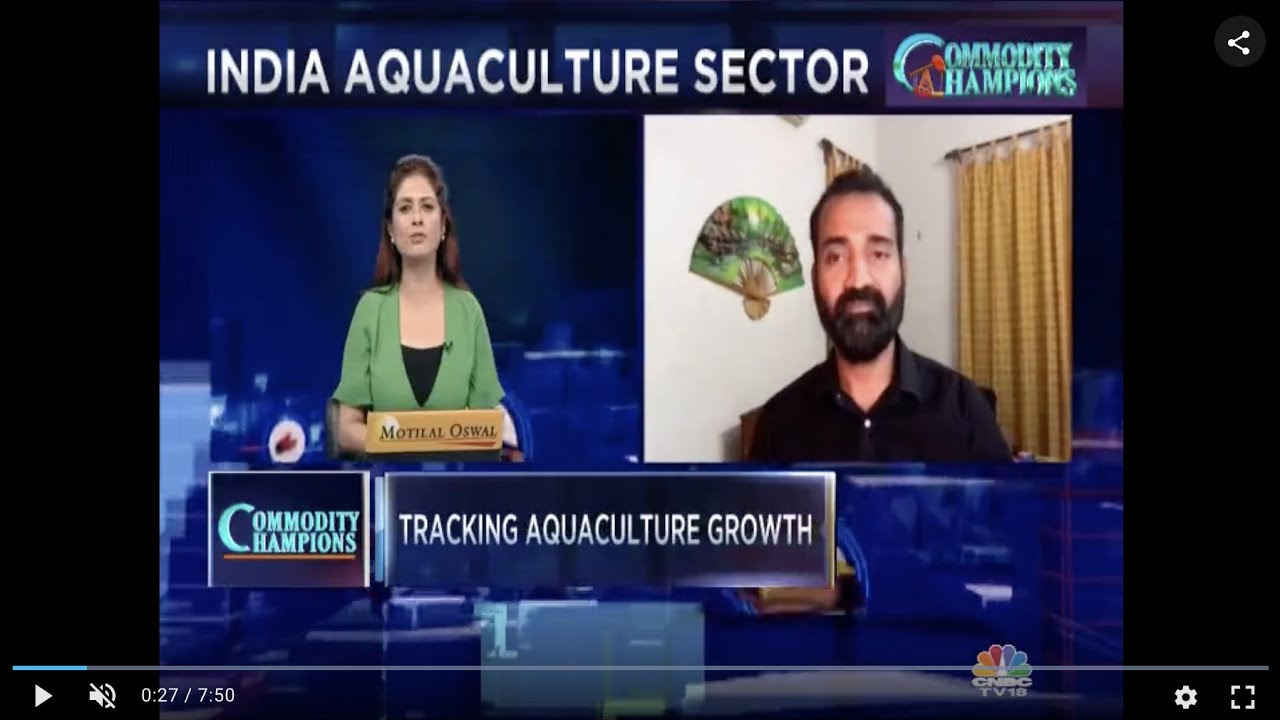
In this interview, Raja Manohar recounts how a casual conversation with a building guard sparked the idea to create mobile services tailored for India’s vernacular‑language market. Recognizing that many Indians lacked desktop or broadband access but owned basic mobile phones, he founded Hexolabs Interactive to deliver last‑mile connectivity through popular “ABC” services—Astrology, Bollywood, Cricket—along with agronomy, education, and financial information in local languages. He describes an early 2006 government project that built a voice‑based curriculum for ASHA health workers, initially offered via a toll‑free number, which failed due to low uptake. Analysis of rural women’s phone habits revealed a preference for missed‑call interactions, leading Hexolabs to pivot toward a missed‑call interface. The conversation then shifts to Fringle (also called Frinkle), a permission‑based location‑sharing app designed for friends, BPO employees, and field workers. Raja emphasizes that the app is not for surveillance but to enable coordinated decisions, citing use cases such as waiting for friends at cafés, safety for women commuting, and construction site attendance tracking. He also mentions plans to embed a messenger for photo sharing within the app. Throughout, the narrative blends personal motivation, market insight, product evolution, and future feature road‑maps.
Chapters
I used to be working— before starting up Hexolabs Interactive, I used to work with an Indian software major at Bangalore. I used to be pally with the guards out there in my building. And one of the guys who used to be friendly with me, he used to come to my cabin and then he used to have chitchat with me at the late hours. One day he was like asking, what is the kind of application that you develop? I told them we develop applications for the Western world and like we make banking applications, we make like like financial softwares and lots of other things. He says, like, comes up with the question saying that you do a lot of things for Western world, how about us? You don't— I mean, we don't experience anything that you make. So that was the point that I realized that there weren't much of services available in our vernacular languages or for Indian market that are focused on Indian market situation or the requirements. So that is when I thought I could do something about it. And that time, this new mobile wave coming up into the market, not everyone could actually have a desktop and internet connection, but they could of course have a mobile handset. And that guy has, has had a mobile, I mean, though it is a non-smartphone, smartphone that time, he had a phone and I thought like it could be a game changer. Like while delivering the service, the last mile connectivity actually could be, you know, effectively managed through these mobile handsets. That's when we started Hexolabs with the, you know, vision of providing the last mile connectivity. Like, these are the popular ABCs of the mobile world. Do you know what are they? It is— the A stands for astrology, the B stands for Bollywood, and C, of course, it's cricket. People love them at the bottom of the pyramid. They are the most popular services among the bottom. Of the Penumbra users. We ventured into providing mobile value-added services that would offer agri-information, that would offer educational information and financial information, something like stock market figures over the mobile phone in vernacular languages. In 2006, like, we worked on a healthcare project. The government's— one of the state governments had come to us, and then they had an issue of, you know, reaching out to the ASHAs, who are the healthcare workers on the ground, and they wanted to conduct mobile-based you know, tutoring or skill development for them. And I mean, they had a very— like, we came up with an idea saying that, okay, let's make a voice-based curriculum for them in their local languages. That was Hindi in Rajasthan. So that time we had a, you know, we successfully developed this voice-based curriculum. At the end of the day, When we launched this, I mean, we launched it with a toll-free number so that they don't need to incur when they are attending the call, when they call us up. But at the end of the day, there wasn't enough uptake on this initiative. I mean, in spite of we offering it for free and people haven't taken it up. We went back to the board and then we were like, Exploring why this has not been a success. And I mean, there was an interesting finding that the women are not really calling up, thinking that they didn't understand the concept of toll-free number. So that's when we thought, like, how women are using mobile phones in rural areas. And this is how it goes. The men, they top up the— They They offer the credit to the women, they top up it, and it's just a very minimal credit value that they keep on their cell phone just to make a missed call to whomever they want to talk to. And I mean, this was an interesting finding that we have come up with, and then we said like, they understand missed calls than toll-free numbers, so why don't we provide a missed call interface rather than toll-free?
Many a time while you head to a hangout, you end up being on the phone with a standard one-liner, where the hell are you? It sucks to be the one waiting, doesn't it? Introducing Frinkle, a mobile app that lets you add people to your hangout. Pick the most ideal spot for everyone. Track your group's location throughout. No more where are yous. Make your Hangouts easier, painless, a breeze.
Fringle is a permission-based location sharing tool which helps people to know each other's location while they're on the move. And Fringle is for friends, and your, you know, it could be given to, you know, your colleagues, friends, whom you know. And the intent is not surveillance. The intent is to share your location and let them be aware of your, you know, position so that they can make decisions accordingly. Now most of the time I would be ending up for a meetup at a cafe all alone, and this person would tell me that he would come in 5 minutes. That 5 minutes would extend for another 30 minutes. Meanwhile, I could have actually gone out for a You know, fag, or I could have gone out for a next-door bookstore, and then I would have done plenty of other things instead of waiting for him at that place. Women are using it, like, to communicate their location to their loved ones, especially the women working in the BPO industry, like they usually work at the—
Yeah.
Yeah, they usually work at the VRs. When they come back, though the BPO companies are enabling like security for them, most of these cabs are enabled with GPS. But what we thought is these GPS devices are being actually tracked by the companies. So how about giving this kind of an application for the people who are at home so that they can actually make an informed decision about it? Fringle could definitely cater to many use cases, and we have kept it open. We have seen a use case— one of my friends is a builder. He has a couple of site engineers working under him. He uses Fringle to, you know, it is not for surveillance he is using. He wants to ensure that the people are at work on time. So he could simply send a request. The other person has to accept, of course, during the work hours. They would have to accept it as a kind of practice. organizational practice. So that way it helps people to be in sync. The teamwork is being enabled by Fringle, and we are planning to actually enable a messenger inside Fringle so that you could actually keep expressing, sending the pictures of that. Like when you are at the location, you can say that, like, you can take that picture and send it across to me. So this inbuilt messenger can act as a kind of communication between the organization and the employees.