Making Cents with Charlie and Chad Keller

In this episode of "Making Cents," host Charlie Liu interviews finance executive Chad Keller, who brings over 20 years of corporate finance and accounting experience from Disney, Warner Bros., and the Power Rangers franchise. The conversation begins with a rapid‑fire segment about favorite Power Rangers, leading to a deep dive into how the original Japanese Super Sentai footage was repurposed to create the American Power Rangers series as a cost‑saving strategy. Chad then recounts his unconventional career path—from a minimum‑wage job at Six Flags to a temporary SAP role at Disney—highlighting how systems thinking and process‑driven accounting propelled his rise. He shares a concrete example of redesigning the marketing accrual process for Disney’s video‑game division, emphasizing the need to align expense data with actual cash outflows. The duo discusses practical advice for early‑stage startups: prioritize cash‑basis accounting, defer GAAP until a clear exit strategy exists, and be wary of premature legal or tax structures. They explore AI‑driven real‑time translation tools (Gemini, Copilot) and their potential to break language barriers in business. Chad explains key performance indicators for media properties—Nielsen ratings, royalty streams, merchandise sales, and backend participations—and how Disney blends multi‑year AOP budgeting with quarterly rolling forecasts while preserving the original budget for historical insight. The conversation also touches on market trends such as nicotine‑mint products and the historical economic impact of caffeine. The episode closes with Chad’s “two‑cent” advice: get comfortable with uncertainty, be patient with results but impatient with action, and remember that action beats analysis paralysis.
Chapters
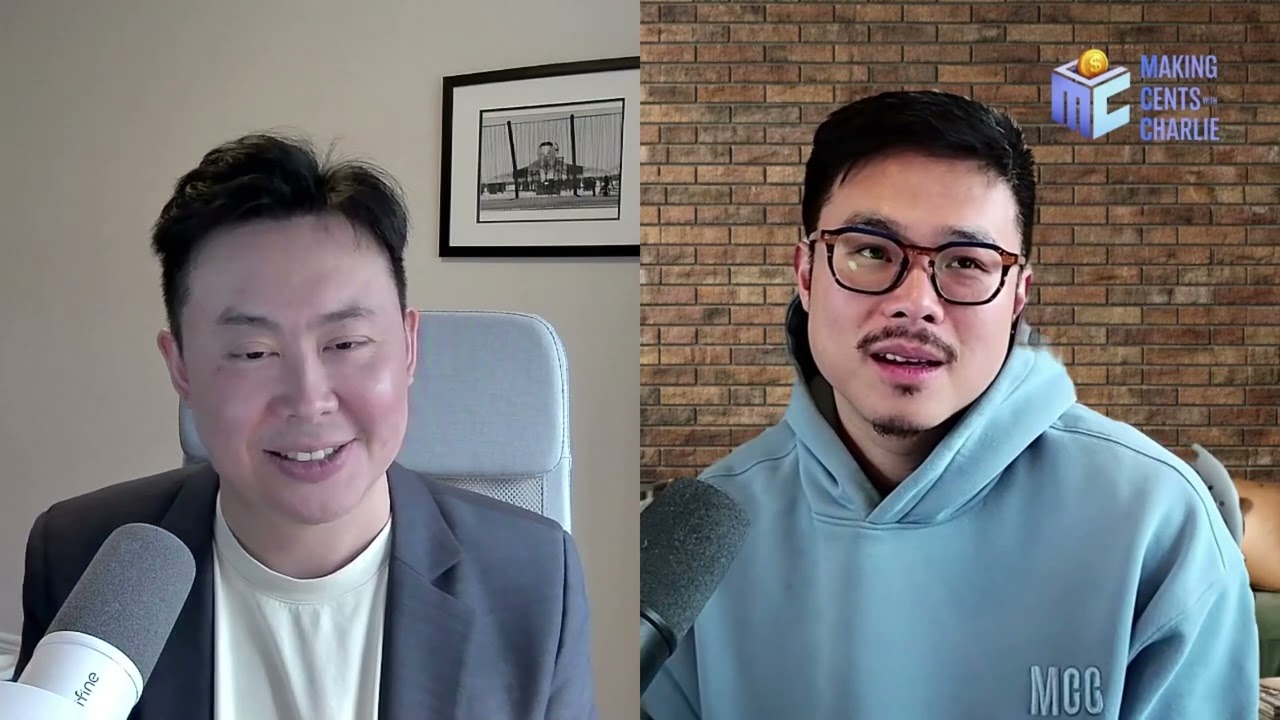
Let's Make Cents with Charlie. Serious business on serious hosts. Hello everyone, welcome back to Making Cents with Charlie. Our guest today is a finance executive with over 20 years of corporate finance and accounting experience. He's worked for Walt Disney and on iconic brands like the Power Rangers, which I want to nerd out so much from my childhood. And today he helps with startups avoid screwing up by providing risk diagnostics and sales strategy services. Welcome to the show, Chad.
Thank you so much for having me.
I'm really excited for this one. We've had a few chats now. It's always been quite energizing. Now, Chad, before we get to some of the deeper stuff, we always like to start with some rapid-fire questions.
All right.
And I'll go through some of these. Some of these, um, really excited to kind of see your answer. So the first one is, uh, what was your favorite Power Ranger? Which year and which color? Ah, that's Good question.
Uh, I'm gonna go with the first season and, uh, the Black Power Ranger because he was not featured as much in the episodes as prominently as say the red one or the, the pink one or, or whatever. There are very few episodes as I remember it as being focused on, on either the black one or the yellow one. So.
I did, I did remember that. My favorite one was always the first, uh, first season. The Red one. Being young, I had no idea, and Red was the main hero. And that was actually when I first came to Canada. It was one of the first shows I saw in English. I learned most of my English off watching that show. And I later found out— I don't know if it's true— I found out later that a lot of the fight scenes were actually produced in Korea. Is that true?
Yeah, absolutely. Yeah. Or it was in Japan.
Japan?
Yeah. I believe the show was called Super Sentai. And what it was, it was a Very different show than what was done in the States. And so what Saban would do is they would take those fight scenes, a lot of the, like, you know, helmeted stuff and a lot of that, and they'd recut it and do the best they could to create brand new narratives based on that footage. And so they'd take, I wanna say it was like 11 minutes or something like that of footage every episode to make the new seasons. And every time there was a new season that came out, Mm-hmm. Like the, the Spawn team would have to go and say, okay, how are we gonna make this work? Because it was very different narratives from the narratives on, on the Japanese show.
Wait, Chad, this is brand new knowledge and I'm gonna nerd out for a sec before you talk about finance or any of that stuff.
All good. All good.
So the Japanese show came first.
Yes.
And basically they reused the content and then created stories and things around it to re— to fit the content they already had.
Yeah. Yeah. Basically. they would like have this footage. They'd have all these fight scenes and these battles, these, these whatever. They take that stuff and then they'd say, okay, how can we with this theme of— because a lot of the seasons had different themes, right? It's like, okay, so now, now we're doing time travel. Okay, how are we gonna make these Zords and these Rangers that look this way fit into a story that's gonna make sense and that we can still have the same sort of plot work, right? And then they'd go and they, they do the— their own actual English narrative of their own story. So you might see footage in Super Sentai that's in some dramatic thing that's wildly different than the Power Rangers kids show, which has a very, very, very different story. But some of the footage is going to be the same because they didn't want to reshoot. It was, as I understand it, very much a cost-saving measure going, hey, we'll just take this footage. We won't have to do all these fight scenes. Then we can just put in our own stuff at the beginning, at the end, throw in our own dialogue or whatever, and save a lot of money. So there you go.
It's a, I mean, that's a phenomenal strategy. I mean, the fact that we're wearing helmets, so you had no idea.
Exactly.
I had no idea. I mean, I loved it. Probably my favorite childhood show. Like, I had no idea.
I've, I, I grew up on it with like, like in, uh, high school is I think the first time I saw it. And I remember watching it every day after school and being so annoyed, so annoyed at this. Okay. Like, okay. If you know the bad guy is gonna get big, like really big.
Yes.
Get big first, squash bad guy, show over. Like, dude.
I do remember thinking about this as well. It's very defensive. It's very reactive.
It's like, no, I can't believe it's getting big suddenly. Wait a minute. Every, every enemy you go against, every time, every time they get big.
Did you know what age demographic it was targeted? Because like, I was 9 when I was watching. I had no clue. It made perfect sense to me.
I think you're about the right age range. You know, that, that, okay. That age range is historically such a, a challenging one for like toy makers and, and, and folks like that, like to really find something that can be engaging for 7, 8, 9, 10-year-olds, you know, and yet, yet not make it so violent, so crazy. And it's, it's, that's where all the money's made too, is, is on the—
Fascinating. This is probably the most time I've ever spent on the rapid fires. I'll get back to you in a sec. So, It's that ICP, that age group, the 9-year-old, 10-year-old is the hardest one for them to target.
Yeah, it's a really hard one because, and like you think about Disney, right? Like they went and they acquired the Power Rangers at one point, right? To kind of fit that little puzzle piece, right? And then later on they sold it back to Saban many years later. And then they went after Star Wars and they went after Marvel to again, try to hit that But boys' demographic is a tough one. Girls' demographics, as I understand, are far easier for, you know, the toy campaigns, marketing campaigns, you know, synergies, just stuff. But guys are harder, especially at a younger age. And it's really hard to find really good content, really was harder to find really good content. And so I remember going to some like Disney branding presentations that they would do and they would kind of walk through and be like, here's our matrix. And the Power Rangers fit here and Ratatouille fits here, and these are not the same thing. So anyway.
It's fascinating. I mean, I have never, not never, I haven't done much work in kind of your space, this media entertainment space. I love to actually learn how finance actually surrounds that. But Chas, finish the rapid fires. I would love to hear maybe that first. So superpower that you'd love to have.
Superpower I'd love to have. To use the theming of the Power Rangers, to get giant whenever I want. Sure, that would not have any negative side effects, but whatever.
Well, you need all your clothes to expand with you. You need to have liability insurance to the roof.
Yeah, yeah. Wardrobe expense would get out of control, but it'd be big. That'd be fun, at least for a few minutes.
I know the last time we were talking about AI a little bit, I know you were playing around with the Uh, the question is Copilot or Gemini, but what, what is your L of choice?
Lately it's been Gemini. Um, I, the first one I used most meaningfully was Copilot, and I think actually how we met was talking about how Copilot was doing some pretty amazing things in, in sort of the transcription, like live transcriptions and all that, which, like when it does a live voiceover cloning someone's voice in another language, That's freaking amazing. I mean, that is just— there are use cases for AI that are kind of like, yeah, it might be useful, might be whatever. And then you experience that and you're just like, dude, that's cool, right? And useful.
You try the live translation calls in Google Meet?
I have not yet, but I imagine it's very similar because, you know, they all copy each other, I'm sure.
You gotta— that's the only one I have tried so far. Last month or 2 months ago, I spoke to a whole team in I wanna say Mexico. I know basic Spanish, but not conversational for a business conversation.
Right.
On ROIs and EBITDA calculations. It was fascinating. The other side spoke in Spanish, came through English, and I spoke in English, went through in Spanish.
And it was probably like a second delay, right?
Basically, it's basically non-noticeable. The models they have on language, it's incredible.
It sounds like it's the same it was doing with Copilot, which is amazing. And even if it doesn't, perfectly translate something, everything else is pretty good. And I love how it clones the voices. Like, for example, I used to work with a good friend of mine that was based in Mexico City as well. And I knew what his voice sounded like in English because he would talk to me in English a lot, right? And then I heard the cloned voice of him talking in English when he was talking with like some vendors and things, or I was on calls with him and I was listening in.
Yeah.
And I'm like, it's the same. They're capturing like this so well. Like, Like even some of the vocal nuances and quirks and whatever that it's, it's, yeah, it's, it's pretty incredible. It is.
It is.
It's, it's not going to take everybody's jobs yet, but it's, it's, these are little, little, uh, little tools in the toolkit that we, we all should be trying to use in one form or another.
It's opening the world up. Like I never thought, even when I was really studying Spanish, like I never thought I would get to a level where I can have a business conversation with a new language I pick up. But it's, it's allowing all this to happen now.
Yeah. Which is huge, right? Like I do my Duolingo every day. Oh, every day, every day. And, and yet there's times where I'm— I think to myself, will I need to have this 5 years, 10 years from now? Or will I have, you know, live translations through, through my earbuds or whatever, as I'm walking around somewhere, you know? And I know it's somewhat possible now and like the latest generation of say the AirPods or whatever. from Apple. I haven't used them, still don't know if they work or how good they are, but if they're anything as similar as the ones of the live translations that Gemini or Copilot are doing, then I have high hopes. And, you know, it could really be a game changer in business and travel. I mean, I went to Japan a couple years ago and to the Disney parks there. And if you haven't gone, I cannot Highly recommend them enough. They're amazing, right?
I went to the sea one. Sea. I think it's, I think it's the only sea, uh, Disney sea one.
Yeah.
Yeah.
Correct.
Yeah.
I went to that one. Yeah. And, and, and yet the, the, the prevalence of Japanese spoken language is huge because obviously they're in Japan, right? So, but yet those are the best Disney parks in the world. Like, and so imagine if you could marry the 2 things, like you could walk around and hear everything and like all the announcements in that are Japanese hitting your ears as an English speaker and yet still getting to experience the best Disney parks on the planet, like, damn, sign me up.
And again, you keep the nuances of the folks speaking. So it's not like a dubbed version where it just sounds completely off.
Right, right. It's a Brave New World.
We have 2 more. Chad, are you a night owl, early bird?
I am an afternoon owl. That's where my best jam is.
Really?
I'm really not very good of a morning person and I'm really not a night person. Like, like I get to 11, 12 o'clock at night and I'm like, dude, I can't. But, but I'm at my best at 2 o'clock in the afternoon. I can—
That's where you do your focus work.
Yeah. Yep. After lunch, everything's handled. Caffeine's happened. You know, it's just, it's go time then for me.
That's really productive. I think that's, seems easier. I had to Learned to be a morning person the last year. Struggled with it for the longest time in my life. Like my best work was like from 2 to 4 AM, but very hard being a productive, healthy adult when you're working between 2 to 4 AM.
Well, but now you have other challenges because you have teams in places where you'd really, the only time you're going to be able to talk to them is in the morning for you, right?
So yes, working with my team in South Africa and also with clients in UK, like London. The worst one is, uh, the worst one's actually India. Singapore is not that bad because I can meet their morning and my night. Uh, I think India was like 7 hours where you're like halfway. So the best time for them is like 3, 4 here. And it's, um, yeah, I mean, that, that wait that I had to manage was probably the, the drive I needed to become a morning person.
Well, it's, it's morning is not the worst time. It's just You got— it's like, is it before or after the coffee? Because before coffee, if you're like me, like, just don't, just, just don't. But after coffee, everything's good. So.
Have you seen— there's, um, I've seen like, um, literature where you can map out the kind of progression of human civilization and the invention or findings of caffeine. So tea and coffee. Like leaps and bounds after, as a species, we discovered caffeine.
You know, it seems to be the— it's drugs that have kept the species progressing. Not only is it the progressions and productivity gains that we've gotten from coffee, but I remember watching years ago on Netflix, before Netflix was cool, they had sufficiently bad documentaries on it to stream. One of them was How Beer Changed the World or something. Similar to that. And basically they talked about how it was the first big currency that people used to get stuff built and get, you know, and humans quickly learned how to, what did, you know, the fermentation process and all this. And it was very motivating to use almost as a currency to get people to get things, you know, big structures built, big cities, you know, created and all this. And humans were more than willing to do it. for the crudest of crude beer. So.
Yeah, absolutely. And, uh, well, I love to actually dig into some finance accounting stuff, but recently I've noticed, um, dude, we can, we can chat all day. I love it. Um, I, I don't know if you noticed, I find that in the last couple of years, Dave, a lot of, um, uh, no, CPG entrepreneurs started taking kind of inspirations from tech. What I've noticed is a lot of companies are taking existing products and then just repackaging completely. Take nicotine. I was in SF late last year, first time I've been there since COVID It was great to go back, but I noticed everyone was chewing these nicotine mints. That's a big thing now. It's a nootropic. It helps you focus. Like you said, it's done a lot for the world. And I've never thought that That could be a great product, right? Because he went from cigarettes, he went from variables, different forms, chewing to pouches the last couple of years to now, like everywhere I saw in Silicon Valley, these mints.
It does not surprise me that, you know, there, there's a heavy inspiration just in the world of, of, uh, business, right? To, if you have a, a cash flow, you want to keep that cash flow. So if you're an Altria and you are saying, we like making money off tobacco, this works for us. And you're living in the United States or you're working in doing business in the United States and you're going, but all the health brochures are saying this could kill you, then they have to get more and more creative, but they will get more creative because they want their cash flow. And it's It's sort of an awkward thing because on one hand, you know, I think we all can agree that smoking's probably bad and probably shouldn't do it, you know, among other things. And yet I can see where an argument could be made to somebody, especially in a convenience store somewhere. Oh, I'm not smoking. I'm just having this mint. No, you're just doing the same thing. You're just doing it in a different form and it's probably just as bad. And yet the brilliant folks at Altria are going, well, okay, we lost our cash flow with these sticks.
Yeah.
Yeah. And now, now we get it in these, these mints and, and yet we can still pull a premium because we still have all these addicted folks and—
Oh, it's very, the, the marketing and branding's very premium. It's quite expensive. Um, and I'm sure it's cheaper to produce than actually growing tobacco leaves than to just get like direct synthesized to like nicotine.
Yeah. Yeah.
Love to actually, actually go back to kind of what we were talking about earlier when you were talking about kind of experience in Disney. I think a lot of folks on the other side would love to kind of hear about your experience. What I find is I actually get a lot of younger, kind of out-of-school folks listening to us, trying to learn more and figure out what to do. I've noticed a lot of folks actually in Reddit getting guidance, a lot of fear with AI and their jobs disappearing. I think there is some— I do think it's not going to replace everyone, but I do think there are certain aspects that are going to be replaced, if not already replaced. But I think having folks hear about your experience would be quite interesting, Chad.
So my experience was somewhat unique, but I think it was fun. So when I started at Disney, I was trying to break into the entertainment industry. And a friend of mine I worked with at Six Flags, the local Six Flags park out here, which cannot stress enough how amazing an experience it was to work at a Six Flags park making nothing, nothing. I mean, minimum wage, huh? Okay. Maybe a quarter above that. I mean, nothing. And yet the experiences I got from that were tremendous. Right. And, and, uh, one of my coworkers there kind of helped me get a temp job at, at, at the time at Warner Brothers, which all the entertainment companies are all the same, you know, neighborhood basically of LA. And the first, I'd say, year or so I was doing the most unglamorous work you could imagine, basically showing up, filling in for somebody. Answering the phone if it would ring, being bored outta my mind, waiting for something to happen and, and, uh, scheduling a meeting for people every now and again. And, and just, you know, not the most, to me, the most exciting stuff in the world. But, uh, from that, that opened up an opportunity to, uh, 'cause I was using a little bit of SAP to do some like ordering of some things, right? And put that on my resume at one point, somebody found that and, and we had a chitchat and they said, hey, we have a temp job at Disney if you're interested. And they need somebody that's used SAP at all, has opened it up at all. And that's really all that they were really hoping for. I'm like, well, I've used it some. I mean, I don't wanna oversell this, but I've used it some. And so I went and I did that temp job for like 9 months. And then it was a lot of like just attributing of stuff. It wasn't even finance and accounting focused. It was more like Attributing of different titles in a hierarchy that they would use to identify different products in consumer products. So for example, you might have Mickey as a property, right? And that would be associated with one layer of the hierarchy.
Yeah.
And then if you go down one, you'd have like a Mickey, classic Mickey Mouse, and then that would be more of like a next level attribute, which then would be paired with the thing it was that was being sold. So like a classic Mickey Mouse t-shirt, and you'd want to know what those things are if you were gonna ever do any analysis around what sales are working, what are not.
Yeah.
What are you actually selling? How is the property Mickey functioning versus how is, you know, classic Mickey versus say Minnie? Minnie, or even the other versions of Mickey, like Steamboat Willie Mickey versus, you know, all these different, like, subsets of Mickey, right? And then from that dataset, you could then do analysis, which they would do, as I understood it, outside of SAP. But like, SAP would gather up all the data, and then outside of it, they could go and they could figure out, hey, how is this property performing? How is that property performing? And if we go back for a second to that kind of matrix I was talking about, Then they could look at and they could say, how are our boys' properties performing at different age ranges versus our girls' properties at different age ranges? And is there something that we need to tweak in our strategy to get more market share in, say, baby, which is a big one—
Yeah.
—for Disney baby and our products versus the competition? And is there— is, say, the Princess Peesa baby functioning better than the classic characters baby? !!!!!!!!!!!!!!!!!!!!!!!!!!!!!!!!!!!!!!!!!!!!!!!!!!!!!!!!!!!!!!!!!!!!!!!!!!!!!!!!!!!!!!!!!!!!!!!!!!!!!!!!!!!!!!!!!!!!!!!!!!!!!!!!!!!!!!!!!!!!!!!!!!!!!!!!!!!!!!!!!!!!!!!!!!!!!!!!!!!!!!!!!!!!!!!!!!!!!!!!!!!!!!!!!!!!!!!!!!!!!!!!!!!!!!!!!!!!!!!!!!!!!!!!!!!!!!!!!!!!!!!!!!!!!!!!!!!!!!!!!!!!!!!!!!!!!!!!!!!!!!!!!!!!!!!!!!!!!!!!!!!!!!!!!!!!!!!!!!!!!!!!!!!!!!!!!!!!!!!!!!!!!!!!!!!!!!!!!!!!!!!!!!!!!!!!!!!!!!!!!!!!!!!!!!!!!!!!!!!!!!!!!!!!!!!!!!!!!!!!!!!!!!!!!!!!!!!!!!!!!!!!!!!!!!!!!!!!!!!!!!!!!!!!!!!!!!!!!!!!!!!!!!!!!!!! !!!!!!!!!!!!!!!!!!!!!!!!!!!!!!!!!!!!!!!!!!!!!!!!!!!!!!!!!!!!!!!!!!!!!!!!!!!!!!!!!!!!!!!!!!!!!!!!!!!!!!!!!!!!!!!!!!!!!!!!!!!!!!!!!!!!!!!!!!!!!!!!!!!!!!!!!!!!!!!!!!!!!!!!!!!!!!!!!!!!!!!!!!!!!!!!!!!!!!!!!!!!!!!!!!!!!!!!!!!!!!!!!!!!!!!!!!!!!!!!!!!!!!!!!!!!!!!!!!!!!!!!!!!!!!!!!!!!!!!!!!!!!!!!!!!!!!!!!!!!!!!!!!!!!!!!!!!!!!!!!!!!!!!!!!!!!!!!!!!!!!!!!!!!!!!!!!!!!!!!!!!!!!!!!!!!!!!!!!!!!!!!!!!!!!!!!!!!!!!!!!!!!!!!!!!!!!!!!!!!!!!!!!!!!!!!!!!!!!!!!!!!!!!!!!!!!!!!!!!!!!!!!!!!!!!!!!!!!!!!!!!!!!!!!!!!!!!!!!!!!!!!!!!!!!!! !!!!!!!!!!!!!!!!!!!!!!!!!!!!!!!!!!!!!!!!!!!!!!!!!!!!!!!!!!!!!!!!!!!!!!!!!!!!!!!!!!!!!!!!!!!!!!!!!!!!!!!!!!!!!!!!!!!!!!!!!!!!!!!!!!!!!!!!!!!!!!!!!!!!!!!!!!!!!!!!!!!!!!!!!!!!!!!!!!!!!!!!!!!!!!!!!!!!!!!!!!!!!!!!!!!!!!!!!!!!!!!!!!!!!!!!!!!!!!!!!!!!!!!!!!!!!!!!!!!!!!!!!!!!!!!!!!!!!!!!!!!!!!!!!!!!!!!!!!!!!!!!!!!!!!!!!!!!!!!!!!!!!!!!!!!!!!!!!!!!!!!!!!!!!!!!!!!!!!!!!!!!!!!!!!!!!!!!!!!!!!!!!!!!!!!!!!!!!!!!!!!!!!!!!!!!!!!!!!!!!!!!!!!!!!!!!!!!!!!!!!!!!!!!!!!!!!!!!!!!!!!!!!!!!!!!!!!!!!!!!!!!!!!!!!!!!!!!!!!!!!!!!!!!!!!! !!!!!!!!!!!!!!!!!!!!!!!!!!!!!!!!!!!!!!!!!!!!!!!!!!!!!!!!!!!!!!!!!!!!!!!!!!!!!!!!!!!!!!!!!!!!!!!!!!!!!!!!!!!!!!!!!!!!!!!!!!!!!!!!!!!!!!!!!!!!!!!!!!!!!!!!!!!!!!!!!!!!!!!!!!!!!!!!!!!!!!!!!!!!!!!!!!!!!!!!!!!!!!!!!!!!!!!!!!!!!!!!!!!!!!!!!!!!!!!!!!!!!!!!!!!!!!!!!!!!!!!!!!!!!!!!!!!!!!!!!!!!!!!!!!!!!!!!!!!!!!!!!!!!!!!!!!!!!!!!!!!!!!!!!!!!!!!!!!!!!!!!!!!!!!!!!!!!!!!!!!!!!!!!!!!!!!!!!!!!!!!!!!!!!!!!!!!!!!!!!!!!!!!!!!!!!!!!!!!!!!!!!!!!!!!!!!!!!!!!!!!!!!!!!!!!!!!!!!!!!!!!!!!!!!!!!!!!!!!!!!!!!!!!!!!!!!!!!!!!!!!!!!!!!!!! !!!!!!!!!!!!!!!!!!!!!!!!!!!!!!!!!!!!!!!!!!!!!!!!!!!!!!!!!!!!!!!!!!!!!!!!!!!!!!!!!!!!!!!!!!!!!!!!!!!!!!!!!!!!!!!!!!!!!!!!!!!!!!!!!!!!!!!!!!!!!!!!!!!!!!!!!!!!!!!!!!!!!!!!!!!!!!!!!!!!!!!!!!!!!!!!!!!!!!!!!!!!!!!!!!!!!!!!!!!!!!!!!!!!!!!!!!!!!!!!!!!!!!!!!!!!!!!!!!!!!!!!!!!!!!!!!!!!!!!!!!!!!!!!!!!!!!!!!!!!!!!!!!!!!!!!!!!!!!!!!!!!!!!!!!!!!!!!!!!!!!!!!!!!!!!!!!!!!!!!!!!!!!!!!!!!!!!!!!!!!!!!!!!!!!!!!!!!!!!!!!!!!!!!!!!!!!!!!!!!!!!!!!!!!!!!!!!!!!!!!!!!!!!!!!!!!!!!!!!!!!!!!!!!!!!!!!!!!!!!!!!!!!!!!!!!!!!!!!!!!!!!!!!!!!!! background in college, but I hadn't like work experience in accounting, right? And so they're like, do you know any accounting? I'm like, I know business school stuff, but it's not like I, you know, whatever. And so they said, do you want to do this? Just, it is an accounting job. I said, yeah, let's do it. See what happens, right? Well, turns out I did a really good job because I wasn't your traditional accounting background person. I was Coming from more of a process standpoint, and so I was looking at how we were doing things and finding efficiencies left and right, and really trying to you know systemize a lot of things. Right? And so it was like yeah, I was following the rules of accounting because that's what I was learning on the job. But really what I was where I was excelling was in the systems of things, and it it proved in the eight years I was there, that's where I was really able to shine. As I would be presented a problem, and rather than going, we need to figure out how to do some marketing accruals. How are we going to do that? La da da da da. I would kind. of deconstruct and be like, okay, that's the output we need to get to. How do we think about from the get-go how we do this most efficiently to get that data into the system, basically? And so—
Would you be able to give an example, something that you did?
Yeah. So for example, like I had to go at one point and take over the, for the video game division, the marketing accruals for, or marketing accounting for the various video games, right? That came in a lot of different styles. And the initial instructions were, go talk to the various brand managers and see what they've spent and then go and if we haven't already expensed those expenses, then accrue for them, right? Which is the right, that is the right textbook answer of what you're supposed to do. Great.
Yeah.
The reality is they didn't know how or have any sense of when the money went out the door, right? So I had to come up with a process to be like, okay, tell me everything you did and committed to this month and then I'll go back and to let you know that everything that has already been paid and everything else, and we will agree on the other end of this how much we're going to therefore accrue this month to fill in the gap, right? And versus just, there was a lot of noise that would otherwise happen because they'd say, we did this. And I'd say, okay, great, but we already paid for it. It's already gone or whatever. So we're not going to accrue for it again and have a whole bunch of over-accruals and corrections and true-ups and all this stuff. So there was a bit of like re-engineering the process to help the people at the front end of the process who were doing these commitments and everything, right? To understand how they needed to give me data so that I could then true up their data and have the right answer at the end of every month. So.
I also think most folks outside accounting and finance do not understand accrual. I think trying to expect them to understand it doesn't make sense. I often, especially smaller firms, when I work with them, I go, you should get them to plan by cash, and then you need to figure out some sort of schedule Joe, than to figure out how to accrue it afterwards. Then you get better results and better accountability because they'll understand it better.
Well, when I work with a lot of the startups, I often will say like, look, there's a time and place for GAAP accounting, but in the beginning is not that time. You need to probably focus on cash accounting and just understand your cash flows, ins and outs, and be in a situation where you're taxed on a cash basis and all that. Keep When it's, when you're smaller, keep it simple. And then when the time comes where you're hiring your bookkeepers, you're hiring your accounting teams, you're get— you have that, that at least long-term strategic plan of, uh, oh gee, I would like to sell this or go public one day. Well, okay, well that comes with converting to GAAP and, and starting to do an annual audit and, and starting to think about that long-term exit strategy. That's fine, but you don't have to do that until you're really ready to do that. And, um, if you do it too soon, you might be creating more complications than Then you might be ready for it.
Yeah, especially early stage. Um, yep, folks sometimes get caught up in the things that doesn't matter. Even though I am coming from accounting finance, actually my background's very similar to yours. I came from data and never actually did an accounting degree. Um, but when I often advise folks, I go like, leave the legal stuff later. Like, just figure out if you can actually get customers, get some cash flow. Um, the accounting can, in my opinion, can wait. 6, 9, 12 months, uh, because sometimes you have all that stuff stood up in that, but in that time you should have invested all the time to figure out a proper business model and try to figure out if you have a good product or a good service.
I say the exact same thing to people. I'm like, look, focus on sales and actually get sales in the door. Because once you have sales in the door, then you can go and take care of some of the more, uh, paperwork stuff and all that, you know, as long as you do that. Generally timely, you're probably going to not get in too much trouble, but you don't want to fork over a ton of money to register for this and register for that and get this going and get your website going. And now you're going to have this expense and that expense and this other expense. And then you got to pay for all this stuff. And where's the revenue for that? Oh, you didn't already prove out first that you have the revenue that's going to be able to cover that. Well, now, now you're going to start making very desperate decisions. that you shouldn't make, which step 1 is to—
What's the time? Like if you're bookkeeping the first month? No, it makes no, it makes no sense, right?
Exactly. Exactly. You know, I, I, I have talked to folks who are like a few months into their, their journey and they're like, my bookkeeper's telling me I need to become an S corp. And I'm like, is it, are you doing this for you or are you doing this for your bookkeeper? Because once you become an S corp, you're, you're going to have a lot more expenses and you're going to have to start running payroll. You're going to have to start doing these other regulatory things. Do you have the revenue for that? Or is this something that your bookkeeper thinks would be a great idea? And I am not saying that that's bad advice in isolation. I'm saying, who's it really benefiting at this time? Is that benefiting you or is that benefiting the bookkeeper? And if you're not aligned on that, then I don't know that that's the best decision. So get money in the door first.
Yeah, absolutely. Do you need to know the why? And you need to know if you're building a business, where are you going with this? Like, I know a ton of friends who sometimes I go jealous. I get very jealous. I'm like, you have a very comfortable and strong lifestyle business, right? There's decisions that they make that's very different from what we're trying to do here. But Chad, I do want to ask you how you switched over to this, but I want to actually get to the end, kind of the rest of the story, how you climbed the kind of corporate kind of ladder. So you got into accounting. Yeah. And it's very process-driven. I've— I'm hearing this over and over again. I actually get a lot of accounting grads asking me for guidance and often tell them, think in process, try to build a systems thinking muscle, especially in this AI age, and talk to the rest of the business, understand operations. That way, when you come to accounting and come back to the numbers in the books, it actually makes sense to you. Yeah.
Amen. I think one of the biggest mistakes I see people in accounting and finance make is they don't sort of throw themselves into the deep end of the business that they are in. They skirt the edges and they go, oh, I just care about worrying about the margin for this, or I just want a fancy report that'll show this KPI. It's like, those are all nice things, but what does the business really mean? Like, and how does that fit in your business? You know, like there are businesses out there That can have tremendously large balances of unbilled AR, which in some cases you would look at that and go, oh my God, what a huge risk. What a huge issue. And then in other situations, you'd be like, oh, that's standard for this industry. And if you're a, you know, just blind accountant coming in saying high AAR bad, well, you'd need to look at it under the context of, but what does this, what are the norms of this business is maybe that isn't Maybe it's got some nuance to it that can matter. So I say all the time to my accounting and finance brethren, it's like, nobody cares about your cute report or your whatever. You have to understand the underlying business. You have to help stay away from the jargon of accounting and finance. Like one of the first things I learned at Disney was to stop using the word accrue. Because no one understood accrualment, right?
Yeah.
So it was like, okay, just let's talk about what you've done and let's, and what, what is this expense and why are you spending that? Does that make sense to spend that much on packaging design? Does it make that much sense to spend that money on, on, uh, on this TV campaign, you know? And, and okay, fine, you did it. Or, or, okay, you spent this many millions of dollars on a, on a, on a media plan. Great. Is that normal? Is that an outlier? Is it— why is that an outlier? Let's talk about that piece of the pie before we just go in blindly. This is what they told me. No, you— it's— but why? Like, oh, this is a tentpole movie and this is a tentpole property. And so we really wanna make sure that we're driving extra attention to our, our games and things. Then it would make sense to be an outlier. If it's just someone went copy paste as a template from another project that was maybe not so great. And, and they wanted to juice up the numbers. Like, well, why are you doing that? There, there needs to be a good partnership on a regular basis between those that are running the business and those that are tracking the business. And I have always been a big proponent of it is a partnership. It is a, the best people that do what we do are those that, that really, really bridge the gap and, and help folks that are running the business understand what they're doing, understand, you know, oh, you have a, like severe cash issues. Well, let's talk about that. That's not an accounting problem or a finance problem. That's a business problem. And if you turn to your CFO and say, my God, I got to fix my cash problem. Well, or we, you have to fix our cash problem. No, we need to fix our cash problem. And sometimes the folks get like, oh, that's, that's all finance accounting. I don't need to worry about that. No, no, no, you need to worry about that.
A good business have strong business partnering. You have to be aligned. It's not divided. I'm seeing a lot of companies that splits revenue and FP&A now. And they sometimes go, hey, that's revenue's problem. I don't think is the right mindset. You're— I think you're fully spot on. I also think today— so I do think some people care about pretty reports, but that's not what's important. But some people do care for— and I think what's happening now is a lot of the AI is producing phenomenal looking reports and people aren't sitting there understanding the business and the number enough. And there's a lot of risk with it as well. What I'm really curious is actually learning about somebody in finance and doing accounting in your industry, how did you model and plan out these kind of investments or assets or brand that you're either building or acquiring? Because some of them have incredible long kind of lifetimes or lifetime value that they can keep providing. How did you model and make these decisions around it?
It varies a lot, but I think that's one of the beauties of AI these days, especially these days, right? Where you can go and say, Hi, I'm thinking about like, I have a brand new brand I'm gonna, you know, do, uh, give me some, some, uh, good examples of templates that I can use as a base case to play around with. And, and I think that that's one of the best uses of AI in general in the wonderful world of finance is, is simply like it is, I think oftentimes people will use AI to just give me the answer. No, it gives you the beginning of the answer and then you You say, well, where'd you get that? Show me that. Let's talk about that. Oh, really? Why does that work? Whatever, right? And in the past, you would have to go and comp things against, uh, your competition. You have to comp things against, uh, your, you know, other previous titles or properties in-house that you might've had, right? And be like, oh, historically this Power Rangers show was— would be able to be sold for this much per episode and we'd typically be able to get this much in a royalty selling toys or whatever, right? Cool. You have your own internal stuff. Great. Then you can model that out easily. Fine, whatever. And you could make some assumptions potentially if you acquired another boys' action brand in your same company and say, okay, how much of this could we kind of use as a starting point with our internal metrics to make another boys' brand to sell other things, whatever? Could we make as much? Does it have the same footprint?
What were the main KPIs and drivers in that universe?
They would vary.
I can't imagine.
The, the, uh, one of the bigger ones on the Power Rangers side of things was like the, the ratings and the views that we would get, right? That was critically important because it would help to drive kind of—
The ratings? I can see views for sure. What do you mean by the ratings?
Like the Nielsen ratings.
Oh, that—
Which is basically viewership. Yeah, because that would drive, you know, a lot of, of, uh, decision-making and then doing, comping that against, say, how you might price other shows and whatever that are similar, but they don't have as much reach or whatever, especially if you're selling to the same network. So, you know, they know the same data points or whatever.
Yeah.
So that would, you know, obviously drive up what you might be able to do on something like that. On a royalty perspective, we would look at both the The initial royalty in, you know, that we could get and based on, you know, historicals and by, you know, is it toys, is it hats, shirts, whatever. And then we'd also have to factor in backend participations such as like if you aired a show on a big broadcaster, typically they wanted a piece of that merch action. And so you'd have to factor in the lifetime profitability of a given property to not only look at how much you're getting on the media fees you're selling or the merch sales you're doing, but you also have these huge backend participations you have to factor in. Plus potentially for like union shows, potentially actors and cast and crew fees and participations for certain other types of things. So you start to look at— or Writers Guild fees or things like that. You start to look at all these like components that really begin to make up what that sort of main model is by property.
Did, um, when you were doing this, was it more of a one-time budget or was there a rolling forecast? The reason I ask is I feel like how a show or brand performs can change drastically and you just can't capture that in a one, once a year budget exercise.
What Saban did, which I felt was one of the best ways to do this, was this. They would do, first they would do, uh, you know, ALP and have several years of like 3 to 5 years out, depending, uh, of just initial AOP and with, with the, with the current year, uh, new budget that they would do on an annual basis. And then we would do revised budgets, which were basically updated forecasts every 3 months or so. And so, Okay. And that was useful because we would never change the original budget. And I've seen some situations in some companies where people want to change the original budget. And I always cringe when I hear that. It's like, no, no, Your budget's your budget. Just leave the— I don't care if it's wrong. We all know it's wrong. Your revised forecast can be your updated expectations. That's fine. But never change that original budget. There's so much that gets lost. I argue even if the intent is benign to like, oh, this is no longer— this is— throw this away. This is crap. Even in that crap, there's going to be nuggets that you're going to want to be able to reference and think about later on. Maybe it's in, you That, oh man, we really did screw that up. Yeah. Well, yeah, fine. But, but if you just throw away everything and you never ever look at it again, then you, you are losing out on potential opportunities to, to really see some insights that you would otherwise not be looking at. I, I know that there's a human desire to not want to look at something that sucks, you know, like, yeah, I don't want to look at that, that budget. It's out of date. And every time I look at it, it says we're losing 50% versus budget.
We need to be comfortable with reality, right? Like one of the things I think a lot of companies should be doing and they're not doing is just budget versus forecasts and then comparing what your initial kind of strategy or goals are. So you have the accountability and then comparing against like what things have changed.
You got to do all 3.
Yes, absolutely. Of course you can't leave actual out of it. Right. But Chad, apologies, we are kind of coming down to time. I feel like the next time we do this, I probably have to block 2 hours. I do want everyone to kind of hear your 2 cents advice, which is why we're— we try to end every episode. What is your 2-cent advice for the audience?
I'm a guy that likes to make lots of little phrases for things. So I make a lot of these that are hokey or whatever, but I swear they're relevant. So one is get comfortable being uncomfortable, especially in today's generations that are coming out of college where they're being thrust into a world where AI is changing things every day and whatever. Well, you're not going to know everything. If we're all being honest, everybody knows you don't know everything and they don't either. And that's okay. It's like, it's not, it's not doing this performative thing of like, look at me, I'm more amazing than I, than you think I am. Nope. Everybody knows, right? So just be comfortable knowing what you know.
Of course.
Knowing, be comfortable with the uncertainties of, of working in life and everything else. And it'll all work itself out. Don't be too hard on yourself because you don't feel like you have a solid enough foundation to sort of make good decisions, whatever the case may be. The other thing I would just say in that same vein of sayings and whatnot is action always beats inaction. So, you know, it's amazing that taking that first step and whatever it is, is so much more valuable than endless planning and endless— I mean, you don't want to plan, not plan for something and then screw something up or whatever, but analysis paralysis is a thing and procrastination is a thing.
Absolutely. There's a line I love, which is, be patient with— one second, I know this— be patient with results but impatient with action. So I love that, and I know these kind of quotes does help. Uh, Chad, apologies, I do have to kind of close this one and wrap this up, but this is a lot of fun. Definitely want you back as soon as possible. Uh, we'll definitely have a longer session next, next time as well. Clearly an hour is not enough for us. Thank you so much, appreciate it.
Thank you, thank you. Have a great one.
Stay tuned for the next episode of Making Sense with Charlie.
More from Charlie


Making Cents with Charlie and Mark Schroeder | Coffee, Sports, Disc Golf, DIY & Scaling South Africa