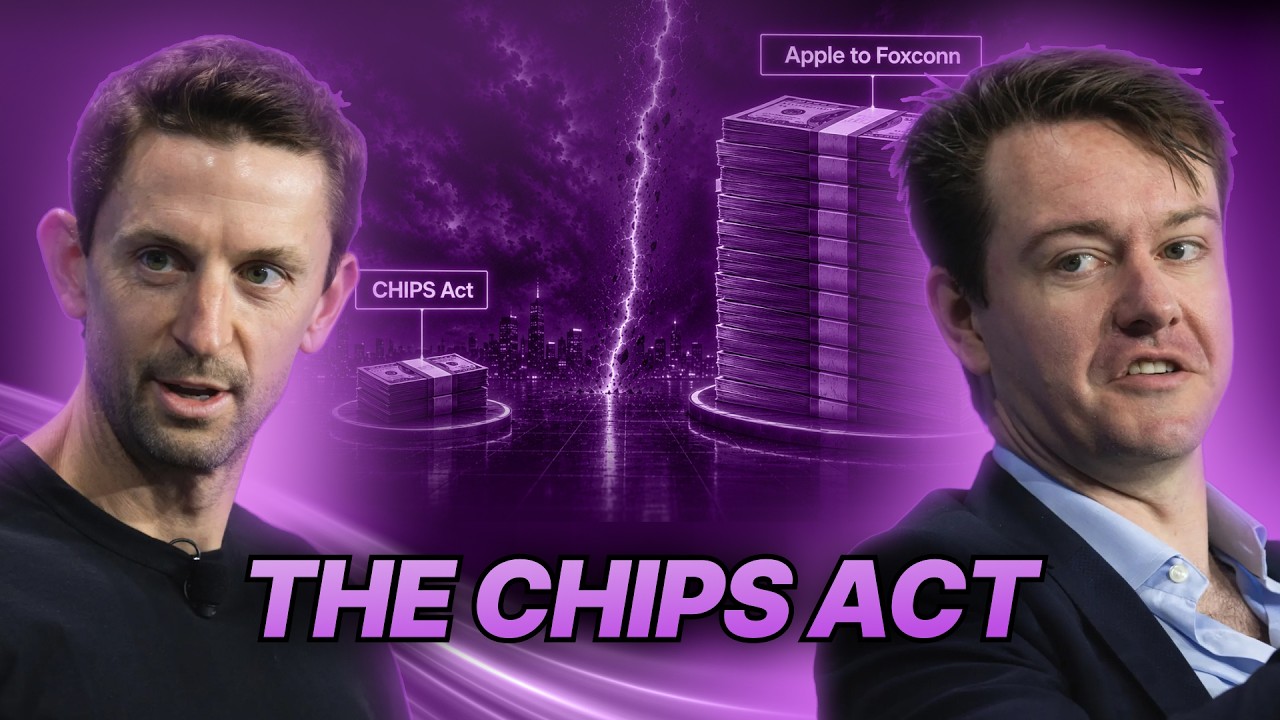
In a breakfast interview at the New York Stock Exchange during the American Dynamism event, Hadrian founder and CEO Chris Power talks about funding the mass‑scale reindustrialization of America and the role of AI in creating millions of jobs by reshoring capabilities lost to China. He explains how venture capital firm Andreessen Horowitz can help hard‑tech companies reach production scale, and describes Hadrian’s Opus software platform that enables rapid, copy‑paste deployment of automated factories. Power highlights the recent launch of a 290,000‑square‑foot AI‑powered factory in Mesa, Arizona, which went from lease to production in six months thanks to a strong team and streamlined permitting. He outlines AI use cases such as workflow, closed‑loop, and task automation that make a Hadrian worker ten times more productive and lower barriers for new entrants to manufacturing. The company’s primary customers are defense primes, as well as aerospace, space‑defense, and semiconductor firms. Looking ahead, Hadrian plans to open additional factories and expand into critical defense sectors including munitions, submarine industrial base, and drone production, supporting the Department of War’s scaling needs.
Chapters
Today's American Dynamism event held here at the exchange focused on what organizers say supports the national interest. That includes sectors like aerospace, defense, the supply chain, and manufacturing. I want to send things down to the trading floor where Ashley Masternardi is standing by with more. Ashley, down to you.
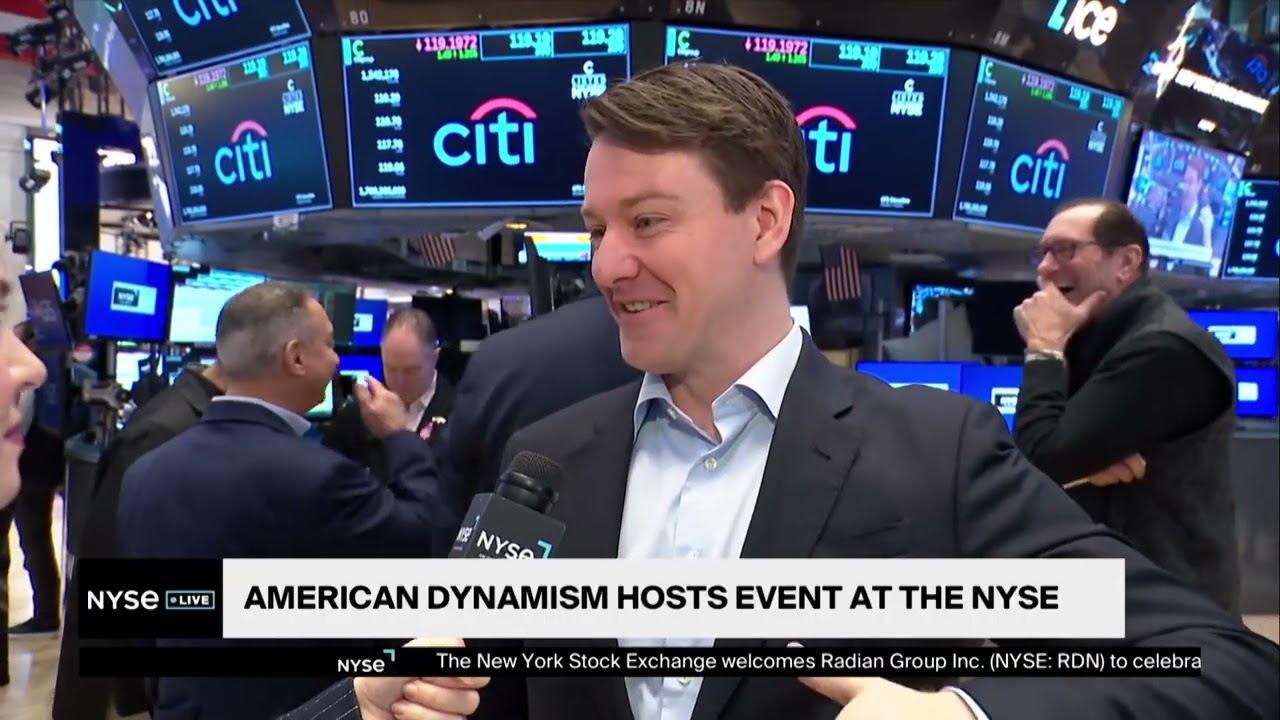
Good morning, Kristin. U.S. national interest was on the menu at the New York Stock Exchange today as leaders from the venture, venture capital firm Andreessen Horowitz and advanced manufacturer Hadrian met this morning over breakfast. Joining me now is Chris Power. He is the founder and CEO of Hadrian. Chris, welcome to the New York Stock Exchange.
Thank you. It's a pleasure to be here.
All right. So can you set the scene for this morning's breakfast? What was discussed?
How to best go about funding the mass-scale reindustrialization of America and the impact technology and AI can have on creating millions and millions of new American jobs as we reshore all the capability that we lost to China over the last couple of decades.
All right. What were some of the themes in the fireside chat? Anything else come out of that?
Yeah, I mean, huge amounts of how do you fund new companies? How does company— how does firms like Andreessen really help companies get to production scale? Where are the opportunities? You know, I think we've seen a lot of the software companies, you know, valuations go down on the New York Stock Exchange recently and the kind of rise of really hard tech industrial companies like SpaceX, like Hadrian, like Anduril that are growing super fast in the real world, charged by AI. So it was a super fascinating conversation.
Take me through what Hadrian does.
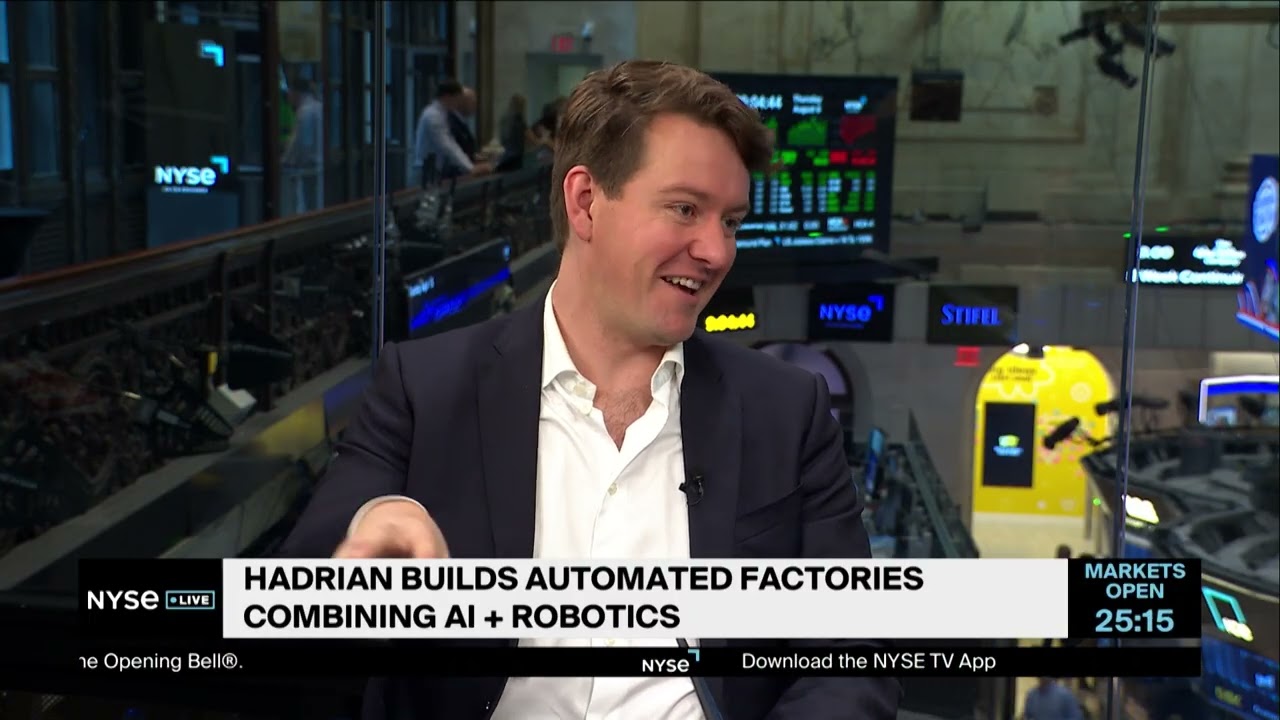
So we build America's most advanced automated factories that supercharge the American workforce so that we can reshore everything we lost to China and turbocharge defense production alongside our customers.
Who are you building for?
We build for the vast majority of the defense primes in the federal government, as well as in areas like space defense, aerospace, and semiconductors.
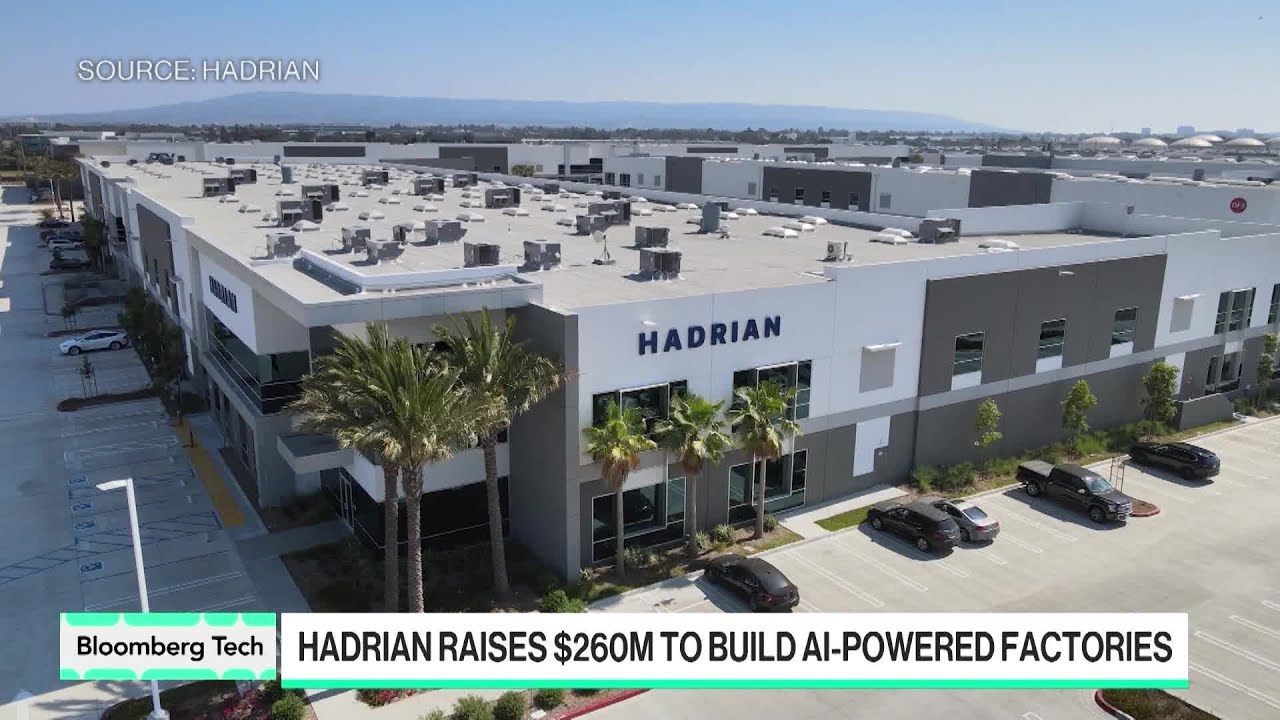
All right. And you just cut the ribbon on a 290,000-square-foot AI-powered factory in Mesa, Arizona. You had announced that less than a year ago. How did it come to life so quickly?
Well, one thing is we've set up our Opus software platform that powers our factories. So it's mostly a copy-paste job. It's scaling what we already have. And also we have an incredible team that went from lease to production in 6 months in partnership with the city of Mesa to speedrun a bunch of permits. But it was really just down to the team. And our platform being able to go this fast. And I think it's one of the fastest factory buildouts America's seen in the last 30 years.
What are some of the use cases for the AI in that facility?
So obviously workflow automation, but manufacturing is very, very deep tech. I mean, our job is to take the lost skills that America lost when we offshored manufacturing and put them in software to enable us to be 10 times more productive, but also make it far more accessible for new people to come into manufacturing and learn those skill sets. So like a lot of closed-loop automation, a lot of task automation, and a lot of enablement to mean that, you know, a Hadrian worker is 10 times more productive than anybody else.
What's next for Hadrian?
A lot of scale. We'll be announcing another factory later this year, as well as making massive entries into the munitions production space, the submarine industrial base, drone production, and all these critical areas that are— the Department of War is massively scaling up that just need the sort of factory automation that we can provide.
All right. Chris Power, CEO and founder of Hadrian, thank you so much for joining us at the New York Stock Exchange.