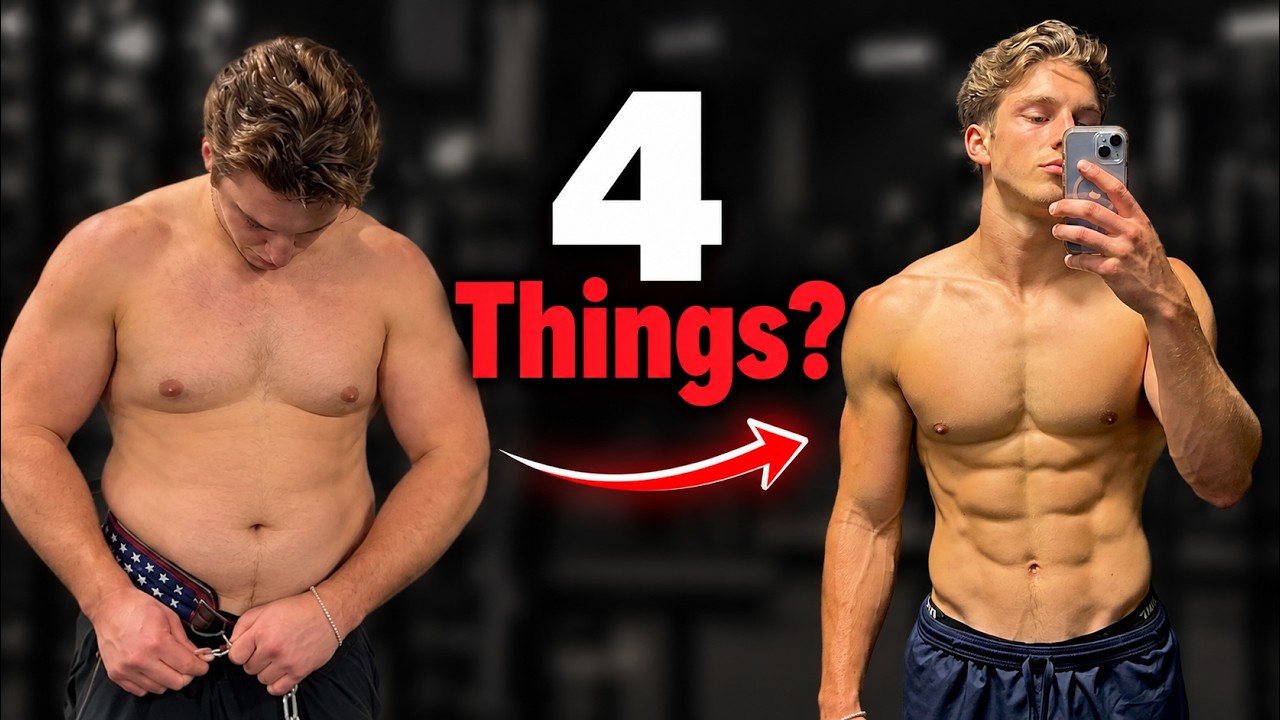
I tested five ways to lose belly fat. Only one works

Josh Heverly tests five belly fat loss methods and finds only one works: 16:8 intermittent fasting combined with macro tracking, carb timing around workouts, and resistance training 3-5 times weekly. His clients saw results in 90-180 days.
Chapters
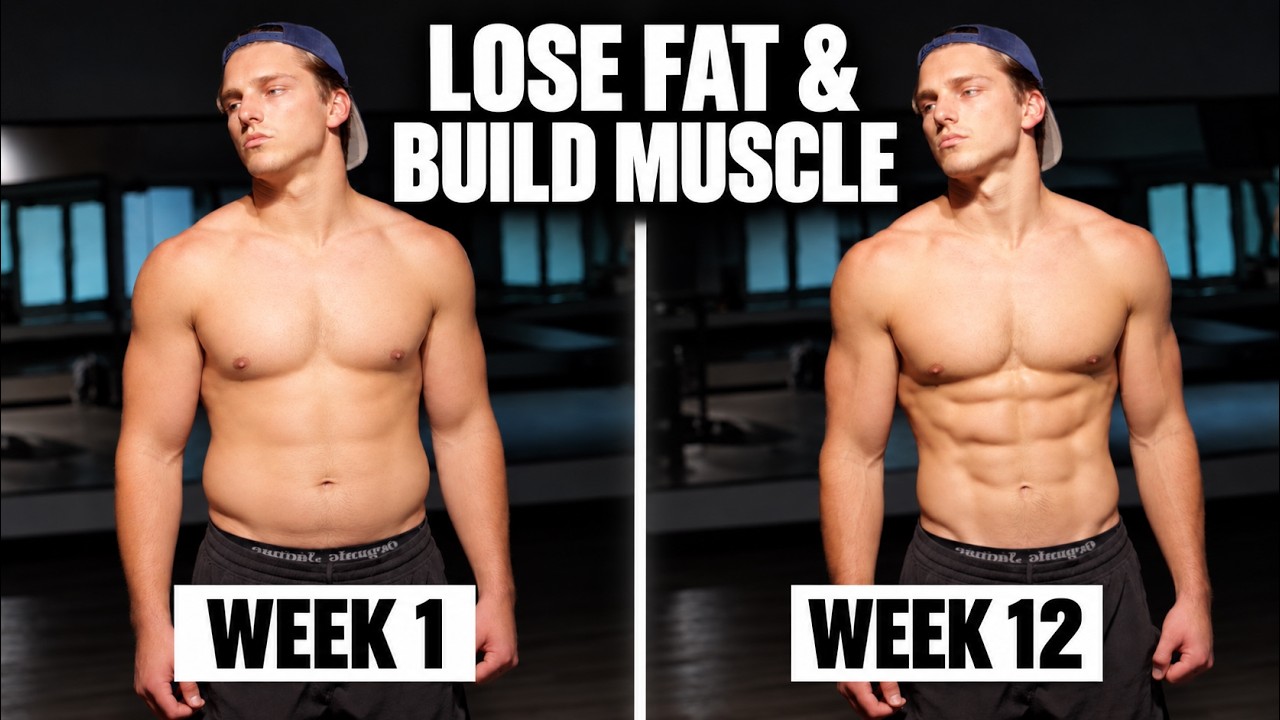
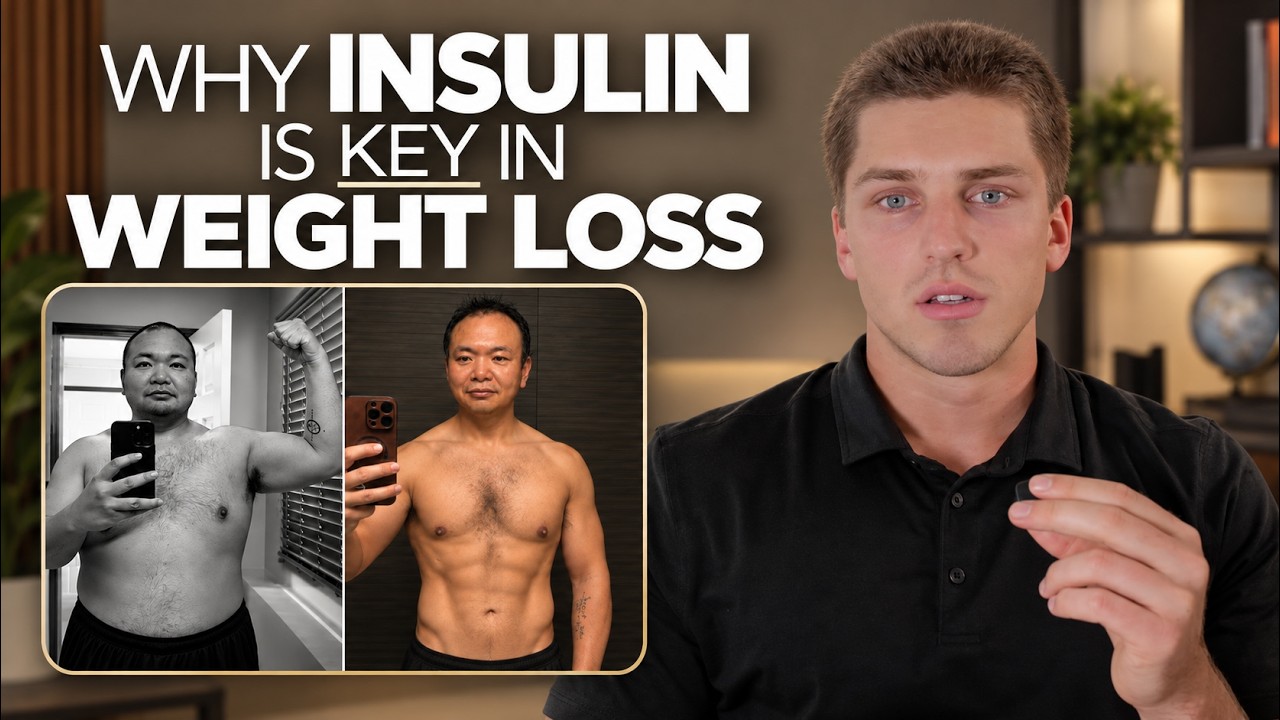
I tested 5 ways to lose belly fat, and in this video I'm going to explain to you which ones were a complete waste of time and which one actually got me the shredded, lean physique that I always wanted. And for those watching the video right now, I can guarantee you one of two things. Number one, you've been at it for months, maybe years, trying to lose belly fat and get the physique that you want. Or number two, you haven't started yet, but you keep telling yourself that you're going to. Either way, whether you've been trying to do something Or telling yourself that you're going to, you're in the same exact position. You look yourself in the mirror and you say, how do I look like this? I need to make a change. I need to figure out what actually works for me. And I bet you ask yourself, what's wrong with me? Do I lack the discipline? Do I not have the right plan? Does it just not work for me? But the good thing is I'm going to lay it out extremely clearly what actually works and what doesn't. So you can just avoid what doesn't work and do the one thing that actually got me and my clients shredded. The first method that I tried was intermittent fasting. Don't get me wrong, intermittent fasting is a great tool for overall health and building discipline, but if you're doing it to lose fat, that is not what this is meant for. See, when my client Vinci came to me, he was 100 pounds overweight. He was intermittent fasting every single day for a year straight and he couldn't lose the belly fat. He thought he was eating less, he thought he was in a deficit following the right plan, yet no matter what he did, he couldn't lose the belly fat. Why? It's simply because intermittent fasting is not meant to lose fat. At its core, intermittent fasting is just time-restricted eating, but it doesn't tell you how much or what to eat specifically. If all you do is restrict the eating window, you can still binge inside of it. You can still have the foods that don't fit with your macros, don't fit the micronutrients, and aren't the right foods overall for you to actually lose the fat. And the issue for me when I was just intermittent fasting, I wasn't tracking anything else. I thought that if I was eating in the window, no matter what, I was okay. But that's where you go wrong because you can eat too much or too little, put on weight, lose weight, but not be the right fat that you want it to be, right? Because you can lose weight and it's not the actual belly fat. You're losing muscle or you're putting on mass during this intermittent fasting because you think that you're eating less, In reality, you're eating more because you're trying to compress so much into only 8 hours. And the thing is, if you're intermittent fasting with 10+ pounds to lose, there's a very high chance that you have an excess amount of visceral fat as well. Visceral fat is what does the real damage. But the thing is, you can't see it. Regular body fat is right underneath your skin. You can pinch it, you can feel it, you can see it. Visceral fat is around your organs, your heart, your liver, your kidney. You can't see it and it does the most damage. And in one big Mayo Clinic analysis of nearly 13,000 people, those at a normal weight but with belly fat had a 2.75 higher risk of dying from heart disease. So that should go to show you it's not just about how you look, it's about the internal visceral fat that you can't even see. The second method that I tried to lose belly fat was just tracking my protein. Protein is a vital macronutrient, and by now you should know that you need to be having enough to sustain a healthy life. But if that's all you're tracking, You're missing the bigger picture. So here's what happens when you just track the protein. Week by week goes on, you put on a little bit of muscle, but you also put on weight. You put on fat and you increase the visceral fat as well. Not only that, but the inflammation goes up because all you're worried about is the amount of protein that the food has. But that misses everything else, the macronutrients, the micronutrients, and if it's even the right food for you to be losing that belly fat. Because here's the thing. You could be having 2 foods with the exact same macronutrients, exact same protein for that matter, but one will help you lose belly fat and the other will do the exact opposite— raise inflammation, put on fat, and put on visceral fat as well. So here's exactly what happens. You track the protein every single day, you think you're doing great, and then weeks or months go by, you look at the progress photo you took 3 months ago, and you realize nothing changed. So then you ask yourself, do I lack the discipline? Or do I lack the proper plan? And 99% of the time, you lack the proper plan to actually get the results, to lose the belly fat and get the dream physique that you wanted. See, my client Issei is the perfect example of this. When he came to me, all he was tracking was his protein. He didn't know his macros, he didn't know his micronutrients, he wasn't following the proper training or nutrition plan. He was tracking the protein and he thought that was enough, but it wasn't. He had a protruding belly, He couldn't lose the fat and he had an excess amount of visceral fat. Why? Because again, that food that he was having was not meant for him to actually lose the fat. And that's the danger with tracking your protein. You can feel like you're doing things right, yet you still have excess body fat and visceral fat. And if you're anything like my client Issei, who has that protruding belly, you really have to look into the effects of visceral fat. In this study from the Harvard School of Medicine, It shows how excess fat around your midsection is especially dangerous for your heart. That's simply because of the visceral fat and how it damages all of the internal organs around your body. The third method that I tried to lose belly fat was just tracking my calories. This method is similar to the protein tracking where it might get you some results, but it's not going to turn your physique into the one that you want. It's not going to lose the belly fat in the way that you want. Months down the line, When you're in a steep deficit and you have no energy, you're gonna look yourself in the mirror and see the flabby skin, the soft muscles, and wonder why or what you did wrong. It's not what you did wrong, but it's the plan that wasn't right for you. When all I did was track calories, I felt like I could eat anything. You look at the back of the label and it says 200 calories, it fits within your macros, right? That's completely wrong because it's not only the quality of food, It's the exact type of food that you're having. 2 foods could be exactly the same in their macros, their, their calories, their protein, yet they do completely different things within your body. That's what calorie tracking misses. 2 foods could be exactly the same, but one raises the body and the visceral fat, one raises the inflammation, where the other actually lowers all of that, helps you build muscle, and helps you get the physique that you want. And even if you lose the weight from tracking your calories, There's a very high likelihood that you don't attack the visceral fat. And again, like I told you before, that's the real danger that you need to be focusing on. And in a study of 4,588 adults, waist size tracked visceral fat more closely than BMI, which is just your weight and height. You can drop weight and still be soft, still unhappy with the mirror, and still not know what's going on underneath. And my client Christian is a perfect example of this. He was tracking the calories before, He lost some weight, but he was still pudgy, inflamed, and had the belly fat that he wasn't proud of. But look at his transformation. Only 5 pounds down, yet he lost the belly fat and lost the visceral fat. Why? Because it doesn't come down to the calories. It comes down to the total holistic approach to help you lose the belly fat and the visceral fat and build muscle at the same time. It was never about calories. It was about getting everything done properly together holistically. The next method that I tried was tracking steps and intense cardio. I'm grouping these 2 together because they're built around the same concept. It's just activity. I hear this one all the time. You do the 10,000 steps, maybe more, maybe 12,000, 15,000, or you run consistently a couple miles a week. Yet no matter what you do, no matter how much more you walk, how much more you run, you can't lose the belly fat. You can't lose the body fat. You just look softer. You don't build the confidence. And there's a very specific reason for that. It's as simple as this: when you're trying to lose belly fat, the more effort that you put in does not directly correlate with the better results. I mean, think about it. You've been doing the 10,000 steps, you've been running all of the time, yet in the group photos, you're still not confident to step up first. You're still not confident to take your shirt off at the pool. That in and of itself should go to show that it's not about the effort that you put in, it's about the plan that's put in. When all you do is walk more and run more but you don't take into consideration the other aspects, your body will naturally lower its overall metabolism and you will eat more naturally as well just to keep that equilibrium, and you don't even realize it. And number 5, the 5th thing that I tested that actually loses belly fat is the full system. Now here's what it comes down to: it's intermittent fasting Plus carb timing, plus macro tracking, plus training. And I know it sounds like a lot, but it's genuinely very, very simple. Everything plays right in together. I'll break these down one by one and how to do it specifically, but then how to tie them in seamlessly together. So number 1, intermittent fasting. You're probably thinking about the fact that the first point that I made that doesn't lose belly fat is intermittent fasting, and you're, you're completely right. That's not what it's meant for. But when it's tied in holistically to the plan, well, it works flawlessly to help you actually lose the fat. But when it's all you do, that's not what it's meant for. So including the next steps that I'm about to mention, this is exactly what you do. 16:8 intermittent fasting. 16 hours of the day, no eating. 8 hours is where you can have the food. You stay strict to that. That builds the mental discipline, the fortitude, and it sets boundaries. See, really the main reason for this is to set boundaries and not allow yourself to binge outside of it. That is step number one. Step number two, the macro tracking. As I mentioned before, the calories and the protein alone are not nearly enough, but the calories, the protein, the carbs, the fats that fit specifically with your body and your lifestyle is what actually determines the body composition. But within that macro tracking, it has to be the right foods. So it's macro tracking with the foods that fit with your body. Naturally occurring whole foods, of course. Next up is carb timing, and this one is really simple. All you have to do is time the carbs that you consume around your training, before and after, about 25 to 30% before and about 70 to 75% after. The reason for this is simple, and it actually ties into the intermittent fasting as well, because when you control your insulin, you control the amount of fat that you lose. When your insulin is raised, It is a storage mechanism for your body. Your body doesn't want or literally cannot burn fat at the same time. So if you control the carbs that you have throughout the day around your training, you can use it for fuel and use it to replenish the glycogen. Now, how does this pair into the intermittent fasting? Well, not eating for 16 hours helps you keep your insulin low. And when you time your carbs around your training and keep your insulin low through the intermittent fasting, helps you burn fat for fuel. And the last part of this is the training. This is critically important and it has nothing to do with what you eat or when you do it. It's as simple as this and this is all I want you to do. 3 to 5 days a week, you go to the gym or do it at home. I don't really care as long as you push yourself as hard as you possibly can. That's what it comes down to. All you're trying to do is tell your brain to create more muscle, create that adaptation. So when you go to work out, all you're focusing on is pushing yourself as hard as you can for 30 to 60 minutes at most. So putting those 4 things all together, here's exactly what it looks like. Intermittent fasting with an 8-hour window. Your macros are set to your body to lose fat and build muscle. Your carbs are timed around your workouts, and then you train 3 to 5 days a week as hard as you possibly can. If you follow that system in 90 to 180 days, you stay consistent with it, your belly fat will lower. And the reason is simple: you track the macros, you control your insulin, and you push yourself hard in the gym. That's what it takes to burn the belly fat. And my clients like Vinci, Christian, Dom, Dan, Issei— they followed plans similar to this but specific to their schedule to effortlessly lose that belly fat. Most of them got these results within 3 months. Vinci, the exception, he took a longer period because he had over 100 pounds to lose but still got the six-pack abs. So if Vinci can do it, that lost over 100 pounds, and Christian, who only lost 5 pounds, but made a complete body transformation, why do you look yourself in the mirror and think that I can't do this, that it's not meant for you? It is. All you need is the plan that's built for your body. Everybody's unique. Everybody needs their own personalized plan. And if you want to stop guessing and stop wondering how or when you're going to get the results, use the link in my description to book a call with me for my one-on-one coaching program. At some point, you have to address which type of person you are. Are you the go-getter and you're gonna do it yourself, or are you gonna outsource that work and actually get it done properly? Whether you've been trying and been struggling, or you haven't tried at all and you keep telling yourself next Monday is the time that I'm going to start, the best path to getting results is the quickest and shortest path. And the only way to do that is if you know exactly the plan that fits with your body. And that's exactly what I do. Guaranteeing results as well. So if you want to get results like my clients, scroll down and click the link in the description. If not, that's completely fine, but click this video right here. It establishes how to use insulin to actually burn belly fat for fuel. And that's all I've got for you today. God bless, stay holistic.