The meal plan that got me to 8% body fat (w/ exact steps to replicate)
Josh Heverly shares the meal plan that got him to 8% body fat: an 8-hour eating window (7 am-4 pm), calories at body weight times 11-12, and 1g protein per pound spread across four meals. Breakfast includes egg whites and cottage cheese, post-workout is high-carb chicken and potatoes to spike insulin, dinner is grass-fed beef with low carbs.
Chapters
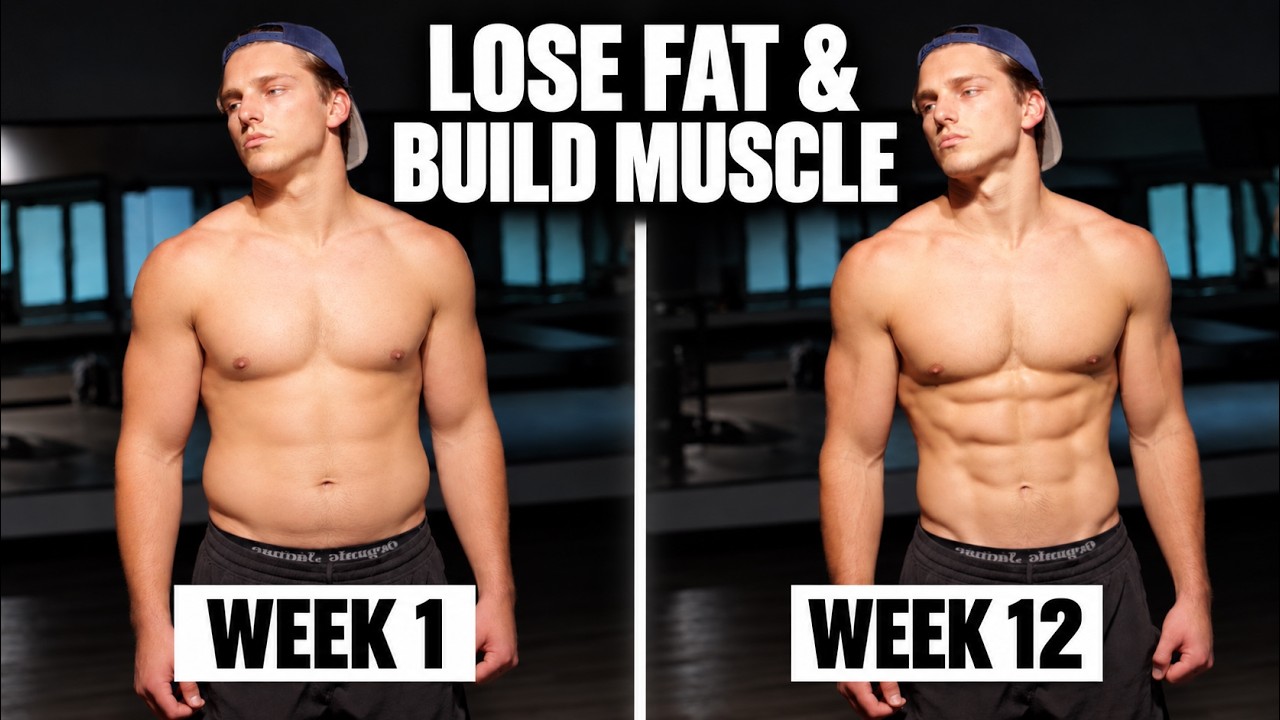
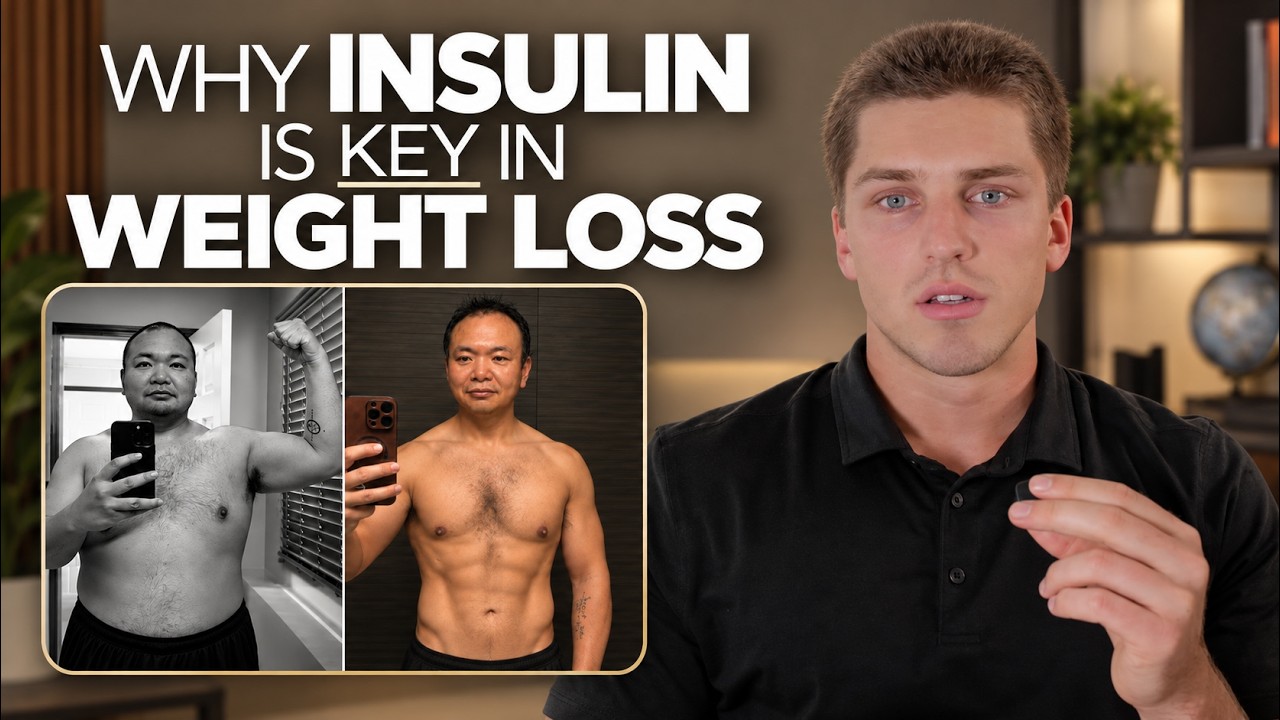
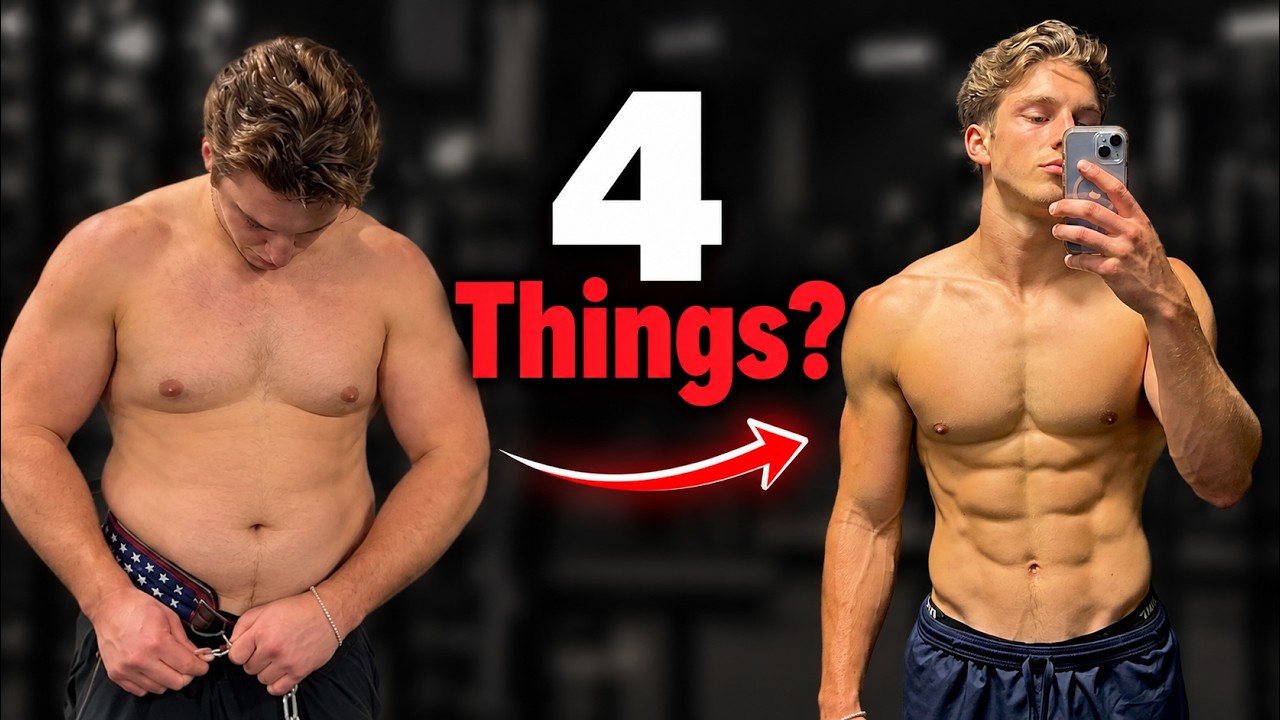
Since you clicked on this video, you obviously want to know the diet that got me to 8% body fat. But honestly, I'm going to give you much, much more than that. It's not just that it got me to 8% body fat, but it healed my acne, healed my gut, healed my inflammation, and made me the healthiest person that I've ever been. It's far more than just the physique. But if you are here to get 8% body fat, I'm going to give you everything you need and more. And exactly how to replicate it. Now, without further ado, let's just get right into it. Now, this is the exact diet that got me to 8% body fat, and not only what I did, but with the exact formula to replicate it. That's the difference with this video is I'm telling you exactly how to actually get there. So first of all, like I said, it's not just about getting lean. If that's your main goal, if getting 8% body fat is what you want, you will 100% get it with this formula, no doubt in my mind. But if you wanna get more than just lean, if you wanna make this transformation, I mean, look at my face. I had inflamed acne face, skinny fat, no energy, and what fixing my diet actually did, got me to 8% body fat and the physique that I wanted, healed my gut, no more acid reflux. I had chronic acid reflux for 1 to 2 years. I couldn't do anything about it. Finally, I fixed my diet. And it really helped fix that. Cleared up my skin and inflammation in my face. I mean, look at the difference in my face and my skin. That all goes back to my diet. You see how inflamed and fat my face was. I finally have stable energy all day, no crashes, and it's the same plan I give you— give to my clients. The reason I'm telling you this is because it works. It doesn't only help you get lean, but it actually helps heal your body from the inside. Because you can get lean and still be inflamed and not get the results you want. You can be lean and still have that protruding belly because you have inflammation in your gut. So there's a lot of things to focus on here, but if you follow this formula, you will get incredible results. Again, copy the formula, not my meals. This is the part most what I eat in a day videos get wrong. They tell you what they eat and they don't tell you exactly why they do it. I'm telling you the formula for you to copy, not just to copy me, because everybody's body schedule, job, and activity level is is a little bit different. You can't copy exactly what I eat because we don't live the same day, but you can copy the formula, the ratios, the timing, the quality rules. I'm giving you that formula to a T so you stop guessing. I can guarantee you one thing, you're gonna walk out of this video knowing exactly what to do and how to get the results that you're looking for. So look, this works. Like I said, I give it to my clients. Look at Vincely. Over 300 pounds he was right here on the left, 180 pounds, 8% body fat, complete transformation. And if he didn't follow the diet plans, he would not have gotten there. Completely fixed his health, fixed his physique, went from about 18% body fat to around 8 to 10% on the right side right here. Again, you can see that transformation for yourself and it comes down to the diet. He lost his belly fat in 3 months. It's hard to see it right there. But a crazy, crazy transformation. Again, it works. Now, number 1, compress your eating window. This would often be called intermittent fasting, but I don't necessarily do it for fat loss and the intermittent fasting. I don't wanna put it into a box. The number 1 reason is for the discipline, not the fat loss. I wanna be clear about that. So first, what does the day actually look like? Well, for me specifically, and again, everybody's a little bit different, but I'm gonna tell you how to format this for your life. It's an 8-hour-ish window, you know, when I eat. 5 AM I wake up, black coffee around 6-ish. I wanna wait at least 60 to 90 minutes. First meal around 7 to 8 AM once I get really hungry. Train around 10, and then the window's closed by 5 PM. Ideally close it by 4 PM. Now, why? Again, I do it for the discipline. The fasting has great benefits for insulin. Autophagy if you go past 18 hours. But specifically because if you get to that point later in the night and you allow yourself to just snack on one thing, you tell yourself, I'm gonna have one bite of it, it's never one bite. You need to set strict rules so you don't even touch it. Right now I'm in the point when I'm filming this video, I'm hungry, but I know that it's not part of my window and I'm not going to allow myself to even get close to it. Now, you have to set those mental barriers, because if you go one foot in, one foot out, you will never get the results that you want. That's what this allows you to do, is go all in and still enjoy yourself in that window. Now, the hard rules make it 10 times easier to stick to than everything else. If you just have a macro plan, but you can eat willy-nilly throughout the day, it makes it really challenging, right? This makes it way simpler, and I guarantee results will come far, far better. Secondary benefit is that insulin stays low in those roughly 16 hours or more. That allows you to actually burn fat for fuel. And a side note on insulin, directly correlated to diabetes, high blood pressure, uric acid, a bunch of things that you don't want. Elevated insulin or chronically elevated insulin is one of the worst things that you can do for your body. So intermittent fasting is really, really good for that as well. Intermittent fasting alone will not get you to 8%. It's a compliance tool like I mentioned. And then the coffee 1 hour after waking, you want to let your cortisol fall. When you artificially spike your cortisol by having that caffeine, it messes up your cortisol cadence, which then messes with your overall sleeping rhythm, messes with your recovery, and it just throws everything out of whack. So if all you did is just wait 60 to 90 minutes to have your caffeine, don't have it within 8 to 10 hours of going to sleep, that's going to greatly improve your overall cortisol but also your circadian rhythm. Pick your window, mine's 8 hours, just hold it wherever you want, okay? Have it for 8 hours and again, it's not necessarily for the intermittent fasting itself, it's for the discipline. Keep that clear. First of all, my breakfast, the first meal I have roughly 7 to 8 AM, it varies a little bit, around 500 calories, 50 grams of protein. It's going to be about 1/4 of my calorie and protein throughout the day. I don't really track my carbs and fats too much, but what I do track is the overall calories and protein. So this would be more so about 1/5 because my overall macros are going to be about my body weight, which is about 200 pounds times 11 or 12, so that's 2,200 to 2,400 calories throughout the day. So that would be about 1/4 to 1/5 right here. So for your breakfast, you want to have about 1/4 to 1/5 of your calories and protein for the day. That's gonna set you up to have stable energy with that protein and slow-digesting food, but also keep you full and satiated so you don't binge eat. You can delay this later in the day if you can wait, but I get really hungry really early. So what does this actually look like? 6 egg whites, 2 whole eggs, slice of sourdough, cottage cheese. So a light walk also within the first 2 to 3 hours kickstarts my metabolism of my waking. So between 5 to 7 or 8 AM, I do want to walk. I do want to do a quick workout so I actually kickstart my metabolism and burn something. So the egg whites are just protein. That's all they are though. We need to focus on the micronutrients, the protein, and the overall bioavailability of the food and the quality as well. So that's what the white— the egg whites are. It's just the protein. But you still need the yolk in good quality for the micronutrients, the B12, the choline, the healthy fats. The omega-3s. But one thing specifically on that is the ideal omega-3 to— sorry, omega-6 to omega-3 ratio is 1:1 or 4:1 at most. That's what we've always evolved on as humans. The modern diet is roughly 15+ to 1. It's absurd. Essentially, in a quick note, omega-6s to omega-3s, they're essential to the body but in very essential ratios. The modern Americanized diet is very high in omega-6s. That's, that's why seed oils have this big debate right now. They're really high in omega-6s. Essentially what omega-6s do, they raise your inflammation. So what we want to do is bring it down. Now, how does that correlate into this? Because the modern American diet, even if you get eggs from the grocery store, yes, they're home cooked, but 95 to 99% of eggs in America come from chickens that are cooped up and have high omega-6 levels strictly because they were fed corn and soy. So ideally you want to get the best quality, whether that's pasture-raised or even more ideally get it from a farm, get it from a local rancher, get it from somebody with good, good quality. That's going to ensure the omega-3 to omega-6 ratios are proper. Because again, even if you cook your own eggs, they're still going to have omega-6 ratios that are going to be way too high because they're fed that corn and soy diet. Also in the yolk, vitamin A, D, E, K, folate, selenium, lutein, a lot of things that you want and healthy fats as well. But we're trying to bring down that overall calorie, so that's why we cut the egg yolks. When I'm not cutting, I have 5 to 6 egg yolks or whole eggs a day. When I am cutting, more egg whites to keep me satiated, give me the protein, but still want a couple egg yolks for the overall nutrients. Cottage cheese, just more protein, slow protein, 'cause actually it digests slow and keeps you full for longer. Onto the pre-workout snack. So this would be like my snack 1/meal 2. Around 9 AM, 200 calories, around 10% of the day for the calorie intake. What this looks like is really just seasonal fruit. It's giving me some fructose, some energy for the gym. It does 3 things: micronutrients and vitamins, because what that— the kiwi is extremely, extremely high in overall micronutrients, has about I believe 3 times the amount of vitamin C as an orange, vitamin K, the prune right here, that's more of a seasonal fruit, also hydration and the fructose for energy. Whatever's in season is what I'm roughly aiming for, but around 100 to 200 calories, something to just fill my stomach before I work out. And this is really, really good for fiber intake and overall gut health, giving you those pre and probiotics. Specifically, that fiber as well is gonna really, and the hydration, And the overall micronutrients honestly is gonna help you with that overall inflammation, but also clear out your bowels. If you are not going to the bathroom at least once per day as a man, there is something wrong. And I don't mean that to cause harm. I mean that because you need to focus on getting more fiber, more hydration, more micronutrients. Eating fruit is one of the simplest ways to do that, and it tastes amazing as well. Get organic, better quality, rinse it in baking soda, or at least Now, again, going back to that gut health, you really, really need to be focusing on going to the bathroom at least once per day, ideally twice per day. This fruit is gonna really help you do that. The lunch post-workout. So, during the workout, that's obviously gonna be an intense training session, but the lunch, we really wanna focus on carbs before and after. So, the fruit, that's that fructose, but we wanna get quick-digesting carbs as well. So, that's what this white potato does here. As well as high protein. So after the training, this one's roughly 630 calories, 90 grams of protein. It varies a little bit, but roughly gonna be around 30+% of our overall calories and high protein with the carbs. Because, very, very important, insulin is the most anabolic hormone in your body. You just burned glycogen, you need to refill it so the muscle can build. The way that you do that is with carbs, and you need quick-releasing carbs high on the glycemic index so it actually spikes your insulin to shuttle that glycogen back to the muscle so you can build muscle. If you keep your insulin low the rest of the day, it allows you to burn fat for fuel. Going into that intermittent fasting, it helps us with that as well. Potato, potassium, actually more than a banana, vitamin C, B6, magnesium, not super high, Overall here for the carbs, cooked and cooled potato resistant starch, but you don't need to cool it; you can eat it right away. And then the chicken is just chicken breast with some tzatziki. What you can do right here is you can swap this out for beef, lamb, fish. You can swap this out for white rice would be the other alternative. And then really the main thing is keeping it overall low calorie but really really satiating. Okay, the next meal or snack is going to be. Yogurt bowl around 1:00 to 2:00 PM. Now, this one's going to be roughly about a quarter to a fifth of the overall calories and the protein around the same. We want to have a high protein, moderate calorie meal so it keeps us satiated but also gives us micronutrient benefits. This is— well, this is actually skyr, but Greek yogurt does the same job. Scoop of protein powder, some toppings, maybe that's cacao nibs, maybe that's something else. But the biggest reason, honestly, I get hungry, it tastes good, it keeps me satiated, and that matters because you're not gonna follow a plan that you hate. You need to follow a plan that's realistic. This allows me to stick to that. It's also pre and probiotics, so it's good for your gut. Satiating, high quality, still fits the formula. This is the sustainability meal. Everybody needs one. You need something that you enjoy, otherwise you're gonna fall off the wagon in one week. That's the issue. The dinner before 5 PM, 450 calories-ish, you know, it really varies a little bit, but around a quarter of my overall calories. Protein, I want to have at least 50 grams here. That's really going to be focused on, as you see, red meat, not too much carbs. If we have carbs, it's going to be light, but high-volume vegetables, higher volume to keep us satiated, but also for the fiber as well. Red meat at dinner. A lot of heme iron, most absorbable form, zinc, B12, phenomenal micronutrients that you need to be focusing on. Red meat should be a staple in your diet as long as it's high quality, grass-fed. It also carries creatine, carnosine, recovery and performance optimizers. So, you're not digesting it while you're sleeping is the reason that we wanna eat before 5:00 PM. So, it also gives us that at least 4 hours plus window. You wanna not eat within 4 hours of sleep. So, that closes the eating window for the day. The full day, what it looks like at a glance on a cut, around 2,200 calories. I might beef it up to 2,400. So, take your body weight times 11, and then— or 11 to 12. So, that for me would be around 2,200 to 2,400. 1 gram of protein per pound of body weight, and then you can fill in the rest with carbs and fats. Now, my breakfast, around 500 calories, fruit around 200. Lunch around 630-ish, yogurt bowl around 400, dinner around 450. So what this would look like is about a quarter to a fifth of my overall calories, about 10%, about a third, about maybe a third right here, give or take. And then this one would, the yogurt bowl around 400 calories as well, about a fifth. You want this protein overall to be consistent. You want to have more than 30 grams of protein per meal. That's gonna give you that leucine spike and the essential amino acids that you actually need, the building blocks. Okay? So, 4 protein anchors: breakfast, lunch, yogurt bowl, dinner. Every meal, protein, micronutrients, quality carbs, timed around your training. That's it. That's what's gonna actually get you the results. And this is just one piece of it. So, like, the meal plan— excuse me— is definitely super, super important, but you still need the training plan, the cardio plan, the lifestyle piece. Without, without all of it together, you honestly won't get, get there. Now you can do it yourself, but I've watched this play out 1,000 times. You try, fail, try again, stall out, then we do it together and it works. So you can choose when, it's not a matter of if. You know, you can follow this plan, you will get results, but you got to make sure everything else is intact as well. So try it alone, lose 6 months, or get it done now. Up to you. If you do want to book a call, the link is in the description. I do one-on-one coaching specifically for men who are 25-year-old plus men who are seeking out to get a better physique. Okay. Now, if that is actually you, click the link in my description and I'd love to talk and see how I can help.